Most travelers avoid Kathmandu during the monsoon (June through September), chasing clear skies and mountain views instead. But those who skip the rainy season miss something extraordinary: a Kathmandu that is lush, quiet, and utterly alive. The rain transforms the valley's dusty streets into mirror-like lanes, the hills turn a deep emerald, and the tourist crowds thin to a trickle. For photographers, food lovers, and adventure seekers, this is the city at its most authentic and most beautiful.
The Kathmandu Monsoon Magic tour flips the script on the rainy season. Over two days, you eat your way through hidden local eateries, capture street art reflections in rain-slicked alleyways, cook authentic Newari dishes with a local family, raft the swollen Trishuli River, hike to monsoon-fed waterfalls, and end with live Nepali music. It is not a sightseeing tour. It is an immersion into a side of Kathmandu that most visitors never experience.
Why Visit Kathmandu During the Monsoon Season?
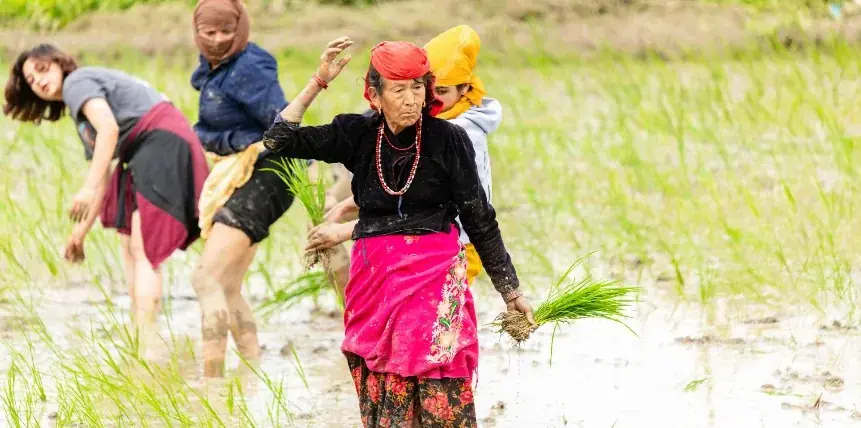
The monsoon transforms Kathmandu in ways that dry-season visitors never see. The valley's pollution washes clean, the air turns fragrant with wet earth and blooming jasmine, and the surrounding hills shift from brown to vivid green. Rice paddies fill with water and mirror the sky. Temples and courtyards take on a moody, atmospheric quality that photographers dream about. The city slows down, and the pace invites a different kind of travel.
Practical advantages exist too. Hotels and flights are cheaper during monsoon. You will not fight crowds at major sites like Swayambhunath or Boudhanath. Restaurants and cafes have space. Guides and porters have more time and attention to give. The trade-off is rain, but the rain in Kathmandu rarely lasts all day. Mornings are often clear, with rain arriving in the afternoon. A well-planned itinerary works around the pattern.
The Kathmandu Valley during monsoon is also when local life is most visible. Farmers plant rice in terraced fields, festivals mark the agricultural calendar, and the city's food culture shifts to seasonal specialties. If you want to see Kathmandu as a living city rather than a tourist destination, monsoon is when that is most possible.
What Does the Kathmandu Monsoon Magic Tour Include?
The two-day Kathmandu Monsoon Magic tour is structured around the rhythm of the monsoon day. Mornings are for exploration, when the rain is often light or absent. Afternoons are for indoor or covered activities like cooking classes and music. The itinerary is designed to work with the weather, not against it. Every activity is chosen because it is enhanced by, rather than hindered by, the monsoon atmosphere.
Day 1 focuses on food, art, and Newari cooking. Day 2 shifts to adventure with rafting, waterfalls, and live music. Together they create a complete picture of monsoon Kathmandu: its flavors, its visual drama, its adventure, and its music. Below is a detailed breakdown of each day.
Day 1: Food, Art and Newari Cooking
Monsoon Food Tour: Hidden Eateries and Street Flavors
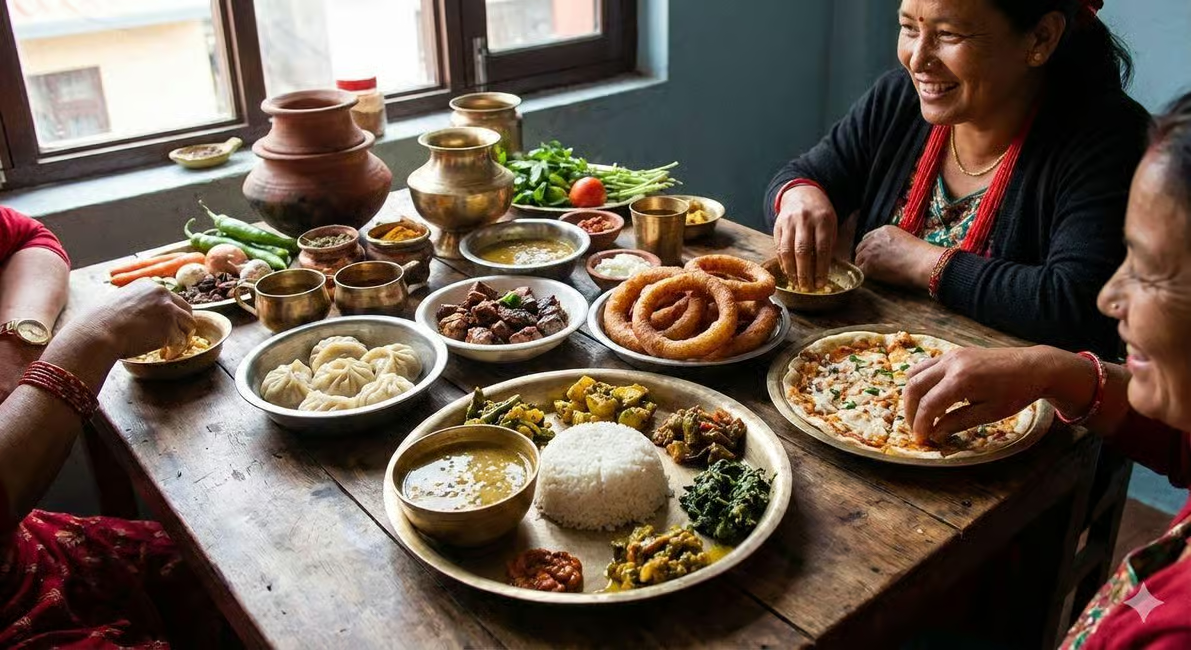
Your journey begins at midday when the rain is often at its gentlest. A local guide leads you through Kathmandu's backstreets to family-run spots that do not appear on any map. You taste steaming momo (dumplings) fresh from the steamer, rich thukpa (noodle soup) that warms from the inside, samay baji (traditional Newari platter), and juju dhau, Bhaktapur's famous "king of curd." Each stop includes the story behind the dish and the family that makes it.
Monsoon is the best season for food tours in Kathmandu. The cool, wet weather makes hot foods more satisfying, and the seasonal specialties appear only during these months. You will taste dishes that dry-season visitors never encounter, including seasonal pickles, fresh bamboo shoot curries, and rice-based snacks that families prepare specifically during the planting season. The food is not curated for tourists. It is what locals eat during monsoon.
Pair this with the Kathmandu and Chitwan 6-Day Food Culture Tour if you want a deeper culinary journey beyond the valley. That tour extends the food experience from the hills to the Terai, adding Tharu cuisine and jungle-foraged ingredients to the menu.
Street Art Photography Workshop
As afternoon light softens, you explore Kathmandu's vibrant street art scene. The monsoon rain creates perfect conditions for photography: puddles mirror murals, colors saturate, and the light is diffuse and forgiving. A local photographer teaches techniques for capturing reflections, low-light alley scenes, and the human moments that unfold under shared umbrellas. You leave with a portfolio of images most visitors never see.
Kathmandu has a growing street art movement, with murals concentrated in areas like Thamel, Patan, and along the Bagmati riverfront. The monsoon adds a reflective quality to these walls that dry-season photography cannot match. The workshop is suitable for all skill levels, from smartphone photographers to experienced DSLR users. Your guide teaches composition, exposure in low light, and how to work with reflections and rain as creative elements rather than obstacles.
Traditional Newari Dinner and Cooking Class
The day culminates in a Newari home in Bhaktapur or Patan. Under the guidance of your hosts, you learn to prepare bara (lentil pancakes), choila (spiced grilled meat), alu tama (potato and bamboo shoot curry), and other Newari staples. The cooking happens over a traditional fire, accompanied by stories of Newar culture, festivals, and the significance of each dish. You eat what you have made, paired with local raksi (rice spirit) or chhyang (millet beer).
For a dedicated cultural immersion, see the Kathmandu Spiritual Circuit which includes Pashupatinath, Boudhanath, and Swayambhunath with cultural context. Many guests combine the monsoon tour with the spiritual circuit for a richer understanding of the valley's cultural layers.
Day 2: Rafting, Waterfalls and Live Music
Whitewater Rafting on the Trishuli River
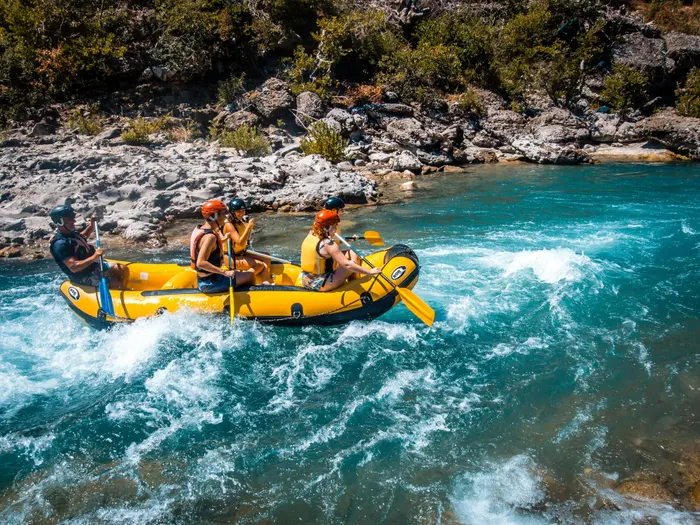
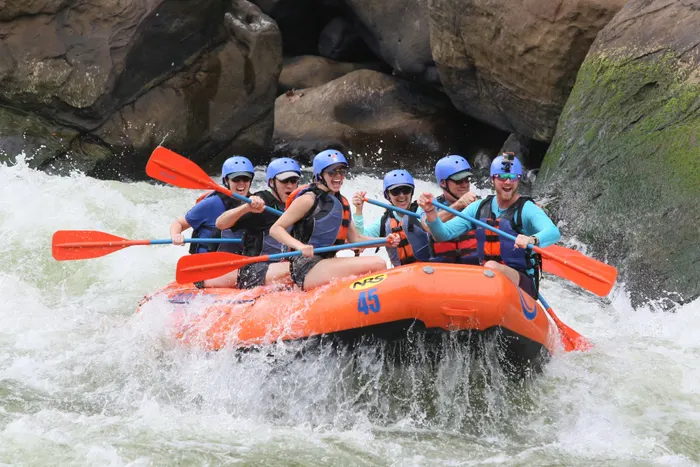
An early start takes you to the Trishuli River, where monsoon meltwater creates exhilarating Class III-IV rapids. The Trishuli is Nepal's most popular rafting river for good reason: accessible from Kathmandu, scenic gorges, and reliable flow. During monsoon, the river runs high and fast, the kind of conditions rafters dream of. A professional guide team handles safety while you paddle through waves, navigate boulder gardens, and float calm sections between canyon walls draped in green.
Monsoon rafting on the Trishuli is not for the faint of heart, but it is safe with professional guides. The swollen river offers bigger waves and more continuous rapids than during the dry season, making it one of the best times for whitewater in Nepal. All equipment, including life jackets, helmets, and dry bags, is provided. No prior rafting experience is needed, but comfort with water is essential.
If you prefer a dedicated rafting adventure, the Trishuli River Rafting package offers a full-day family-friendly experience. For those seeking more extreme water, the Bhote Koshi Rafting package offers Class IV+ rapids on a steeper, more technical river.
Hidden Waterfalls Hike
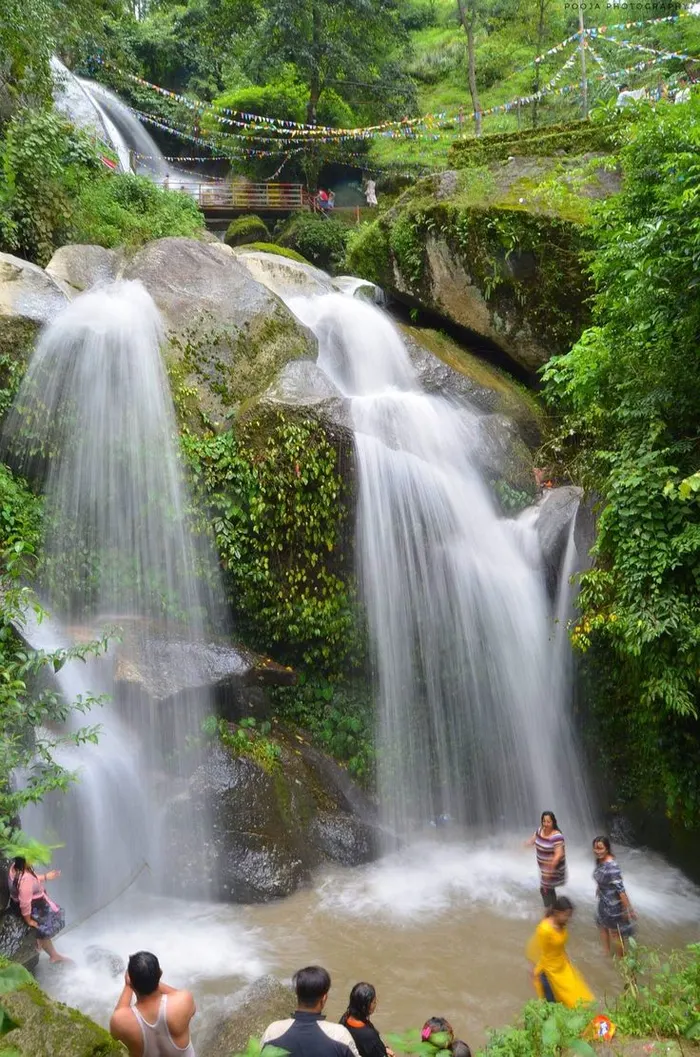
After lunch, you drive to the valley's edge for a hike through rain-refreshed forest to a series of hidden waterfalls. The monsoon turns seasonal trickles into powerful cascades. The trail passes through terraced fields, small villages, and dense subtropical forest alive with bird calls and the scent of wet earth. It is moderate walking (2-3 hours round trip) suitable for most fitness levels, with plenty of photo opportunities and natural pools to cool off in.
The waterfalls around Kathmandu are at their most spectacular during monsoon. Streams that are dry in winter become thundering falls in July and August. The hike passes through farming communities planting rice, and the interaction with local life is a highlight. Your guide explains the agricultural calendar, the significance of the monsoon for Nepal's farming economy, and the ecology of the subtropical forest. This is monsoon Nepal at its most intimate.
For a different kind of water experience, consider the Bathing in Natural Waterfall and River near Kathmandu package, which focuses on swimming and relaxation in monsoon-fed natural pools.
Live Nepali Music Evening
Your final evening unfolds in a cozy Kathmandu venue with local musicians playing traditional and contemporary Nepali songs. Expect the haunting sound of the sarangi, rhythmic madal drums, and vocals that range from folk ballads to modern fusion. It is an intimate setting. You are not watching a performance; you are sharing an evening with the artists. Drinks and light snacks are included.
Nepali music is deeply connected to the seasons, and monsoon has its own traditional repertoire. Many of the songs you hear are associated with the planting season, the rain, and the agricultural cycle. The musicians often explain the context of each piece, turning the evening into a cultural education as well as entertainment. This is the kind of experience that chain hotels and tourist restaurants cannot replicate.
What Should You Pack for a Monsoon Tour in Kathmandu?
Packing for monsoon in Kathmandu is about staying comfortable in wet conditions without over-packing. The key is layers and waterproofing. You do not need expensive gear, but you do need the right items. Here is our recommended packing list for the two-day monsoon tour.
- Rain jacket: lightweight, breathable, with a hood. Gore-Tex or similar is ideal.
- Umbrella: a compact travel umbrella for city walking. Locals use umbrellas more than rain jackets.
- Waterproof shoes: sandals or trekking sandals that can handle wet feet. Avoid suede or canvas.
- Quick-dry clothing: synthetic fabrics that dry overnight. Cotton stays wet for days.
- Dry bags: for camera, phone, and documents. A large ziplock works in a pinch.
- Insect repellent: monsoon brings mosquitoes, especially near water and forests.
- Towel: a quick-dry microfiber towel for waterfall swimming.
- Camera: with a weather-sealed body or rain cover. Monsoon photography is rewarding but demanding on gear.
Is It Safe to Travel to Kathmandu During the Monsoon?
Yes, monsoon travel in Kathmandu is safe with basic precautions. The rain in Kathmandu Valley is typically not dangerous. It is the mountain regions where monsoon creates trekking risks (landslides, trail washouts, limited visibility). In the valley, the main concerns are wet streets and occasional flooding in low-lying areas. Our itinerary avoids high-risk zones and focuses on activities that are safe and enjoyable in wet weather.
Health considerations during monsoon include mosquito-borne illnesses and water-borne infections. Use insect repellent, drink only filtered or bottled water, and avoid raw foods from street vendors unless your guide confirms the source is safe. Our food tour stops are vetted and trusted. We do not take risks with food safety.
The rafting component is operated by certified professionals with international safety standards. The Trishuli during monsoon is a high-water river, but the guides are experienced in these conditions. All participants wear life jackets and helmets, and safety kayakers accompany the raft. No prior experience is needed.
How Does the Monsoon Tour Connect to Other EHT Packages?
The monsoon tour is a standalone two-day experience, but it connects naturally to other EHT offerings. Many guests use it as a bookend to a longer Nepal itinerary. Here are the most popular combinations.
- Kathmandu Monsoon Magic (this tour): 2 days, food, art, rafting, waterfalls.
- Kathmandu and Chitwan 6-Day Food Culture Tour: valley to jungle culinary journey.
- 5-Day Kathmandu Valley UNESCO Tour: all 7 monument zones plus mountain flight.
- Kathmandu Spiritual Circuit: Pashupatinath, Boudhanath, Swayambhunath in 2 days.
- Bhaktapur Day Tour: Newari culture, pottery, and Durbar Square.
- Kathmandu Chitlang Wine Tasting: organic vineyard visit with lunch.
- Trishuli River Rafting: dedicated full-day rafting adventure.
- Everest Scenic Flight: 1-hour Himalayan aerial tour, perfect for monsoon mornings when clouds part.
For the full range of options, browse our tour list or explore all travel experiences across Nepal. The monsoon tour also pairs well with wellness options on our heal page for guests who want to add a spa day or sound healing session.
Why Is Monsoon the Best Season for Photography in Kathmandu?
Photographers who visit Kathmandu only in the dry season miss the city's most dramatic visual moments. Monsoon light is soft and diffuse, which is ideal for portrait and street photography. Harsh shadows disappear, and skin tones render naturally. Colors saturate, especially the reds of temple brickwork and the greens of the surrounding hills. Reflections in puddles and wet surfaces double the visual interest of every scene.
The monsoon sky itself is a subject. Dramatic cloud formations roll over the valley rim, creating constantly changing light and mood. Sunrise and sunset during monsoon are often more colorful than during the dry season, with low clouds catching warm light. The absence of dust in the air means visibility within the valley is actually clearer than during the dry winter months, when haze builds up.
The street art workshop on Day 1 is designed to capitalize on these conditions. Your photographer guide teaches you how to use reflections, how to expose for low light, and how to compose in the narrow alleyways of old Kathmandu where the monsoon atmosphere is most intense. The results are images that look nothing like the standard dry-season Kathmandu shots.
Frequently Asked Questions About Kathmandu Monsoon Magic Tour
Is the Kathmandu Monsoon Magic tour suitable for families?
Yes. The food tour, photography workshop, cooking class, and music evening are all family-friendly. The rafting component requires children to be at least 10 years old and comfortable in water. The waterfall hike is moderate and suitable for children who can walk for 2-3 hours. We can adjust the itinerary for younger families.
What happens if it rains heavily during the tour?
The tour is designed for monsoon conditions. Indoor activities like the cooking class and music evening are unaffected by rain. Outdoor activities like the food tour and photography workshop actually benefit from the rain. If heavy rain makes rafting unsafe, we substitute an alternative activity and refund the difference. Your safety is always the priority.
Do I need prior rafting experience for the Trishuli River?
No. The Trishuli rafting is suitable for beginners. Professional guides handle the boat while you paddle. All safety equipment is provided. During monsoon the river is higher and faster, but the guides are experienced in these conditions. If you prefer a calmer experience, the Trishuli River Rafting package can be arranged at a different water level.
What is the best month for the Kathmandu monsoon tour?
July and August are peak monsoon months with the most consistent rain and the most dramatic scenery. June is transitional with lighter rain. September is late monsoon with occasional heavy showers but also clearer mornings. All months work for the tour. July and August offer the most authentic monsoon experience.
Can I extend the monsoon tour beyond 2 days?
Yes. We can extend the itinerary with additional days for cultural tours, wellness sessions, or day trips. Popular extensions include the 5-Day Kathmandu Valley UNESCO Tour, the 6-Day Food and Culture Tour, or a wellness retreat from our healing packages.
What kind of food will I try on the monsoon food tour?
You will try momo (dumplings), thukpa (noodle soup), samay baji (Newari platter), juju dhau (king of curd from Bhaktapur), seasonal monsoon specialties like alu tama (bamboo shoot curry), and local snacks from family-run eateries that most tourists never find. All stops are vetted for food safety.
Experience the Rain in Kathmandu
The monsoon in Kathmandu is not a problem to avoid. It is a season to embrace. The rain brings the city to life in ways that the dry months cannot match. Food tastes better, photographs look more dramatic, rivers run stronger, and the city reveals its most authentic self. Explore, Heal, Thrive is our philosophy, and the monsoon tour is the explore part at its most adventurous.
Book the Kathmandu Monsoon Magic tour or browse our full tour list to see how this two-day adventure fits into a longer Nepal journey. The rain is waiting, and so is a side of Kathmandu you have never seen.