Introduction to Manaslu Circuit Trek Costs
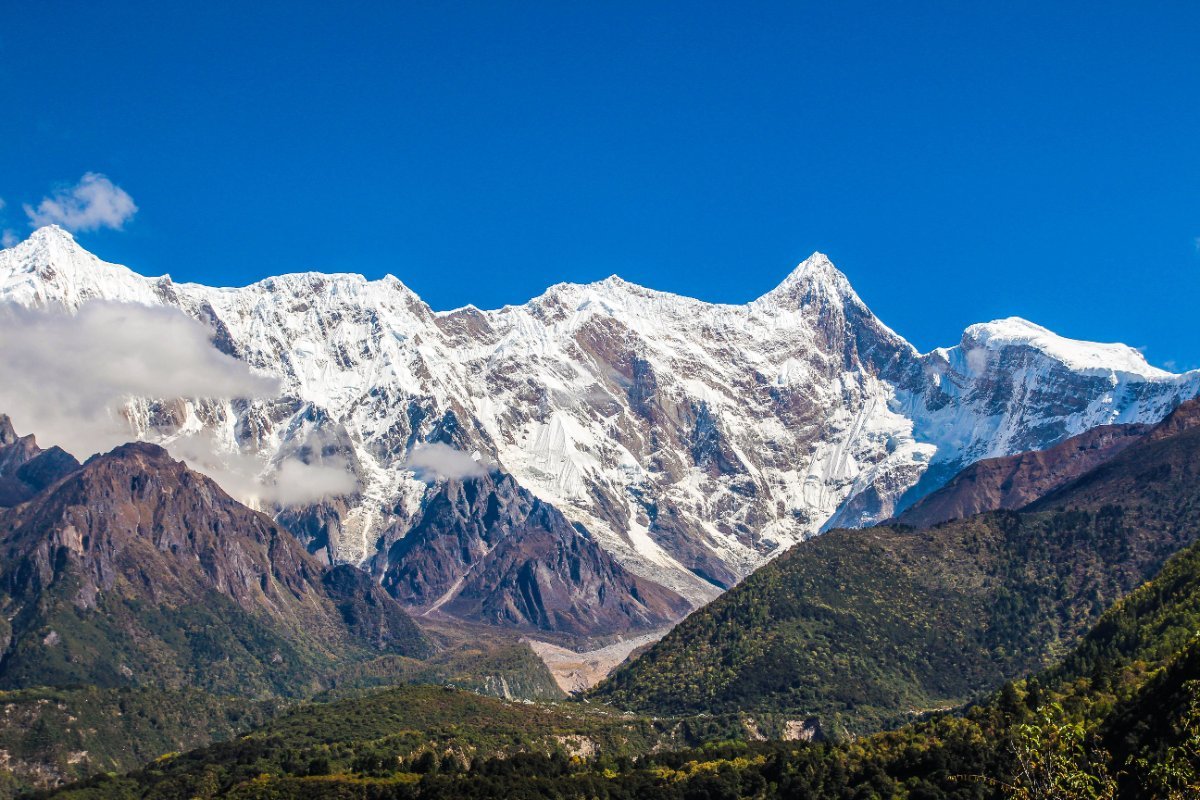
The Manaslu Circuit Trek is one of Nepal most spectacular and culturally rich trekking adventures, circling the eighth highest mountain in the world, Mount Manaslu (8,163 meters). As trekking in the Manaslu region grows in popularity, many trekkers are searching for a clear and honest breakdown of what it actually costs to complete this incredible journey in 2026. This guide provides a complete and detailed budget breakdown covering every expense category you will encounter, from permits and transportation to food, lodging, guides, porters, and gear. Whether you are a budget-conscious backpacker or a trekker looking for a more comfortable mid-range experience, this article will help you plan your Manaslu Circuit Trek with confidence and financial clarity.
Understanding the full cost picture is essential because the Manaslu region is a restricted area that requires special permits, mandatory guides, and specific logistical arrangements that differ from standard trekking routes like the Annapurna Circuit or Everest Base Camp trek. The remoteness of the region, combined with its restricted status, means that costs can add up in ways that surprise unprepared trekkers. By the end of this guide, you will have a precise understanding of every cost component and a realistic total budget estimate for completing the Manaslu Circuit Trek in 2026.
Manaslu Restricted Area Permit Costs 2026
The most significant permit expense for the Manaslu Circuit Trek is the Manaslu Restricted Area Permit, also known as the Restricted Area Entry Permit. This permit is mandatory for all foreign trekkers entering the Manaslu Conservation Area and is issued by the Department of Immigration in Kathmandu. The cost of this permit varies depending on the season you choose to trek.
During the autumn trekking season, which runs from September through November, the Restricted Area Permit costs USD $100 per person per week. For any additional days beyond the first week, the fee is approximately USD $15 per person per day. Autumn is the most popular time for the Manaslu Circuit Trek, with clear skies, stable weather, and excellent mountain views, which is why the permit fee is at its highest during this period.
During the spring trekking season, which runs from March through May, the Restricted Area Permit costs USD $75 per person per week. Additional days beyond the first week are also charged at approximately USD $15 per person per day. Spring is the second most popular season for trekking Manaslu, with warming temperatures, blooming rhododendron forests, and generally good trekking conditions.
During the winter season (December through February) and the monsoon season (June through August), the permit fee is the same as spring at USD $75 per person per week. However, trekking during these off-seasons presents significant challenges including heavy snowfall in winter and torrential rains during monsoon, which can make the Larkya La pass dangerous or impassable. Most trekkers avoid these seasons for safety reasons.
For a standard 14-day Manaslu Circuit Trek, you will need two weeks of permit coverage. In autumn, this means USD $100 for the first week plus USD $105 for the additional seven days (7 x $15), totaling USD $205. In spring, this means USD $75 for the first week plus USD $105 for the additional seven days, totaling USD $180. It is important to note that you cannot trek the Manaslu Circuit without this permit, and it must be arranged through a registered trekking agency in Kathmandu. Individual trekkers cannot obtain this permit independently.
Manaslu Conservation Area Permit (MCAP) Cost
In addition to the Restricted Area Permit, all trekkers on the Manaslu Circuit must also purchase the Manaslu Conservation Area Permit (MCAP). This permit costs USD $30 per person and is a one-time fee that covers your entire trek. The MCAP is used to fund conservation efforts, community development, and infrastructure maintenance within the Manaslu Conservation Area.
The MCAP can be purchased at the entry checkpoint along the trail or in advance through your trekking agency in Kathmandu. You will need to show your MCAP receipt at the checkpoint in Jagat or Soti Khola, depending on your starting point. Make sure to keep your permit documents with you at all times during the trek, as checkpoints along the route will verify your permits.
TIMS Card Cost for Manaslu Circuit
The Trekkers Information Management System (TIMS) card is another required permit for the Manaslu Circuit Trek. The TIMS card costs USD $20 per person for the standard version. This card helps authorities track trekkers in the region for safety and rescue purposes, and it is required for all foreign trekkers in Nepal.
There are two types of TIMS cards: the Free Individual Trekkers (FIT) TIMS card and the Group TIMS card. However, since the Manaslu Circuit is a restricted area that requires trekkers to be part of an organized group through a registered agency, you will typically receive the Group TIMS card arranged by your trekking agency. The cost remains USD $20 per person regardless of the type.
It is worth noting that the TIMS card and MCAP together add USD $50 to your total permit costs. When combined with the Restricted Area Permit, your total permit expenses for a 14-day autumn trek will be approximately USD $255, and for a spring trek approximately USD $230. These are fixed costs that cannot be avoided or negotiated.
Guide and Porter Costs for Manaslu Circuit Trek
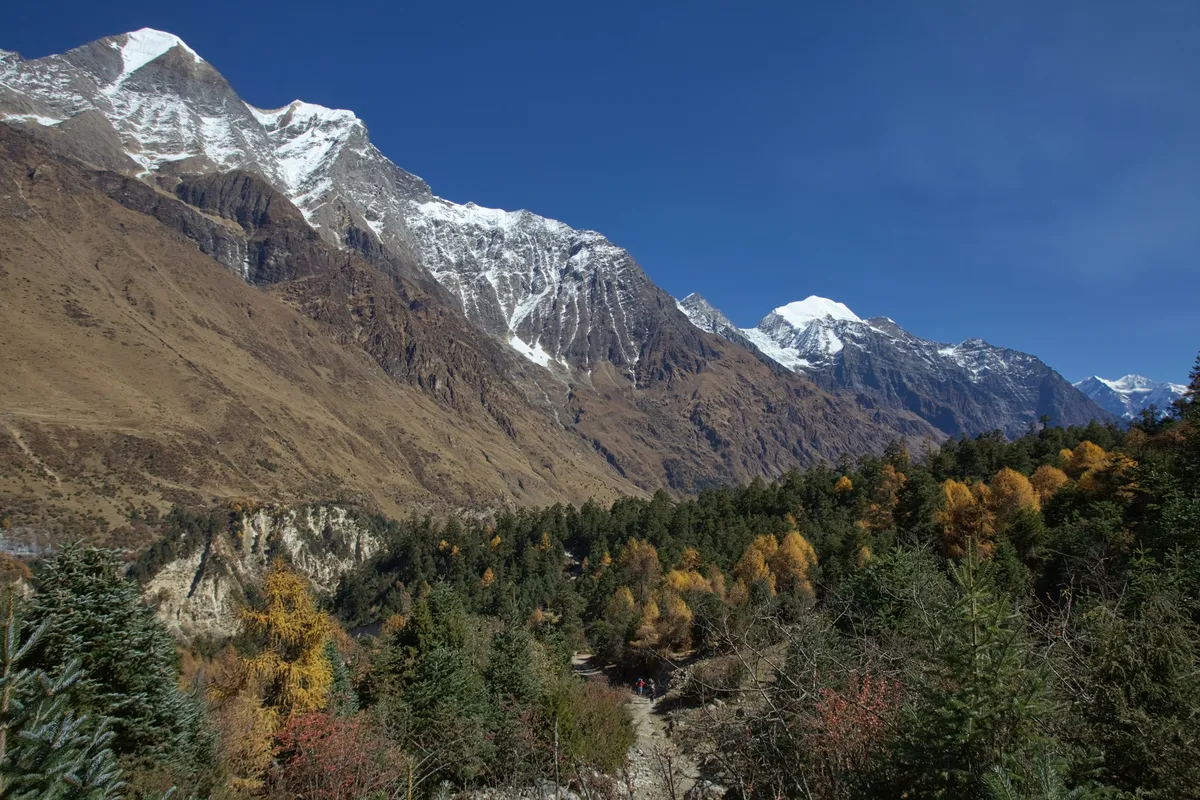 The Manaslu Circuit Trek requires a licensed guide or at minimum being part of an organized group through a registered trekking agency. Since 2023, Nepal has made it mandatory for all foreign trekkers in restricted areas to be accompanied by a licensed guide. This means you cannot trek Manaslu independently, and the cost of a guide is a required expense.
A licensed English-speaking trekking guide typically costs between USD $25 and USD $35 per day. This rate usually includes the guide salary, their food, accommodation, insurance, and transportation to and from the trailhead. Guides who speak other languages such as French, German, Spanish, or Japanese may charge higher rates, typically between USD $35 and USD $50 per day.
A porter costs between USD $18 and USD $25 per day. A porter typically carries up to 20-25 kilograms of luggage, which is usually enough for two trekkers sharing one porter. The porter cost also includes their food, accommodation, insurance, and transportation. Some trekkers choose to hire a porter-guide, which is a single person who both guides and carries a limited amount of luggage. A porter-guide costs between USD $25 and USD $30 per day.
For a 14-day Manaslu Circuit Trek, hiring a guide at USD $30 per day would cost USD $420. Hiring a porter at USD $20 per day would cost USD $280. If you hire both a guide and a porter, the combined cost would be approximately USD $700 for the full trek. If two trekkers share one porter, the per-person porter cost drops to USD $140 each.
It is important to clarify what is included in the guide and porter costs before booking. Some agencies include the guide and porter transportation, food, and insurance in the daily rate, while others charge these separately. Make sure to get a clear breakdown to avoid unexpected costs on the trail.
Teahouse and Lodge Accommodation Costs
Along the Manaslu Circuit route, accommodation is in teahouses and local lodges. These are basic mountain guesthouses that provide a simple room, usually with two single beds, a shared bathroom, and a communal dining area. The cost of teahouse accommodation varies depending on the altitude and location.
At lower elevations (from Soti Khola up to Deng), teahouse rooms typically cost between USD $3 and USD $7 per night. At mid-range elevations (from Namrung to Samagaon), rooms cost between USD $5 and USD $10 per night. At higher elevations (from Samagaon to Dharmasala), rooms can cost between USD $8 and USD $15 per night, and in some cases, rooms may be provided free of charge if you agree to eat all your meals at the same lodge.
It is common in the Manaslu region for teahouse owners to offer free or heavily discounted rooms if you purchase all your meals at their establishment. This is because the main income for teahouse owners comes from food sales rather than room charges. However, this arrangement should be discussed and agreed upon when you arrive at the teahouse.
For a 14-day trek, accommodation costs typically range from USD $50 to USD $150 per person, depending on whether you take advantage of the free-room-with-meals arrangement. In higher-altitude villages, the free room arrangement becomes less common because supplies are more expensive to transport.
The quality of teahouses along the Manaslu Circuit varies significantly. At lower elevations, you may find rooms with attached bathrooms and hot showers. At higher elevations, facilities become more basic with shared squat toilets and no running water. Some teahouses offer charging for electronic devices for a small fee of USD $2 to USD $5 per charge. Wi-Fi is available at some teahouses for a fee of USD $3 to USD $7.
Food and Meal Costs Per Day
Food is one of the most significant daily expenses on the Manaslu Circuit Trek. Because all food supplies must be carried by porters or animals to the remote mountain lodges, prices increase significantly with altitude. The menu at most teahouses follows a similar pattern, offering dal bhat (rice and lentils), noodles, soups, momos, and various fried rice and potato dishes.
At lower elevations (Soti Khola to Deng), a typical meal costs between USD $4 and USD $7. A cup of tea costs USD $1 to USD $2. At mid-range elevations (Namrung to Samagaon), meals cost between USD $6 and USD $10. At higher elevations (Samagaon and above), meals can cost between USD $8 and USD $15.
A typical daily food budget looks like this: breakfast (USD $5 to $8), lunch (USD $6 to $9), dinner (USD $7 to $10), and several cups of tea or coffee throughout the day (USD $3 to $6). Snacks such as chocolate bars, biscuits, and instant noodles add another USD $2 to USD $5 per day. This brings the total daily food cost to approximately USD $20 to USD $35 per person.
For a 14-day trek, food costs typically range from USD $280 to USD $490 per person. Many trekkers report spending closer to USD $350 to USD $400 on food for the entire trek, as the free dal bhat refills offered at many teahouses help keep costs manageable. Dal bhat is the most economical and filling meal option, and most lodges offer unlimited rice and lentil refills.
Bottled water is available at most teahouses but becomes increasingly expensive with altitude, ranging from USD $1 at lower elevations to USD $4 at higher camps. A more economical and environmentally friendly option is to use water purification tablets or a water filter. A box of water purification tablets costs USD $5 to USD $10 and can treat enough water for the entire trek.
Hot showers are available at some teahouses for an additional fee of USD $3 to USD $7. At higher elevations, hot showers may be a bucket of hot water rather than a proper shower. Some trekkers choose to skip showers for several days to save money, which is a common practice on remote treks.
Transportation Costs to and from the Trail
Getting to and from the Manaslu Circuit trailhead involves significant transportation costs that are often overlooked in budget calculations. The standard starting point for the Manaslu Circuit Trek is Soti Khola, and the standard ending point is Dharapani, where the trail connects with the Annapurna Circuit route.
To reach Soti Khola from Kathmandu, most trekkers take a local jeep or a shared 4WD vehicle. The journey takes approximately 6 to 8 hours on rough mountain roads. A shared jeep costs approximately USD $20 to USD $30 per person, while a private jeep costs USD $150 to USD $200. Most trekkers opt for the shared jeep to save costs. The jeep departs early in the morning from Kathmandu or from the town of Arughat, which is the last major town before Soti Khola.
Some trekkers take a local bus from Kathmandu to Arughat or Gorkha and then a jeep from there to Soti Khola. The local bus costs approximately USD $10 to USD $15 per person, and the jeep from Arughat to Soti Khola costs an additional USD $10 to USD $15 per person. This option is cheaper but takes longer and is less comfortable.
For the return journey, from Dharapani back to Kathmandu, most trekkers take a local bus. The bus from Dharapani to Besisahar costs approximately USD $10 to USD $15 per person and takes about 3 to 4 hours. From Besisahar, a bus to Kathmandu costs approximately USD $10 to USD $15 per person and takes about 5 to 6 hours. Alternatively, a shared jeep from Dharapani to Kathmandu costs approximately USD $30 to USD $40 per person.
Total transportation costs for the round trip typically range from USD $50 to USD $100 per person, depending on whether you choose shared jeeps or local buses. If you opt for private transportation, costs can rise to USD $300 or more. Most budget and mid-range trekkers spend approximately USD $60 to USD $80 on transportation.
Gear Rental Costs in Kathmandu
If you do not have your own trekking gear, you can rent most essential items in Kathmandu. Thamel, the main tourist district, has numerous gear rental shops that offer a wide range of equipment at reasonable prices. Here is a breakdown of typical rental costs per item per day:
- Sleeping bag (rated to -10C or lower): USD $1.50 to USD $3 per day
- Down jacket: USD $1.50 to USD $3 per day
- Trekking boots: USD $2 to USD $4 per day
- Trekking poles: USD $1 to USD $2 per day
- Rucksack or backpack: USD $1.50 to USD $3 per day
- Headlamp: USD $1 to USD $2 per day
- Rain jacket or poncho: USD $1 to USD $2 per day
For a 14-day trek, renting a sleeping bag, down jacket, and trekking poles would cost approximately USD $60 to USD $120. If you need to rent more items, the total gear rental cost could reach USD $100 to USD $180 for the full trek. Many rental shops offer discounts for longer rental periods, so it is worth negotiating.
It is also possible to buy certain gear items in Kathmandu at lower prices than in Western countries. Basic thermals, fleece jackets, and gloves can be purchased for USD $10 to USD $30 each. However, quality varies significantly, and it is advisable to inspect items carefully before purchasing. For critical items like sleeping bags and boots, renting from a reputable shop is often a better choice than buying cheap knockoffs.
You should also budget for a few essential consumable items: water purification tablets (USD $5 to $10), sunscreen (USD $5 to $10), hand sanitizer (USD $2 to $5), and basic first aid supplies (USD $10 to $20). These small items can add up to USD $30 to USD $50.
Total Budget Estimates for Manaslu Circuit Trek 2026
Now let us combine all the cost categories to provide realistic total budget estimates for completing the Manaslu Circuit Trek in 2026. We will present three budget tiers: budget, mid-range, and luxury.
Budget Trekker Estimate
A budget trekker aims to minimize costs while still completing the trek safely and comfortably. This estimate assumes trekking in spring (lower permit cost), sharing a porter with another trekker, staying in free rooms with meals, eating mostly dal bhat, using water purification tablets, and taking shared transportation.
- Restricted Area Permit (spring, 14 days): USD $180
- MCAP: USD $30
- TIMS Card: USD $20
- Guide (14 days at $25/day): USD $350
- Porter shared (14 days at $10/day per person): USD $140
- Accommodation (free with meals): USD $50
- Food (14 days at $20/day): USD $280
- Transportation (shared jeep and bus): USD $60
- Gear rental: USD $70
- Miscellaneous (charging, Wi-Fi, hot showers): USD $30
Total budget estimate: USD $1,210 per person. This is the absolute minimum realistic cost for completing the Manaslu Circuit Trek in 2026. Attempting to spend less than this would involve cutting corners on safety, food, or guide quality, which is not recommended.
Mid-Range Trekker Estimate
A mid-range trekker is willing to spend a bit more for comfort, better food variety, occasional hot showers, and a private porter. This estimate assumes trekking in autumn (higher permit cost), hiring a dedicated guide, having a private porter, staying in better teahouses, eating a variety of meals, and using shared transportation.
- Restricted Area Permit (autumn, 14 days): USD $205
- MCAP: USD $30
- TIMS Card: USD $20
- Guide (14 days at $30/day): USD $420
- Porter private (14 days at $20/day): USD $280
- Accommodation (14 days at $7/night average): USD $100
- Food (14 days at $28/day): USD $390
- Transportation (shared jeep and bus): USD $80
- Gear rental: USD $100
- Miscellaneous (charging, Wi-Fi, hot showers, snacks): USD $60
Total mid-range estimate: USD $1,685 per person. This is the most common spending level for international trekkers on the Manaslu Circuit and provides a good balance of comfort and value.
Luxury Trekker Estimate
A luxury trekker wants the best possible experience, including a highly experienced guide, private porter, private transportation, premium teahouse rooms where available, varied meals with occasional Western dishes, and all amenities. This estimate assumes trekking in autumn, hiring a premium guide, having a private porter carrying a light load, private jeep transportation, and purchasing all available amenities along the trail.
- Restricted Area Permit (autumn, 14 days): USD $205
- MCAP: USD $30
- TIMS Card: USD $20
- Premium Guide (14 days at $40/day): USD $560
- Porter private (14 days at $25/day): USD $350
- Accommodation (14 days at $12/night average): USD $170
- Food (14 days at $35/day): USD $490
- Transportation (private jeep both ways): USD $300
- Gear rental or purchase: USD $150
- Miscellaneous (charging, Wi-Fi, hot showers, snacks, drinks): USD $100
Total luxury estimate: USD $2,375 per person. This level of spending ensures maximum comfort and convenience on the Manaslu Circuit Trek, though it is important to remember that even at the luxury level, facilities in the Manaslu region are basic compared to the Annapurna or Everest regions.
Package Tours vs Independent Organized Trekking
Many trekkers wonder whether to book a full package tour through a trekking agency or to organize the trek independently (while still being required to use a guide through an agency for the restricted area permit). Understanding what is typically included in each option helps you make an informed decision.
What Is Included in a Package Tour
A full package tour through a registered trekking agency typically includes the following:
- All permits (Restricted Area Permit, MCAP, TIMS Card)
- Licensed English-speaking guide
- Porter service (usually one porter shared between two trekkers)
- Teahouse accommodation throughout the trek
- All meals (breakfast, lunch, dinner) during the trek
- Transportation from Kathmandu to Soti Khola and from Dharapani back to Kathmandu
- Guide and porter insurance
- Guide and porter food and accommodation
- First aid kit and basic medical supplies
- Agency service fee and government taxes
Package tour prices for the Manaslu Circuit Trek typically range from USD $1,200 to USD $2,500 per person, depending on the agency, group size, and level of service. Budget agencies offer basic packages at the lower end, while premium agencies offer more comprehensive services at the higher end. The advantage of a package tour is convenience and peace of mind, as all logistics are handled by the agency.
What Is Included in an Independent Organized Trek
For trekkers who want more control over their budget and itinerary, an independent organized trek is an alternative. In this arrangement, you still need to work with a registered agency to obtain the Restricted Area Permit and hire a licensed guide, but you handle other expenses directly. This typically includes:
- Permits arranged through an agency (you pay the agency a service fee on top of the permit cost)
- Guide hired through an agency (daily rate)
- Porter hired through an agency or independently (daily rate)
- Teahouse accommodation paid directly to lodge owners
- Meals paid directly to teahouse owners
- Transportation arranged and paid for independently
- Gear rental arranged independently in Kathmandu
The advantage of this approach is that you have full control over your spending and can choose where to save money (for example, by eating simpler meals or staying in free rooms with meals). The disadvantage is that you must handle all logistics yourself, which can be time-consuming and stressful, especially if you are not familiar with the region.
In practice, the cost difference between a package tour and an independent organized trek is often smaller than people expect. A well-negotiated package tour can sometimes be cheaper than organizing everything independently, because agencies get discounted rates on accommodation and transportation. However, if you are disciplined about your spending and willing to accept more basic conditions, an independent organized trek can save you USD $100 to USD $300 per person.
Hidden and Unexpected Costs
Several costs are frequently overlooked by trekkers planning the Manaslu Circuit Trek. Being aware of these in advance helps you budget more accurately and avoid financial surprises on the trail.
Electronic device charging fees can add up quickly. At higher elevations, charging a phone or camera battery can cost USD $3 to USD $5 per charge. If you charge two devices daily for 14 days, this adds USD $84 to USD $140 to your budget. Bringing a portable power bank or solar charger can save significant money. A good power bank costs USD $30 to USD $60 in Kathmandu and can eliminate charging fees for the entire trek.
Wi-Fi fees are another often-overlooked cost. Many teahouses charge USD $3 to USD $7 for Wi-Fi access. If you use Wi-Fi daily, this can add USD $42 to USD $98 to your total. Some trekkers purchase a local SIM card with a data plan in Kathmandu for USD $15 to USD $25, which can be more economical if you need regular internet access.
Hot shower fees of USD $3 to USD $7 per shower can add USD $42 to USD $98 for a 14-day trek if you shower every day. Many trekkers reduce this cost by showering only at lower elevations or every few days.
Tips for guides and porters are customary in Nepal. A typical tip for a guide is USD $7 to USD $10 per day per group, and for a porter USD $5 to USD $7 per day per group. For a 14-day trek, this adds USD $100 to USD $240 per group, or USD $50 to USD $120 per person if two trekkers share. Tips are not mandatory but are greatly appreciated and form a significant part of the income for mountain workers.
Travel insurance that covers high-altitude trekking and helicopter rescue is essential. Standard travel insurance policies often exclude trekking above 3,000 meters. You need a policy that specifically covers trekking up to 5,200 meters (the height of the Larkya La pass). Such policies typically cost USD $100 to USD $200 for a two-week trip. Do not skip this expense, as a helicopter rescue from the Manaslu region can cost USD $3,000 to USD $6,000.
Extra nights in Kathmandu before or after the trek can add USD $20 to USD $60 per night for a mid-range hotel room. Most trekkers spend at least two extra nights in Kathmandu for permit processing, gear preparation, and rest days.
Money-Saving Tips for the Manaslu Circuit Trek
While the Manaslu Circuit Trek is inherently more expensive than non-restricted trekking routes in Nepal due to the permit requirements and mandatory guide, there are several ways to reduce costs without compromising safety or enjoyment.
Trek in spring rather than autumn to save USD $25 on the Restricted Area Permit. The weather and views in spring are still excellent, and the trails are less crowded. Rhododendron forests are in full bloom during April and May, making spring a visually stunning time to trek.
Share a porter with another trekker to cut porter costs in half. If you are traveling solo, ask your agency to pair you with another solo trekker. This can save USD $140 or more per person.
Eat dal bhat for dinner most nights. Dal bhat is the most filling and economical meal on the trail, and most teahouses offer unlimited refills on rice and lentils. This can reduce your daily food cost by USD $5 to USD $8 compared to ordering multiple dishes or Western-style meals.
Use water purification tablets instead of buying bottled water. A box of tablets costs USD $5 to USD $10 and can save you USD $40 to USD $60 over the course of the trek while also reducing plastic waste.
Stay in free rooms with meals whenever possible. Many teahouses offer free rooms if you eat breakfast and dinner at their lodge. This can save USD $50 to USD $100 over a 14-day trek.
Bring a portable power bank to avoid device charging fees. A good power bank costs USD $30 to USD $60 and can save USD $80 to USD $140 in charging fees over the trek.
Book through a reputable local agency rather than an international company. International companies typically charge a markup of 30% to 50% on top of local agency prices. Booking directly with a Kathmandu-based agency can save USD $300 to USD $800 per person.
Trek in a small group of 2 to 4 people. Many costs such as guide fees and private transportation can be split among group members, significantly reducing the per-person cost. A group of 4 trekkers sharing one guide and two porters can reduce per-person costs by 20% to 30% compared to solo trekking.
Conclusion: Planning Your Manaslu Circuit Trek Budget
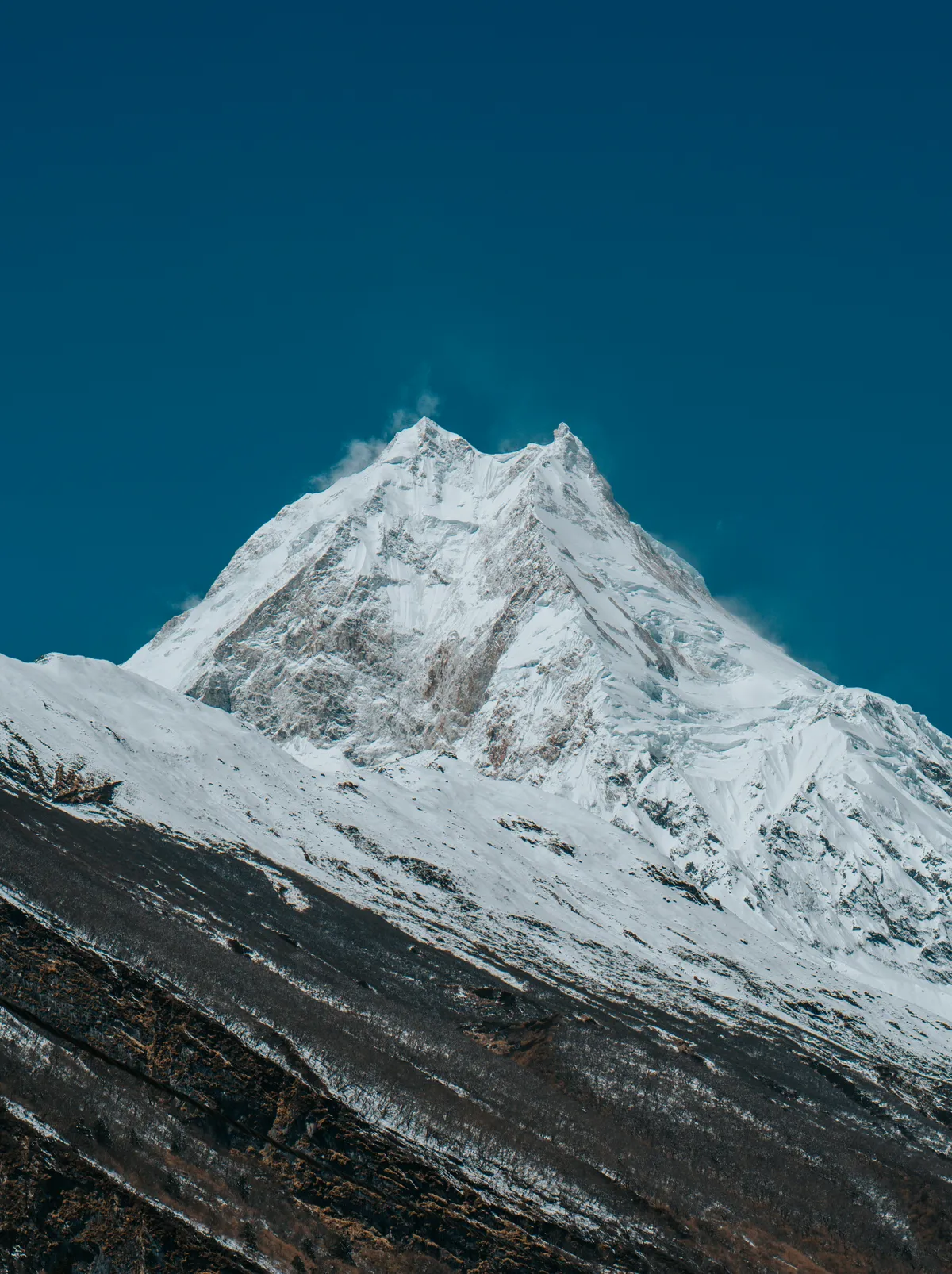
The Manaslu Circuit Trek is a remarkable adventure that offers a perfect blend of natural beauty, cultural immersion, and physical challenge. Understanding the full cost breakdown before you embark on this journey is essential for proper planning and for avoiding unexpected expenses along the trail.
To summarize the key cost figures for 2026: the Restricted Area Permit costs USD $100 per week in autumn and USD $75 per week in spring, the MCAP costs USD $30, and the TIMS card costs USD $20. A guide costs USD $25 to USD $40 per day, a porter costs USD $18 to USD $25 per day, teahouse accommodation costs USD $3 to USD $15 per night, food costs USD $20 to USD $35 per day, and transportation costs USD $50 to USD $100 round trip. Gear rental adds USD $60 to USD $180, and miscellaneous expenses can add USD $50 to USD $150.
The total realistic budget for the Manaslu Circuit Trek in 2026 ranges from approximately USD $1,210 for a budget trekker to USD $1,685 for a mid-range trekker to USD $2,375 for a luxury trekker. These figures include all required permits, guide and porter fees, accommodation, food, transportation, gear, and miscellaneous expenses for a standard 14-day trek.
Whether you choose a full package tour or an independently organized trek, the key to a successful and enjoyable Manaslu Circuit Trek is careful planning, realistic budgeting, and a willingness to embrace the simple but rewarding experience of trekking through one of Nepal most beautiful and least commercialized regions. With the cost information provided in this guide, you are now equipped to plan your 2026 Manaslu Circuit Trek with confidence and financial clarity.