Introduction to Manaslu Circuit Trek Permits
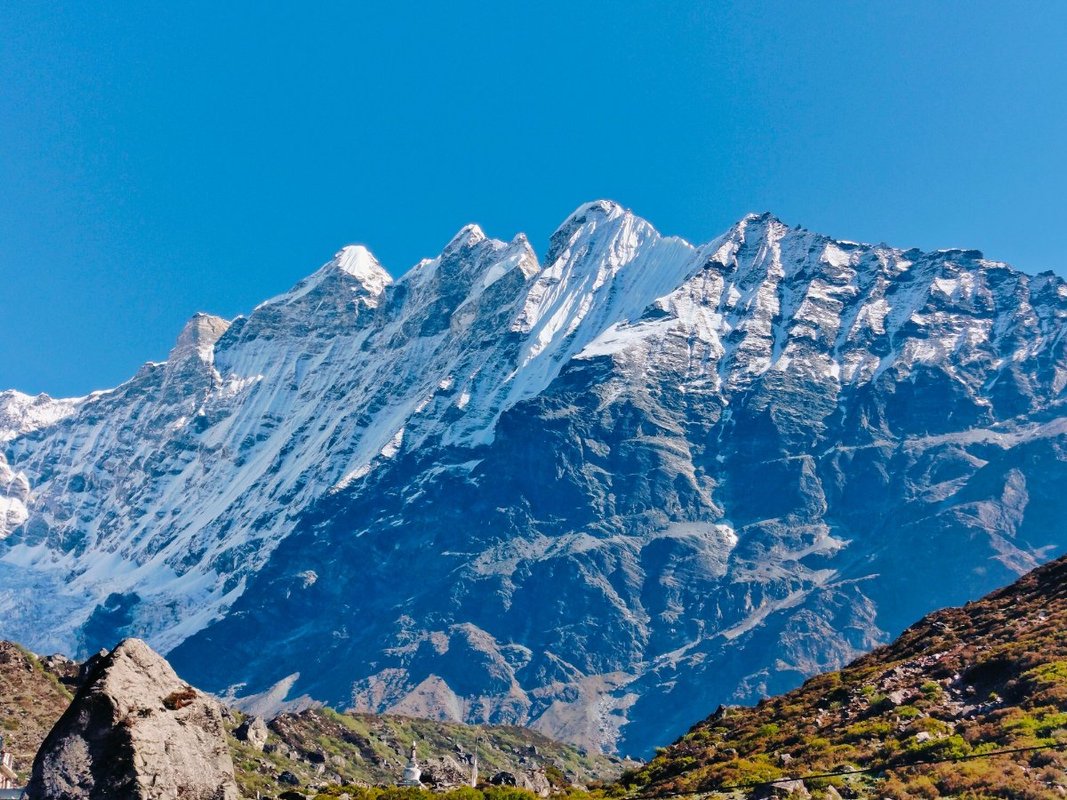
The Manaslu Circuit Trek is one of the most spectacular and culturally rich trekking routes in Nepal, circling the eighth highest mountain in the world, Mount Manaslu (8,163 meters). Unlike popular teahouse treks such as Annapurna or Everest, the Manaslu region is a restricted area under Nepali law, which means trekkers need special permits to enter. For the 2026 trekking season, understanding the permit requirements is essential for a smooth and legal journey. This guide covers everything you need to know about the three permits required for the Manaslu Circuit Trek: the Restricted Area Permit (RAP), the Manaslu Conservation Area Permit (MCAP), and the Trekkers Information Management System (TIMS) card.
Navigating the permit process can feel overwhelming, especially for first-time visitors to Nepal. The paperwork involves multiple offices, specific documentation, and fees that vary by season. Failing to secure the correct permits can result in fines, deportation, and being turned back at checkposts. This guide breaks down each permit, its cost, where to obtain it, what documents you need, and practical tips to make the process as smooth as possible. Whether you are planning a spring or autumn trek, having your permits sorted before you hit the trail is the first step to an unforgettable adventure in the Manaslu region.
Why the Manaslu Circuit Requires Special Permits
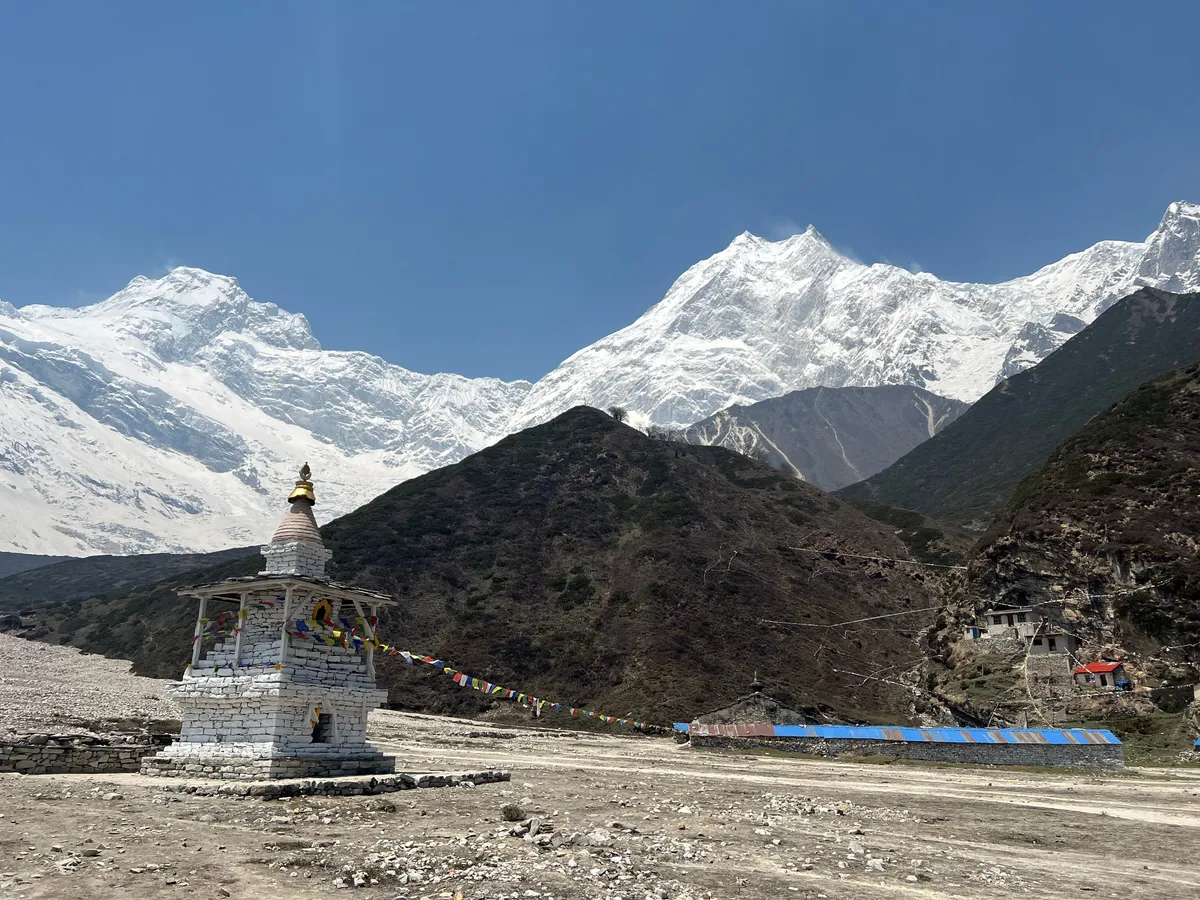
The Manaslu region was officially opened to trekkers in 1991, but it remains a restricted area under the Nepal Tourism Board and Department of Immigration regulations. The restricted area designation exists to protect the fragile alpine environment, preserve the unique Tibetan-influenced culture of the Nubri and Tsum valleys, and control the number of visitors in a sensitive border zone near Tibet. Because of this status, independent trekking is not permitted in the Manaslu Circuit. All trekkers must be accompanied by a licensed guide and must obtain a Restricted Area Permit through a registered trekking agency.
The restricted area status means that the Nepali government closely monitors who enters the region and how long they stay. This is why the RAP is priced per week rather than as a flat fee, and why there are checkposts along the trail where permits are verified. The goal is sustainable tourism: keeping visitor numbers manageable while allowing local communities to benefit from trekking revenue. Understanding this context helps trekkers appreciate why the permit process is more involved than for non-restricted areas like the Annapurna Conservation Area.
For 2026, the permit system remains consistent with previous years, but fees and regulations can change. Always verify the latest requirements with your trekking agency or the Department of Immigration before finalizing your travel plans. The information below reflects the most current and accurate permit details available for the 2026 season.
Restricted Area Permit (RAP) for Manaslu
The Restricted Area Permit, commonly referred to as RAP, is the most important and most expensive permit for the Manaslu Circuit Trek. It is officially called the Manaslu Restricted Area Permit and is issued by the Department of Immigration in Kathmandu. No trekkers can enter the Manaslu restricted zone without this permit, and it must be arranged through a government-registered trekking agency. Individual trekkers cannot apply for the RAP on their own.
RAP Costs for 2026
The RAP fee is calculated on a per-week basis, and the cost differs depending on the season you trek. For the peak trekking months of September through November, the fee is USD $100 per person per week. For the off-peak months of December through August, the fee is USD $75 per person per week. If your trek extends beyond one week, you pay the per-week rate for each additional week or portion thereof.
For example, the standard Manaslu Circuit Trek takes about 14 days of actual trekking, which means you will need a RAP for two weeks. In the peak season (September to November), two weeks of RAP costs USD $200 per person. In the off-peak season (December to August), two weeks costs USD $150 per person. If your trek takes 15 or 16 days, you will need to pay for three weeks, as partial weeks are charged at the full weekly rate.
It is important to plan your trek duration carefully, as even one day over a full week triggers an additional week's charge. Most trekking agencies will help you calculate the exact number of days and the corresponding RAP cost based on your itinerary. Always budget for a buffer of one or two extra days in case of weather delays or acclimatization needs.
How to Obtain the RAP
The RAP is obtained from the Department of Immigration office in Kalikasthan, Kathmandu. Your registered trekking agency will handle the application process on your behalf. You do not need to visit the immigration office yourself, as the agency submits your documents and collects the permit. However, if you want to understand the process, here is what happens behind the scenes.
Your agency will submit your passport copy, passport-size photographs, and trekking itinerary to the Department of Immigration along with the permit fee. The processing time is typically one to two business days, though during peak season it can take longer due to high volume. Some agencies offer express processing for an additional fee. Once approved, the RAP is a physical document that you must carry with you throughout the trek, as it will be checked at multiple checkposts along the route.
Manaslu Conservation Area Permit (MCAP)
The Manaslu Conservation Area Permit (MCAP) is the second permit required for the Manaslu Circuit Trek. The Manaslu Conservation Area was established in 1998 and covers 1,663 square kilometers of pristine mountain habitat. The MCAP fee goes directly toward conservation efforts, community development, and infrastructure maintenance within the conservation area. This permit is separate from the RAP and is required in addition to it.
MCAP Cost and Details
The MCAP permit costs USD $30 per person, regardless of season or trek duration. Unlike the RAP, the MCAP is a one-time flat fee that covers your entire stay in the conservation area. This fee is the same for all trekkers, whether you are trekking for 10 days or 20 days. Children under 10 years old are exempt from the MCAP fee.
The MCAP can be obtained from the National Trust for Nature Conservation (NTNC) office in Kathmandu, or it can be purchased at the entrance checkpost on the trail, typically at Jagat or Salleri. Most trekkers prefer to have their trekking agency arrange the MCAP in Kathmandu along with the RAP, so all permits are in hand before starting the trek. However, if you are already on the trail and need to purchase the MCAP at the checkpost, it is possible, though it may cause delays if the office is closed or staff is unavailable.
The MCAP permit is a paper document that you must carry throughout your trek. It will be stamped at the entrance checkpost and may be checked again at other points along the route. Keep it with your RAP and TIMS card in a waterproof folder or pouch.
TIMS Card (Trekkers Information Management System)
The TIMS card is the third and final permit required for the Manaslu Circuit Trek. The Trekkers Information Management System was established by the Nepal Tourism Board and the Trekking Agencies Association of Nepal (TAAN) to maintain a database of trekkers in Nepal for safety and security purposes. The TIMS card helps authorities track trekkers in case of emergencies, natural disasters, or when trekkers go missing.
TIMS Card Cost and Types
For the 2026 season, the TIMS card costs USD $20 per person for individual trekkers organized through a registered agency. There are two types of TIMS cards: Free Individual Trekkers (FIT) TIMS and Group TIMS. Since the Manaslu Circuit requires trekking with a registered agency and a licensed guide, most Manaslu trekkers will use the Group TIMS, which is included in the agency-arranged package. The cost is the same at USD $20 per person.
The TIMS card is valid for the duration of your trek and includes your personal information, trekking route, and emergency contact details. It is issued by the Nepal Tourism Board office in Bhrikutimandap, Kathmandu, or through your trekking agency. Most agencies include the TIMS card in their package price, so you may not need to arrange it separately. However, it is essential to confirm with your agency that the TIMS card is included.
Purpose of the TIMS Card
The TIMS card serves several important functions. First, it creates a record of your presence on a specific trekking route, which is invaluable for search and rescue operations. If a trekkers fails to return from a trek on schedule, authorities can use the TIMS database to initiate a search. Second, the fees collected from TIMS cards fund trail maintenance, signage, and infrastructure improvements along popular trekking routes. Third, the TIMS system helps the government track tourism patterns and allocate resources accordingly.
While the TIMS card may seem like just another piece of paperwork, it plays a critical role in keeping trekkers safe in remote mountain environments. Always carry your TIMS card with you on the trail, as checkpost officials will ask to see it alongside your RAP and MCAP permits.
Where to Get Your Manaslu Permits
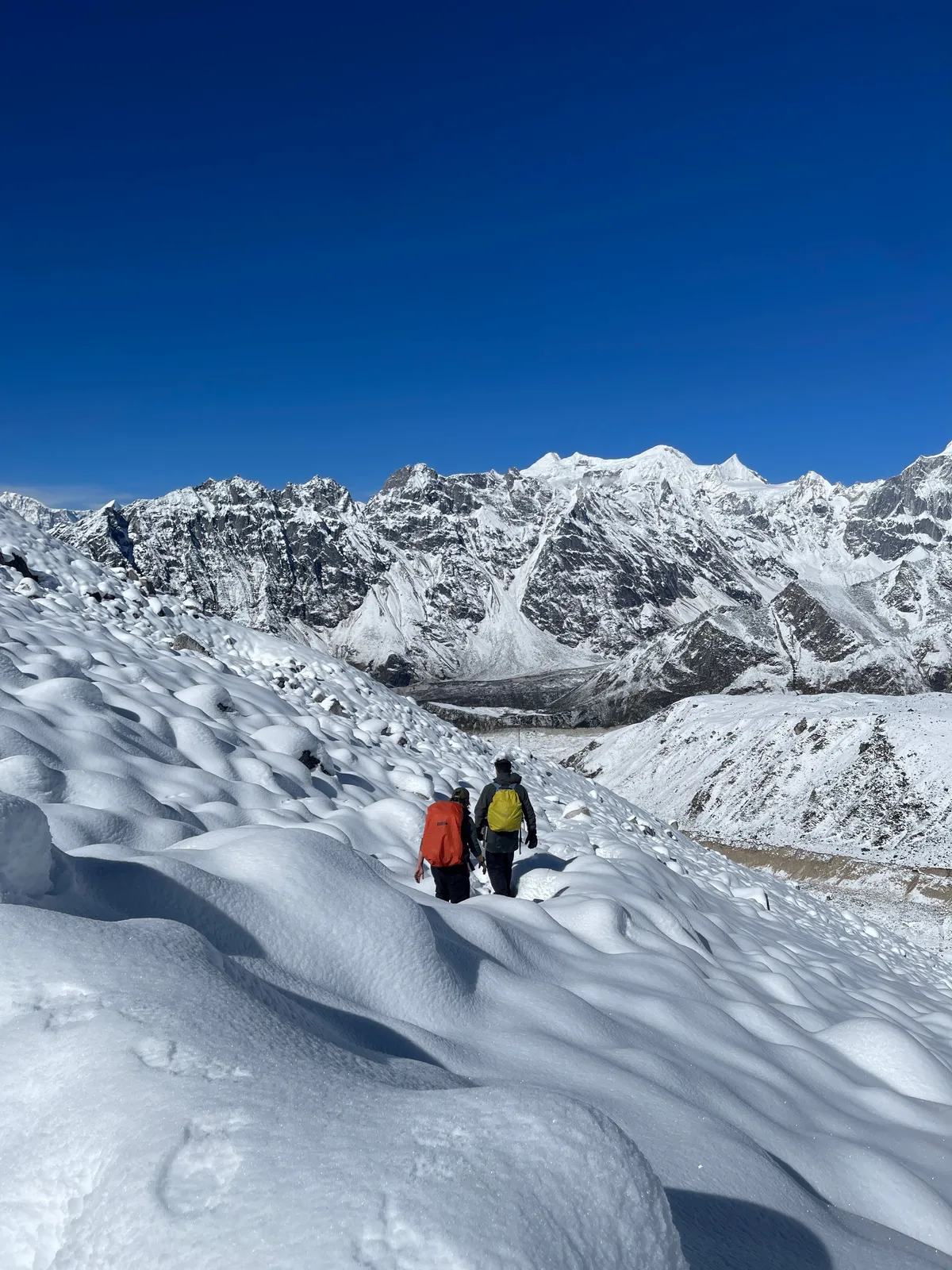
There are two main approaches to obtaining your Manaslu Circuit Trek permits: arranging them through a registered trekking agency in Kathmandu, or obtaining some of them yourself at the relevant offices. Given the restricted area status of Manaslu, the RAP must be arranged through a registered agency. However, the MCAP and TIMS card can technically be obtained independently, though most trekkers find it easier to let their agency handle everything.
Department of Immigration, Kathmandu
The Department of Immigration office is located in Kalikasthan, Dillibazaar, Kathmandu. This is where the RAP is issued. The office is open Sunday through Friday (Saturday is the weekend in Nepal) from 9:00 AM to 5:00 PM, with a lunch break from 1:00 PM to 2:00 PM. During peak trekking seasons (spring and autumn), the office can be very busy, so it is best to have your agency submit applications well in advance of your trek start date.
Your trekking agency will need the following from you to process the RAP: a clear scanned copy of your passport information page, two passport-size photographs (digital copies are usually acceptable), and your confirmed trekking itinerary with start and end dates. The agency will also need your arrival and departure dates in Nepal to ensure the permit covers your entire stay in the restricted area.
NTNC Office, Kathmandu
The National Trust for Nature Conservation (NTNC) office in Kathmandu issues the MCAP permit. The office is located in Khumaltar, Lalitpur, just south of Kathmandu. Your trekking agency can arrange the MCAP from this office, or if you prefer, you can visit the office yourself with your passport copy and photographs. The process is straightforward and usually completed within the same day.
Nepal Tourism Board, Kathmandu
The Nepal Tourism Board (NTB) office in Bhrikutimandap, Kathmandu, issues the TIMS card. If your trekking agency is a member of TAAN, they can issue the TIMS card directly from their office without you needing to visit the NTB. Most reputable agencies include this service in their trekking packages.
On-the-Trail Checkposts
If you do not have all your permits arranged before starting the trek, the MCAP can be purchased at the checkpost in Jagat, which is the entrance point to the Manaslu Conservation Area. However, this is not recommended, as checkpost hours can be irregular, and you risk delays if the office is closed. The RAP and TIMS card cannot be purchased on the trail and must be obtained in Kathmandu before beginning the trek.
Required Documents for Manaslu Permits
To obtain all three permits for the Manaslu Circuit Trek, you will need to provide specific documents. Having these ready before you arrive in Nepal will speed up the process considerably. Here is a complete checklist of what you need:
- Valid Passport: Your passport must be valid for at least six months beyond your planned departure date from Nepal. A scanned copy of the information page is needed for all permit applications.
- Passport-Size Photographs: You will need at least four to six passport-size photographs for the various permit applications. Most agencies accept digital copies, but having printed copies as backup is wise.
- Trekking Itinerary: A detailed day-by-day itinerary with start and end dates is required for the RAP application. Your agency will prepare this, but you should review and confirm it.
- Travel Insurance Certificate: Proof of travel insurance that covers high-altitude trekking (up to 6,000 meters or higher) and emergency helicopter evacuation is increasingly required. Some agencies ask for this before processing permits, and it is strongly recommended for all Manaslu trekkers.
- Nepal Visa: You need a valid Nepal tourist visa to enter the country. This can be obtained on arrival at Tribhuvan International Airport or at land border crossings. Your visa must be valid for the entire duration of your trek.
- Completed Application Forms: Your trekking agency will fill out the official application forms for the RAP, MCAP, and TIMS card. You may need to sign some of these forms.
Double-check all document copies for clarity and completeness. Blurred passport copies or incorrect dates on itineraries are common causes of permit processing delays. If you are applying through an agency, send them scanned copies of all documents at least two weeks before your arrival in Nepal to allow ample processing time.
Registered Agency Requirement for Manaslu
One of the most important regulations for the Manaslu Circuit Trek is that you must trek with a government-registered trekking agency and be accompanied by a licensed guide. Independent trekking is strictly prohibited in the Manaslu restricted area. This is not a flexible rule: trekkers caught without a guide or without agency-arranged permits will be turned back, fined, and potentially face legal consequences.
Why a Registered Agency Is Mandatory
The requirement for a registered agency serves multiple purposes. First, it ensures that trekkers have proper permits, as only registered agencies can apply for the RAP. Second, it guarantees that trekkers are accompanied by a licensed guide who knows the route, understands altitude safety, and can handle emergencies. Third, it creates accountability: the agency is responsible for the trekkers safety and for ensuring that all regulations are followed.
When choosing a trekking agency, look for one that is registered with the Nepal Tourism Board and is a member of TAAN. Check online reviews, ask for recommendations, and verify that the agency has experience organizing Manaslu Circuit treks specifically. A reputable agency will handle all permit arrangements, provide an experienced guide and porter team, arrange transportation, and ensure that teahouse accommodations are booked along the route.
What Your Agency Handles
A full-service trekking agency will take care of the following for your Manaslu Circuit Trek: obtaining the RAP from the Department of Immigration, purchasing the MCAP permit, issuing the TIMS card, arranging your licensed guide and support staff, organizing ground transportation to and from the trailhead, booking teahouse accommodations, and providing a comprehensive trekking briefing before departure. This significantly reduces the logistical burden on you and ensures that all legal requirements are met.
Checkpost Locations on the Manaslu Circuit Route
Along the Manaslu Circuit Trek route, there are several checkposts where your permits will be verified. These checkposts are staffed by government officials and conservation area officers who ensure that all trekkers have the required documentation. Knowing where these checkposts are located helps you prepare and ensures you have your permits readily accessible.
- Soti Khola / Arkhet: This is the first checkpost area where preliminary permit checks may occur. Not all groups are stopped here, but it is good to have documents ready.
- Jagat: Jagat is the main entrance checkpost for the Manaslu Conservation Area. Here, your MCAP permit will be checked and stamped, and your RAP will be verified. This is the most important checkpost on the route, and you cannot proceed beyond Jagat without valid permits.
- Deng: A secondary checkpost where conservation officers may verify your MCAP and RAP. Not all groups are checked here, but officials have the authority to inspect permits at any time.
- Namrung: Another point where permits may be checked, particularly the RAP, as this is where the restricted area enforcement is strict.
- Sama Gaon (Sama): A checkpost near the village of Sama Gaon, where officials verify permits for trekkers heading toward Manaslu Base Camp and the Larke Pass approach.
- Dharmasala / Larke Pass Area: Before crossing the Larke La (5,106 meters), there may be a final permit check at Dharmasala. This ensures that all trekkers attempting the pass have proper documentation.
- Dharapani: After crossing Larke Pass and entering the Annapurna Conservation Area, you will reach Dharapani, where the Annapurna Conservation Area Permit (ACAP) checkpost is located. If you do not have an ACAP permit, you will need to purchase one here. Many agencies include the ACAP permit in their package, as the Manaslu Circuit exits into the Annapurna region.
Keep all your permits in a waterproof document pouch, easily accessible in your daypack. At each checkpost, present your RAP, MCAP, and TIMS card together with your passport. Officials may stamp or annotate your permits, so keep them organized and in good condition throughout the trek.
What Happens If You Trek Without Permits
Trekking the Manaslu Circuit without the required permits is a serious violation of Nepali law, and the consequences can be severe. The Nepali government takes permit enforcement seriously, particularly in restricted areas like Manaslu. Here is what can happen if you are caught trekking without proper permits:
- Fines: Trekkers caught without valid permits face fines ranging from USD $100 to $500 or more, depending on the violation. The fines are often double or triple the original permit cost, making it far more expensive than simply getting the permits in the first place.
- Deportation: In serious cases, trekkers without permits may be deported from Nepal and banned from returning for a specified period. This goes on your travel record and can affect future visas for Nepal and other countries.
- Being Turned Back at Checkposts: If you arrive at a checkpost without the required permits, you will not be allowed to proceed. This means your trek ends immediately, and you will have to return to the trailhead, losing days of travel and significant money spent on transportation and accommodation.
- Legal Action Against Your Agency: If a trekking agency is found to have taken clients into the restricted area without proper permits, the agency can face fines, suspension, or revocation of their operating license. This is why reputable agencies are meticulous about permit arrangements.
- Risk to Safety: Without a TIMS card, you are not registered in the trekker database. If you go missing or need emergency rescue, authorities will have no record of your presence on the trail, which can delay or complicate rescue efforts.
The bottom line is simple: never attempt to trek the Manaslu Circuit without all required permits. The cost of the permits is a small fraction of your overall trekking budget, and the consequences of skipping them far outweigh any savings. Always trek with a registered agency that ensures all permits are properly arranged before you set foot on the trail.
Tips for Smooth Permit Processing
To make the permit process as smooth and stress-free as possible, follow these practical tips:
- Book with a Reputable Agency Early: Choose a government-registered trekking agency with Manaslu experience at least two to three months before your trek. The earlier you book, the more time your agency has to process permits without rush fees.
- Send Documents in Advance: Email scanned copies of your passport, photographs, and insurance certificate to your agency at least two weeks before arriving in Nepal. This allows them to start processing permits before you even land in Kathmandu.
- Carry Printed Copies: While your agency will hold the original permits, carry printed copies of all your documents in a waterproof pouch. If originals are lost or damaged, having copies can save the day at checkposts.
- Plan for Processing Time: The RAP typically takes one to two business days to process. Arrive in Kathmandu at least three days before your trek start date to allow for permit processing and any unexpected delays.
- Verify Seasonal Fees: Double-check whether your trek falls in the peak season (September to November) or off-peak season (December to August), as this affects your RAP cost. Confirm the total permit cost with your agency before finalizing your package.
- Get Travel Insurance: Purchase comprehensive travel insurance that covers high-altitude trekking and helicopter evacuation before you apply for permits. Some agencies require proof of insurance before processing the RAP.
- Keep Permits Dry and Accessible: Mountain weather can be unpredictable. Store your permits in a waterproof document pouch in an easily accessible part of your daypack. You will need to present them at multiple checkposts.
- Check Permit Dates Carefully: Before leaving Kathmandu, verify that the dates on your RAP match your trekking itinerary exactly. If there is a mismatch, you could face issues at checkposts.
- Budget for ACAP if Continuing: If your itinerary continues beyond Dharapani into the Annapurna region, you will need an ACAP permit (approximately USD $30). Confirm with your agency whether this is included in your package.
- Ask Questions: Do not hesitate to ask your agency about any aspect of the permit process. A good agency will walk you through each permit, explain the costs, and ensure you understand what to expect at each checkpost.
Total Permit Cost Summary for 2026
Here is a quick summary of the total permit costs for the Manaslu Circuit Trek for the 2026 season. These costs are per person and are in addition to your trekking package price, though most agencies include all permits in their overall package quote.
- Restricted Area Permit (RAP): USD $100 per week (September to November) or USD $75 per week (December to August). Most treks require two weeks.
- Manaslu Conservation Area Permit (MCAP): USD $30 per person (flat fee, all seasons).
- TIMS Card: USD $20 per person (flat fee, all seasons).
- Annapurna Conservation Area Permit (ACAP): USD $30 per person (if continuing into the Annapurna region after Larke Pass).
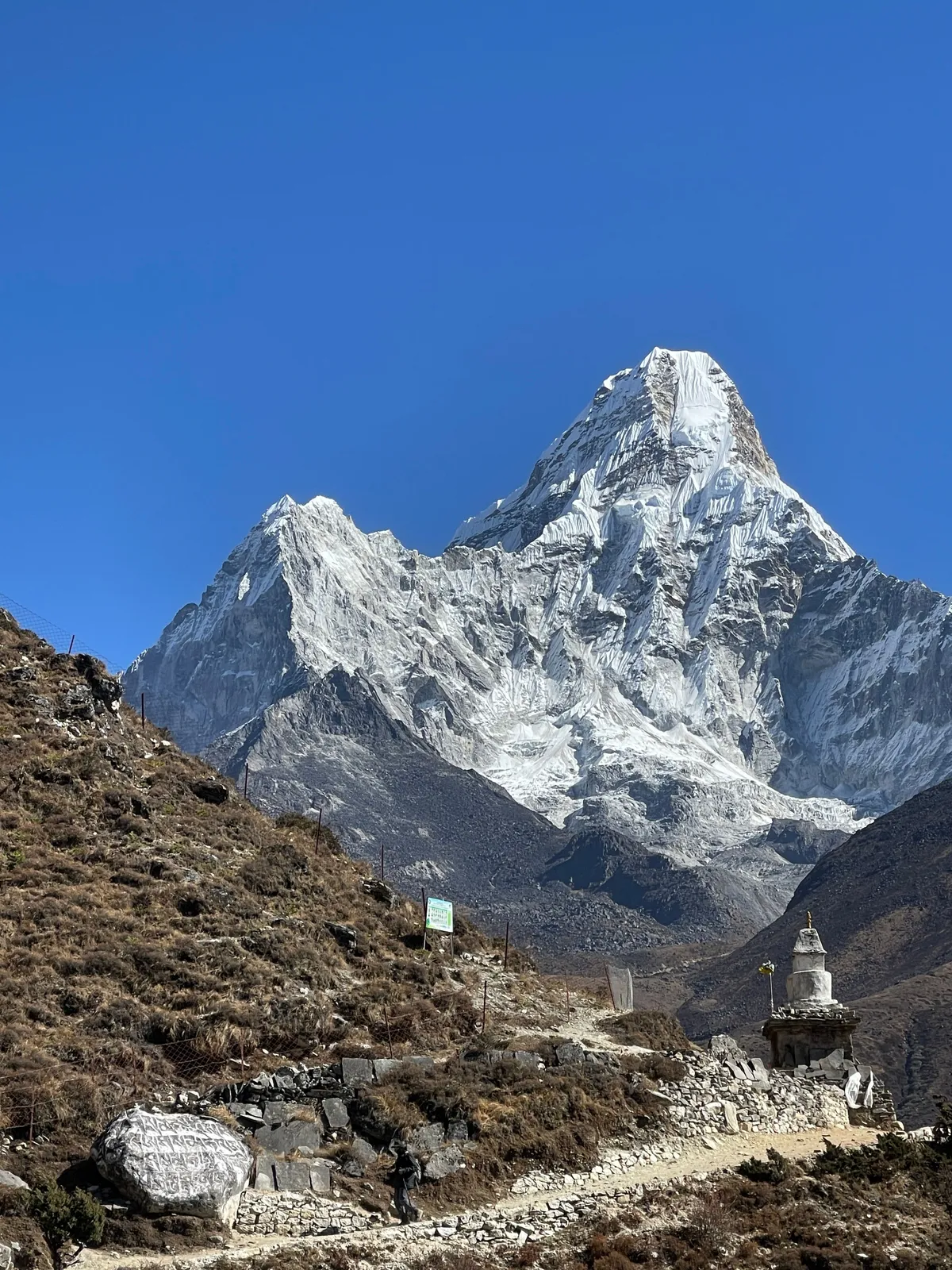
For a standard 14-day Manaslu Circuit Trek in peak season (September to November), the total permit cost is approximately USD $250 per person ($200 for RAP + $30 for MCAP + $20 for TIMS). In the off-peak season (December to August), the total drops to approximately USD $200 per person ($150 for RAP + $30 for MCAP + $20 for TIMS). If you need the ACAP permit for the Annapurna extension, add USD $30 to both totals.
These permit fees are paid in US dollars, though some agencies may accept equivalent amounts in Nepali rupees. Confirm the payment method with your agency in advance. Keep receipts for all permit purchases, as you may need them for reference during the trek or for insurance claims afterward.
Conclusion
The Manaslu Circuit Trek is a journey into one of the most remote and beautiful regions of Nepal, but it comes with specific permit requirements that every trekker must fulfill. The Restricted Area Permit, MCAP, and TIMS card are non-negotiable, and trekking without them can result in fines, deportation, and a ruined trip. By understanding the costs, process, and requirements outlined in this guide, you can ensure that your permit arrangements are handled smoothly and efficiently.
The key takeaways for 2026 are simple: book with a registered trekking agency, send your documents early, budget for the correct seasonal fees, and carry all permits with you on the trail. The permit process may seem complex at first, but with the right agency, it becomes a straightforward part of your trekking preparation. Once your permits are sorted, you can focus on what really matters: experiencing the breathtaking landscapes, rich culture, and warm hospitality of the Manaslu region.
Whether you are trekking in the vibrant colors of autumn or the quiet beauty of spring, the Manaslu Circuit delivers an adventure like no other. Get your permits in order, pack your bags, and set off on a journey that will stay with you for a lifetime. The mountains are calling, and with the right preparation, you will be ready to answer.