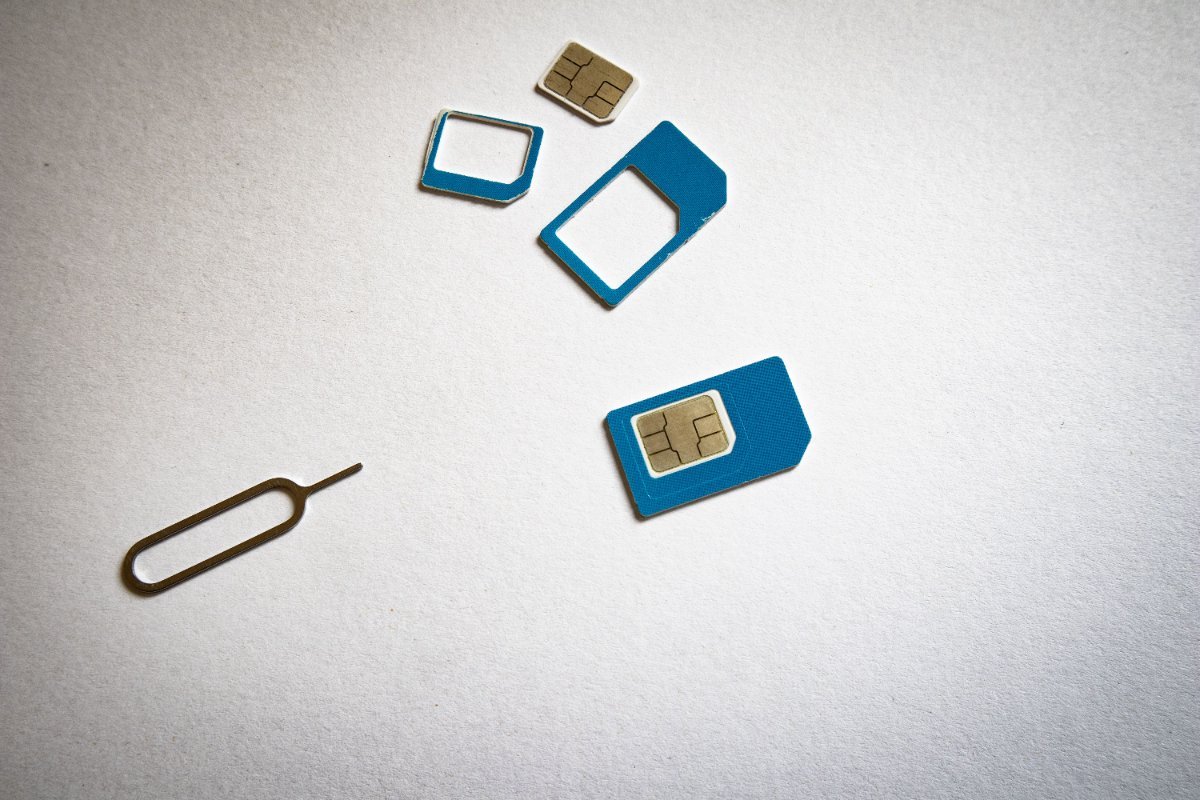
Heading to Nepal for a trek in 2026? One of the first things you will want after landing is a reliable way to stay connected. Whether you need to call home, share photos, navigate trails, or check weather forecasts, having the right SIM card and internet setup can make or break your communication experience in the Himalaya. This guide covers everything you need to know about getting a SIM card in Nepal, data packages, internet speeds on the trail, Wi-Fi at teahouses, satellite options, and practical tips for keeping your devices charged and connected.
Why You Need a Local SIM Card in Nepal
Roaming with your home-country SIM card in Nepal is expensive and often unreliable. International roaming charges can add up quickly, and data speeds on roaming partners are frequently throttled. Buying a local Nepali SIM card upon arrival is cheaper, faster, and gives you access to domestic data packages designed for the local network infrastructure. A local number also helps if you need to contact guesthouses, guides, trekking agencies, or emergency services within Nepal. For trekkers heading into remote regions, having a local SIM with a data plan can be the difference between being stranded and getting help when you need it most.
Nepal Telecom (NTC) vs Ncell: Which SIM Is Best for Trekking?
Two major telecom providers dominate the Nepali mobile network landscape: Nepal Telecom (NTC) and Ncell. Both offer prepaid SIM cards with voice and data packages, but there are important differences trekkers should understand before choosing.
Nepal Telecom (NTC)
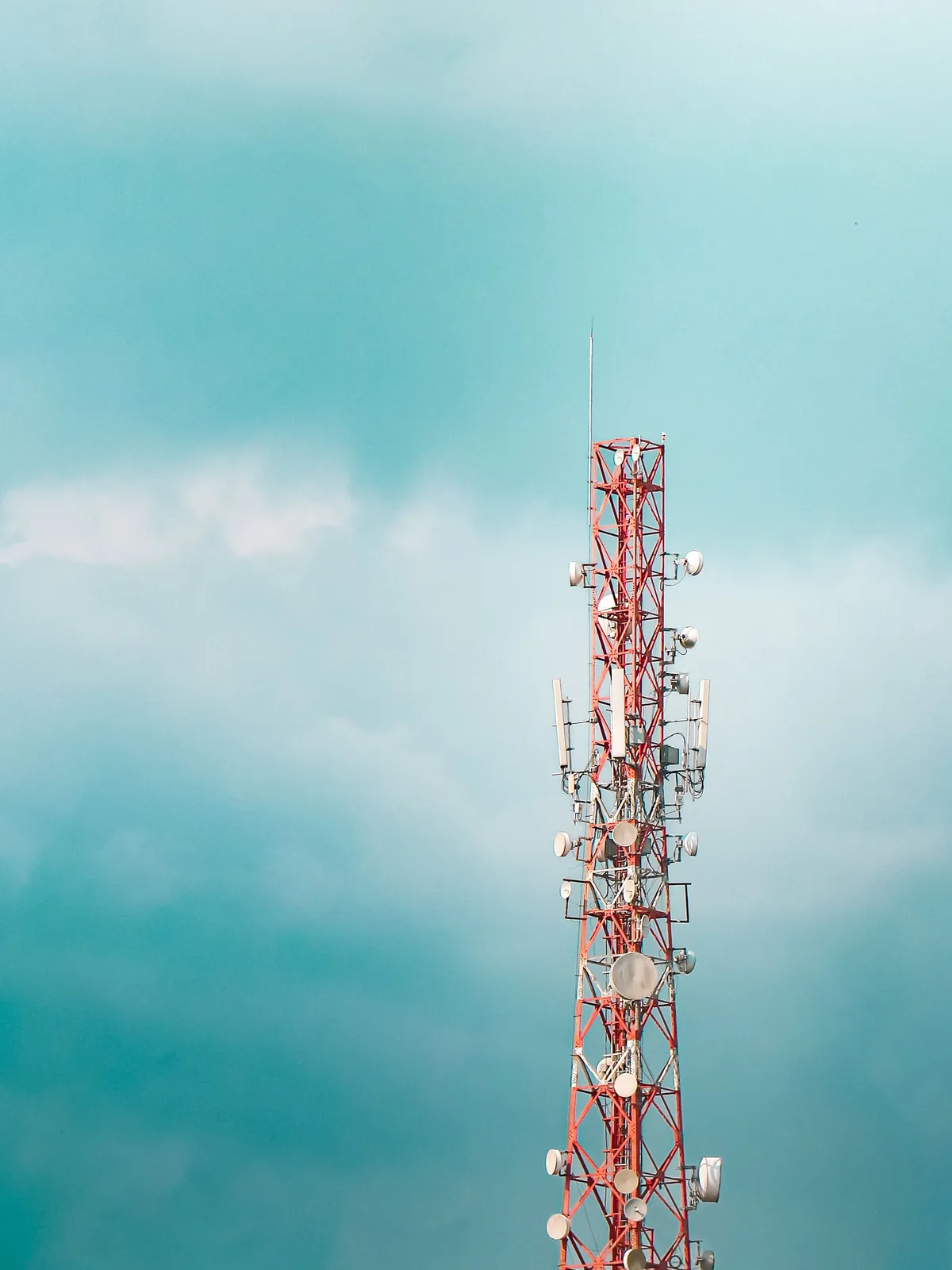
Nepal Telecom is the state-owned operator and has the widest coverage in Nepal, particularly in remote and mountainous areas. NTC towers are found in many trekking regions where private operators do not reach. If you are trekking to Everest Base Camp, Annapurna Circuit, Langtang Valley, or Manaslu, NTC generally offers better coverage in higher-altitude villages and more remote sections of the trail. NTC prepaid SIM cards are affordable, and data packages are competitively priced. However, customer service can be slower, and the registration process at official counters may involve longer queues. NTC also offers 4G/LTE service in many towns and along major trekking routes, though speeds drop significantly as you climb higher.
Ncell
Ncell is the largest private telecom operator in Nepal and is known for faster customer service, easier SIM activation, and aggressive data package pricing. Ncell offers excellent coverage in Kathmandu, Pokhara, and other major cities, and its 4G/LTE speeds in urban areas are often faster than NTC. However, Ncell coverage in remote trekking regions is more limited compared to NTC. On popular routes like Annapurna and Everest, Ncell has been expanding its tower network, and you may find coverage in larger villages such as Namche Bazaar and Lukla. For trekkers who spend significant time in cities before or after a trek, Ncell is a strong choice, but for deep mountain coverage, NTC remains more reliable.
Recommendation
For most trekkers, carrying an NTC SIM is the safest bet for mountain coverage. If you want the best of both worlds and your phone supports dual SIM functionality, consider getting one NTC and one Ncell SIM. Use Ncell in the cities for faster data and NTC on the trail for broader coverage. If you can only get one, choose NTC for trekking-heavy itineraries and Ncell for city-based or shorter trips.
Where to Buy a SIM Card in Nepal
Getting a SIM card in Nepal is straightforward, and there are several convenient options for travelers. The most popular option is to buy directly at Tribhuvan International Airport (TIA) in Kathmandu upon arrival. Both NTC and Ncell have counters in the arrivals hall, and you can purchase and activate a SIM card within 15 to 30 minutes if the queue is short. Airport counters are open during flight arrival hours, but it is worth noting that lines can be long during peak tourist seasons (spring and autumn).
If you prefer to buy outside the airport, both providers have official retail shops across Kathmandu and Pokhara. Thamel, the main tourist district in Kathmandu, has multiple Ncell and NTC outlets, as well as authorized resellers. You can also find SIM cards at smaller mobile shops in Lakeside Pokhara and in major towns along popular trekking routes such as Lukla and Namche Bazaar. However, buying in Kathmandu or Pokhara before you start trekking is strongly recommended, as shops in mountain villages may have limited stock and higher prices.
Some authorized resellers also sell SIM cards at border crossings if you are entering Nepal overland from India or Tibet. Regardless of where you buy, make sure you are purchasing from an official or authorized outlet to avoid counterfeit or pre-activated SIM cards that could cause problems later.
SIM Registration Requirements: What You Need to Bring
Nepal requires all SIM cards to be registered under a verified identity, and this applies to tourists as well as locals. The registration process is mandatory and cannot be skipped. To register a SIM card in Nepal, you will need the following documents:
- Your original passport with a valid Nepal visa or visa-on-arrival stamp. A photocopy is not accepted; the agent needs to see and scan the original.
- A passport-sized photograph (usually one or two copies). Some airport counters can take your photo on the spot with a webcam, but it is best to carry printed photos in case the camera is not working.
- Your Nepal visa or visa-on-arrival documentation. If you are eligible for a visa on arrival, make sure you have completed the online application beforehand to speed things up.
- Local contact details. You may be asked to provide a local address (your hotel or guesthouse name and phone number) and an emergency contact. Have this information ready.
The agent at the counter will fill out a registration form, scan your passport and photo, and activate the SIM. The whole process usually takes 15 to 30 minutes. Once activated, your SIM should work immediately for voice calls and data. Keep the registration receipt in case you need to troubleshoot or replace the SIM later.
Data Packages and Prices in 2026
Both NTC and Ncell offer a range of prepaid data packages designed for different durations and usage patterns. Prices are affordable by international standards, and you can purchase packages using USSD codes, mobile apps, or by visiting a recharge shop. Below is a general overview of what to expect in 2026. Keep in mind that prices and packages are updated periodically, so check the latest rates on the official websites or by dialing the provider's USSD code after activation.
Nepal Telecom (NTC) Data Packages
- Daily packs: Around NPR 25 to NPR 50 for 500 MB to 1 GB of data valid for 24 hours.
- Weekly packs: Around NPR 150 to NPR 300 for 3 GB to 7 GB valid for 7 days.
- Monthly packs: Around NPR 500 to NPR 1,200 for 10 GB to 30 GB valid for 30 days.
- All-in-one packs: Combined voice, SMS, and data bundles starting at around NPR 200 for a few days up to NPR 1,000 or more for a month.
NTC also offers special data packages for social media (Facebook, WhatsApp, Messenger) at reduced rates, which can be useful if you mainly need messaging apps while trekking.
Ncell Data Packages
- Daily packs: Around NPR 20 to NPR 45 for 500 MB to 1.5 GB valid for 24 hours.
- Weekly packs: Around NPR 150 to NPR 350 for 4 GB to 10 GB valid for 7 days.
- Monthly packs: Around NPR 600 to NPR 1,500 for 15 GB to 40 GB valid for 30 days.
- Social media packs: Discounted WhatsApp, Facebook, and Messenger data starting at around NPR 10 per day.
Ncell tends to offer slightly more data for the same price in urban areas, but NTC packages often work better in remote regions where Ncell towers are absent. For a typical two-week trek, a monthly package from either provider should be more than enough if you use data conservatively (messaging, maps, occasional browsing). Heavy usage like video streaming will drain your data quickly and is impractical on most trekking routes anyway due to slow speeds.
Internet Speed in Cities vs Mountains
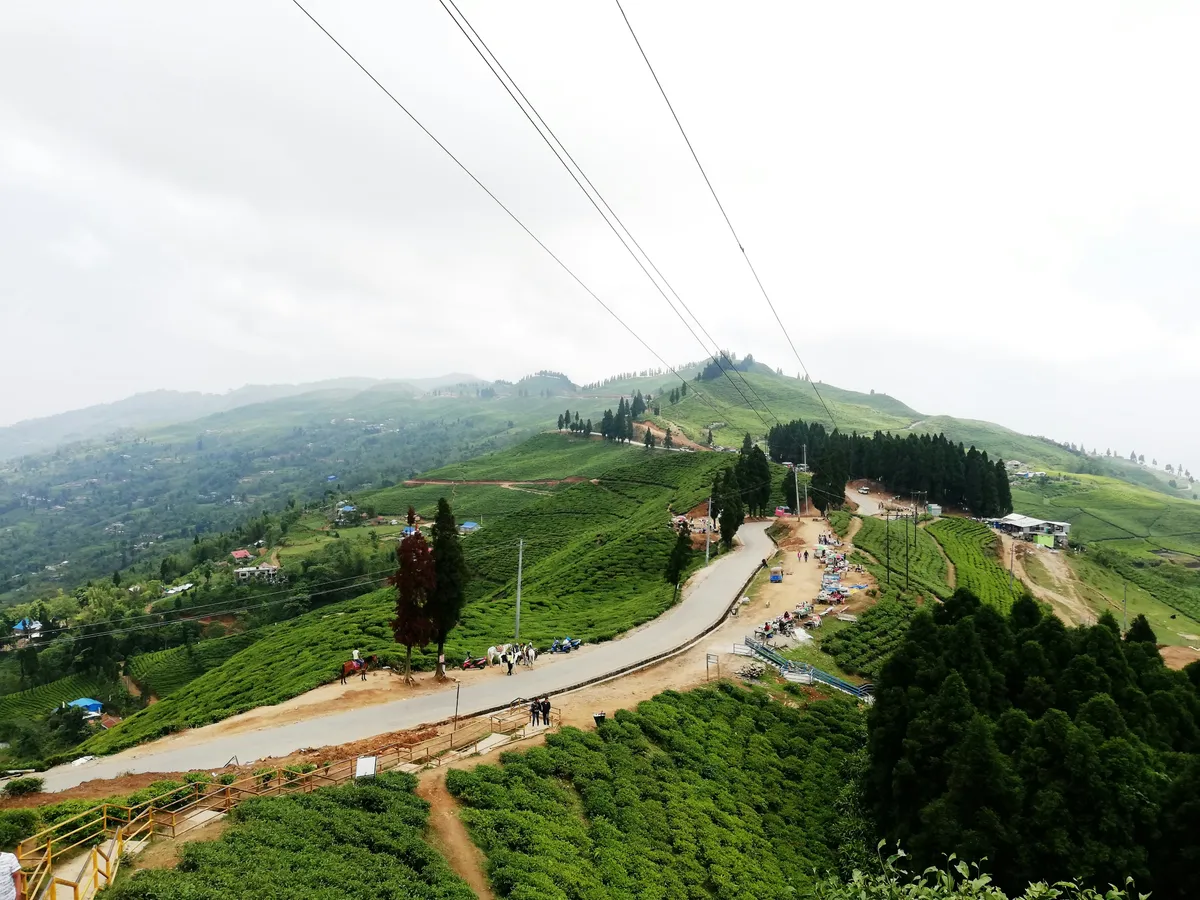
Internet speed in Nepal varies dramatically between urban and mountain environments. In Kathmandu and Pokhara, both NTC and Ncell offer 4G/LTE speeds that are generally adequate for browsing, video calls, social media, and streaming. Typical download speeds in the cities range from 10 to 50 Mbps on 4G, with upload speeds of 5 to 20 Mbps. These speeds are more than sufficient for most travelers' needs.
As you move into the mountains, the picture changes considerably. Along popular trekking routes like the Everest region (Khumbu), Annapurna region, and Langtang, you will find mobile network coverage in many villages, but speeds drop significantly. In larger trekking hubs like Namche Bazaar, Lukla, and Ghorepani, you may get 3G or even 4G signals with speeds of 1 to 5 Mbps, enough for messaging and light browsing. In smaller villages and higher-altitude camps, you might only get 2G or edge connectivity, which is barely sufficient for text-based WhatsApp messages and sometimes too slow to load web pages.
Above 4,000 meters, mobile data becomes increasingly scarce. On routes like Everest Base Camp, Annapurna Circuit (Thorong La), and Manaslu Circuit, expect long stretches with no mobile signal at all. NTC tends to have better coverage in these remote sections, but even NTC has gaps. It is essential to plan your communication strategy with the assumption that you will be offline for hours or even days at a time on the trail.
Wi-Fi at Teahouses: Costs, Speed, and What to Expect
Most teahouses and lodges along popular trekking routes in Nepal offer Wi-Fi to guests, but the quality and cost vary widely. Wi-Fi at teahouses is typically provided via satellite internet, local wireless networks, or sometimes a mobile hotspot from the lodge owner's phone. Here is what you need to know:
Cost
Wi-Fi is rarely free at teahouses on major trekking routes. Most lodges charge between NPR 100 and NPR 500 per device per day for Wi-Fi access. Some teahouses include Wi-Fi for free if you eat dinner and breakfast at the lodge, while others charge a flat rate regardless. In the Everest region, some lodges use a prepaid card system where you buy a scratch card with a code that gives you a set amount of data or time. Prices tend to be higher in more remote areas where the lodge owner's own internet costs are higher.
Speed
Do not expect blazing-fast internet at teahouses. Speeds are typically very slow, often 0.5 to 2 Mbps at best, and can be shared among many guests at once. Video calls and streaming are usually impractical. Wi-Fi at teahouses is best used for text-based messaging (WhatsApp, Viber), checking email, and light browsing. Social media uploads may take a long time or fail entirely. Be patient and manage your expectations.
Reliability
Teahouse Wi-Fi can be intermittent and may go down entirely during bad weather, especially if the connection relies on satellite. Power outages at the lodge can also knock out the Wi-Fi router. It is a good idea to download anything important (maps, weather forecasts, reading material) while you have a connection in a larger village, rather than counting on Wi-Fi at every overnight stop.
Satellite Phone Options for Remote Treks
For trekkers heading into truly remote regions where mobile coverage is nonexistent for days at a time, a satellite phone can be a lifesaver. Satellite phones work by connecting directly to orbiting satellites rather than terrestrial cell towers, meaning they function anywhere with a clear view of the sky. This makes them ideal for off-the-beaten-path treks such as Kanchenjunga, Makalu Base Camp, Dolpo, Upper Mustang (in areas without NTC coverage), and Dhaulagiri Circuit.
Renting a Satellite Phone in Nepal
You can rent a satellite phone in Kathmandu from several adventure gear shops and communication service providers. Iridium and Thuraya are the two most commonly available satellite networks in Nepal. Iridium offers global coverage and is the more reliable option for the Himalaya, while Thuraya covers most of Asia but has occasional signal issues in deep valleys. Rental costs typically range from USD 5 to USD 15 per day, plus call charges of USD 1 to USD 3 per minute. Some rental packages include a set number of free minutes or SMS credits.
Garmin inReach and Personal Locator Beacons
If you do not need voice calls but want a safety communication device, consider a Garmin inReach or a similar two-way satellite messenger. These devices allow you to send and receive text messages, share your GPS location, and trigger an SOS distress signal that is routed to an international emergency response coordination center. Garmin inReach devices work on the Iridium network and are popular among trekkers in Nepal. You can bring your own device and activate a subscription before your trip, or rent one in Kathmandu. Personal Locator Beacons (PLBs) are even simpler: they send a one-way SOS with your GPS coordinates to rescue authorities, but do not allow two-way messaging.
If you are trekking with Enticing Himalayas, ask your guide about communication arrangements on your specific route. Many organized treks carry satellite phones or inReach devices for group safety, so you may not need to bring your own.
Offline Maps and Apps for Trekking in Nepal
Even with a SIM card, you will spend significant time offline on the trail. Downloading offline maps and essential apps before you start trekking is critical for navigation, safety, and convenience. Here are the most useful apps and tools for trekkers in Nepal:
- Maps.me: A free offline map app based on OpenStreetMap data. Download the Nepal map before your trek, and you will have access to trail routes, villages, guesthouses, and points of interest without needing an internet connection. It also works with your phone's GPS to show your real-time location on the trail.
- Gaia GPS: A premium offline mapping app popular among serious trekkers and mountaineers. It offers detailed topographic maps, trail recording, and waypoint marking. The paid version includes worldwide topographic layers that are excellent for Himalayan trekking.
- AllTrails: Another popular hiking app with offline maps and trail descriptions. Search for your specific trek (Everest Base Camp, Annapurna Circuit, etc.) and download the trail map for offline use.
- Google Maps (offline mode): You can download sections of Google Maps for offline use, but coverage in remote trekking areas is less detailed than Maps.me or Gaia GPS. Still useful for navigating Kathmandu and Pokhara.
- Maps.me and OsmAnd: OsmAnd is another powerful OpenStreetMap-based app with detailed offline maps, contour lines, and hiking trail overlays. It is more technical but very capable for wilderness navigation.
- Weather apps: Download a weather app that works offline or caches forecasts. Mountain Forecast, Yr.no, and AccuWeather are commonly used by trekkers. Check forecasts whenever you have a signal and screenshot them for offline reference.
- Translation apps: Google Translate with the Nepali language pack downloaded offline can help you communicate with locals in villages where English is less commonly spoken.
- First aid and altitude sickness apps: Consider downloading a first aid reference app and an altitude sickness guide. The Himalayan Rescue Association app and the CIA World Factbook medical reference are good options to have on your phone.
Charging Devices on Trek: Solar, Power Banks, and Lodge Charging
Keeping your phone and other devices charged on a multi-day trek is one of the biggest logistical challenges you will face. Most teahouses do not have reliable 24-hour electricity, and power outlets may only be available in the dining hall for a few hours in the evening. Here is how to manage your power needs on the trail:
Power Banks
A high-capacity power bank is the single most important charging tool for trekkers. Look for a power bank with at least 10,000 mAh capacity, though 20,000 mAh or even 30,000 mAh is better for longer treks. A 20,000 mAh power bank can typically recharge a smartphone 4 to 6 times, which should last most trekkers for a week or more if they use their phone conservatively. Make sure your power bank supports fast charging (USB-C PD or QuickCharge) to minimize the time spent at limited power outlets. Keep your power bank warm at night, as cold temperatures at altitude can significantly reduce battery performance.
Solar Chargers
Solar chargers are a popular backup option for longer treks where access to electricity is limited. A lightweight foldable solar panel (10W to 20W) can be strapped to the outside of your backpack to charge your power bank or phone during the day while you walk. Solar chargers work best on sunny days at high altitude where UV radiation is strong, but they are less effective on cloudy days or in forested sections of the trail. Many trekkers use a solar panel to keep their power bank topped up rather than charging their phone directly, as this gives more flexibility.
Charging at Teahouses
Most teahouses offer charging for a fee, typically NPR 100 to NPR 500 per device per charge. Charging is usually available in the dining hall during evening hours when the lodge's solar or micro-hydro system is running. However, charging speed can be very slow, and many outlets are shared among multiple guests. Bring a multi-port USB adapter and a short charging cable so you can plug in quickly when an outlet becomes available. Some lodges use solar power that may not generate enough wattage to charge laptops or large tablets, so prioritize your phone and power bank.
Battery Saving Tips
- Switch your phone to airplane mode when you do not need connectivity, especially in areas with no signal. Searching for a network drains battery rapidly.
- Lower your screen brightness and enable battery saver mode throughout the trek.
- Close background apps and disable push notifications for non-essential apps.
- Keep your phone in an inner pocket close to your body to keep the battery warm in cold conditions.
- Download all music, podcasts, books, and maps before the trek so you do not need to stream anything on the trail.
Tips for Staying Connected While Trekking in Nepal
Here is a collection of practical tips to help you maximize connectivity and minimize frustration on your Nepal trek:
- Buy your SIM card in Kathmandu or Pokhara before heading to the trailhead. Do not count on finding a SIM in remote villages, as stock is limited and prices may be higher.
- Get an NTC SIM for trekking if you are going to remote areas. NTC has the broadest coverage in the mountains and is more likely to have a signal in small villages.
- Carry a dual SIM phone if possible. Having both NTC and Ncell gives you the best chance of getting a signal wherever you are.
- Download offline maps before you leave the city. Apps like Maps.me, Gaia GPS, and OsmAnd require an initial download of map data, which is best done over a fast Wi-Fi or 4G connection.
- Use messaging apps instead of calling. WhatsApp, Viber, and Messenger use less data and are more reliable on slow connections than voice calls or video calls.
- Buy a social media data pack if you mainly need WhatsApp and Facebook. Both NTC and Ncell offer discounted packages for these apps that cost less than general data packs.
- Carry a high-capacity power bank (at least 20,000 mAh) and keep it warm at night. Cold temperatures at altitude reduce battery life significantly.
- Bring a solar charger for longer treks (10 days or more) where teahouse charging is unreliable or expensive. A 15W to 20W panel is sufficient for keeping a power bank charged.
- Consider a satellite messenger (Garmin inReach or similar) for remote treks where mobile coverage is absent for days. The peace of mind is worth the cost, especially for solo trekkers.
- Share your itinerary with someone at home. Even if you have a SIM card, set up a check-in schedule with a family member or friend. If they do not hear from you, they can alert authorities.
- Save emergency numbers on your phone. The Nepal Tourism Board tourist police hotline is 1144, and the Himalayan Rescue Association can be reached at 01-4440292 in Kathmandu. Your trekking agency's emergency number is also essential.
- Be realistic about connectivity. Accept that you will be offline for extended periods on the trail. Use this as an opportunity to disconnect and enjoy the mountains rather than stressing about staying connected.
Staying Safe and Connected on the Trail
Connectivity in the Himalaya is not just about convenience; it is also about safety. Having a charged phone with an active SIM card, offline maps, and emergency contacts can make a critical difference if something goes wrong on the trail. Altitude sickness, injuries, unexpected weather changes, and lost trails are real risks in the mountains, and being able to call for help or navigate to the nearest village can save lives.
Before you set off on any trek in Nepal, make sure you have:
- An active SIM card with sufficient data and voice balance.
- A fully charged power bank and charging cables.
- Offline maps downloaded for your entire trekking route.
- Emergency contact numbers saved offline (tourist police, trekking agency, insurance provider).
- A plan for communicating with your guide or group if you get separated.
- Travel insurance that covers trekking at your planned altitude and includes helicopter evacuation.
If you are trekking independently (without a guide), consider carrying a satellite messenger or PLB, especially on less-traveled routes. Solo trekkers are more vulnerable in emergencies, and a satellite device ensures you can call for help even when there is no mobile signal.
Final Thoughts on Staying Connected in Nepal
Nepal's mobile and internet infrastructure has improved dramatically over the past decade, and in 2026, staying connected while trekking is easier than ever. With a local SIM card from NTC or Ncell, a solid power management setup, and the right offline apps, you can navigate, communicate, and stay safe throughout your trek. However, the Himalaya is still a wild and remote environment, and there will be stretches where no signal, no Wi-Fi, and no electricity are available. Embrace these moments of disconnection as part of the adventure.
The key to a successful trekking communication strategy is preparation. Buy your SIM card early, download your maps, charge your devices, and carry backup power. Whether you are trekking to Everest Base Camp, exploring the Annapurna region, or venturing into remote areas like Dolpo and Kanchenjunga, a little planning goes a long way in keeping you connected and safe.
At Enticing Himalayas, we believe that the journey is about more than reaching a destination. It is about exploring, healing, and thriving in some of the most spectacular landscapes on Earth. Staying connected should enhance your experience, not distract from it. Prepare well, stay safe, and enjoy every moment of your Nepal trek.