Why Travel Insurance Is Mandatory for Trekking in Nepal
Trekking in Nepal is one of the most rewarding adventure experiences on the planet. From the iconic trails of the Everest region to the dramatic landscapes of Annapurna and Manaslu, the country offers routes for every level of walker. But the same remoteness and altitude that make Nepal so spectacular also introduce real risks. A twisted ankle on the trail above Namche Bazaar, a sudden case of altitude sickness at Everest Base Camp, or a severe gastrointestinal infection in a teahouse at 4,000 meters can turn a dream holiday into a medical emergency within hours.
The Nepal Tourism Board, the Trekking Agencies Association of Nepal (TAAN), and virtually every reputable trekking company now require trekkers to carry valid travel insurance that includes emergency helicopter evacuation. This is not a bureaucratic formality. It is a direct response to the realities of high-altitude trekking in a country where mountain rescue infrastructure depends almost entirely on helicopters, and where the cost of a single rescue can exceed the annual income of many travellers.
Without insurance, you may be refused a trekking permit, denied entry to a guided group, or turned away by a helicopter rescue operator until you can guarantee payment. In a genuine life-or-death situation, delays caused by payment disputes can have fatal consequences. Travel insurance for Nepal trekking is therefore not optional. It is a safety net for you, a reassurance for your family, and a practical necessity that allows rescue services to act immediately when the unexpected happens.
Helicopter Evacuation Coverage: The Most Critical Component
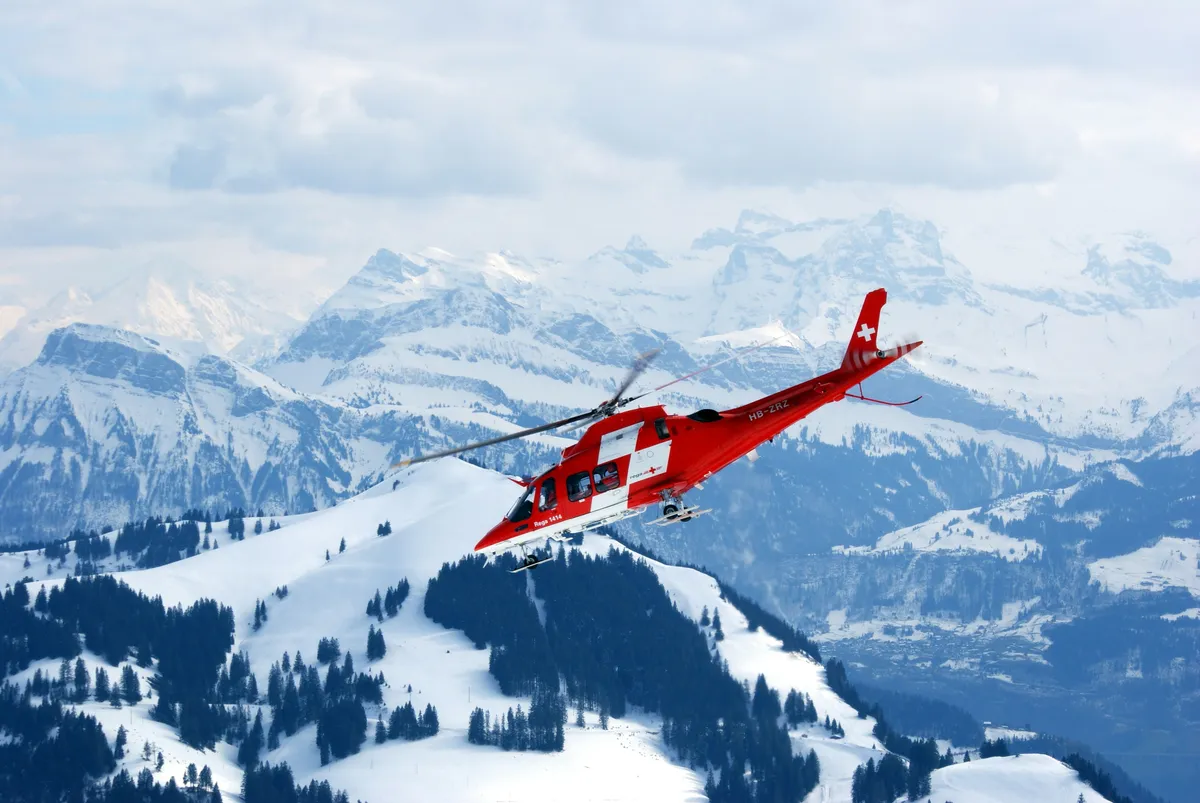
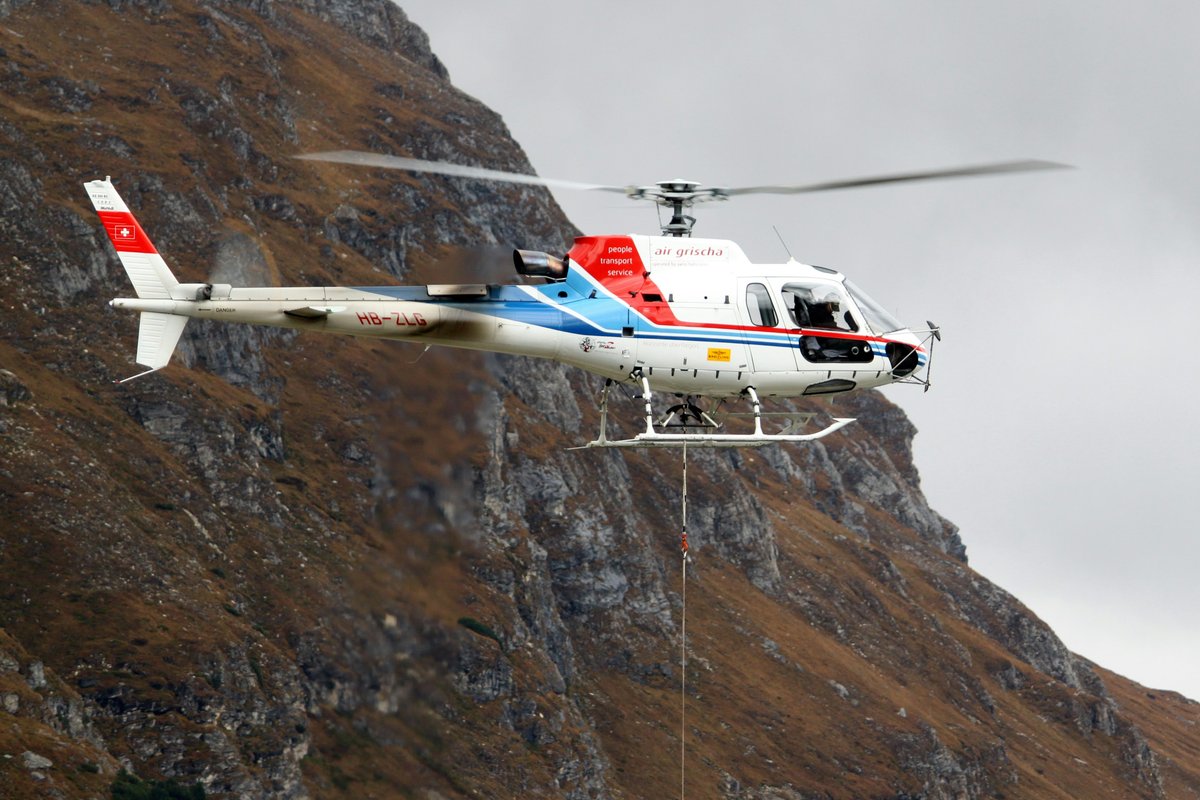
If there is one single reason to buy travel insurance for a Nepal trek, it is helicopter evacuation. Nepal's trekking regions are largely roadless above 2,500 meters. There are no ambulances, no mountain rescue trucks, and no quick way down on foot when someone is seriously ill or injured. The only practical way to move a casualty from a remote trail to a hospital in Kathmandu is by helicopter.
A helicopter rescue from Everest Base Camp or Gokyo to Kathmandu typically costs between USD 3,000 and USD 5,000. From more remote areas such as Makalu Base Camp, Kanchenjunga, or the upper Dolpo region, costs can climb to USD 6,000 or more. These figures assume a single flight in good weather. If weather delays require the helicopter to overnight at Lukla or if multiple flights are needed, the total can quickly exceed USD 10,000. Most trekking agencies and helicopter operators require proof of insurance or a guaranteed payment before dispatching an aircraft.
Your insurance policy must explicitly cover helicopter evacuation from altitude. Many standard travel insurance policies exclude trekking above 3,000 meters, or they cover medical expenses but not the cost of the helicopter itself. Read the fine print carefully. The policy should state that helicopter search and rescue is included, with a limit of at least USD 50,000. Some policies cap altitude at 4,500 meters or 5,000 meters, which would exclude Everest Base Camp (5,364 meters) and many popular passes like Cho La (5,420 meters) or Kongma La (5,535 meters). Make sure the altitude limit on your policy is higher than the maximum elevation of your trek.
When a rescue is needed, the typical process works as follows: your trekking guide contacts the agency in Kathmandu, the agency contacts the helicopter operator and your insurance company's emergency assistance line, and the insurance company authorises the flight. Having a policy with a 24-hour emergency assistance hotline that can be reached by phone or email from Nepal is essential. Some of the best insurance companies have local representatives or established relationships with Kathmandu-based rescue operators, which speeds up the authorisation process considerably.
What Your Nepal Trekking Insurance Must Cover
A good travel insurance policy for Nepal trekking is more than just helicopter evacuation. It should provide comprehensive protection across several categories of risk. Here is what to look for:
Medical Expenses
Your policy should cover emergency medical treatment both on the trail and in Kathmandu. Clinics such as CIWEC Hospital and the Nepal Mediciti Hospital in Kathmandu are accustomed to treating trekkers and can handle most non-surgical emergencies. Coverage of at least USD 100,000 for medical expenses is recommended. This should include hospital stays, doctor consultations, diagnostic tests, and emergency dental treatment. If you require repatriation to your home country for further treatment, the policy should cover medical repatriation as well, which can cost tens of thousands of dollars from Nepal.

Emergency Evacuation and Rescue
As discussed above, helicopter evacuation from altitude is the headline item. But your policy should also cover ground ambulance transfer, search and rescue costs if you become lost on the trail, and repatriation by air ambulance if needed. The combined evacuation and repatriation limit should be at least USD 50,000, and ideally USD 100,000 or more for treks to remote regions.
Trip Cancellation and Interruption
Nepal treks require a significant financial investment: international flights, domestic flights to Lukla or Pokhara, trekking permits, guide fees, and accommodation. If you have to cancel your trip before departure due to illness, a family emergency, or a natural disaster, trip cancellation coverage reimburses non-refundable costs. Trip interruption coverage kicks in if you have to abandon the trek partway through, for example if you develop altitude sickness and must fly home early. Look for a policy that covers at least USD 5,000 to USD 10,000 in trip cancellation and interruption.
Loss, Theft, and Damage to Gear
Trekking gear is expensive. A good down jacket, sleeping bag, trekking boots, and a waterproof shell can easily total USD 1,000 or more. Add a camera, phone, and power bank, and the value climbs further. Baggage loss and personal effects coverage should be included, with a limit of at least USD 1,500. Check whether the policy has per-item sub-limits, which may cap the payout for any single item at USD 300 or USD 500. If you are carrying expensive camera equipment, consider a separate electronics rider or a policy with higher per-item limits.
Personal Liability
Personal liability coverage protects you if you accidentally injure someone or damage property during your trek. This is a rarely used but important inclusion, particularly for independent trekkers. A limit of USD 1 million is standard and sufficient.
Altitude Sickness and Your Insurance Policy
Altitude sickness, also known as acute mountain sickness (AMS), is one of the most common and serious risks facing trekkers in Nepal. Above 2,500 meters, the reduced oxygen in the air begins to affect the body. Mild symptoms include headache, nausea, and fatigue. If ignored, AMS can progress to high altitude pulmonary edema (HAPE) or high altitude cerebral edema (HACE), both of which are life-threatening and require immediate descent and evacuation.
Most comprehensive travel insurance policies cover altitude sickness as part of their medical and evacuation coverage, but some policies specifically exclude treatment for conditions arising above a certain altitude. This is particularly common with budget travel insurance plans designed for beach holidays and city breaks. If your policy has an altitude exclusion, it will not pay for treatment or evacuation related to altitude sickness, which defeats the entire purpose of buying insurance for a Nepal trek.
To ensure you are covered, confirm in writing that the policy has no altitude restriction, or that the restriction is above the maximum altitude of your trek. For Everest Base Camp treks, the maximum altitude is around 5,545 meters at Kala Patthi. For Annapurna Base Camp, it is 4,130 meters. For Annapurna Circuit with Tilicho Lake, it is 5,416 meters. For Three Passes trek, you will reach 5,535 meters at Kongma La. Choose a policy with an altitude limit of at least 6,000 meters to give yourself a buffer above your trek's high point.
It is also important to understand that altitude sickness is considered a medical condition, not a pre-existing condition, unless you have a documented history of severe AMS. Most policies will cover a first episode of altitude sickness without question. If you have previously been evacuated for HAPE or HACE, disclose this to the insurer, as it may affect your coverage.
Recommended Policy Limits for Nepal Trekking
Based on the costs of medical treatment and helicopter rescue in Nepal, here are the minimum policy limits we recommend for trekking insurance:
- Emergency medical expenses: USD 100,000 or more
- Helicopter evacuation and rescue: USD 50,000 or more (USD 100,000 for remote treks)
- Medical repatriation to home country: USD 100,000 or more
- Trip cancellation and interruption: USD 5,000 to USD 10,000
- Baggage and personal effects: USD 1,500 or more
- Personal liability: USD 1,000,000
- Altitude limit: No restriction, or at least 6,000 meters
These figures are guidelines. If you are trekking in a remote region like Kanchenjunga, Makalu, or Upper Dolpo, where rescue costs are higher and medical facilities are further away, consider increasing the evacuation and repatriation limits to USD 200,000 or more. The difference in premium between a USD 50,000 evacuation limit and a USD 200,000 limit is usually modest, often just USD 20 to USD 40 for a two-week policy.
Recommended Insurance Companies for Nepal Trekking
Not all travel insurance companies cover high-altitude trekking. The following providers have a proven track record of covering trekkers in Nepal, with policies that include helicopter evacuation and altitude coverage:
World Nomads
World Nomads is one of the most popular choices among Nepal trekkers, and for good reason. Their Explorer plan covers trekking up to 6,000 meters, includes helicopter evacuation, and offers 24-hour emergency assistance through a global network. Claims can be submitted online, and the policy can be purchased or extended even after you have already started your trip, which is convenient for long-term travellers. World Nomads is particularly well suited for independent trekkers and backpackers. The policy is available to residents of over 130 countries.
IMG (International Medical Group)
IMG offers a range of travel medical insurance plans, including the Patriot Travel series and the iTravelInsured series. Their plans can be customised to include hazardous sports coverage, which encompasses trekking and mountaineering at altitude. IMG is known for robust evacuation coverage and a well-staffed 24-hour assistance centre. Their plans are particularly popular with North American trekkers, and they offer both single-trip and annual multi-trip options. For Nepal trekking, the Patriot Platinum plan is a strong choice, with medical limits up to USD 1,000,000 and evacuation included as standard.
Allianz Travel Insurance
Allianz is one of the world's largest insurance providers, and their travel insurance plans are widely available and well regarded. The Allianz All-Trip Prime and OneTrip Premier plans include emergency medical transportation, trip cancellation, and baggage coverage. Allianz offers a hazard upgrade for adventure activities, which is necessary for trekking above 3,000 meters. Their claims process is streamlined through a mobile app, and they have a strong financial rating, meaning you can trust them to pay out on large evacuation claims. Allianz is a good option for families and travellers who want the backing of a major global insurer.
SafetyWing
SafetyWing is a newer entrant that has gained popularity among digital nomads and long-term travellers. Their Remote Health plan covers medical expenses and emergency evacuation worldwide, including at altitude. SafetyWing's subscription model means coverage is continuous and can be maintained month to month, which is ideal for travellers who combine a Nepal trek with extended travel in Asia. While their altitude coverage details should be confirmed before purchase, SafetyWing is a cost-effective option for long-term travellers who need flexible, ongoing coverage.
Whichever provider you choose, the key is to confirm in writing that the policy covers trekking at the specific altitudes of your planned route, includes helicopter evacuation, and has a 24-hour emergency assistance number that can be called from Nepal.
How to Make an Insurance Claim from Nepal
If you need to make an insurance claim during your Nepal trek, the process typically involves the following steps:
- Notify your trekking guide immediately. Your guide is trained to assess the situation and contact your trekking agency in Kathmandu. If a helicopter evacuation is needed, the agency will coordinate with the rescue operator and your insurance company.
- Contact your insurance emergency assistance line. Call the 24-hour number on your policy as soon as possible. Have your policy number, passport details, and current location ready. The assistance team will authorise the evacuation and may arrange direct payment with the helicopter operator.
- Keep all documentation. Save hospital admission papers, doctor's reports, receipts for medication, helicopter invoices, and any receipts for expenses related to the emergency. These documents are essential for your claim.
- Get a medical report. If you are treated at a clinic in Kathmandu, request a detailed medical report describing your condition, diagnosis, and treatment. This should be in English or accompanied by a certified translation.
- Submit your claim promptly. Most policies require claims to be submitted within a certain timeframe, often 30 to 90 days after the incident. Submit your claim online or by email, including all supporting documents. Keep copies of everything you send.
- Follow up. Insurance claims can take several weeks to process. Stay in contact with your insurer, respond promptly to any requests for additional information, and keep a record of all communications.
If the helicopter operator requires upfront payment because your insurance company cannot authorise the flight in time, pay by credit card if possible and keep the invoice. You can then claim reimbursement from your insurance company. This situation is rare with reputable insurers who have established relationships with Kathmandu rescue operators, but it can happen with smaller or less experienced providers.
Tips for Choosing the Right Nepal Trekking Insurance Policy
Choosing the right insurance policy for a Nepal trek can feel overwhelming, but focusing on a few key criteria makes the decision much simpler:
- Verify altitude coverage. The single most important check is whether the policy covers trekking at the maximum altitude of your route. Do not assume that "adventure sports coverage" includes high-altitude trekking. Read the policy wording or contact the insurer to confirm in writing.
- Check helicopter evacuation inclusion. Confirm that helicopter search and rescue is explicitly included, not just "emergency medical transportation," which some policies interpret as ground ambulance only. The limit should be at least USD 50,000.
- Read the exclusions. Common exclusions include trekking without a licensed guide (some policies require this for remote regions), participating in a trek above the policy's altitude limit, and claims related to alcohol or drug use. Understand what is excluded before you buy.
- Check the excess or deductible. Some policies charge a deductible per claim, which can range from USD 0 to USD 250. A lower deductible means a higher premium, but for a major evacuation claim, the deductible is a minor concern.
- Confirm 24-hour assistance. Your policy should include a 24-hour emergency assistance hotline that can be reached from Nepal. Ideally, this should be a collect call or toll-free number, as mobile coverage on the trail is limited and satellite phone calls are expensive.
- Compare premiums, but do not shop on price alone. The difference between a budget policy and a comprehensive policy is often USD 30 to USD 60 for a two-week trek. Given that a single helicopter evacuation can cost USD 5,000 or more, saving a few dollars on the premium is a false economy.
- Buy early. Purchase your insurance as soon as you book your trek. This ensures that trip cancellation coverage is active if you have to cancel before departure due to illness, a flight cancellation, or a family emergency.
- Carry proof of insurance. Print your policy documents, including the emergency assistance number and your policy number, and carry them with you on the trek. Also store digital copies on your phone and in cloud storage. Give a copy to your trekking guide and to a family member at home.
- Disclose pre-existing conditions. If you have any pre-existing medical conditions, disclose them when purchasing the policy. Failure to disclose can result in a claim being denied, even if the claim is unrelated to the pre-existing condition.
Final Thoughts on Nepal Trekking Insurance
Travel insurance for Nepal trekking is a small investment that protects you against costs that could otherwise run into tens of thousands of dollars. More importantly, it ensures that if something goes wrong on the trail, help is just a phone call away. The peace of mind that comes from knowing you are covered allows you to focus on what matters: enjoying the breathtaking scenery, meeting fellow trekkers from around the world, and standing at the foot of the world's highest mountains.
Nepal is a safe trekking destination when proper precautions are taken. The trails are well travelled, the teahouses are welcoming, and the trekking infrastructure is well developed. But the mountains are indifferent to preparation and experience. Weather can change in minutes, altitude can affect even the fittest trekkers, and accidents can happen on any trail at any time. A comprehensive insurance policy is the single most important piece of gear you will pack for your Nepal trek.

Before you set off, take the time to research your options, read the policy wording carefully, and choose a plan that matches the altitude and remoteness of your trek. Carry your proof of insurance, share your itinerary with someone at home, and trek with a licensed guide whenever possible. With the right preparation and the right insurance, your Nepal trek will be an unforgettable adventure for all the right reasons.