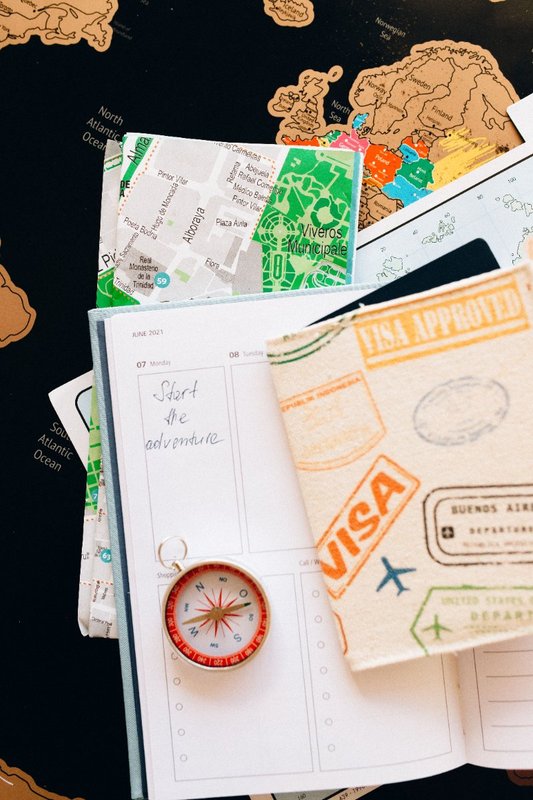
Introduction to Nepal Visa 2026
Nepal remains one of the most accessible travel destinations in Asia, and the visa policy for 2026 continues the country's welcoming approach to international visitors. Whether you are trekking to Everest Base Camp, exploring the temples of Kathmandu Valley, or enjoying the wildlife of Chitwan National Park, understanding the visa process is the first step in your journey. This comprehensive guide covers everything you need to know about obtaining a Nepal tourist visa in 2026, including visa on arrival, the online eVisa system, current fees, extension procedures, required documents, photo specifications, and special provisions for SAARC and Indian citizens.
The Department of Immigration under the Government of Nepal manages all tourist visa operations. Most foreign nationals can obtain a visa on arrival at Tribhuvan International Airport in Kathmandu or at designated land border crossings. Alternatively, travelers can apply for an eVisa online before departure. The process is straightforward, but knowing the details in advance will save you time and prevent surprises at the airport or border.
Nepal Visa on Arrival at Tribhuvan Airport
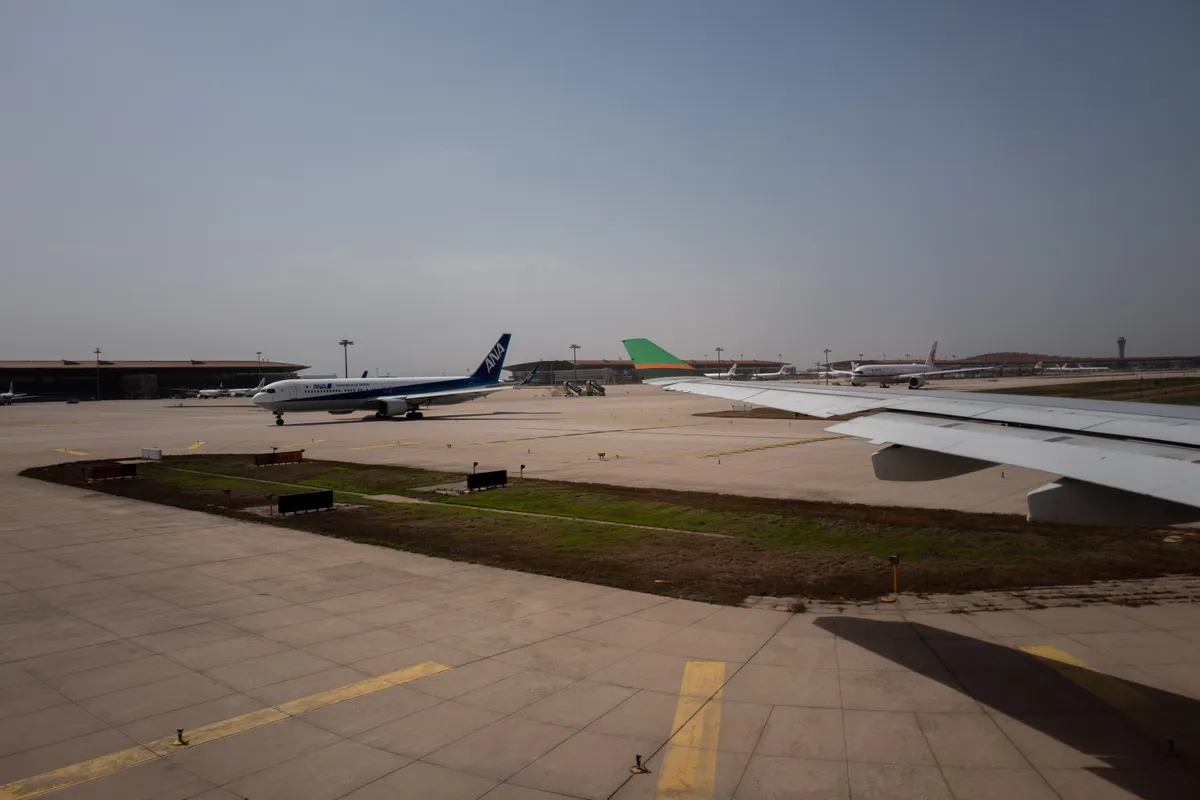
The visa on arrival facility is available at Tribhuvan International Airport (TIA) in Kathmandu for citizens of most countries. This is the most common way international tourists enter Nepal. The process at the airport is designed to be efficient, but during peak tourist seasons, queues can be long. Arriving prepared with the correct documents and exact cash will significantly speed up your passage through immigration.
Upon arrival at Tribhuvan International Airport, follow these steps to get your visa on arrival:
- Fill out the visa application form: Electronic kiosks are available in the arrivals hall where you can complete the visa application form. You can also fill out the form online before your trip through the Department of Immigration website, which will generate a barcode you can present at the airport. Using the online form in advance is highly recommended as it reduces processing time at the kiosk.
- Proceed to the immigration counter: After completing the form, proceed to the visa payment and immigration counter. Present your passport, the printed visa application form with barcode, one passport-size photo, and the visa fee in cash.
- Pay the visa fee: The fee must be paid in cash. US dollars are the most widely accepted currency, though other major currencies may be accepted at the current exchange rate. Credit cards and traveler's cheques are not accepted for visa fees at the airport.
- Receive your visa: The immigration officer will process your application, stamp your visa into your passport, and you are officially cleared to enter Nepal.
The entire process typically takes between 30 minutes and one hour, depending on the number of flights arriving simultaneously and the efficiency of the queue. During peak trekking seasons in spring (March to May) and autumn (September to November), expect longer wait times.
It is important to note that citizens of certain countries are not eligible for visa on arrival and must obtain a visa prior to traveling. These countries include Nigeria, Ghana, Zimbabwe, Swaziland, Cameroon, Somalia, Liberia, Ethiopia, Iraq, Palestine, Afghanistan, and Syria. Citizens of these nations should contact the nearest Nepalese embassy or consulate well in advance of their planned travel date.
Nepal Online eVisa Application
The Government of Nepal offers an online eVisa application system through the official Department of Immigration website. This system allows travelers to submit their visa application and payment electronically before arriving in Nepal. While the eVisa system does not issue a visa that you print at home, it streamlines the airport process significantly by pre-filling your application and generating a payment receipt and barcode.
Here is how to apply for the Nepal eVisa online:
- Visit the official portal: Go to the Department of Immigration website at immigration.gov.np or the online visa portal. Do not use third-party websites that charge additional fees for visa processing.
- Create an account: You will need to register with a valid email address and create a password to access the application form.
- Complete the application form: Fill in your personal details, passport information, travel dates, and intended address in Nepal (such as your hotel or guesthouse). Make sure all details match your passport exactly.
- Upload your photo: Upload a recent passport-size photograph that meets the specifications outlined later in this guide.
- Submit and pay: After reviewing your application, submit it and proceed to the payment section. You can pay the visa fee online using a credit or debit card. The system will generate a receipt with a reference number and barcode.
- Print your receipt: Print the confirmation receipt with the barcode and bring it with you to Nepal. You will still need to present this at the immigration counter at Tribhuvan International Airport, but the process will be much faster since your data is already in the system.
The eVisa application can be submitted up to 15 days before your intended arrival date. It is recommended to apply at least 3 to 5 days before departure to allow for processing time. Even with the online application, you must still present yourself at the immigration counter at the airport with your passport and printed receipt to receive the actual visa stamp.
One advantage of the online system is that it reduces the time spent at the airport kiosk. Travelers who have completed the online application and payment typically clear immigration in 10 to 15 minutes, compared to 30 to 60 minutes for those completing everything at the airport.
Nepal Tourist Visa Fees for 2026
Nepal offers three durations for tourist visas, each with a different fee structure. The fees for 2026 remain unchanged from recent years, making Nepal one of the most affordable visa destinations in Asia. The visa fee must be paid in cash (US dollars preferred) at the airport or online via card through the eVisa system.
The current Nepal tourist visa fees are as follows:
- 15 Days Multiple Entry: USD 30
- 30 Days Multiple Entry: USD 50
- 90 Days Multiple Entry: USD 125
All tourist visas are multiple entry, meaning you can exit and re-enter Nepal within the validity period of your visa. The 15-day visa is valid for 15 days from the date of issue, the 30-day visa for 30 days, and the 90-day visa for 90 days.
If you decide to extend your stay beyond the initial visa duration, the extension fee is USD 2 per day. A minimum extension fee of USD 30 applies even if you only need a few extra days. This means that whether you need to extend by one day or by fifteen days, you will pay a minimum of USD 30.
It is worth noting that the visa duration starts from the date of issue, not the date of arrival in Nepal. However, since the visa on arrival is issued on the same day you enter, this distinction is primarily relevant for visas obtained through embassies before travel.
Nepal Visa Extension Process
If you wish to stay in Nepal longer than your visa allows, you can apply for a visa extension at the Department of Immigration in Kathmandu or at immigration offices in Pokhara. The process is straightforward but requires you to apply before your current visa expires. Overstaying your visa without an extension is a serious offense and can result in fines, detention, and deportation.
To extend your Nepal tourist visa, follow these steps:
- Visit the Department of Immigration: The main office is located in Kalikasthan, Dillibazar, Kathmandu. The office is open Sunday through Friday (Saturday is a public holiday in Nepal). Arrive early in the morning to avoid long queues.
- Complete the extension application form: Fill out the visa extension form available at the office or download it from the Department of Immigration website beforehand.
- Submit required documents: Present your passport, the completed form, one passport-size photo, and a copy of your current visa. If you are extending for trekking purposes, you may also need to show your TIMS card and trekking permit.
- Pay the extension fee: The fee is USD 2 per day with a minimum charge of USD 30. Payment can be made in Nepali rupees or US dollars at the immigration office.
- Receive your extension: The immigration officer will process your application and stamp the extension in your passport. Same-day processing is typical for tourist visa extensions.
Tourist visas can be extended for a maximum total stay of 150 days per calendar year (January to December). For most travelers, this is more than sufficient. However, if you are planning an extended stay for research, volunteering, or other purposes, you may need to consider a different visa category.
It is highly recommended to apply for your extension at least 2 to 3 days before your current visa expires. This buffer ensures that if there are any issues with your application or if the office is particularly busy, you will not accidentally overstay your visa.
Required Documents for Nepal Tourist Visa
Having the correct documents ready will make your visa process smooth and efficient. Whether you are applying for a visa on arrival or an eVisa, the following documents are required:
- Valid passport: Your passport must be valid for at least six months from the date of entry into Nepal and must have at least one blank visa page for the visa stamp.
- Visa application form: Completed either online (recommended) or at the electronic kiosks at Tribhuvan International Airport. If completed online, print the form with the barcode.
- Passport-size photograph: One recent passport-size photo (see photo requirements below). Some sources recommend bringing two photos to be safe.
- Visa fee: The appropriate fee in cash (USD preferred) for visa on arrival, or paid online for the eVisa system.
- Return or onward ticket: While not always checked, immigration officers may ask to see proof of your return or onward travel. Having this ready can prevent delays.
- Proof of accommodation: You may be asked to provide the address where you will be staying in Nepal. This could be a hotel booking, a letter of invitation from a host, or the address of a guesthouse.
For travelers entering Nepal by land through border crossings with India or China/Tibet, the same documents are required. Visa on arrival is available at major land border crossings including Kakarbhitta, Birgunj, Sunauli, Nepalgunj, Dhangadhi, Mahendranagar, and Kodari (the border with Tibet).
Photo Requirements for Nepal Visa
The photograph you submit with your visa application must meet standard international passport photo specifications. Failing to meet these requirements can result in delays or rejection of your application at the airport.
The photo requirements for a Nepal tourist visa are:
- Size: 35mm x 45mm (standard passport size) or 1.5 inch x 2 inch
- Background: White or light-colored background, with no patterns or shadows
- Quality: Clear, in focus, and printed on photographic paper. Digital photos uploaded for eVisa must be clear and meet the same criteria.
- Face: Full face, front view, looking directly at the camera with a neutral expression. No smiling with teeth showing, no sunglasses, and no hats or head coverings except for religious purposes.
- Recency: The photo should be taken within the last six months and should clearly resemble your current appearance.
- Glasses: If you wear glasses, ensure there is no glare on the lenses and your eyes are clearly visible. Tinted glasses are not acceptable.
If you forget to bring a passport photo to the airport, there is a photo booth service available in the arrivals hall at Tribhuvan International Airport, though it charges a premium compared to getting photos taken before your trip. It is always better to bring extra photos from home.
SAARC Country Visa Fees and Provisions
Nepal offers special visa provisions for citizens of SAARC (South Asian Association for Regional Cooperation) member countries. SAARC nations include Afghanistan, Bangladesh, Bhutan, India, Maldives, Pakistan, and Sri Lanka (in addition to Nepal itself). The preferential fee structure for SAARC citizens reflects the regional cooperation and good-neighbor policy that Nepal maintains with its South Asian partners.
The SAARC country visa fees for 2026 are as follows:
- 30 Days Multiple Entry: USD 25 (compared to USD 50 for non-SAARC citizens)
The discounted SAARC visa fee applies to the 30-day multiple entry tourist visa only. The 15-day and 90-day visa fees are the same as for other foreign nationals. SAARC citizens can also use both the visa on arrival and eVisa systems.
It is important to carry proof of SAARC nationality (such as a national passport from a SAARC member country) when applying for the visa to ensure you receive the discounted rate. The immigration officer will verify your nationality before applying the reduced fee.
Visa for Indian Citizens
Indian citizens do not need a visa to enter Nepal. Under the 1950 Treaty of Peace and Friendship between India and Nepal, nationals of India can enter, live, and work in Nepal freely without any visa requirement. This is one of the most open border arrangements in the world.
Indian citizens entering Nepal need only the following documents:
- Valid Indian passport: A standard Indian passport is the primary identification document for Indian nationals entering Nepal by air.
- Voter ID card: Issued by the Election Commission of India, this is accepted as an alternative to a passport for Indian citizens entering Nepal by land.
- Indian citizens under 15 years: Can enter Nepal using a birth certificate or an identity document issued by a school principal accompanied by a letter from the parent or guardian.
Indian citizens can enter Nepal by air through Tribhuvan International Airport or by land through any of the open border crossings along the India-Nepal border. There is no visa fee, no visa stamp, and no limit on the duration of stay for Indian citizens. However, Indian nationals are required to register with the local immigration office if they plan to stay for an extended period or engage in business activities.
It is important to note that Aadhaar cards are not accepted as valid travel documents for entering Nepal by air. Indian citizens should carry their passport or voter ID card when traveling to Nepal.
Visa at Land Border Crossings
In addition to Tribhuvan International Airport, visa on arrival is available at several designated land border crossings. This is particularly relevant for travelers coming overland from India or Tibet. The visa fees and requirements are the same as at the airport.
The major land border crossings where visa on arrival is available include:
- Kakarbhitta: Eastern Nepal, bordering India (West Bengal)
- Birgunj: South-central Nepal, bordering India (Bihar), one of the busiest crossings
- Sunauli: Near Lumbini, bordering India (Uttar Pradesh), popular with backpackers
- Nepalgunj: Mid-western Nepal, bordering India
- Dhangadhi: Far-western Nepal, bordering India (Uttarakhand)
- Mahendranagar: Far-western Nepal, bordering India
- Kodari: Northern Nepal, bordering Tibet (China), on the old Silk Road route
At land borders, the visa processing is generally faster than at the airport since fewer travelers use these crossings. However, the immigration offices at smaller border posts may have limited operating hours, typically from 10:00 AM to 5:00 PM. If you arrive outside these hours, you may need to wait until the office reopens or stay overnight at a nearby guesthouse.
When entering by land, ensure you have the exact visa fee in cash, as change may not always be available at remote border posts. US dollars are preferred, though Indian rupees and Nepali rupees may be accepted at the current exchange rate at some crossings.
Tips for Smooth Visa Processing
To make your Nepal visa experience as smooth as possible, consider the following tips based on common traveler experiences and official recommendations:
- Apply online in advance: Use the eVisa system to submit your application and payment before you travel. This cuts your airport processing time significantly and reduces stress after a long flight.
- Carry exact cash: Bring US dollar bills in the exact amount of your visa fee. Immigration counters may not have change for large bills, and worn or torn bills may be refused.
- Bring extra passport photos: You will need photos not only for the visa but also for trekking permits, TIMS cards, and other documentation. Bring at least 4 to 6 extra passport-size photos.
- Check your passport validity: Ensure your passport is valid for at least six months from your date of entry. If it is close to expiring, renew it before booking your trip to Nepal.
- Keep visa fee separate: Do not bundle your visa fee cash with your other travel money. Keep it in a separate, easily accessible pocket so you can produce it quickly at the counter.
- Fill out the form before landing: If your airline provides a Nepal visa application form on the flight, fill it out before landing. This can save time at the airport kiosks.
- Be patient and courteous: Immigration officers in Nepal are generally friendly and helpful, but the process can be slow during busy periods. Patience and a polite attitude go a long way.
- Keep your visa receipt: If you pay online through the eVisa system, keep the printed receipt with your barcode until you have received your visa stamp at the airport.
- Know your accommodation address: Have the name and address of your hotel or guesthouse in Nepal ready. You will need this for both the visa application form and potentially at immigration.
- Check country eligibility: Before booking your trip, verify whether your country is eligible for visa on arrival. Citizens of restricted countries must apply through a Nepalese embassy.
Common Mistakes to Avoid
Even with preparation, some travelers encounter issues at Nepal immigration. Being aware of common mistakes can help you avoid them:
One frequent mistake is arriving with a passport that has less than six months validity. This is a standard international travel requirement, but some travelers overlook it and are denied boarding by their airline or entry by immigration. Always check your passport expiration date well before your trip.
Another common error is not having the exact visa fee amount. If you are applying for a 15-day visa at USD 30, arrive with a crisp USD 30 bill or the equivalent in smaller denominations. Immigration officers may not accept large bills if they cannot make change.
Some travelers forget that the visa on arrival requires a photo. While there is a photo booth at the airport, it may be out of order or have a long queue. Always bring a printed passport-size photo from home.
Avoid using unofficial or third-party visa services. Several websites claim to offer Nepal eVisa services for an additional fee. The only official portal is the Department of Immigration website. Third-party sites may overcharge, steal your personal information, or provide incorrect documentation.
Finally, never overstay your visa. If you need more time, apply for an extension at the Department of Immigration before your visa expires. Overstaying can result in a fine of USD 3 to 5 per day, and serious overstay cases can lead to detention and a ban on future entry to Nepal.
Nepal Visa for Different Types of Travelers
Different types of travelers may have specific visa considerations. Here is how the Nepal visa system applies to various categories of visitors:
Trekkers: If you are coming to Nepal primarily for trekking, the standard tourist visa is all you need. However, in addition to the visa, you will need a TIMS (Trekkers Information Management System) card and a trekking permit for the specific region you plan to trek in, such as Annapurna Conservation Area Permit (ACAP) or Sagarmatha National Park Entry Permit for the Everest region. These are separate from the visa and can be obtained in Kathmandu or Pokhara before starting your trek.
Volunteers: If you plan to volunteer in Nepal, a standard tourist visa is typically sufficient for short-term volunteer work. However, for organized volunteer programs lasting longer than the visa duration, you should check with the organization you are volunteering with, as some longer-term placements may require a non-tourist visa or a working visa obtained through the Department of Immigration with sponsorship from the host organization.
Business travelers: For business purposes, a tourist visa may not be appropriate. A non-tourist visa or business visa is required, which must be obtained from a Nepalese embassy or consulate before traveling. The business visa requires a recommendation letter from the concerned ministry or agency in Nepal.
Study and research: Students and researchers coming to Nepal for academic purposes should apply for a non-tourist visa through a Nepalese embassy. This requires a letter of recommendation from the relevant academic institution or government department in Nepal.
Important Contact Information
If you have questions about your Nepal visa or need assistance, the following contacts may be helpful:
Department of Immigration, Nepal
Address: Kalikasthan, Dillibazar, Kathmandu
Phone: +977-1-4429656, +977-1-4429658
Website: immigration.gov.np
Email: info@immigration.gov.np
Immigration Office, Pokhara
Address: Lakeside, Pokhara
Phone: +977-61-460182
Tribhuvan International Airport Immigration
Phone: +977-1-4115327, +977-1-4115356
Conclusion
Obtaining a Nepal visa in 2026 is a straightforward process for the vast majority of international travelers. With visa on arrival available at Tribhuvan International Airport and major land border crossings, plus the convenience of the online eVisa application system, entering Nepal has never been easier. The affordable visa fees, ranging from USD 30 for 15 days to USD 125 for 90 days, make Nepal an attractive and budget-friendly destination.
By preparing your documents in advance, carrying the correct visa fee in cash, and understanding the process, you can ensure a smooth and stress-free entry into Nepal. Remember that the visa is just the beginning of your adventure in this beautiful country. From the moment you clear immigration, the warmth of Nepali hospitality, the majesty of the Himalayas, and the richness of the culture await you.
Whether you are a first-time visitor or a returning traveler, Nepal welcomes you with open arms and a simple visa process. Plan ahead, bring your sense of adventure, and get ready for an unforgettable journey in the heart of the Himalayas.