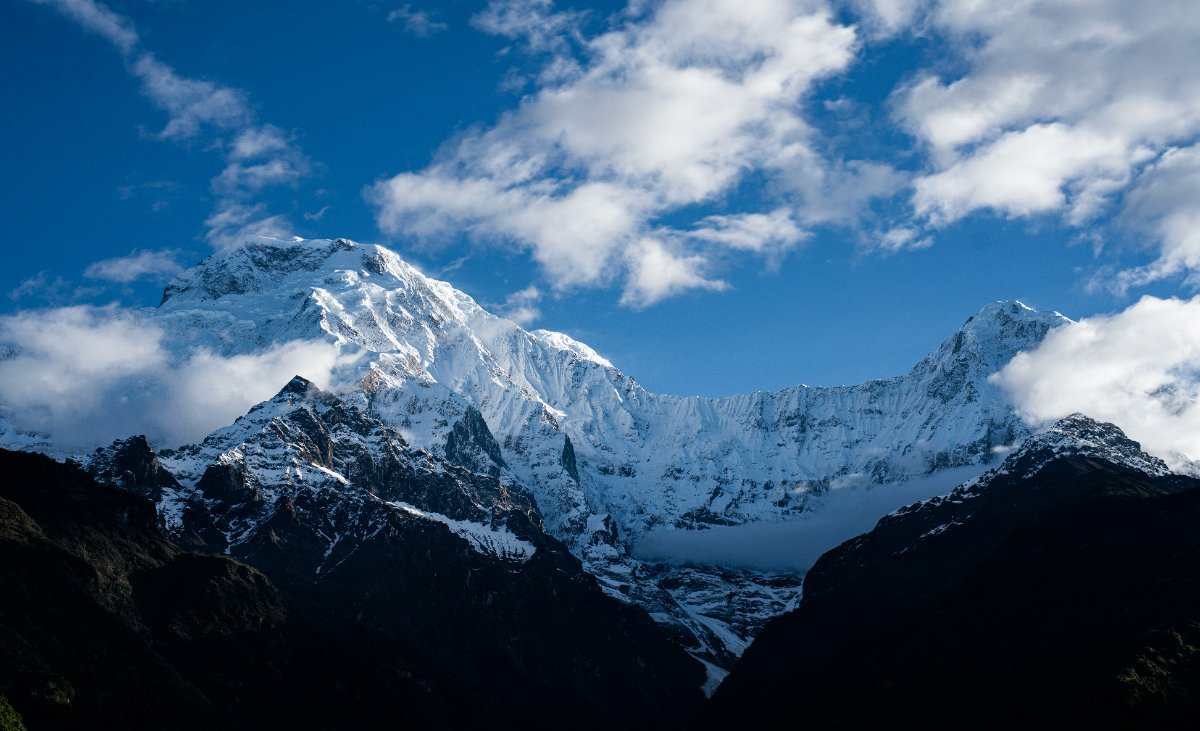
The Annapurna region is a treasure of natural beauty and cultural heritage, but it is also a fragile environment under increasing pressure from tourism. Every year, more than 120,000 trekkers walk the Annapurna trails, and their collective impact on the landscape, water sources, wildlife, and local communities is significant. Sustainable trekking is not just a buzzword; it is the practice of minimizing your environmental and cultural footprint while maximizing your positive contribution to the places you visit. This guide covers everything you need to know about trekking sustainably in the Annapurna region, from waste management and water purification to supporting local economies and respecting cultural traditions. Explore with us as we show you how to trek lightly and leave the mountains better than you found them.
What Does Sustainable Trekking Mean in the Annapurna Context?
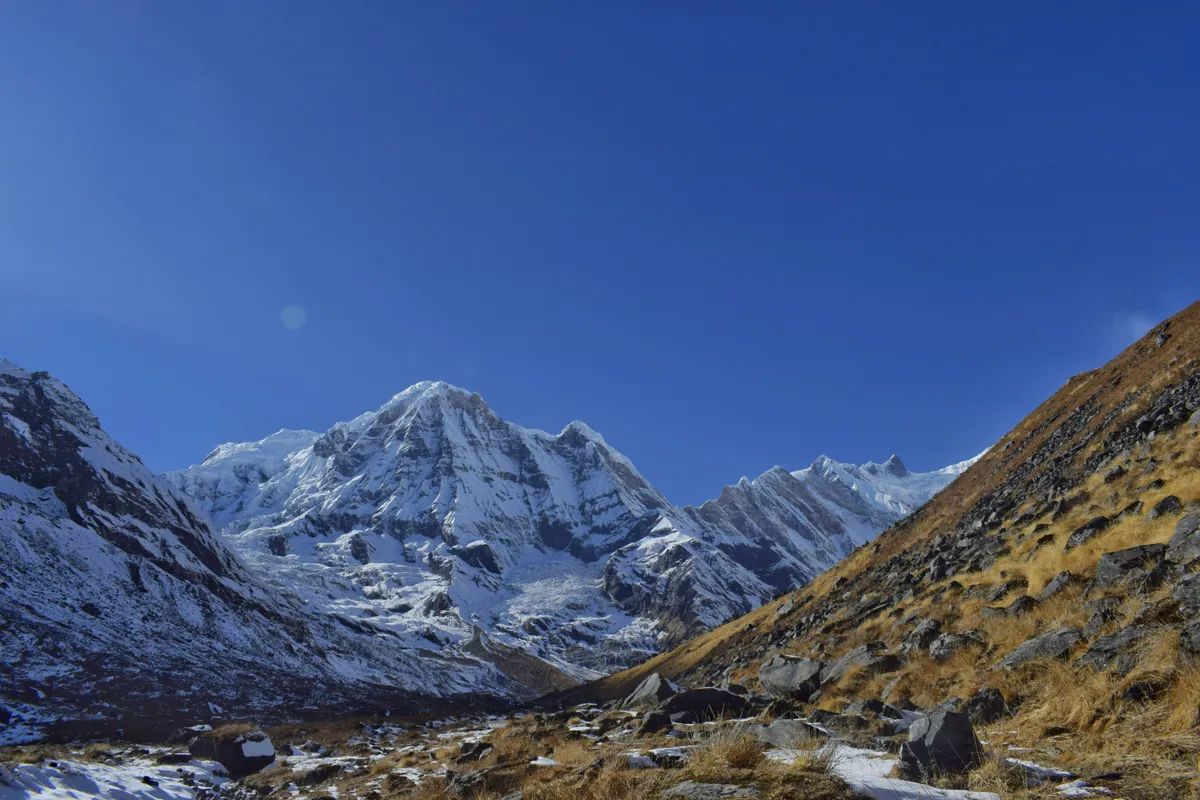
Sustainable trekking in the Annapurna region means traveling in a way that preserves the natural environment, supports local communities, and respects cultural traditions for future generations. The Annapurna Conservation Area Project (ACAP), established in 1986, was the first conservation area in Nepal and operates on the principle that conservation and community development must go hand in hand. Sustainable trekking here involves reducing plastic waste, conserving water and energy, supporting local businesses, respecting wildlife habitats, and following Leave No Trace principles. The ACAP permit fees that every trekker pays directly fund trail maintenance, community health posts, schools, and environmental education programs. By choosing sustainable practices, trekkers become active partners in conservation rather than passive consumers of the landscape.
How Can You Reduce Plastic Waste on the Annapurna Trail?
Plastic waste is one of the most visible environmental problems on the Annapurna trails. Every tea house sells bottled water, and the empty bottles often end up in poorly managed dumps or scattered along the trail. The solution is simple and effective: carry a reusable water bottle and use water purification methods. Most tea houses now sell filtered or boiled water for a small fee (NPR 20 to NPR 50 per liter), which is far cheaper than buying bottled water and produces zero plastic waste. Alternatively, carry water purification tablets (chlorine dioxide or iodine) or a portable water filter like a LifeStraw or Sawyer. A single trekker using bottled water for a 14-day Circuit trek generates approximately 40 plastic bottles. If 120,000 trekkers each do the same, that is nearly 5 million bottles per year. Beyond water, avoid single-use plastic packaging by buying snacks in bulk and carrying them in reusable containers. The Annapurna Circuit now has filtered water stations at many tea houses along the main route.
Why Is Staying on the Trail Important for Annapurna Conservation?
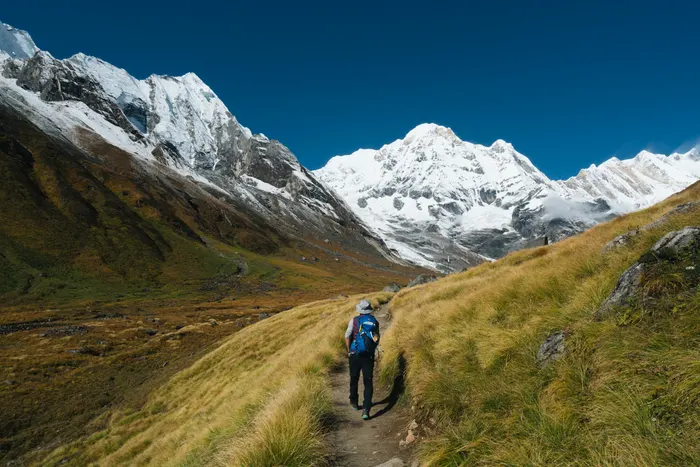
Staying on marked trails is one of the simplest and most effective ways to trek sustainably in the Annapurna region. When trekkers cut switchbacks or create new paths, they accelerate soil erosion, damage alpine vegetation that takes decades to recover, and create unsightly scars on the landscape. In the high-altitude zones above 4,000 meters, vegetation grows extremely slowly due to the harsh climate, and a single footstep off the trail can destroy plants that took centuries to establish. The Annapurna Conservation Area Project invests significant resources in trail maintenance and construction, building stone steps, retaining walls, and drainage channels to manage water flow and prevent erosion. When you walk on designated trails, you help concentrate impact to a narrow corridor and allow the surrounding landscape to remain undisturbed. On the Annapurna Base Camp trek, the trail is well-marked and maintained, making it easy to follow. If you need to step off the trail for a bathroom break, walk at least 70 meters away and avoid fragile vegetation.
How Do You Support Local Communities Through Trekking?
Supporting local communities is a cornerstone of sustainable trekking in the Annapurna region. The people who live in the conservation area are the stewards of the land, and tourism is their primary source of income. Every choice you make on the trail can either support or undermine local livelihoods. Stay in family-run tea houses rather than large commercial lodges, eat meals at the same tea house where you sleep, and buy locally made products like handicrafts, yak cheese, and apple products from the Manang valley. Hire local guides and porters through registered agencies like Enticing Himalayas, which ensures fair wages and proper working conditions. The Solo Women's Trek specifically employs female guides, supporting gender equity in the trekking industry. The Mother Daughter Trek similarly channels tourism revenue to women-owned businesses. When you buy a scarf, a hat, or a bag from a local craftsperson, you are making a direct economic contribution to the community. Pay fairly and do not haggle excessively over small amounts that mean much more to the seller than to you.
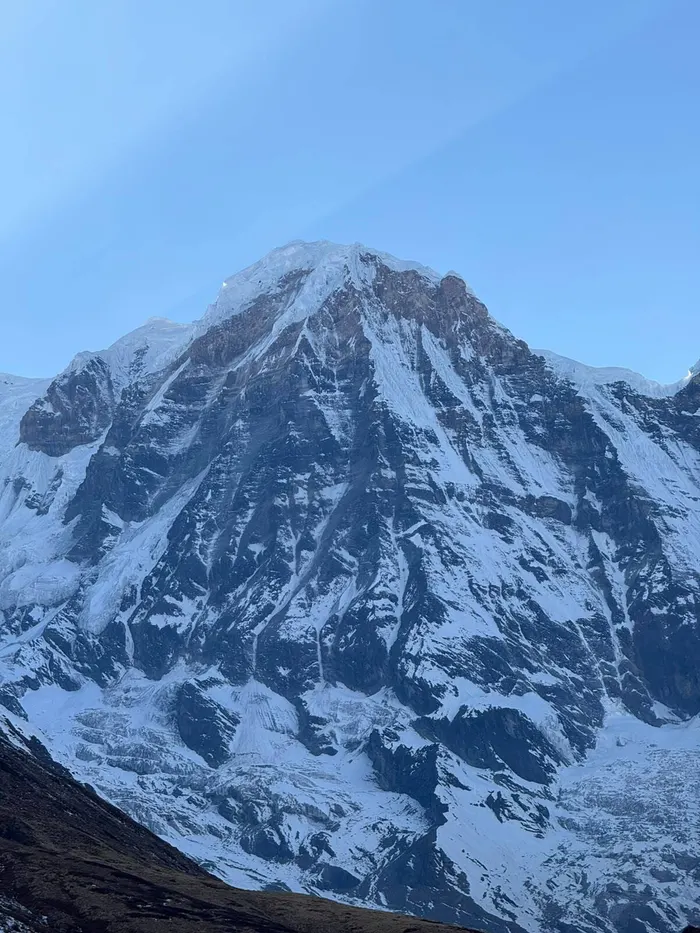
What Is the Leave No Trace Principle for Annapurna Trekkers?
Leave No Trace is a set of seven principles designed to minimize environmental impact in outdoor recreation. Applied to the Annapurna region, they are: (1) Plan ahead and prepare: know your route, carry a map, and be self-sufficient. (2) Travel and camp on durable surfaces: stay on marked trails and camp only in designated areas. (3) Dispose of waste properly: carry out all trash, including food scraps and toilet paper. Bury human waste in catholes 15 to 20cm deep, at least 70 meters from water sources. (4) Leave what you find: do not pick flowers, collect rocks, or disturb cultural artifacts. (5) Minimize campfire impact: use stoves for cooking rather than making fires, as wood is scarce at high altitudes. (6) Respect wildlife: observe from a distance, never feed animals, and store food securely. (7) Be considerate of other visitors: keep noise levels down, respect the cultural practices of local communities, and yield the trail appropriately. The Ghorepani Poon Hill trek and Mardi Himal trek both pass through sensitive ecological zones where these principles are especially important.
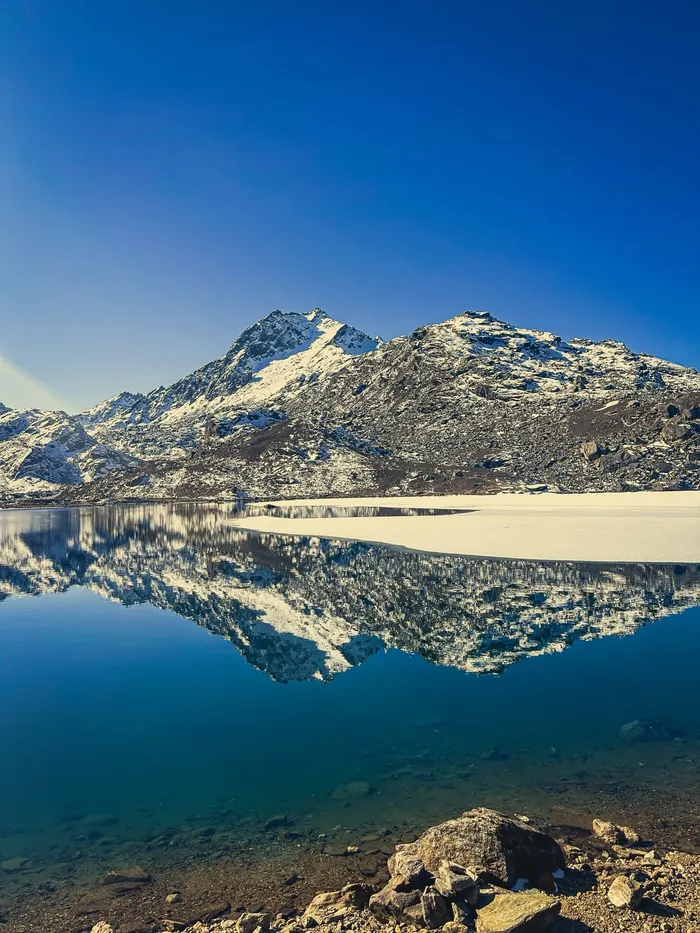
How Can You Conserve Energy and Water at Tea Houses?
Tea houses in the Annapurna region rely on limited energy resources, primarily solar panels, small hydroelectric systems, and yak dung for cooking and heating. Trekkers can help conserve these resources with a few simple practices. Turn off lights when you leave the dining room and your room. Do not charge devices unnecessarily; charge only what you need and use a power bank to reduce demand on the lodge's system. Take a shower only when necessary, not every day, as hot water requires significant energy to heat. Accept the reality of cold-water washing on some days and use wet wipes as an alternative. The dining room stove is the social center of the tea house, but it is fueled by yak dung or wood, both of which are finite resources. Do not monopolize the space closest to the stove; share the warmth with all guests. When ordering meals, choose local dishes like dal bhat that use ingredients grown or sourced nearby, reducing the carbon footprint of food transport. The Luxury Lodge Trek uses lodges with solar heating systems, but even there, conservation matters.
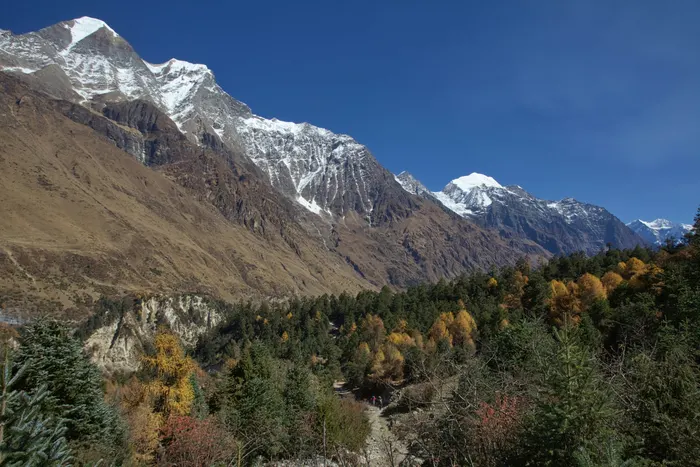
What Should You Do with Waste and Rubbish on the Annapurna Trail?
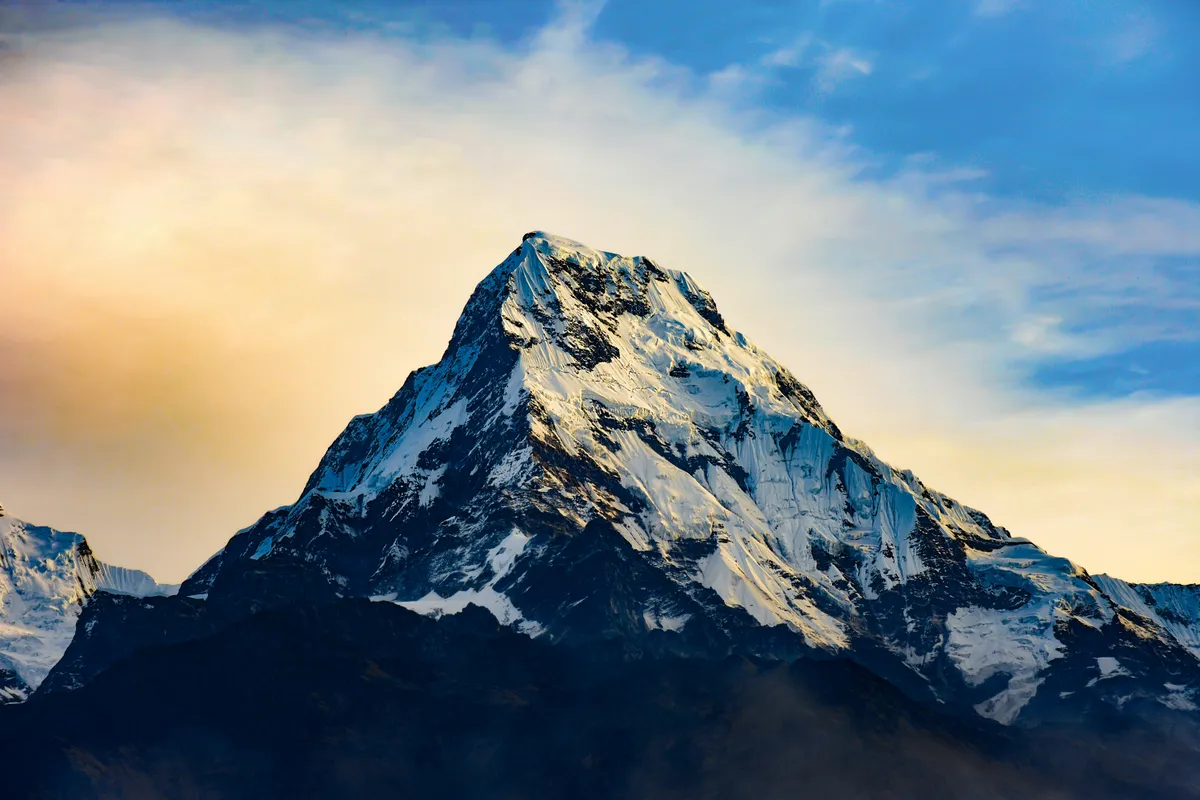
Waste management is one of the biggest challenges in the Annapurna region. There is no municipal garbage collection at high altitude, and all waste must be carried down by porters or mules. The golden rule is: whatever you carry in, you carry out. This includes all packaging, food wrappers, used batteries, and empty containers. Most tea houses have separate bins for burnable waste (paper, cardboard) and non-burnable waste (plastic, metal, glass). Burnable waste is typically burned in the lodge stove, while non-burnable waste is carried down to valley towns for disposal. Never bury or hide waste, as it will eventually be exposed by erosion or dug up by animals. For human waste, use the toilets provided at tea houses whenever possible. Between tea houses, dig a cathole 15 to 20cm deep at least 70 meters from any water source, and bury all toilet paper or carry it out in a ziplock bag. The Circuit with Tilicho Lake passes through particularly fragile high-altitude zones where waste management is critical. Carry a small plastic bag for your trash and pack it out religiously.
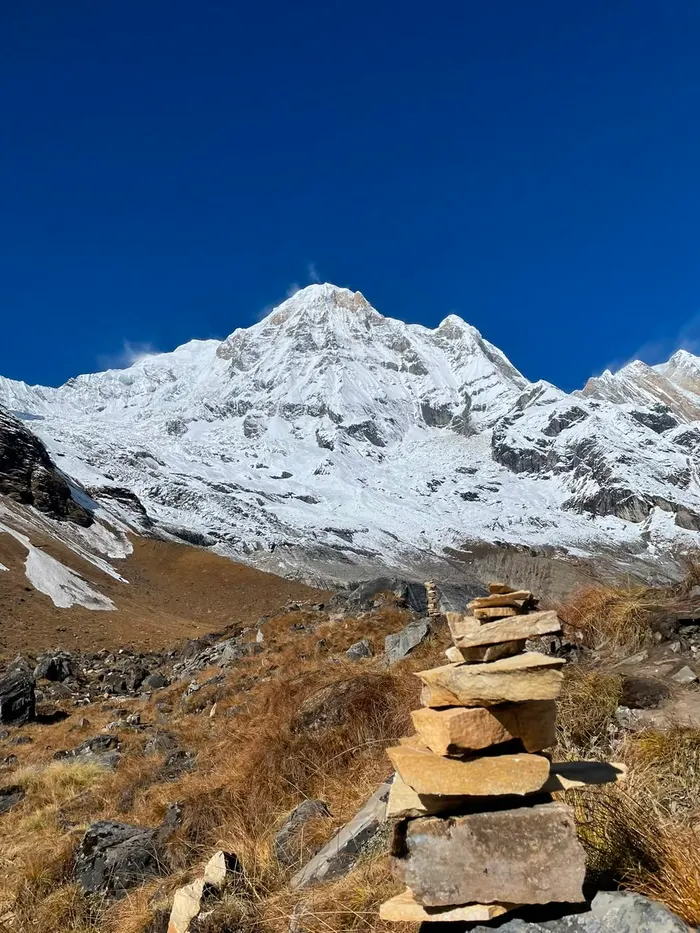
How Do You Respect Local Culture and Traditions on the Annapurna Trail?
The Annapurna region is home to diverse ethnic groups, including Gurung, Magar, Thakali, Manangi, and Tibetan communities, each with their own traditions, languages, and customs. Respecting local culture is an essential part of sustainable trekking. Always ask permission before photographing people, especially in villages and monasteries. Remove your shoes before entering any home, monastery, or temple. Dress modestly, covering shoulders and knees, particularly in religious sites. Walk clockwise around Buddhist stupas, mani walls, and prayer wheels, and never sit or stand on religious structures. When visiting a monastery, remain quiet and respectful, and do not interrupt ceremonies or prayers. Learn a few basic Nepali phrases (namaste for hello, dhanyabad for thank you) and use them when interacting with local people. The Annapurna Yoga Trek incorporates cultural visits that deepen understanding of local traditions. Avoid giving sweets or money to children, as this encourages begging; instead, support the community by buying from local shops or donating to school programs through recognized organizations. The Muktinath temple is sacred to both Hindus and Buddhists; treat it with appropriate reverence.
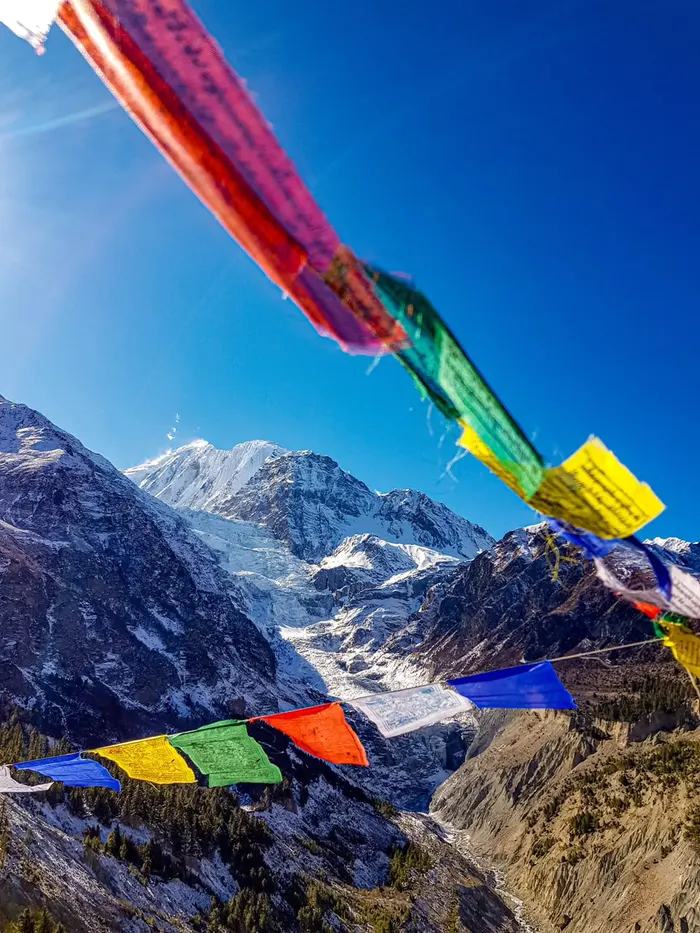
What Role Do Porters Play in Sustainable Annapurna Trekking?
Porters are the backbone of the trekking industry in the Annapurna region, carrying supplies, equipment, and personal belongings up and down the trails. Ensuring fair treatment of porters is a critical aspect of sustainable trekking. A porter should carry no more than 20 to 25 kg (the standard limit set by the International Porter Protection Group). They should be provided with adequate clothing, footwear, and shelter. Reputable trekking agencies like Enticing Himalayas ensure that porters are properly equipped, paid fair wages, and have insurance coverage. When trekking independently, hire porters through registered agencies rather than informally off the street, to ensure they have proper protections. The Annapurna Family Trek and Senior Trek both use carefully vetted porters with proper equipment and insurance. If you hire a porter, walk at their pace, not yours, and check on their well-being regularly. Never ask a porter to carry more than the agreed weight. Porters who become ill at altitude need the same emergency care as trekkers: descent, and if necessary, evacuation.
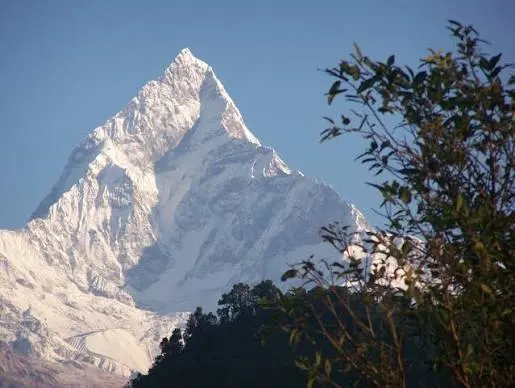
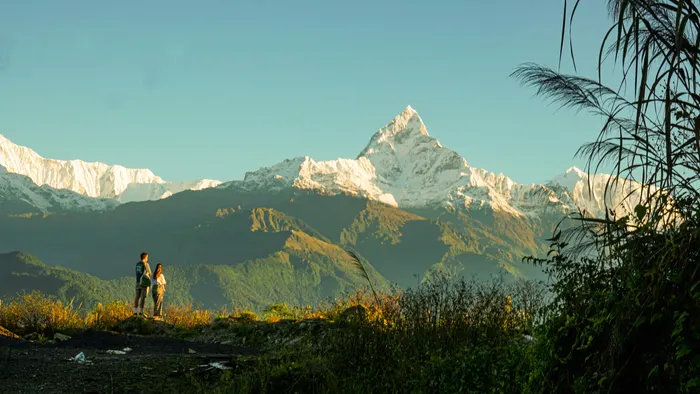
How Is Climate Change Affecting the Annapurna Region?
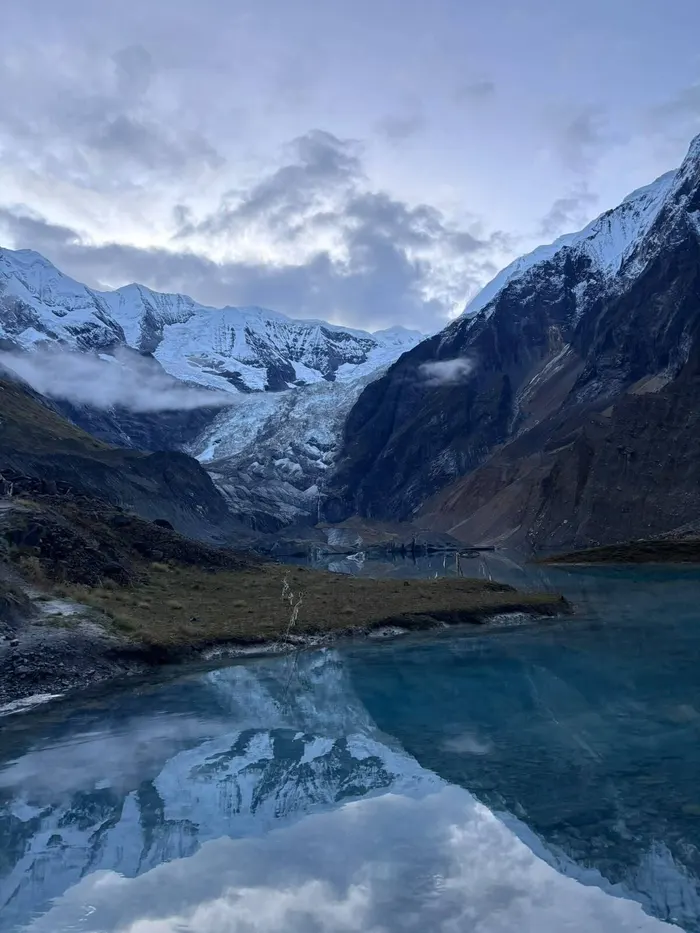
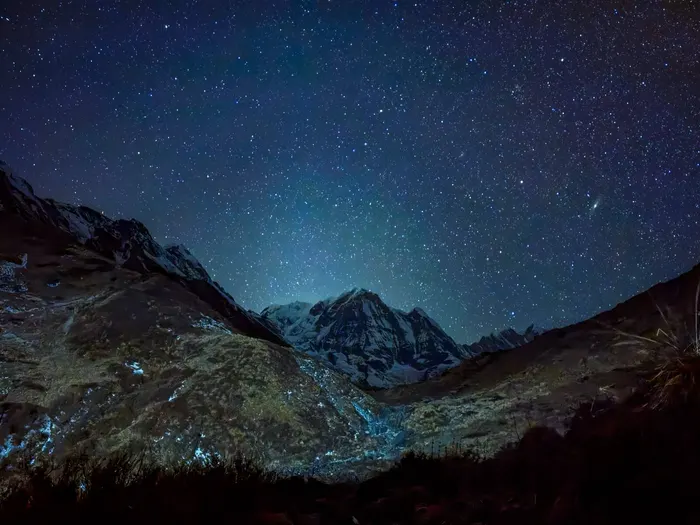
Climate change is having a measurable impact on the Annapurna region, affecting glaciers, water supplies, weather patterns, and ecological zones. The Annapurna glaciers are retreating, and several small glaciers have disappeared entirely in recent decades. Changes in precipitation patterns are affecting agriculture in the Manang valley, where traditional apple orchards are being impacted by shifting growing seasons. The rhododendron bloom is shifting earlier in the spring, which can disrupt the timing of bird migration and insect pollination. Trekkers can observe these changes directly: glacial lakes are expanding, and some trails have been rerouted due to erosion from increased glacial meltwater. The Annapurna Conservation Area Project is monitoring these changes and working with communities on adaptation strategies, including water management, agricultural diversification, and disaster risk reduction. Sustainable trekking practices, particularly reducing carbon emissions through minimized helicopter flights and choosing lower-impact travel options, contribute to the global effort to slow climate change. The Helicopter Return Trek minimizes flight time while still offering the convenience of aerial return.
How Can You Give Back to the Annapurna Communities?
Beyond minimizing your negative impact, sustainable trekking includes actively contributing to the well-being of the communities you visit. There are several meaningful ways to give back. First, support local schools by donating through established organizations or the ACAP's education programs rather than giving directly to children. Second, participate in a tree planting or conservation program if your schedule allows. Some agencies offer add-on days for community service. Third, buy local products and handicrafts at fair prices, which directly supports the local economy. Fourth, share your positive experiences through reviews and social media, which helps promote sustainable tourism and responsible operators. Fifth, consider a donation to the Annapurna Conservation Area Project or the National Trust for Nature Conservation, which funds conservation and community programs. The Panchase Panorama Trek passes through villages that benefit directly from tourism revenue, and the Photography Trek encourages trekkers to document and share the beauty of the region, raising awareness of its conservation needs. Browse all EHT tours to find options that align with your sustainability values.
Conclusion: Every Trekker Can Make a Difference in Annapurna
Sustainable trekking in the Annapurna region is not about perfection; it is about making conscious choices that reduce your impact and increase your positive contribution. Carry a reusable water bottle, stay on the trail, eat at local tea houses, respect local culture, treat porters fairly, and carry out your waste. These simple actions, multiplied by the thousands of trekkers who visit each year, create a powerful collective impact. The Annapurna region has been a model for community-based conservation since 1986, and every trekker who walks these trails is part of that ongoing story. Explore, Heal, Thrive with Enticing Himalayas and discover how sustainable trekking makes the journey more meaningful for you and the mountains you love.
Frequently Asked Questions About Sustainable Trekking in Annapurna
Can I drink tap water on the Annapurna trek?
No, you should not drink untreated tap water on the Annapurna trail. Instead, carry a reusable water bottle and use purification tablets, a portable filter, or buy filtered water from tea houses for NPR 20 to NPR 50 per liter. This reduces plastic waste from bottled water and is much cheaper. Most tea houses along the main routes now offer filtered or boiled water.
How do I dispose of waste on the Annapurna trail?
Carry out all non-burnable waste (plastic, metal, batteries) in your backpack. Tea houses have separate bins for burnable and non-burnable waste. Never bury or hide waste. For human waste between tea houses, dig a cathole 15 to 20cm deep at least 70 meters from water sources and bury or carry out toilet paper. The golden rule is: whatever you carry in, you carry out.
How can I support local communities while trekking in Annapurna?
Stay in family-run tea houses, eat meals at your lodge, buy local handicrafts and products at fair prices, and hire local guides and porters through registered agencies. Avoid giving sweets or money directly to children. Instead, support community programs through recognized organizations or the ACAP education fund. Every purchasing decision on the trail is an opportunity to support the local economy.
Are campfires allowed on the Annapurna trek?
Open campfires are strongly discouraged in the Annapurna Conservation Area, as wood is scarce at high altitudes and firewood collection damages the environment. Tea house dining rooms are heated by stoves fueled by yak dung or wood. For cooking, use portable camping stoves if you are camping. Never build a fire directly on the ground or near vegetation, and always use existing fire rings if available.
What is the maximum weight a porter should carry in Annapurna?
According to the International Porter Protection Group guidelines, a porter should carry no more than 20 to 25 kg. Reputable trekking agencies enforce this limit and provide porters with adequate clothing, footwear, shelter, and insurance. If you hire a porter independently, ensure they are properly equipped and never ask them to exceed the weight limit.
How is climate change affecting the Annapurna region?
Climate change is causing glacier retreat, shifting precipitation patterns, and earlier spring blooms in the Annapurna region. Glacial lakes are expanding, and some trails have been rerouted due to erosion from increased meltwater. The ACAP monitors these changes and works with communities on adaptation strategies. Trekkers can help by minimizing helicopter flights and choosing lower-carbon travel options.