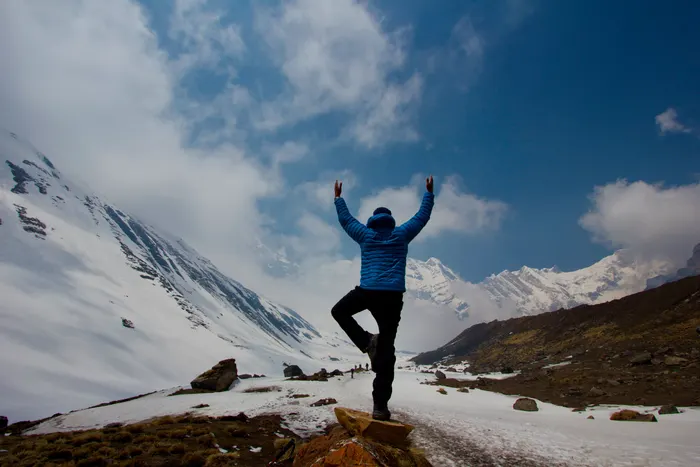
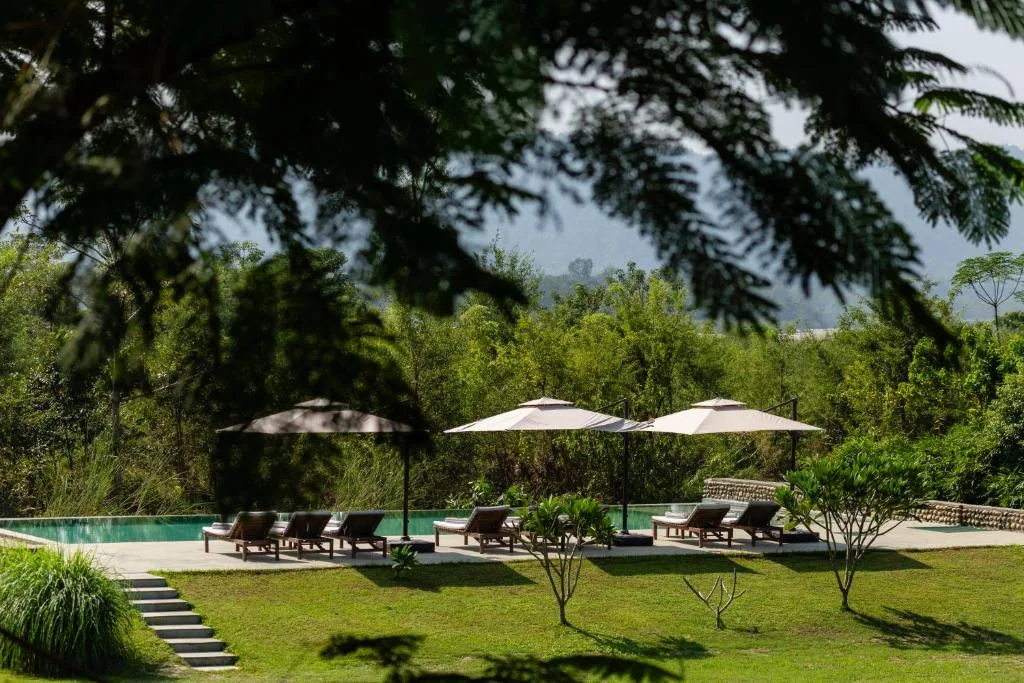
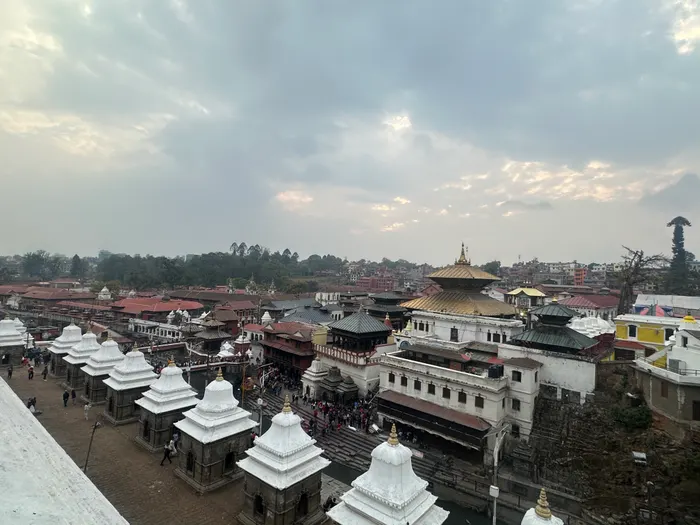
Annapurna Yoga Trek: 9 Days Daily Yoga and Poon Hill Sunrise
9-day Annapurna Yoga Trek to Poon Hill combining daily sunrise/sunset yoga, guided meditation, and scenic walks led by a dual-certified guide & instructor.
โFrom the high Himalayas to ancient cities, discover trekking adventures, spiritual journeys, cultural experiences and carefully crafted Himalayan escapes.โ
CURATED JOURNEYS IN NEPAL

9-day Annapurna Yoga Trek to Poon Hill combining daily sunrise/sunset yoga, guided meditation, and scenic walks led by a dual-certified guide & instructor.

Experience an 8-day Annapurna winter trek to Ghorepani and Poon Hill with expert guides, winter gear, permits, meals, and private transfers.

Join our 9-day Annapurna Mother Daughter Trek: gentle walks, female guide, Poon Hill sunrise photoshoot, momo class & Pokhara massage. Book now!

Annapurna senior trek for 60+: 8 days, 3-hour walking days, Poon Hill sunrise, personal porter and senior-care-trained guide. All meals and permits included.

Trek up to Annapurna Base Camp (4,130m) in 6 days, then fly back to Pokhara by helicopter. Guide, porter, permits, meals & heli seat included.

11-day Annapurna photography trek: Poon Hill, MBC and ABC at golden hour. Tripod-friendly pace, camera-gear porters, permits, meals and transfers included.
ACTIVITIES & EXPERIENCES

Yoga Retreat in Nepal: Reconnect with Yourself in the HimalayasA Yoga Retreat in Nepal is a peaceful way to step away from busy routines and reconnect with your body, mind and surroundings. Surrounded by the Himalayas, ancient temples, Buddhist monasteries, green hills and peaceful rivers, Nepal offers a natural setting for yoga, meditation and wellness. Whether you are a beginner taking your first yoga class or an experienced practitioner looking for a deeper retreat, Nepal provides a wide range of experiences in Kathmandu, Pokhara, the Annapurna region and other peaceful destinations.Nepal is particularly attractive for yoga retreats because wellness can be combined with culture and nature. Instead of spending your entire retreat inside a resort, you can practice yoga in the morning, explore a traditional village during the day, meditate beside a lake in the evening and enjoy views of the Himalayan mountains. This combination makes a yoga retreat in Nepal more than a wellness holiday; it can become a journey of relaxation, cultural discovery and personal reflection.Why Choose a Yoga Retreat in Nepal?The peaceful environment is one of the main reasons travelers choose Nepal for yoga. The country offers everything from quiet mountain villages and forested hills to lakeside destinations and traditional spiritual centers. The natural surroundings can help create a slower rhythm away from the constant distractions of everyday life.A yoga retreat also provides structure. Instead of trying to practice yoga occasionally during a busy vacation, travelers can follow a regular routine that may include morning yoga, breathing exercises, meditation, healthy meals and evening relaxation.For people interested in wellness tourism in Nepal, yoga provides an excellent way to combine physical activity with mental relaxation.Yoga Retreat in KathmanduKathmandu is one of the most convenient places to begin a yoga retreat in Nepal. The capital has numerous yoga centers, meditation facilities, monasteries and wellness programs.Travelers can combine yoga with visits to spiritual sites such as Boudhanath, Swayambhunath and Pashupatinath. This creates an opportunity to explore Nepal's religious and cultural heritage while maintaining a wellness routine.For visitors with limited time, Kathmandu is especially practical because yoga activities can be included before or after other Nepal tours and Himalayan treks.Yoga Retreat in PokharaPokhara is one of the most popular destinations for yoga and wellness in Nepal. The peaceful atmosphere around Phewa Lake, combined with views of the Annapurna and Machhapuchhre ranges, makes the city particularly attractive for travelers seeking relaxation.A typical yoga experience in Pokhara can include early-morning practice, breathing exercises, meditation and time for relaxation. Travelers can also combine their retreat with activities such as hiking, boating, sightseeing and sunrise visits.For many visitors, practicing yoga while surrounded by mountain scenery provides a memorable connection between physical movement and nature.Yoga in the Annapurna RegionFor travelers who want to combine yoga and trekking in Nepal, the Annapurna region provides an exciting option. Yoga can be incorporated into trekking itineraries, allowing travelers to stretch and relax after a day of walking.Morning yoga can prepare the body for trekking, while evening stretching and meditation can help travelers unwind after reaching a mountain village.Yoga trekking programs may be available on routes around Poon Hill, Mardi Himal and Annapurna Base Camp, depending on the operator and season. Travelers should choose programs appropriate to their fitness level and altitude experience.Yoga and Meditation in NepalYoga and meditation naturally complement one another. Yoga focuses on physical movement, flexibility, balance and body awareness, while meditation encourages mental focus and calm.Many retreats therefore combine yoga and meditation in Nepal as part of the daily schedule. A morning session might begin with gentle yoga and breathing exercises before moving into meditation. An evening session may focus on relaxation, mindfulness and reflection.This combination is particularly suitable for travelers who want a holistic wellness experience rather than exercise alone.What Happens During a Yoga Retreat?The schedule depends on the retreat, but a typical day may begin early in the morning. Participants may start with breathing exercises followed by yoga practice.After breakfast, there may be time for rest, reading, walking, sightseeing or personal activities. Some retreats offer workshops about meditation, mindfulness, nutrition or traditional wellness practices.An evening session can include gentle stretching, meditation or relaxation before dinner.The purpose is not to fill every hour with activities. A good retreat also provides enough free time for participants to slow down and enjoy their surroundings.Yoga for Beginners in NepalYou do not need to be an experienced yoga practitioner to join a retreat. Many programs welcome beginners and introduce basic postures, breathing techniques and relaxation methods gradually.Beginners should choose a retreat that clearly states its level and schedule. It is better to start with a comfortable program rather than selecting an intensive retreat simply because it sounds more advanced.Yoga should be practiced within your own physical limits. If you have an injury or physical limitation, inform the instructor before beginning.Yoga for Experienced PractitionersExperienced practitioners may prefer retreats that offer longer daily sessions, meditation, advanced yoga practices or specialized workshops.Nepal's peaceful mountain environment can also provide an opportunity to practice away from the distractions of everyday life. Longer retreats may allow practitioners to develop a more consistent routine and dedicate additional time to meditation and self-reflection.Some travelers combine a yoga retreat with trekking, creating a physically active but mindful Himalayan journey.Spiritual Side of Yoga in NepalYoga in Nepal can also be connected with the country's wider spiritual traditions. Temples, monasteries, prayer flags, sacred rivers and pilgrimage sites are visible throughout many parts of the country.Travelers can combine yoga with visits to spiritual destinations such as Lumbini, the birthplace of Buddha, or Buddhist sites around Kathmandu.This does not mean every yoga retreat is religious. Many retreats focus primarily on physical wellbeing, mindfulness and relaxation. Travelers can choose an experience according to their personal interests.Best Time for a Yoga Retreat in NepalYoga retreats can be enjoyed throughout the year, although spring and autumn are particularly popular for travel in Nepal.Spring brings pleasant temperatures and colorful landscapes, while autumn is generally known for comfortable weather and clearer Himalayan views.Winter can be excellent for retreats in Kathmandu and Pokhara, although mornings and evenings can be cold. If your retreat takes place at higher altitude, check seasonal temperatures carefully.The monsoon season brings rainfall to much of Nepal, but indoor yoga and wellness programs can continue. The quieter atmosphere can also appeal to travelers who prefer fewer tourists.How Long Should a Yoga Retreat in Nepal Be?The ideal retreat length depends on your goals and available time.A 2โ3 day yoga retreat is suitable for travelers who want a short wellness break during a Nepal holiday.A 5โ7 day retreat gives participants more time to establish a regular yoga and meditation routine.A 10โ14 day retreat can provide a deeper opportunity for relaxation, practice and personal reflection.Longer retreats may also combine yoga with meditation, trekking, cultural activities or spiritual study.Yoga and Himalayan NatureOne of the most memorable aspects of a Himalayan yoga retreat is the natural environment. Practicing yoga outdoors, when conditions and the retreat location allow, can create a strong sense of connection with nature.Imagine beginning your morning with gentle stretching while looking toward the mountains, followed by breathing exercises as the surrounding landscape becomes brighter. Later, you might walk through a forest, explore a village or sit beside a peaceful lake.These simple experiences can make the retreat feel less like a conventional holiday and more like time dedicated to slowing down.Yoga Retreats and Local CultureA yoga retreat in Nepal does not have to be isolated from local culture. Travelers can combine wellness activities with visits to temples, monasteries, villages and local markets.Some programs may include cultural experiences such as traditional food preparation, local walks or visits to spiritual sites. These activities provide a better understanding of the community surrounding the retreat.Choosing locally operated programs can also create opportunities for travelers to interact with local instructors, hosts and communities.What to Eat During a Yoga RetreatFood is often an important part of wellness travel. Depending on the retreat, meals may focus on fresh vegetables, rice, lentils, fruits, grains and other locally available ingredients.Traditional dal bhat can be a nutritious and practical meal for travelers, while vegetarian and plant-based options may be available at some retreats.If you have allergies, dietary restrictions or specific food preferences, communicate them to the retreat organizer before arrival.What to BringFor a yoga retreat in Nepal, comfortable clothing that allows free movement is essential. A light jacket or warm layer is useful because temperatures can change throughout the day.You may also want to bring a reusable water bottle, comfortable walking shoes, personal toiletries, sunscreen and a small notebook.If the retreat provides yoga mats and other equipment, you may not need to carry your own. Check with the organizer before traveling so you can avoid unnecessary luggage.Who Should Join a Yoga Retreat in Nepal?A yoga retreat can be suitable for solo travelers, couples, families and small groups. Beginners can learn basic techniques, while experienced practitioners can choose programs with more intensive sessions.It is also a good option for travelers who want to combine wellness with sightseeing. Instead of dedicating an entire trip exclusively to yoga, you can add several retreat days to a broader Nepal itinerary.For trekkers, yoga can provide useful stretching and relaxation before or after a Himalayan adventure.Why a Yoga Retreat in Nepal Is DifferentA yoga retreat in Nepal offers something beyond a typical wellness vacation. The practice takes place within a country where Himalayan landscapes, Buddhist traditions, Hindu spirituality and community life are deeply connected.You can practice yoga in Kathmandu, relax beside Phewa Lake in Pokhara, meditate in a peaceful monastery or combine yoga with trekking in the Annapurna region.The diversity of destinations means you can choose the experience that fits your personality. Some travelers may prefer a comfortable lakeside retreat, while others may want a quiet mountain experience.Experience a Yoga Retreat in Nepal with Enticing HimalayasA yoga journey can be designed around your preferred destination, duration and level of activity. You can combine yoga, meditation, trekking, cultural sightseeing and Himalayan exploration into one meaningful Nepal experience.Whether you are looking for a short yoga break in Kathmandu, a peaceful wellness stay in Pokhara, a Himalayan yoga experience in Annapurna or a deeper combination of yoga and meditation, Nepal offers a diverse environment for personal wellbeing.For travelers searching for yoga retreats in Nepal, Himalayan yoga retreats, yoga and meditation in Nepal, wellness holidays or spiritual retreats, this experience offers a peaceful way to discover another side of the country.Explore wellness and cultural experiences in Nepal with Enticing Himalayas.

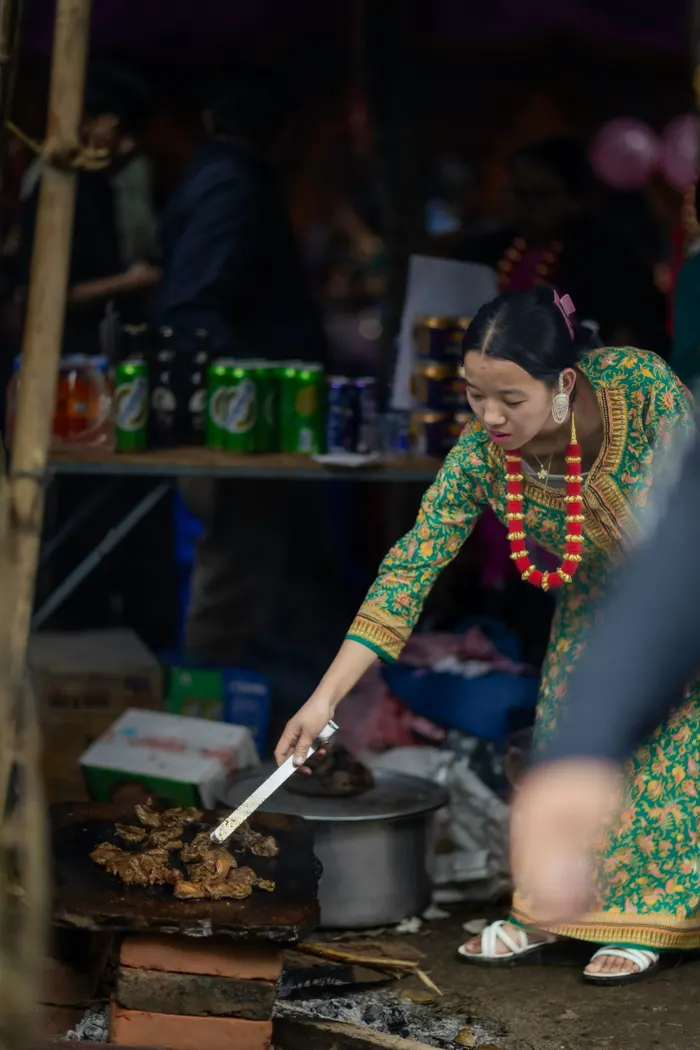
Cooking in a Homestay in Nepal: Experience Local Food and CultureCooking in a homestay in Nepal is one of the most enjoyable ways to experience the country's food, culture, traditions and everyday lifestyle from a local perspective. Instead of simply visiting restaurants and ordering familiar dishes, travelers can enter a Nepali home, meet a local family and discover how traditional meals are prepared. From making dal bhat and momos to preparing local pickles, curries and seasonal snacks, a homestay cooking experience turns an ordinary meal into a memorable cultural adventure.Nepal is famous for its Himalayan landscapes, trekking routes, temples and ancient cities, but its food culture is equally fascinating. Food is closely connected with family life, festivals, hospitality and community. Recipes are commonly passed from parents and grandparents to younger generations, with each family and community adding its own style. During a Nepal homestay cooking experience, travelers have the chance to learn these traditions directly from local hosts while enjoying the warmth of a Nepali home.Why Try Cooking in a Nepali Homestay?A homestay cooking activity allows travelers to experience Nepal beyond its famous tourist attractions. Instead of observing local culture from a distance, you become part of an everyday household activity. You can watch how ingredients are selected, how spices are combined and how meals are prepared for family members and guests.The experience is also highly interactive. Travelers may wash and cut vegetables, prepare dough, grind spices, shape momos, cook vegetables or prepare traditional achar. Hosts can explain the names of ingredients, cooking techniques and stories connected with particular dishes. Even travelers with no previous cooking experience can usually participate.For people interested in cultural tourism in Nepal, this activity provides a simple but meaningful way to connect with local communities. It is not only about learning a recipe; it is about understanding how food brings people together.Learn to Cook Traditional Nepali FoodOne of the biggest highlights of a homestay cooking experience is learning how to prepare authentic Nepali dishes. Dal bhat is one of the most recognizable meals in Nepal and commonly includes rice, lentil soup, vegetables, pickles and other side dishes. Learning to prepare it gives visitors an introduction to the everyday flavors of Nepali cuisine.Travelers can also learn how to make momos, Nepal's famous steamed dumplings. Preparing momos is a hands-on activity that can be enjoyed by individuals, couples, families and groups. Guests can help prepare the filling, roll the dough, add the filling and learn different folding techniques before steaming the finished dumplings.Depending on the homestay, visitors may also learn to prepare vegetable curry, chicken curry, achar, sel roti, thukpa, local bread, seasonal vegetables and traditional snacks. The dishes available can change according to the location, family traditions and season.Visit a Local Market Before CookingSome homestay cooking experiences in Nepal can begin with a visit to a nearby local market. Rather than purchasing ingredients from a supermarket, travelers can explore a traditional market with their host and discover the fresh products used in local kitchens.Markets provide an opportunity to see seasonal vegetables, fruits, herbs, spices, grains and other ingredients. Your host can explain how to select fresh produce and which ingredients are important for a particular recipe.The market visit also adds another cultural dimension to the activity. You can observe how local people shop, interact with vendors and purchase ingredients for their families. After shopping, you return to the homestay and begin preparing the meal together.Experience Traditional Nepali HospitalityNepali hospitality is an important part of the homestay experience. Guests are often welcomed into the home as temporary members of the family rather than simply as customers.Cooking together creates a relaxed environment where travelers and hosts can communicate, exchange stories and learn about each other's cultures. Even if there is a language difference, food provides an easy way to connect.You may find that the most memorable part of the experience is not the recipe but the conversations, laughter and shared meal afterward. Sitting together at the dining table and eating food that you helped prepare creates a personal connection that is difficult to experience in an ordinary restaurant.Cooking Momos with a Local FamilyMomo making is one of the most popular activities in a Nepali cooking experience. Although the basic ingredients are simple, making perfectly shaped momos requires a little practice.The process usually starts by preparing a filling using vegetables, meat or other ingredients and a mixture of spices. The dough is then prepared and rolled into thin circular pieces. The host demonstrates how to place the filling in the center and fold the dough into the desired shape.After shaping the momos, they are steamed until cooked and served with achar or another dipping sauce. Travelers can enjoy eating their own homemade momos while talking with the host family.For many visitors, momo-making becomes one of the most fun and memorable parts of a Nepal food experience.Learn About Nepali Spices and IngredientsNepali cuisine uses a variety of spices and herbs to create its distinctive flavors. During a homestay cooking class, hosts may introduce travelers to ingredients such as cumin, turmeric, coriander, ginger, garlic, fenugreek, chili and other locally used spices.You can learn how different spices are combined and at what stage they are added to a dish. Some families may also demonstrate traditional methods of preparing spices, grinding ingredients or making fresh achar.Learning about these ingredients can change the way travelers understand Nepali food. Instead of simply recognizing the taste of a curry, you begin to understand how individual ingredients contribute to its aroma, flavor and texture.Discover Traditional Nepali AcharAchar, or Nepali pickle, is an important part of many Nepali meals. Different families and communities prepare achar in different ways, using ingredients such as tomatoes, radish, chili, sesame, vegetables and local spices.During a cooking experience, travelers may have the opportunity to prepare a simple achar alongside the main meal. This is a great way to learn about the balance of spicy, sour, salty and savory flavors commonly found in Nepali cuisine.Achar can also be one of the easiest recipes for travelers to recreate when they return home, allowing the memories of their Nepal trip to continue through food.Cooking in Different Parts of NepalA homestay cooking experience in Nepal can vary significantly depending on the destination. Nepal has many ethnic communities and geographical regions, each with distinctive food traditions.In the Kathmandu Valley, travelers can discover Newari cuisine, which is known for its variety of dishes, spices, snacks and traditional preparation methods. Exploring local Newari food can provide an additional cultural experience while staying in or around Kathmandu.In Pokhara and surrounding villages, homestays can provide opportunities to experience local mountain food and the traditions of communities such as Gurung and Magar families. The dishes may reflect locally available ingredients and household traditions.In Himalayan communities, food is often adapted to colder climates and local agricultural conditions. Travelers may encounter dishes made from grains, potatoes, vegetables, noodles and other ingredients that are practical for mountain life.This regional diversity makes traditional cooking in Nepal especially interesting for travelers visiting several destinations.Cooking and Cultural ExchangeCooking is one of the easiest ways for travelers and local communities to connect. You do not need to be an expert cook or speak the same language perfectly. Preparing vegetables, shaping momos and sharing a meal create natural opportunities for communication.Travelers can teach their hosts something about food from their own country, while hosts can introduce them to Nepali ingredients and traditions. This creates a genuine cultural exchange rather than a one-way tourist experience.For solo travelers, cooking can also provide a friendly social experience. Couples can enjoy preparing a meal together, while families can involve children in simple and safe food preparation activities.Learn Traditional Cooking TechniquesA homestay cooking activity can introduce travelers to cooking methods that may differ from what they use at home. Hosts may demonstrate steaming, roasting, boiling, frying or slow cooking depending on the dish.Travelers can also learn how ingredients are prepared before cooking. Cutting vegetables, kneading dough, preparing lentils and mixing spices may seem simple, but these steps reveal how much care goes into traditional home cooking.The experience is especially valuable because the techniques are usually demonstrated in a real household environment rather than only in a classroom.Cooking with Seasonal IngredientsSeasonality is an important part of traditional food culture. Nepali households often make use of ingredients that are available locally during different times of the year.A spring or summer cooking experience may include fresh vegetables and herbs, while winter meals can feature ingredients and dishes suited to colder weather. In rural areas, travelers may also learn how families preserve food for later use.This makes every homestay experience slightly different. Returning to the same destination during another season can even provide an opportunity to discover new dishes.Cooking and Family LifeFood provides a window into family life in Nepal. Travelers can observe how meals are prepared, when families eat together and how food is shared among household members.Depending on the homestay, visitors may have breakfast with the family, help prepare lunch or participate in an evening cooking session. These simple moments can reveal aspects of daily life that are rarely visible during conventional sightseeing.The experience is particularly meaningful for travelers who want to understand Nepal at a local level rather than only visiting famous attractions.Cooking as a Sustainable Travel ExperienceHomestays can also support community-based tourism when they are operated responsibly. Spending money directly with local families and communities can help create income opportunities outside major tourist centers.Using locally sourced ingredients can reduce the distance food travels while supporting local farmers and markets. More importantly, travelers can gain a better understanding of local food systems and traditional practices.Choosing a community-based homestay and respecting the host family's customs can help make the experience beneficial for both visitors and local residents.Best Places for a Homestay Cooking Experience in NepalCooking experiences can be arranged in different parts of Nepal, depending on the type of culture and food travelers want to discover.Kathmandu Valley is excellent for travelers interested in Newari cuisine, traditional markets and historic cultural surroundings.Pokhara provides opportunities to combine local food experiences with mountain scenery, village visits and cultural activities.Gurung and Magar villages can offer a closer look at community traditions and local mountain cuisine.Rural Nepal is ideal for travelers who want a slower experience and greater interaction with local families.Himalayan villages provide an opportunity to discover food traditions shaped by high-altitude environments and local lifestyles.Best Time for a Homestay Cooking ExperienceCooking in a homestay in Nepal can be enjoyed throughout the year. Since the activity takes place mainly indoors, it is also a useful cultural experience when weather affects outdoor activities.Spring and autumn are popular seasons for traveling around Nepal, offering pleasant conditions for combining cooking with trekking, sightseeing and village walks.Winter can be especially enjoyable for a cozy home-cooking experience, while the monsoon season provides another good opportunity to focus on indoor cultural activities when rain makes outdoor sightseeing less predictable.Who Can Join?A homestay cooking activity is suitable for almost everyone. No previous cooking experience is required, making it an accessible activity for first-time travelers.Families can participate together, with children helping with simple preparation tasks under appropriate supervision. Couples can make it a fun shared experience, while solo travelers can enjoy the social connection with the host family.Vegetarian travelers can also request vegetarian dishes. Travelers with allergies, food intolerances or other dietary requirements should communicate these needs with their host before the activity begins.How Long Does the Cooking Experience Take?A basic Nepali homestay cooking experience can take around three to four hours. This may include meeting the host, preparing ingredients, cooking traditional dishes and sharing the finished meal.If a local market visit is included, the experience may take longer. Full-day cultural experiences can combine cooking with village walks, sightseeing and other activities.For a tourism activity listing, 3โ4 hours is a practical duration for a standard cooking, dining and cultural exchange experience.What to BringYou do not need special cooking equipment for a homestay experience. Comfortable clothing, closed shoes, drinking water and a willingness to participate are usually enough.If you have dietary restrictions or allergies, communicate them before cooking begins. Travelers may also want to bring a small notebook or use their phone to record recipes and cooking tips, provided the host is comfortable with photography or recording.Respectful behavior is just as important as what you bring. Ask before photographing people, private spaces or religious objects inside the home.Important Things to KnowEvery homestay is different, so the exact menu, cooking methods and activities may vary. Travelers should remain flexible and respect the traditions of their host family.Food preparation may take place in a traditional home kitchen, so the facilities may not look like a modern restaurant kitchen. This is actually part of the experience, allowing travelers to see how food is prepared in an authentic household environment.Guests should also follow basic kitchen safety instructions and inform hosts about allergies or dietary restrictions in advance.Why Cooking in a Homestay Is SpecialThe biggest attraction of cooking in a Homestay in Nepal is authenticity. You are not simply tasting Nepali foodโyou are learning how it is prepared in a local home and understanding the culture behind it.You see the ingredients, participate in preparation, learn family recipes, hear stories about local food and finally sit down with your hosts to enjoy the meal. The experience combines food, hospitality, cultural exchange and everyday life.For travelers who want to experience local food, traditional cooking, cultural exchange and authentic Nepali hospitality, a homestay cooking activity is an excellent addition to a Nepal itinerary.Experience a Nepali Homestay with Enticing HimalayasA Nepal homestay cooking experience can be combined with cultural tours, village walks, sightseeing and other local activities. Instead of simply passing through Nepal, travelers can spend meaningful time with local families and discover how people cook, eat and share their traditions.Whether you want to learn momo making in Kathmandu, discover traditional Newari cuisine, cook with a family in a rural village, experience mountain food in Pokhara or enjoy local dishes after a Himalayan trek, cooking in a homestay offers a warm and personal side of Nepal.For travelers searching for an authentic Nepal food experience, this activity provides something that ordinary sightseeing cannot: the chance to sit inside a local home, cook together and share a meal as guests of the family.Explore authentic cultural experiences in Nepal with Enticing Himalayas.

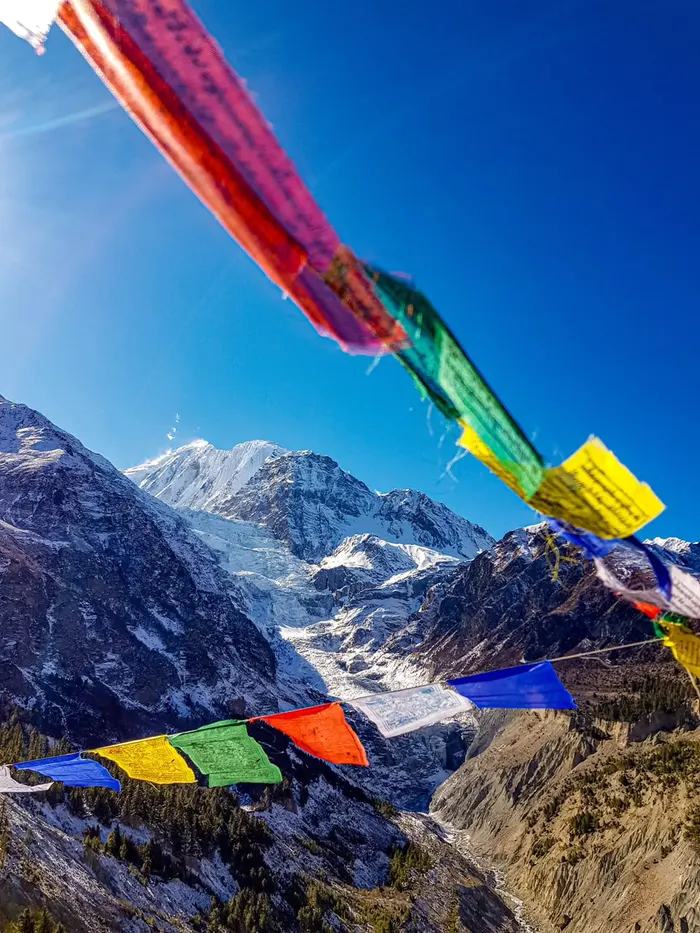
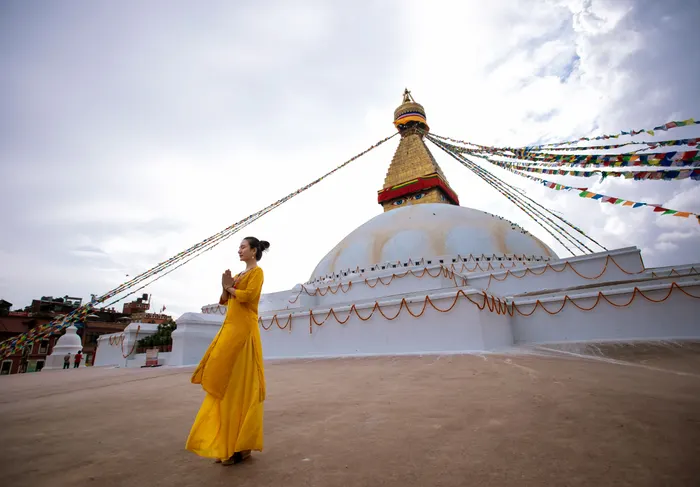
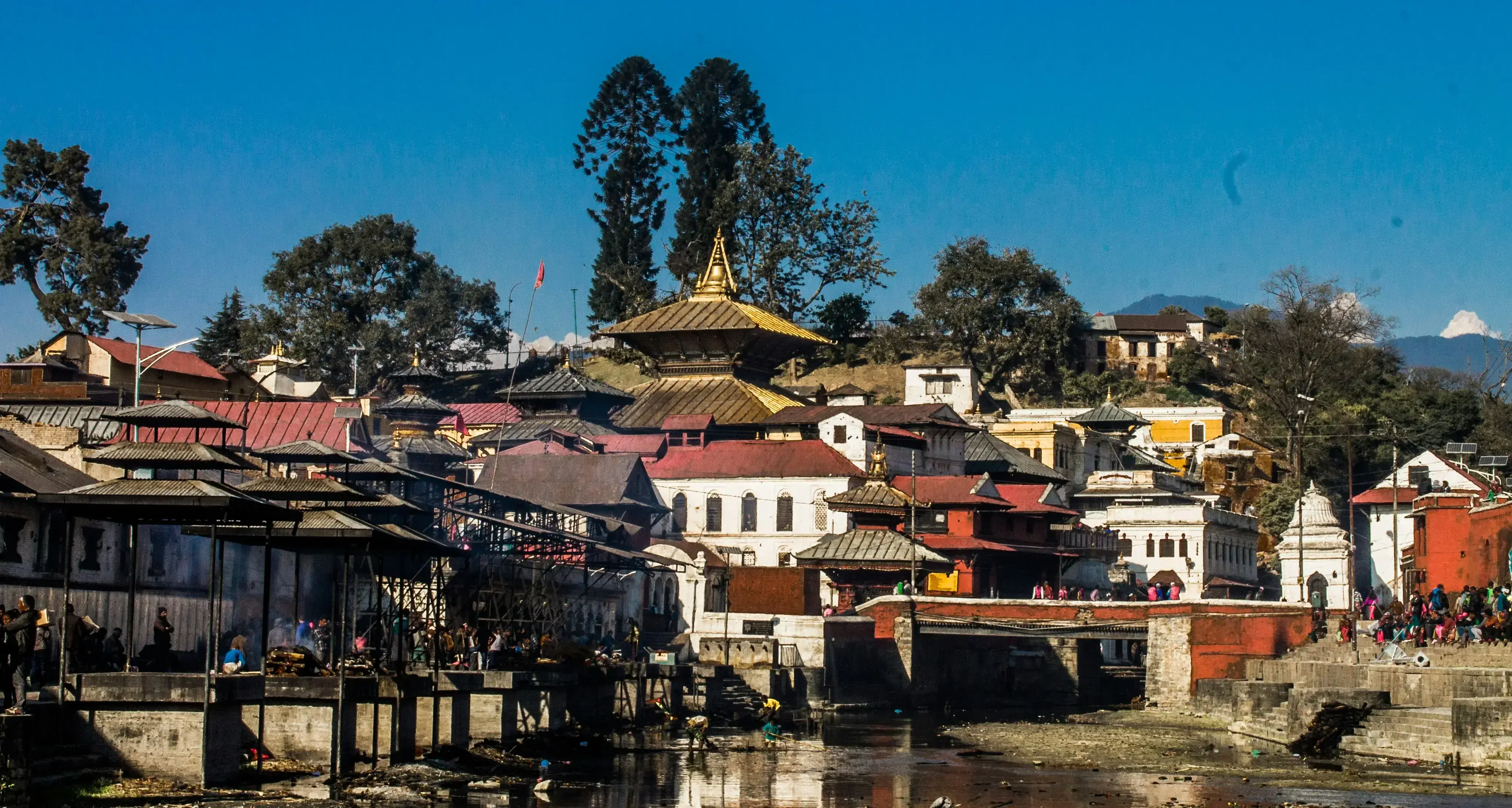
Meditation in Kathmandu, Nepal: A Complete Spiritual ExperienceMeditation in Kathmandu, Nepal offers travelers a meaningful way to experience the spiritual heart of the country while finding peace away from the noise and pressure of everyday life. Kathmandu is famous for its ancient temples, Buddhist stupas, monasteries, prayer flags and sacred traditions, making it an ideal destination for travelers interested in mindfulness, yoga, meditation and spiritual tourism. From the peaceful atmosphere of Boudhanath to the hilltop surroundings of Swayambhunath and the monasteries of Kopan and Pharping, Kathmandu provides many opportunities to slow down and reconnect with yourself.Kathmandu is more than simply the gateway to the Himalayas. The Kathmandu Valley has been an important center of Hindu and Buddhist culture for centuries. Walking through its historic neighborhoods, travelers can see religious traditions continuing as part of everyday life. The sound of temple bells, Buddhist prayers, incense, prayer wheels and pilgrims moving around sacred sites creates an environment that naturally encourages reflection. For visitors searching for meditation in Nepal, Kathmandu is therefore one of the easiest and most rewarding places to begin.Why Choose Meditation in Kathmandu?One of the main advantages of meditation in Kathmandu is accessibility. Travelers do not need to travel deep into the Himalayas to experience a spiritual retreat. There are monasteries, meditation centers, temples and peaceful locations within and around the Kathmandu Valley. This makes Kathmandu suitable for both first-time visitors and experienced meditation practitioners.Meditation can also easily be combined with sightseeing and cultural experiences. A traveler can begin the morning with meditation, visit an ancient stupa during the day, explore traditional Newari streets in the afternoon and finish the evening with a quiet mindfulness session. This combination creates a balanced travel experience that connects personal wellbeing with Nepalese culture.Meditation at Boudhanath StupaBoudhanath Stupa is one of the most important Buddhist sites in Kathmandu and a popular destination for travelers interested in meditation. The enormous white dome, golden pinnacle, prayer flags, monasteries and surrounding Buddhist community create a distinctive spiritual atmosphere.Visitors can practice mindful walking by slowly walking around the stupa, focusing on their breathing and observing their surroundings. Others may prefer to sit quietly in a monastery or peaceful area nearby. Early morning and evening are particularly attractive times for those seeking a calmer atmosphere.For travelers interested in Buddhist meditation in Kathmandu, Boudhanath provides an opportunity to experience meditation within a living Buddhist environment rather than simply inside a modern wellness center.Meditation at Kopan MonasteryKopan Monastery is one of the best-known places around Kathmandu for Buddhist teachings, meditation and retreats. Located on a hill overlooking the valley, the monastery provides a peaceful environment away from the busy streets of central Kathmandu.Travelers can explore Buddhist philosophy, mindfulness and meditation through organized programs and teachings. Kopan is especially suitable for people who want a deeper experience rather than simply spending a few minutes meditating during sightseeing.The hilltop environment also adds to the experience. The quieter surroundings, views across Kathmandu Valley and traditional Buddhist setting allow visitors to create a stronger connection between meditation and the natural environment.Meditation at SwayambhunathSwayambhunath, popularly known as the Monkey Temple, is another significant spiritual destination in Kathmandu. Located on a hill above the city, the site combines Buddhist traditions with panoramic views of Kathmandu Valley.The stupa, prayer flags, shrines and surrounding religious atmosphere provide opportunities for reflection and mindful walking. Visitors can take a quiet moment after exploring the complex to concentrate on their breathing or simply observe the surroundings without distraction.Early morning can be a particularly peaceful time to visit Swayambhunath. The combination of sunrise, mountain views and the sounds of religious activity can create a memorable meditation experience.Meditation in PharpingPharping is an excellent choice for travelers who want meditation near Kathmandu while escaping the busy urban environment. Located in the hills outside the city, Pharping is surrounded by forests, monasteries, caves and sacred sites associated with Buddhist traditions.The peaceful landscape makes Pharping suitable for meditation retreats, spiritual exploration and quiet reflection. Travelers can spend time visiting monasteries and sacred places before enjoying periods of silence and mindfulness.Because it is relatively close to Kathmandu, Pharping can also be included as a day trip or as part of a longer spiritual itinerary.Buddhist Meditation in KathmanduKathmandu is an important destination for people interested in Buddhist meditation in Nepal because different Buddhist traditions can be experienced throughout the valley. Meditation practices can include mindfulness, concentration, compassion meditation, visualization, mantra recitation and analytical meditation.The experience varies according to the monastery, teacher and tradition. Travelers should approach religious sites respectfully and understand that monasteries are active spiritual institutions rather than simply tourist attractions.Dressing modestly, speaking quietly and following instructions from monks or staff are simple ways to show respect while participating in a meditation experience.Yoga and Meditation in KathmanduYoga and meditation are often combined during wellness trips to Kathmandu. Yoga can help travelers relax their bodies and develop awareness of movement, while meditation provides an opportunity to develop concentration and mental calm.A typical wellness day may begin with gentle yoga and breathing exercises, followed by meditation. After breakfast, travelers can explore temples and cultural sites before returning for another session in the evening.This makes Kathmandu a suitable destination for travelers looking for a yoga and meditation retreat in Nepal rather than a meditation-only holiday.Vipassana Meditation in KathmanduFor travelers looking for a more intensive experience, Vipassana meditation is another option available in Nepal. Vipassana focuses on developing awareness and observing physical and mental experiences without reacting to them.Unlike a short meditation class, a traditional Vipassana retreat usually follows a structured daily routine and requires significant commitment. Participants may spend many hours practicing meditation and may observe silence during the retreat.Travelers interested in this experience should research the specific retreat center and its rules before registering, especially if they are new to intensive meditation.Meditation and Spiritual TourismMeditation in Kathmandu can become part of a wider spiritual tour in Nepal. Rather than visiting religious sites only for sightseeing, travelers can use them as opportunities to learn about Nepal's spiritual traditions and practice mindfulness.A spiritual itinerary could include Boudhanath, Swayambhunath, Pashupatinath, Kopan Monastery and Pharping. Travelers can also extend the journey to Lumbini, the birthplace of Buddha, or continue toward Himalayan destinations such as Annapurna, Everest and Mustang.This creates a journey that combines cultural discovery with personal reflection.Best Time for Meditation in KathmanduMeditation can be practiced in Kathmandu throughout the year, but spring and autumn are particularly comfortable seasons for travelers. From March to May, the weather is generally pleasant and the surrounding landscape becomes greener and more colorful.September to November is another popular period because the weather is often comfortable and Himalayan visibility can be excellent. Winter mornings can be cold, but daytime conditions can still be pleasant for meditation and sightseeing.During the monsoon season, rainfall can affect outdoor activities, but indoor meditation, yoga and retreat programs can still be enjoyed.How Long Should You Spend Meditating in Kathmandu?The duration of a meditation experience depends on your personal goals. Travelers with limited time can participate in a short guided session or spend part of a day visiting spiritual sites.A two- or three-day stay allows more time to explore Kathmandu's Buddhist and Hindu heritage while establishing a simple meditation routine. A five- to seven-day retreat gives travelers more opportunity to disconnect from their normal routines and focus on mindfulness.Those looking for a deeper experience can choose longer residential meditation or Buddhist study programs.Meditation Before or After a Himalayan TrekKathmandu is also an excellent place to include meditation before or after trekking in Nepal. Travelers arriving for the Everest Base Camp Trek, Annapurna Circuit, Annapurna Base Camp Trek or Langtang Trek can spend several days in Kathmandu practicing mindfulness before heading into the mountains.Meditation can also be a peaceful way to finish a trek. After spending days walking through mountain landscapes, a few quiet days in Kathmandu can provide time to rest, reflect and reconnect with everyday life.Combining meditation and trekking in Nepal therefore allows travelers to experience both physical adventure and mental relaxation.What to Bring for Meditation in KathmanduYou do not need expensive equipment for meditation. Comfortable and modest clothing, a light warm layer, water, comfortable walking shoes and personal toiletries are generally useful.A small notebook can also be helpful for writing down thoughts or experiences during a retreat. If you are joining a specific meditation center or monastery program, check its requirements in advance because some retreats may have particular rules regarding clothing, food, technology and daily schedules.Most importantly, bring an open mind. Meditation is about developing awareness and patience rather than achieving perfection.Why Meditation in Kathmandu Is UniqueThe uniqueness of meditation in Kathmandu, Nepal comes from the connection between meditation, culture and everyday spiritual life. You are not simply visiting a wellness destination designed for tourists. You are entering a city where Buddhist and Hindu traditions remain visible in daily life.Within a relatively short distance, travelers can move from crowded streets to peaceful monasteries, ancient stupas and green hills. This contrast makes Kathmandu an excellent destination for people who want both cultural exploration and personal wellbeing.Whether you are completely new to meditation, an experienced practitioner, a spiritual traveler or a trekker looking for a peaceful experience before heading into the Himalayas, Kathmandu offers many possibilities.Experience Meditation in Kathmandu with Enticing HimalayasA meditation tour in Kathmandu can be designed around your available time, interests and preferred experience. You can explore ancient Buddhist sites, visit monasteries, practice mindfulness, combine meditation with yoga, or extend your journey to Pokhara, Lumbini and the Himalayas.For travelers searching for meditation retreats in Kathmandu, Buddhist meditation in Nepal, spiritual tours, yoga and meditation experiences, or Himalayan wellness journeys, Kathmandu provides an ideal starting point.Explore spiritual and wellness experiences in Nepal with Enticing Himalayas.
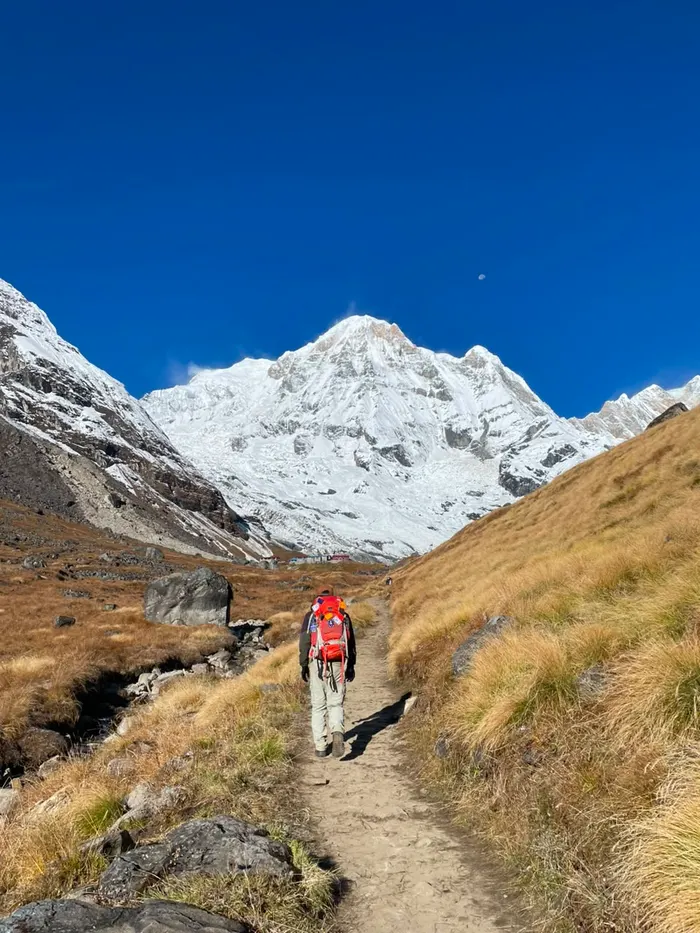
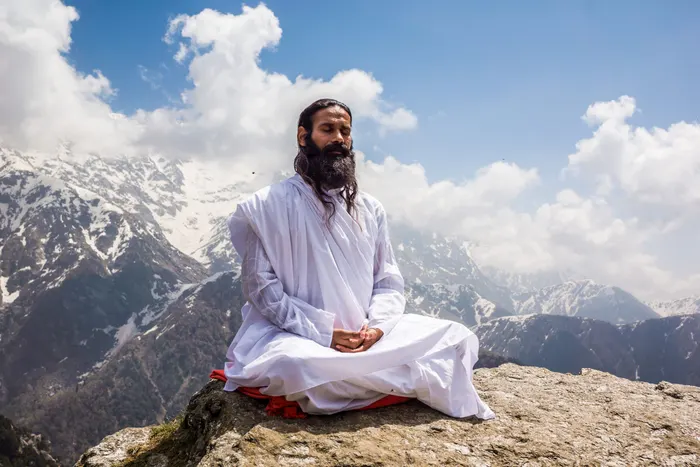
Meditation in Nepal: A Journey of Mindfulness, Spirituality & Inner PeaceMeditation in Nepal is more than a wellness activity; it is an opportunity to experience a deep connection between mindfulness, spirituality, nature and ancient traditions. Nepal is home to important Buddhist and Hindu pilgrimage sites, peaceful monasteries, Himalayan landscapes and meditation centers where visitors can take time away from busy travel schedules and focus on awareness and inner calm. From the spiritual atmosphere of Kathmandu and Lumbini to the peaceful mountains around Pokhara and the Annapurna region, travelers can choose short meditation sessions, guided mindfulness practices or longer residential retreats. Nepal Tourism Board recognizes meditation as an important wellness tourism activity and lists destinations such as Kathmandu, Lumbini, Annapurna, Pashupatinath, Khaptad, Tengboche, Jomsom, Muktinath and Patan for meditation experiences.Meditation in KathmanduKathmandu is an excellent starting point for travelers interested in meditation in Nepal because the valley brings together Buddhist monasteries, Hindu temples, historic courtyards and dedicated meditation centers. Visitors can combine meditation with cultural sightseeing at places such as Boudhanath, Swayambhunath and Pashupatinath. Kapan Monastery, located on the northern edge of Kathmandu Valley, is particularly well known for Buddhist teachings and meditation programs. A meditation experience in Kathmandu can range from a simple one-hour guided session to a structured retreat lasting several days. The city therefore works well for both first-time visitors and experienced practitioners who want to include mindfulness in their Nepal itinerary.Buddhist Meditation ExperienceNepal has a strong connection with Buddhist meditation, particularly because of its relationship with the life and teachings of Gautama Buddha. Travelers can learn different approaches to meditation through monasteries, retreat centers and organized courses. Depending on the program, sessions may involve mindfulness, breathing awareness, concentration, walking meditation, chanting or silent practice. Visitors should remember that meditation programs can follow different Buddhist traditions, so the teaching style, schedule and rules may vary between centers. This diversity makes Nepal an interesting destination for people who want to learn about meditation while also understanding the cultural and religious traditions behind the practice.Vipassana Meditation in NepalVipassana meditation in Nepal is another important option for travelers looking for a structured mindfulness experience. Vipassana focuses on developing awareness through observation of bodily sensations and mental experiences. Nepal has dedicated Vipassana centers offering courses based on the tradition associated with S. N. Goenka. The Nepal Tourism Board notes that Nepal Vipassana Centre conducts 10-day courses, while other centers offer shorter programs depending on their schedules. Lumbini Buddhist University also operates a Vipassana Centre where programs of different lengths are available. Travelers interested in joining a retreat should check the specific course dates, accommodation arrangements and participation requirements before planning their journey.Meditation in LumbiniLumbini provides one of Nepal's most meaningful settings for a Buddhist meditation retreat because it is traditionally recognized as the birthplace of Gautama Buddha. The peaceful environment around the Maya Devi Temple, Sacred Garden and monastic zone creates an atmosphere suitable for reflection and contemplation. Visitors can explore monasteries representing different Buddhist traditions and include meditation sessions within a broader spiritual itinerary. For travelers interested in Buddhist history, spirituality and mindfulness, Lumbini meditation can be combined with cultural exploration, monastery visits and learning about the Buddha's life. Lumbini Buddhist University currently offers structured Vipassana programs through its meditation center.Meditation in PokharaMeditation in Pokhara offers a different experience by combining mindfulness with lakes, forests, hills and Himalayan scenery. Travelers can practice meditation around Phewa Lake, the World Peace Pagoda and Buddhist monasteries while enjoying a slower atmosphere than the capital. Pokhara is particularly suitable for travelers who want to combine yoga, meditation and nature in one trip. Meditation sessions can be arranged as part of a wellness itinerary or incorporated into a broader Pokhara experience that includes hiking, cultural exploration and visits to Buddhist sites. The city's natural surroundings make it an attractive choice for visitors looking for relaxation without traveling deep into the mountains.Himalayan Meditation RetreatsFor travelers seeking a more immersive experience, Himalayan meditation retreats can take place in mountain environments and near monasteries. Destinations such as Tengboche, Annapurna, Jomsom, Muktinath and Khaptad offer quiet surroundings where visitors can combine meditation with trekking and spiritual exploration. The sound of rivers, mountain winds and the peaceful atmosphere of Himalayan villages can create a very different environment from an urban meditation center. However, high-altitude retreats require appropriate preparation because altitude, weather, walking distances and transportation can affect the experience. Nepal Tourism Board identifies several Himalayan destinations as meditation locations.Meditation and Yoga in NepalMany travelers choose to combine meditation and yoga in Nepal because the two practices complement one another within wellness-oriented travel. A typical wellness program may begin with gentle yoga or stretching, followed by breathing exercises and meditation. Some retreats also include vegetarian meals, nature walks, relaxation sessions and cultural activities. Kathmandu, Pokhara and other popular tourist destinations offer different types of yoga and meditation programs. For your activity platform, it is useful to keep Meditation in Nepal and Yoga in Nepal as separate activity pages while linking them internally because they target related but different search queries.Meditation and AyurvedaAnother popular combination is meditation and Ayurveda in Nepal. Ayurveda focuses on traditional approaches to wellbeing, while meditation encourages awareness and mental relaxation. Wellness travelers may therefore choose packages that combine meditation sessions with Ayurvedic consultation, massage, yoga, healthy meals and relaxation practices. Kathmandu and Pokhara have wellness centers offering various combinations of these services. When describing such experiences, it is better to present them as traditional wellness practices rather than making medical claims about treating diseases or conditions.What to Expect During a Meditation ExperienceA typical meditation session in Nepal may begin with a short introduction from a teacher or guide. Participants are usually shown how to sit comfortably and focus their attention on breathing, a chosen object, sounds, bodily sensations or a guided visualization. Some sessions are silent, while others may include mantra chanting, Buddhist prayers or teachings. Longer retreats generally follow a structured daily schedule with dedicated periods for meditation, meals, rest and sometimes walking meditation. Travelers should ask about the schedule beforehand because some retreats require participants to follow specific rules regarding silence, food, clothing, technology and participation.Who Can Join Meditation in Nepal?One of the advantages of meditation retreats in Nepal is that many experiences can accommodate different levels of experience. Beginners can start with a short guided meditation session, while experienced practitioners may choose multi-day or longer retreats. You do not necessarily need previous meditation experience for a beginner-friendly program. However, longer residential retreats can be physically and mentally demanding because participants may spend significant periods sitting quietly and following a structured routine. Travelers should select a program according to their experience, comfort level and available time.Best Time for Meditation in NepalMeditation can generally be experienced throughout the year, although the best destination depends on the season. Kathmandu, Lumbini and Pokhara can be included in travel plans year-round, while high-altitude Himalayan destinations are more affected by winter snow and monsoon conditions. Spring and autumn are especially popular for combining meditation with trekking and outdoor activities because weather conditions are generally more favorable. During the monsoon season, lower-altitude wellness retreats can still be a good option, while some mountain locations may be more difficult to access.Why Meditation Is Important for Nepal VisitorsMeditation in Nepal allows visitors to experience an aspect of the country that cannot be fully understood through sightseeing alone. Nepal's spiritual traditions are visible in its monasteries, temples, prayer flags, chanting, rituals and daily community life. Taking part in a meditation session gives travelers an opportunity to slow down and observe these traditions respectfully while creating space for personal reflection. It can also complement a busy itinerary filled with trekking, sightseeing and adventure activities.For Enticing Himalayas, meditation fits naturally into the Heal category. It can be promoted alongside yoga, Ayurveda, sound healing, spiritual tours and monastery experiences. You can also create separate activity pages targeting searches such as โMeditation in Kathmandu,โ โVipassana Meditation in Nepal,โ โMeditation Retreat in Nepal,โ โMeditation in Lumbini,โ and โHimalayan Meditation Retreat.โ These pages can then link back to your main Meditation in Nepal activity page, creating a strong internal-linking structure.Popular Meditation Destinations in NepalKathmandu is ideal for accessible meditation centers, monasteries and Buddhist experiences. Lumbini is particularly suitable for travelers interested in Buddhist history and Vipassana. Pokhara combines meditation with lakeside relaxation, mountain scenery and wellness retreats. Kapan is an important destination for Buddhist teachings and meditation near Kathmandu. For a more remote experience, travelers can consider Tengboche, Muktinath, Jomsom, Annapurna and Khaptad, depending on season and accessibility. Nepal Tourism Board includes these destinations among places associated with meditation experiences.Responsible Meditation Tourism in NepalVisitors should approach spiritual and meditation experiences respectfully. A monastery or temple is a living religious environment, not simply a tourist attraction. Travelers should follow instructions from teachers and local communities, dress appropriately, ask before taking photographs and avoid interrupting ceremonies. When joining a retreat, participants should also respect rules concerning silence, food, mobile phones and daily schedules. Responsible participation helps protect Nepal's spiritual heritage while creating a more genuine experience for visitors.Meditation in Nepal: A Meaningful Wellness Journey Whether you have only an hour in Kathmandu or several days available for a retreat, meditation in Nepal can add a meaningful dimension to your journey. The combination of Buddhist heritage, Hindu spirituality, Himalayan landscapes, monasteries and wellness traditions makes Nepal particularly appealing to travelers seeking more than conventional tourism. From a peaceful meditation session beside a stupa to a structured Vipassana retreat in Lumbini, visitors can choose an experience that matches their interests, schedule and level of practice.

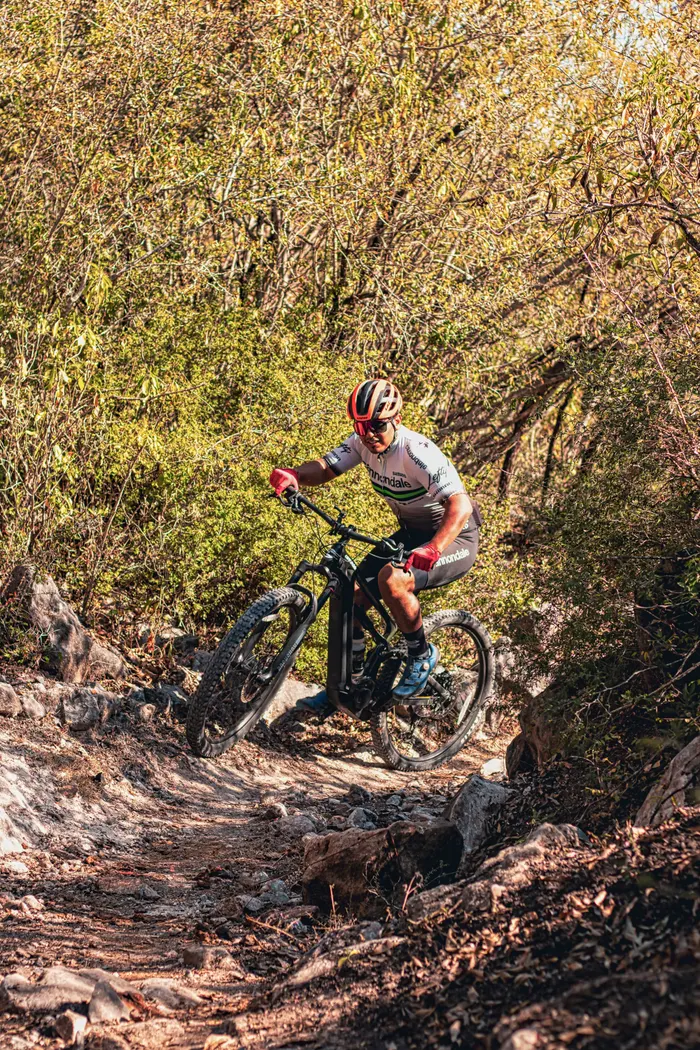
Sarangkot Mountain Biking in Pokhara, Nepal: Route, Cost, Difficulty & Complete GuideSarangkot Mountain Biking is one of the most scenic mountain biking experiences in Nepal, combining a challenging uphill ride with Himalayan views, traditional villages, forest trails and a rewarding descent toward Phewa Lake. Sarangkot sits at about 1,592 m above Pokhara and is famous for its panoramic views and paragliding launch area. Nepal Tourism Board also identifies PokharaโSarangkotโNaudanda as one of the popular mountain-biking routes in the Pokhara region. Sarangkot Mountain Biking: A Himalayan Cycling AdventureFor travelers who want more than ordinary sightseeing, mountain biking in Sarangkot provides an active way to explore the hills surrounding Pokhara. The current guided Sarangkot MTB route offered by Nepal MTB Adventures is approximately 32 km, with the option to shorten or extend it to around 40 km. The ride involves roughly 800 m of climbing and approximately 4โ5 hours of riding, making it a genuine fitness-oriented cycling experience rather than a simple recreational bicycle ride. The route combines paved roads, jeep tracks, village paths and forest trails. The adventure normally starts from Hallan Chowk in Lakeside, Pokhara, at around 9:00 AM. Riders gradually climb away from the lakeside area toward Dharapani, Methlang and Gyarjati, before reaching the Sarangkot ridge and viewpoints around Haredanda. From the high point, the route provides expansive views toward Dhaulagiri, Manaslu, Machhapuchhre (Fishtail), the Annapurna massif, Phewa Lake and Pokhara Valley. This combination of physical activity and Himalayan scenery is what makes Sarangkot cycling particularly attractive to adventure travelers. Sarangkot Mountain Biking RouteThe route can be understood as a gradual climb followed by a scenic and more technical descent. The first section climbs approximately 3 km toward Dharapani and Lovely Hill, gaining around 150โ200 m. This section is rated easy to moderate and uses paved roads and jeep tracks, allowing riders to warm up before the longer climb. The route then continues toward Methlang and Gyarjati, where the main ascent becomes more demanding. The operator describes this signature climb as approximately 11 km, with around 550โ600 m of elevation gain and a riding time of roughly 1.5โ2 hours. After completing the major climb, cyclists reach the Sarangkot ridge, where the effort is rewarded with spectacular mountain scenery. The ridge includes viewpoints such as Haredanda and the 360-degree panorama viewpoint, where riders can stop for photographs and refreshments. On clear days, the Himalayan panorama can include Dhaulagiri (8,167 m), Manaslu (8,163 m), Machhapuchhre (6,993 m) and other peaks of the Annapurna range. The elevated position also provides views across Phewa Lake and the Pokhara Valley. The Sarangkot DescentThe return journey is one of the most enjoyable parts of the Sarangkot mountain bike tour. Instead of simply returning along the same road, the route descends through village trails, terraced farmland and a shaded forest section toward Pame. Riders encounter a mixture of loose corners, leaf-covered sections and occasional water crossings, making the descent more engaging for people who enjoy off-road cycling. The final section becomes more relaxed as cyclists reach the lakeside area, cross the Yellow Bridge, and continue around the communities near Sedi and Khapaudi before returning toward Lakeside. Difficulty Level: Is Sarangkot Suitable for Beginners?The standard Sarangkot mountain-biking route is classified as Moderate. The biggest challenge is not necessarily technical riding but the combination of distance, elevation gain and sustained climbing. Riders should be comfortable cycling for several hours and handling uphill sections on paved roads and jeep tracks. The forest descent also requires reasonable bike control because of loose surfaces, corners and occasional obstacles. For complete beginners, a shorter Pokhara cycling route may be more appropriate before attempting the full Sarangkot loop. However, reasonably fit recreational cyclists can consider the guided route with appropriate pacing. The availability of E-MTB upgrades also makes the experience more accessible to travelers who want the scenery and descent without taking on the entire physical burden of the 800 m climb. The current operator lists an E-MTB upgrade at an additional US$85. Cost of Sarangkot Mountain BikingThe current listed price from Nepal MTB Adventures starts at US$95 per person for the standard guided Sarangkot mountain-biking experience. Their current group pricing is US$110 per person for 1โ3 people, US$105 for 4โ6 people, US$100 for 7โ9 people, and US$95 for groups of 10 or more. The listed standard package includes a guide, dual-suspension mountain bike, helmet, gloves and water. The operator notes that prices can change depending on season and demand, so these should be treated as current reference prices rather than fixed market prices. For your Enticing Himalayas activity page, a good public price format would therefore be โFrom US$95 per personโ rather than showing only one fixed price. If you offer private trips for smaller groups, you can explain that the per-person price changes according to group size. An E-MTB can be offered as an upgrade where available. This gives customers a clearer understanding of why two travelers may receive a different price from a larger group. What Is Included?The standard package currently advertised for the Sarangkot MTB day tour includes a professional/local guide, dual-suspension mountain bike, helmet, gloves and water. Other services are not automatically included unless specifically stated in the booking. Travelers should therefore check whether transportation, meals, personal insurance, accommodation and other expenses are included before confirming a package. The choice of bicycle is particularly important for this route because the terrain changes throughout the day. A suitable mountain bike makes the uphill sections more comfortable and provides greater control on the forest descent. Riders who want additional assistance can choose an E-MTB, which the current operator offers as an additional-cost upgrade. Best Time for Sarangkot Mountain BikingSpring and autumn are generally the most attractive periods for mountain biking around Pokhara because travelers have better opportunities for clear mountain views and more comfortable outdoor conditions. The current Nepal MTB Adventures listing specifically shows its Sarangkot trip operating daily from August 15 to October 31, 2026, with private trips available according to the operator's booking conditions. Because mountain biking takes place outdoors, weather and trail conditions should always be considered. Rain can make forest trails muddy and slippery, while clouds can reduce the visibility of the Himalayan panorama. If your activity database is updated for August 2026, I would mark Sarangkot Mountain Biking as Operating โ Weather Dependent, rather than guaranteeing clear views every day.Why Choose Sarangkot for Mountain Biking?Sarangkot mountain biking is attractive because it combines several Nepal experiences into one day. Travelers get Himalayan mountain views, physical adventure, village life, forest riding, local landscapes and Phewa Lake scenery without committing to a multi-day trekking or cycling expedition. Nepal Tourism Board lists several mountain-biking routes around Pokhara, including PokharaโSarangkotโNaudanda, confirming the wider area as an established cycling destination. The route also gives travelers a different perspective on Sarangkot. Many visitors reach the viewpoint by road to watch sunrise or visit the paragliding launch area. Cycling allows adventure travelers to earn the viewpoint through the climb, spend time in the surrounding villages and then enjoy an off-road descent back toward the lake. For active travelers staying in Pokhara, this makes it a strong one-day adventure activity.Other Sarangkot MTB OptionsSarangkot is not limited to one cycling experience. Riders looking for more downhill-focused adventure can choose a Sarangkot Enduro/Downhill experience. A current specialist operator describes a route using the Annapurna Cable Car and Jeep shuttles to provide uplift, followed by technical descents through dirt roads, forest singletracks, terraces and village trails. Its Sarangkot downhill section involves approximately 700โ800 m of descent and is aimed at intermediate to advanced riders. This means your website can potentially create separate SEO pages rather than combining every cycling experience under one URL: โSarangkot Mountain Biking,โ โSarangkot Downhill MTB,โ โPokhara Mountain Biking,โ and โPokhara Enduro Cycling.โ This is better for targeting different search intentions while allowing the pages to link to each other internally.Safety and PreparationBefore starting a Sarangkot MTB tour, travelers should wear comfortable sports clothing and proper closed cycling shoes. A helmet should always be used, and riders should follow their guide's instructions, especially on descents and loose forest sections. Carrying water, sunscreen, sunglasses, a light rain jacket and a small personal first-aid kit is sensible. Riders should also be honest about their fitness and cycling ability so the guide can adjust the pace and route when necessary.Mountain biking is physically demanding, so travelers with limited cycling experience should consider a shorter route or an E-MTB option. The route's approximately 800 m elevation gain means that even riders who are comfortable cycling on flat roads may find the climb challenging. On the descent, loose corners and uneven terrain require controlled speed rather than simply riding as fast as possible. Why Sarangkot Mountain Biking Is Important for Nepal VisitorsSarangkot Mountain Biking gives visitors an opportunity to experience Nepal's landscape at ground level. Instead of looking at the Himalayas from a vehicle or viewpoint, cyclists travel directly through villages, farmland, forests, hills and local communities. The experience combines adventure tourism, nature, culture and physical activity, making it a valuable addition to a Pokhara itinerary. For Enticing Himalayas, this activity fits especially well under the Thrive category because it encourages active exploration while connecting travelers with Nepal's natural and cultural environment. It can also be combined with other Pokhara experiences such as Phewa Lake, paragliding, hiking, sunrise at Sarangkot and other mountain-biking routes.

Mountain Biking in NepalMountain Biking in Nepal is an exciting outdoor adventure activity that combines cycling, Himalayan scenery, rural culture, and physical exploration. Nepal's diverse terrain offers routes for beginners, intermediate cyclists, and experienced riders, from peaceful countryside trails to challenging mountain roads and high-altitude routes. Riders can explore forests, valleys, villages, rivers, and scenic mountain landscapes while enjoying an active way to discover Nepal. Popular starting points include Kathmandu and Pokhara, where mountain bikes and cycling tours are available.Mountain Biking in PokharaPokhara is one of the most popular destinations for mountain biking in Nepal, offering scenic routes around Phewa Lake, Sarangkot, Begnas Lake, Dhampus, Naudanda, and Sikles. Cyclists can ride through green hills, traditional villages, farmland, forests, and suspension bridges while enjoying views of the Annapurna, Machhapuchhre, and Dhaulagiri ranges. Popular routes include PokharaโSikles, PokharaโSarangkotโNaudanda, PokharaโMilanchowkโDhampus, and PokharaโSundari DandaโBegnas Lake, providing options for different fitness levels and cycling interests.Mountain Biking in KathmanduThe Kathmandu Valley provides excellent opportunities for mountain biking near Kathmandu, allowing travelers to combine outdoor adventure with cultural exploration. Routes around Shivapuri, Nagarkot, Kakani, Godavari, and Pharping pass through forests, traditional settlements, temples, monasteries, and countryside landscapes. Depending on the route, cycling can be arranged as a half-day, full-day, or multi-day adventure. These trails are ideal for travelers who want to experience Nepal's natural beauty and local lifestyle while staying close to Kathmandu.Mountain Biking in Annapurna and Mustang For experienced cyclists, Annapurna and Mustang offer some of the most spectacular Himalayan mountain biking experiences in Nepal. The Annapurna region combines dramatic mountain scenery with traditional Gurung, Magar, and Thakali communities, while Upper Mustang features a unique rain-shadow landscape, ancient villages, monasteries, high mountain passes, and historic trails. Mountain biking allows travelers to explore these landscapes at a slower pace, interact with local communities, cross suspension bridges, follow old trading routes, and enjoy unforgettable views of the Himalayas.Why Mountain Biking Is Important for Nepal VisitorsMountain biking in Nepal gives travelers a different way to experience the country's Himalayan landscapes, rural villages, local culture, and natural beauty beyond traditional sightseeing. Instead of traveling quickly between destinations, cyclists can explore quiet trails, stop in villages, meet local communities, and enjoy the scenery at their own pace. It is especially valuable for visitors who want an active and authentic Nepal experience.The activity also allows travelers to discover areas that may be difficult to experience through conventional tours. Cycling routes can pass through farmlands, forests, mountain valleys, suspension bridges, monasteries, and traditional settlements, creating opportunities for photography and cultural interaction. Popular destinations such as Pokhara, Kathmandu Valley, Annapurna, and Mustang offer different landscapes and levels of adventure.For adventure travelers, mountain biking provides a combination of physical challenge and Himalayan exploration. Riders can choose easier countryside routes or more demanding high-altitude trails depending on their experience and fitness. At the same time, cycling supports local tourism and community-based travel by encouraging visitors to spend time in smaller villages, local accommodations, restaurants, and businesses along the routes. Most importantly, mountain biking helps visitors connect with Nepal at ground level. The combination of adventure, nature, culture, exercise, and mountain scenery makes it a memorable experience for travelers looking for something beyond ordinary sightseeing. For an activity page, this makes mountain biking a strong Thrive experience within Nepal's adventure and wellness-oriented tourism offerings.Cost of Mountain Biking in NepalMountain biking in Nepal offers everything from short scenic rides around Kathmandu and Pokhara to challenging multi-day adventures through the Annapurna and Mustang regions. The cost depends heavily on the route, number of days, difficulty, accommodation, guide services, transportation, permits, and whether the trip uses a standard mountain bike or an E-MTB. Current package prices from a specialist Nepal mountain-biking operator range from around US$95 for an easy one-day ride to several thousand dollars for long Himalayan expeditions. Mountain Biking Cost in KathmanduKathmandu mountain biking is one of the more accessible options for travelers who want to experience Himalayan cycling without committing to a long expedition. A current ThamelโMadkhu BhanjyangโBudhanilkantha mountain-bike day tour is listed from US$166 per person for a private one-day trip. The standard package includes a mountain-bike guide, full-suspension mountain bike, helmet and gloves. The operator also lists a Kakani Sky Trail one-day Kathmandu Valley ride from US$166 per person with similar standard inclusions. These routes allow cyclists to escape the busy city and explore forest trails, countryside, villages and viewpoints around the Kathmandu Valley. For travelers looking for a shorter or easier experience, Kathmandu Valley cycling can be organized according to fitness level and available time. The final price may increase or decrease depending on the selected package, group size and season. Therefore, for an activity listing, it is safer to write โfrom US$166 per personโ rather than presenting the amount as a fixed year-round price. The operator explicitly states that prices can vary according to season and demand. Mountain Biking Cost in AnnapurnaThe Annapurna region provides some of Nepal's most famous mountain landscapes and is suitable for longer and more challenging cycling adventures. A current 15-day Annapurna Circuit Mountain Biking Guided Tour is listed from US$2,499 per person. The operator's group pricing is US$2,599 per person for 1โ4 people, US$2,549 for 5โ9 people, and US$2,499 for groups of 10 or more. The route is classified as challenging, making it more suitable for experienced cyclists with good fitness and mountain-biking ability. Another option is the 11-day Tilicho Lake Mountain Biking Tour, currently shown at approximately US$1,958 per person. Travelers who want to combine destinations can also choose the Pokhara-to-Kathmandu Mountain Biking Tour, which is listed from US$2,553 per person for 10 days. The latter package includes accommodation, guides, transportation and other logistics, demonstrating why multi-day MTB packages cost considerably more than a simple one-day cycling experience. Mountain Biking Cost in MustangMustang mountain biking is generally more expensive because of its remote Himalayan location, transportation requirements, accommodation, permits and high-altitude logistics. A current 10-day Lower Mustang Mountain Biking package is listed from US$2,745 per person on the operator's dedicated package page. The package includes services such as accommodation, PokharaโJomsom flight arrangements, guides and other transportation depending on the selected package. For a more demanding adventure, the 16-day Upper Mustang Mountain Biking Guided Expedition is currently listed from US$3,850 per person. Group pricing is shown at approximately US$4,000 for 1โ2 people, US$3,950 for 3โ4 people, US$3,900 for 5โ7 people and US$3,850 for 8โ10 people. Upper Mustang is a restricted region, so permits and logistics are an important part of the overall cost. The operator also lists an Annapurna Circuit + Upper Mustang MTB Tour of 22 days from approximately US$4,573.98 per person, while a Heli-MTB Tour in Mustang is listed from around US$7,757 per person. These premium packages demonstrate how transportation and specialized logistics can significantly increase the cost of a Nepal mountain-biking adventure.
SUB-DESTINATIONS & REGIONS
Kathmandu Valley, Nepal

Khumbu, Solukhumbu District, Koshi Province, Nepal
Annapurna Region, Gandaki Province, Nepal

Annapurna Range, Gandaki Province, Nepal

Gorkha, Gandaki Province, Nepal

Gorkha, Nepal

Dolakha, Nepal

Pokhara, Nepal
INSIGHTS & GUIDES

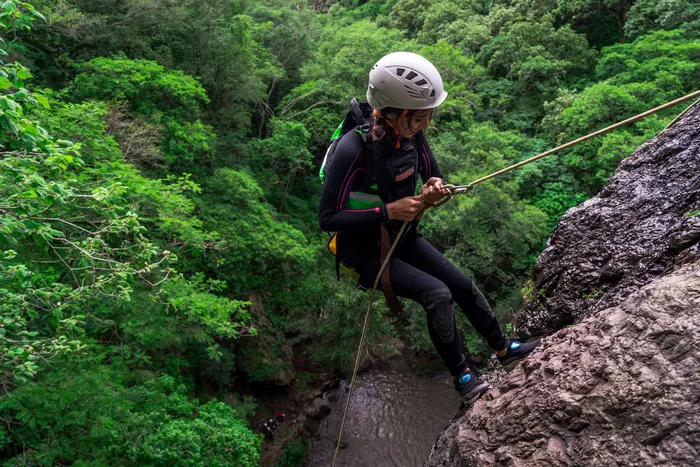
Experience canyoning in Nepal with waterfall rappelling, natural pools, rock slides and jumps through canyons near Kathmandu and Pokhara, plus safety, gear, costs and the best season to go.
There is no commercial tandem operation in the Langtang region. Here is what a private paragliding expedition there would involve, what it would cost, and where to fly instead.

Plan the Panchase Panorama Trek 2026: 8-day itinerary, sunrise from Panchase Peak, forest trails, costs, permits and the best season to hike near Pokhara.

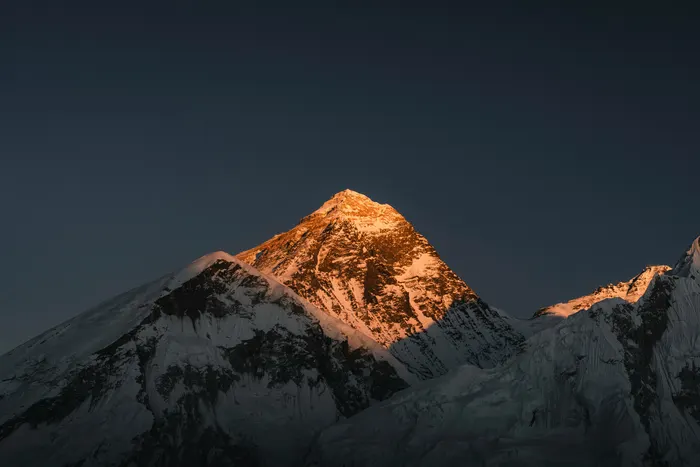
Trek Everest Base Camp and the Cho Oyu viewpoint in 15 days: the Gokyo Lakes route, day-by-day itinerary, cost from $2,825, permits, altitude and gear.

Plan the Manaslu helicopter return trek: the route to Larkya La and Samdo, real costs, permits, best season and the scenic heli exit from the high valley.

Discover rock climbing in Nepal: Nagarjun Forest, Shivapuri and Kathmandu valley crags, plus climbing grades, gear, costs, seasons and safety tips for 2026.
Paragliding in the Everest region is possible but not bookable. The real story, the flying conditions, the permits, and the aerial alternatives that actually work.

Plan the Ghorepani Poon Hill trek with a full 7-day itinerary, 2026 costs, permits, packing tips and the best season for Nepal's classic sunrise viewpoint.

All 17 Chitwan partner hotels and jungle resorts ranked by zone and price for 2026/27: Sauraha five-stars, Meghauli lodges and budget stays with real rates.

Meet the Kumari, Nepal's living goddess: the sacred Kathmandu tradition, the Indra Jatra festival, respectful etiquette and how to plan a 2026 spiritual tour.

Annapurna helicopter return trek: climb to Base Camp in 6 days and fly back to Pokhara, with itinerary, USD 2,818 cost, permits, best season and packing.

The spiny babbler is Nepal's only endemic bird, and it lives within two hours of Kathmandu. Where to look for it, when it sings, and the valley sites that give you a realistic chance.
Our Himalayan travel experts will design a personalized itinerary tailored to your dates, fitness level, and dream destinations in Nepal.