 Introduction to the Mystic Waters of Gosaikunda
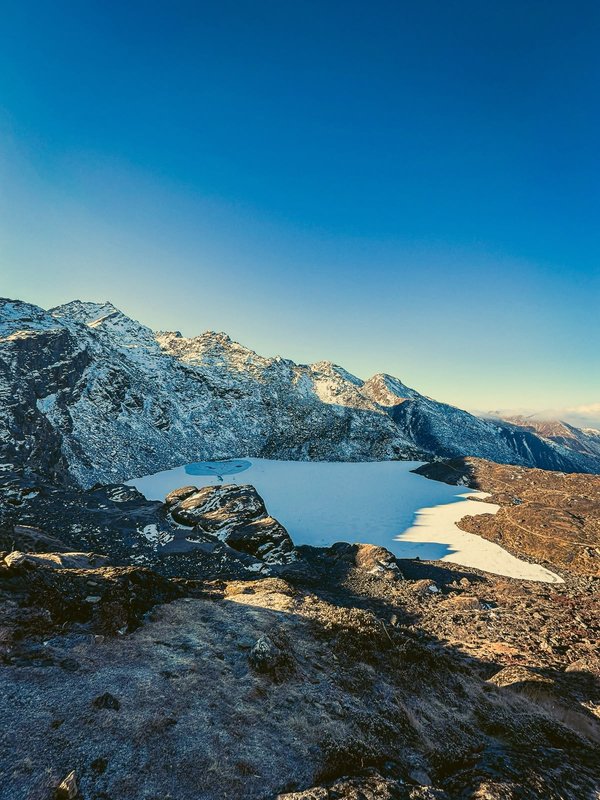
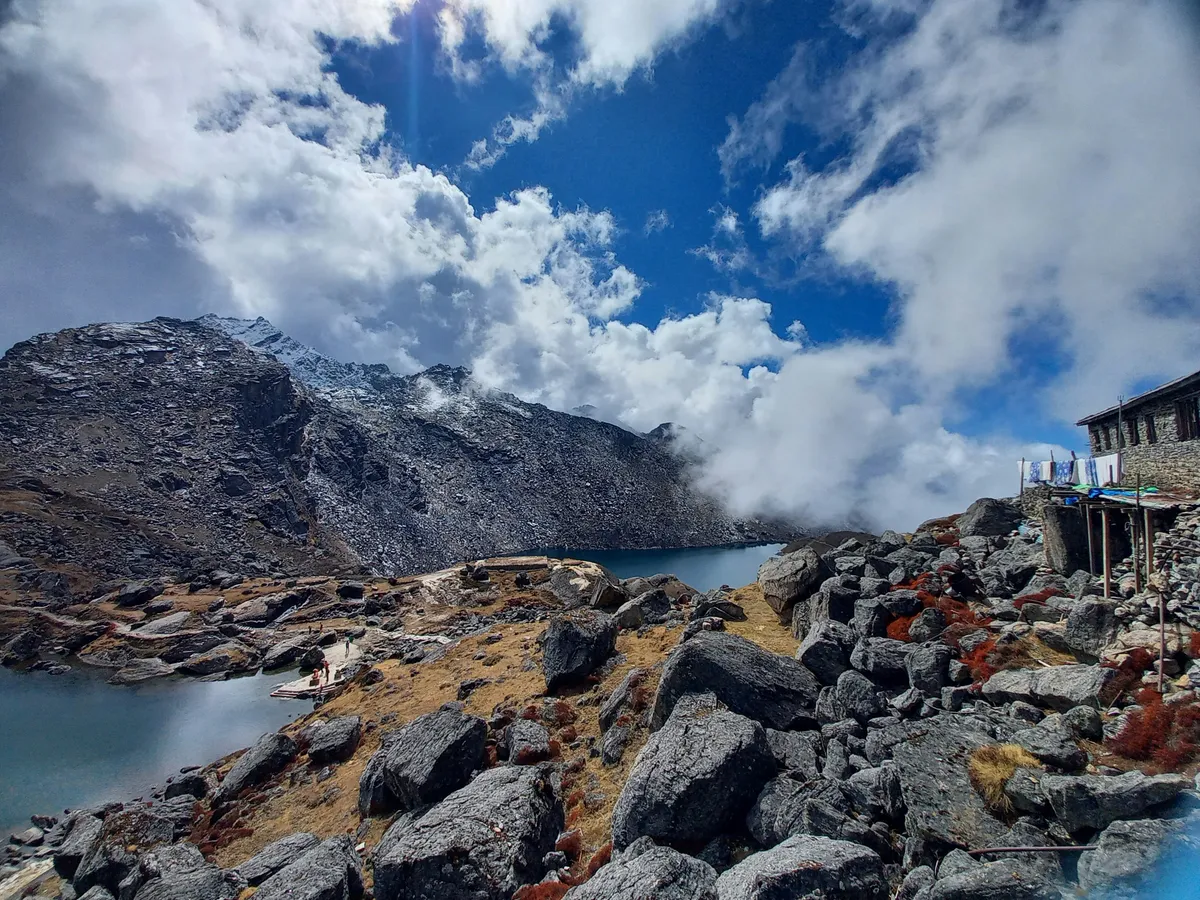
In the high, thin reaches of the Rasuwa district, where the jagged peaks of the Himalayas pierce a sapphire sky, lies Gosaikunda. This is not merely a lake, but a shimmering portal to the divine. Situated at an altitude of approximately 4,380 meters, the lake is a jewel of the Langtang National Park, drawing thousands of seekers every year from across the globe. For some, it is a destination for adventure, but for the true pilgrim, it is a place of profound spiritual cleansing and a direct encounter with the cosmic energy of Lord Shiva.
To undertake a spiritual tour in Nepal is to embrace the intersection of nature and faith. Gosaikunda represents the pinnacle of this experience. As you ascend through the rhododendron forests and alpine meadows, the physical exertion of the trek becomes a form of moving meditation. Each step brings you closer to the abode of the gods, stripping away the noise of the modern world and replacing it with the rhythmic sound of mountain streams, the fluttering of prayer flags, and the distant, echoing chant of mantras.
The lake is particularly vibrant during the Janai Purnima festival, when the shores are crowded with devotees who believe that a dip in these icy waters can wash away lifetimes of karma. Whether you are looking to book spiritual tours in Nepal for religious merit or to find a sense of inner peace, Gosaikunda offers a sanctuary like no other. It is a place where the boundary between the earthly and the divine dissolves, leaving the traveler in a state of absolute awe and spiritual surrender.


The journey is not just about the destination, but about the transformation that occurs along the way. The climb is a gradual shedding of the ego. As the oxygen levels drop and the silence of the mountains grows, the internal chatter of the mind begins to fade, replaced by a deep, resonant connection to the earth and the cosmos. Gosaikunda is the mirror that reflects the soul, inviting every visitor to look within and discover the stillness that exists beneath the surface of their own existence.
The Divine Legend: How Lord Shiva Created Gosaikunda
The sanctity of Gosaikunda is rooted in one of the most powerful and evocative stories in Hindu mythology. To understand the spiritual gravity of the lake, one must look back to the cosmic event known as the Samudra Manthan, or the Churning of the Ocean of Milk. In this divine struggle for the nectar of immortality, a lethal poison called Halahala was released. This poison was so potent that it threatened to consume all of creation, bringing an end to the gods, demons, and humans alike.
The Samudra Manthan and the Halahala Poison
To save the universe from total annihilation, Lord Shiva, the Mahadev, stepped forward in an act of ultimate compassion. He consumed the poison to neutralize its effects and prevent the destruction of the world. However, the potency of the Halahala was so extreme that it caused an intense, searing burning sensation in his throat. The poison turned his neck a deep blue, giving him the name Neelkanth, the Blue Throated One. Despite his divine nature, Shiva sought a way to cool the fire that raged within his throat, seeking a place of absolute purity and cold.
The Sacred Trident and the Birth of the Alpine Lake
As Shiva sought relief, he ascended to the highest peaks of the Himalayas and struck the mountain peak with his holy trident, the Trishul. From the point of impact, a torrent of pure, crystalline water burst forth, creating the sacred lake of Gosaikunda. This water was not ordinary; it was imbued with the cooling energy of the divine, specifically intended to soothe the burning of the poison. The lake became a permanent residence for the energy of Lord Shiva, and thus, it is regarded as his eternal abode on earth.
For the pilgrims who visit today, the lake is seen as the physical manifestation of Shiva's mercy and his role as the protector of the universe. Bathing in the lake is believed to provide the same spiritual relief and purification that Shiva sought. It is a site of intense power, where the element of water meets the stability of the mountain, creating a vortex of energy that facilitates deep meditation and rapid spiritual awakening. This legendary origin is why Gosaikunda is the centerpiece of the most revered cultural and spiritual tours in Nepal, drawing seekers who wish to touch the divine essence of the Mahadev.
Janai Purnima: The Peak of Spiritual Devotion
The most auspicious time to visit Gosaikunda is during the festival of Janai Purnima, which typically falls in August. This is the time when the lake transforms from a serene alpine destination into a pulsating center of religious fervor. For Hindus, Janai Purnima is the day of the changing of the sacred thread, but in the context of Gosaikunda, it is a mass pilgrimage of purification.
Thousands of devotees, many walking hundreds of kilometers on foot, converge on the shores of the lake. The sight is breathtaking: a sea of saffron robes and prayer beads against the backdrop of stark, grey mountains and a deep blue lake. The air is thick with the scent of incense and the sound of bells and conch shells. The primary ritual involves bathing in the freezing waters of the lake, an act that is believed to cleanse the soul of all sins and bring the devotee closer to liberation (Moksha).
The energy during Janai Purnima is electric. It is a collective experience of faith where social hierarchies vanish, and every pilgrim, regardless of their background, is equal in the eyes of Lord Shiva. The shared struggle of the climb and the shared ecstasy of the holy dip create an unbreakable bond among the seekers. For the outsider, observing this festival is a lesson in the enduring power of faith and the capacity of the human spirit to endure hardship for a higher spiritual purpose.
However, this period also presents the greatest challenges. The trails are crowded, and the weather in August can be unpredictable, with heavy monsoon rains often making the paths slippery. For those who wish to experience the festival but prefer a more managed approach, booking with a professional team is essential to ensure safety and logistics are handled amidst the chaos of the mass pilgrimage.
Planning Your Spiritual Pilgrimage to Gosaikunda
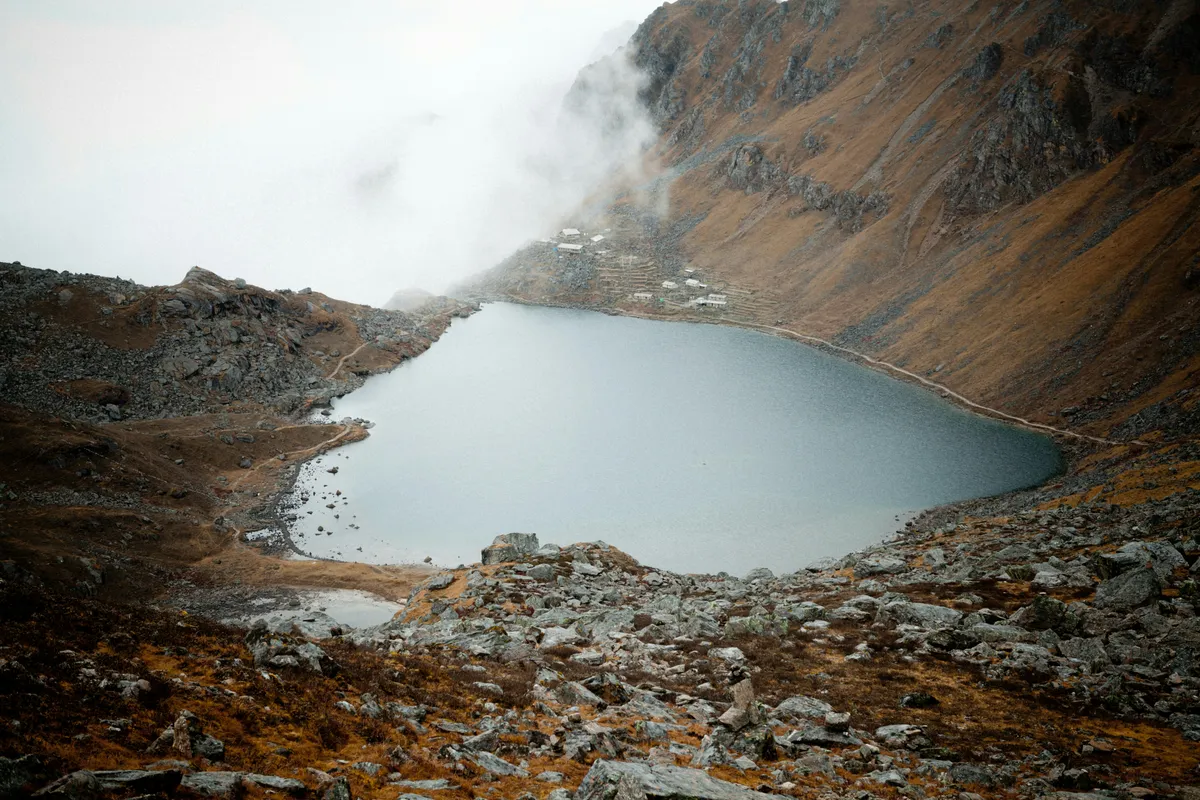
A journey to Gosaikunda is as much about the preparation as it is about the destination. Due to the high altitude and the rugged terrain of the Rasuwa district, careful planning is essential to ensure a safe and spiritually rewarding experience. Whether you choose a luxury helicopter fly-in or a traditional foot pilgrimage, understanding the logistics is the first step toward enlightenment.
The Best Time to Visit: Seasonal Windows for Devotees
The windows for visiting Gosaikunda are narrow due to the extreme weather of the high Himalayas. The two primary seasons are Spring (March to May) and Autumn (September to November).
During the spring, the landscape is a riot of color as the rhododendrons bloom, and the air is filled with the scent of fresh alpine flora. This is an ideal time for those seeking a balance of nature and spirituality, as the mountains begin to shake off their winter slumber. The weather is generally mild, though occasional spring showers can occur.
Autumn is generally the best season for trekking. The skies are crystal clear, providing unobstructed views of the surrounding peaks, and the weather is stable. This season coincides with the post-monsoon clarity that makes the blue of Gosaikunda lake appear almost supernatural. For those visiting during the Janai Purnima festival in August, be prepared for crowds and rain, but also for an electric atmosphere of collective devotion that is truly humbling.
Permitting and Regulations in Langtang National Park
Gosaikunda is located within the boundaries of the Langtang National Park, a region dedicated to the preservation of its unique biodiversity and cultural heritage. Visitors are required to obtain a park permit and a trekking permit (TIMS), which are essential for conservation and safety. These permits ensure that the fragile alpine ecosystem is protected and that trekkers are registered with the authorities in case of emergency.
The process of obtaining these permits can be bureaucratic for the uninitiated. Working with the best trekking agency in Nepal simplifies this process entirely. All documentation is handled prior to the start of the journey, from the National Park entry fees to the TIMS registration. This allows the pilgrim to focus entirely on their inner path, free from the stress of paperwork and administrative hurdles.
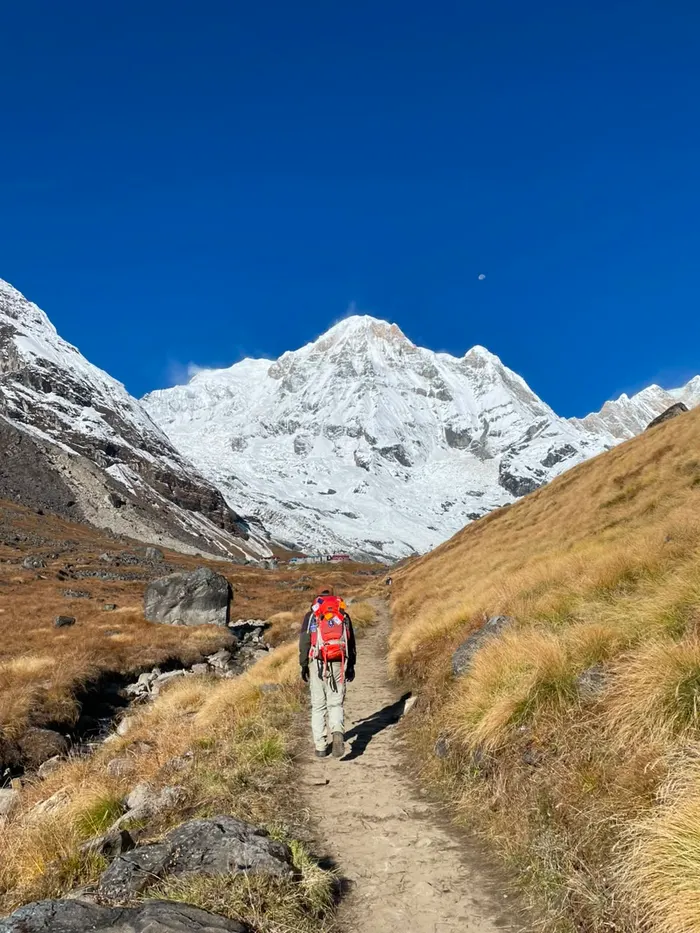
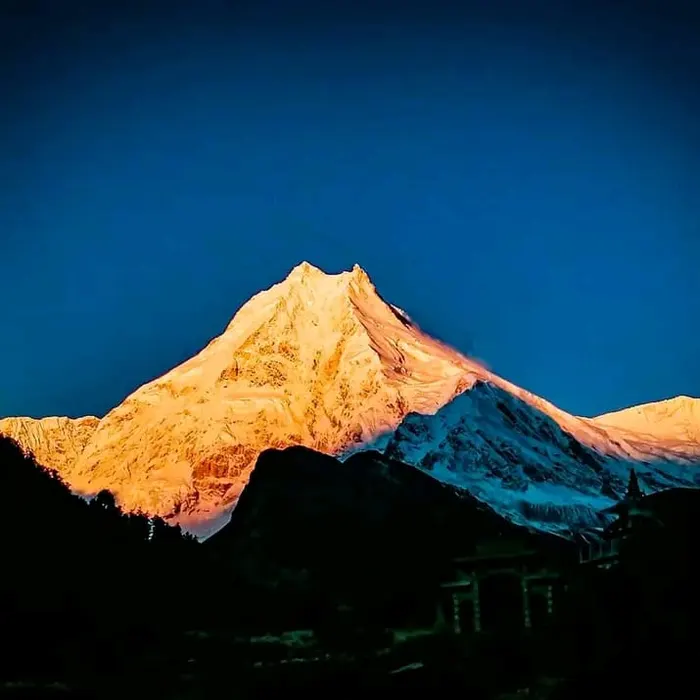
Many pilgrims choose to acclimatize in the capital before heading to the high lake. Our Kathmandu Spiritual Circuit (2 Days) covering Pashupatinath, Boudhanath, and Swayambhunath is the perfect prelude, aligning body and spirit before the ascent into the high Himalayas.
Trekking to Gosaikunda: A Path of Purification
Trekking is the traditional way to reach Gosaikunda. The physical act of climbing is seen as a metaphor for the ascent of the soul, leaving behind the material attachments of the valley for the purity of the peaks. In the spiritual tradition, the effort expended during the journey is considered part of the offering to the deity. The more challenging the path, the greater the spiritual merit.
The 5 Day Sacred Lakes Pilgrimage: An Intensive Journey
For those with limited time but a strong spirit, the Gosaikunda Lake Trek: Sacred Himalayan Pilgrimage & Alpine Lakes (5 Days) is a focused experience. This itinerary strips away the distractions and takes you directly toward the sacred waters. The journey typically begins from Dhunche, ascending through the steep, challenging trails of the Rasuwa region. The rapid gain in altitude requires physical resilience and mental fortitude, but the reward is the sudden, breathtaking appearance of the lake, mirroring the snow capped peaks in a silent, holy embrace.

If you seek a blend of physical exertion and mental stillness, the Gosaikunda Sacred Lakes Trek & Yoga Retreat (5 Days) is highly recommended. By integrating yoga and meditation at the base and summit, this package transforms a standard trek into a holistic retreat. It ensures that your body is as prepared for the altitude as your mind is for the spiritual encounter, using breathwork and stretching to combat the effects of high altitude stress.
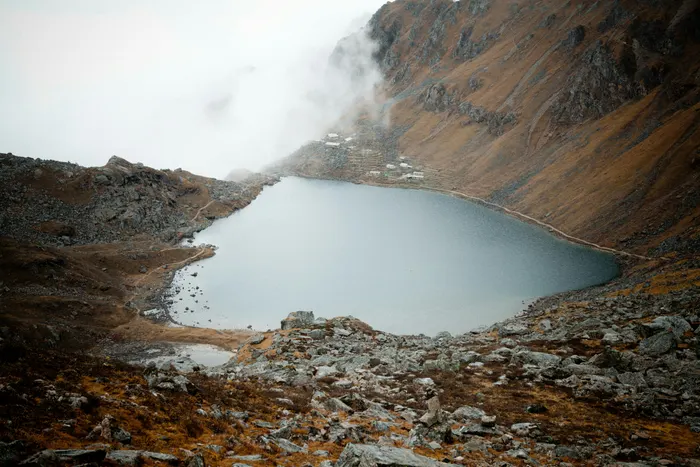
The 10 Day Langtang and Gosaikunda Circuit: The Ultimate Experience
For the true adventurer and seeker, the Langtang & Gosaikunda Lake Trek 2026 (10 Days) is the gold standard. This journey is not just a pilgrimage, but an odyssey through the heart of the Himalayas. By combining the Langtang Valley with the Gosaikunda pilgrimage, you experience two distinct spiritual energies: the peaceful, monastic vibe of Kyanjin Gompa and the raw, divine power of Gosaikunda lake.
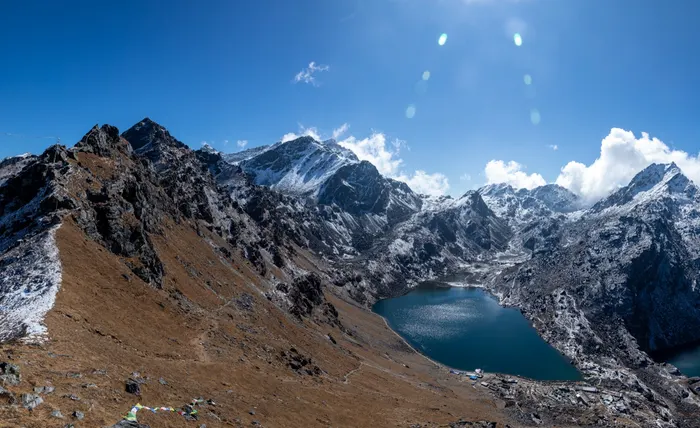
The journey begins with the exploration of the Langtang Valley, often called the Valley of Glaciers. Walking through the resilient villages that rebuilt themselves after the 2015 earthquake provides a profound lesson in strength, impermanence, and the human will to survive. The climb to Tserko Ri (4,984m) serves as a physical and mental peak, offering a 360 degree view of the range and a moment of absolute clarity. From there, the trail pivots toward Gosaikunda, making the eventual arrival at the lake a triumphant climax to a ten day journey of endurance, faith, and discovery.
Detailed 10 Day Odyssey: Langtang and Gosaikunda Circuit
To help you visualize the magnitude of this journey, here is a detailed breakdown of the 10 Day Langtang and Gosaikunda circuit. Each day is designed to balance physical progression with necessary acclimatization.
Day 1: Drive Kathmandu to Syabrubesi (1,550m)
Day 2: Trek Syabrubesi to Lama Hotel (2,380m)
Day 3: Trek Lama Hotel to Langtang Village (3,430m)
Day 4: Trek Langtang to Kyanjin Gompa (3,870m)
Day 5: Acclimatization & Tserko Ri (4,984m)
Day 6: Trek back to Lama Hotel via Langtang Village
Day 7: Trek to Thulo Syabru (2,230m)
Day 8: Trek to Sing Gompa (3,250m)
Day 9: Trek to Gosaikunda Lake (4,380m)
The climax of the journey. The final climb is steep, but as you crest the ridge, the shimmering blue waters of Gosaikunda appear. This is the moment of union with the divine, where you can perform your prayers and bathe in the holy waters.
Day 10: Descend to Dhunche & drive to Kathmandu
The Cultural Tapestry: Tamang Hospitality and Himalayan Life
The path to Gosaikunda is not just a geographical route, it is a cultural bridge. The region is primarily inhabited by the Tamang people, whose culture is a beautiful, complex blend of Tibetan Buddhism and ancient local animistic traditions. As you pass through villages like Thulo Syabru and Sing Gompa, you are greeted with a level of hospitality that is as warm and welcoming as the butter tea served in the teahouses.
The Tamang people have a deep, symbiotic relationship with the mountains. Their homes, built from local stone and carved wood, are designed to withstand the brutal Himalayan winters, and their spirituality is woven into the very fabric of the land. Every rock, stream, and peak is believed to be inhabited by a spirit. Prayer flags flutter in every single breeze, sending endless intentions of peace and compassion across the valley. For the visitor, interacting with the local community is an essential part of the pilgrimage. It reminds us that spirituality is not just about solitude and silence, but about the kindness and connection we share with other living beings.
Staying in locally run teahouses provides an authentic glimpse into the rhythm of Himalayan life. From the simple, nourishing pleasure of a bowl of dal bhat to the sound of laughter in a shared dining hall, these experiences ground the spiritual journey in human reality. The teahouse culture is one of community and mutual support. These lodges are more than just places to sleep; they are sanctuaries where trekkers from all over the world share stories of their journeys, creating a global community of seekers. They remind the pilgrim that the path to the divine is often paved with the simplest of human gestures, like a warm smile or a shared meal.
Flora and Fauna of the Langtang National Park
The journey to Gosaikunda takes place within the breathtaking Langtang National Park, a region of immense ecological importance. The biodiversity of this park is a testament to the resilience of life in the face of extreme conditions. As you ascend, you will witness a dramatic transition of ecosystems, from lush sub tropical forests to the stark, rocky landscapes of the high alpine zone.
In the lower elevations, the forests are dominated by ancient rhododendrons, pines, and oaks. During the spring, the rhododendrons burst into a kaleidoscope of reds and pinks, creating a surreal canopy over the trekking trail. These forests are home to a variety of avian species, including the colorful Himalayan Monal, the national bird of Nepal, whose iridescent plumage is a sight to behold. The air is alive with the songs of these birds, adding a melodic layer to the spiritual atmosphere of the trek.
As you move higher, the dense forests give way to alpine meadows and rocky outcrops. Here, the wildlife becomes more elusive but equally fascinating. If you are lucky, you may spot the Himalayan Tahr, a sturdy mountain goat, navigating the steep cliffs with effortless grace. The musk deer and the langur monkey are also residents of these heights, adapting to the cold and the thin air. The area is also home to rare medicinal plants and delicate alpine flora that thrive in the harsh mountain environment, often used by local healers and traditional practitioners.
The presence of these creatures is a reminder of the interconnectedness of all life. In the eyes of the pilgrim, the animal kingdom is not separate from the spiritual world, but a part of it. The silence of the mountains, broken only by the occasional call of a bird or the wind whistling through the peaks, encourages a deep state of observation and respect for the natural order of the universe.
Gosaikunda vs. Helicopter Tours: Choosing Your Path to Peace
Not every seeker has the physical capacity, the health requirements, or the time for a multi day trek. Recognizing this, Enticing Himalayas offers a modern alternative that allows for a rapid, breathtaking approach to the sacred lake. The Gosaikunda Helicopter Tour: Sacred Lake Aerial Pilgrimage is designed for those who wish to experience the divine energy of the lake without the physical strain of a trek.
A helicopter tour is more than just a convenience; it is an aerial pilgrimage. Soaring over the jagged peaks and deep valleys of the Rasuwa district provides a perspective of the Himalayas that is otherwise reserved for the eagles. You will see the winding rivers and the hidden valleys from above, witnessing the sheer scale of the mountains in a way that is simply impossible from the ground. The transition from the bustling, noisy streets of Kathmandu to the serene, frozen shores of Gosaikunda happens in a matter of minutes, creating a dramatic and sudden shift in consciousness.
This option is ideal for elderly pilgrims, families with young children, or those with extremely tight schedules who still wish to perform their prayers and bathe in the holy waters. It removes the barrier of physical exhaustion, allowing the visitor to arrive at the lake with a fresh mind and a relaxed body, ready to absorb the spiritual energy of the site without the distraction of physical pain.
However, the choice depends entirely on what you seek. The trek is a process of gradual surrender, where the destination is earned through sweat and effort. The physical struggle is part of the spiritual reward. The helicopter is a moment of sudden revelation, where the destination is revealed in a flash of glory. Both paths lead to the same holy water, and both are valid ways to connect with Lord Shiva. The important thing is the intention behind the journey and the openness of the heart upon arrival.
Physical and Spiritual Preparation for High Altitude Pilgrimage
Reaching an altitude of 4,380 meters is a significant challenge for the human body. The air contains far less oxygen than at sea level, and the physical exertion of trekking can lead to altitude sickness if not managed correctly. To ensure your pilgrimage remains a journey of peace rather than a medical emergency, comprehensive preparation is key.
Managing Altitude Sickness (AMS)
Acute Mountain Sickness (AMS) can affect anyone regardless of their fitness levels. The golden rule of high altitude is to climb high and sleep low. Slow ascent and proper hydration are the best defenses. We recommend drinking at least four liters of water a day and avoiding alcohol and smoking during the trek, as these can exacerbate the effects of altitude. If you feel a persistent headache, nausea, or dizziness, it is crucial to inform your guide immediately. When you book with the best trekking agency in Nepal, your guides are trained in altitude management and will monitor your oxygen saturation levels throughout the journey, ensuring that you ascend at a safe and sustainable pace.
Meditation and Mindfulness on the Trail
To maximize the spiritual benefit of the journey, we suggest incorporating mindfulness into your trek. Instead of focusing solely on the destination, treat each step as a prayer. The rhythmic nature of walking, combined with the vast silence of the mountains, creates a natural state of meditation. Use the climb as a way to observe your thoughts without judgment, letting them drift away like the clouds over the peaks.
When you reach the shores of Gosaikunda, avoid the urge to immediately take photos or talk loudly. Instead, sit in silence for twenty minutes, breathe in the thin mountain air, and feel the vibration of the land. This is where the true pilgrimage happens: in the quiet space between your breath and the mountain. By arriving in a state of stillness, you allow the spiritual energy of the lake to penetrate deeper into your being, turning a simple visit into a life altering experience.
The Essential Pilgrimage Packing List
Packing for a high altitude pilgrimage requires a balance between necessity and minimalism. Every extra kilogram in your bag is a burden on your body and a distraction from your spiritual focus. Focus on high quality, lightweight gear that provides maximum protection from the unpredictable Himalayan weather.
Clothing and Layering
The key to staying comfortable in the mountains is layering. Start with a moisture wicking base layer to keep sweat away from your skin. Add a mid layer of fleece or wool for warmth, and top it off with a waterproof and windproof outer shell. A high quality down jacket is non negotiable for the freezing nights at the lake. Don't forget thermal leggings and a warm set of socks to protect your extremities from the biting cold.
Footwear and Gear
Your boots are your most important tool. Ensure you have broken in your trekking boots well before the journey to avoid blisters. Waterproof boots with good ankle support are essential for the rocky and often slippery trails. A sturdy pair of trekking poles can significantly reduce the impact on your knees during the descent. A lightweight, internal frame backpack with a supportive hip belt will help distribute the weight of your gear efficiently.
Spiritual and Health Essentials
Beyond the physical gear, carry the tools for your spiritual practice. A small meditation cushion, a journal for recording insights, and a set of prayer beads can enhance your experience. From a health perspective, carry a basic first aid kit, high SPF sunscreen, and a quality water filtration system or purification tablets to avoid plastic waste. Consider bringing a small amount of local currency for offerings at the monasteries and teahouses.
Sustainable Pilgrimage: Preserving the Sacred Landscape
As the popularity of Gosaikunda grows, the pressure on the fragile alpine ecosystem increases. A true pilgrimage is not just about taking something from the mountain, but about giving back and ensuring that the sacredness of the site is preserved for future generations. Sustainable tourism is a spiritual mandate.
We advocate for the Leave No Trace principles. This means carrying out everything you carry in. Plastic waste is a significant problem in high altitude regions; we encourage the use of reusable water bottles and the avoidance of single use plastics. Be mindful of your waste and always use the designated disposal areas. Respect the wildlife and avoid feeding animals, as this disrupts their natural foraging behavior and can lead to human wildlife conflict.
Supporting the local community is another pillar of sustainable pilgrimage. By staying in locally run teahouses and employing local guides and porters, you ensure that the economic benefits of tourism reach the people who call these mountains home. This fosters a symbiotic relationship where the local community is incentivized to protect the environment that sustains their livelihood. When you travel with Enticing Himalayas, we prioritize ethical employment and sustainable practices, ensuring that our presence in the Langtang region is a force for positive change.
Comparison of Gosaikunda Experience Options
Choosing the right package depends on your physical health, time availability, and spiritual goals. Use the table below to decide which path is right for your 2026 journey.
| Feature | 5 Day Sacred Trek | 10 Day Langtang Circuit | Helicopter Tour |
|---|---|---|---|
| Physical Effort | High (Strenuous) | Moderate to High | Low (Minimal) |
| Spiritual Depth | Deep (Focused) | Extensive (Journey) | Immediate (Intense) |
| Landscape Variety | Rasuwa Forests & Lakes | Valley, Glaciers & Lakes | Aerial Panoramas |
| Cultural Exposure | Moderate | High (Multiple Villages) | Low |
| Best For | Determined Pilgrims | Nature & Soul Seekers | Time-pressed / Seniors |
Frequently Asked Questions (FAQ)
Is a permit required to visit Gosaikunda Lake?
Yes, Gosaikunda is located within the Langtang National Park. You will need a National Park permit and a TIMS (Trekker's Information Management Systems) card. Our agency handles all permits for you as part of your package.
Can beginners trek to Gosaikunda?
Yes, but a basic level of cardiovascular fitness is required. The climb is steep and the altitude is high. We recommend a few weeks of cardio training and hiking on smaller hills before your trip to ensure a comfortable experience.
What is the best month for the Gosaikunda pilgrimage?
The best months are October and November for crystal clear views and stable weather, and March to May for beautiful rhododendron blooms and milder temperatures.
How do I book a spiritual tour to Gosaikunda?
You can book directly through Enticing Himalayas by selecting our Gosaikunda packages or requesting a customized spiritual itinerary via our website for a more tailored experience.