 The Call of the Birthplace: An Introduction to Lumbini
For millions of seekers, the journey to Lumbini is not merely a trip to a geographical location but a profound pilgrimage into the very origins of peace, compassion, and enlightenment. Located in the fertile plains of the Terai region in southern Nepal, Lumbini is the birthplace of Siddhartha Gautama, who would eventually become the Buddha. This sacred land serves as a beacon for those seeking to understand the human capacity for transcendence and the path toward the cessation of suffering.
Stepping into the Lumbini Buddhist Development Area is like entering a sanctuary where the noise of the modern world fades into a meditative hum. The vast, open spaces, punctuated by ancient ruins and shimmering new monasteries, create an atmosphere of timelessness. Here, the air is thick with the scent of incense and the rhythmic chanting of monks, inviting every visitor to slow down and reflect on the core tenets of Buddhist philosophy: mindfulness, kindness, and the pursuit of truth.
To truly appreciate the magnitude of this site, one must view it through the lens of a spiritual journey. Lumbini is not just a set of monuments but a living landscape of faith. Whether you are a devout Buddhist, a history enthusiast, or a traveler searching for inner peace, the path through Lumbini offers a unique opportunity to reconnect with your inner self. By choosing to book a spiritual tour in Nepal, you ensure that your visit is guided by those who understand the nuances of these sacred spaces, allowing you to experience the site not just as a tourist, but as a pilgrim.
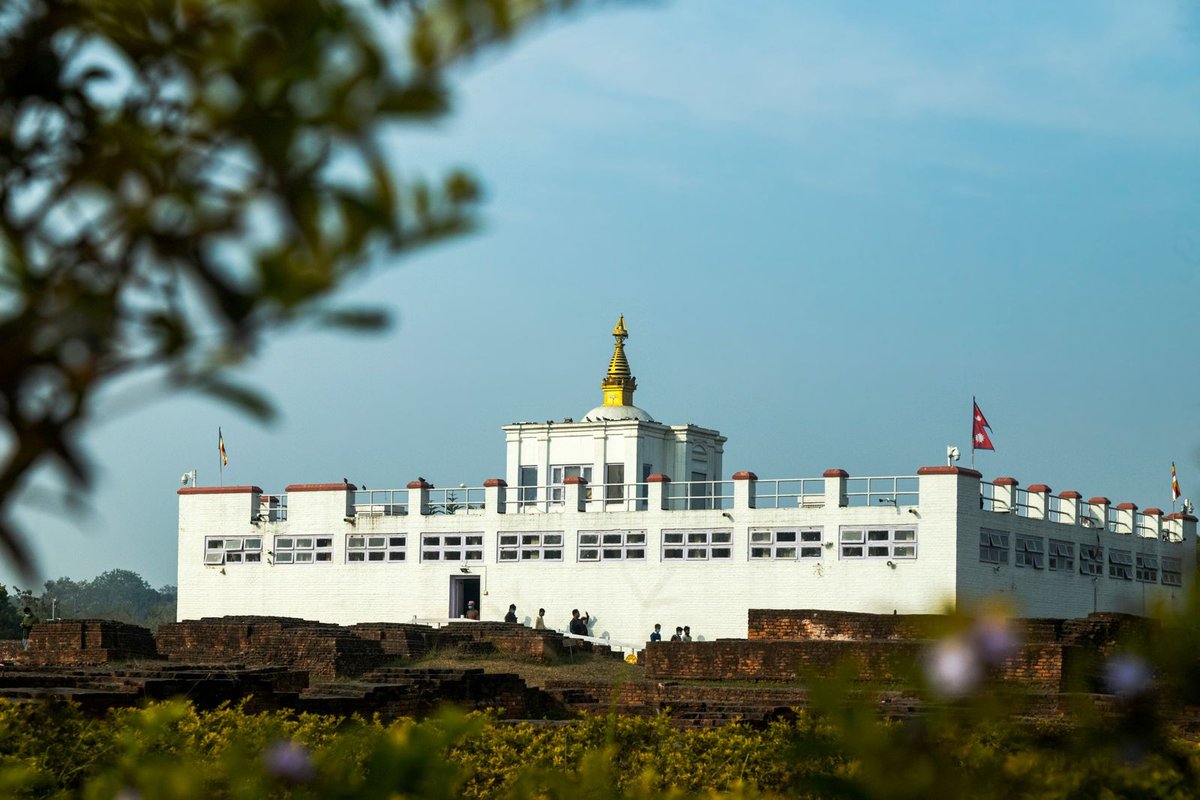
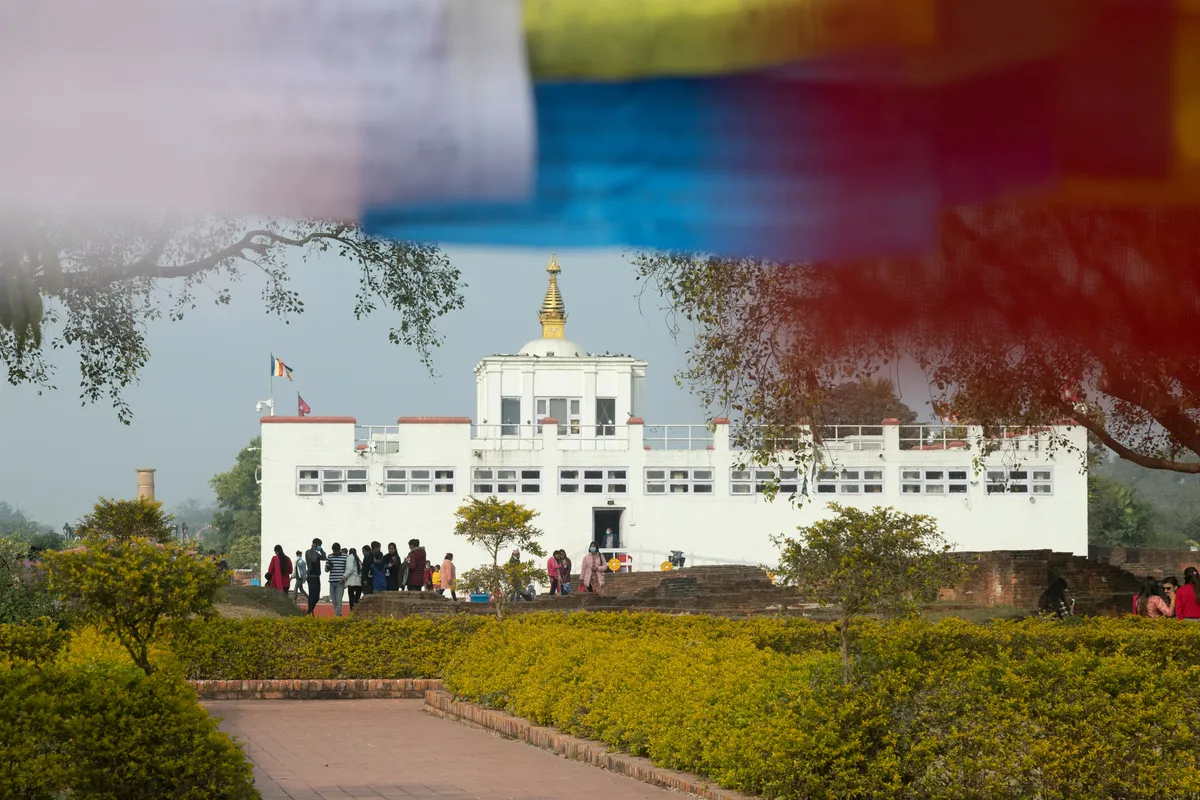
The spiritual energy of Lumbini is palpable, especially near the Maya Devi Temple, where the energy of birth and beginning permeates the ground. It is a place where the physical world meets the metaphysical, reminding us that the Buddha was, first and foremost, a human being who achieved the impossible through discipline and insight. This realization is the cornerstone of the Buddhist faith: the belief that enlightenment is accessible to all who walk the path with sincerity.
The Sacred Geography of the Terai Plains
Lumbini is situated in the Rupandehi District, a region characterized by its flat, lush terrain and subtropical climate. Unlike the towering peaks of the Himalayas that define much of Nepal's landscape, the Terai provides a serene, grounded backdrop for spiritual reflection. The geography of the region played a crucial role in the early development of Buddhist culture, providing a fertile ground for the spread of Dharma across Asia.
The site is divided into several distinct zones, each contributing to the overall spiritual experience. The core zone contains the most ancient and sacred sites, while the surrounding areas are home to an incredible array of international monasteries. This layout mirrors the journey of the Buddha himself: from the singular point of birth and origin to the expansive, universal reach of his teachings. As you traverse the site, you move from the intimate silence of the birth chamber to the grand, collective expressions of faith found in the monastic complexes.
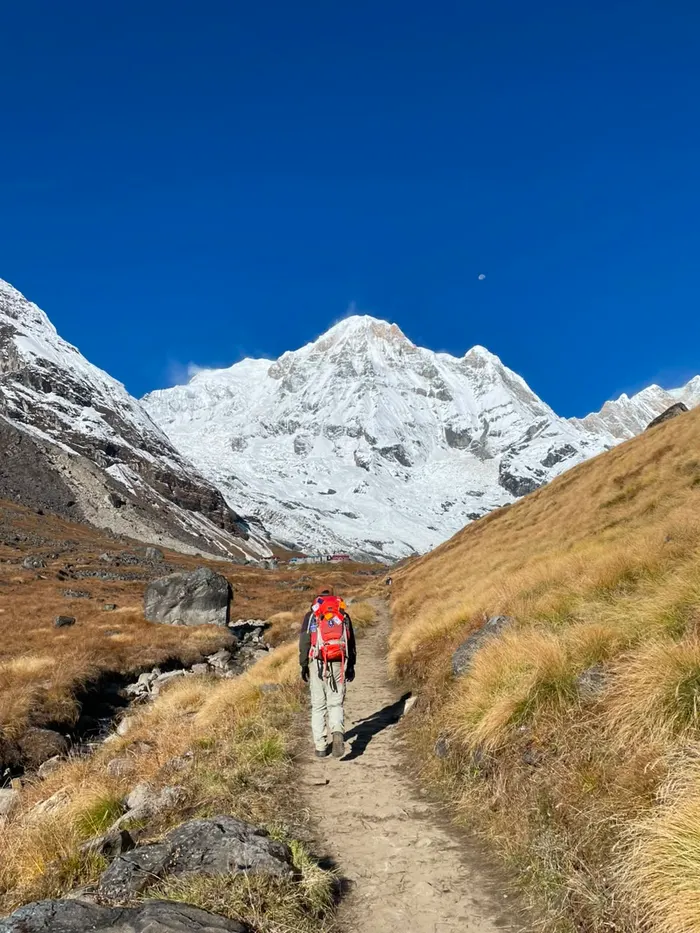
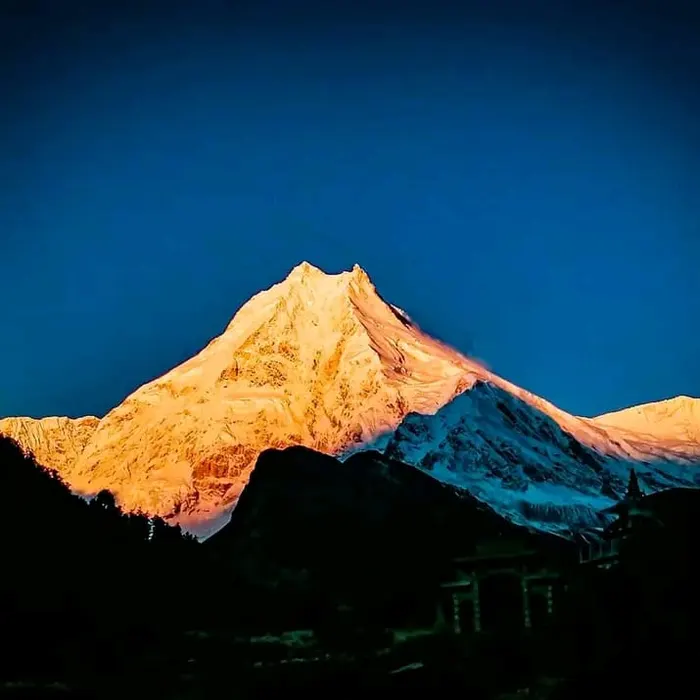
Understanding the geography of Lumbini also requires an appreciation of its connection to the wider Himalayan region. While the plains offer peace, the surrounding mountains provide a sense of protection and majesty. For those who wish to combine their pilgrimage with a deeper exploration of Nepal, we recommend our complete guide to trekking in Nepal, as many pilgrims find that the physical challenge of a mountain trek complements the mental challenge of a spiritual pilgrimage.
The landscape of Lumbini is also home to the sacred Bodhi tree, a symbol of enlightenment and the enduring presence of the Buddha's spirit. The rustle of the leaves and the shade of the branches provide a natural cathedral for meditation, where pilgrims from all over the world gather to sit in silence. This integration of nature and spirituality is a hallmark of the Buddhist path, emphasizing that the natural world is a mirror of our own internal state.
The Heart of the Journey: Maya Devi Temple and the Birthplace
The Maya Devi Temple is the undisputed center of the Lumbini pilgrimage. It is here that Queen Maya Devi is said to have given birth to Siddhartha Gautama while resting in the garden of her parents. The temple is not merely a building but a protective shell over the actual site of the birth. Upon entering the temple complex, pilgrims are greeted by an atmosphere of deep reverence, as they approach the exact spot where the journey of the Enlightened One began.
Inside the temple, a brick structure protects the remains of an ancient dwelling, which archaeological evidence suggests was the original site of birth. The process of visiting this site is often an emotional experience for pilgrims, who often kneel in prayer or meditate in silence, attempting to connect with the purity and potential that the birth of Buddha represents. The temple serves as a reminder that every human life possesses the seed of enlightenment, and that the path to peace begins with a single step of awareness.
The architecture of the Maya Devi Temple has evolved over centuries, reflecting the various eras of Buddhist revival in Nepal. From the early Mauryan period to the modern restorations supported by UNESCO, the temple has remained a constant point of pilgrimage. For those seeking a structured way to explore this site, the Lumbini Buddhist Pilgrimage package provides an expert-led immersion into the history and spirituality of the temple, ensuring that no detail of its significance is overlooked.
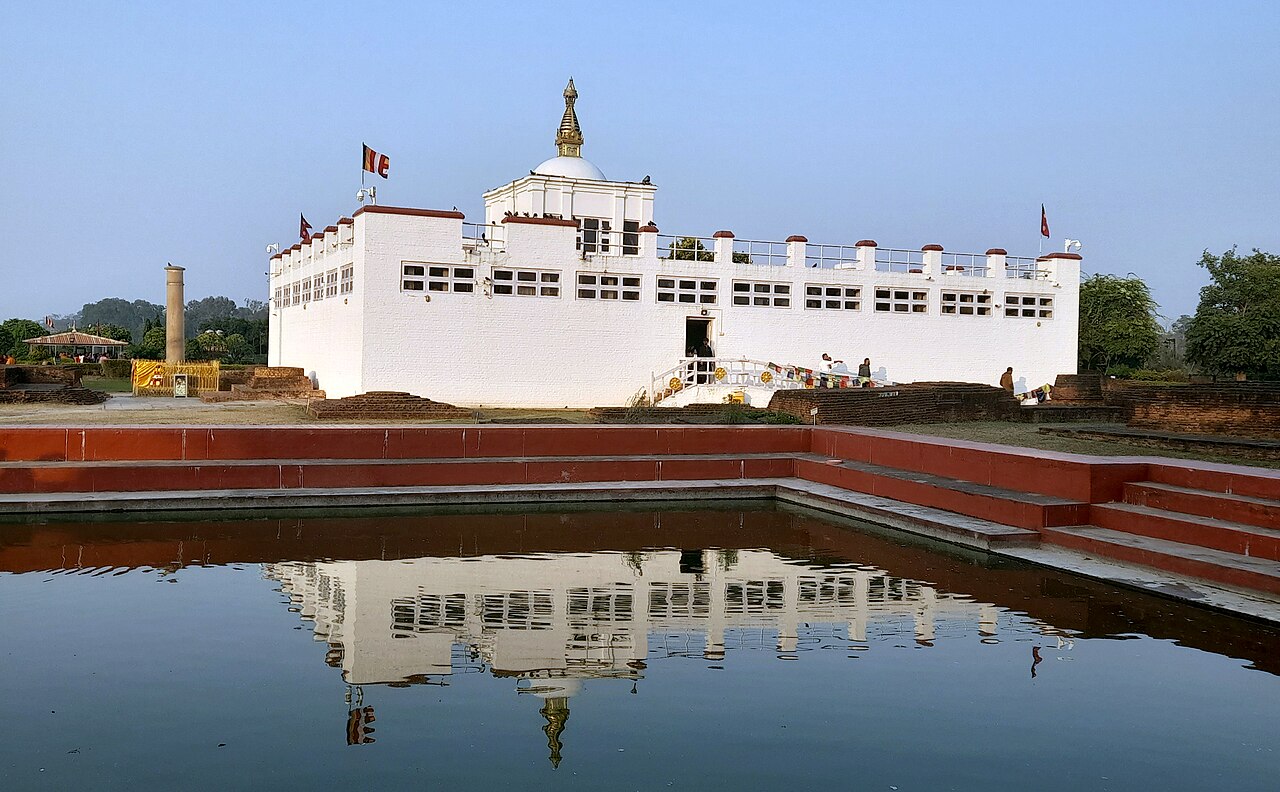
Visiting the Maya Devi Temple is most impactful during the early morning hours, when the first light of the sun touches the temple walls and the crowds are thinner. The stillness of the dawn mirrors the stillness sought in Buddhist meditation, allowing the pilgrim to feel a direct connection to the historical Buddha. It is in this silence that the lessons of detachment and compassion become most clear, transforming a simple visit into a life-altering spiritual encounter.
The Ashoka Pillar: Historical Validation of the Enlightened One
Standing as a sentinel of history, the Ashoka Pillar is one of the most significant artifacts in the Buddhist world. Erected by the Mauryan Emperor Ashoka in the 3rd century BCE, the pillar serves as a permanent record of the Buddha's birth in Lumbini. For centuries, the pillar was the primary evidence that this specific location was indeed the birthplace of Siddhartha Gautama, providing a physical and historical anchor for the faith.
The inscription on the pillar is a masterpiece of ancient diplomacy and devotion. It details Ashoka's visit to the site and his desire to honor the place where the Great Sage was born. This act of validation was crucial in the spread of Buddhism, as it transformed a local tradition into a globally recognized historical fact. Today, the pillar stands as a symbol of the intersection between political power and spiritual humility, reminding us that even the most powerful emperors found solace in the teachings of the Buddha.
The pillar is not just a relic but a point of contemplation. As you stand before it, you are standing in the same spot where an emperor once stood, humbled by the simplicity of the Buddha's life. This continuity of time and faith is what makes the Ashoka Pillar so potent. It bridges the gap between the ancient world and the present, showing that the search for truth is a universal and timeless human endeavor.
For those interested in the broader context of heritage and pilgrimage, the complete 2026 guide to heritage and pilgrimage explores how the Ashoka Pillar fits into the wider network of sacred sites across Nepal, linking the Terai plains to the ancient cities of the Kathmandu Valley.


The Holy Pushkarini Pond: Rituals of Purification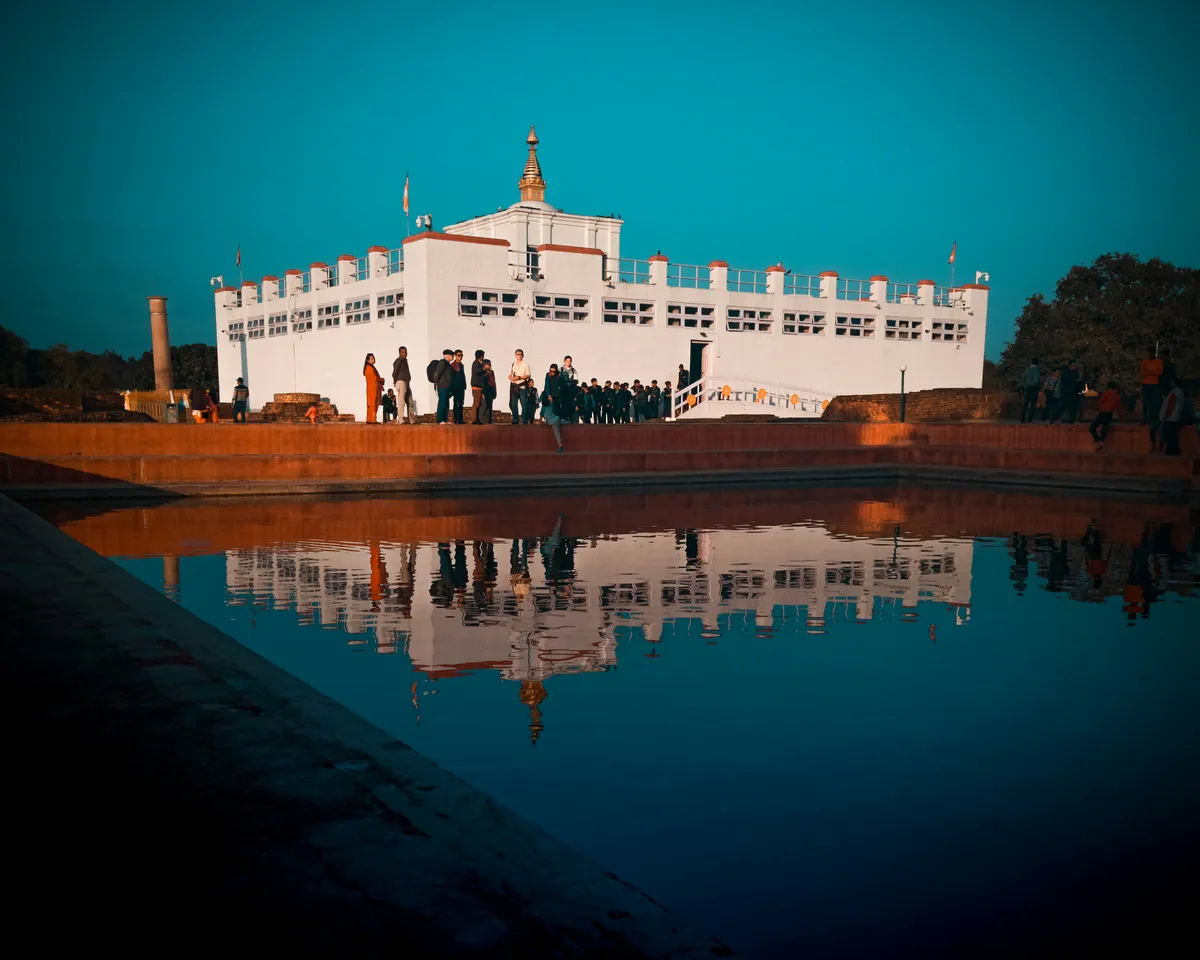
Near the Maya Devi Temple lies the Pushkarini, also known as the Holy Pond. According to tradition, this is the pond where Queen Maya Devi bathed before giving birth to Siddhartha, and where the newborn Buddha was given his first ritual bath. In the Buddhist tradition, water is a symbol of purification, clarity, and the washing away of worldly attachments.
The Pushkarini Pond is a place of profound tranquility. Many pilgrims spend time here performing ritual ablutions or simply sitting by the water's edge in contemplation. The act of bathing in these sacred waters is seen as a way to cleanse the mind and spirit, preparing the pilgrim for the deeper insights they hope to gain during their visit. The reflection of the sky in the still waters of the pond serves as a metaphor for the mind in a state of meditation: clear, calm, and reflective of the truth.
The pond is surrounded by lush greenery and the soft sounds of nature, making it an ideal spot for those practicing mindfulness. By focusing on the sound of the water and the feeling of the breeze, pilgrims can anchor themselves in the present moment, which is the core of all Buddhist practice. This connection to the elements is a vital part of the Lumbini experience, reminding us that spirituality is not separate from nature but is deeply embedded within it.
For those who wish to integrate these rituals of purification into a larger journey, the Golden Triangle tour offers a comprehensive approach, combining the serenity of Lumbini with the vibrant spiritual energy of other key Nepalese destinations. You can explore this further via our Golden Triangle with Lumbini tour package, which is designed for those seeking a holistic spiritual awakening.
The Global Monastic Zone: A Tapestry of Buddhist Architecture
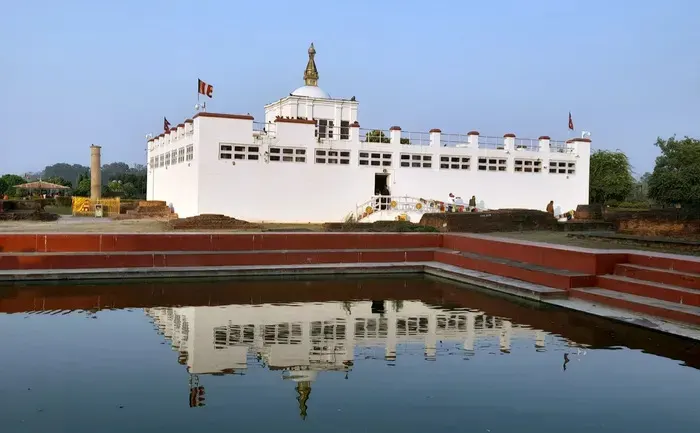
One of the most striking features of modern Lumbini is the Monastic Zone, an area where different nations have built monasteries and temples to honor the Buddha. This zone is a living museum of Buddhist architecture, showcasing the diverse ways in which different cultures interpret and express their devotion. From the ornate, gilded structures of Thailand to the austere, stone-carved temples of Tibet, the Monastic Zone is a testament to the universal appeal of the Buddha's message.
The Thai Monastery, with its shimmering spires and intricate wood carvings, reflects the elegance and precision of Thai Buddhist art. In contrast, the Tibetan monastery, with its bold colors and heavy walls, speaks to the resilience and depth of the Himalayan tradition. Each monastery is not only a place of worship but also a center for study and meditation, where monks from around the world gather to preserve the ancient teachings for future generations.
Walking through the Monastic Zone is like traveling across Asia without ever leaving the plains of Nepal. You can visit the Japanese Peace Pagoda, a massive white stupa that radiates a sense of purity and global harmony, or explore the Burmese temple, which embodies the grace and serenity of the Southeast Asian tradition. This international collaboration turns Lumbini into a global village of peace, where the only common language is the pursuit of enlightenment.
The architectural diversity of the Monastic Zone also serves as a reminder of the adaptability of Buddhism. The core teachings remain the same, but the expression of those teachings changes to fit the cultural context of the people. This flexibility is what has allowed Buddhism to flourish in so many different parts of the world, making it a bridge between diverse civilizations and a common ground for shared human values.
The Wider Path: Connecting Lumbini to the Spiritual Heart of Nepal
While Lumbini is the starting point, the path of the Buddha in Nepal extends far beyond the Terai plains. To fully understand the spiritual landscape of the country, pilgrims often connect their visit to Lumbini with the sacred sites of the Kathmandu Valley. The journey from the birthplace to the heart of the capital is a transition from the quietude of origin to the vibrancy of living faith.
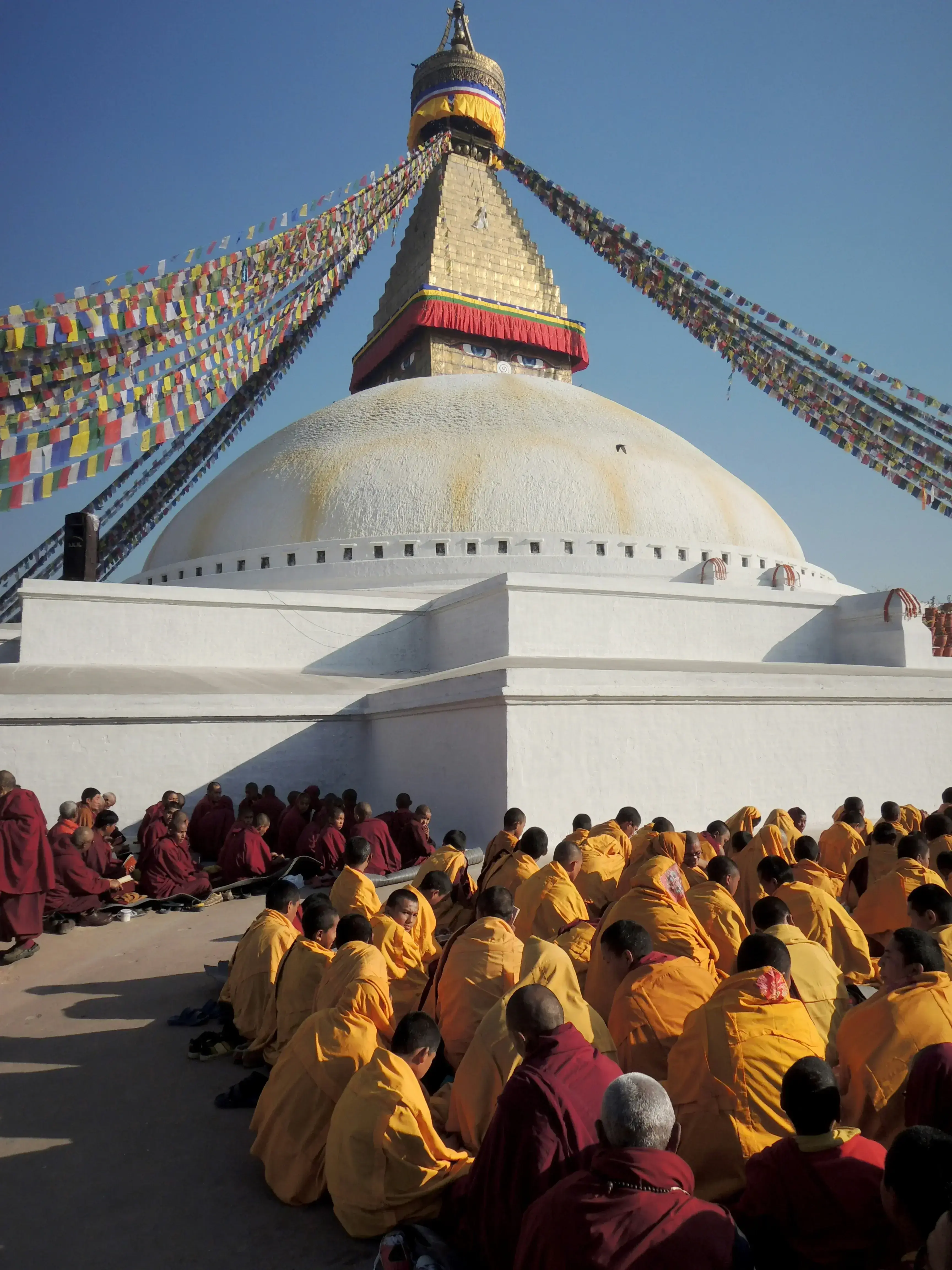
In Kathmandu, the Boudhanath Stupa stands as one of the largest spherical stupas in the world, acting as a focal point for the Tibetan Buddhist community. The clockwise circumambulation of the stupa, accompanied by the spinning of prayer wheels, is a powerful ritual that mirrors the circular nature of existence and the continuous cycle of rebirth and liberation. Similarly, the Swayambhunath Stupa, perched atop a hill, offers a panoramic view of the city and a space for deep meditation, reminding us of the omnipresence of the Buddha's wisdom.
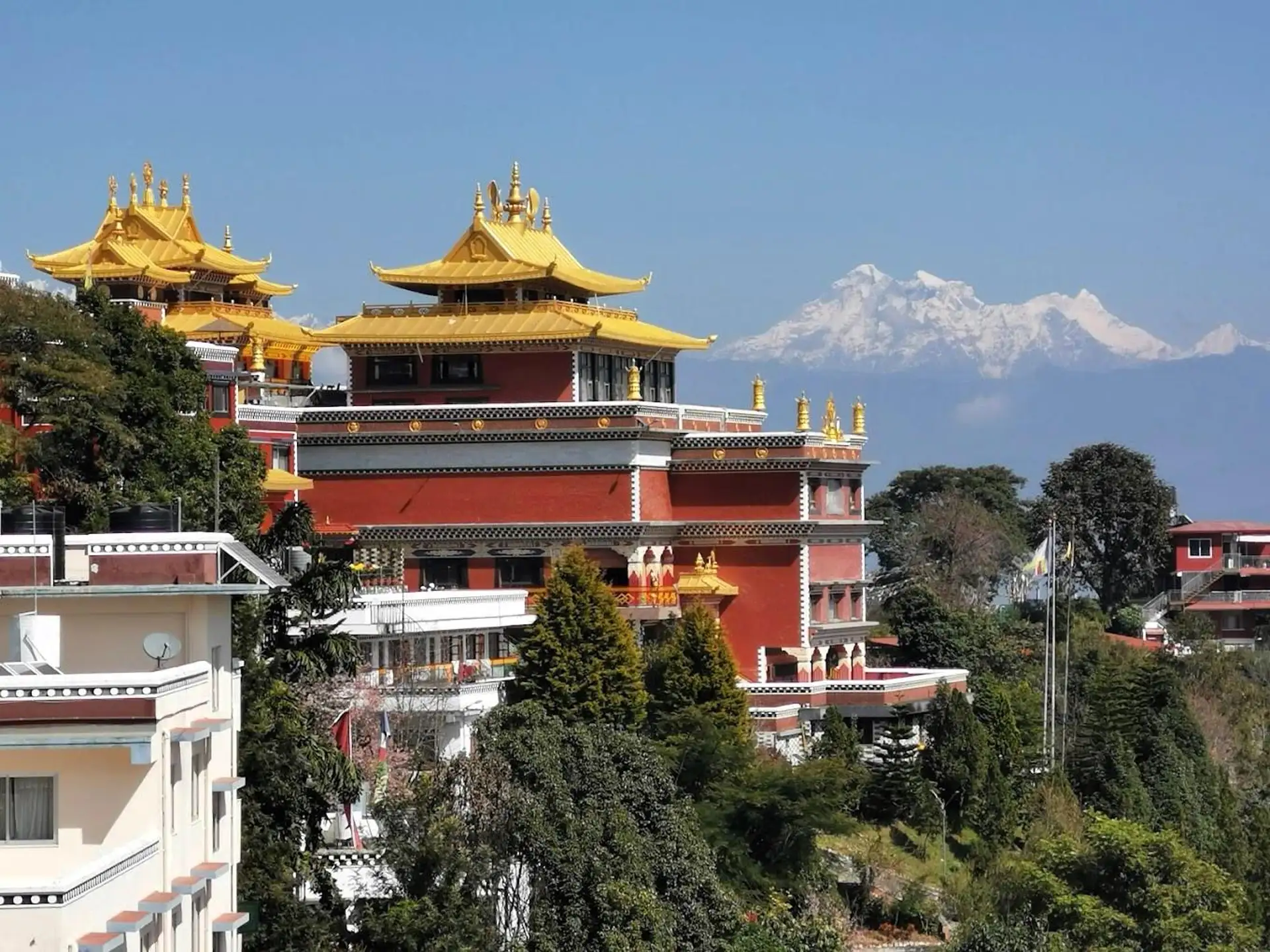
For those seeking a more secluded experience, Namobuddha is a destination of immense power. It is the site where the Buddha, in a previous life as a monkey, offered his body to a hungry tigress out of pure compassion. This story of ultimate sacrifice is etched into the very rocks of the mountain, providing a stark and moving lesson in the nature of altruism and the erasure of the ego. Combining these sites with a visit to Lumbini creates a complete spiritual circuit, taking the pilgrim from birth to sacrifice to enlightenment.
Integrating these locations into a single itinerary requires careful planning and expert guidance. This is why many choose to book a comprehensive spiritual tour in Nepal, which ensures that the transitions between these high-energy sites are handled with care, allowing the pilgrim to maintain their inner balance throughout the journey.
Explore more of Nepal's spiritual landscape through these related journeys: Lumbini pilgrimage guide, Muktinath spiritual circuit, treks with a spiritual side, helicopter pilgrimage and trek combos, major festivals of Nepal, Boudhanath Stupa guide, spiritual tour in Nepal hub, Spiritual Tour in Nepal 2026, and spiritual wellness travel in Nepal.

Planning Your Spiritual Pilgrimage: Practical Guide for 2026
A successful pilgrimage to Lumbini requires more than just a ticket and a hotel booking: it requires a mindset of preparation and respect. The Terai region has a climate that differs significantly from the highlands, and understanding these dynamics is key to a comfortable and meaningful visit.
Best Time to Visit
The ideal windows for visiting Lumbini are during the autumn (October to November) and the spring (February to March). During these months, the weather is mild, and the landscape is lush and green. The autumn period is particularly special as it coincides with several Buddhist festivals and the end of the monsoon season, when the air is crisp and the visibility is high. Avoiding the peak heat of May and June is recommended, as the humidity in the plains can be taxing for those not accustomed to subtropical climates.
How to Get There
Lumbini is most easily accessed via the city of Bhairahawa. For international travelers, flying from Kathmandu to Gautam Buddha International Airport in Bhairahawa is the fastest option, taking about 45 minutes. Alternatively, for those who prefer the scenic route, a private AC vehicle from Pokhara or Kathmandu allows you to witness the changing landscape of Nepal, from the foothills of the mountains to the flat plains of the south. Enticing Himalayas provides seamless transfers, ensuring that the logistics of the journey do not interfere with the spiritual focus of the pilgrimage.
Etiquette and Dress Code
Respect is the cornerstone of any visit to a sacred site. In Lumbini, this means dressing modestly. Both men and women are encouraged to cover their shoulders and knees. Loose, breathable cotton clothing is recommended to stay cool while remaining respectful. Additionally, removing shoes before entering temples and monasteries is mandatory. It is also important to be mindful of the silence in meditation zones, avoiding loud conversations and using electronics sparingly to maintain the sanctity of the environment.
Packing List for Pilgrims
- Comfortable Walking Shoes: You will be spending a lot of time on your feet exploring the vast grounds of the monastic zone.
- A Personal Journal: To record insights, reflections, and the emotional impact of the journey.
- Meditation Cushion or Mat: While many sites provide space, having your own portable mat allows you to find a spot for mindfulness anywhere.
- Sun Protection: The Terai sun can be intense: bring a wide-brimmed hat, high-SPF sunscreen, and a reusable water bottle.
- Lightweight Scarf: Useful for both sun protection and as a respectful cover for shoulders when entering temples.
Curated Buddhist Pilgrimage Packages with Enticing Himalayas
To ensure that your journey to the birthplace of the Buddha is as rewarding as possible, Enticing Himalayas has designed specific packages that balance spiritual depth with logistical comfort. We believe that the quality of the journey is as important as the destination, which is why our tours are led by guides who are not only experts in history but also practitioners of the philosophy they describe.
Lumbini Buddhist Pilgrimage: Birthplace of Buddha (3 Days)
This focused itinerary is perfect for those who want a deep dive into the core of Lumbini without a long time commitment. Over three days, you will explore the Maya Devi Temple, the Ashoka Pillar, and the Pushkarini Pond in detail. The package includes private AC transfers from Kathmandu or Pokhara, boutique hotel stays, and a dedicated spiritual guide who will help you navigate the complex history of the site. This package is designed for the seeker who wants to strip away the noise and focus entirely on the energy of the birth site.
You can book the 3-day Lumbini pilgrimage package for a concentrated dose of peace and reflection.
The Golden Triangle with Lumbini Tour
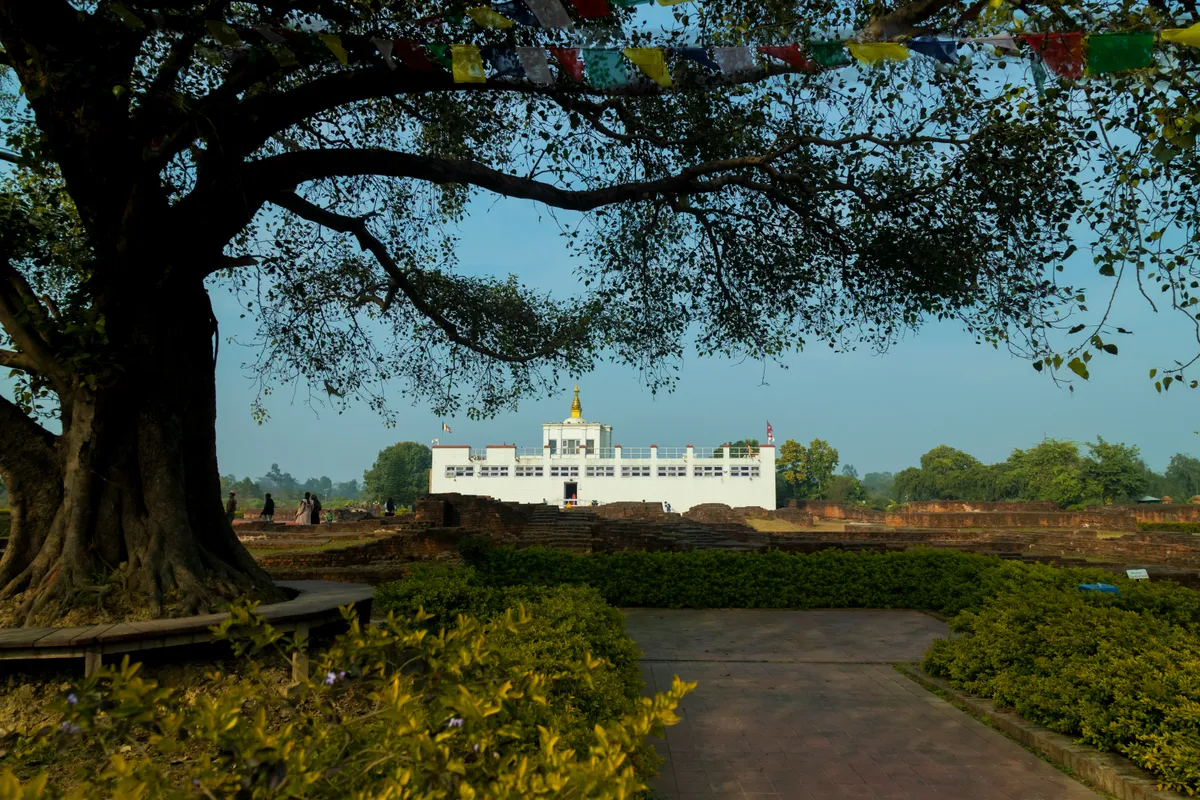
For the traveler who seeks a broader spiritual awakening, the Golden Triangle tour is the gold standard. This itinerary links the three most vital spiritual hubs of Nepal, combining the birthplace of the Buddha in Lumbini with the cultural richness of Kathmandu and the natural serenity of Pokhara. This package allows you to see the full spectrum of the Buddhist path, from its origins in the plains to its thriving presence in the mountains. It is a journey of contrast: the silence of the monasteries versus the energy of the cities, the heat of the Terai versus the cool air of the lakeside.
Discover more about this holistic journey via our Golden Triangle with Lumbini tour package, ideal for those who want the most comprehensive spiritual experience Nepal has to offer.
For those seeking even more options, Enticing Himalayas offers a range of complementary spiritual journeys: Dhulikhel - Namobuddha Spiritual Guided Hike, Nepal Cultural Pilgrimage Experience, Sacred Kathmandu Heritage Tour, Sacred Valleys and Living Goddesses, 3-Day Yoga Sound Healing Retreat, and 6-Day Yoga Stress Management Retreat.
Comparing Pilgrimage Experiences: Short vs. Extended Journeys
Choosing the right itinerary depends on your personal goals. Some pilgrims seek a quick, intense encounter with the sacred, while others want a slow, transformative journey. The table below provides a comparison to help you decide which path is right for you.
| Feature | Short Pilgrimage (3 Days) | Extended Journey (Golden Triangle) |
|---|---|---|
| Primary Focus | Lumbini Birthplace & Monastic Zone | Lumbini, Kathmandu, and Pokhara |
| Pace | Intense and Focused | Balanced and Exploratory |
| Spiritual Scope | Origins and Beginnings | Birth, Culture, and Nature |
| Ideal For | Time-constrained seekers | First-time visitors to Nepal |
| Key Highlight | Maya Devi Temple Immersion | Diverse Spiritual Circuit |