Namobuddha and the Power of Silence: A Guided Spiritual Hike in Nepal
The Call of Silence: An Introduction to Namobuddha
In the heart of the Kathmandu Valley, where the frantic energy of urban life often drowns out the whispers of the soul, there exists a sanctuary of profound stillness. Namobuddha is not merely a destination on a map, it is a state of being. For the modern traveler, the search for peace often leads to the mountains, but the journey to Namobuddha is a specific quest for silence. This guided spiritual hike is designed for those who seek to disconnect from the digital noise and reconnect with their inner essence. By combining physical exertion with mindful awareness, the path to the monastery becomes a bridge between the mundane and the divine.
The power of silence is often misunderstood as a void, but at Namobuddha, silence is a presence. It is the heavy, comforting weight of ancient stones and the light, ethereal quality of the mountain air. When you engage in a spiritual tour in Nepal, you are not just sightseeing, you are participating in a ritual of shedding. Each step away from the city is a step toward a more authentic version of yourself. The silence of the trail allows the mind to settle, turning the act of hiking into a prayer in motion.
Namobuddha stands as a beacon for pilgrims and seekers alike, offering a rare opportunity to experience the intersection of nature and enlightenment. The guided hike from Dhulikhel is carefully curated to transition the traveler from the chaos of the city to the stillness of the peak. It is an invitation to breathe, to observe, and to listen to the things that can only be heard when the world goes quiet. This is where the true journey of the soul begins.
Understanding Namobuddha: More Than Just a Monastery
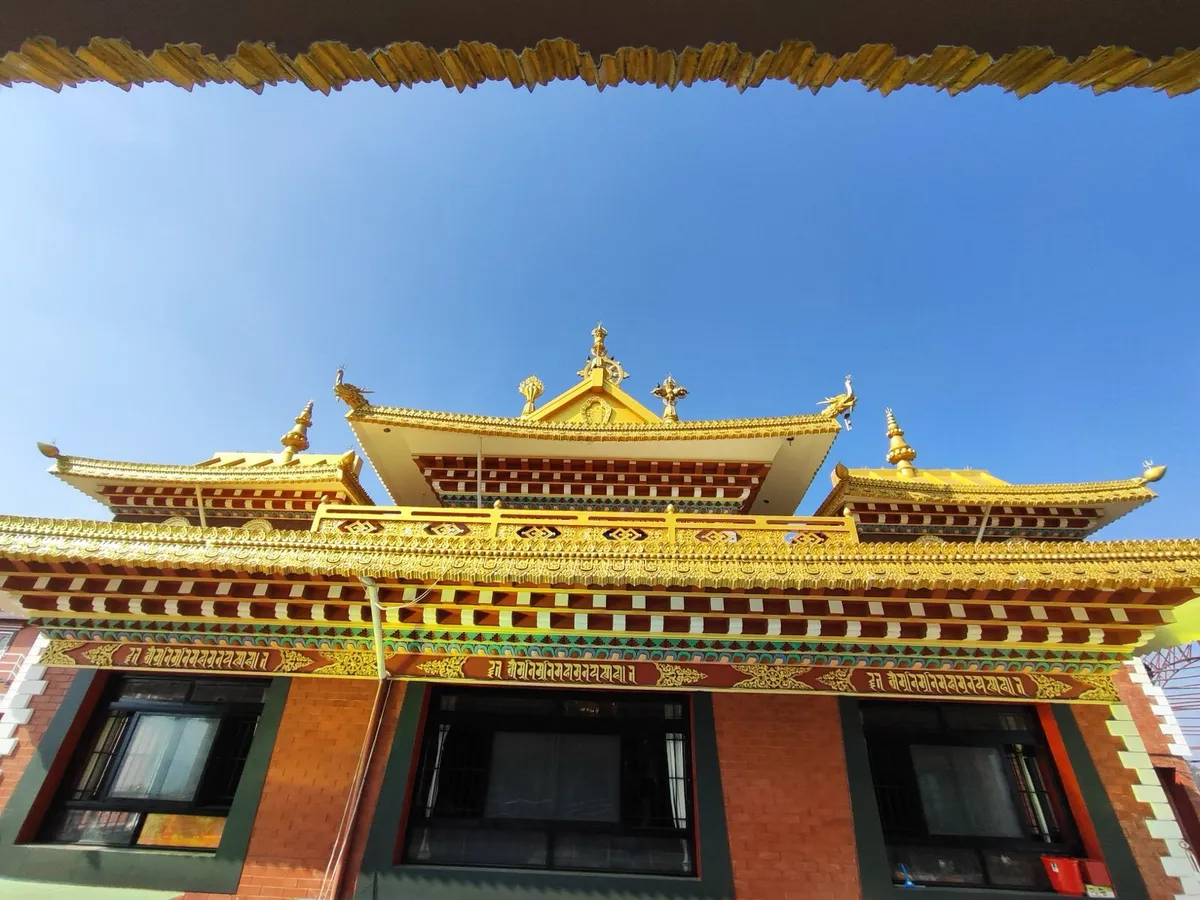
To understand Namobuddha is to understand the very essence of Buddhist compassion. Perched atop a hill, the monastery is an architectural marvel that blends seamlessly with the rugged terrain. While many visit it as a cultural curiosity, for the spiritual seeker, Namobuddha is a portal. It is one of the most sacred sites in Nepal, revered not for its scale, but for the profound lesson of self-sacrifice that it embodies. The monastery serves as a living museum of faith, where the rhythmic chanting of monks and the spinning of prayer wheels create a sonic landscape of peace.
The site is deeply integrated into the cultural and spiritual tours in Nepal, offering a stark contrast to the grand temples of the city. Here, the luxury is found in the simplicity of the surroundings. The air is thinner, the light is purer, and the connection to the earth is more immediate. The monastery is not just a place of worship, it is a center for study, meditation, and the cultivation of wisdom.
Visitors often find that the energy of Namobuddha is palpable long before they reach the main shrine. There is a sense of expectant stillness that encourages a slowing of the breath and a calming of the heart. By approaching the monastery through a guided hike, the transition is gradual, allowing the spirit to align with the frequency of the land. This process of alignment is crucial for anyone looking to derive the maximum benefit from their spiritual pilgrimage.
The Legend of Compassion: The Story of the Monkey
The spiritual authority of Namobuddha is rooted in a story of unimaginable generosity. According to Buddhist tradition, in a previous life, the Buddha was born as a monkey. During a time of great famine, he encountered a starving tigress and her cubs. Driven by a compassion that transcended the instinct for survival, the monkey offered his own body as food to the tigress, ensuring the survival of the predators at the cost of his own life. This act of ultimate altruism is the cornerstone of the site's sanctity, marking the spot where the sacrifice took place.
This legend serves as a powerful metaphor for the spiritual path. It teaches that true enlightenment is found through the dissolution of the ego and the embrace of universal love. When we hike toward Namobuddha, we are walking in the footsteps of this ancient lesson. The physical climb symbolizes the effort required to overcome the selfish impulses of the mind, while the destination represents the peace that comes from total surrender to the welfare of others.
For many travelers, reflecting on this story during the hike transforms the experience from a simple trek into a meditative exercise. The realization that compassion is the highest form of intelligence changes how one perceives the environment and the people they encounter along the way. The story of the monkey is a reminder that the most profound gifts are those given without expectation of reward, a philosophy that resonates deeply within the silent corridors of the Namobuddha monastery.
Why Silence is the Ultimate Tool for Spiritual Travel
In a world saturated with information and constant connectivity, silence has become a luxury. In the context of spiritual travel, silence is not the absence of sound, but the presence of awareness. When we travel to sacred sites, we often bring our internal noise with us, the endless loop of worries, plans, and judgments. Silence acts as a filter, stripping away these distractions and allowing the core of our being to surface. It is in this void that the most significant spiritual breakthroughs occur.
The practice of intentional silence during a guided hike allows the senses to sharpen. You begin to notice the subtle shift in the wind, the rhythmic beat of your own heart, and the intricate patterns of the forest floor. This heightened state of awareness is the precursor to mindfulness. By silencing the external dialogue, we create space for an internal conversation with the self and the divine. This is why silence is an integral part of any high-authority spiritual journey.
Furthermore, silence fosters a deeper connection with fellow travelers and guides. In the absence of superficial chatter, communication happens through shared presence and mutual respect. The silence shared between two people climbing a mountain is often more meaningful than hours of conversation. It is a bond of shared effort and shared awe, a silent agreement to witness the beauty of the world together without the need to categorize or describe it in words.
The Journey Begins: Leaving the Noise of Kathmandu Behind
The transition from the urban density of Kathmandu to the openness of the hills is a psychological shift as much as a geographical one. The city is a kaleidoscope of colors, sounds, and smells, a place of intense energy and constant motion. As you board the transportation for the Dhulikhel - Namobuddha Spiritual Guided Hike, you can feel the tension of the city beginning to loosen. The concrete jungle slowly gives way to terraced fields and rolling green hills, marking the start of your detoxification process.
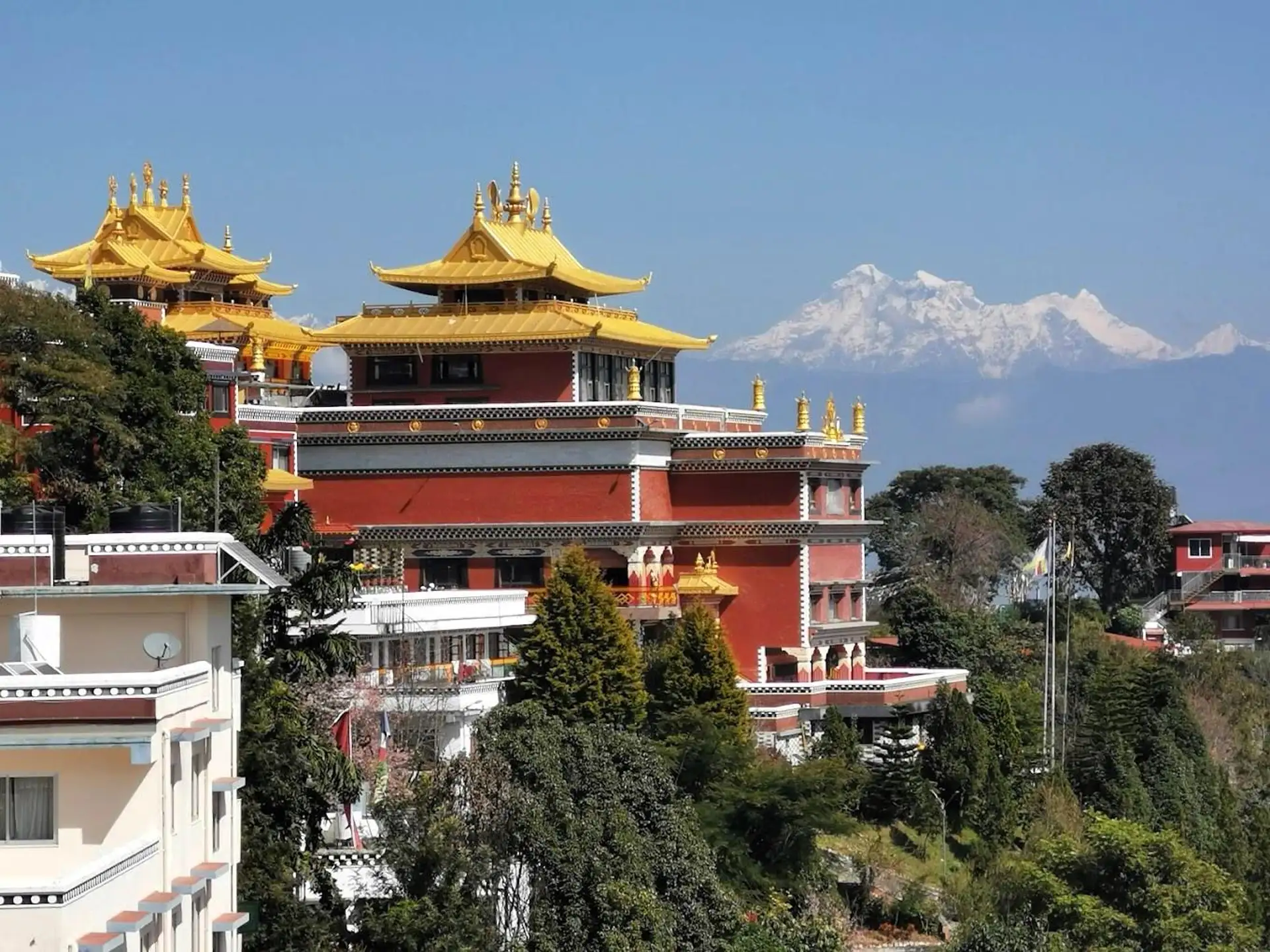
This initial phase of the journey is about decompression. The drive toward Dhulikhel allows the mind to shift gears, moving from the fast-paced rhythm of city life to the slower, more natural cadence of the countryside. Watching the landscape change through the window is a form of passive meditation, preparing the spirit for the active meditation that will follow on the trail. The air becomes cooler and fresher, clearing the lungs and the mind in preparation for the ascent.
Our experienced guides facilitate this transition, sharing insights about the geography and the spiritual significance of the region. They help the traveler move from a state of 'doing' to a state of 'being.' By the time you arrive in Dhulikhel, the noise of the city has become a distant memory, replaced by the anticipation of the silence that awaits on the slopes of Namobuddha. This intentional pacing ensures that the spiritual impact of the destination is not muted by the residual stress of the urban environment.
Dhulikhel: The Gateway to Tranquility and Panoramic Views
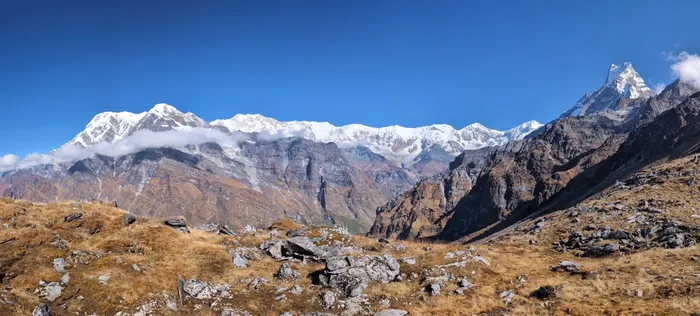
Dhulikhel is more than just a starting point; it is a sanctuary in its own right. Known for its breathtaking vistas of the Himalayan range, this town serves as a bridge between the valley floor and the high peaks. The atmosphere in Dhulikhel is one of quiet anticipation. The town is dotted with gardens and peaceful retreats, making it the perfect place to ground oneself before embarking on a spiritual hike. The panoramic views of the mountains remind the traveler of their smallness in the face of nature's grandeur, a necessary realization for any spiritual seeker.
In Dhulikhel, the concept of time begins to stretch and slow. The morning mist clinging to the hills and the golden light of the setting sun create a visual harmony that calms the nervous system. Spending time here allows the traveler to synchronize their internal clock with the natural rhythms of the earth. It is here that the intention for the hike is set, a conscious decision to embrace the silence and the challenge of the climb.
The town's commitment to peace and sustainability reflects the values of the Namobuddha monastery. As you walk through the streets of Dhulikhel, you feel a sense of communal harmony that prepares you for the monastic environment. The town is a gentle introduction to the spiritual landscape of Nepal, offering a blend of comfort and contemplation that ensures every traveler is mentally and emotionally ready for the journey toward the sacred peak.
The Spiritual Mechanics of a Guided Spiritual Hike
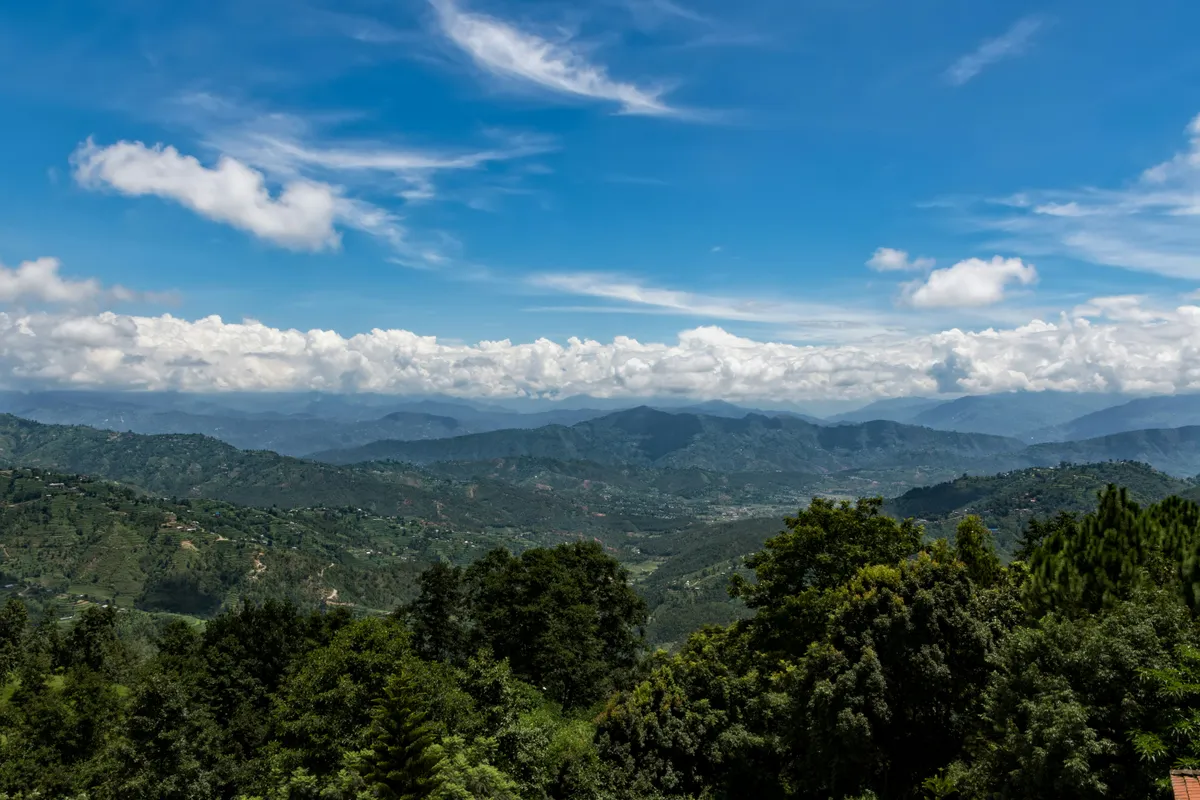
A spiritual hike is fundamentally different from a standard trek. While the physical objective is to reach a destination, the spiritual objective is the transformation that occurs during the process. The 'mechanics' of this experience involve the integration of breath, movement, and intention. Every step is viewed as an opportunity for mindfulness, a way to anchor the mind in the present moment. The guide's role is not just to navigate the terrain, but to curate the internal experience of the hiker.
The process begins with the conscious regulation of breath. By synchronizing the breath with the stride, the hiker enters a flow state where the boundary between the self and the environment begins to blur. This is a form of moving meditation that prevents the mind from wandering into the past or the future. The physical challenge of the climb acts as a catalyst for mental clarity, as the body's effort forces the mind to focus on the immediate task of survival and progress.
Intentionality is the third pillar of the spiritual hike. Before starting, travelers are encouraged to set a 'Sankalpa' or a spiritual intention, such as seeking forgiveness, finding clarity, or cultivating gratitude. Throughout the hike, this intention acts as a North Star, guiding the internal dialogue and giving meaning to the physical exertion. When the physical effort is aligned with a spiritual purpose, the hike becomes a powerful tool for personal evolution, far exceeding the benefits of a typical exercise routine.
Traversing the Sacred Landscapes of the Kathmandu Valley
The trail from Dhulikhel to Namobuddha is a tapestry of natural beauty and cultural heritage. As you traverse the lush landscapes, you pass through terraced fields that have been tended by generations of farmers, embodying the enduring relationship between the people of Nepal and their land. The green valleys and hidden streams provide a sensory richness that grounds the traveler, reminding them of the biological foundations of all spiritual life.
Each segment of the path offers a different lesson. The flat stretches allow for a reflective pace, where the mind can process the silence and the scenery. The steep climbs challenge the will, demanding a level of presence and determination that strips away the ego. Walking through small villages along the way provides glimpses into the authentic, slow-paced life of the rural Kathmandu Valley, where spirituality is not a scheduled activity but a way of existing in the world.
The air is filled with the scent of pine and wildflowers, and the sounds of nature, from the distant call of a mountain bird to the rustle of leaves, become the only music. This immersion in nature is an essential part of the spiritual process, as it removes the artificial barriers we build around ourselves. By the time the monastery comes into view, the hiker has been systematically cleansed of urban residue, their senses primed to receive the high-frequency energy of the sacred site.
The Ascent: Physical Effort as a Form of Moving Meditation
There is a profound spiritual alchemy that occurs when the body is pushed to its limits in a sacred environment. The ascent to Namobuddha is designed to be challenging, not for the sake of difficulty, but to trigger a specific mental state. When the muscles ache and the breath becomes heavy, the mind is forced to abandon its conceptual distractions. You cannot worry about your email or your social status when you are fighting for a breath of air on a steep incline. This is the 'stripping' process of the spiritual hike.
In this state of physical exertion, the ego begins to dissolve. The struggle of the climb becomes a metaphor for the struggles of life, and the act of persisting despite the difficulty becomes a lesson in resilience and faith. The hiker learns to embrace the discomfort, transforming it from a source of frustration into a source of strength. This is where the physical hike becomes a spiritual practice, turning the mountain into a teacher and the path into a classroom.
The rhythm of the climb creates a hypnotic effect, a steady beat of footfalls that mimics the drumming of a ritual. As the peak draws closer, the sense of accomplishment is not merely physical, but emotional. The effort invested in the climb increases the value of the destination. Reaching the monastery after a period of intense exertion ensures that the peace found at the top is not just a superficial feeling, but a hard-won sanctuary that the traveler will cherish and remember long after the journey ends.
Arriving at Namobuddha: The Energy of the Sacred Peak
The moment the monastery of Namobuddha appears on the horizon, there is a shift in the atmosphere. The energy of the peak is distinct, characterized by a purity and a stillness that feels almost electric. As you enter the sacred grounds, the physical fatigue of the hike is often replaced by a surge of spiritual vitality. This is the result of the alignment between the hiker's effort and the site's intrinsic energy. The arrival is a climax of the journey, a moment of total presence where the external world falls away.
The peak of Namobuddha is considered a thin place, a location where the veil between the physical and spiritual realms is particularly permeable. Many visitors report a feeling of sudden clarity or an overwhelming sense of peace upon arrival. This is not accidental, it is the culmination of the guided hike's design. By stripping away the noise through silence and exertion, the traveler has become a sensitive instrument capable of perceiving the subtle vibrations of the sacred space.
Standing at the highest point, looking out over the Kathmandu Valley, the hiker experiences a perspective shift. The vastness of the landscape reflects the vastness of the enlightened mind. The realization that one has climbed from the noise of the valley to the silence of the peak creates a powerful internal narrative of ascent and achievement. It is a moment of profound gratitude, where the simple act of being alive and present is enough to fill the heart with joy.
Exploring the Monastery: Architecture, Art, and Devotion
The Namobuddha monastery is a masterpiece of spiritual architecture, designed to facilitate a journey from the outer world to the inner self. As you explore the grounds, you will notice the intricate carvings, the vibrant murals, and the timeless quality of the stone work. Every element of the design is intentional, aimed at evoking a sense of awe and reverence. The layout of the monastery encourages a circular movement, mimicking the cycle of life, death, and rebirth, and guiding the visitor toward the central shrine of the Buddha.
The art within the monastery is not merely decorative, it is instructional. The murals depict the lives of the Buddhas and the stories of the Bodhisattvas, serving as visual reminders of the path to enlightenment. The colors are bold yet harmonious, reflecting the balance between the passion of the human experience and the serenity of spiritual liberation. Observing these artworks in the silence of the monastery allows the traveler to absorb the lessons without the interference of intellectual analysis.
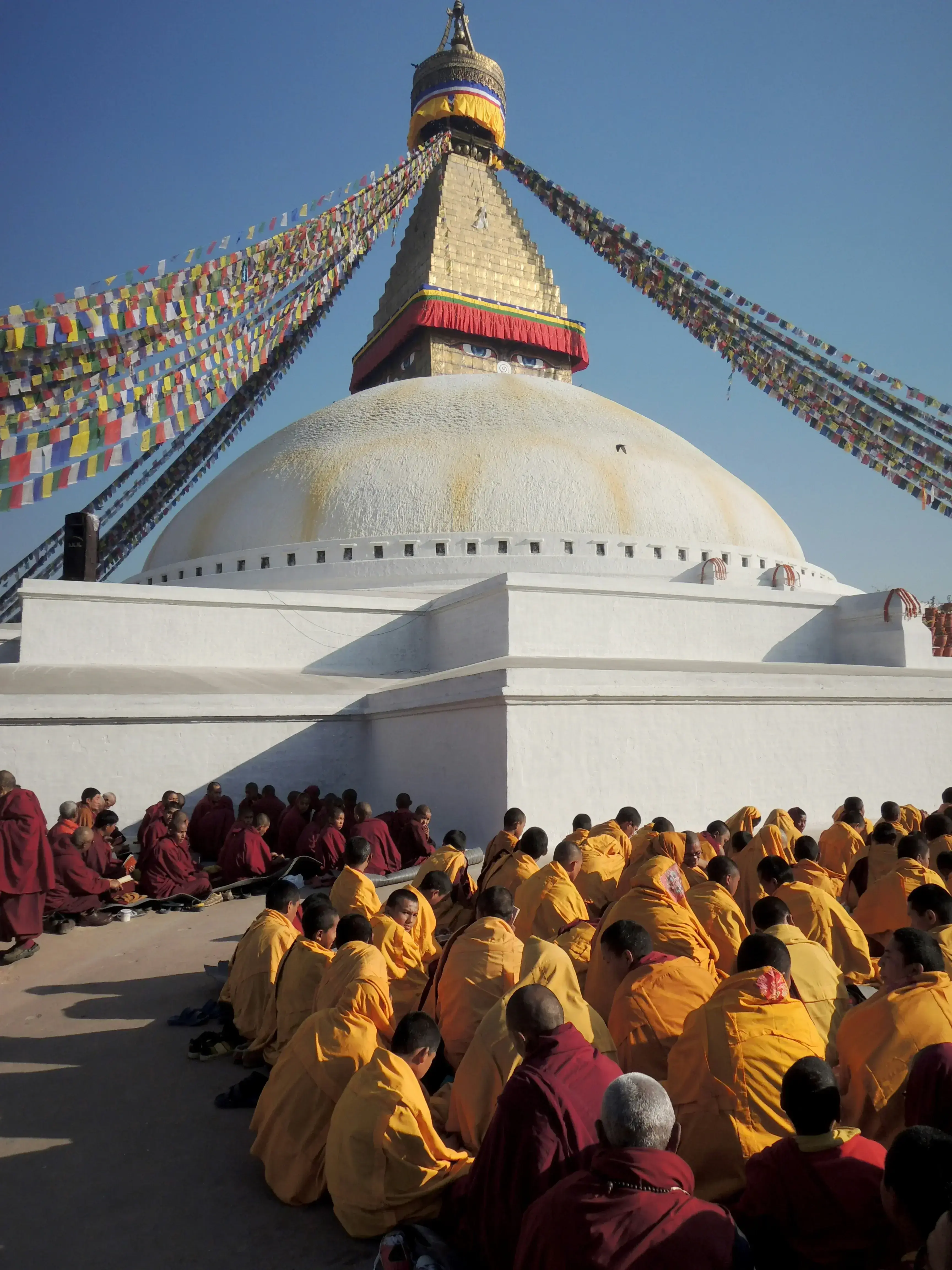
The presence of the monks adds a layer of living tradition to the site. Their disciplined movements, the scent of incense, and the low hum of chanting create an environment of deep devotion. To witness the monks in their daily rituals is to see the embodiment of the silence that the hiker has been pursuing. The monastery is a place where the ancient laws of dharma are still practiced with fervor and precision, making it a beacon of authenticity in an increasingly commercialized world.
The Art of Mindfulness: Walking Meditation Techniques
One of the core components of the guided spiritual hike is the introduction of walking meditation. Unlike traditional seated meditation, walking meditation integrates the practice into the movement of the body. The objective is to become fully aware of the physical sensation of walking, transforming each step into an act of consciousness. On the trails to Namobuddha, this technique is used to maintain the state of presence and to prevent the mind from slipping back into its habit of distraction.
The practice involves focusing on the four stages of a step: lifting the foot, moving it forward, placing it on the ground, and shifting the weight. By directing the entire focus of the mind to these micro-movements, the hiker anchors themselves in the 'now.' This prevents the mental chatter that often accompanies physical effort, turning the hike into a continuous stream of mindfulness. When the mind wanders, it is gently brought back to the sensation of the foot meeting the earth.
This technique is particularly effective when combined with the natural beauty of the Nepalese landscape. The hiker learns to observe the environment without judging it, seeing the trees, rocks, and sky as extensions of their own awareness. Walking meditation transforms the path into a mirror, reflecting the internal state of the traveler. As the hike progresses, the boundary between the walker and the walk disappears, and the journey becomes a seamless experience of pure existence.
Deepening the Experience: Optional Meditation with Monks
For those who wish to move beyond the introductory stages of silence, the Dhulikhel - Namobuddha Spiritual Guided Hike offers the rare opportunity to participate in a meditation session led by seasoned monks. This is not a casual exercise, but a deep dive into the monastic traditions of mindfulness. Under the guidance of a monk, the traveler is taught how to enter a state of deep stillness, using the energy of the monastery as a support for their practice.
The meditation sessions typically take place in the quietest corners of the monastery, where the silence is most profound. The monks guide the participants through breathing techniques and mental visualizations designed to dissolve the ego and open the heart. This experience allows the traveler to access levels of peace that are rarely achievable on their own. The presence of the monk acts as a spiritual catalyst, helping the participant navigate the challenges of the silent mind with grace and ease.
The impact of these sessions often extends far beyond the duration of the hike. By learning the tools of monastic meditation, the traveler gains a portable sanctuary that they can carry back to their daily life. The ability to summon a state of deep stillness amidst the chaos of the city is the ultimate gift of the Namobuddha experience. It is a transformation that turns a simple vacation into a life-altering spiritual initiation.
The Role of Silence in Modern Mental Healing and Wellness
In the contemporary era, we are facing an epidemic of noise, not just acoustic noise, but cognitive noise. The constant stream of notifications and the pressure of productivity have left many in a state of chronic stress and mental fragmentation. This is why spiritual hikes like the one to Namobuddha are becoming essential tools for mental health. Silence is not just a spiritual preference, it is a biological necessity for the brain to recover from sensory overload and to restore its capacity for deep focus.
The process of 'digital detoxing' that occurs during the hike allows the prefrontal cortex to rest and the parasympathetic nervous system to engage. This reduces cortisol levels and promotes a sense of emotional stability. When combined with the physical activity of hiking and the spiritual environment of the monastery, the effect is a comprehensive 'reset' of the human system. It is a holistic approach to wellness that addresses the mind, body, and spirit simultaneously.
Furthermore, the experience of silence helps in the processing of suppressed emotions. In the stillness of the mountain, the things we have been avoiding in the noise of the city often surface. Instead of being overwhelmed, the supportive environment of the guided hike allows these emotions to be observed and released. This emotional alchemy is a key part of the healing process, making Namobuddha a destination for those seeking not just peace, but profound psychological renewal.
Navigating Local Culture and Traditions Around Namobuddha
The spiritual journey to Namobuddha is enriched by the vibrant local culture of the surrounding villages. The people of the Kathmandu Valley have a deeply integrated relationship with their faith, where the sacred and the profane exist side by side in a harmonious balance. By interacting with the locals, the traveler gains a deeper understanding of how spirituality manifests in the daily lives of the Nepalese people. This cultural immersion provides a necessary groundedness to the high-altitude spiritual experience.
One of the most striking aspects of the local culture is the concept of 'guest as god.' The warmth and hospitality extended to travelers are reflections of the Buddhist principle of loving-kindness. From the simple pleasure of a cup of tea in a village home to the shared smiles of farmers in the fields, these interactions are reminders of the universal connection that binds all sentient beings. The guides help bridge the gap between the visitor and the local, ensuring that interactions are respectful and mutually enriching.
Understanding the local traditions also involves recognizing the significance of the prayer flags that flutter in the wind across the landscape. These flags are not just decorations, they are prayers sent into the world on the breath of the wind. By learning the meaning behind these symbols, the traveler begins to see the entire region as a living prayer, a landscape that is continuously sanctified by the faith and devotion of its people. This realization adds a layer of depth to the hike, making every vista a spiritual encounter.
Comparing Namobuddha with Other Spiritual Hubs in Nepal
Nepal is a land of diverse spiritual energies, and while Namobuddha is unique, it is helpful to understand how it compares to other major hubs. While the cities offer grand temples and intense devotion, Namobuddha offers the luxury of space and silence. For those seeking a comprehensive experience, integrating various sites into a best trekking agency in Nepal itinerary allows for a balanced spiritual diet.
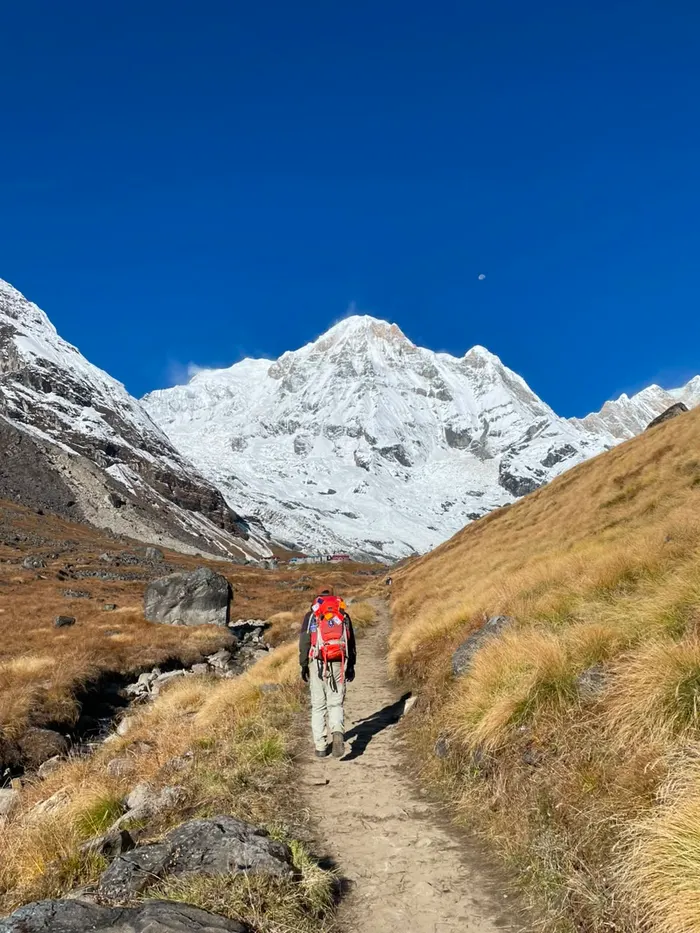
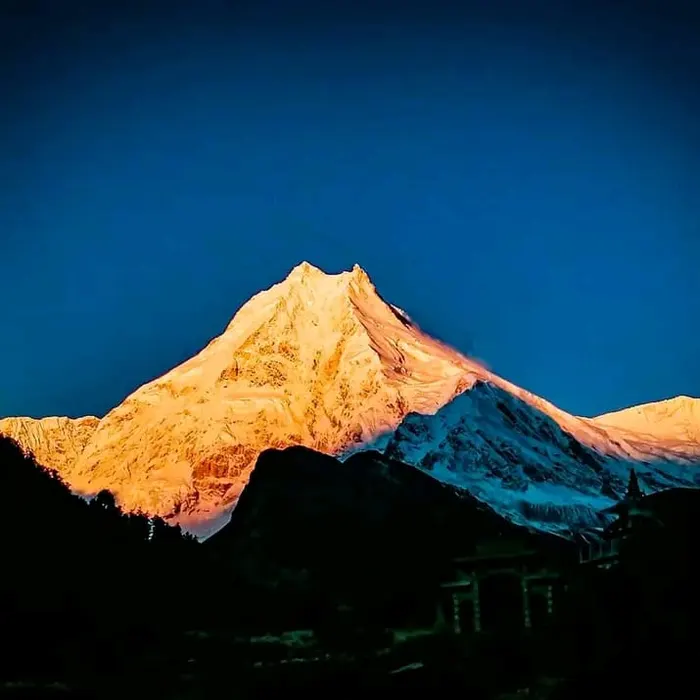
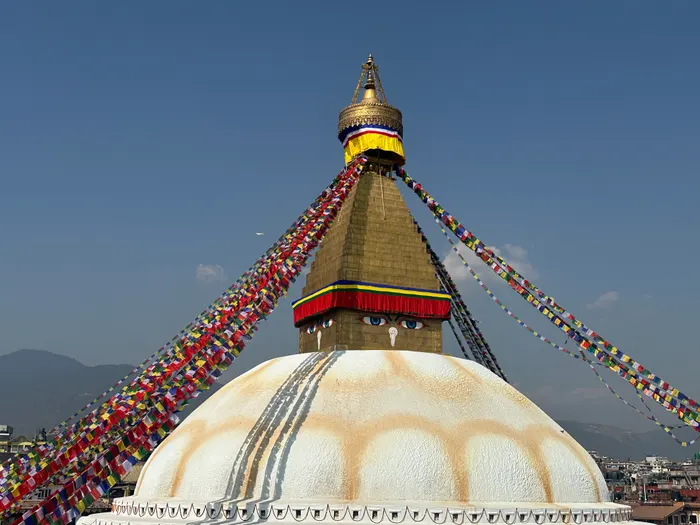
Explore more of Nepal's spiritual landscape through these related journeys: Lumbini pilgrimage guide, Muktinath spiritual circuit, treks with a spiritual side, helicopter pilgrimage and trek combos, major festivals of Nepal, Boudhanath Stupa guide, spiritual tour in Nepal hub, and spiritual wellness travel in Nepal.
| Feature | Namobuddha | Boudhanath / Swayambhunath | Lumbini (Birthplace of Buddha) |
|---|---|---|---|
| Primary Energy | Deep Silence & Self-Sacrifice | Active Devotion & Community | Peaceful Origin & Pilgrimage |
| Setting | Remote Mountain Peak | Urban Center | Spacious Gardens / Plains |
| Core Activity | Guided Hike & Meditation | Kora (Circumambulation) | Contemplation & Study |
| Crowd Level | Low to Moderate | High | Moderate to High |
| Best For | Introspection & Healing | Cultural Immersion | Historical & Spiritual Roots |
Essential Gear and Mental Preparation for the Hike
To fully embrace the power of silence, one must ensure that the physical body is well-supported. The hike from Dhulikhel to Namobuddha requires a balance of functionality and comfort. The most critical piece of gear is a pair of sturdy, broken-in hiking boots with good ankle support. Because the terrain can be rugged and the ascent steep, proper footwear prevents injury and allows the mind to stay focused on the meditation rather than the pain in the feet.
Clothing should be layered to accommodate the shifting temperatures of the mountain. A moisture-wicking base layer, a warm fleece, and a windproof outer shell are essential. Since the journey involves a spiritual focus, many travelers find it helpful to carry a small journal or a sketchbook to record their insights during the periods of silence. A reusable water bottle is mandatory to stay hydrated, as the physical effort of the climb can be taxing on the body.
Mental preparation is just as important as physical gear. Travelers are encouraged to spend the 24 hours before the hike in a state of relative quiet, reducing their screen time and practicing basic breathing exercises. This 'pre-tuning' of the mind makes the transition to the silence of the trail much smoother. Approaching the hike with a spirit of openness and a willingness to be challenged is the best way to ensure that the experience is transformative.
The Ideal Season for Maximum Serenity and Clarity
Timing is everything when it comes to a spiritual journey. The weather in the Kathmandu Valley significantly affects the energy of the hike and the clarity of the views. For those seeking the absolute pinnacle of serenity, the autumn months (October and November) are unparalleled. During this period, the monsoon rains have washed the air clean, leaving the skies a brilliant, cloudless blue and the mountains in sharp, crystalline focus. The temperatures are mild, making the physical ascent a pleasure rather than a struggle.
Alternatively, the spring season (March to May) offers a different kind of spiritual energy. The landscape is exploding with life, as rhododendrons and other mountain wildflowers bloom in a riot of color. The energy of spring is one of renewal and growth, making it an ideal time for those whose spiritual goal is rebirth or new beginnings. While the air may be slightly hazier than in autumn, the vibrancy of the nature around the trail adds a layer of joy and optimism to the experience.
Avoiding the peak monsoon season (June to August) is generally recommended, as heavy rains can make the trails slippery and obscure the panoramic views. However, for the adventurous soul, the monsoon brings a lush, deep green to the valley that is hauntingly beautiful. Regardless of the season, the guided nature of the hike ensures that safety and comfort are prioritized, allowing the traveler to focus entirely on their internal journey toward the silence of Namobuddha.
How to Book Your Spiritual Journey with Enticing Himalayas
Embarking on a journey to Namobuddha is an investment in your own well-being. At Enticing Himalayas, we specialize in creating high-authority spiritual experiences that go beyond the superficial. Our Dhulikhel - Namobuddha Spiritual Guided Hike is meticulously designed to balance physical adventure with deep spiritual work. We provide the logistics, the expertise, and the environmental support so that you can focus entirely on your path to silence.
To book your experience, we recommend visiting our official booking portal or contacting our specialists for a customized itinerary. We understand that every seeker is different, and we are happy to adjust the pace of the hike or the duration of the meditation sessions to match your specific needs. Whether you are a seasoned meditator or a complete beginner, our guides are trained to support you at every stage of the ascent, ensuring a safe and transformative experience.
By choosing Enticing Himalayas, you are choosing a partner committed to authenticity, sustainability, and the highest standards of spiritual tourism. We invite you to step away from the noise, leave the distractions behind, and discover the profound power of silence at the sacred peak of Namobuddha. Your journey toward peace, culture, and enlightenment begins with a single, mindful step.