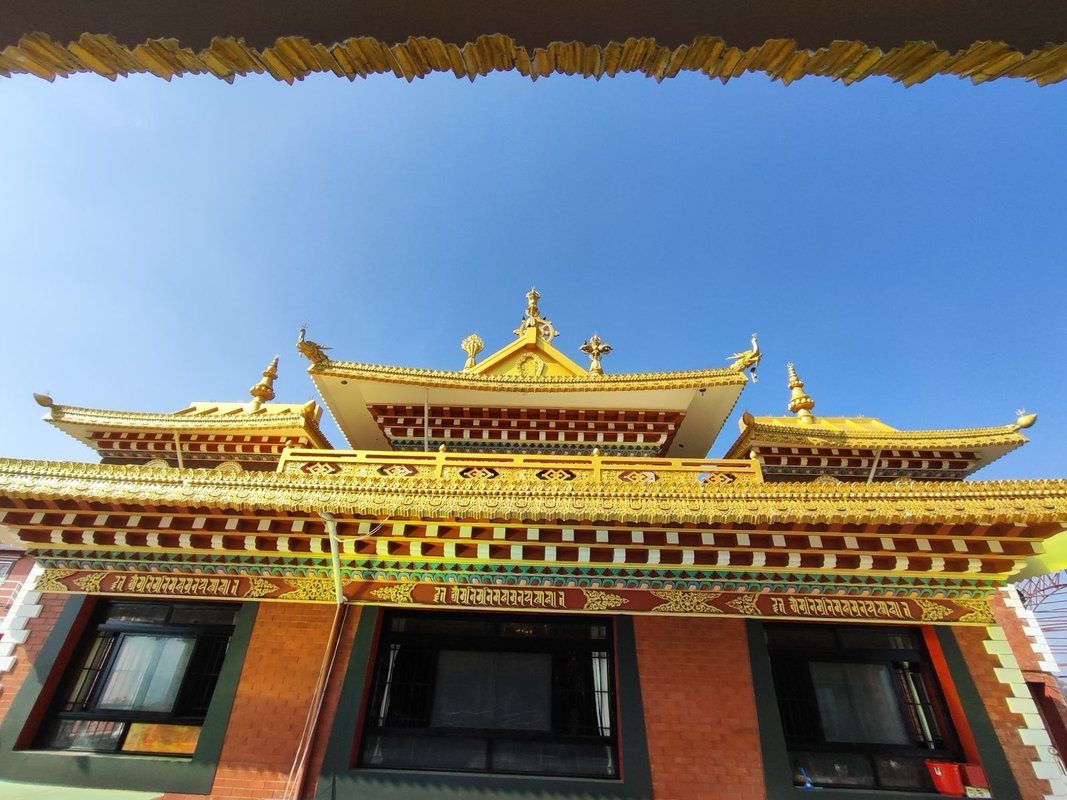
Beyond the well-trodden paths of Boudhanath and Swayambhunath lies a Nepal that few travelers ever see. Tucked into cliff faces, carved into mountainsides, and perched above clouds at altitudes that steal your breath, Nepal's hidden hermitages and remote cave monasteries are the country's best-kept spiritual secret. These are places where Buddhist masters have meditated for centuries, where Padmasambhava himself left handprints in stone, and where the line between the physical and the transcendent grows thin.
This guide takes you deep into Nepal's most extraordinary remote hermitages and cave monasteries. From the wind-scoured cliffs of Mustang to the rhododendron forests of Solu, these sacred sites reward the determined pilgrim with something no city temple can offer: absolute silence, raw wilderness, and the palpable presence of centuries of uninterrupted practice.
What Is a Hermitage in the Nepali Context?
In Nepal, a hermitage (gompa or drubkhang in Tibetan, kutir in Nepali) is not simply a monastery. It is a retreat dwelling built specifically for intensive meditation practice, often in a location chosen for its isolation, natural power, or association with a realized master. Unlike the large monastic universities of Kathmandu Valley, hermitages are deliberately remote. Some house a single practitioner. Others shelter small communities of monks or nuns who have chosen a life of silence and contemplation over the bustle of institutional monasticism.
The tradition of cave and cliff hermitages in the Himalayas stretches back over a thousand years. The 8th-century tantric master Padmasambhava (Guru Rinpoche) is said to have meditated in dozens of caves across Nepal, Tibet, and Bhutan, leaving behind imprints and blessings that practitioners still seek today. Later, the great yogi Milarepa (11th century) spent decades in isolated mountain caves, composing his famous songs of realization. Their legacy lives on in the hermitages that dot Nepal's high valleys and hidden gorges.
For the modern spiritual traveler, visiting these sites is not tourism in the ordinary sense. It is pilgrimage. The journey itself, often involving days of trekking through some of the most spectacular landscapes on Earth, becomes part of the practice. And the destination, when you finally arrive at a tiny monastery clinging to a cliff face at 4,000 meters, is nothing short of transformative.
Phugmoche Hermitage: The Hidden Gompa Above the Dudh Kosi
High above the Dudh Kosi River in the Solu-Khumbu region, Phugmoche Hermitage is one of the most dramatically situated retreat centers in Nepal. The gompa clings to a near-vertical cliff face at approximately 3,200 meters, accessible only by a steep trail that winds through pine and rhododendron forest. From the hermitage, the view plunges straight down to the milky waters of the Dudh Kosi, with the snow peaks of the Khumbu rising in the distance.
Phugmoche was established in the 19th century by a lama from the Nyingma tradition and has been continuously occupied by a small community of meditators ever since. The main temple houses exquisite murals depicting the life of Padmasambhava and the eight manifestations of Guru Rinpoche. Behind the temple, a narrow path leads to a series of meditation caves where practitioners spend months or years in solitary retreat. The caves are simple: a stone platform for a bed, a small altar, and a window framing the mountains. That is all.
Visitors are welcome but must observe strict silence in the retreat area. The resident lamas are known for their warmth and will often share butter tea and stories with pilgrims who make the effort to reach them. The best time to visit is October through December, when the monsoon has cleared and the mountain views are at their most spectacular.
Maratika Cave (Halesi): The Cave of Immortality
In the eastern hills of Khotang district, Maratika Cave, also known as Halesi Mahadev, is one of the most sacred sites in all of Vajrayana Buddhism. According to tradition, this is the cave where Padmasambhava and his consort Mandarava achieved the realization of immortality through the practice of Amitayus, the Buddha of Infinite Life. The cave is revered by both Buddhists and Hindus, who know it as the abode of Shiva.
The main cave is a vast natural chamber with a high ceiling, filled with stalactites and stalagmites that devotees interpret as sacred symbols. A natural rock formation resembling a Shiva lingam is worshipped by Hindu pilgrims, while Buddhists focus on the meditation caves deeper within the complex. The atmosphere inside is cool, damp, and charged with the accumulated devotion of centuries. Butter lamps flicker in niches, and the walls are blackened with the smoke of countless offerings.
Maratika is accessible by road from Kathmandu (approximately 8 hours to the trailhead), followed by a short hike. A small guesthouse near the cave offers basic accommodation for pilgrims who wish to stay overnight and absorb the site's energy. The annual festival during the full moon of March-April draws thousands of pilgrims from across Nepal, Tibet, and India.
Yanglesho Cave (Pharping): Where Guru Rinpoche Attained Mahamudra
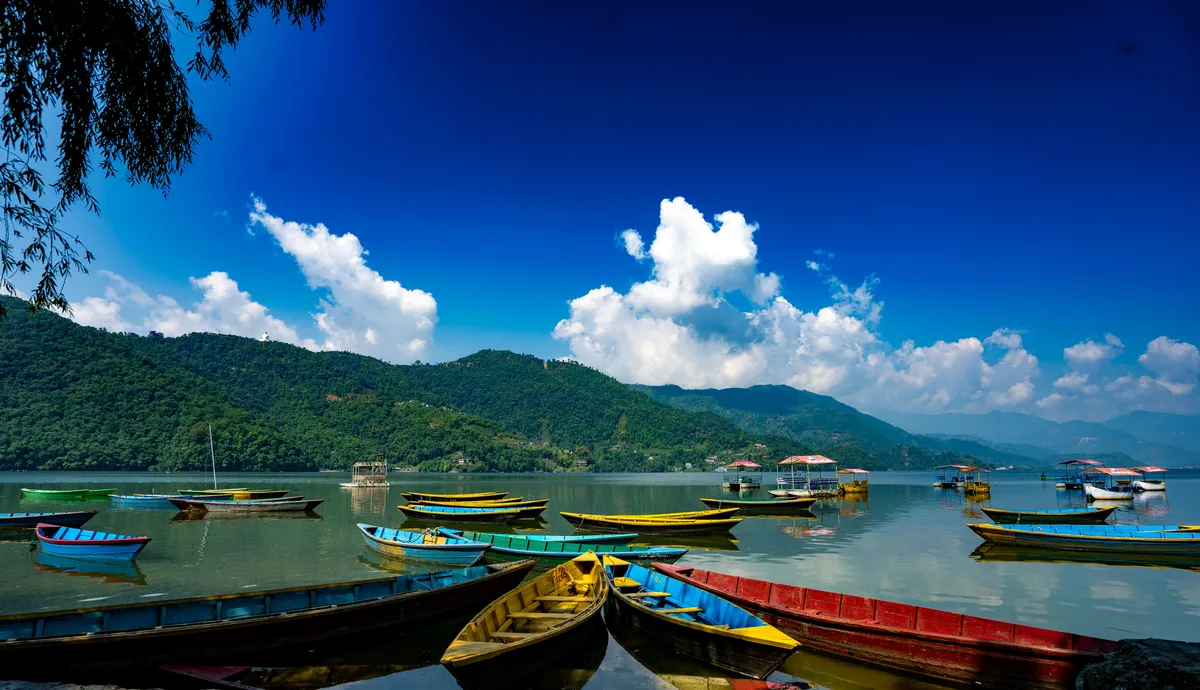
Just an hour's drive south of Kathmandu, in the hills above the town of Pharping, lies Yanglesho Cave, also known as the Asura Cave. This is arguably the most accessible of Nepal's great power places, yet it remains surprisingly quiet compared to the Kathmandu Valley temples. According to the Padmasambhava biography, this is where Guru Rinpoche practiced Yangdag Heruka and attained the realization of Mahamudra, the Great Seal.
The cave itself is small, perhaps three meters deep and two meters high, with a natural rock formation that devotees recognize as the syllable HRI, the seed syllable of compassion. The walls are covered with gold leaf and offerings left by pilgrims. A small shrine room has been built around the cave entrance, and a resident lama maintains the site and offers blessings to visitors.
Above Yanglesho, a steep path leads to the Vajrayogini Temple, another important pilgrimage site. The entire Pharping area is dense with sacred sites, including the Rigzin Phodrang Monastery and several retreat centers. For travelers with limited time who still want to experience the power of a genuine Himalayan cave hermitage, Yanglesho is the perfect destination. Combine it with a visit to the nearby Dakshinkali Temple for a full day of spiritual exploration.
Luri Gompa: The Cave Monastery of Mustang
In the arid, wind-sculpted landscape of Upper Mustang, Luri Gompa is a cave monastery that seems to grow organically from the cliff face. Located near the village of Yara, at the end of a narrow gorge, Luri Gompa is one of the finest surviving examples of the Kagyupa school's cave monastery tradition. The site consists of a series of chambers carved directly into the rock, connected by narrow passages and steep ladders.
The main chapel, known as the Kabum (pillar of scriptures), is a circular chamber with a domed ceiling painted with exquisite 13th- or 14th-century murals depicting the Mahasiddhas, the great tantric adepts of India. The colors, preserved by the dry Mustang climate, are astonishingly vivid: deep indigos, rich ochres, and brilliant golds that seem to glow in the dim light of butter lamps. A central stupa, intricately painted, dominates the space.
Reaching Luri Gompa requires a trek through Upper Mustang, one of the most culturally intact Tibetan Buddhist regions in the world. The journey takes you through the ancient walled city of Lo Manthang, past chortens and mani walls, and across a landscape that feels more Tibetan than Nepali. The trek is demanding but the reward is a glimpse into a living tradition of cave monasticism that has survived for over 700 years.
Tashi Choling Hermitage: The Hidden Retreat of Solu
Deep in the Solu region of eastern Nepal, Tashi Choling Hermitage sits on a forested ridge at 3,500 meters, surrounded by ancient rhododendron trees and overlooking the valley of the Dudh Kosi. Unlike the cliff-face monasteries of Mustang, Tashi Choling is a cluster of small stone huts scattered across a hillside, each one a self-contained retreat dwelling for a single practitioner.
The hermitage was founded in the early 20th century by a lama from the nearby Thubten Choling Monastery and follows the Nyingma tradition. Today, it houses between five and fifteen retreatants at any given time, depending on the season. The practitioners follow a traditional three-year retreat cycle, during which they remain within the boundaries of the hermitage, devoting their days to meditation, ritual practice, and study.
Visitors are welcome at Tashi Choling but must arrange their visit in advance through Thubten Choling Monastery. The trek to the hermitage takes two days from the roadhead at Salleri, passing through Sherpa and Rai villages where traditional life continues much as it has for centuries. The hermitage itself offers no guest facilities, so visitors should bring their own food and camping gear. The reward is the chance to spend time in one of the most authentically preserved retreat environments in the Himalayas, where the only sounds are wind, birdsong, and the occasional distant chant of a practitioner at prayer.
The Remote Monasteries of Dolpo
Dolpo, the high-altitude region of western Nepal made famous by Peter Matthiessen's "The Snow Leopard," is home to some of the most remote Buddhist monasteries on Earth. Shey Gompa, at 4,500 meters, sits at the base of the sacred Crystal Mountain and has been a pilgrimage destination for centuries. Every summer, during the Dragon Year of the Tibetan calendar, thousands of pilgrims circumambulate the mountain in a ritual that takes three days.
Nearby, the Bon monastery of Samling Gompa preserves the pre-Buddhist spiritual tradition of Tibet, with its own unique rituals, texts, and iconography. Further north, the monasteries of the Upper Dolpo region, including Dho Tarap and Saldang, are accessible only by weeks of trekking through some of the most spectacular and demanding terrain in Nepal. These are not destinations for casual visitors. They require serious planning, permits, and a willingness to embrace the uncertainty of travel in one of the world's last truly wild places.
For those who make the journey, the monasteries of Dolpo offer something increasingly rare: an encounter with Himalayan Buddhism in a form that has changed little in a thousand years. The murals, the rituals, the very rhythm of life in these remote communities remain deeply connected to the landscape and the seasons. It is a living tradition, not a museum piece, and visitors are expected to approach it with the respect due to a living spiritual culture.
How to Visit Nepal's Hidden Hermitages
Visiting Nepal's remote hermitages and cave monasteries requires more planning than a standard sightseeing tour. Here is what you need to know before you go.
Permits and Access
Many of the sites described in this guide are in restricted areas that require special permits. Upper Mustang requires a Restricted Area Permit (RAP) costing USD 500 for 10 days. Dolpo requires both a RAP and a Shey Phoksundo National Park entry permit. The Solu-Khumbu region is generally open, but some specific hermitages may require permission from the local monastery administration. Always check the latest permit requirements with a registered trekking agency before planning your trip. For a complete overview of Nepal's trekking permit system, consult our Nepal trekking permits and TIMS guide.
Best Time to Visit
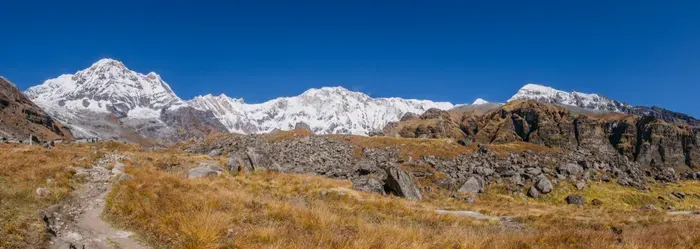
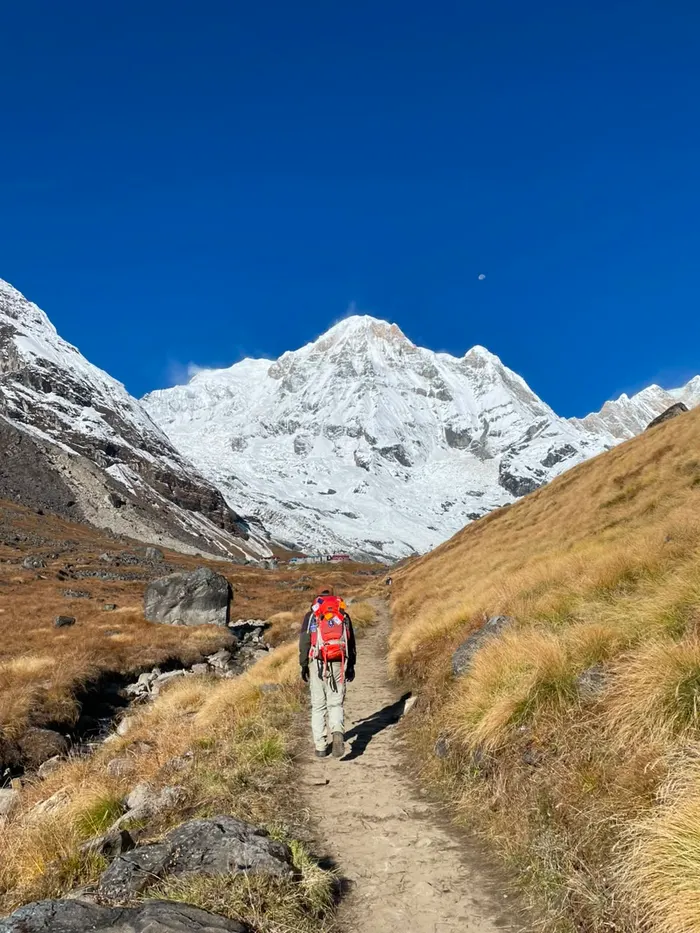
The optimal seasons for visiting Nepal's remote hermitages are spring (March to May) and autumn (September to November). During these periods, the weather is generally stable, mountain views are clear, and the trails are in good condition. Winter visits are possible for lower-altitude sites like Yanglesho and Maratika, but high-altitude hermitages in Mustang and Dolpo are inaccessible due to snow. The monsoon (June to August) makes trekking difficult and obscures mountain views, though the landscape is lush and green.
What to Expect
Remote hermitages are not tourist attractions. There are no gift shops, no cafes, and often no formal visitor facilities at all. Accommodation, where it exists, is basic: a simple room with a bed, perhaps a shared toilet. At many sites, you will need to bring your own food and camping equipment. The reward is authenticity: these are living spiritual communities, not theme parks, and the experience of being welcomed into one is profoundly different from visiting a ticketed monument.
Dress modestly, remove your shoes before entering temples, and ask permission before taking photographs. A small donation to the monastery is always appreciated. Most importantly, approach your visit with an open heart and a quiet mind. These are places of practice, and the best way to experience them is to sit still, breathe, and let the silence do its work.
Practical Tips for the Pilgrim-Traveler
If you are planning to visit Nepal's hidden hermitages, here are some practical considerations to keep in mind.
Physical fitness: Most remote hermitages require trekking at altitude. Even the more accessible sites like Yanglesho involve steep climbs. Prepare with cardio training before your trip and allow time for acclimatization.
Guides and porters: For remote sites in Mustang, Dolpo, and Solu, hiring a local guide is strongly recommended. They know the trails, can arrange permissions, and provide invaluable cultural context. Porters can carry your gear, making the trek more manageable.
Altitude awareness: Many hermitages sit above 3,000 meters. Learn the symptoms of altitude sickness and plan your itinerary with adequate acclimatization days. Our altitude sickness prevention guide covers everything you need to know.
Respect the practice: If you encounter practitioners in retreat, maintain silence. Do not attempt to engage them in conversation unless they initiate it. The retreat boundary is often marked by a stone wall or a line of prayer flags; do not cross it without explicit permission.
Pack light, pack right: Bring layers for variable mountain weather, a good sleeping bag, a headlamp, water purification tablets, and any personal medications. Solar chargers are useful for multi-day treks where electricity is unavailable.
The Inner Journey: Why Seek Out Remote Hermitages?
In an age of constant connectivity, the idea of traveling for days to reach a cave where someone has been sitting in silence for years may seem eccentric. But this is precisely the point. The remote hermitages of Nepal offer something that modern life has all but eliminated: the experience of genuine solitude, of silence so deep you can hear your own heartbeat, of landscapes so vast they put your worries into perspective.
There is a reason why Buddhist masters have chosen these places for their practice for over a thousand years. The mountains themselves seem to support meditation. The thin air, the vast skies, the absence of distraction, all of it conspires to turn the mind inward. Even a short visit can leave a lasting impression. Many travelers report that their time at a remote hermitage was the most meaningful part of their entire Nepal journey.
You do not need to be a Buddhist or a serious meditator to benefit from visiting these sites. The simple act of making a pilgrimage, of walking for days through beautiful country to reach a sacred destination, is a practice that transcends any single tradition. It is a way of slowing down, of paying attention, of remembering what matters. And in the hidden hermitages of Nepal, you will find a welcome that has been extended to pilgrims for centuries: come, sit, breathe, and see for yourself.