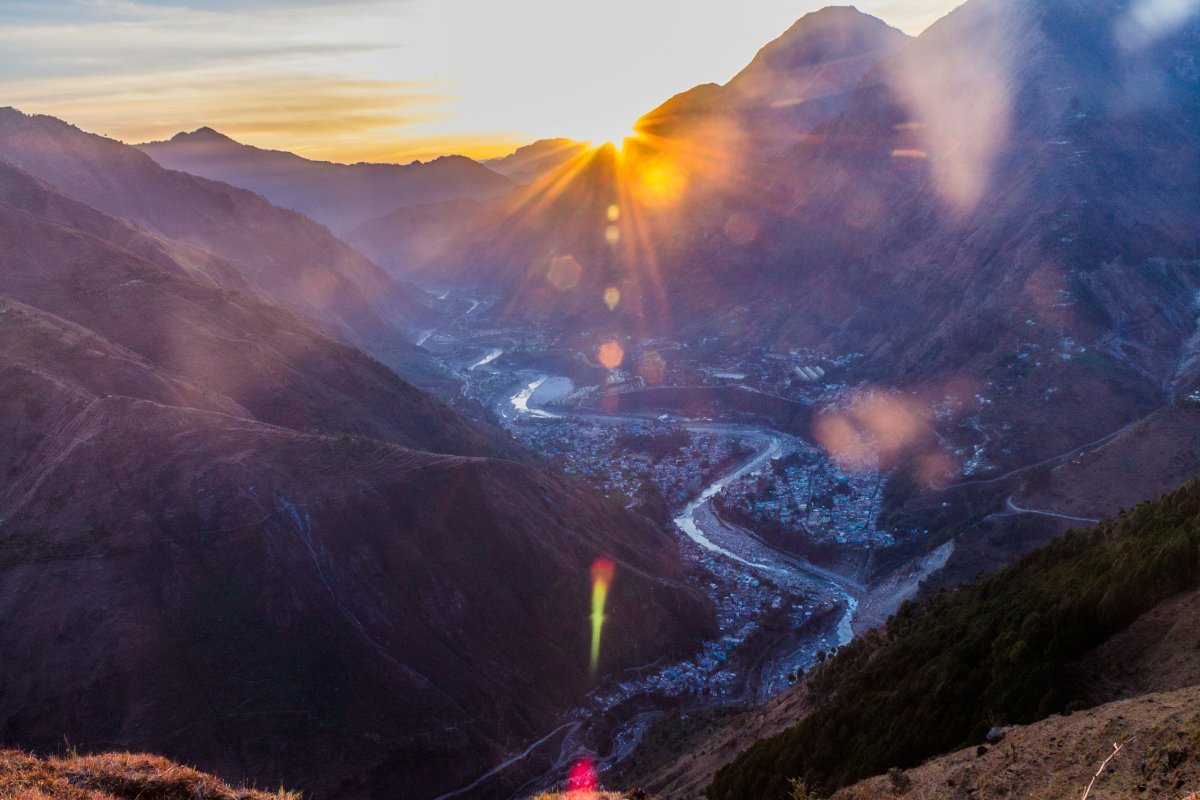
Nepal is a country where the first light of day and the last glow of evening carry spiritual weight. The Himalayas turn gold at dawn. Temple bells ring at dusk. Monks chant as the sun rises over valley stupas. For travelers seeking a deeper connection with Nepal's landscapes and living traditions, the Sunrise and Sunset in Nepal experience offers a curated journey through the most breathtaking dawn and dusk locations in the country. This guide covers the best sunrise and sunset viewpoints, their spiritual significance, practical tips for visiting, and how to build a golden hour itinerary into your Nepal trip.
Whether you are watching the sun ignite the white summit of Everest from a hilltop near Kathmandu, or standing beside the Bagmati River as priests light oil lamps at Pashupatinath, these moments of transition between day and night are when Nepal feels most alive. The complete guide to cultural and spiritual tours in Nepal provides broader context for how these experiences fit into the wider heritage and pilgrimage landscape. For those planning to combine sunrise viewpoints with trekking, the guide to the best trekking agency in Nepal covers everything you need to know about choosing the right operator for your journey.



Why Nepal Has the World's Most Spectacular Sunrises and Sunsets
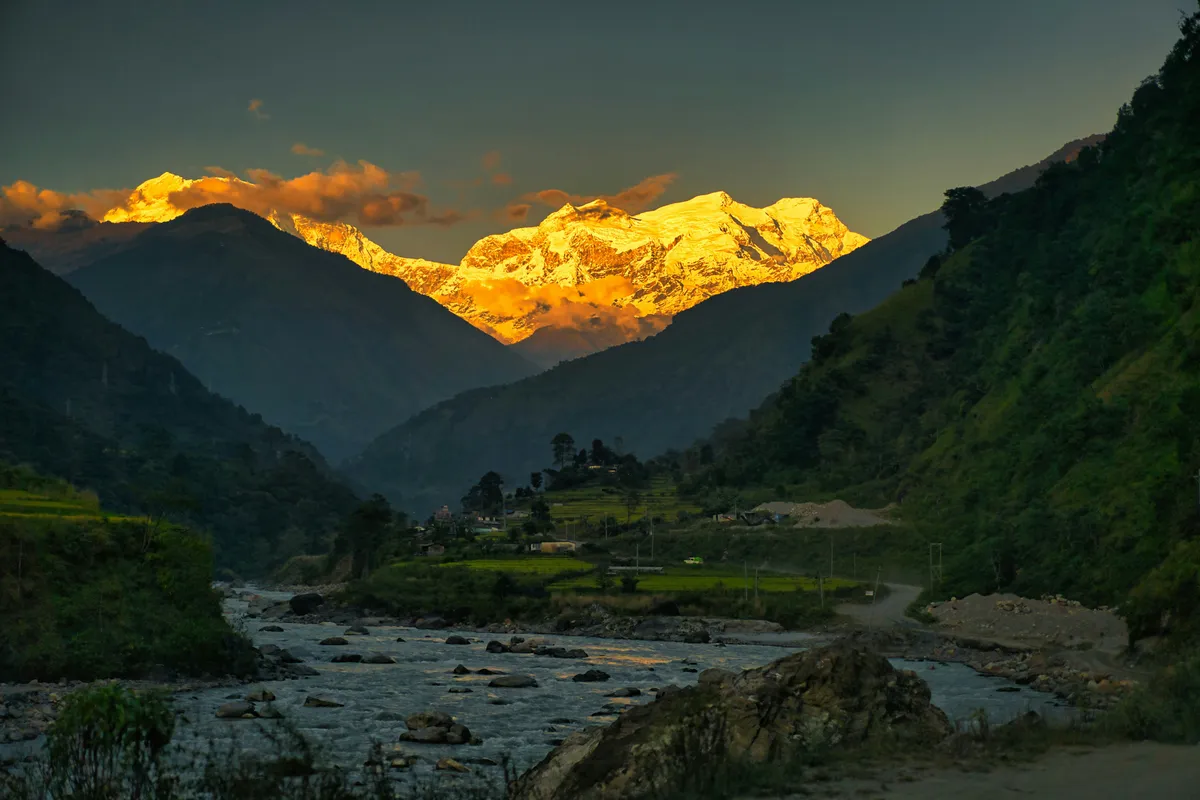
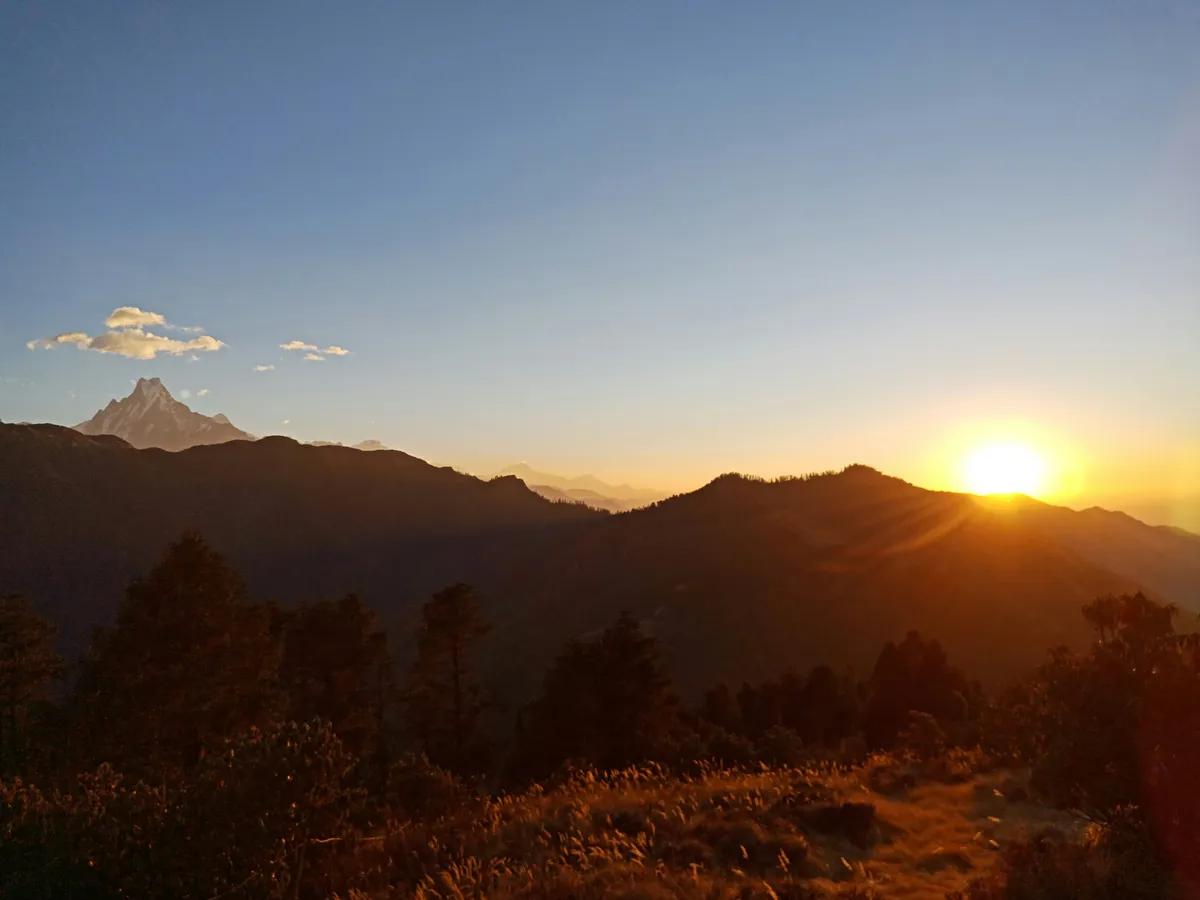
The geography of Nepal creates a sunrise and sunset theater unlike anywhere else on Earth. The country stretches from the flat Terai plains at 60 meters elevation to the summit of Everest at 8,849 meters, with eight of the world's fourteen 8,000-meter peaks within its borders. When the sun rises or sets, its low-angle light hits these massive snow-and-rock faces and transforms them. White ice turns amber, then pink, then gold. The ridgelines of the lower Himalayas catch fire with color. Valleys fill with mist that glows in the diffuse light.
This phenomenon is not just visual. In Nepali culture, the transition periods of dawn (bhindyo in Nepali) and dusk (byangi) are considered sacred. Hindu tradition holds that the Sandhya period, the liminal time between day and night, is the most powerful time for prayer and meditation. Buddhist monasteries hold morning puja before sunrise, and the evening chanting marks the transition to night. When you chase sunrises and sunsets in Nepal, you are not just chasing good photography. You are stepping into a rhythm of devotion that has been observed for thousands of years.
The Sunrise and Sunset in Nepal activity is designed to help travelers access these moments in a structured, meaningful way, with local guides who understand both the logistics of getting to the right viewpoint at the right time and the cultural context of what you are witnessing.
The Best Sunrise Viewpoints in Nepal
Nagarkot: The Classic Himalayan Dawn
Nagarkot is the most accessible sunrise viewpoint in Nepal, located just 32 kilometers east of Kathmandu at an elevation of 2,175 meters. On a clear morning, you can see a panorama of Himalayan peaks stretching from Annapurna in the west to Everest in the east, with Langtang, Ganesh Himal, and Jugal Himal in between. The sunrise here typically begins around 5:45 AM in summer and 6:45 AM in winter. The viewpoint tower at Nagarkot offers a 360-degree perspective, and the surrounding meadows provide quiet spots for meditation as the light changes.
The Kathmandu and Nagarkot Heritage Experience (from $199) combines a sunrise viewing with visits to Bhaktapur Durbar Square and Changu Narayan temple, making it a full cultural and scenic day trip from Kathmandu. This is the most popular sunrise package for first-time visitors because it requires no trekking and delivers an immediate Himalayan panorama.
Sarangkot: Pokhara's Golden Hour Crown
Sarangkot is the sunrise viewpoint above Pokhara, perched at 1,600 meters on a ridge overlooking Phewa Lake and the Annapurna massif. The dawn view from Sarangkot is dominated by Machapuchare, the fishtail peak, which catches the first light and turns a deep orange before the surrounding peaks follow. The reflection of the mountains in Phewa Lake at sunrise doubles the visual impact. Most visitors hike up in the pre-dawn darkness (about 45 minutes from Lakeside Pokhara) or take a jeep to the top. The trail is well-marked and lined with small tea shops that open early for sunrise viewers.
Poon Hill: The Trekker's Sunrise Legend
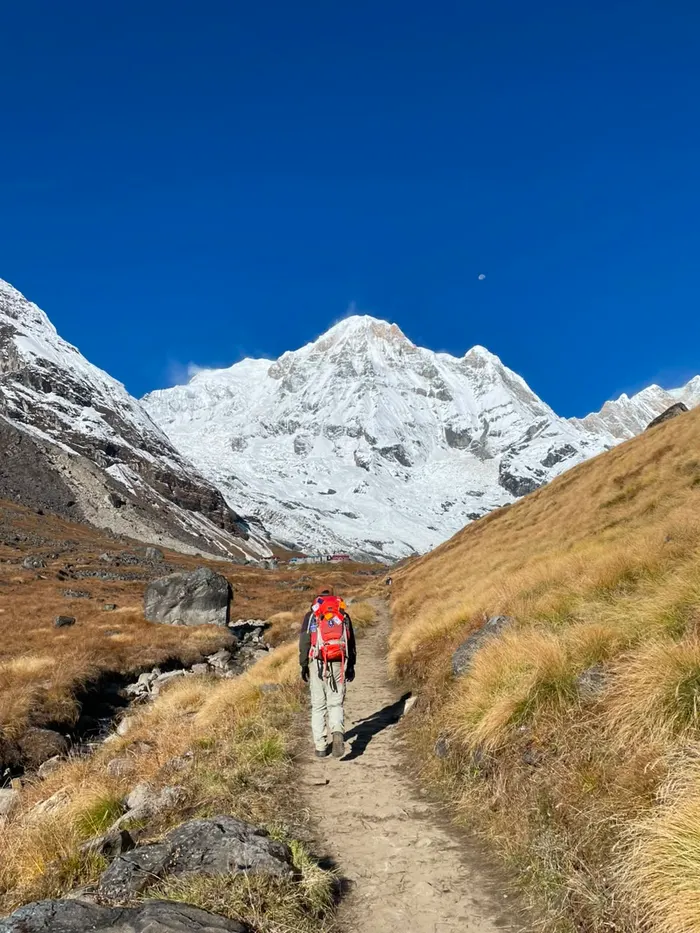
Poon Hill (3,210 meters) is the most famous sunrise viewpoint on any trekking route in Nepal. Located on the Ghorepani trekking circuit in the Annapurna region, it requires a 2-3 day trek to reach, but the reward is unmatched. From the stone viewing tower at the summit, you see Dhaulagiri (8,167m), Annapurna I (8,091m), Annapurna South, Hiunchuli, and Tukuche Peak all glowing in sequence as the sun crests the horizon. The Ghorepani Poon Hill Trek (7 Days) is the standard route, with an early morning climb from Ghorepani village to the viewpoint in about 45 minutes.
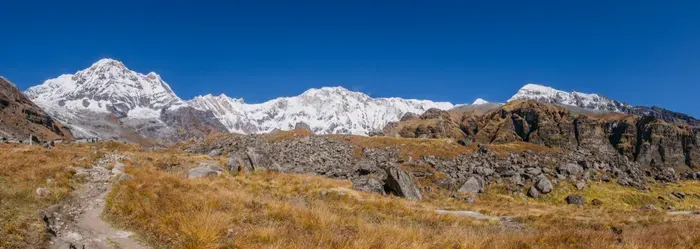
For those who want to combine the Poon Hill sunrise with daily yoga practice, the Annapurna Yoga Trek with daily yoga and Poon Hill sunrise (from $1,667) integrates morning yoga sessions with the trekking itinerary, creating a deeply spiritual sunrise experience on the trail.
Kala Patthar: Sunrise at Everest Base Camp
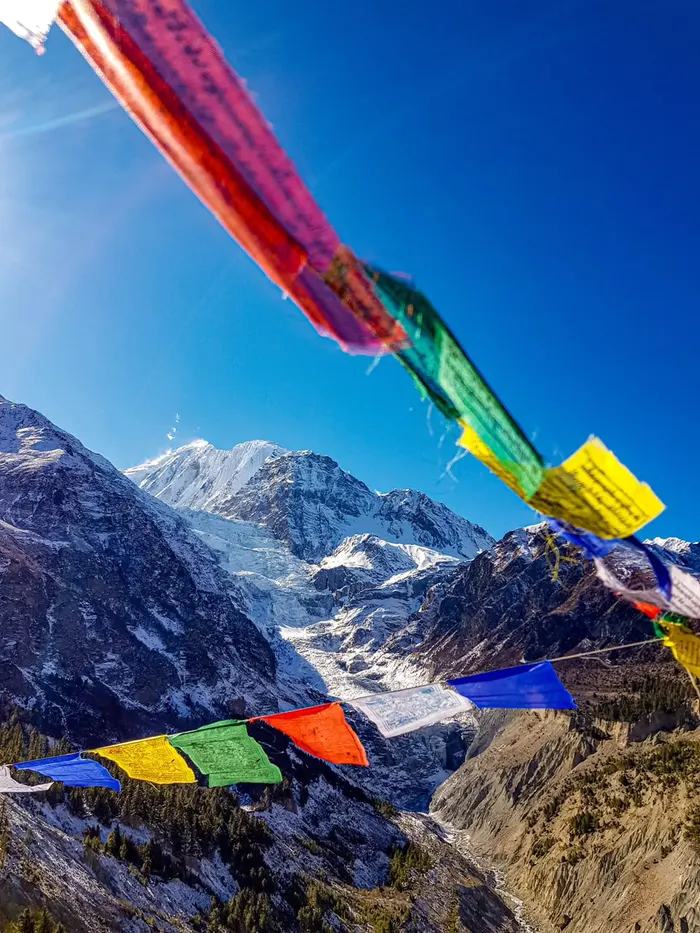
For trekkers on the Everest Base Camp route, Kala Patthar (5,545 meters) is the ultimate sunrise destination. This small hill above Gorak Shep offers the closest unobstructed view of Mount Everest's summit available on foot. Trekkers climb in the dark, usually departing around 4:30 AM, to reach the summit before dawn. As the sun rises, Everest, Nuptse, Changtse, and Lho La Pass emerge from darkness in a slow reveal that many trekkers describe as the most emotional moment of their entire journey. The extreme altitude means this sunrise demands acclimatization and physical preparation, but it is the most powerful dawn experience in Nepal.
Pikey Peak: The Hidden Sunrise Treasure
Pikey Peak (4,065 meters) in the lower Solu region is a lesser-known sunrise viewpoint that offers what many consider the best overall view of Everest. Sir Edmund Hillary himself named it his favorite spot for viewing the world's highest peak. The sunrise from Pikey Peak spans from Kanchenjunga in the east to Annapurna in the west, with Everest and Makalu front and center. The trek to Pikey Peak is less crowded than the standard Everest route, making the sunrise a private, quiet experience.
The Best Sunset Viewpoints in Nepal
Pashupatinath Aarati: Sacred Fire at Dusk
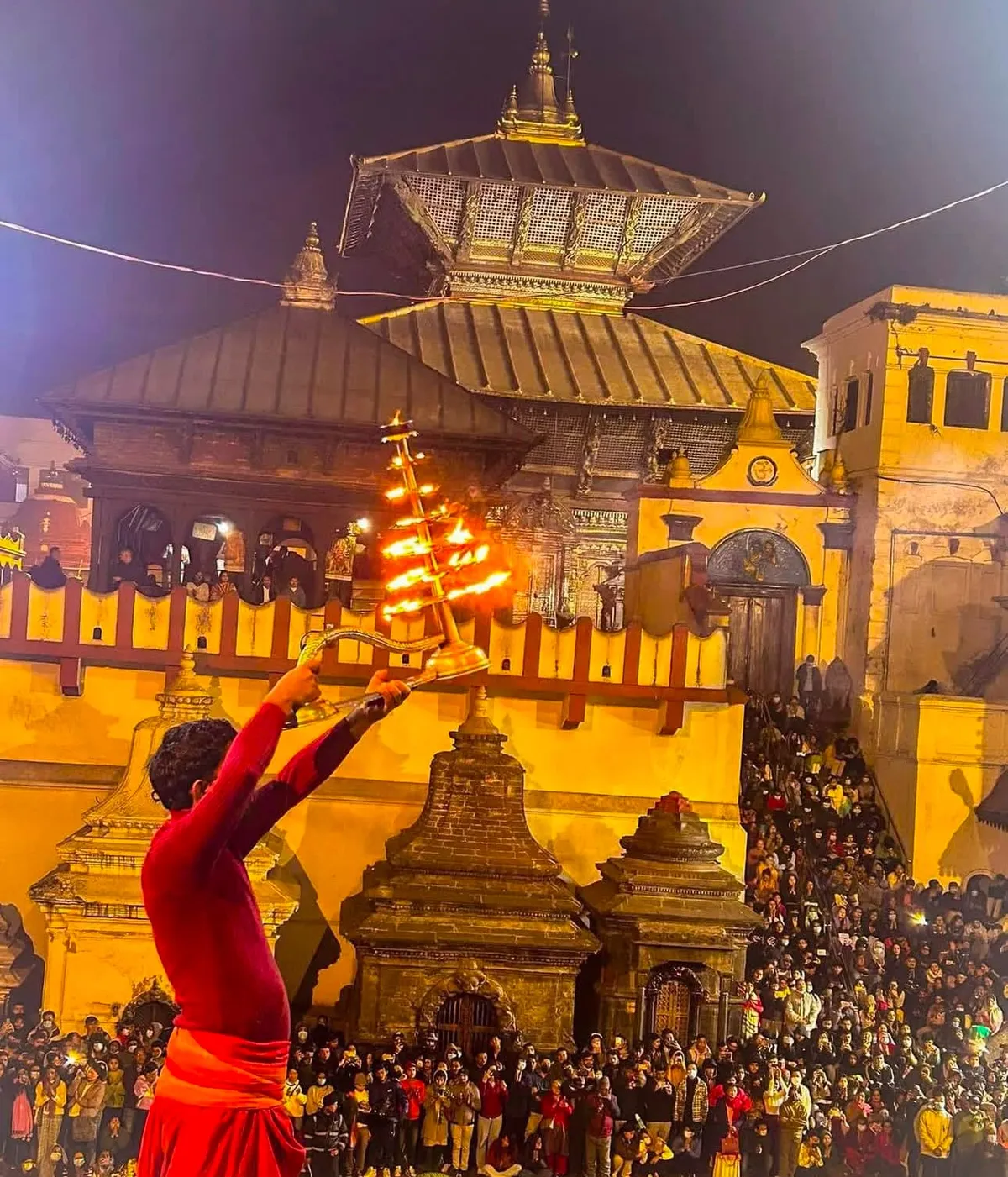
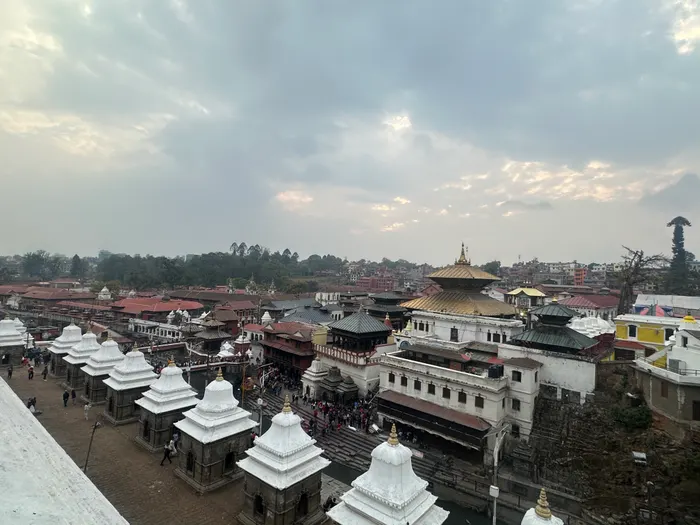
The Bagmati River banks at Pashupatinath Temple host one of the most spiritually charged sunset ceremonies in Asia. Every evening at approximately 6:00 PM (time varies with season), priests perform the Aarati ceremony, waving oil lamps in synchronized patterns while chanting Vedic hymns. The golden flames against the darkening sky, reflected in the river, create a sunset experience that is cultural, religious, and visually spectacular at once. Visitors sit on the opposite bank or on the temple steps to watch. The ceremony is free and open to all.
The Sacred Kathmandu Heritage Tour (from $190) includes an evening visit to Pashupatinath for the Aarati ceremony as part of a broader cultural itinerary through Kathmandu's sacred sites.
World Peace Pagoda, Pokhara: Sunset Over the Lake
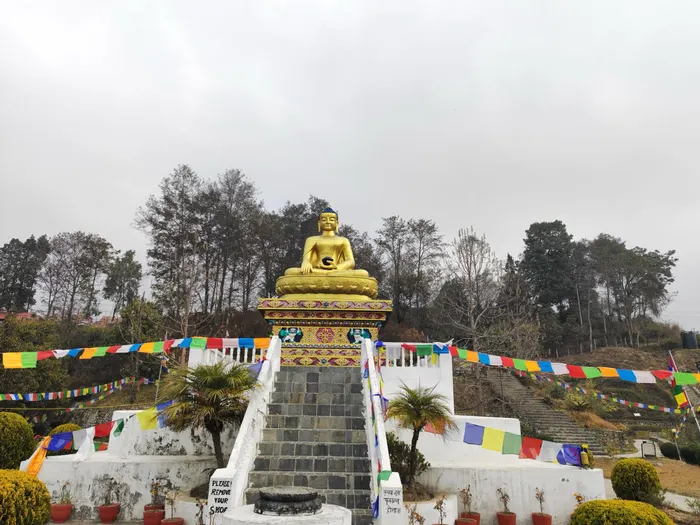
The World Peace Pagoda (Shanti Stupa) sits on a hilltop above Phewa Lake in Pokhara, offering a sunset view that combines Buddhist architecture with Himalayan scenery. As the sun drops behind the Annapurna range, the white stupa glows in the fading light, and the lake below turns from blue to silver to dark. The reflection of the stupa in the lake at sunset is a photographer's dream. You can reach the pagoda by boat across the lake followed by a short hike, or by road from Pokhara.
Swayambhunath: Monkey Temple at Golden Hour
Swayambhunath, the ancient stupa on a hill west of Kathmandu, is a remarkable sunset destination. The white dome and golden spire of the stupa catch the last light of the day, and the panoramic view from the hilltop includes the entire Kathmandu Valley spreading out below, with distant Himalayan peaks visible on clear days. The resident monkeys are most active in the cooler evening hours, adding movement and life to the scene. Pilgrims circumambulate the stupa in the golden light, spinning prayer wheels as they go.
The Chandragiri Cable Car and Monkey Temple tour covers Swayambhunath as part of a hilltop day trip, and timing the visit for late afternoon transforms it into a sunset experience.

Rara Lake: Pristine Wilderness Sunset
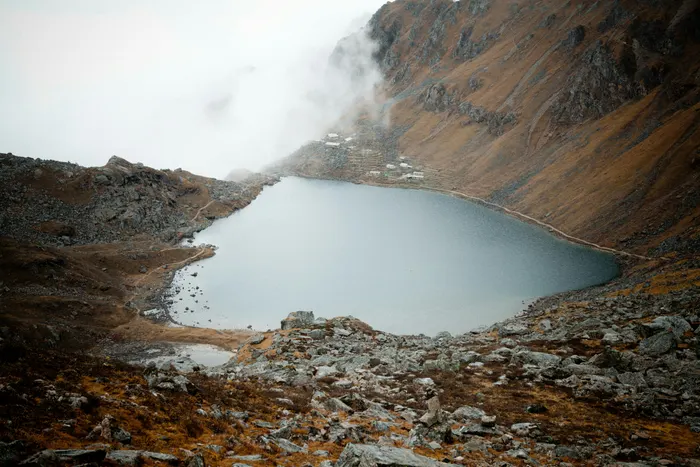
Rara Lake, Nepal's largest lake at 2,990 meters elevation in far-western Mugu district, offers sunsets of staggering purity. The lake is surrounded by pine forests and snow-capped peaks, with no buildings on its shores and no light pollution. The sunset reflects off the mirror-calm surface of the lake, and the silence is absolute. Reaching Rara Lake requires a flight to Jumla followed by a 3-day trek or a chartered helicopter, making it one of the most exclusive sunset experiences in Nepal.
The Spiritual Significance of Dawn and Dusk in Nepal
In Hinduism, the Sandhya period is the junction between day and night, considered the most auspicious time for spiritual practice. The Sandhya Vandanam is a daily ritual performed at dawn and dusk by orthodox Hindus, involving meditation, recitation of mantras, and offerings to the sun. The Gayatri Mantra, one of the oldest and most sacred Hindu prayers, is traditionally chanted at sunrise, facing east. In Nepal, you will hear this mantra echoing from temples and homes across the Kathmandu Valley as the first light appears.
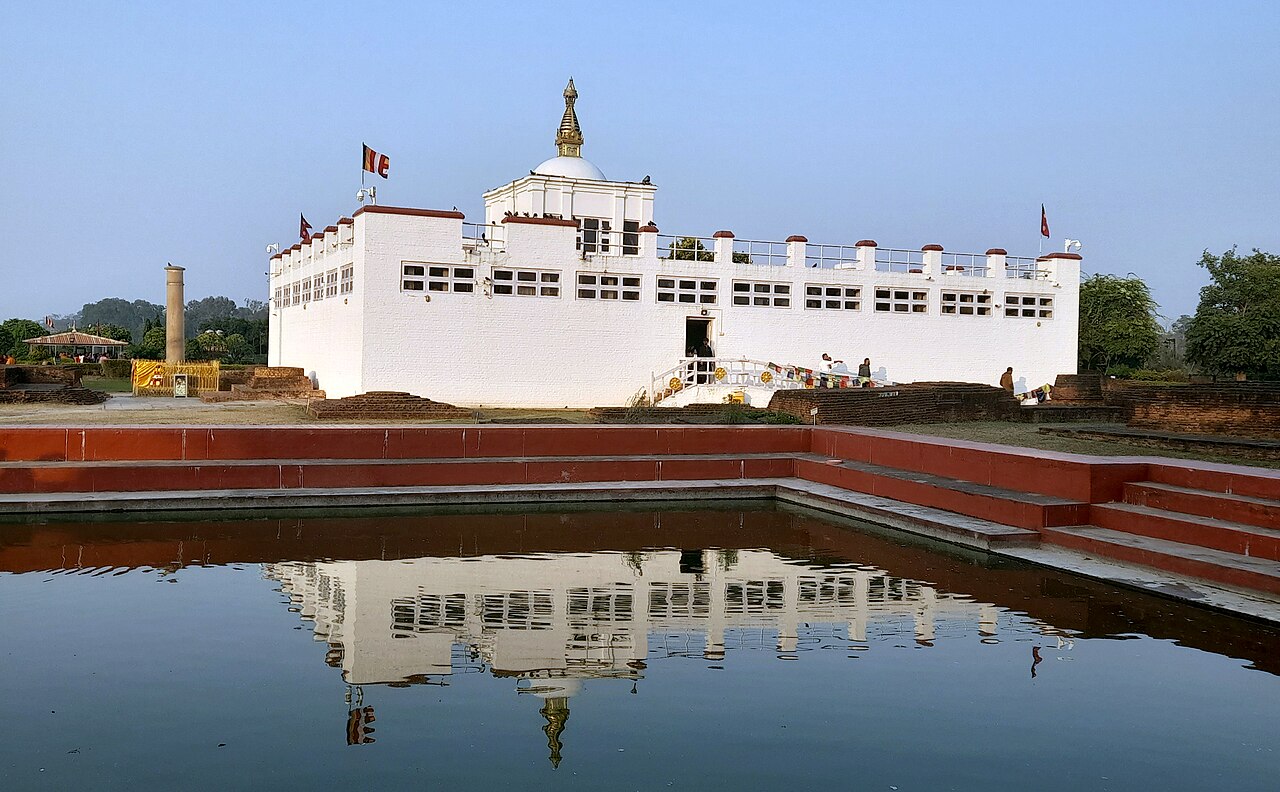
In Buddhism, the dawn represents enlightenment itself. The historical Buddha achieved enlightenment at dawn, after a night of meditation beneath the Bodhi tree. Buddhist monasteries in Nepal hold their first prayer session before sunrise, and the sound of conch shells and chanting carries through the pre-dawn darkness. At Boudhanath Stupa, pilgrims perform kora (circumambulation) at dawn, spinning prayer wheels and reciting om mani padme hum as the light builds. The spiritual evening Aarati at Pashupatinath shows how dusk ceremonies create a parallel practice of devotion at the end of the day.
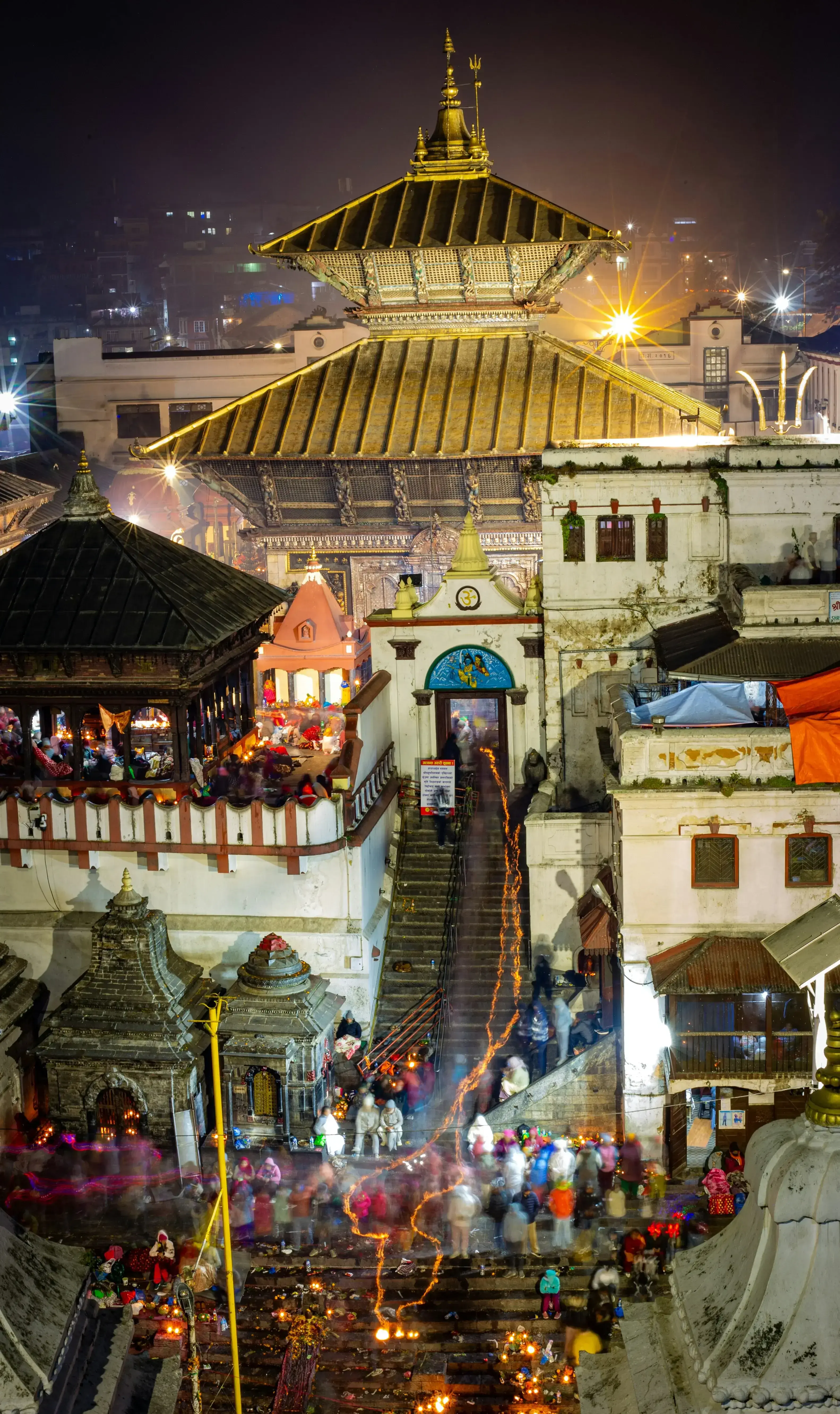
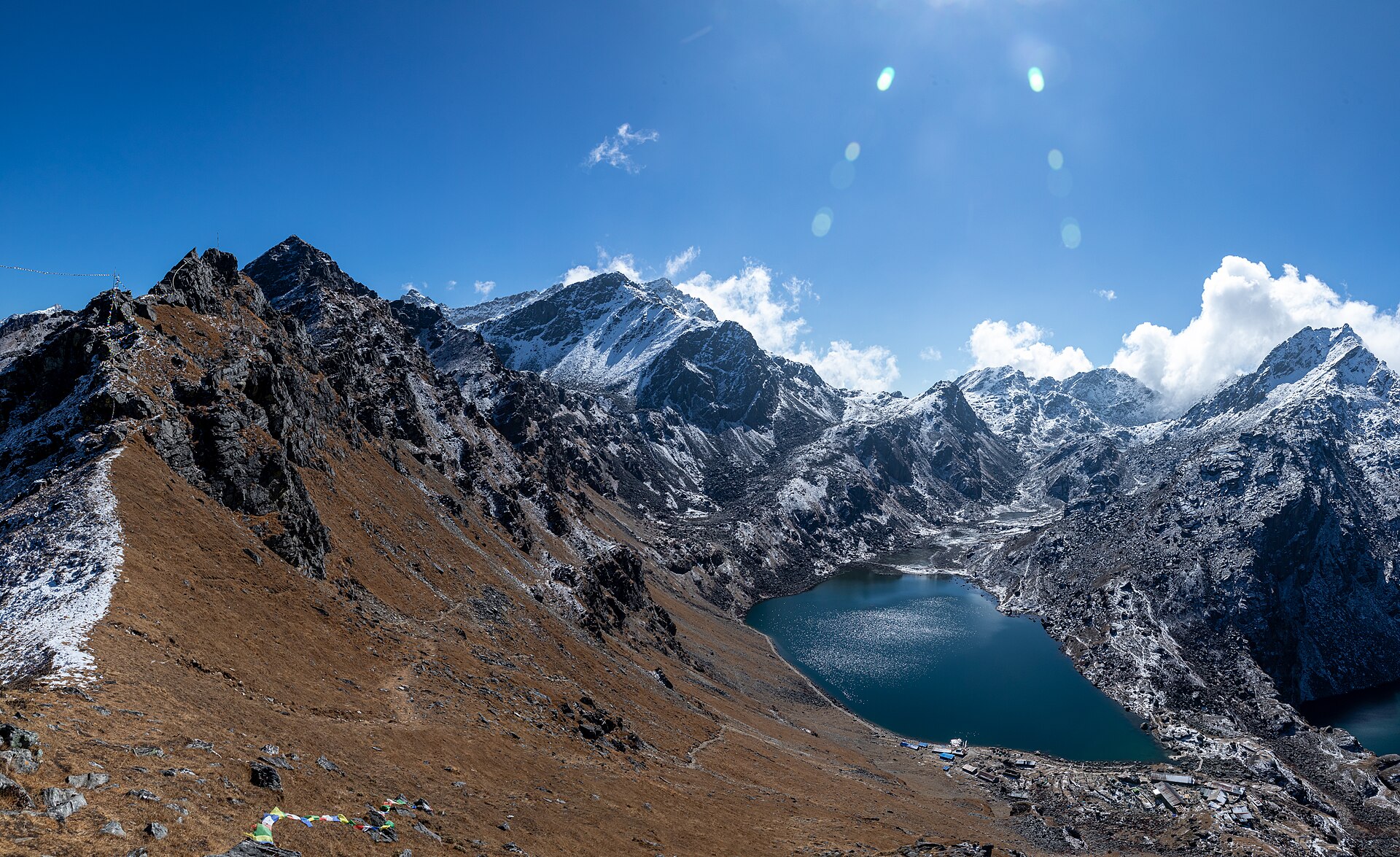
For travelers, participating in these dawn and dusk rituals, even as an observer, provides a window into Nepali spiritual life that midday temple visits cannot match. The pace is slower, the atmosphere more intimate, and the connection between the natural world and the practice of faith is tangible in the changing light.
Photography Guide: Capturing Himalayan Golden Hour
Photographing sunrise and sunset in the Himalayas requires preparation and the right technique. Here are the key considerations:
Timing: The golden hour in the Himalayas is shorter than at sea level because the sun rises and sets behind mountain ridgelines rather than a flat horizon. You may have only 10 to 15 minutes of peak color. Arrive at your viewpoint at least 30 minutes before the published sunrise or sunset time to set up and capture the blue hour (the period of cool, diffuse light before sunrise or after sunset).
Equipment: A sturdy tripod is essential for low-light shooting. A wide-angle lens (16-35mm equivalent) captures the full mountain panorama, while a telephoto lens (70-200mm) isolates individual peaks as they catch the first or last light. Bring extra batteries, as cold morning temperatures drain them quickly. A graduated neutral density filter helps balance the bright sky with the darker foreground.
Exposure: Shoot in RAW format to preserve maximum dynamic range. Use spot metering on the brightest part of the sky to prevent blown highlights. Bracket exposures (3 to 5 stops apart) for high-contrast scenes, especially when the sun is near the horizon and the foreground is in shadow.
Composition: Include foreground elements like prayer flags, stupas, or trekking companions to give scale and context to the mountain panorama. The prayer flags that line Himalayan viewpoints make excellent framing elements, their colors deepening in the golden light. Reflections in lakes (Phewa, Rara, Begnas) double the visual impact of sunrise and sunset shots.
Weather awareness: Clear mornings offer the best sunrise views, but partly cloudy skies can produce more dramatic color as the sun illuminates the underside of clouds. Monsoon season (June to September) often has clear mornings despite afternoon clouds. Winter offers the clearest skies but the coldest conditions. Check local weather forecasts and ask your guide about visibility conditions before committing to an early morning departure.
Best Time of Year for Sunrise and Sunset Viewing in Nepal
The autumn months of October and November offer the clearest skies in Nepal, making them the prime season for sunrise and sunset viewing. The monsoon rains have washed the atmosphere clean, and the post-monsoon air is crisp and dry. Mountain visibility is at its best, with sharp, defined peaks and vivid sunrise colors.
Spring (March to May) is the second best season. Rhododendron forests bloom at the sunrise viewpoints, adding red and pink foregrounds to the Himalayan panoramas. Mornings are generally clear, though afternoon clouds can build up and occasionally obscure sunset views.
Winter (December to February) offers the clearest and most dramatic light, with deep blue skies and snow-dusted viewpoints. The cold is the main challenge, with pre-dawn temperatures at Nagarkot dropping to around 0 degrees Celsius and at Poon Hill to -10 degrees Celsius. Pack accordingly with warm layers, gloves, and a warm hat.
Monsoon season (June to September) is underrated for sunrise viewing. While afternoons bring heavy rain, mornings are often clear, with dramatic cloud formations catching the first light. The lush green landscapes of the monsoon create a completely different color palette from the dry seasons. The best time for a spiritual tour in Nepal provides a broader seasonal guide for planning around festivals and weather patterns.
Practical Tips for Sunrise and Sunset Chasing in Nepal
Arrive early: Depart your accommodation at least 90 minutes before the published sunrise time. This allows for travel to the viewpoint, a hike if needed, and time to find your position. Popular viewpoints like Nagarkot and Sarangkot get crowded at sunrise, especially during peak season.
Dress warm: Pre-dawn temperatures at mountain viewpoints are significantly colder than in the valleys below. Layer up with a thermal base layer, fleece mid-layer, and windproof outer shell. Gloves and a warm hat are essential for winter sunrise viewings. The temperature rises quickly once the sun appears, so layers you can remove are ideal.
Bring a headlamp: Most sunrise hikes begin in complete darkness. A headlamp (hands-free flashlight) is essential for safe navigation on trails. Carry spare batteries. The trail to Poon Hill and other viewpoints is well-used but has roots, rocks, and steps that are invisible in the dark without light.
Hire a local guide: Local guides know the best viewing positions, the exact timing for each season, and the cultural context of what you are seeing. They can also arrange early morning transportation and negotiate any permit requirements. The Sunrise and Sunset in Nepal guided activity provides expert local guides who specialize in golden hour experiences.
Carry hot drinks: A thermos of hot tea or coffee transforms a cold sunrise wait into a comfortable experience. Many tea shops at popular viewpoints open early, but having your own supply ensures you are covered at more remote locations.
Respect the sacred: Many sunrise and sunset viewpoints in Nepal are also pilgrimage sites. Dress modestly, ask before photographing people, and observe religious ceremonies quietly. At Pashupatinath Aarati, maintain a respectful distance from the priests and do not use flash photography during the ceremony.
Building a Sunrise and Sunset Itinerary for Nepal
Here is a sample 5-day golden hour itinerary that covers the best sunrise and sunset experiences in the Kathmandu Valley and Pokhara:
Day 1: Arrival in Kathmandu - Arrive and acclimatize. Evening sunset at Swayambhunath (Monkey Temple), watching the stupa glow in golden light as the valley dims below.
Day 2: Nagarkot Sunrise and Bhaktapur - Depart Kathmandu at 4:30 AM for Nagarkot. Watch the Himalayan sunrise from the viewpoint tower. After breakfast, visit Bhaktapur Durbar Square and Changu Narayan Temple. Return to Kathmandu in the afternoon.
Day 3: Fly to Pokhara, Sarangkot Sunset - Morning flight to Pokhara. Afternoon at leisure by Phewa Lake. Hike up to Sarangkot in the late afternoon for sunset over the Annapurna range with Machapuchare in the foreground.
Day 4: Sarangkot Sunrise and World Peace Pagoda - Pre-dawn hike to Sarangkot for the classic sunrise view. After breakfast, boat across Phewa Lake and hike to the World Peace Pagoda for afternoon sunset over the lake and mountains.
Day 5: Pashupatinath Aarati - Fly back to Kathmandu. Evening visit to Pashupatinath for the Bagmati Aarati ceremony at sunset, a powerful spiritual close to the journey.
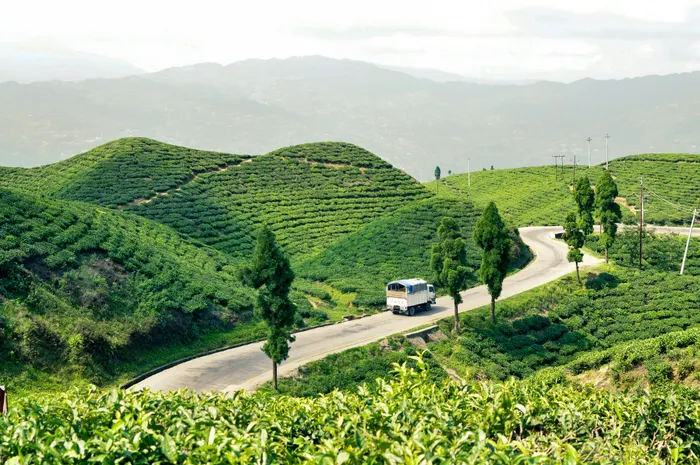
For a longer itinerary that combines sunrise viewpoints with trekking, the Tea Gardens, Sacred Lakes and Himalayan Sunrises cultural encounter package integrates multiple sunrise viewings with tea garden visits, sacred lake destinations, and cultural experiences across a multi-day journey.
Combining Golden Hour with Wellness and Meditation
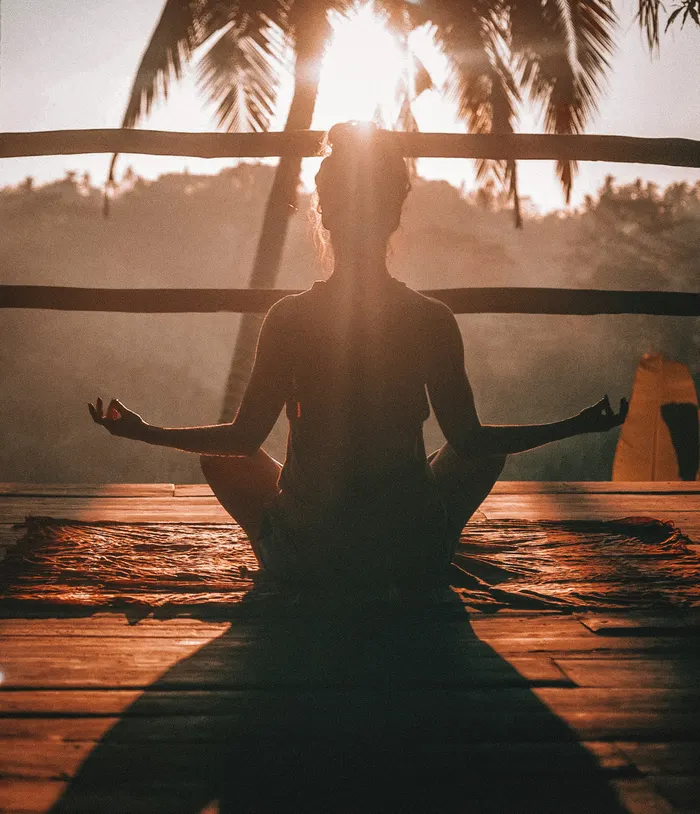
Sunrise and sunset are natural meditation windows, and many travelers combine their golden hour viewing with yoga, sound healing, or silent meditation practice. The stillness of pre-dawn, the gradual awakening of light, and the cool mountain air create ideal conditions for mindfulness.
Several wellness retreats in Nepal structure their daily schedule around sunrise and sunset practice. The 3-Day Yoga and Sound Healing Retreat in Kathmandu (from $288) includes dawn yoga sessions that align with the sunrise. For a deeper immersion, the 6-Day Yoga and Stress Management Retreat (from $633) builds a daily rhythm of sunrise yoga, daytime activities, and sunset meditation. The art of meditation in the Himalayas guide covers the best retreats and practices for travelers seeking this kind of structured inner work.


Sound healing sessions at dawn are particularly powerful, as the vibration of singing bowls carries differently in the cool morning air. The traditional sound healing guide for Nepal explains how these sessions work and where to experience them. The combination of golden hour light, Himalayan scenery, and resonant sound creates a multi-sensory spiritual experience that many travelers describe as transformative.
Sunrise and Sunset Viewing for Every Traveler
 Not every golden hour experience in Nepal requires a pre-dawn hike. Here are accessible options for travelers who prefer comfort or have mobility considerations:
Chandragiri Cable Car: The Chandragiri Cable Car ride to the hilltop temple above Kathmandu offers panoramic mountain views without any hiking. A sunrise or sunset ride gives you the same Himalayan panorama as a trekking viewpoint, with the comfort of a cable car ascent. The temple at the summit provides a peaceful setting for watching the light change.
Nagarkot by vehicle: You can drive directly to the Nagarkot viewpoint, making it accessible for travelers who cannot hike. Hotels in Nagarkot offer sunrise viewing from their own terraces and gardens, so you can watch the Himalayan dawn from your accommodation without leaving the property.
Everest Mountain Flight: For the ultimate accessible sunrise experience, the one-hour Everest Mountain Flight departs from Kathmandu at dawn and flies along the Himalayan range, giving every passenger a window-seat view of Everest and neighboring peaks bathed in morning light. No trekking, no altitude, no early morning hike required.
Phewa Lake boat sunrise: In Pokhara, hire a boat before dawn and watch the sunrise from the water. The Annapurna range reflects in the lake, and you avoid the hike to Sarangkot entirely. This is one of the most peaceful sunrise experiences in Nepal.
For senior travelers or those with accessibility needs, the spiritual tour guide for seniors in Nepal covers gentle, accessible pilgrimage options that include sunrise and sunset viewing without physical strain.
Responsible Sunrise and Sunset Tourism
The growing popularity of sunrise viewpoints in Nepal brings environmental and cultural responsibilities. Here is how to chase golden hour ethically:
Stay on marked trails: Pre-dawn hiking on unofficial paths causes erosion and damages alpine vegetation. Follow established routes, especially at Poon Hill, Sarangkot, and Nagarkot, where heavy foot traffic has already impacted the surrounding ecosystems.
Pack out all waste: Many sunrise viewpoints lack waste facilities. Carry out everything you carry in, including tea cups and food wrappers. The pristine quality of these locations depends on every visitor taking responsibility for their own impact.
Support local tea shops: The small tea houses that open early for sunrise viewers are often family-run businesses that depend on this income. Buy your morning tea and snacks from them rather than bringing everything from the city. This keeps tourism revenue in the local community.
Respect silence: Dawn in the Himalayas is a time of spiritual practice for many local people and pilgrims. Keep voices low at sunrise viewpoints, especially at religious sites. The sound of tourists shouting and laughing can disrupt both the atmosphere and the prayers of those who came for devotional purposes.
Choose responsible operators: Book your sunrise and sunset tours through operators who employ local guides, pay fair wages, and limit group sizes. The guide to responsible and community tourism in Nepal covers how to identify and support ethical tour operators.
Planning Your Sunrise and Sunset Trip to Nepal
When planning a golden hour focused trip to Nepal, consider these factors:
Duration: A minimum of 3 days allows you to experience one Kathmandu Valley sunrise (Nagarkot), one Kathmandu sunset (Swayambhunath or Pashupatinath), and one Pokhara sunrise (Sarangkot). Five to seven days lets you add a short trek like Poon Hill for a high-altitude sunrise experience.
Budget: Sunrise viewing itself is often free or low-cost (the viewpoint is a public space). The main costs are transportation to the viewpoint, guide fees, and accommodation if you stay near the viewpoint. Budget travelers can manage with $30 to $50 per day for local transport and tea. Mid-range packages like the Kathmandu and Nagarkot Heritage Experience at $199 provide excellent value. Luxury travelers can opt for helicopter sunrise flights and premium lodge stays near viewpoints.
Permits: Sunrise viewing from Nagarkot, Sarangkot, and Swayambhunath requires no special permits. Treks to Poon Hill require the Annapurna Conservation Area Permit (ACAP) and TIMS card. Your trekking agency will arrange these. Check current permit requirements with your operator before departure.
Transportation: Pre-dawn transportation requires advance booking. Taxis and private vehicles can be arranged through your hotel or tour operator the day before. For Nagarkot, plan a 90-minute drive from Kathmandu. For Sarangkot, a 30-minute jeep ride or 45-minute hike from Pokhara Lakeside. Domestic flights between Kathmandu and Pokhara run throughout the day, with morning flights offering their own aerial sunrise views of the Himalayas.
Conclusion: Let Nepal's Golden Hour Transform You
There is something irreducible about standing on a Himalayan ridgeline in the cold pre-dawn air, watching the world's highest mountains emerge from darkness into gold. It is not just a visual spectacle. It is a moment of perspective, a reminder of scale and time that recalibrates something inside you. The same is true of dusk at Pashupatinath, where fire and faith meet the fading light on a sacred river.
Nepal offers these golden hour experiences in abundance, and they are among the most accessible and most profound moments a traveler can have in this country. Whether you drive to Nagarkot for a comfortable sunrise, trek to Poon Hill for a Himalayan panorama, or sit by the Bagmati as priests wave oil lamps at dusk, you are participating in a daily rhythm that has shaped the spiritual life of this region for millennia.
Plan your sunrise and sunset journey with intention. Choose the right season, the right viewpoint, and the right companions. Arrive early. Dress warm. Be quiet. Let the light do its work. The Himalayas at golden hour are not a photograph to capture but an experience to absorb, and Nepal is the best place on Earth to absorb it.