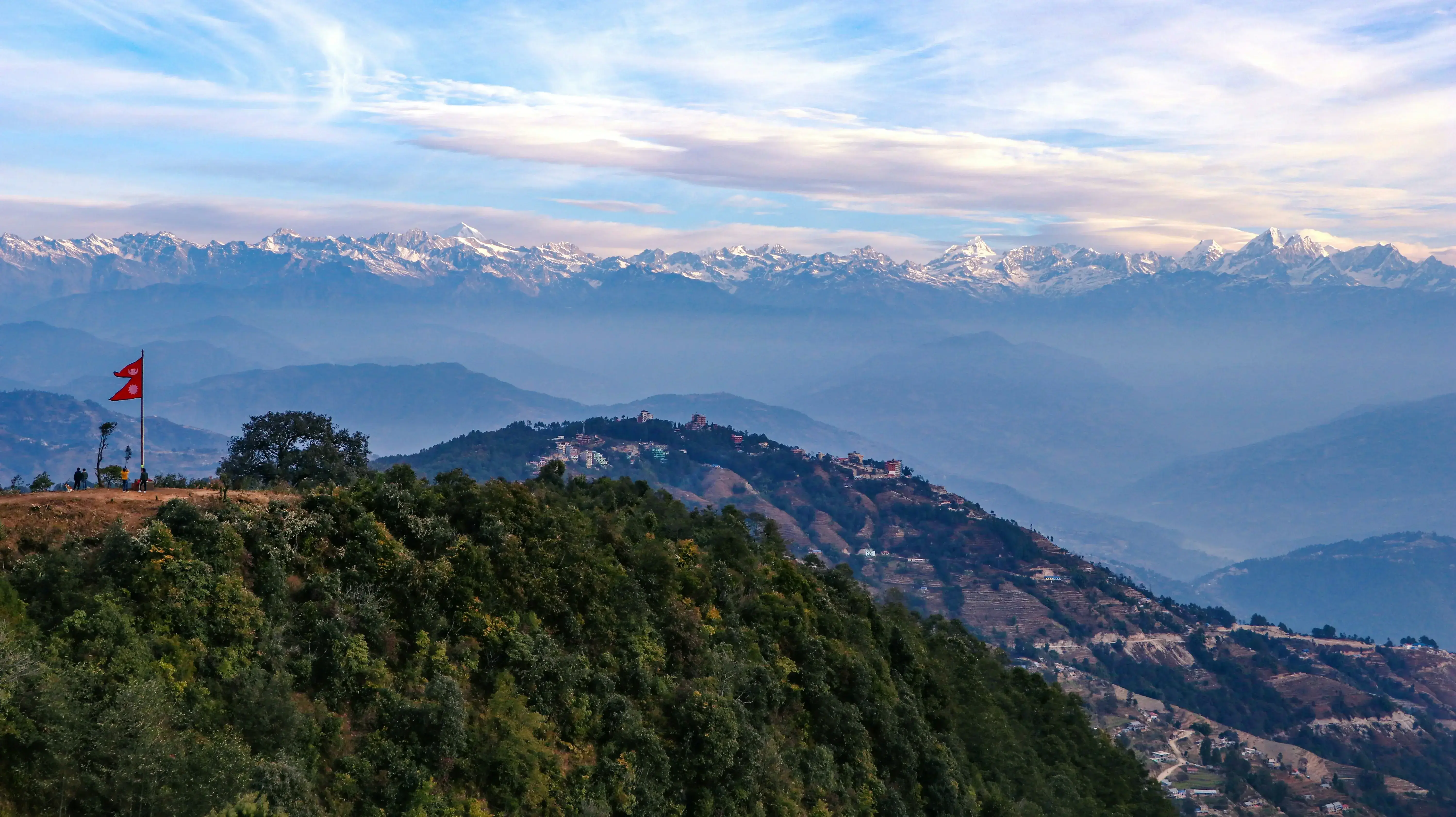
Eight days in Nepal is the perfect amount of time to experience the country's greatest hits without feeling rushed. In just over a week, you can walk through medieval city squares that are UNESCO World Heritage Sites, watch the sun rise over the Annapurna range from a hilltop above a tranquil lake, and search for one-horned rhinoceroses in the grasslands of Chitwan National Park. The 8-day Nepal highlights tour is designed for travelers who want the complete Nepali experience: the culture, the mountains, and the wildlife, all in a single, perfectly paced journey.
This guide covers everything you need to know about an 8-day Nepal highlights tour in 2026 and 2027. From the ancient streets of Kathmandu to the lakeside serenity of Pokhara and the wild jungles of Chitwan, we detail the must-see sites, the best ways to travel between destinations, and how to make every day of your Nepal journey count.
Why Is Eight Days the Ideal Duration for Nepal?
Eight days is the ideal duration for a Nepal highlights tour because it comfortably fits three days in Kathmandu, two days in Chitwan and two days in Pokhara, with travel days woven between. You experience heritage, wildlife and mountains without rushing, and you return home with a complete picture of the country rather than a single slice of it.
Eight days hits a sweet spot for Nepal. It allows three days in the Kathmandu Valley, enough to cover the major UNESCO World Heritage Sites and absorb the valley's extraordinary cultural density. It allows two days in Pokhara, enough to experience the lakeside serenity and the mountain panoramas that define Nepal's most scenic city. It allows two days in Chitwan National Park, enough for a jeep safari, a canoe ride, a jungle walk, and a cultural evening. And it allows one travel day that connects the destinations through some of the most beautiful landscapes in the Himalayas.
Shorter tours exist, but they require cutting either the wildlife component or one of the cultural days, and the experience feels incomplete. Longer tours allow for deeper exploration, but eight days is the minimum for a truly comprehensive Nepal experience. The 8-day highlights tour package is specifically designed for this duration, with every day carefully planned to maximize the experience.
For travelers who want to focus specifically on culture and mountains without the wildlife component, the Nepal Unveiled tour offers a 7-day Kathmandu-Pokhara itinerary. For those who want to add a spiritual dimension, the Golden Triangle with Lumbini tour extends the journey to 10-12 days with a visit to the birthplace of the Buddha.
Days 1-3: Kathmandu Valley, The Cultural Foundation
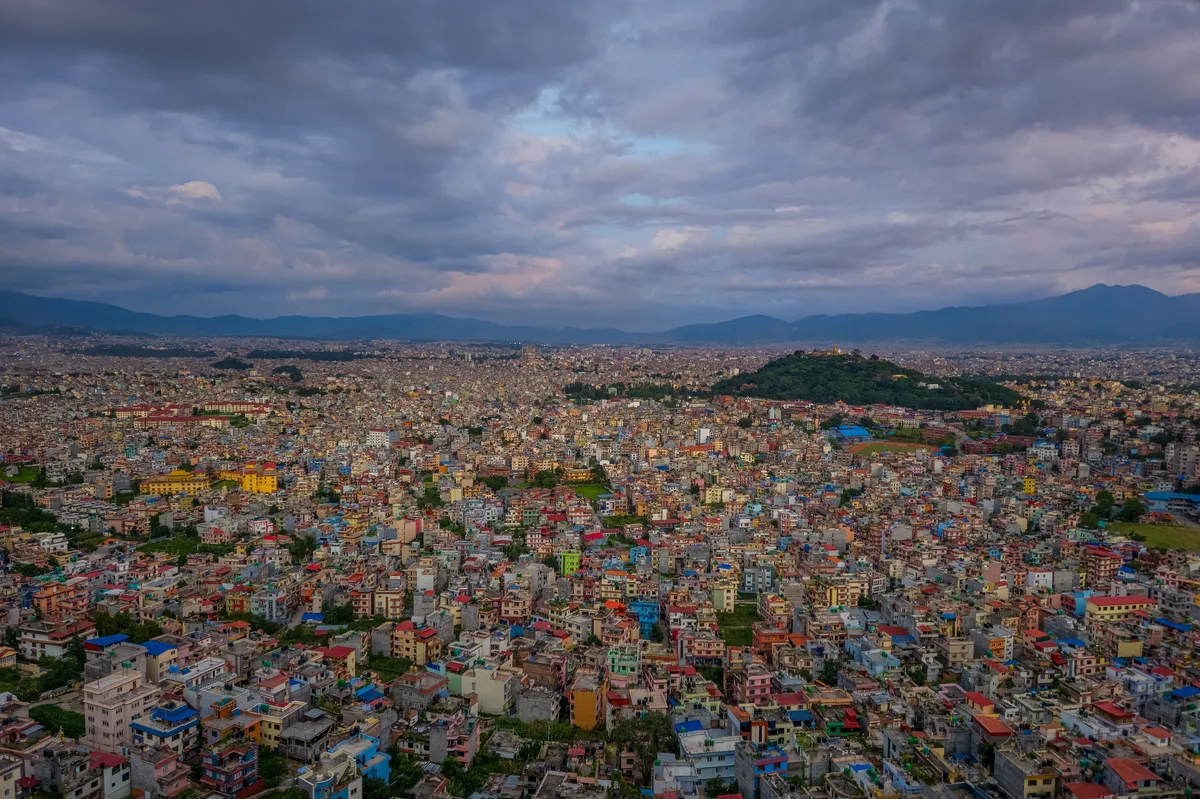
The first three days of the 8-day Nepal highlights tour are dedicated to the Kathmandu Valley, home to seven UNESCO World Heritage Sites and one of the richest concentrations of monumental architecture on earth. Three days is the minimum needed to do justice to this extraordinary cultural landscape.
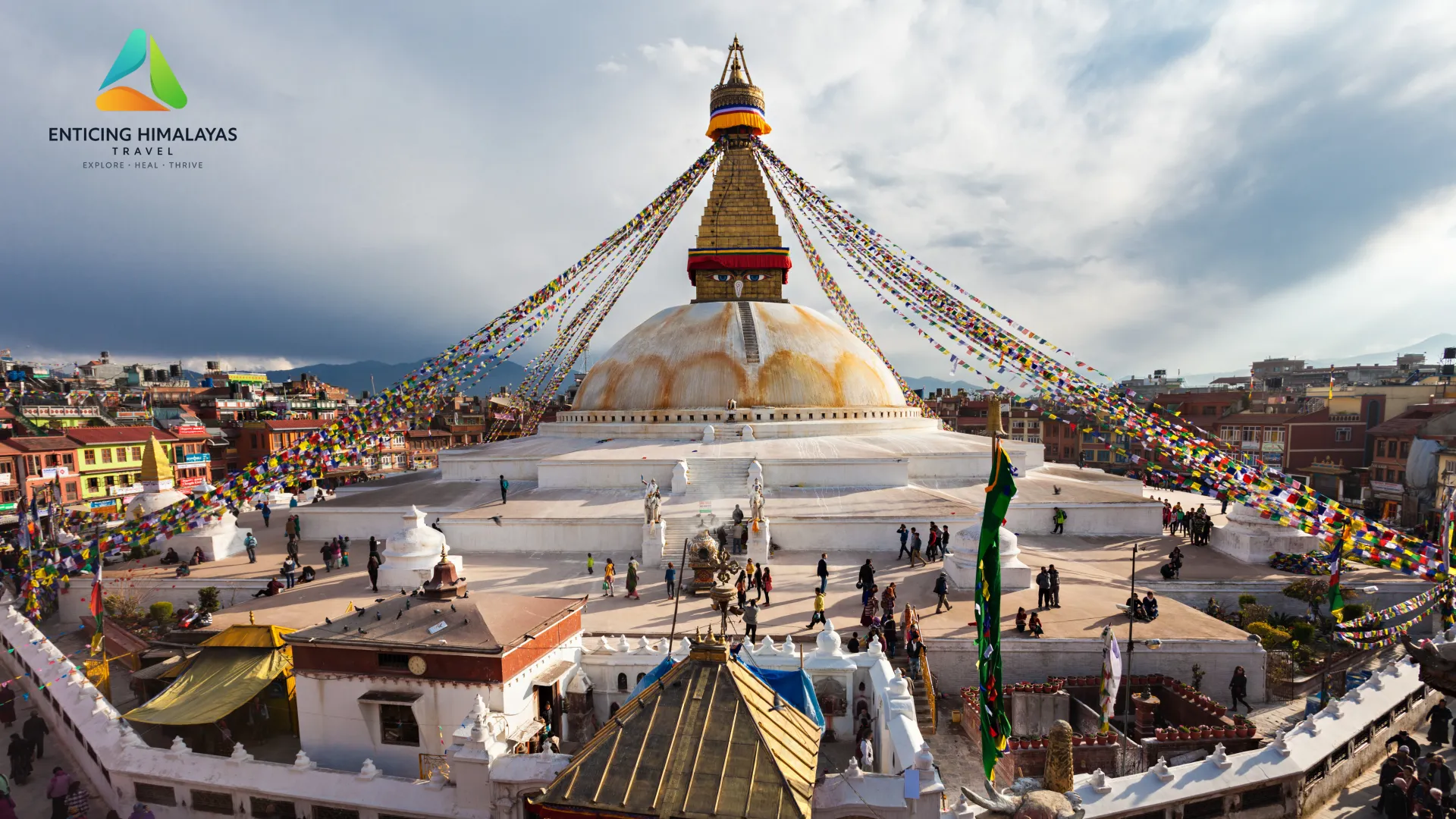
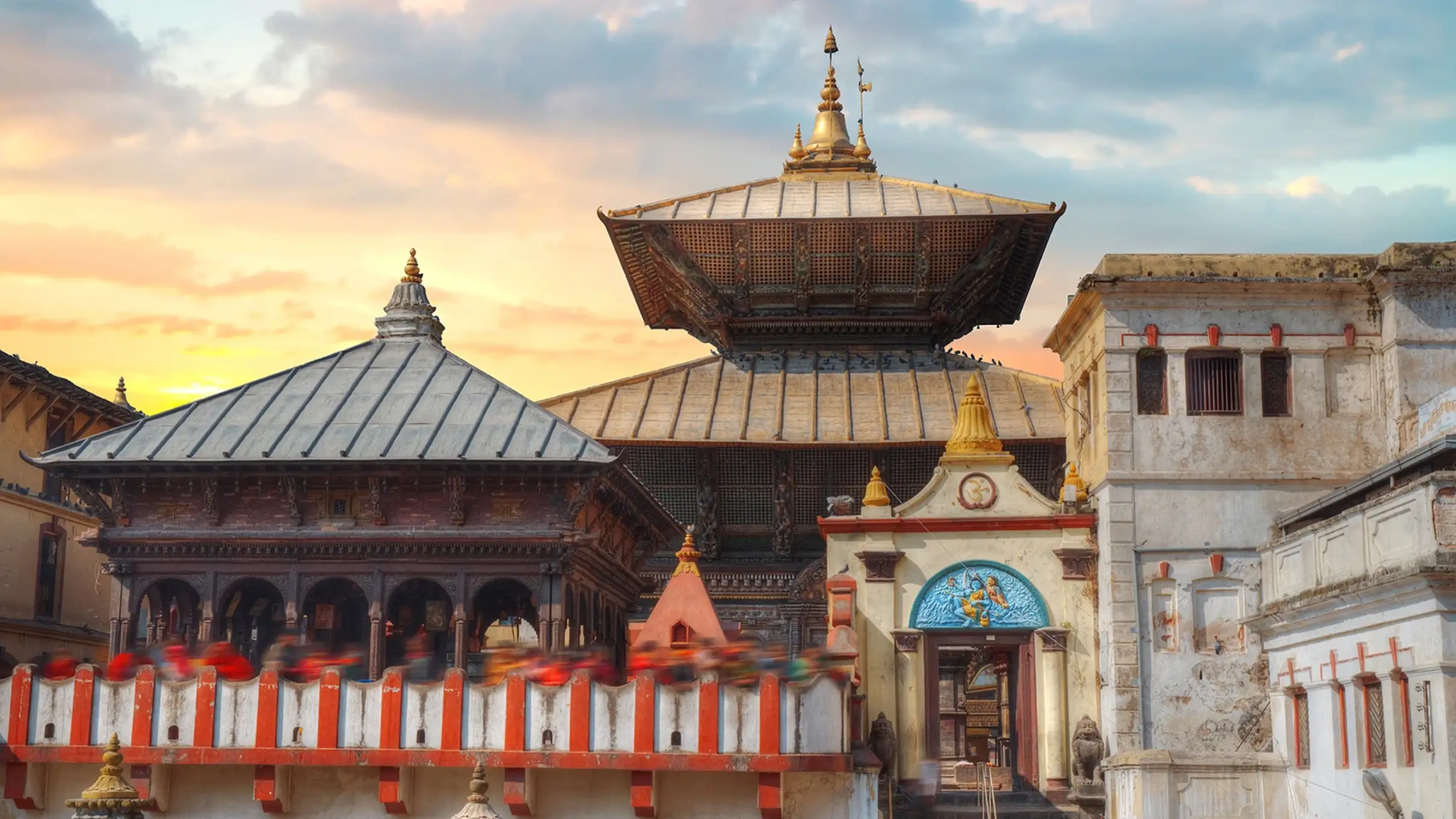
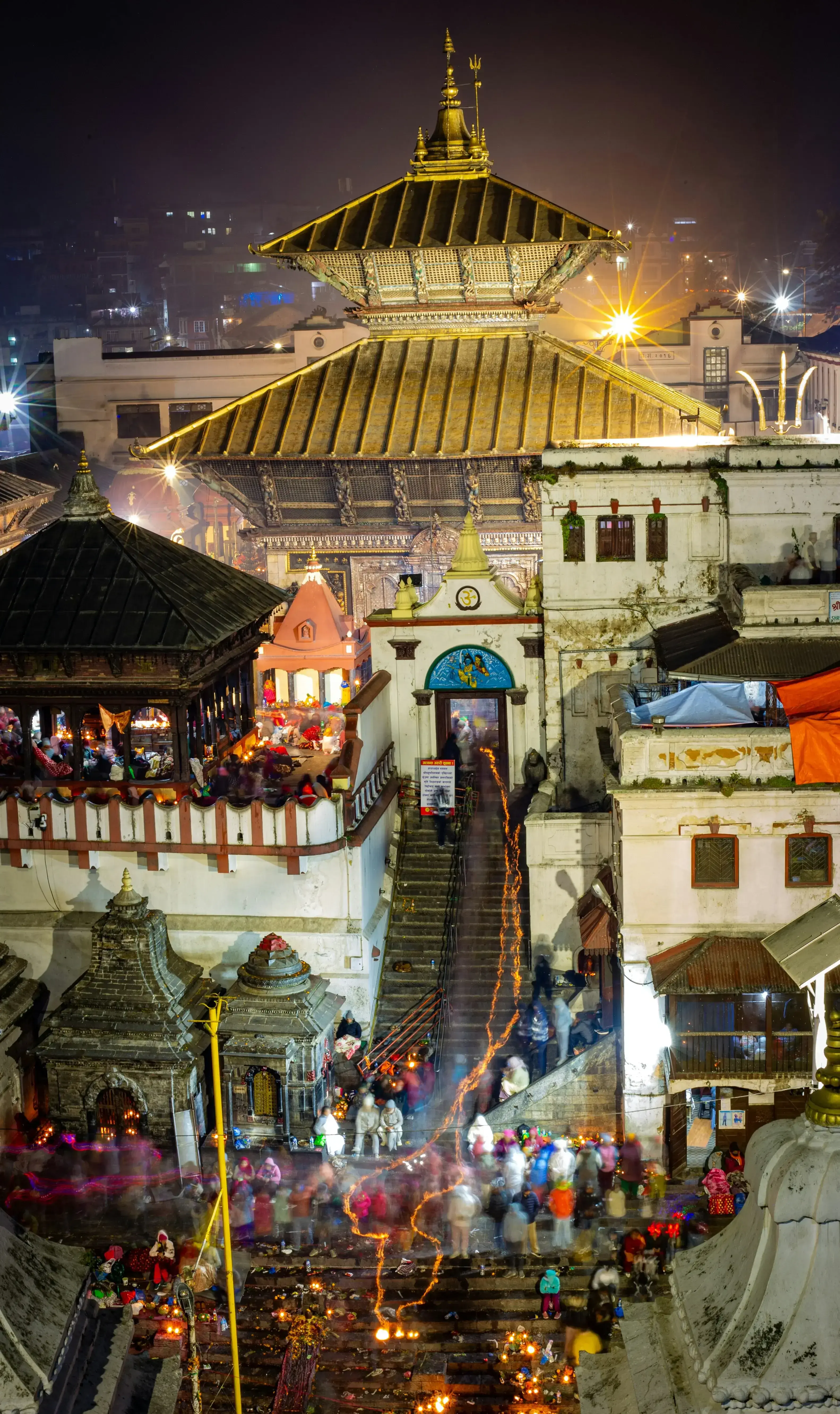
Day one focuses on the spiritual heart of the valley. The morning begins at Pashupatinath Temple, the most sacred Hindu shrine in Nepal. The riverside ghats, the forest of shrines, and the atmosphere of devotion are deeply moving, and the morning aarti ceremony is a powerful introduction to Nepal's living Hindu traditions. From Pashupatinath, the tour continues to Boudhanath Stupa, the great Tibetan Buddhist monument. The white dome, the all-seeing eyes, and the surrounding monasteries make Boudhanath one of the most atmospheric places in Nepal. The afternoon is spent at Swayambhunath Stupa, the Monkey Temple, where the sunset view over the valley is a fitting close to the day.
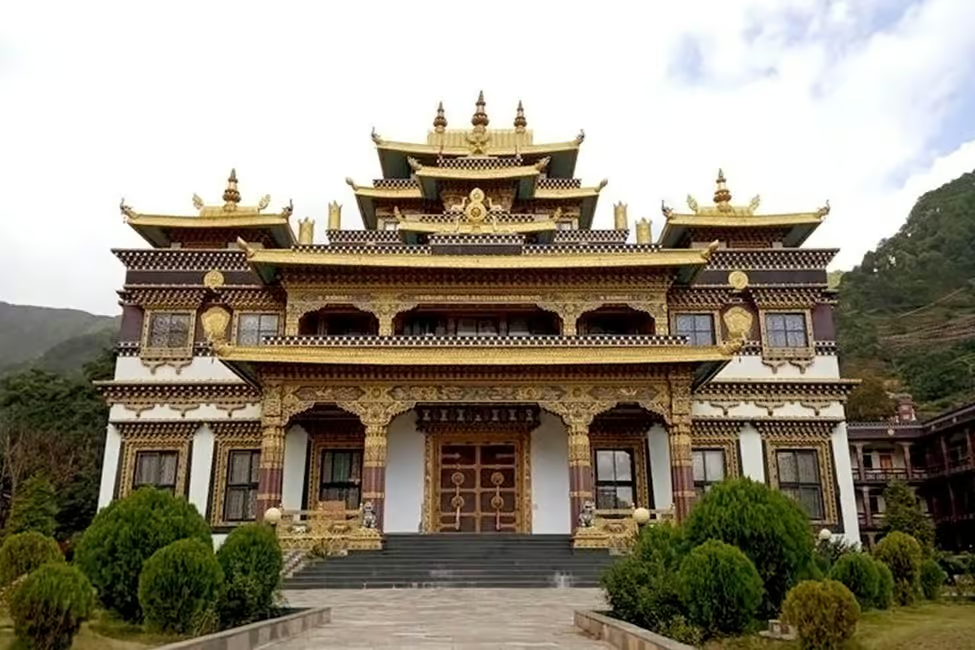
Day two explores the durbar squares. The morning is spent at Bhaktapur Durbar Square, the best-preserved of the valley's medieval city centers. The Nyatapola Temple, the 55-Window Palace, and the pottery square are essential stops. The afternoon moves to Patan Durbar Square, where the stone-built Krishna Mandir and the superb Patan Museum showcase the finest of Newari art and architecture. The square is surrounded by artisan workshops where traditional crafts are still practiced.
Day three covers Kathmandu Durbar Square, with the Hanuman Dhoka Palace, the Taleju Temple, and the Kumari Ghar. The afternoon is free for exploring Thamel or visiting the Garden of Dreams. For travelers who want a more comprehensive Kathmandu experience, the 4-day UNESCO cultural heritage tour covers all seven monument zones in depth.
Day 4: Kathmandu to Chitwan, Into the Wild
Day four is the journey from Kathmandu to Chitwan National Park, a drive of approximately five to six hours that descends from the Kathmandu Valley at 1,400 meters to the Chitwan Valley at 150 meters. The landscape transforms dramatically: terraced hillsides give way to subtropical forest, the air grows warmer and more humid, and the vegetation thickens into sal forest and elephant grass.
The road follows the Trishuli River for much of the route, offering dramatic views of river gorges and traditional villages. A stop for lunch at a riverside restaurant is a pleasant break. The alternative to driving is a 20-minute flight from Kathmandu to Bharatpur, the gateway to Chitwan, which saves time but sacrifices the scenic transition.
Upon arrival in Chitwan, the afternoon is spent settling into your lodge and taking a short walk to a nearby Tharu village. The Tharu are the indigenous inhabitants of the Terai, and their distinctive mud-walled houses, decorated with intricate handprints and geometric patterns, offer a window into a culture that has coexisted with the jungle's wildlife for centuries. The evening features a Tharu cultural program, with stick dances and folk songs performed around a fire.
Days 5-6: Chitwan National Park, Wildlife Encounters
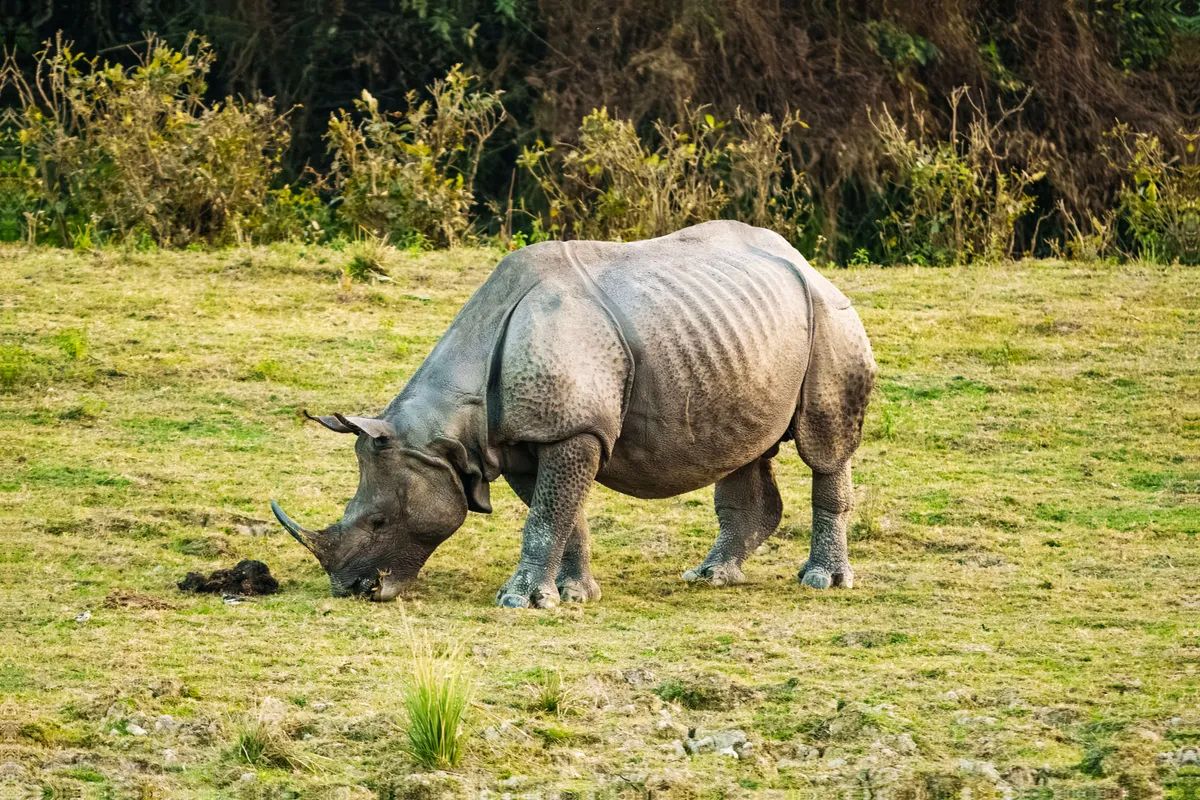
Chitwan National Park, Nepal's first national park and a UNESCO World Heritage Site, is the wildlife centerpiece of the 8-day highlights tour. The park protects 932 square kilometers of sal forest, riverine grassland, and marshland, and it is one of the best places in Asia to see large mammals in the wild.
Day five is dedicated to a full-day jeep safari into the park's core zone. The open jeep allows excellent visibility, and the experienced naturalist guides know where to find the wildlife. The one-horned rhinoceros is the star attraction, and sightings are common. These prehistoric-looking animals, with their armored skin and single horn, can weigh over two tons and are often seen grazing in the grasslands or wallowing in rivers. The Bengal tiger is more elusive, but Chitwan's tiger population has been increasing, and sightings are becoming more frequent. Leopards, sloth bears, wild elephants, and four species of deer are more commonly encountered.
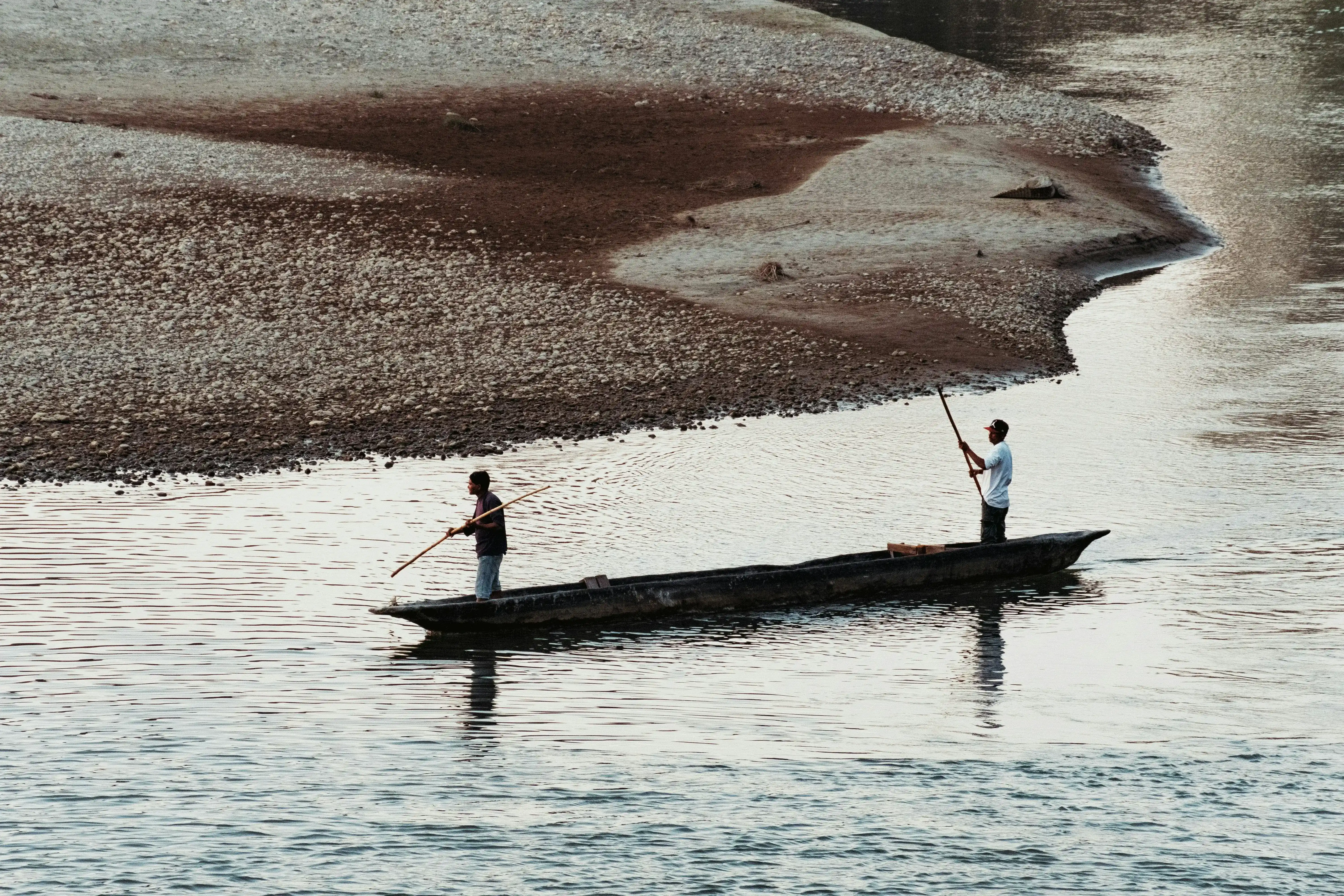
Day six begins with a canoe ride on the Rapti River, where gharial and marsh mugger crocodiles bask on sandbanks and kingfishers dart across the water. This is followed by a guided jungle walk with naturalist guides, a more intimate way to experience the forest and its smaller inhabitants: birds, butterflies, monkeys, and the tracks and signs of larger animals. The afternoon includes a visit to the elephant breeding center, where you can learn about conservation efforts for these magnificent animals.
Chitwan is also a world-class birdwatching destination, with over 540 recorded species. The great hornbill, the Bengal florican, and the giant kingfisher are among the highlights. Even visitors who come for the mammals often leave as birdwatchers. For travelers who want a deeper wildlife experience, the Nepal heritage and wildlife experience offers a longer, more immersive journey.
Days 7-8: Pokhara, Lakes and Mountains
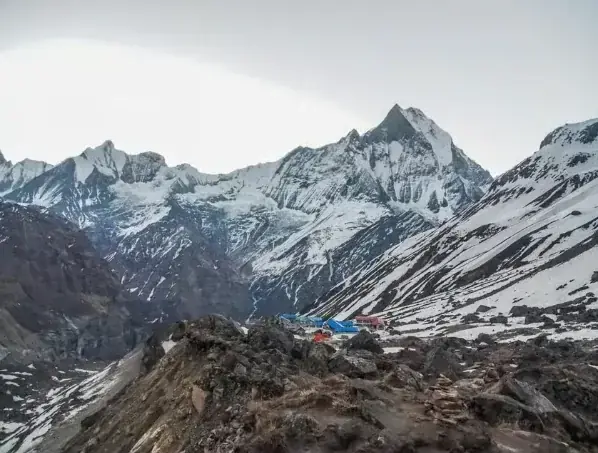
From Chitwan, the tour continues to Pokhara, a drive of about five to six hours that follows the Seti and Marsyangdi river valleys back into the hills. The approach to Pokhara is one of the most scenic drives in Nepal, with the Annapurna range growing larger on the horizon with every kilometer.
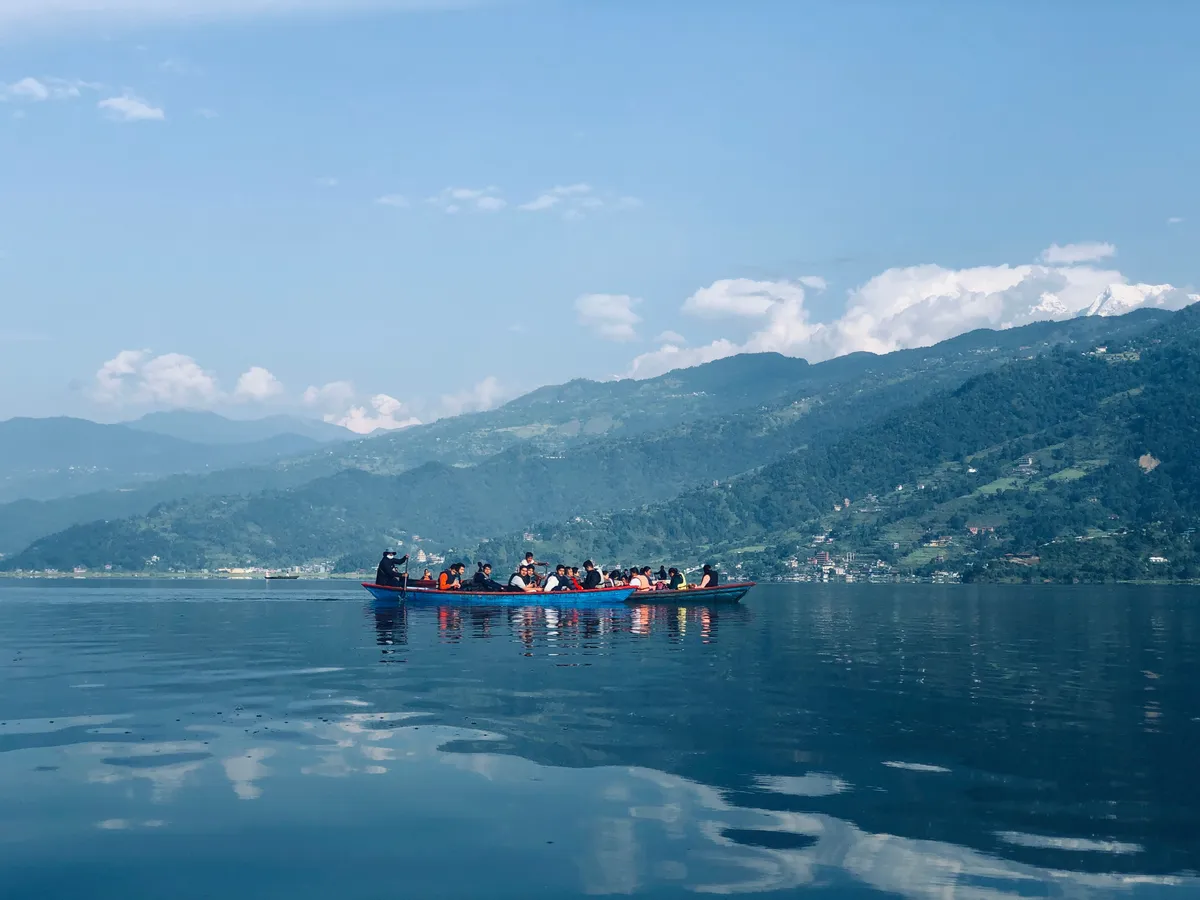
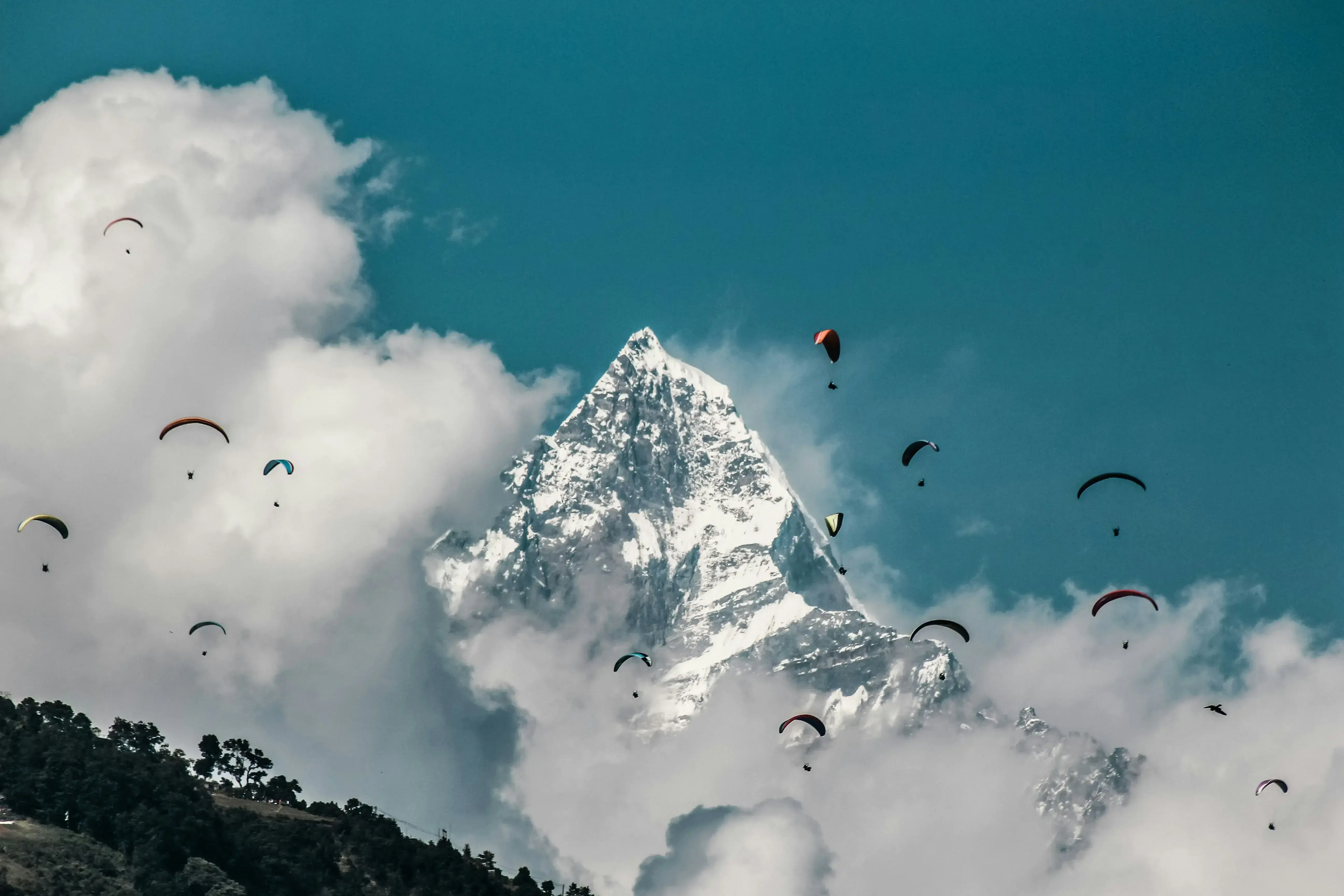
Pokhara is the scenic climax of the 8-day highlights tour. The city sits at 827 meters on the shore of Phewa Lake, with the Annapurna massif rising directly from the valley floor. The reflection of Machhapuchhre, the fishtail peak, in the still waters of the lake is one of the most photographed scenes in Nepal.
Day seven begins before dawn with a trip to Sarangkot, a hilltop viewpoint at 1,600 meters. The sight of the first sunlight hitting Dhaulagiri, Annapurna South, and Machhapuchhre is one of the most memorable experiences in the Himalayas. After breakfast, the day continues with a boat ride on Phewa Lake to the Tal Barahi Temple, followed by visits to Devi's Fall, the Gupteshwor Mahadev Cave, and the International Mountain Museum. The evening is free to explore the Lakeside promenade.
Day eight, the final day of the tour, is dedicated to the World Peace Pagoda. The hike up through the forest to the gleaming white stupa takes about 45 minutes, and the view from the top, encompassing Phewa Lake, Pokhara city, and the entire Annapurna range, is the best in the region. The afternoon is the return journey to Kathmandu, either by road or by a 25-minute flight that offers a final, unforgettable view of the Himalayas.
How Do You Travel Between the Three Destinations?
All three destinations on the highlights route are connected by paved highways, and the standard transfers are by private vehicle with an experienced driver. The Kathmandu-Chitwan drive takes five to six hours, the Chitwan-Pokhara drive five to six hours, and the return from Pokhara to Kathmandu six to seven hours, so the drives are genuine sightseeing experiences rather than dead time.
Private tourist vehicles are the norm on organized tours, and they allow stops whenever the scenery demands: riverside lunch breaks, cable-stayed bridges over the Trishuli, and roadside viewpoints where the Annapurna range first appears. Travelers who are short on time can replace the longest drives with domestic flights. The 20-minute flight from Kathmandu to Bharatpur removes the Day 4 drive, and the 25-minute Pokhara-Kathmandu flight shortens the final day. Both flights add cost but also add their own memories: the mountain views from the window seat on the Pokhara-Kathmandu route are spectacular on clear mornings.
Road conditions have improved considerably on all three corridors in recent years, but landslides during the monsoon can occasionally delay travel, which is one more reason autumn and spring departures run to schedule. If you are weighing this circuit against other Nepal itineraries, the golden triangle Nepal tour follows the same three-destination logic with a different pacing, and comparing the two helps you pick the rhythm that suits you.
What Makes the 8-Day Highlights Tour Special?
The highlights tour stands apart because it delivers Nepal's three essential faces in a single week: the cultural density of Kathmandu, the wild beauty of Chitwan, and the mountain majesty of Pokhara. The transitions between landscapes create a journey that never repeats itself, and authentic encounters replace superficial sightseeing at every stop.
The tour also prioritizes authentic encounters over superficial sightseeing. In Kathmandu, you participate in rituals rather than just photographing temples. In Chitwan, you walk through the forest with naturalist guides rather than just viewing wildlife from a distance. In Pokhara, you hike to viewpoints and boat across the lake rather than just admiring the mountains from a hotel balcony.
For travelers interested in Nepal's deeper spiritual dimensions, the spiritual tour in Nepal and the spiritual tour in Nepal 2026 guides explore the country's pilgrimage circuits and meditation retreats. The Nepal cultural heritage tour guide provides a comprehensive overview of the country's temples, squares, and living traditions, and pairs naturally with the complete 2026 guide to cultural and spiritual travel in Nepal for readers who want the full context behind each monument.
When Is the Best Time for the 8-Day Nepal Highlights Tour?
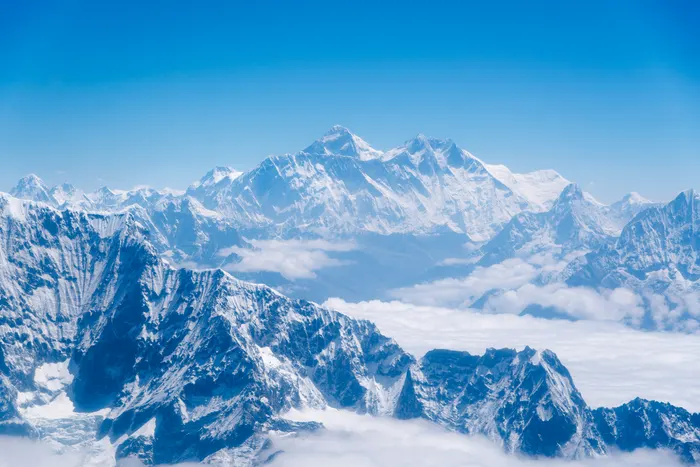
The best time for the 8-day Nepal highlights tour is autumn, from October to November, when dry mild weather, crystal-clear mountain views and active wildlife viewing coincide. Spring, from March to May, is the strong runner-up, while winter offers the most comfortable Chitwan conditions and the monsoon is best avoided.
The 8-day Nepal highlights tour operates year-round, but the experience varies significantly by season. Autumn (October to November) is the overall best season: the weather is dry and mild, mountain views are at their clearest, and Chitwan's wildlife is easier to spot as animals congregate around shrinking water sources. The major festivals of Dashain and Tihar add cultural richness to the Kathmandu portion of the tour.
Spring (March to May) is also excellent, though temperatures in Chitwan can be high, with daytime highs reaching 35 degrees Celsius. The birdlife is at its most active, and the sal forest is in bloom. The rhododendrons are flowering in the hills around Pokhara. Mountain visibility remains good, though afternoon haze can sometimes obscure distant peaks.
Winter (December to February) is the most comfortable season for Chitwan, with cool mornings ideal for jungle walks. Kathmandu and Pokhara can be cold in the mornings and evenings, but the days are sunny and clear. Mountain views are often excellent in winter. The monsoon (June to September) is the least favorable season: heavy rain can disrupt road travel, leeches are active on jungle walks, and mountain views are often obscured.
How Much Does the 8-Day Nepal Highlights Tour Cost?
The 8-day Nepal highlights tour starts at US$515, which covers the core of the journey: accommodation across all three destinations, ground transport, guided sightseeing in Kathmandu, the Chitwan safari program, and the Pokhara excursions. Most travelers then add US$40-70 per day for meals not included, entrance fees, tips, and personal spending.
Breaking the budget down helps you plan realistically. The tour package price is the largest single line, and it varies with the accommodation tier you choose, from comfortable mid-range hotels to upscale properties. The items that sit outside the package are predictable: UNESCO site entrance fees in the Kathmandu Valley, Chitwan National Park permits, meals beyond breakfast, and the domestic flights if you decide to shortcut the long drives. Travelers who keep to mid-range hotels and local restaurants typically spend US$150-250 on these extras across the week, while those who fly internally and dine at hotel restaurants spend more.
Two levers move the total the most: the season you travel in and the accommodation tier. Prices and availability are best in the shoulder months of late September, early December and March, while the October-November peak commands premium rates on flights and hotels. If the full eight days stretch the budget, the 6-day cultural and nature experience covers similar ground in less time, and if you want more, the Golden Triangle with Lumbini adds the Buddha's birthplace to the same circuit.
Where Should You Stay on the Highlights Route?
Accommodation on the highlights route falls into three distinct styles, one per destination: heritage-adjacent hotels in Kathmandu, jungle lodges in Chitwan, and lakeside properties in Pokhara. Choosing the right base in each location matters more than upgrading any single night, because each destination rewards a different kind of stay.
In Kathmandu, the Thamel district offers the widest range, from lively guesthouses to quiet boutique hotels set a street back from the noise. Staying within walking distance of the durbar squares in Patan or Bhaktapur is worthwhile if your itinerary emphasizes them. In Chitwan, lodges cluster along the Rapti River near Sauraha, ranging from simple jungle camps to upscale resorts with pools; the higher-tier lodges position you closer to the park gate for early safari departures. In Pokhara, the Lakeside area is the equivalent of Thamel: a walkable strip of hotels, cafes, and bookshops along Phewa Lake, where a room with an Annapurna view transforms early mornings.
The 8-day highlights tour package includes carefully selected accommodation in all three destinations, matched to your budget tier, which removes the single biggest planning burden from a multi-destination trip: coordinating seven nights across three towns. If you are arranging stays independently, book Chitwan lodges first in high season, as riverside rooms sell out well before Kathmandu and Pokhara hotels do.
What Should You Eat on the Highlights Route?
Eating along the highlights route is one of the quiet pleasures of the trip: dal bhat power lunches in Kathmandu, Tharu river-fish curries in Chitwan, and wood-fired pizza next to Phewa Lake in Pokhara. Each destination has its own food culture, and the tour gives you at least one evening in each to eat like a local rather than a tourist.
In Kathmandu, start with the Newari kitchen, the valley's indigenous cuisine: chatamari rice crepes, spicy buff choila, and yomari dumplings sweetened with molasses. Thamel and Jhamsikhel host the best-known Newari restaurants, and a guided food walk is the most efficient way to taste across menus. In Chitwan, the Tharu cuisine is the highlight: sticky rice (dhikri), snail and fish curries, and gundruk, the fermented leaf green that appears on nearly every Nepali table. Several lodges serve authentic Tharu set dinners alongside the cultural programs. In Pokhara, the Lakeside strip ranges from Tibetan momo stalls to organic cafes; try the local fish from Phewa Lake and the honey from the surrounding hills.
Two practical notes: tap water is not drinkable anywhere on the route, so stick to sealed or filtered bottles, and if you are sensitive to spice, say "kamam masala" (less spice) when ordering. The street food is excellent but easing in during the first two days is wise before you commit to a full chatamari crawl.
Is the Highlights Tour Suitable for Families?
Yes, the 8-day highlights tour is one of Nepal's most family-friendly itineraries, because it swaps high-altitude trekking for a low, varied route that never sleeping above 1,400 meters. Children take readily to the canoe rides, jeep safaris and boat trips, and the pacing leaves room for pool afternoons rather than forced marches.
The itinerary works for children from around six years old. In Kathmandu, the durbar squares are open-air museums where kids can watch potters at their wheels and flag bearers change guard; in Chitwan, the canoe ride and elephant breeding center are genuine highlights for young travelers, and naturalist guides scale their commentary to the group; in Pokhara, the short World Peace Pagoda hike and the lakeside cycle boats fill a morning without exhausting anyone. The drives are the main challenge for younger children, and most families plan them around naps or split them with the Bharatpur flight.
Family rooms and connecting rooms are available across the route's mid-range and upscale hotels, and the highlights tour package can be customized with family-priced tiers. For a deeper look at traveling Nepal with children, the cross-country pacing in the Nepal Unveiled itinerary follows similar, family-tested logic across Kathmandu and Pokhara.
Can You Add Trekking to the Highlights Itinerary?
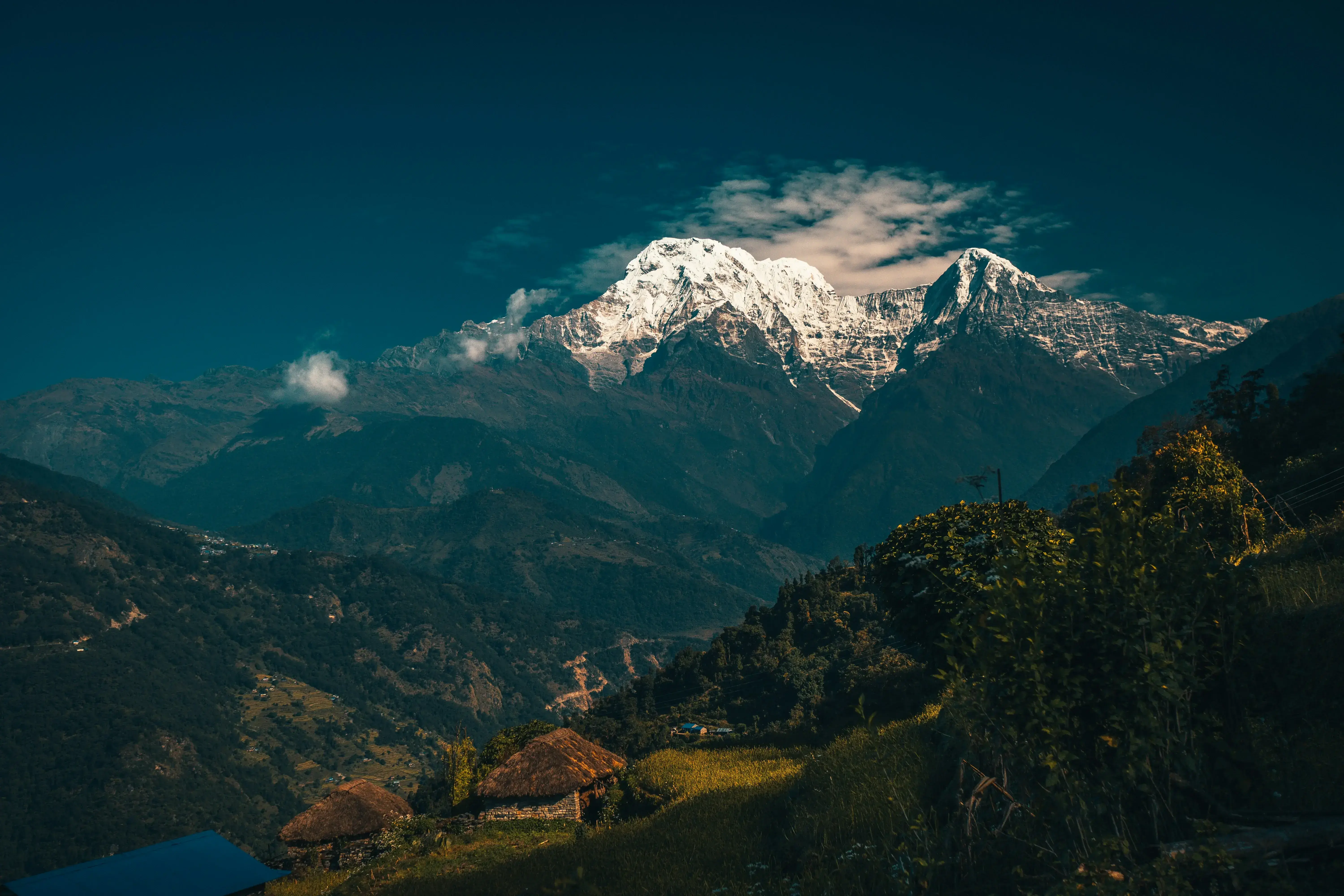
Yes, trekking slots naturally onto the end or the middle of the highlights tour, because Pokhara is the trailhead for the Annapurna region. A 3-5 day Ghorepani Poon Hill trek is the classic add-on, while the 2-day Australian Camp hike suits travelers with less time.
Eight days in Nepal is an excellent introduction, but many travelers find themselves wanting more. The most natural extension is to add Lumbini, the birthplace of the Buddha, creating a comprehensive cultural, wildlife, and spiritual itinerary. The Golden Triangle with Lumbini tour covers Kathmandu, Pokhara, Chitwan, and Lumbini in 10 to 12 days.
For trekking enthusiasts, Pokhara is the trailhead for some of the world's finest treks. The complete guide to trekking in Nepal covers everything from choosing a route to selecting a reputable agency. A short trek in the Annapurna foothills, such as the Ghorepani Poon Hill trek (3-5 days), can be added to the end of the highlights tour.
For those interested in a deeper cultural immersion, the Nepal cultural scenic tour focuses specifically on the Kathmandu-Pokhara corridor with more time for heritage sites. The Nepal cultural pilgrimage Himalayan experience offers an 8-day journey with a stronger spiritual emphasis.
The Sacred Valleys and Living Goddesses tour and the Nepal sacred Kathmandu heritage tour offer alternative itineraries that complement the highlights experience with different cultural emphases.
What Should You Pack for 8 Days in Nepal?
Pack versatile layers for three climates in one week: comfortable walking shoes and modest temple clothing for Kathmandu, neutral-colored long sleeves for Chitwan safari days, and a warm layer for Pokhara's pre-dawn drive to Sarangkot. One duffel of mixed layers is genuinely all you need.
Packing for an 8-day Nepal highlights tour requires versatility, as the three destinations have different climates and activity profiles. Kathmandu and Pokhara call for comfortable walking shoes, layers for cool mornings and warm afternoons, and modest clothing for temple visits. Chitwan requires neutral-colored clothing for wildlife viewing, long sleeves and pants for protection against insects and sun, a wide-brimmed hat, and binoculars.
A good pair of walking shoes is essential across all three destinations. In Kathmandu, you will be walking on uneven stone pavements. In Chitwan, you will be on forest trails. In Pokhara, you will be hiking to viewpoints. Sandals are fine for evenings but not for daytime activities.
Other essentials include sunscreen, insect repellent, a reusable water bottle, a headlamp or flashlight for Chitwan's evening walks, and a power bank for charging devices during long drives. A lightweight rain jacket is useful year-round, as mountain weather can change quickly even in the dry season.
Bringing Nepal Home
Eight days is enough to fall for Nepal, and the highlights tour is built to make the feeling last: the first aarti drumbeat at Pashupatinath, a rhino crossing the river fifty meters from your canoe, the moment the Annapurna range catches fire at Sarangkot. The most common post-tour regret we hear is not packing light enough or skipping Lumbini, and the most common delight is how three such different worlds fit inside a single week. Keep your notebook handy, buy the singing bowl you will regret leaving behind, and start planning the return trip before the plane leaves the ground.