Every year, thousands of trekkers land in Kathmandu with the same question: should we go to Annapurna Base Camp or Everest Base Camp? This is the oldest debate in Himalayan trekking, and there is no single right answer. The right trek depends on your fitness, your budget, how many days you can take off work, and how your body handles altitude.
Both treks are world-class. Everest Base Camp (EBC) takes you to the foot of the highest mountain on Earth, through the Sherpa heartland of the Khumbu. Annapurna Base Camp (ABC) brings you into a natural amphitheatre of 7000m and 8000m peaks, with easier access and a lower price tag. In 2026, both trails are busy, both have good teahouses, and both require permits you can arrange through a local agency.
This guide compares ABC and EBC side by side on cost, duration, altitude, scenery, access, permits, and crowd levels. We will also tell you which type of trekker each trail suits best, and how you can combine both into one longer Nepal trip if you have the time. Use the quick answer table below if you are in a hurry, then read the sections that matter most to your decision.
If you are still early in your planning, our guide to the best trekking agency in Nepal for 2026 explains how to choose a reliable local operator. For a broader look at Nepal travel beyond trekking, see our complete 2026 guide to cultural and spiritual tours in Nepal.


Quick Answer Table
| Factor | Annapurna Base Camp (ABC) | Everest Base Camp (EBC) |
|---|---|---|
| Guided cost (2026) | USD 800 to 1,800 | USD 1,200 to 2,800 |
| Standard duration | 7 to 11 days | 12 to 16 days |
| Maximum altitude | 4,130 m (ABC) | 5,545 m (Kala Patthar) |
| Difficulty | Moderate | Moderate to Challenging |
| Best season | Mar to May, Oct to Nov | Mar to May, Sep to Nov |
| Access point | Drive to Nayapul or fly to Pokhara | Fly Kathmandu to Lukla (via Ramechhap) |
| Permit stack cost | USD 50 (TIMS + ACAP) | USD 70 (TIMS + Sagarmatha + Khumbu) |
| Teahouse quality | Good, more variety at lower elevations | Good, more basic at higher elevations |
| Solitude | Moderate, busier at ABC itself | Moderate, very busy at EBC and Namche |
| Photo potential | Forest, sanctuary bowl, sunrise at ABC | Icefall, glacier, Kala Patthar panorama |
| Family suitability | Suitable for families with teens 12+ | Better for adults and older teens |
| Altitude sickness risk | Moderate | High |
Cost Comparison
The biggest difference most people notice first is the price. A fully guided 10-day ABC trek in 2026 typically runs USD 800 to 1,800, depending on group size, accommodation standard, and whether you start from Pokhara or Kathmandu. A fully guided 14-day EBC trek runs USD 1,200 to 2,800 for the same variables.
The main reason for the gap is the Lukla flight. To reach the EBC trailhead, you must fly from Kathmandu to Lukla, usually via Ramechhap airport in peak season. That flight alone adds USD 200 to 350 return per person, and it is the single most expensive line item on an EBC budget. ABC has no mandatory flight. You can drive from Kathmandu to Nayapul in about 7 hours, or fly to Pokhara for USD 50 to 100 and drive 1.5 hours to the trailhead.
Accommodation and food costs are similar on both trails. A basic teahouse room runs NPR 500 to 1,500 per night, and a plate of dal bhat costs NPR 400 to 700. EBC prices climb as you go higher; a bottle of water at Gorak Shep costs three times what it does at Lukla. ABC prices also rise with altitude, but the effect is less extreme because the highest point is 1,400 metres lower.
For a full breakdown of EBC expenses, read our Everest Base Camp trek cost guide for 2026. For the Annapurna side, our Annapurna trek cost guide for 2026 lists permit fees, daily budgets, and agency price ranges.
Duration and Vacation Time
EBC is a longer commitment. The standard itinerary is 14 days, with two full acclimatization rest days built in. Our detailed 14-day Everest Base Camp itinerary walks through every day, from the first uphill stretch out of Lukla to the final push to Gorak Shep and Kala Patthar. If you add arrival and departure days in Kathmandu, plus a buffer for weather delays, you need a minimum of 17 to 18 days of vacation.
ABC is shorter. The classic route is 10 days, but strong hikers can do it in 7, and relaxed walkers can take 11. Our 10-day Annapurna Base Camp itinerary shows the standard pacing. With travel days, you can complete ABC comfortably in 12 to 13 days of total vacation time. If you have two weeks or less, ABC is the realistic choice.
Altitude and Acclimatization
Altitude is the single biggest risk difference between the two treks. ABC reaches a maximum of 4,130 metres at the base camp itself. EBC reaches 5,364 metres at the base camp and 5,545 metres at Kala Patthar, the classic sunrise viewpoint. That 1,400-metre difference matters.
On EBC, you need two full acclimatization days: one at Namche Bazaar (3,440 m) and one at Dingboche (4,410 m). Most guided itineraries build these in automatically. On ABC, one rest day at Chhomrong or Deurali is usually enough, because the altitude gain profile is gentler.
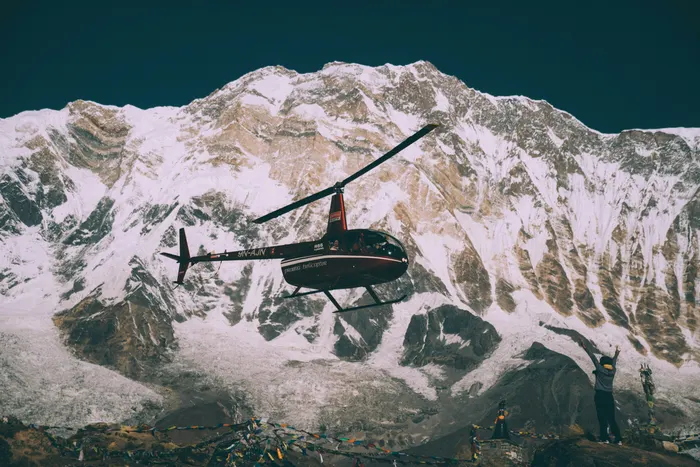
Rescue frequency reflects this. Helicopter evacuations from the EBC trail are several times more common than from ABC, both for altitude sickness and for slips on the moraine. The higher you go, the thinner the margin for error. For practical prevention tips, read our guide to altitude sickness on the Everest and Annapurna treks. It covers symptoms, acclimatization rules, and when to turn back.

Teahouses and Food
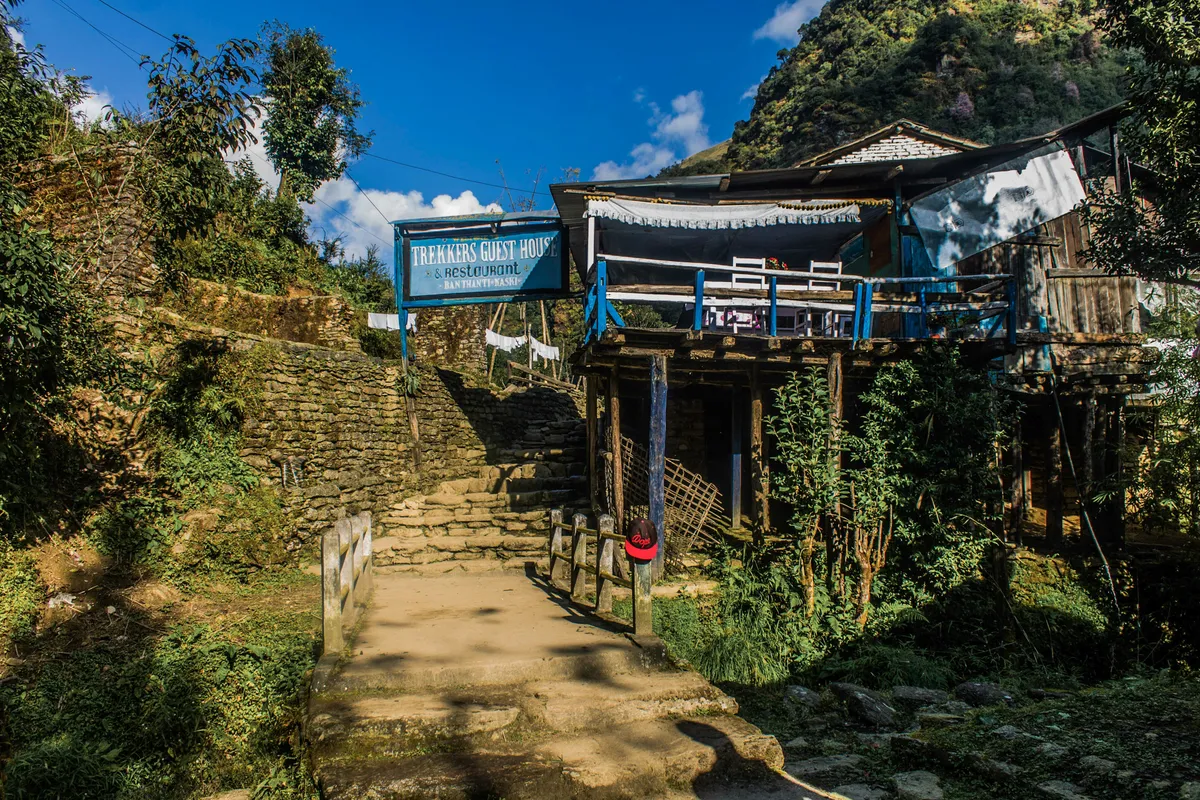
Both trails are well-served by teahouses, but the character changes with altitude. On ABC, the lower sections through Ghandruk, Chhomrong, and Sinuwa have comfortable lodges with private rooms, hot showers, and menus that include pizza, pasta, pancakes, and apple pie. As you climb into the sanctuary, options become simpler and rooms are more basic, but you still get a warm dining hall and a bed with blankets.
On EBC, the same pattern holds. Namche Bazaar has bakeries, coffee shops, and even a pub. Above Namche, the lodges become functional and focused on warmth. At Gorak Shep, the last stop before EBC, accommodation is basic and the temperature inside can drop well below freezing at night. Food prices climb steadily with altitude on both trails, because everything is carried in by porter or mule. Dal bhat remains the best value everywhere, and it is all-you-can-eat.
Scenery Comparison
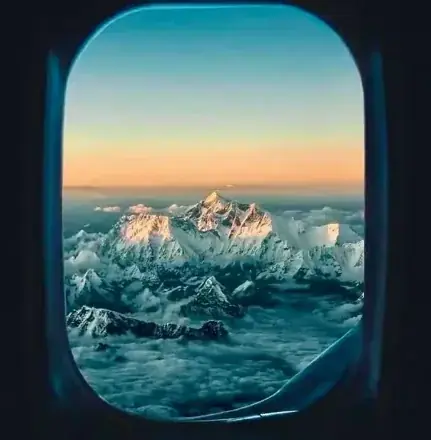
EBC is about the high Himalaya. The trail follows the Dudh Koshi valley, then climbs onto the Khumbu Glacier. You walk alongside the Khumbu Icefall, and from Kala Patthar you get a 360-degree panorama of Everest, Lhotse, Nuptse, Pumori, and Ama Dablam. The landscape is open, rocky, and glaciated. It feels like walking on the roof of the world.
Best matched trek: Annapurna Circuit Budget Trek: 14 Days Group Joining via Thorong La. Annapurna Circuit Budget Trek is a 14-day group-joining departure for cost-conscious trekkers who want the full Thorong La Pass (5,416m) loop without the private-trek price tag.
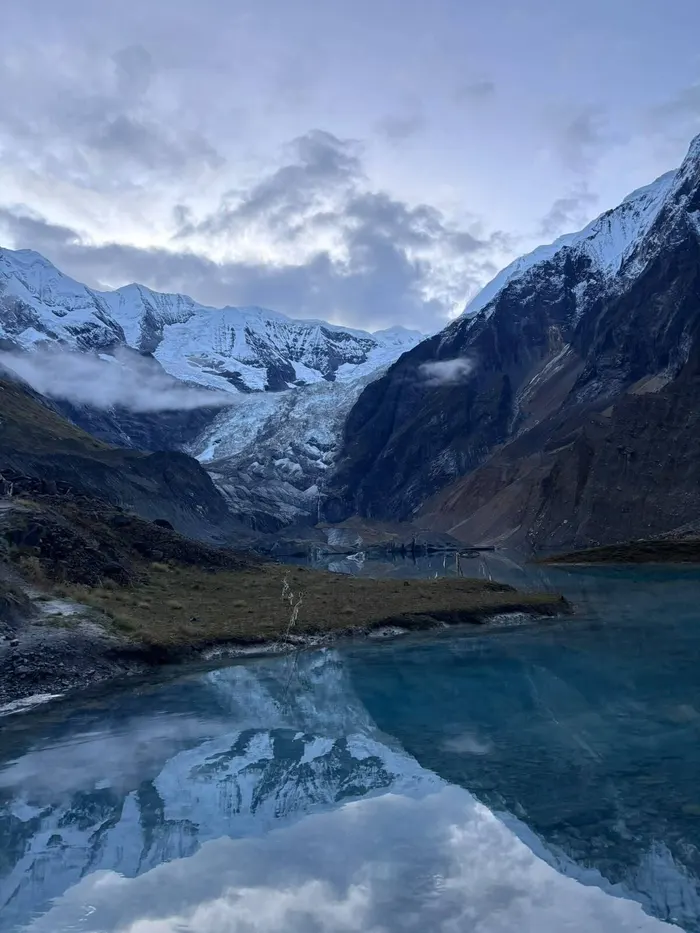
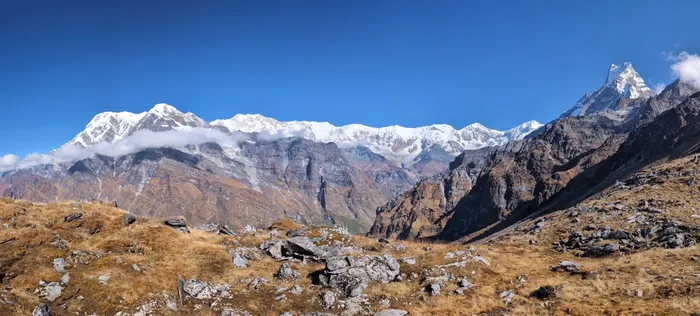
ABC is about variety. The trail starts in lowland rice terraces, climbs through rhododendron and oak forest, then enters the Annapurna Sanctuary, a natural bowl surrounded by Annapurna I (8,091 m), Annapurna South (7,219 m), Hiunchuli (6,441 m), and Machapuchare (6,993 m). The sanctuary is a glacial amphitheatre with moraine, waterfalls, and sheer rock walls. The scenery changes every day, and the forest section is arguably more beautiful than anything on the EBC trail.
If you want one iconic photo of Everest, go to EBC. If you want a changing gallery of landscapes and a sense of being inside the mountains, go to ABC.
Trailhead Access
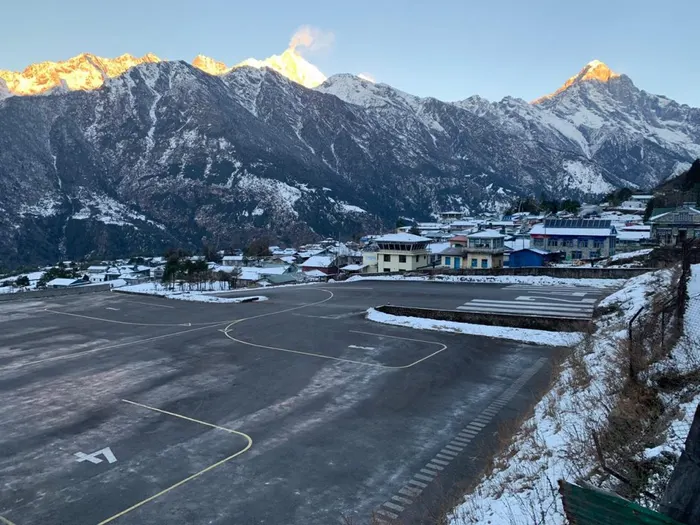
Getting to EBC means flying to Lukla. In peak season (March to May and September to November), flights are redirected from Kathmandu to Ramechhap airport, which adds a 4 to 5 hour drive before your flight. Lukla airport is famous for weather delays; clouds can shut the airport for hours or days. In 2026, this is still the reality, and every EBC itinerary should include at least one buffer day.
Getting to ABC is straightforward. You can drive from Kathmandu directly to Nayapul in about 7 hours, or fly to Pokhara (25 minutes) and drive 1.5 hours to the same trailhead. There is no weather-dependent flight into the mountains, and the trail starts at a much lower elevation, so you can begin walking the same day you arrive.
Permits
Both treks require a TIMS card and a conservation area permit. For ABC, the stack is TIMS (USD 20) plus the Annapurna Conservation Area Permit (ACAP, USD 30), for a total of USD 50. For EBC, you need TIMS (USD 20), Sagarmatha National Park entry (USD 30), and the Khumbu Pasang Lhamu Rural Municipality fee (USD 20), for a total of USD 70.
All permits are checked at checkpoints along the trail. If you book through a registered agency, they will arrange everything. If you trek independently, you can buy permits in Kathmandu or Pokhara. Our 2026 guide to Nepal trekking permits explains the full system, including restricted-area fees for other regions.
Who Should Pick Everest Base Camp
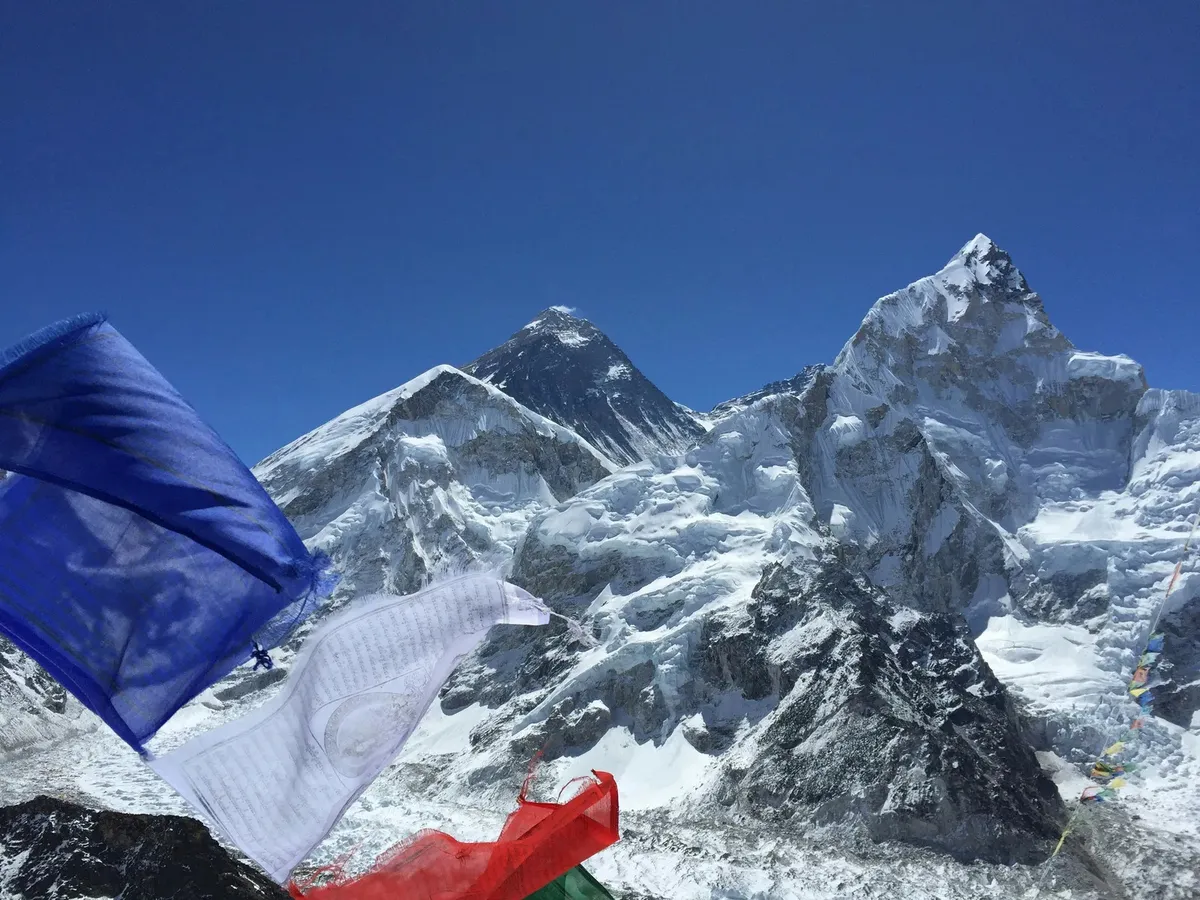
EBC is the right choice if you are physically fit, have some previous high-altitude experience, and have always dreamed of standing at the foot of Everest. It is also the better choice if you are training for a mountaineering objective later, because the acclimatization profile and the long days above 5,000 metres will expose you to serious altitude in a controlled way.
Peak-baggers and Sherpa-culture enthusiasts will prefer EBC. The trail passes through Namche Bazaar, the Sherpa capital, and stops at Tengboche Monastery, the most important Buddhist site in the Khumbu. You will meet climbers preparing for Everest and Lhotse, and you will feel the energy of a mountain that has drawn expeditions for a century. If you have the time, the fitness, and the budget, EBC delivers an experience that no other trek in Nepal matches.
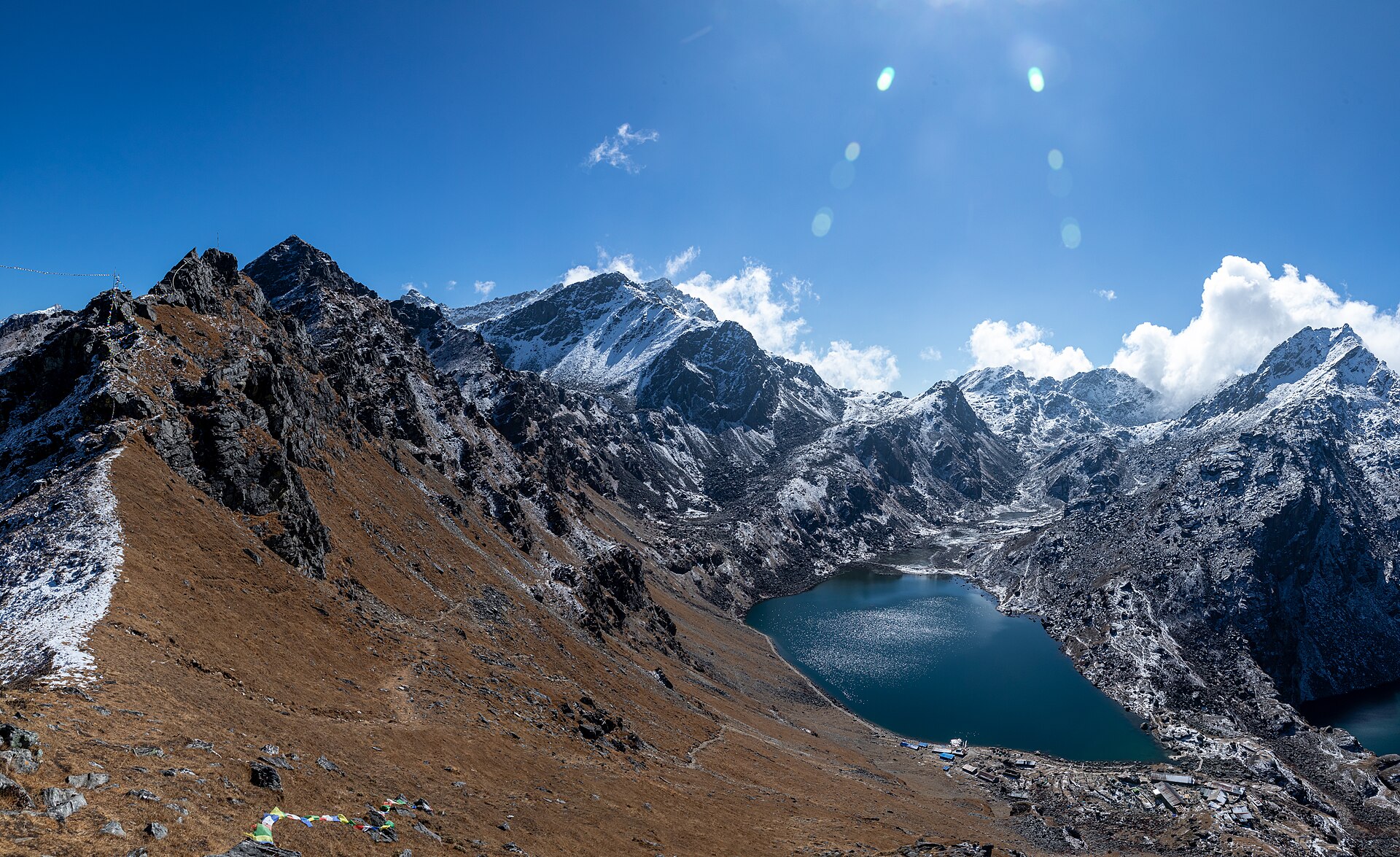
Who Should Pick Annapurna Base Camp
ABC is the right choice for first-time Himalayan trekkers, families with teenagers aged 12 and up, and anyone with less than two weeks of vacation. It is also significantly easier on the wallet, which matters if you are planning a longer Nepal trip that includes other regions.
Culture seekers and hot-spring lovers will prefer ABC. The trail passes through Gurung and Magar villages, where you can stay in community-run lodges, eat local dal bhat, and learn about subsistence farming life. At Jhinu Danda, a natural hot spring waits near the Modi Khola river, perfect for soaking sore legs on the way down. If you want a balanced trek that combines mountain scenery with real village life, ABC is the better pick.
Can You Do Both on One Trip?
Yes, but you need at least 21 days, and ideally 24. The most common combination is Kathmandu to Lukla to EBC, fly back to Kathmandu, drive or fly to Pokhara, walk ABC, then return to Kathmandu. This gives you 4 to 5 days of buffer between treks for rest, laundry, and permit changes.
Doing both in one trip is physically demanding but very rewarding. You will see two distinct mountain ecosystems, two conservation areas, and two of the most famous base camps on Earth. If you are already flying to Nepal from Europe or North America, the extra week is worth it. Just be honest about your fitness, and build in rest days so you do not burn out before the second trek begins.
Decision Matrix
Match yourself against the profiles below. If two or more rows in one column describe you, that is your trek. If you split evenly, default to ABC for year one and EBC for year two.
- First-time trekker, 12 days total vacation: ABC. The shorter itinerary, lower maximum altitude (4,130 m vs 5,545 m) and easier logistics make it the gentlest possible introduction to multi-day walking in Nepal.
- Fit hiker, wants to see Everest, 18 days total: EBC. The extra days let you handle the acclimatisation curve safely and bank a weather buffer for the Lukla flight home.
- Family with teens 12 to 15: ABC. Shorter daily distances, warmer lodges, and a hot-spring recovery day at Jhinu Danda make it far more sustainable for younger legs.
- Mountaineer-in-training or repeat Nepal visitor: EBC. You can tag Island Peak or Lobuche East on the same itinerary with a few extra days, and the Kala Patthar viewpoint is essential context for anyone planning a 6,000er.
- Budget under USD 1,500: ABC. Skipping the Lukla flight alone saves roughly 400 to 500 USD, and the shorter duration stacks savings on guides and food.
- Comfortable with altitude and want the iconic photo: EBC. There is no substitute for standing at the foot of Everest itself.
- Want hot springs and village culture: ABC. The Gurung and Magar villages, the bamboo forests, and the Jhinu hot pools beat the sparse Khumbu cultural stops on pure variety.
- Want glacier walking and Sherpa monasteries: EBC. Crossing the Khumbu Glacier moraine and praying with the monks at Tengboche is a once-in-a-lifetime texture that ABC cannot match.
- Have 24 days and want the full Nepal trekking experience: Do both. Start with ABC for the warm-up, then fly Lukla for EBC. Your body will already be trail-hardened and altitude-adapted.
Verdict
There is no wrong choice. ABC is cheaper, shorter, greener, and safer from an altitude perspective. EBC is higher, longer, more expensive, and more iconic. If you are unsure, choose ABC for your first trek and save EBC for a return visit when you know how your body responds to altitude. If Everest is a lifelong dream and you are already fit, go for EBC and enjoy every hard-earned step.
Related Guides
- Everest Base Camp Trek Cost 2026: Complete Budget Breakdown
- Everest Base Camp Trek Itinerary: 14-Day Complete Day-by-Day Guide
- Best Time for Everest Base Camp Trek 2026: Month-by-Month Weather, Crowds and Visibility
- Annapurna Trek Cost Guide 2026