Chitwan National Park Safari: 2026 Fees, Zones and Tips
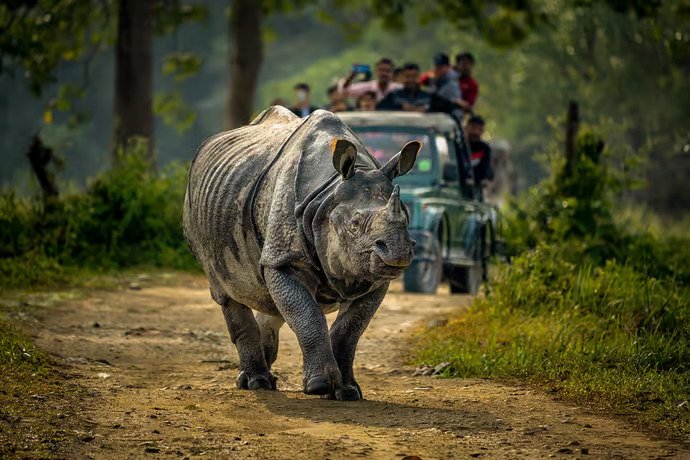
Chitwan National Park is Nepal's oldest and most visited national park, a 952 square kilometre stretch of subtropical grassland, riverine forest and sal woodland in the south-central Terai. It protects the country's densest populations of one-horned rhinoceros and Bengal tigers, and it earned UNESCO World Heritage status in 1984 for good reason. A well-planned jungle safari adventure in Nepal here reliably delivers rhino sightings on foot or by jeep, crocodiles basking on sandbanks, more than 500 bird species, and a genuine chance, if you play the odds with enough game drives, of seeing a tiger. This guide covers what a Chitwan safari costs in 2026, which zones and seasons give you the best wildlife odds, and how to plan a trip that supports the communities who coexist with the park.
It pairs naturally with our complete guide to Nepal's 13 national parks, which maps every protected area in the country. This article goes the other way: deep, not wide, on the one park most visitors actually do.
Why Is Chitwan Nepal's Most Rewarding Safari Park?
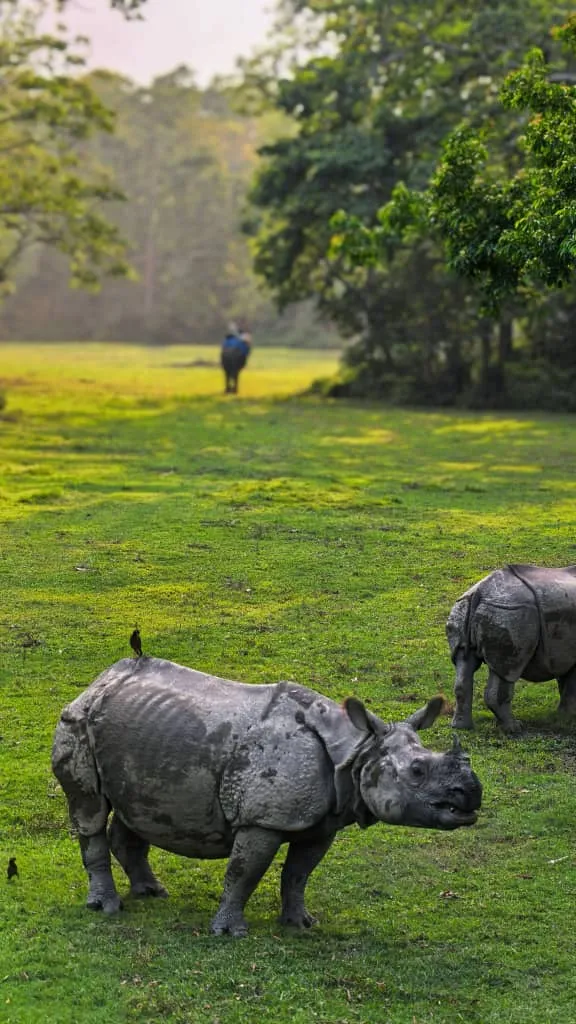
Chitwan rewards visitors because it combines high wildlife density with easy access. The park sits barely 150 kilometres from Kathmandu by road, its terrain is flat enough for walking and canoe safaris, and its grasslands and ox-bow lakes concentrate animals in predictable spots. Few parks anywhere let you track rhinos on foot with an armed guide, drift past gharial crocodiles in a dugout canoe, and watch a tiger from an open jeep, all within two days.
That density is a conservation success story. Rhinos were poached to fewer than 100 in the 1950s, when the area was still a royal hunting reserve. Community forestry, army patrols and tourism revenue have since rebuilt the population to well over 600 inside Chitwan alone, one of Asia's great recovery stories, and one reason a responsible approach to travel in Nepal matters: your park fees and lodge wages fund the anti-poaching network.
What Does a Chitwan Safari Cost in 2026?
Expect roughly NPR 3,000 to 4,000 per person per day for park entry and one guided activity, plus transport and lodging. International visitors pay the highest entry fee tier, around NPR 2,000 per person per day for park entry, with SAARC nationals paying roughly half that. Jeep safaris cost about NPR 3,500 to 5,000 per jeep shared among up to seven travellers, a canoe ride about NPR 500 to 800 per person, and a guided jungle walk about NPR 1,000 to 1,500 per person. Prices vary by operator and season, so confirm the final figure when booking.
Breakdown of the main fees
- Park entry (foreigner): approximately NPR 2,000 per person per day; children pay reduced rates.
- Jeep safari: NPR 3,500 to 5,000 per jeep, shared by up to 7 people, plus a separate jeep entry charge.
- Canoe safari: often combined with a jungle walk, typically NPR 1,500 to 2,500 per person as a package.
- Elephant-back rides are history: Chitwan has moved decisively away from elephant rides toward ethical elephant observation, which we cover below.
- Guide fees: mandatory inside the park, usually bundled into activity prices.
Note that fee schedules change annually and our figures are planning estimates drawn from recent posted rates. Your trekking and travel planning guide for Nepal budgeting section applies the same rule here: carry a margin of about 15 percent for any Nepal activity budget.

Which Zones of the Park Should You Focus On?
Chitwan divides into zones with different access rules and wildlife profiles. The Kasara area near park headquarters has dense tiger territory and research centers, Sauraha's edge zones offer reliable one-day visits, and Meghauli in the west is quieter, with some of the best elephant and gharial habitat. If your lodge sits near Sauraha, ask for a jeep route toward Lam Lake or the Rapti river bends, where rhinos come to drink at dusk.
When Is the Best Time for Wildlife Sightings?
March to April, the hot pre-monsoon months, produce the highest tiger sighting rates because tall grasses burn off, water dries into a few remaining wallows, and animals are drawn to the rivers at predictable hours. October to February is the comfortable alternative: cooler air, greener forest, excellent birding, and rhinos everywhere. June to September is monsoon, when much of the park's buffer zones close and sightings drop.
Birders should check our guide to bird watching in Nepal: Chitwan in winter hosts migratory species that make the park one of South Asia's finest single-site lists.

Jeep, Canoe or Walking Safari: Which One Should You Pick?
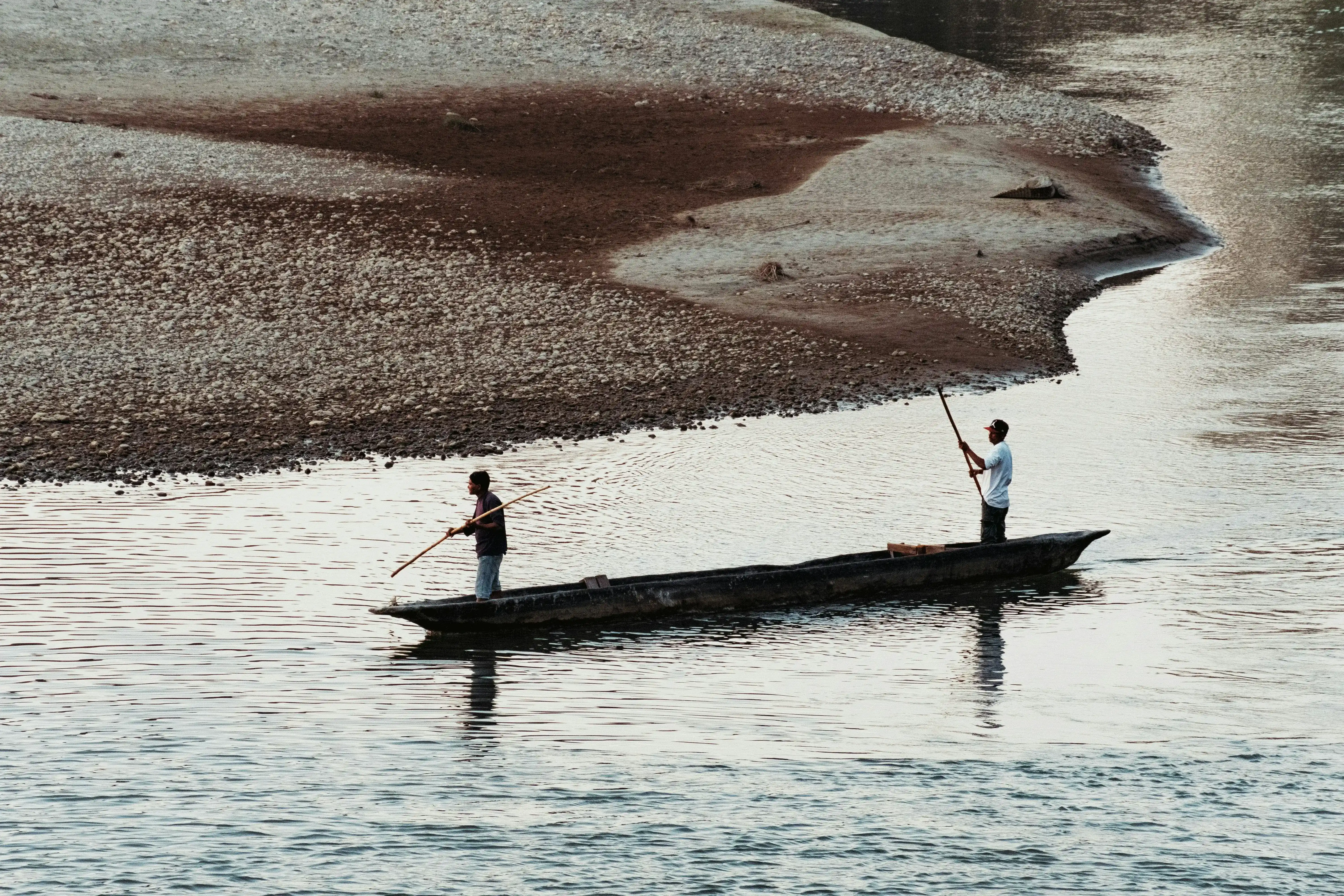
Take at least two of the three. A jeep safari covers the most ground and gives you the best tiger odds; a canoe trip down the Rapti or Budhi Rapti rivers puts you at eye level with gharial and marsh mugger crocodiles; and a guided jungle walk delivers the quiet, low-speed immersion in sal forest that makes the park unforgettable. Combine a canoe with a walk: most operators run them as a single morning outing, paddling out and walking back through riverine grassland.
How Likely Are You to See a Tiger in Chitwan?
Honest odds: a single jeep safari gives you perhaps a 10 to 15 percent chance of a tiger; three or more drives across different zones push the probability meaningfully higher. Rhinos are the reliable star: sighting rates exceed 90 percent on most half-day safaris. Sloth bears, leopards, wild dogs and gaur are present but unpredictable. Guides tell clients that tigers are a bonus, rhinos a promise, and the birds a constant conversation.
What About Ethical Elephant Experiences?
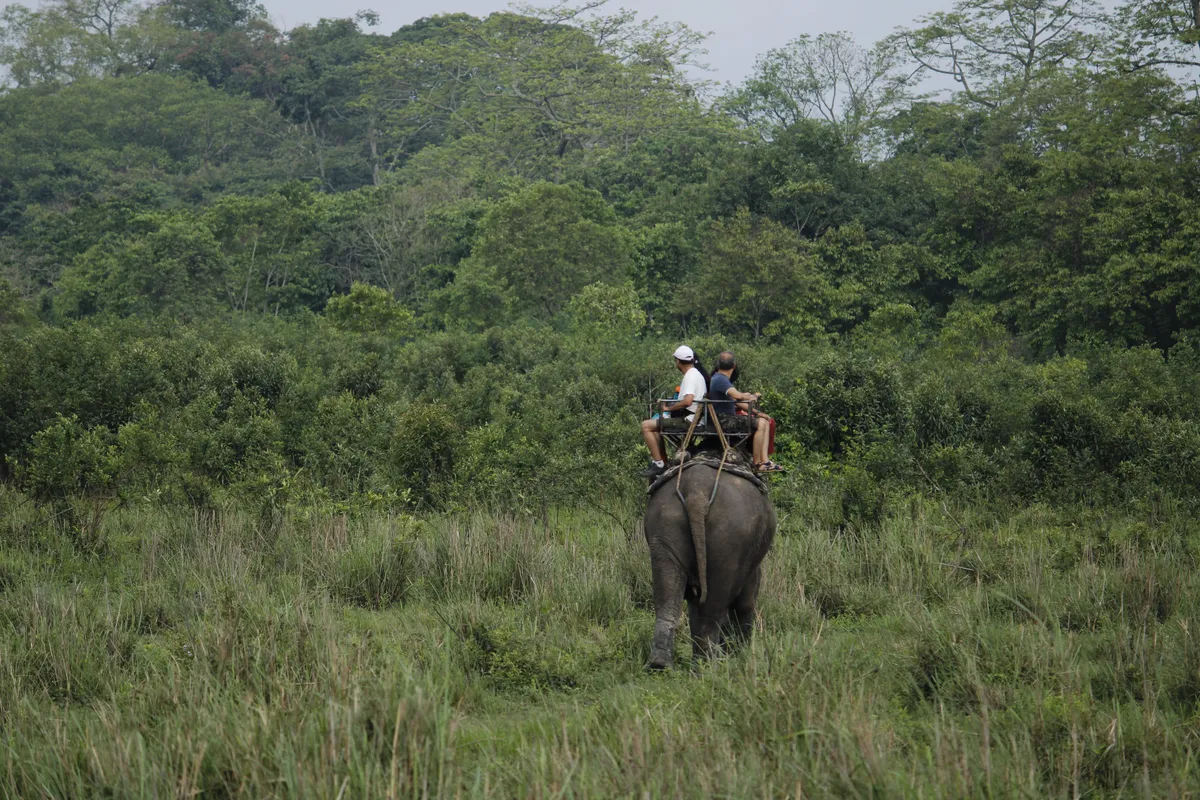
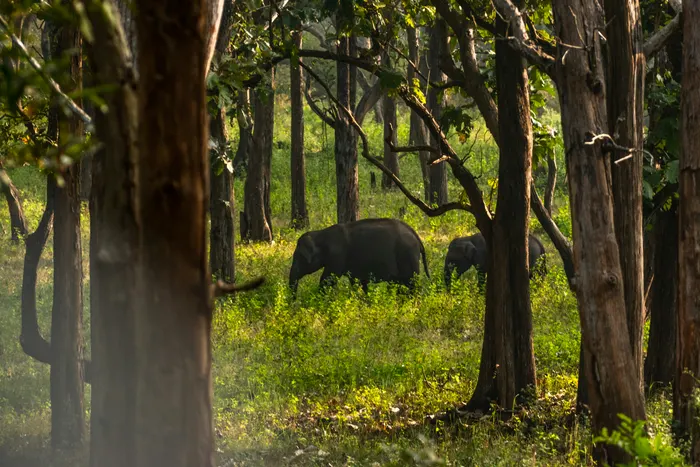
Chitwan's elephant story has changed fast. Government policy now discourages commercial elephant-back rides, and several operations have converted to observation-only models where elephants graze and bathe freely while visitors watch from a respectful distance. Support those, and skip anywhere offering rides or performing-elephant shows. The same principle governs our community tourism guidance: pay for experiences where animals and people both keep their dignity.
Where Should You Stay: Sauraha or Meghauli?
Sauraha, on the park's northeastern edge, is the budget-and-midrange hub: dozens of lodges, lively restaurants, and the famous Tharu food culture within walking distance. Meghauli and the western lodges trade convenience for exclusivity: quieter pools of jungle, luxury properties, and jeep routes that see fewer vehicles. Pick Sauraha for a first visit or short stay; Meghauli if you want a slower, more premium safari rhythm.

How Do You Get to Chitwan from Kathmandu or Pokhara?
Tourist buses link Kathmandu to Sauraha in about six hours, Pokhara in about five, and both routes run daily through the Prithvi Highway and Bharatpur. Private transfer cuts the journey by an hour and costs more. There is also a 25-minute flight from Kathmandu to Bharatpur, followed by a 30-minute drive. Most travellers combine Chitwan with the Kathmandu Valley circuit; our golden triangle Kathmandu, Pokhara and Chitwan itinerary explains the classic routing.
Can You Visit Chitwan with Kids or Older Parents?
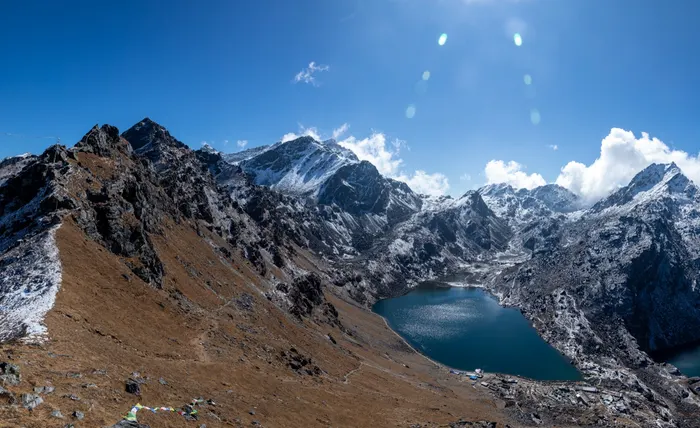
Yes, and it is one of Nepal's best multigenerational trips. The terrain is flat, the vehicle-based safaris require no fitness, and Tharu village tours and canoe rides are gentle. Walking safaris have minimum ages, and some lodges restrict jungle walks for children under 12. For older travellers, the key planning points are heat management in March-April and choosing a lodge close to the river crossing points to shorten transfers. The flat Terai makes a pleasant contrast to high-altitude trekking country covered in our Langtang region guide or the Everest region guide, useful if you are mixing a safari with mountain time.
What Should You Pack for a Chitwan Safari?
Pack for heat, dust and early mornings: neutral-coloured clothing, a wide-brim hat, closed shoes for jungle walks, binoculars, sunscreen and a headlamp. Mosquito repellent is essential year-round, and light long sleeves beat spray in the evenings. On the birding front, our Nepal bird watching guide includes a packing section for optics and field guides. A light fleece sounds odd for the Terai, but open jeep rides at 6 a.m. in December are genuinely cold.
Tharu Culture: Why the Community Matters as Much as the Park
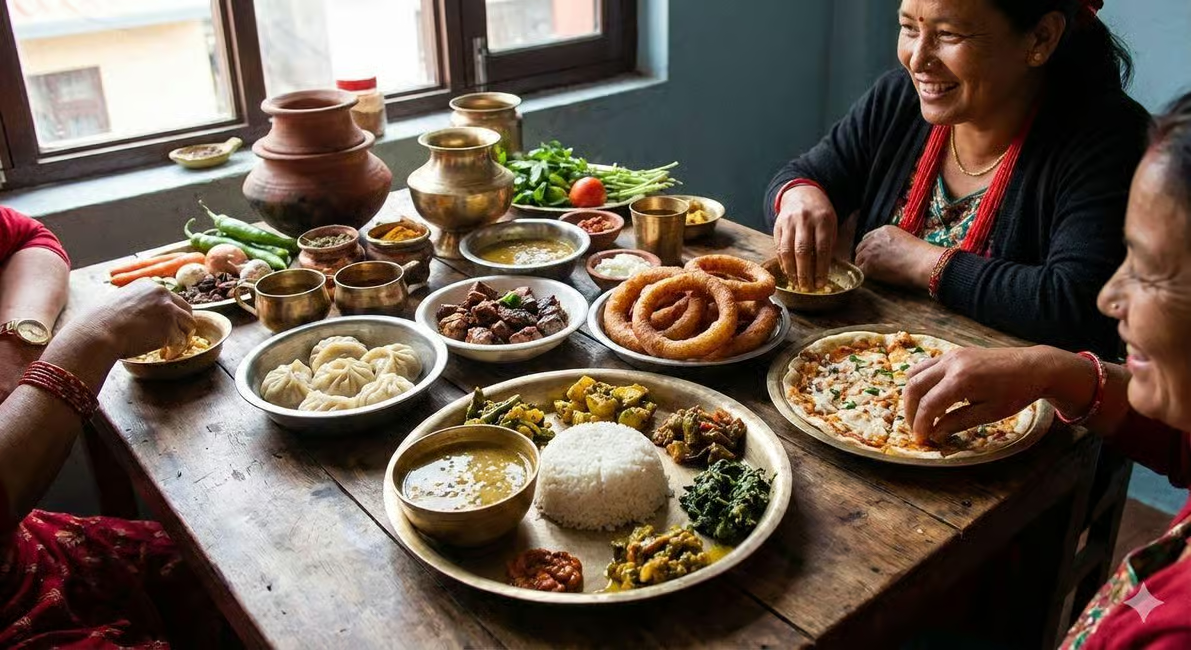
The Tharu people have lived inside and around Chitwan's forests for centuries, with traditions shaped by malaria resistance, river rhythms and a deep plant knowledge. Most lodge staff and guides are Tharu, and village culture shows, while touristy, fund schools and conservation groups when booked through community homestays. Combine a safari with a Tharu dinner of ghonghi (river snail curry), dhikri and local raksi for the fullest picture of Terai life, and you will understand why cultural and spiritual tours in Nepal so often route through the Terai as well as the mountains. Our guide to Nepal's food regions has more on Tharu kitchens, and the responsible travel guide explains how to pick community-owned stays.


Is Chitwan Worth Visiting Compared with Bardiya?
Chitwan wins on accessibility, lodge choice and rhino certainty; Bardiya, in the far west, wins on wilderness feel and, in recent seasons, tiger density. If you have three or four days and want the easiest logistics, Chitwan is the answer. If you have a week and crave solitude, Bardiya deserves the trip. We compare the two parks in depth inside the national parks guide, and our wider wildlife safari guide for Nepal covers both with full itineraries.
How Many Days Do You Need in Chitwan?
Three days and two nights is the sweet spot: arrival afternoon with a village or canoe outing, a full day with morning jeep safari and afternoon river activity, and a second full morning before departure. Two nights is enough for high-confidence rhino sightings and a solid bird list; four or more lets you add a second jeep route, a whole-day walk to the Chitwan gorges, and buffer-zone birding at twilight.
A Sample 3-Day Chitwan Safari Itinerary
Day one: arrive by midday, settle in, then a late-afternoon canoe ride on the Rapti followed by a Tharu stick-dance evening. Day two: sunrise jeep safari toward Lam Lake and the grasslands, siesta through the hot hours, and a guided riverbank walk at dusk. Day three: morning jungle walk with an armed naturalist, breakfast, and the road back toward Kathmandu, Pokhara or Lumbini. The pattern alternates vehicle and foot so you experience the forest at both speeds.
Practical Tips Guides Wish Every Visitor Knew
- Book the first jeep safari of the morning: animal activity peaks before 9 a.m.
- Stay silent and low in the jeep; tigers react to noise long before you see them.
- Bring small NPR notes for park entries, which are sometimes collected at rural gates.
- Ask your lodge the night before which zone your jeep will enter; routes rotate.
- Do not feed or call to animals, and never ask a guide to go off-track.
- Keep your entrance receipt: it is checked at rest stops inside the park.
Safety on a Chitwan Safari: Rules That Keep You Protected
Chitwan is safe when you follow the licensed-guide system, and the system is strict. Every walking safari travels with an armed park guide trained to read animal behaviour, groups stay on marked trails, and rhino encounters follow a drilled protocol of silence, stillness and slow retreat. The record of injuries is very low given more than a hundred thousand yearly visitors, and almost every incident traces back to a rule being ignored. On the river, life jackets are standard on canoe trips, and trips pause when crocodile activity is high. The real health considerations are mundane ones: dehydration in April, mosquitoes year-round, and leeches during wet-season walks. Treat these as packing problems rather than dangers and you will safari with confidence.
Photographing Wildlife in Low Terai Light
A Day in Chitwan: Morning Fog to Evening Fire
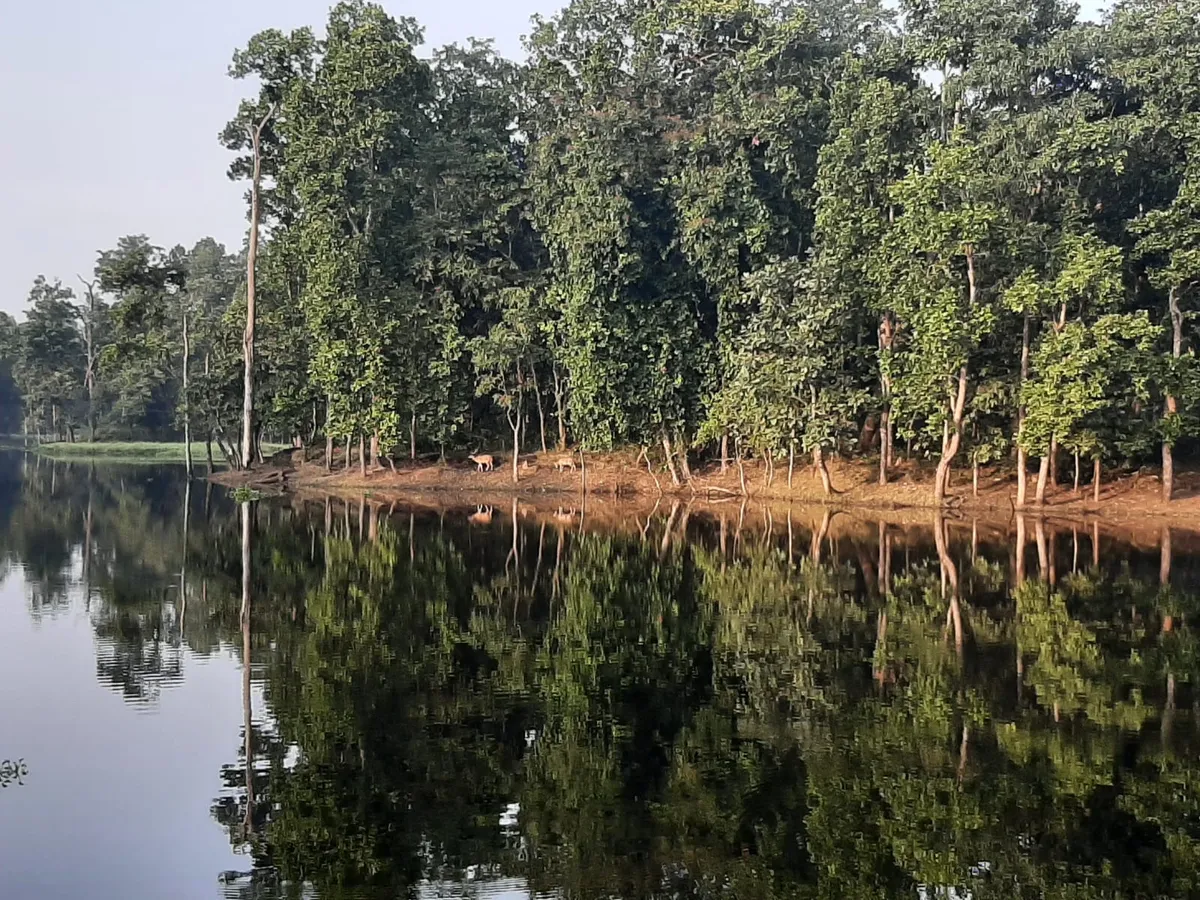
Mornings begin with fog lifting off the Rapti and a canoe scraping gravel, or a jeep idling in the dark under a sky already brightening at 5:45. By mid-morning the grasslands steam, rhinos vanish into shade, and the lodge hours take over: reading on a riverside deck, an unhurried lunch of dal bhat, maybe a siesta. Late afternoon brings a village walk, elephant grass swaying gold at head height, and the smell of woodsmoke from Tharu kitchens. Evenings close with a stick-dance around a fire and early bed, because the next safari starts in the dark. That rhythm, slow and animal-shaped, is precisely what visitors remember years later.
How Does Visiting Chitwan Support Conservation?
Roughly 30 to 50 percent of park revenue flows to buffer-zone community forests and user groups, which is precisely why rhino numbers keep climbing. Every entry ticket, licensed guide and community lodge night strengthens the local case for keeping the forest standing. If you want your trip to do the most good, book Tharu-owned stays and say yes to community forest visits, the same approach we outline in the ethical travel guide. You can also pair your safari with tree planting or trail clean-up days around the valley, an idea covered in our healing day guide.
Plan your Chitwan days around light and water: be on the river or in the grasslands when the sun is low, rest when it is high, and let your evenings belong to Tharu hospitality. If you are ready to turn this guide into a booked itinerary, start with the jungle safari adventure page or send us your dates through the contact form and we will match you with the right lodge, zones and guides for your season.