Ask any Nepali birder where to point the car in the eastern Terai and the answer comes without a pause: Koshi Tappu Wildlife Reserve. This is the flat, steamy floodplain where the Sapta Koshi river slows down after leaving the hills, braiding across 175 square kilometres of grassland, oxbow lake and riverine forest before slamming into the barrage at Chatara. It is modest-looking country with an absurd bird list: 485 recorded species, the last wild water buffalo herds in Nepal, and a Ramsar designation dating to 1987. Birders who plan their Nepal trip around our complete guide to Nepal's national parks often treat Koshi Tappu as the specialist detour, the reserve you add when the general safari circuit is not enough. If your goal is a genuine Terai aviary experience built and guided properly, our Chitwan bird watching expedition, the ultimate Terai aviary tour, pairs naturally with the Koshi extension described below.

What Makes Koshi Tappu Nepal's Bird Watching Capital?
Koshi Tappu Wildlife Reserve holds 485 recorded bird species across 175 square kilometres of river, grassland and oxbow lake, a density almost unmatched by any single protected wetland in South Asia. Designated a Ramsar site in 1987, it is the destination Nepali birders mean when they say the bird watching capital of Nepal. The reserve protects the finest wetland birding in the country.
Three things concentrate so many species into one small reserve. First, water: the Sapta Koshi, literally the seven Koshi, carries the combined flow of the Sun Koshi, Arun and Tamor rivers and reshapes its channels every monsoon, leaving a mosaic of shallow lagoons, sand islands and reed beds that suits everything from storks to sandpipers. Second, geography: the reserve sits on the eastern Terai flyway, the migration corridor birds follow between the Tibetan plateau, the eastern Himalaya and the Indian plains, so passage traffic in spring and autumn is heavy. Third, habitat variety: in a single day you can walk tall grassland, paddle an oxbow at dawn and scan river channels from the barrage, effectively birding three different ecosystems before lunch.
The numbers put the reserve in rare company. Nepal has recorded more than 880 bird species nationally, and Koshi Tappu alone accounts for over half that total within a day's drive of Biratnagar. Our wider bird watching in Nepal guide ranks sites across the country, but the eastern wetland is the one site where a visiting birder can log more than a hundred species in a single patient morning.
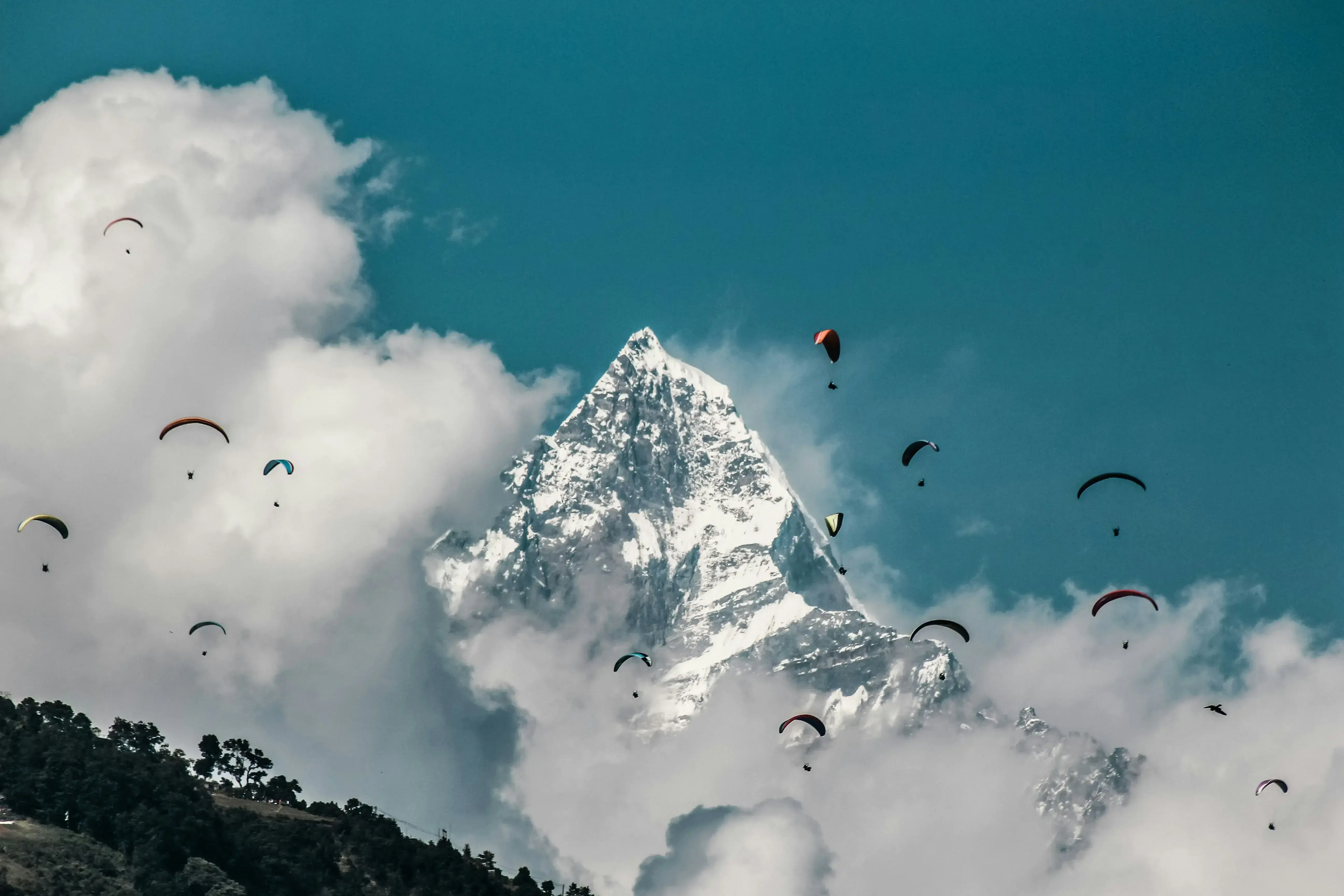
Koshi Tappu at a Glance
- Location: far eastern Terai, spanning the Sunsari, Saptari and Udayapur districts of Koshi Province
- Size: 175 square kilometres of floodplain, grassland and riverine forest along the Sapta Koshi
- Established: 1976 as a wildlife reserve to protect the last wild water buffalo in Nepal
- Ramsar status: designated a wetland of international importance in 1987, among Nepal's first
- Headquarters: Kusaha on the western edge of the reserve, where most walks and boat trips begin
- Signature wildlife: 485 bird species, wild water buffalo or arna, Gangetic dolphin, hog deer and fishing cats
- Best months: October to March, with winter waterfowl peaking between November and February
The reserve was founded for a mammal, not a bird. In 1976 the government fenced off this stretch of the Koshi floodplain to save the arna, the wild water buffalo that once roamed the entire Terai and now survives in Nepal only here. The bird list followed the habitat: as the wetland was protected, the ornithologists arrived, and by the time Ramsar status arrived in 1987 Koshi Tappu was already famous among international birding circles.
Where Is Koshi Tappu and How Do You Reach It?
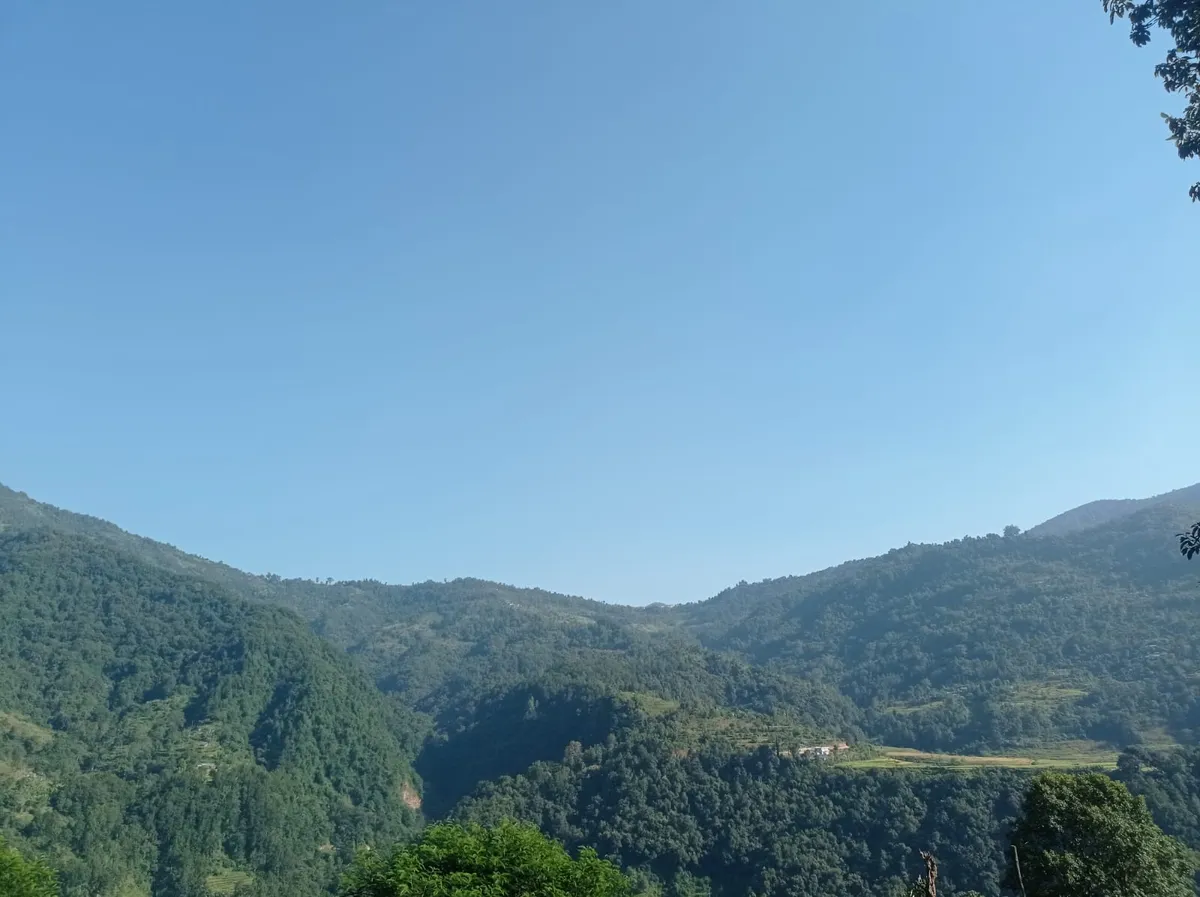
The reserve sits in Nepal's far eastern Terai, roughly a full day's drive east of Kathmandu and near the border city of Biratnagar. Most visitors fly Kathmandu to Biratnagar and transfer to the reserve by road in a couple of hours, while overland travellers reach it on the east-west highway, sleeping at Kusaha headquarters or a riverside camp. Both approaches work year-round.
Flying is the sensible default. The Kathmandu to Biratnagar hop is one of Nepal's shortest domestic sectors, and from the airport it is a straightforward road transfer west into Sunsari district to the reserve gate at Kusaha. Overland drivers follow the Kathmandu valley rim east, descend to the Terai at Dhulikhel or via the Bardibas road, and join the east-west highway through the eastern plains. The drive is long but birdy: rice paddies, river crossings and roadside ponds produce regular stops.
Distances inside the reserve are short once you arrive. The three practical zones are the Kusaha grasslands in the west, the central oxbow lakes and channels, and the barrage at the southern edge where the Koshi is tamed into a single outfall. Most lodges and camps sit within fifteen minutes of one or more of these, which is why a three-day trip feels unhurried rather than rushed.
How Many Bird Species Live at Koshi Tappu?
Koshi Tappu has recorded 485 bird species, a figure that climbs close to 500 when the adjoining Koshi barrage and its wetlands are counted in. That single-reserve total rivals the 530-plus species of far larger Chitwan and represents more than half of all 880-plus species recorded in Nepal. Few protected wetlands anywhere match it.
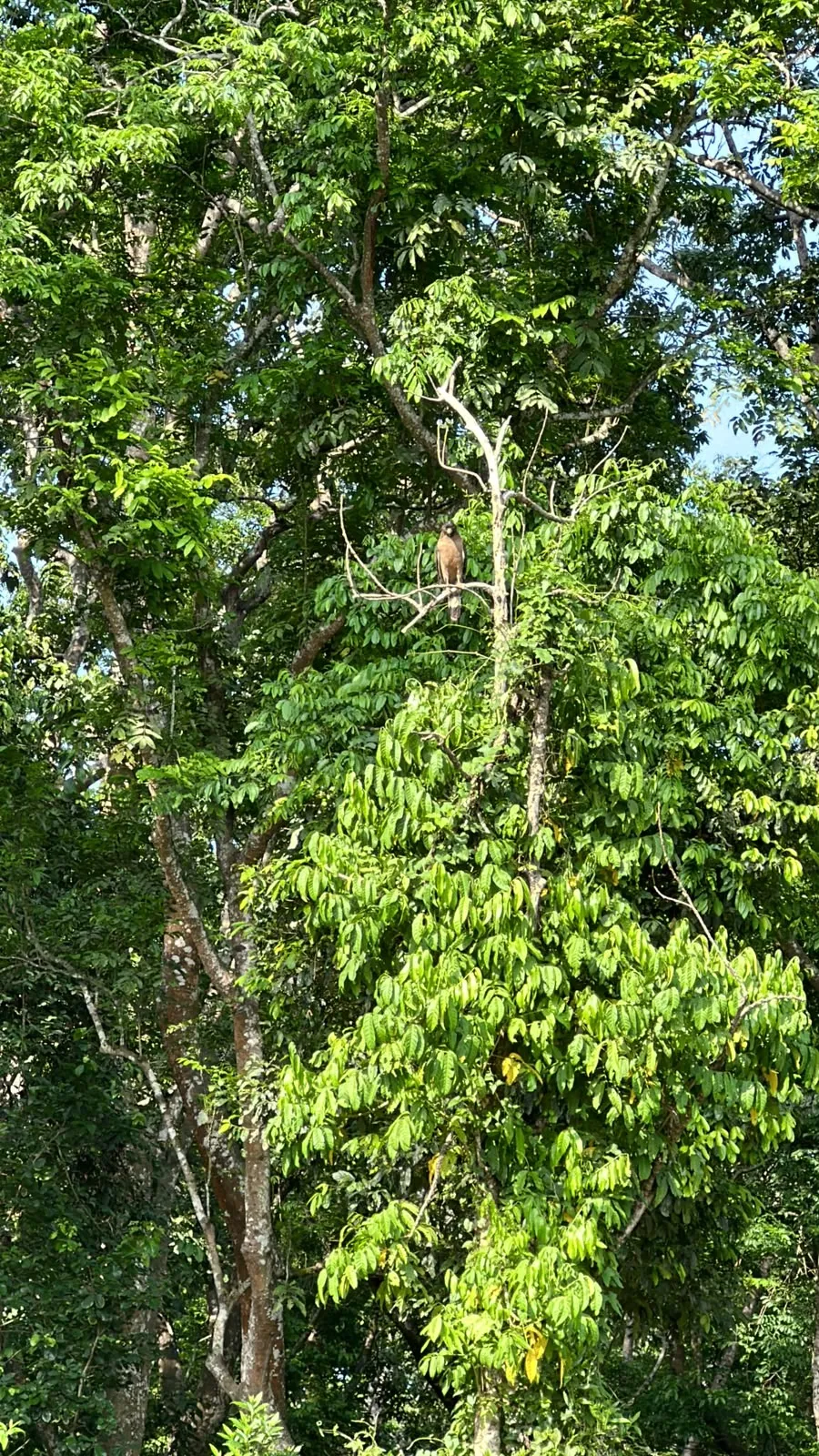
The reserve's list reads like a Nepal bird book compressed into one site. Wetland specialists that skulk elsewhere, from striated grassbirds to yellow-bellied prinias, sing from open perches here because the grassland is genuinely vast. Winter pours waterfowl onto the floodplain: bar-headed geese, ruddy shelducks, pintails and garganey arrive in flocks that darken the shallows. The barrage adds gulls, terns and waders on migration, and the river channels hold kingfishers in four colours and storks that stand taller than the buffalo calves.
What surprises most first-time visitors is the raptor show. Because the Koshi corridor funnels migrating birds of prey each spring and autumn, a single morning from a sandbank viewpoint can produce steppe eagles, ospreys, and a rotation of falcons and harriers riding the river line south. Serious listers plan a November or a late-February trip precisely to catch both the waterfowl peak and the raptor passage in the same week.
Signature Species of the Reserve
Every Koshi Tappu trip circles a short list of birds and mammals that define the reserve. Some are easy; a few are the reason birders fly across the world to stand in this particular patch of grass.
- Wild water buffalo or arna: Nepal's last truly wild buffalo herd, the founding reason for the reserve, best seen grazing the wet grassland at first light
- Bengal florican: the endangered grassland giant whose display flight in spring is among the great spectacles of the Terai
- Swamp francolin: a shy specialist of tall grass that birders hear long before they see it
- Sarus crane: the world's tallest flying bird, hunting frogs in the wet fields bordering the reserve
- Lesser adjutant: a ponderous, endangered stork that stalks the shallow channels in small groups
- Winter waterfowl: bar-headed geese, ruddy shelducks and a rotation of duck species that gather on the oxbows from November onward
- Gangetic dolphin: not a bird at all, but the river's most sought-after resident, surfacing in the deep channels below the barrage
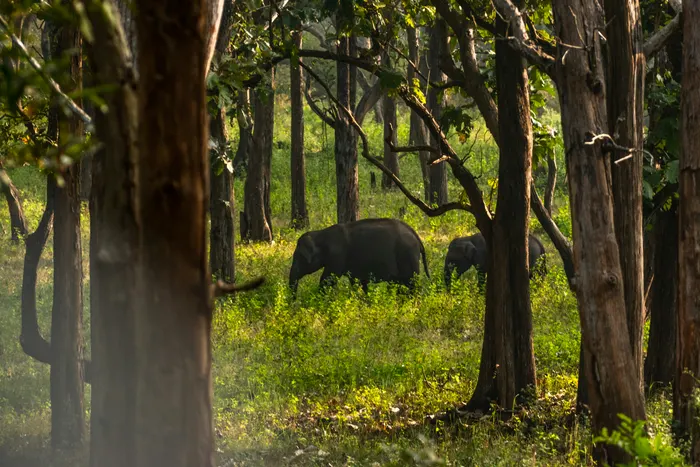
The arna deserve their own sentence. These are not the domestic buffalo wallowing in every Nepali farmyard; they are heavier, wilder animals with swept horns, and the Koshi Tappu herd is the only place in Nepal where the pure bloodline persists in the wild. Seeing one chest-deep in a green lagoon while a fish eagle works the far bank is the reserve in a single frame.
When Is the Best Season for Birding at Koshi Tappu?
October to March is the prime window. Winter draws tens of thousands of migratory waterfowl onto the Koshi floodplain, while early spring adds passage raptors and songbirds before the heat builds. The monsoon, June to September, turns the reserve humid and grass-choked, and most lodges wind down. Plan around the winter shoulder for the best totals.
Within that broad window the months sharpen differently. November and December are the waterfowl months: geese and ducks arrive on the first cold fronts and settle into the oxbows, and grassland walks stay comfortable through midday. January is the coolest month and the birding is excellent, though morning fog on the river can delay boat departures until the sun burns it off. February and March bring the return passage and the first display behaviour, including the Bengal florican's bounding spring flight, and the light for photography turns warm and low.
The reserve is open year-round, and the monsoon has its own niche audience. The grass grows head-high, access shrinks, and the humidity is real, but resident species breed, the landscape is at its greenest, and the crowds vanish completely. If your tolerance for heat is high and your list needs Nepal's wetland residents rather than its winter visitors, a quiet monsoon trip can still be productive. Everyone else should simply book between October and March.
What Does a Three-Day Koshi Tappu Itinerary Look Like?
A well-shaped first visit runs two nights and three days: day one for arrival and the Kusaha grasslands, day two for a dawn boat trip on the oxbows plus an afternoon at the barrage, and day three for a final morning walk and the dolphin channels before departure. That structure covers all three habitat zones without once rushing a sighting.
Day one, arrival and grassland: reach the reserve by early afternoon, settle into your camp or lodge near Kusaha, and use the remaining daylight hours for a slow walk along the grassland edge. The evening session sets the tone: woolly-necked storks crossing to roost, swamp francolins calling from the tall grass, and the first arna herd silhouetted against the sunset. Dinner is early because tomorrow starts in the dark.
Day two, boats and barrage: the dawn boat trip is the single best session of the trip. Pushing quietly along an oxbow at first light puts you level with the waterfowl flocks, and the list builds fast: geese, shelducks, herons, bitterns if the reeds cooperate. Return for breakfast, rest through the midday heat, then drive south to the Koshi barrage for the afternoon. The barrage viewpoint, the sandbanks and the deep channel below the structure are the reserve's most productive mixed habitat, and it is where the Gangetic dolphins surface. Stay for the egrets and ibises streaming to their roost islands at dusk.
Day three, channels and departure: use the final morning for whichever habitat delivered least on day one, usually the river channels north of the central lakes, where sandpipers, terns and wagtails work the sandbars. By late morning it is time to transfer back toward Biratnagar or onward along the east-west highway. Most travellers extend rather than rush out, and the extension options in the sections below explain why.
Beyond Birds: Buffalo, Dolphins and River Country
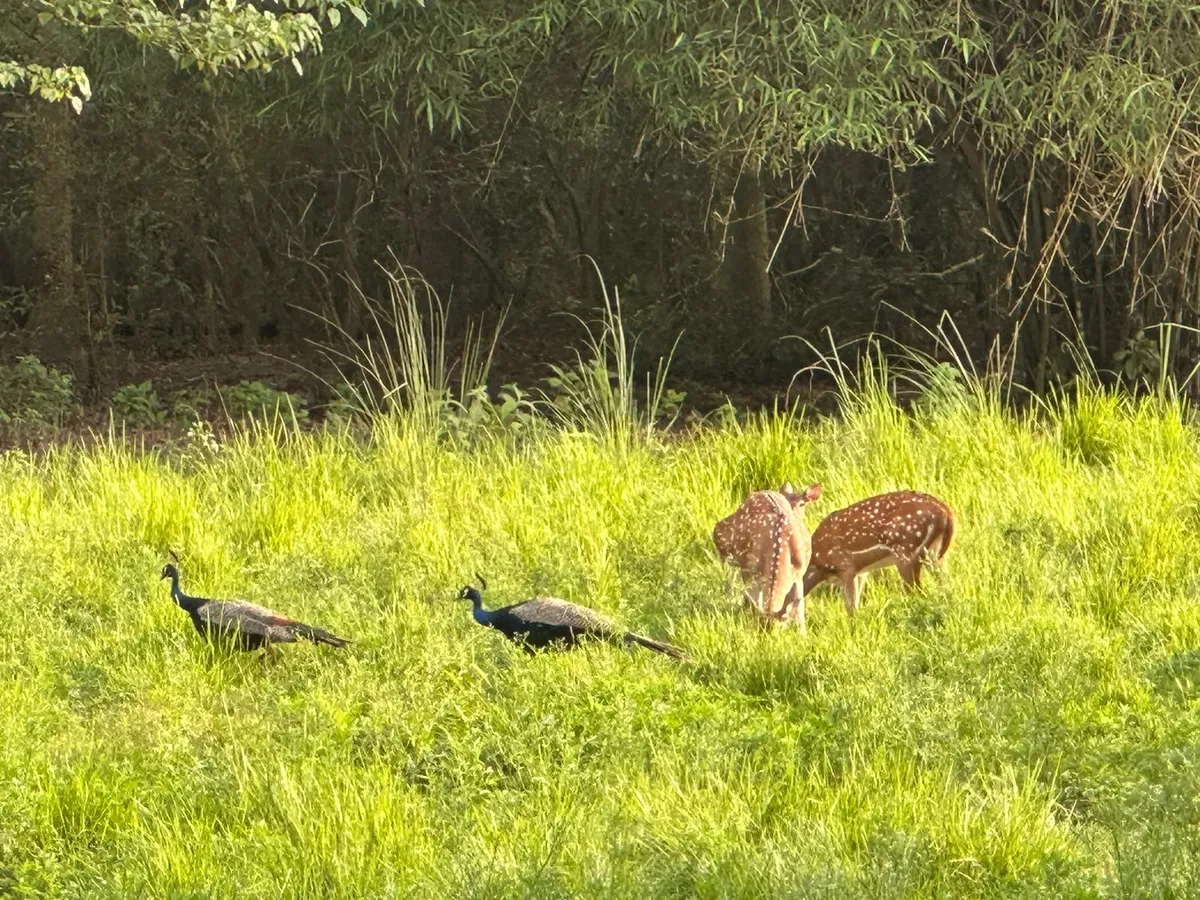
Calling Koshi Tappu a bird reserve undersells the mammals. The arna herd that justified the reserve's creation in 1976 still grazes the wet grasslands, and the deeply-cut river channels below the barrage hold one of the most accessible Gangetic dolphin populations in Nepal. Hog deer break from the grass edges, fishing cats hunt the channel banks at dusk, and smooth-coated otters work the fishing pools in family groups.
The landscape itself is the wildlife engine. Each monsoon the Sapta Koshi redraws its channels, and the reserve you walk this year is not quite the one you walked last year: new sand islands appear, old oxbows silt into reedbeds, and the grass cycle restarts. That flood pulse is exactly what the Ramsar convention exists to protect, and it is why the habitat never goes stagnant. Visitors feel it as variety; scientists call it one of the last functioning large-river floodplains in the Himalayan foothills.
For a fuller picture of how this lowland world connects to Nepal's better-known safari parks, read our wildlife safari guide to Chitwan, Bardia and the Terai, or compare the two flagship parks directly in our Bardiya versus Chitwan safari comparison. Koshi Tappu is the quiet third sibling of that lowland trio: less famous, flatter, wetter, and unmatched for birds.
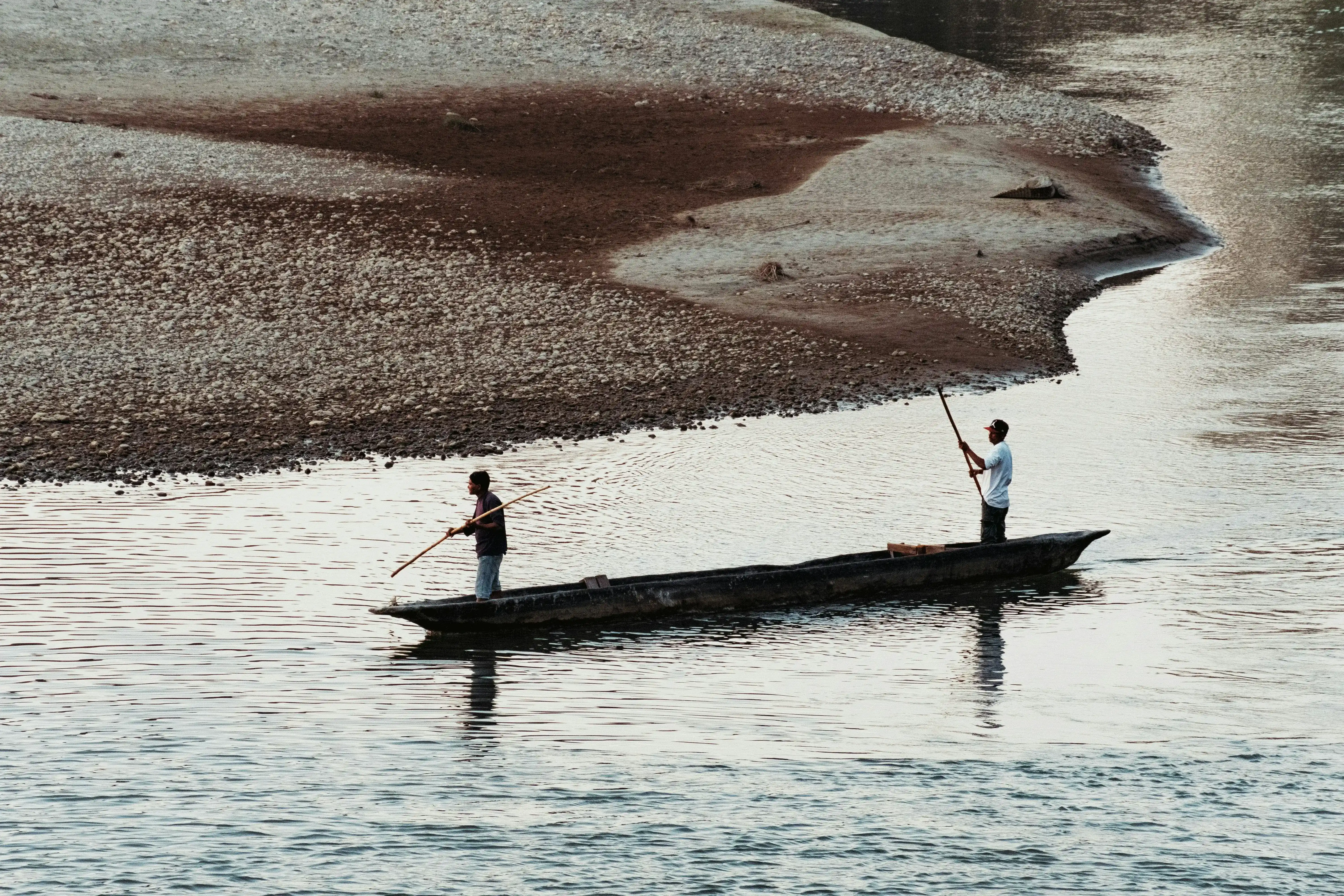

How Much Does a Koshi Tappu Trip Cost?
A two-night Koshi Tappu trip budgets in the same three layers as every Terai park: entry and activities, guiding, and lodging with transport. Reserve entry for foreign visitors sits inside Nepal's protected-area band of roughly NPR 1,000 to 3,500 per person per day, with Terai parks in the middle of that range, while a specialist birding guide runs USD 25 to 50 per day and a private car with driver adds USD 50 to 80 for road transfers. As a planning anchor, comparable Chitwan packages with lodge, meals, entry and activities run from about USD 150 to 300 per person for a similar two-night shape.
Three variables move the total more than anything else. The first is how you arrive: the flight to Biratnagar costs more than the bus but buys a full extra field morning. The second is boat time: the dawn oxbow trips are the reserve's best sessions, and serious birders book one for every morning. The third is guiding depth: a general naturalist is fine for the arna and the eagles, while a specialist who knows the grassbird calls is the difference between a 90-species week and a 150-species week.
For current pricing on the guided Terai aviary format, check the Chitwan bird watching expedition package page, which runs the same lowland birding concept in the country's flagship park; our team quotes the Koshi Tappu extension on request. Fee structures across Nepal's protected areas change year to year, so treat any figure you read online, including ours, as a band rather than a promise, and confirm the current schedule when booking. Our permits and fees explained guide covers the national framework.
Do You Need a Guide and Permits to Visit?
Yes on both counts. Koshi Tappu is a gazetted wildlife reserve, so entry requires the standard protected-area ticket, and the tall grassland and river channels are terrain where an experienced local guide is not optional but essential. There are no restricted-area permits like Upper Dolpo or Mustang involved; this is ordinary Terai park bureaucracy, handled in minutes at the gate. A guide who knows the reserve is what converts the habitat into a bird list.
The guiding question deserves honesty. Koshi Tappu's elephant grass is taller than a person, the channels shift with every flood, and the wildlife that matters is either skulking at ankle level or passing overhead at speed. A local guide supplies three things no app can: recognition of the grassbird and prinia songs that give away hidden birds, judgement about where the flood has opened fresh mudflats this season, and the discipline of local walking routes that avoid the buffalo herds. Terai reserves are simply not places to wander alone.
Booking through a specialist operator solves the paperwork as a side effect. Our guide to choosing the best trekking agency in Nepal lays out the standards we think matter, from guide certification to insurance, and the same checklist applies to birding operators in the east. When a company runs both the Chitwan aviary expedition and the Koshi extension on the same platform, the guides have usually worked both sides of the Terai.

What Should You Pack for a Wetland Birding Trip?
Packing for Koshi Tappu is packing for heat, damp grass and long stationary hours: neutral-coloured clothing, broken-in walking shoes, sun protection and a light rain layer cover 90 percent of situations. The Terai winter is genuinely cool at dawn on the water, so a fleece for boat sessions matters even in a month that feels tropical by lunchtime. Optics are the exception worth obsessing over.
- Binoculars: 8x42 or 10x42; the oxbow flocks reward wide fields of view more than magnification
- Clothing: long sleeves and trousers in earth tones, a fleece layer for dawn boats, and a hat that shades your neck
- Footwear: walking shoes with grip for damp grass tracks; rubber sandals for camp evenings
- Sun and health: high-SPF sunscreen, insect repellent for the dusk hours, and a basic first-aid kit
- Field kit: a notebook or app for your list, a headlamp for pre-dawn departures, and dry bags for boat sessions
- Camera: the longest lens you can carry comfortably plus a beanbag, because the tripod opportunities on sandbanks outnumber the walking ones
The classic mistake is over-packing for cold. Even in January the midday Terai is warm, and the cold hours are exactly the hours you spend motionless in a boat, where one fleece and a windproof suffice. Pack light, pack neutral, and keep one full change of clothes in a dry bag for the morning the boat meets a buffalo wake.
How Does Koshi Tappu Compare With Chitwan and Bardia?
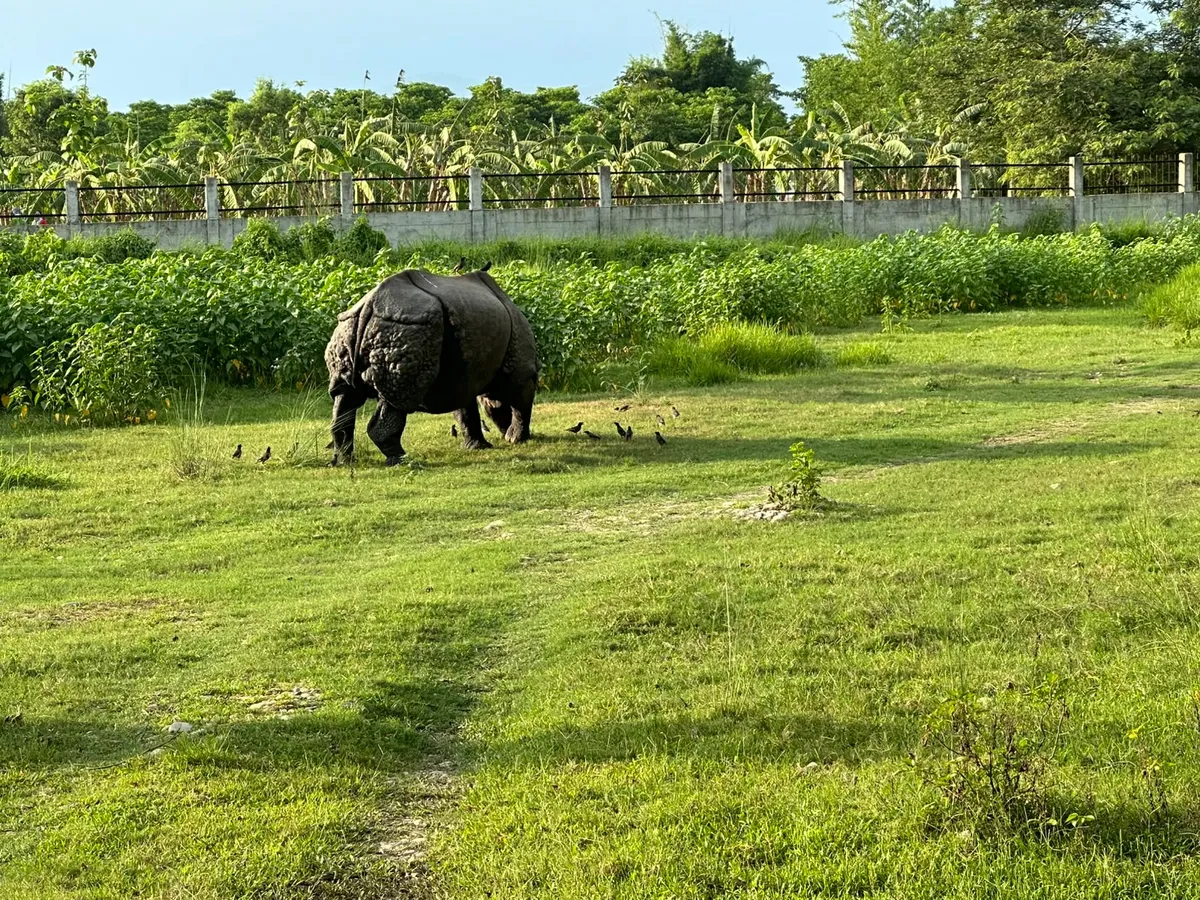
The three lowland reserves split cleanly by intent. Chitwan, with more than 530 bird species plus rhinos, tigers and canoe safaris, is the complete Terai experience and the right choice for mixed groups; Bardia, the largest and wildest park with over 400 species, specialises in remote wilderness and grassland birds like the Bengal florican and Sarus crane; Koshi Tappu, with 485 species on 175 square kilometres, is the pure birding specialist with wetland scenery no hill forest can imitate. Birders choose Koshi; safari families choose Chitwan; solitude seekers choose Bardia.
A concrete way to weigh the choice: if your trip has one Terai slot and the group wants elephants-on-safari stories, go Chitwan and follow our Chitwan safari guide with 2026 fees and zones, or settle the debate with our Bardiya versus Chitwan comparison. If your trip has one Terai slot and the group keeps a list, Koshi Tappu delivers the bigger list, the gentler pace, and the only wild arna herd in Nepal. The honest bonus is that dedicated birders can do both, using Chitwan's 530-species forest and river mix as the warm-up act.
Koshi Tappu also wins on intimacy. Chitwan receives the country's safari crowds; the eastern reserve still feels like a insiders' secret, with a handful of camps and mornings where the only other boat on the oxbow belongs to fishermen. For photographers and listers, that quiet is productive quiet.
Where Are the Best Photography Spots in the Reserve?
The three productive setups are the dawn oxbow by boat, the barrage sandbanks in late afternoon, and the grassland edge near Kusaha at first light and last. Each rewards a different lens: the boat gives close waterfowl at water level, the sandbanks give waders and terns against clean backgrounds, and the grassland edge gives the arna herds and stork flypasts in golden light. The reserve is small enough that a three-day stay can shoot all three properly.
Light discipline matters more than gear. The sun rises over the river channels, so morning boat sessions shoot down-light subjects, and the hour before sunset at the barrage is when the egrets, ibises and storks stream to their roost islands in ribbons. The grass hides tripod legs, so bring a beanbag for the boat gunwales and shoot handheld with stabilization everywhere else. If the fog sits on the water at dawn, which happens on cold January mornings, stay patient: the first hour of burn-off produces the best atmosphere of the day.
Combining Koshi Tappu With Eastern Nepal
The reserve's eastern location makes natural pairings that most Nepal itineraries miss. South of the hills lies Janakpur, the ornate pilgrimage city of the Maithili heartland, a half-day drive away and a natural stop on the return toward Kathmandu; east toward the tea hills of Ilam, the landscape climbs into red roads and garden ridges that feel closer to Darjeeling than to the Terai. Travelers with a week can build an eastern-Nepal loop no Kathmandu-centric tour operator offers.
The pairing that suits most first visitors is the Terai triangle: fly into Biratnagar, bird Koshi Tappu for three days, drive west to Chitwan or continue to Lumbini, and return overland or by air. That route threads through the full lowland habitat ladder, from wetland to sal forest to grassland, and it is the shape our eight-day heritage and wildlife experience from $500 follows in its classic Kathmandu, Chitwan and Lumbini form. Pilgrimage-minded travelers can deepen the cultural thread with our complete guide to cultural and spiritual tours in Nepal.

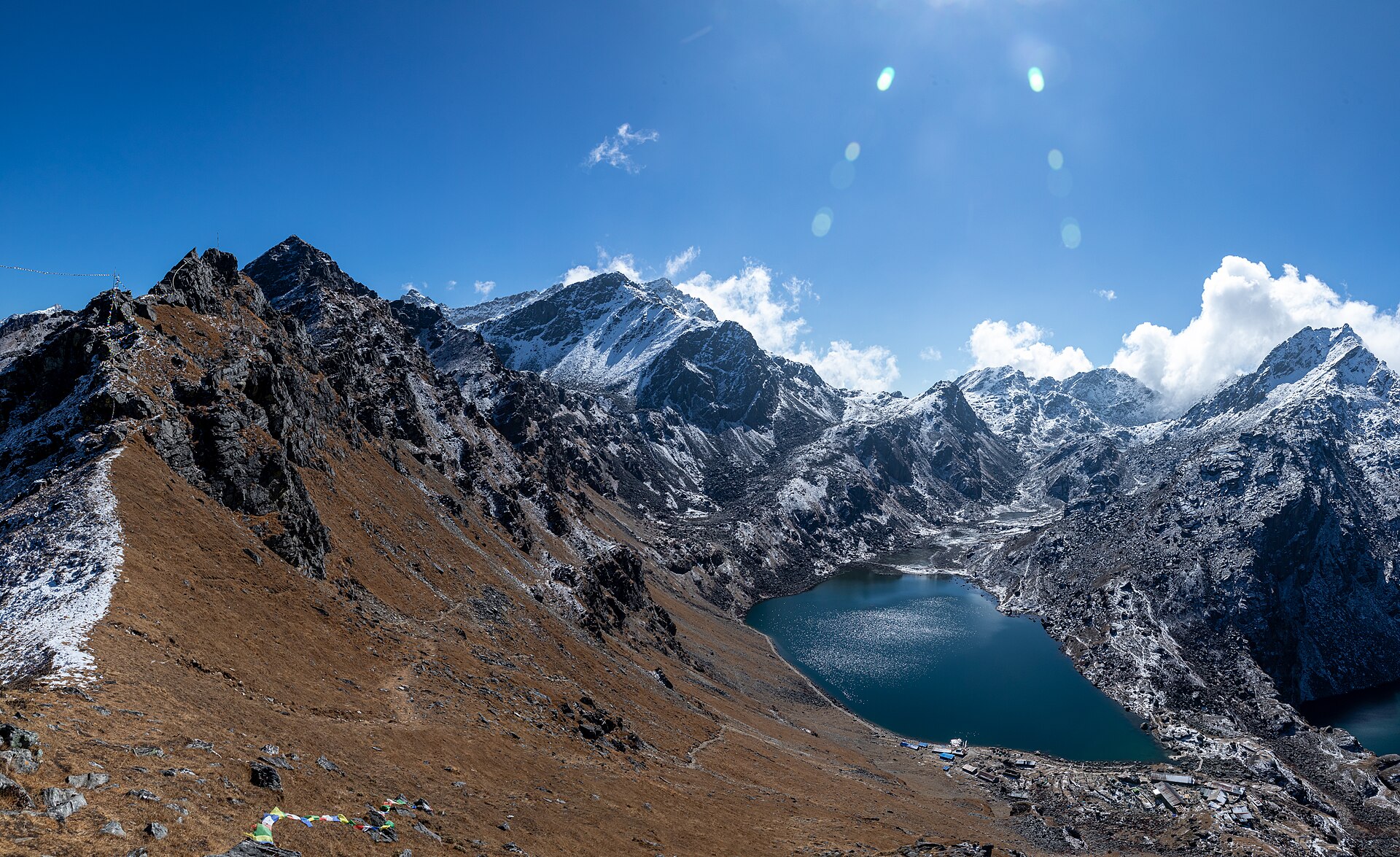
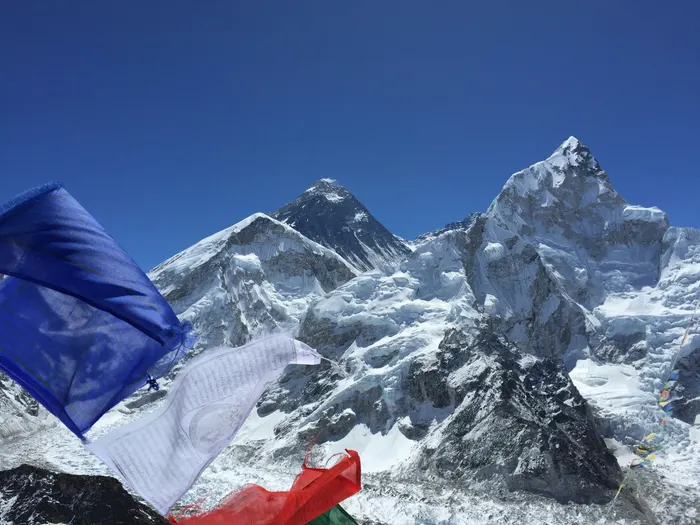
Birders with hill ambitions can also climb out of the Terai deliberately. The Everest and Langtang regions add a full Himalayan altitudinal band to the same trip; our Everest region guide and Langtang region guide cover the hill-to-highland tiers, and our overview on how to choose a trek in Nepal helps fit the right one around a fixed number of days. A lowland-plus-highland trip is the single most efficient way to see Nepal's 880-plus species in one itinerary.
Why Responsible Birding Matters Here
Koshi Tappu's conservation story is the reason your entry fee matters. The arna herd survived because the reserve was fenced in 1976, the Ramsar designation in 1987 recognized the wetland's international role, and community programmes around the buffer villages now convert birding tourism into local income. The same virtuous cycle we describe in our responsible and community tourism guide is what keeps the grassland unpoached and the guides employed in the east.
Practical ethics on the water are simple. Boats keep distance from roost islands; playback of owl and rail calls is kept to a minimum in breeding season; no one walks into the grass toward a displaying florican; and the dolphin channels below the barrage are watched, not entered. Nepal's vulture recovery, which banned veterinary diclofenac and built community feeding restaurants, shows how quickly a country can turn a wildlife crisis around when tourism and conservation pull the same direction. A birder who follows local rules is funding the next chapter of that story.
Koshi Tappu is the quiet specialist of Nepal's protected-area network: too flat for the postcards, too wet for the crowds, and too rich in birds for any serious lister to skip. Come for the 485 species, stay for the dawn fog burning off an oxbow while arna graze in the shallows, and leave understanding why a 1987 Ramsar stamp on an eastern floodplain still draws birders across continents. Plan the Terai triangle properly, pack light, book a guide who knows the grass, and the wetland will do the rest.