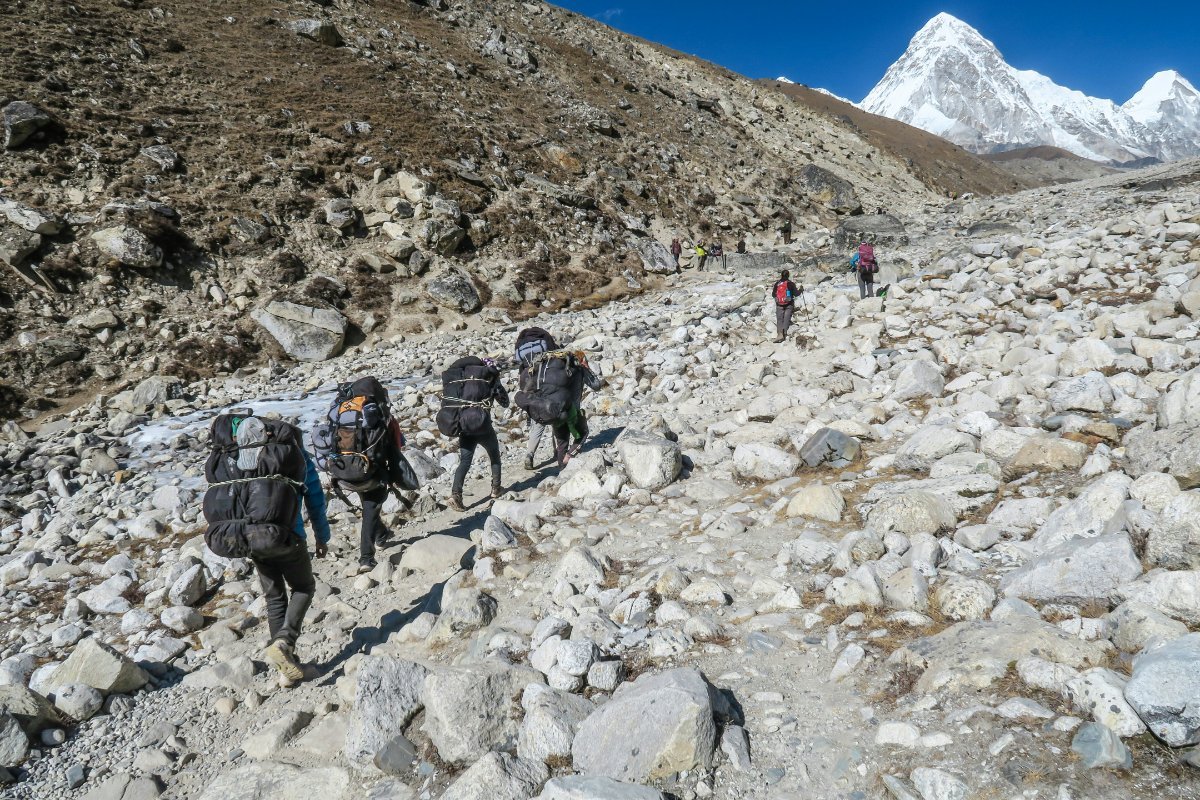
The trail to Everest Base Camp takes you from 2,860 metres at Lukla to 5,364 metres at Base Camp, with the iconic Kala Patthar viewpoint reaching 5,545 metres. At those elevations the air holds roughly half the oxygen density of sea level, and your body must adapt or suffer the consequences. Altitude sickness is the single most common reason trekkers fail to reach Base Camp, yet it is also one of the most preventable trekking risks when you follow proven acclimatization protocols.
This guide draws on the Alpine Club of Alpine Peak Safety (ACAPS) guidelines, Wilderness Medical Society consensus statements, and decades of Himalayan trekking experience from our team at Enticing Himalayas. Whether you are a first-time high-altitude trekker or a seasoned mountaineer, the principles here will help you reach Base Camp safely and enjoy the journey rather than endure it. For a broader overview of trekking preparation, our complete guide to trekking in Nepal covers permits, packing, and choosing the right route.
Understanding Altitude Sickness: The Three Forms
Altitude illness is not a single condition. It exists on a spectrum from mild discomfort to life-threatening emergency, and recognising which form you are experiencing determines the correct response. The three forms are:
1. Acute Mountain Sickness (AMS)
AMS is the mildest and most common form, affecting roughly 25 to 42 percent of trekkers ascending above 3,000 metres without adequate acclimatization. Symptoms mimic a bad hangover: headache (the hallmark symptom), nausea, fatigue, dizziness, loss of appetite, and disturbed sleep. AMS is your body's early warning system. It is uncomfortable but not dangerous if you respond correctly: stop ascending, hydrate, and rest. Most cases resolve within 24 to 48 hours at the same elevation.
2. High Altitude Pulmonary Edema (HAPE)
HAPE is fluid accumulation in the lungs and is the more common of the two severe forms at Everest Base Camp trekking altitudes. Symptoms include increasing breathlessness (especially at rest), a tight feeling in the chest, a persistent cough that may produce pink frothy sputum, and cyanosis (blueish lips or fingertips). HAPE can develop rapidly, sometimes within hours, and is fatal if ignored. The treatment is immediate descent of at least 500 to 1,000 metres.
3. High Altitude Cerebral Edema (HACE)
HACE is fluid accumulation in the brain and is the rarest but most lethal form. Symptoms include severe headache that does not respond to painkillers, vomiting, loss of coordination (ataxia, tested by walking a straight line heel-to-toe), confusion, and eventually unconsciousness. HACE can progress from first symptoms to death in as little as 12 hours. The treatment is immediate descent, supplemented by dexamethasone and supplemental oxygen if available.
For a detailed breakdown of symptoms and treatment across both Everest and Annapurna trekking routes, see our companion guide on altitude sickness prevention and acclimatization on the Everest and Annapurna treks.
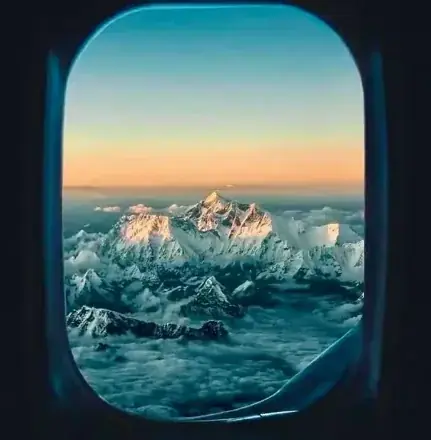
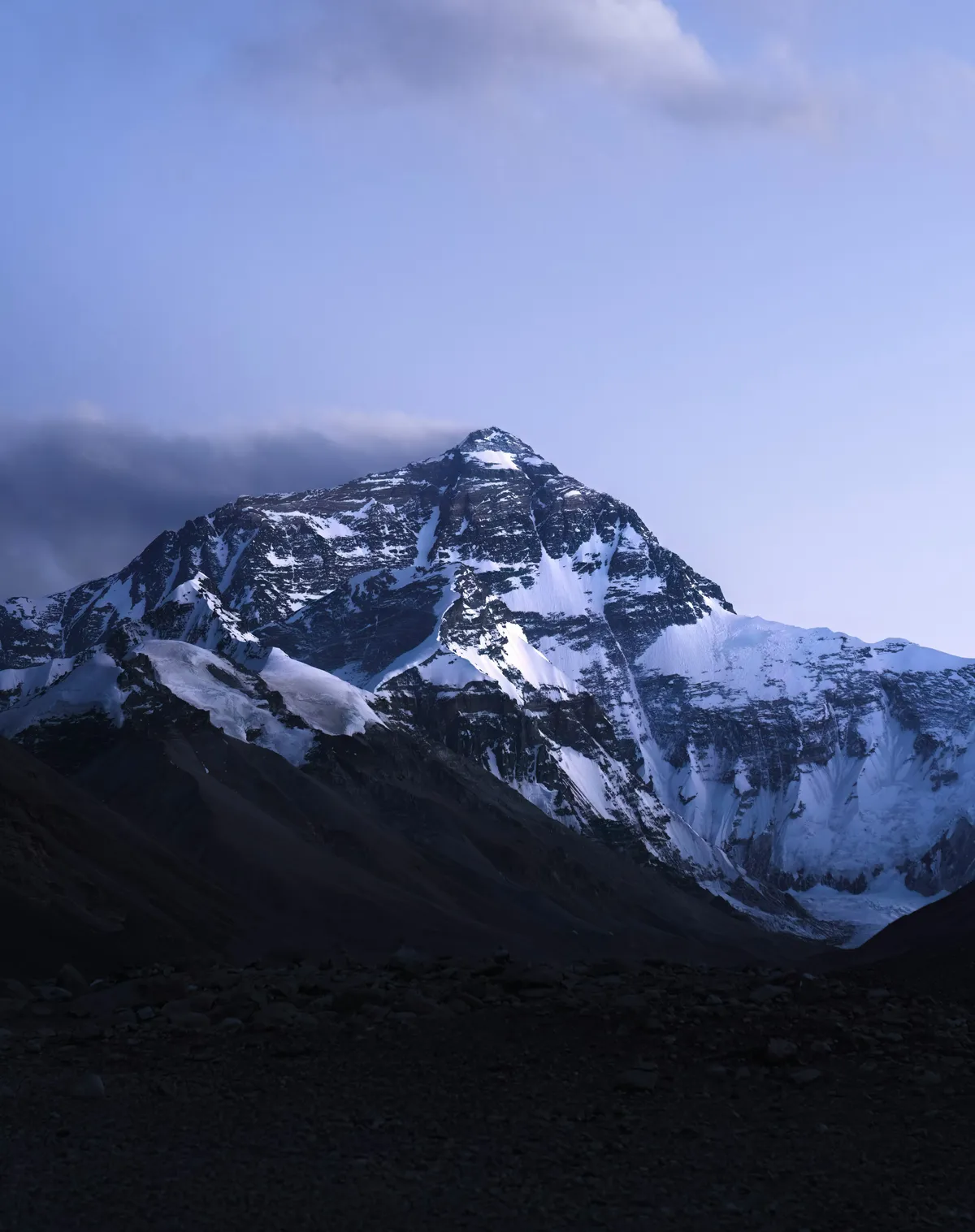
Why the Everest Base Camp Trek Is High Risk for Altitude Sickness
Several factors combine to make the EBC route particularly challenging for altitude adaptation:
- Rapid elevation gain. The standard 12-day itinerary climbs from 2,860 metres (Lukla) to 5,364 metres (Base Camp) in approximately 8 walking days. That is an average gain of over 300 metres per day, which exceeds the recommended safe ascent rate.
- Sleeping altitude. The critical factor for acclimatization is the altitude at which you sleep, not the highest point you reach during the day. On the EBC trek, sleeping altitudes rise from 2,860 m (Lukla) to 5,140 m (Gorak Shep), which is well into the high-altitude zone where acclimatization becomes essential.
- Limited acclimatization days. The standard itinerary includes only two dedicated acclimatization days (Namche Bazaar and Dingboche), which may not be enough for slower acclimatizers.
- Individual variability. Fitness level does not predict altitude tolerance. A marathon runner may struggle while a casual walker thrives. Genetic factors, prior altitude experience, and even sleep quality all play a role.
- Trekking speed culture. Some groups push the pace to stay on schedule, which is the single worst thing you can do at altitude. Climbing high too fast dramatically increases AMS risk.
The Everest region guide provides route details and elevation profiles for the standard Lukla-to-Kalapatthar trail, which helps you visualise the daily altitude gains.
The ACAPS Golden Rules of Altitude Trekking
The Alpine Club of Alpine Peak Safety publishes a set of golden rules that form the foundation of safe high-altitude trekking. These are not suggestions; they are evidence-based protocols that have saved countless lives in the Himalayas.
Golden Rule 1: Climb High, Sleep Low
This is the single most important principle of altitude acclimatization. Your body adapts to altitude during rest (sleep), not during exertion. The strategy is to climb to a higher elevation during the day for acclimatization stimulus, then descend to a lower elevation to sleep. The altitude gain between consecutive sleeping elevations should not exceed 300 to 500 metres per night once you are above 3,000 metres.
Golden Rule 2: Do Not Ascend With Symptoms
If you have any symptoms of AMS (headache plus at least one other symptom), you must not climb higher. Stay at the same elevation, rest, hydrate, and monitor. If symptoms worsen or do not improve within 24 hours, descend. ascending with symptoms is the direct cause of nearly all HAPE and HACE fatalities.
Golden Rule 3: If Symptoms Worsen, Descend Immediately
Descending even 300 to 500 metres can produce dramatic improvement. The golden rule is: when in doubt, go down. There is no shame in descending. The mountains will be there next year; your health is irreplaceable.
Golden Rule 4: Never Trek Alone at Altitude
Your trekking partner or guide is your safety net. HACE impairs judgement, meaning the affected person may not recognise their own symptoms. A companion who can assess your coordination, speech, and behaviour is critical. This is why trekking with a licensed guide, as outlined in our guide to choosing a trek in Nepal based on difficulty and permits, is strongly recommended for the EBC route.
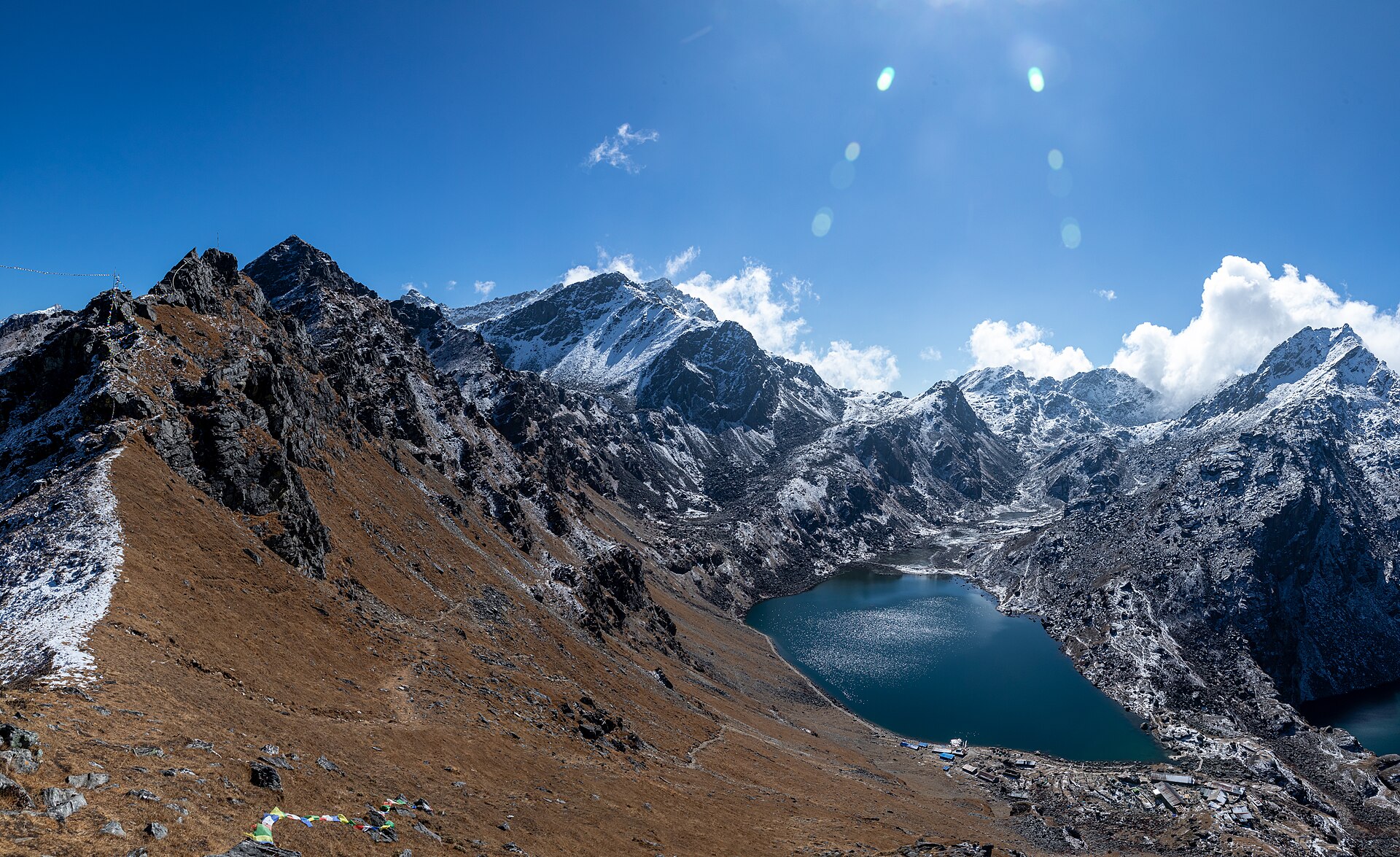
Golden Rule 5: Know the Symptoms and Communicate
Every trekker in your group should know how to recognise AMS, HAPE, and HACE symptoms. Daily health checks (the Lake Louise Score) should be conducted openly. Hiding symptoms to avoid slowing the group is a lethal mistake. Speak up early; your guide can only help if they know there is a problem.
The Recommended Acclimatization Schedule for EBC 2026
Based on ACAPS guidelines and our operational experience, here is the optimal acclimatization schedule for the standard 14-day EBC trek. Our 14-day EBC trek itinerary follows this exact pacing.
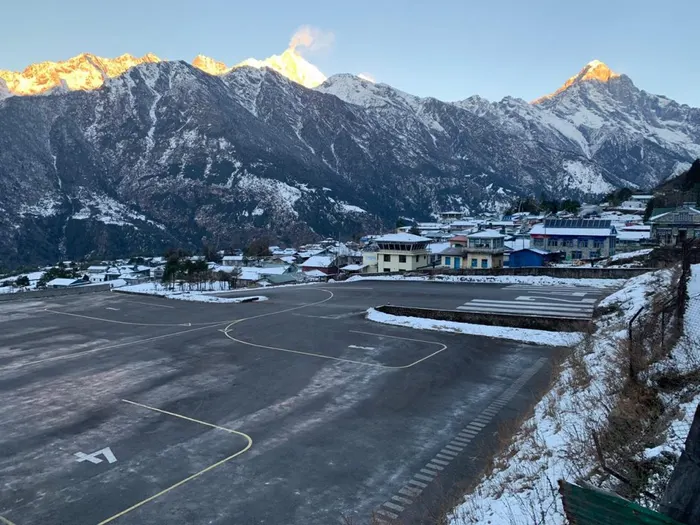
| Day | Route | Sleeping Altitude | Notes |
|---|---|---|---|
| 1 | Fly to Lukla, trek to Phakding | 2,610 m | Easy first day, stay hydrated |
| 2 | Phakding to Namche Bazaar | 3,440 m | +830 m gain, pace yourself |
| 3 | Acclimatization day in Namche | 3,440 m | Hike to Everest View Hotel (3,880 m), return |
| 4 | Namche to Tengboche | 3,860 m | +420 m, moderate day |
| 5 | Tengboche to Dingboche | 4,410 m | +550 m, watch for symptoms |
| 6 | Acclimatization day in Dingboche | 4,410 m | Hike to Nangkartshang Peak (5,083 m), return |
| 7 | Dingboche to Lobuche | 4,910 m | +500 m, short but tough |
| 8 | Lobuche to Gorak Shep, then EBC | 5,140 m | Base Camp visit (5,364 m), sleep at Gorak Shep |
| 9 | Gorak Shep to Kala Patthar, then Pheriche | 4,240 m | Early morning Kala Patthar (5,545 m), descend |
Note that Day 9 involves a significant descent from 5,140 m to 4,240 m, which is the climb-high-sleep-low principle in action. You reach your highest point (Kala Patthar at 5,545 m) in the morning and then drop 900 m to sleep. This is the most important acclimatization manoeuvre of the entire trek.
If you are concerned about whether the EBC trek is within your ability level, our honest assessment of how hard the Everest Base Camp trek really is covers fitness requirements, altitude challenges, and daily difficulty ratings. If the altitude risk is too high for your comfort level, an Everest Base Camp helicopter tour offers the same Himalayan views without the acclimatization requirement.
Hydration and Nutrition: The Foundation of Altitude Tolerance
Proper hydration and nutrition are not optional extras; they are core altitude sickness prevention strategies. Dehydration mimics and exacerbates AMS symptoms, and a malnourished body cannot adapt efficiently to hypoxic conditions.
Hydration Targets
At altitude, you lose water faster through increased respiration (you breathe harder and drier air) and increased urination (a natural altitude response). The ACAPS guideline is to drink 3 to 4 litres of fluids per day above 3,000 metres. That is roughly 13 to 17 cups. Monitor your urine colour: it should be pale yellow or clear. Dark yellow urine means you need to drink more.
Practical tips for staying hydrated on the EBC trek:
- Carry a 2-litre hydration bladder or two 1-litre bottles. Refill at every teahouse stop.
- Drink a full glass of water before starting each trekking day and before bed.
- Garlic soup, a Himalayan teahouse staple, is an excellent hydrating and warming option.
- Avoid excessive caffeine and alcohol. Both increase fluid loss and impair sleep quality at altitude.
- Add electrolyte tablets to one bottle per day to replace sodium and potassium lost through sweating and increased urination.
Nutrition at Altitude
Loss of appetite is one of the most common AMS symptoms, yet eating adequately is essential for acclimatization. Your body burns more calories at altitude (your basal metabolic rate increases by 10 to 20 percent above 3,500 m), so you need to eat more even as you feel like eating less.
- Carbohydrates are king. Carbs require less oxygen to metabolise than fats or proteins, making them the most efficient fuel at altitude. Dal bhat, the Nepali staple of rice and lentil soup, is ideal and available everywhere.
- Aim for 3,000 to 4,000 calories per day. Trekkers routinely underestimate caloric needs on the EBC route. If you are losing weight rapidly, you are not eating enough.
- Snack frequently. Energy bars, dried fruit, nuts, and biscuits keep your blood sugar stable during long walking days.
- Garlic and ginger. Local belief in the altitude-combating properties of garlic and ginger has some scientific backing; both have mild vasodilatory effects that may improve blood flow. Garlic soup is a teahouse classic for good reason.
- Avoid heavy, fatty meals at high camps. A heavy meal at 5,000 metres can trigger nausea and disturb already-fragile sleep. Eat your largest meal at lunchtime and a lighter dinner.
Medication for Altitude Sickness Prevention: What Works and What Does Not
Medication is a supplement to, not a replacement for, proper acclimatization. The ACAPS guidelines are clear: no medication can make up for ascending too fast. However, two medications are widely used and evidence-supported for the EBC trek.
Acetazolamide (Diamox)
Acetazolamide is the gold standard for altitude sickness prevention. It works by acidifying the blood, which stimulates deeper breathing and improves oxygenation during sleep. It is most effective when started 24 to 48 hours before beginning the ascent.
Dosage: 125 to 250 mg twice daily, starting one to two days before reaching altitude (or before flying to Lukla) and continuing until you reach the highest sleeping altitude or for the first 2 to 3 days at target altitude.
Side effects: Tingling in fingers, toes, and face (harmless but annoying), increased urination (stay hydrated), altered taste of carbonated drinks, and occasionally nausea. It is a sulfa-derivative, so people with sulfa allergies should consult a doctor.
Important note: Acetazolamide does not mask symptoms. If you develop AMS while taking it, you still need to stop ascending and possibly descend. It helps your body acclimatize faster, but it is not a free pass to climb higher.
Dexamethasone
Dexamethasone is a powerful steroid used for treatment, not prevention. It is carried as an emergency medication for HACE. It reduces brain swelling rapidly and can buy time for descent. It should only be used under medical supervision or by trekkers trained in its use, and it is not a substitute for descent.
Nifedipine
Nifedipine is used for HAPE treatment. It lowers pulmonary blood pressure and can help reduce fluid accumulation in the lungs. Again, this is an emergency medication, not a preventive one.
What Does Not Work
- Ginkgo biloba: Studies show mixed results and it is not recommended by ACAPS.
- Aspirin or ibuprofen for prevention: These help with altitude headaches but do not prevent AMS itself. Relying on painkillers to push through symptoms is dangerous because they mask the warning signs.
- Coca leaf or other herbal remedies: Not available in Nepal and not evidence-based.
- Oxygen cans: Small portable oxygen cans provide brief relief but are not a treatment for altitude sickness. They give a false sense of security. Real treatment is descent.
Always consult your doctor or a travel medicine specialist before starting any altitude medication. Discuss your full medical history, current medications, and any known allergies.
Recognising Symptoms: The Lake Louise Score
The Lake Louise Score is the standard self-assessment tool for AMS, used by trekking guides and medical professionals worldwide. It is simple enough for any trekker to use daily. Score yourself each morning and evening during the EBC trek.
| Symptom | 0 | 1 | 2 | 3 |
|---|---|---|---|---|
| Headache | None | Mild | Moderate | Severe, incapacitating |
| GI symptoms | None | Poor appetite or nausea | Moderate nausea or vomiting | Severe, incapacitating |
| Fatigue/weakness | Not tired | Mild fatigue | Moderate | Severe, bedridden |
| Dizziness | None | Mild | Moderate | Severe, fainting |
| Sleep | Slept well | Did not sleep as well | Woke many times | Could not sleep at all |
Scoring: Add up your points. A score of 3 to 5 with a headache indicates mild AMS. A score of 6 or more indicates moderate to severe AMS and means you should not ascend. If your score increases despite resting at the same altitude, descend.
Remember: the Lake Louise Score is a screening tool, not a diagnostic instrument. If you feel unwell even with a low score, communicate with your guide. Trust your body over the numbers.
Emergency Protocols: When and How to Descend
Descent is the definitive treatment for all forms of altitude sickness. The general rule is to descend at least 500 metres, though even 300 metres can produce significant improvement. Here is what to do in each scenario:
If You Have Mild AMS (Score 3 to 5)
- Stop ascending. Rest at the current elevation.
- Drink 1 litre of fluids immediately, then continue regular hydration.
- Take ibuprofen or paracetamol for headache relief.
- Consider taking 125 mg of acetazolamide if not already on it.
- Reassess in 1 to 2 hours. If symptoms improve, you may resume ascending the next day at a slower pace. If symptoms persist or worsen after 24 hours, descend 300 to 500 metres.
If You Have Moderate to Severe AMS (Score 6+) or Symptoms Worsen
- Descend immediately. Do not wait for morning or for the group to reorganise.
- If available, take 125 mg acetazolamide and 4 mg dexamethasone.
- Use supplemental oxygen if available (most teahouses above Namche carry emergency oxygen).
- Descend at least 500 metres or until symptoms significantly improve.
- Do not re-ascend until symptoms are completely resolved, which may take 24 to 48 hours.
If You Suspect HAPE or HACE
- This is a medical emergency. Descend immediately. Do not delay for any reason.
- Take 8 mg dexamethasone (for HACE) or nifedipine 20 mg slow-release (for HAPE), if available and you are trained in their use.
- Use supplemental oxygen at the highest flow rate available.
- If the person cannot walk, arrange a helicopter evacuation. Your guide will coordinate this. Ensure you have adequate trekking insurance that covers helicopter rescue from altitude.
- Keep the person warm and as calm as possible. Panic increases oxygen demand.
The importance of trekking insurance cannot be overstated. A helicopter evacuation from Gorak Shep costs $3,000 to $5,000 and must be paid for or guaranteed before the helicopter departs. Our guide on Nepal trekking permits and TIMS includes a section on insurance requirements, and we strongly recommend policies that explicitly cover helicopter rescue above 4,000 metres.
Pre-Trek Fitness and Its Role in Altitude Acclimatization
Being physically fit does not prevent altitude sickness. This is one of the most dangerous myths in trekking. However, fitness plays an indirect but critical role: a fit body recovers faster from daily exertion, which means better sleep quality, better appetite, and more energy for the critical acclimatization hikes on rest days.
The recommended fitness preparation for the EBC trek, as detailed in our guide to the best treks in Nepal for beginners and families, includes:
- Cardiovascular training: 3 to 4 sessions per week of running, cycling, swimming, or brisk walking for 45 to 60 minutes. Build to being able to sustain 60 minutes of continuous cardio at 70 to 80 percent of your maximum heart rate.
- Hill or stair training: Once weekly, walk uphill or climb stairs for 60 to 90 minutes with a 5 to 10 kg daypack. This builds the specific leg strength and endurance the EBC trail demands.
- Core and leg strength: Squats, lunges, planks, and step-ups 2 to 3 times per week. Strong legs and a stable core reduce fatigue on the long descents.
- Flexibility: Daily stretching or yoga for 15 to 20 minutes. Tight hips and hamstrings make the steep Nepali trails harder on your joints.
- Start 12 weeks before your trek. This gives your body time to build a solid aerobic base and the specific muscular endurance for multi-day trekking.
Remember: arrive fit, but do not arrive exhausted. Taper your training in the final week before flying to Lukla so you start the trek fresh.
Seasonal Considerations for Altitude Risk
The season you choose for your EBC trek affects altitude sickness risk in subtle ways. Our month-by-month guide to the best time for Everest Base Camp trek covers weather and crowds in detail, but here are the altitude-specific factors:
- Spring (March to May): The most popular season. Temperatures are moderate, but trail crowding can create pressure to keep pace with your group. Do not let group dynamics override your acclimatization schedule. For those who want Everest views without the altitude commitment, a Mount Everest scenic flight from Kathmandu is a great alternative.
- Autumn (September to November): The clearest views and most stable weather. Cold nights at higher altitudes (down to -15 degrees Celsius at Gorak Shep) can disturb sleep, which impairs acclimatization. Bring a high-quality four-season sleeping bag.
- Winter (December to February): Very cold and much less crowded. The extreme cold adds physiological stress on top of altitude. Teahouses may close above Dingboche. Only for experienced winter trekkers with full cold-weather gear.
- Monsoon (June to August): Wet, cloudy, and leech-infested below Namche. Cloud cover means no mountain views. Not recommended for EBC.
For the complete picture of what to expect each month, including temperature data and crowd levels, see our Everest Base Camp weather by month guide.
Packing for Altitude: Gear That Supports Acclimatization
The right gear directly supports your body's ability to cope with altitude. Here are the altitude-critical items for the EBC trek:
- Four-season sleeping bag (rated to -15 degrees Celsius or lower). Sleep quality is essential for acclimatization, and temperatures at Gorak Shep regularly drop below -10 degrees Celsius even in peak season. A liner adds warmth and hygiene.
- Down jacket. A high-quality 800-fill down jacket keeps your core warm during evening acclimatization walks and at high camps.
- Layered clothing system. Base layer (merino wool), mid layer (fleece), outer shell (windproof and waterproof). Layers let you regulate temperature precisely, which reduces metabolic stress.
- Good quality trekking boots. Broken in, with ankle support. Blisters or twisted ankles slow your pace, which can disrupt your acclimatization schedule.
- Pulse oximeter (optional but recommended). A fingertip oxygen saturation monitor lets you track your SpO2 daily. Normal at sea level is 95 to 100 percent; at 5,000 metres, 80 to 85 percent is typical. A sudden drop of 5 points or more is a warning sign.
- Personal medication kit. Include acetazolamide (as agreed with your doctor), ibuprofen, anti-nausea medication, oral rehydration salts, and any personal prescriptions.
Common Mistakes That Lead to Altitude Sickness on EBC
In our years of guiding trekkers to Everest Base Camp, the same preventable mistakes recur. Avoid these and you dramatically reduce your risk:
- Trekking too fast. The number one cause of AMS on the EBC route. Walk at a pace where you can comfortably hold a conversation. If you are breathing hard enough that you cannot speak in full sentences, slow down.
- Skipping acclimatization days to save time. Shortening the itinerary by cutting rest days is a false economy. The money you save on teahouse nights is meaningless if you have to evacuate by helicopter or abandon the trek at Lobuche.
- Not drinking enough water. Many trekkers underhydrate because teahouse water costs money or because they do not feel thirsty in the cold. By the time you feel thirsty, you are already mildly dehydrated.
- Ignoring mild symptoms. A headache at 4,000 metres is not normal. It is your body telling you to slow down. Trekkers who push through mild AMS are the ones who develop severe AMS.
- Drinking alcohol at altitude. Alcohol disrupts sleep, increases dehydration, and impairs judgement. Save the celebratory beer for when you return to Lukla.
- Taking sleeping pills. Benzodiazepines and other sedatives suppress the respiratory drive, which is already reduced at altitude. This can worsen hypoxia during sleep. If you struggle with sleep at altitude, acetazolamide is the safer option.
- Flying to Lukla without prior altitude exposure. If possible, spend a few days in Kathmandu (1,400 m) and do a short hike to 2,500 to 3,000 metres before starting the trek. Even a day hike to Nagarkot or Dhulikhel helps jumpstart adaptation.
Conclusion: Reach Base Camp Safely
Altitude sickness is the most significant health risk on the Everest Base Camp trek, but it is also the most preventable. The formula is simple: ascend slowly, hydrate generously, eat adequately, recognise symptoms early, and descend without hesitation if symptoms worsen. The ACAPS golden rules exist because they work. Every trekker who follows them dramatically increases their chances of standing at Base Camp with a clear head and a strong body.
At Enticing Himalayas, every EBC trek we lead includes built-in acclimatization days, daily health monitoring using the Lake Louise Score, guides trained in altitude emergency response, and contingency plans for evacuation. We believe that reaching Base Camp is an achievement worth striving for, but only if you do it safely. The mountains demand respect, and that respect starts with understanding altitude.
For more on our approach to safe, responsible trekking in Nepal, explore our guide to being the best trekking agency in Nepal and our overview of cultural and spiritual tours in Nepal for travellers who want to combine trekking with deeper cultural immersion.