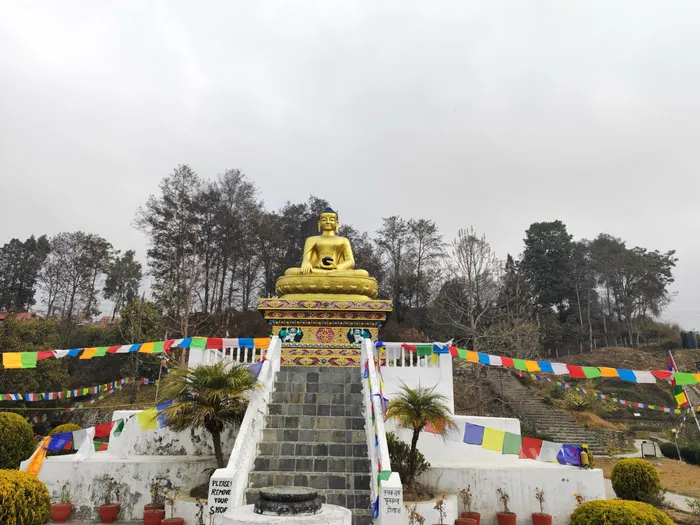
Seven days in Nepal is enough to change the way you see the world. In a single week, you can walk through medieval city squares where kings were crowned, watch the sun rise over the Annapurna range from a hilltop above a tranquil lake, and stand in the shadow of temples that have been places of worship for over a thousand years. The Nepal Unveiled tour is designed for travelers who want the complete Nepali experience in a compact, perfectly paced week: the culture, the mountains, the spirituality, and the warm hospitality that makes this Himalayan nation one of the world's most rewarding destinations.
This guide covers everything you need to know about a 7-day Nepal journey that moves from the ancient streets of Kathmandu to the Himalayan heights visible from Pokhara. We detail the must-see sites, the best ways to travel between destinations, and how to make every day of your week in Nepal count.
Why Seven Days in Nepal?
Seven days is the sweet spot for a first Nepal journey. It gives you three days for the Kathmandu Valley's UNESCO heritage, two days for Pokhara's lakes and Annapurna views, and two scenic travel days, enough to experience Nepal's culture and mountains without rushing.
Seven days is the minimum amount of time needed to experience Nepal's essential faces without feeling rushed. It allows for three days in the Kathmandu Valley, enough to cover the major UNESCO World Heritage Sites and absorb the valley's extraordinary cultural density. It allows for two days in Pokhara, enough to experience the lakeside serenity and the mountain panoramas that define Nepal's most scenic city. And it allows for two travel days that are themselves part of the experience, journeys through terraced hillsides, river valleys, and traditional villages that reveal the Nepal that exists between the famous destinations.
A week is also a practical duration for travelers combining Nepal with other destinations in South Asia, or for those who can only take a single week away from work. The Nepal Unveiled tour is specifically designed for this timeframe, with every day carefully planned to maximize the experience without exhausting the traveler.
For those who can spare more time, the 8-day Nepal highlights tour adds an extra day for deeper exploration, and the Golden Triangle Nepal tour adds Chitwan National Park for a wildlife dimension. But for a pure culture-and-mountains experience, seven days is the sweet spot.
Days 1-3: Kathmandu, the Living Museum
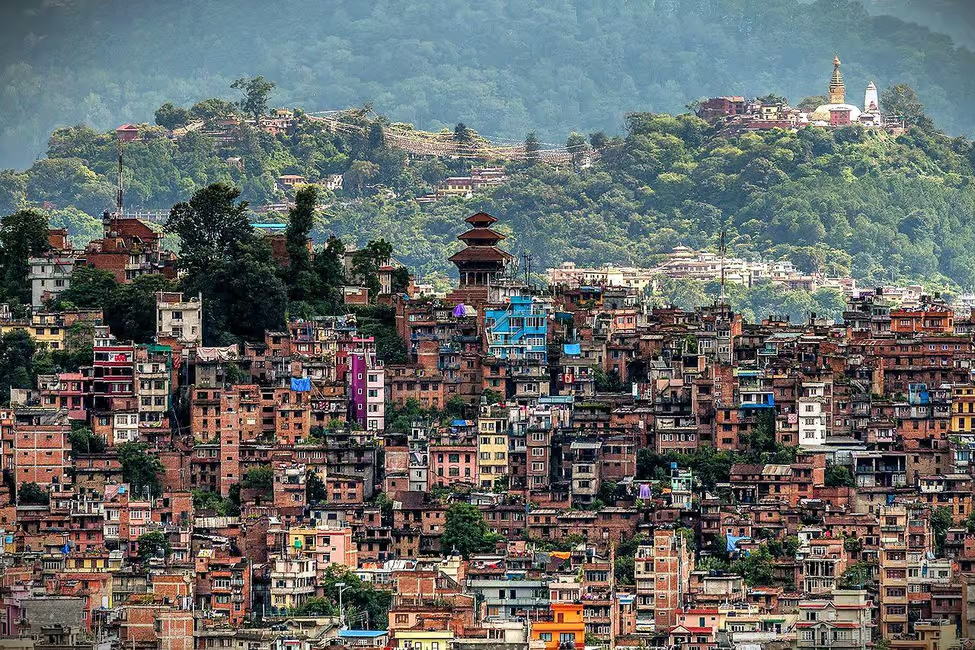
The first three days of the Nepal Unveiled tour are dedicated to the Kathmandu Valley, one of the most culturally dense regions on earth. With seven UNESCO World Heritage Sites within a 20-kilometer radius, the valley offers more monumental architecture per square kilometer than almost anywhere else in the world, as our day-by-day UNESCO visitor guide details. Three days is the minimum needed to do it justice.
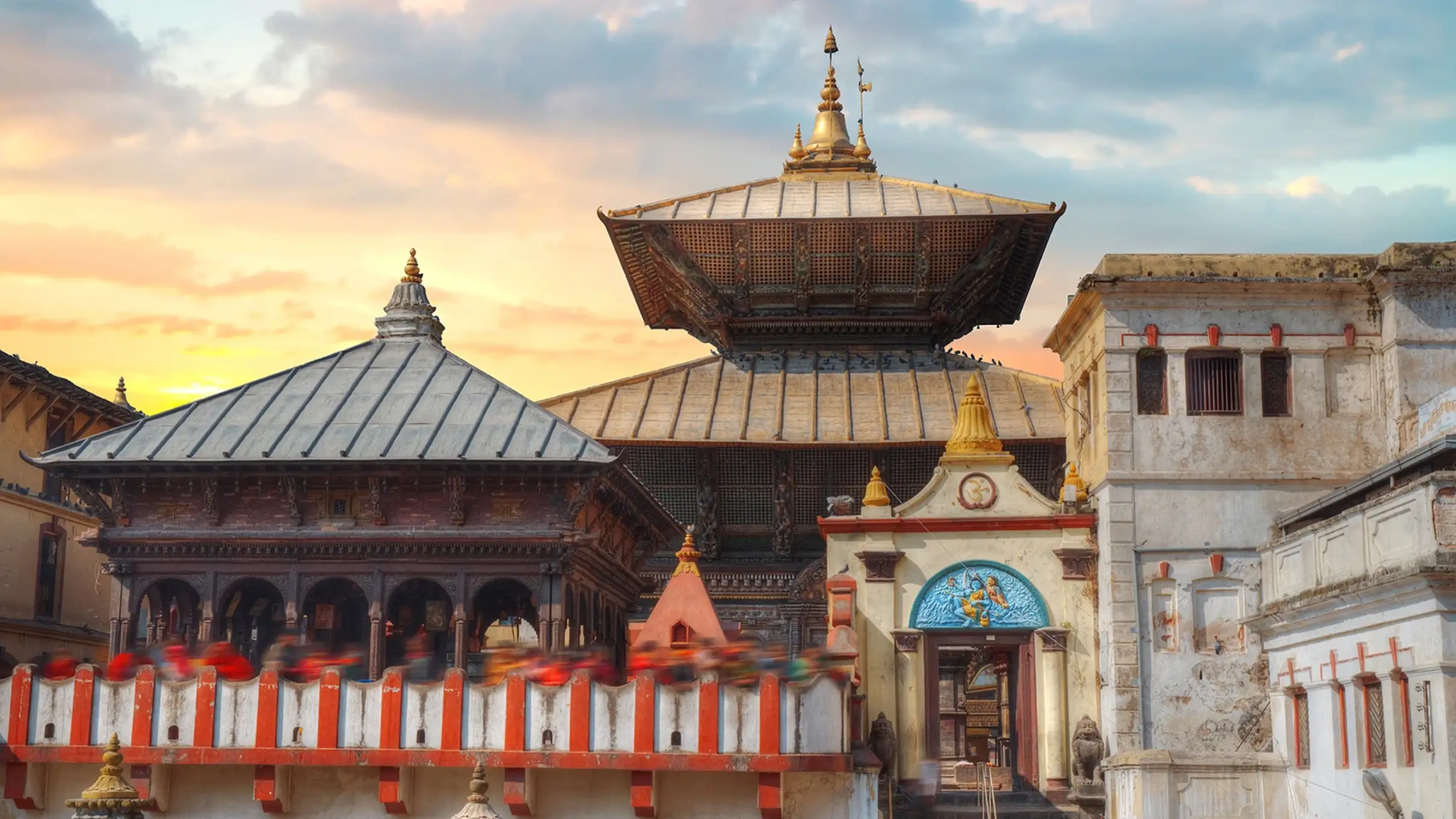
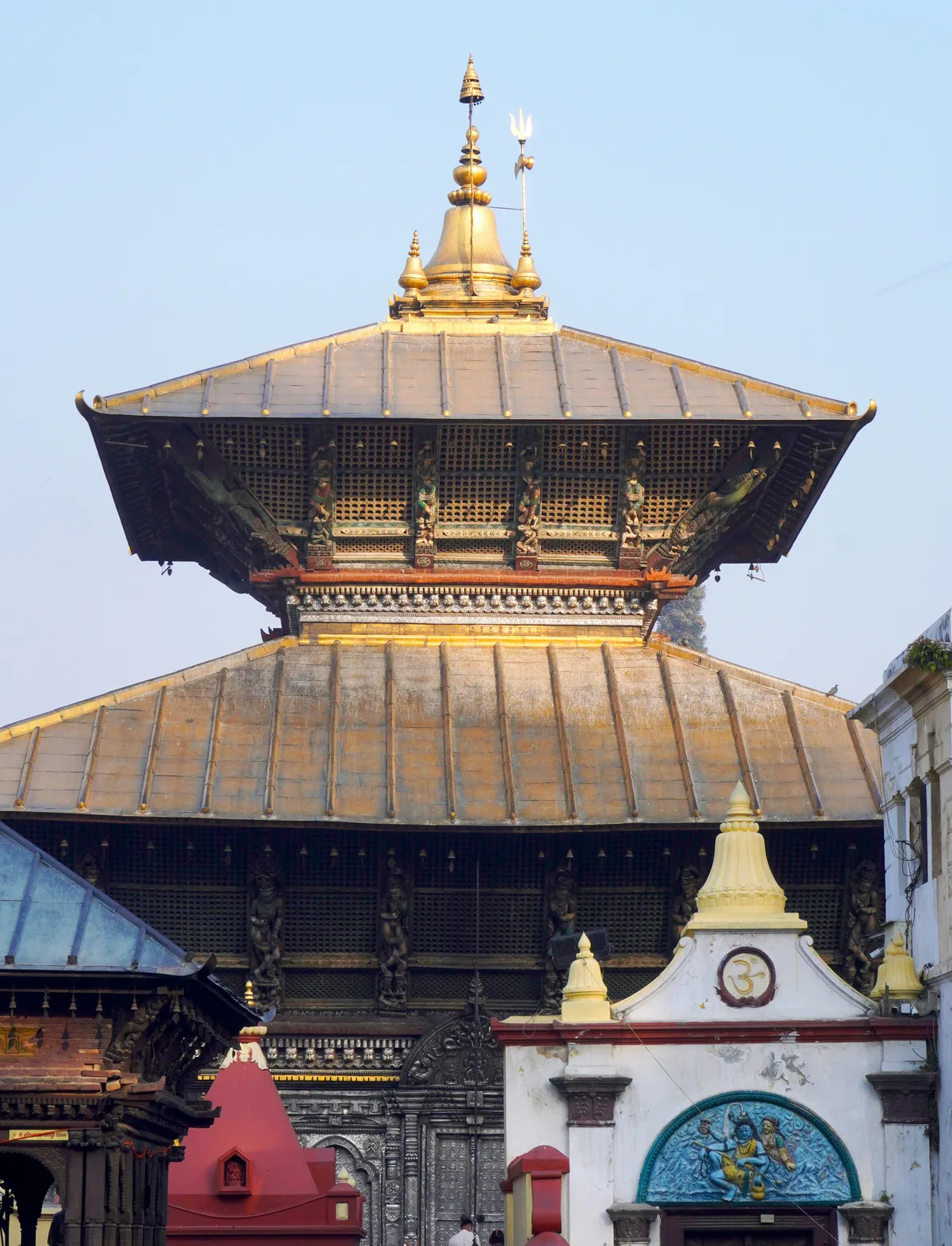
Day one focuses on the spiritual heart of the valley. The morning begins at Pashupatinath Temple, the most sacred Hindu shrine in Nepal. The main temple, with its gilded roof and silver doors, is restricted to Hindus, but the riverside ghats, the forest of smaller shrines, and the atmosphere of devotion are accessible to all. The morning aarti ceremony, with its flames, bells, and chanting, is a powerful introduction to Nepal's living Hindu traditions.
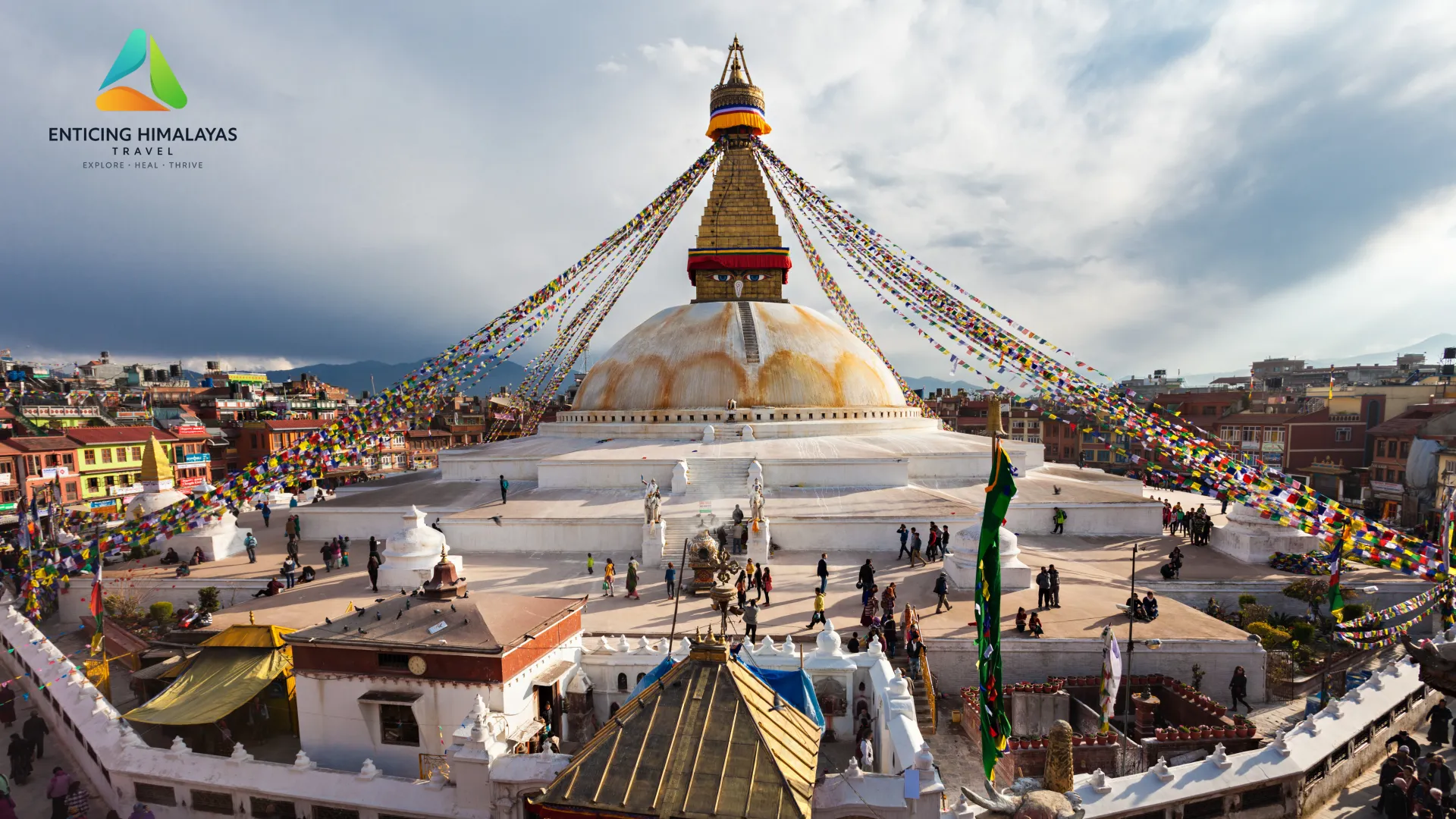
From Pashupatinath, the tour continues to Boudhanath Stupa, the great Tibetan Buddhist monument. The white dome, topped with a gilded spire and the all-seeing eyes of the Buddha, is one of the largest spherical stupas in the world. The surrounding monasteries, shops selling prayer flags and thangka paintings, and rooftop cafes where you can watch pilgrims perform their kora make Boudhanath one of the most atmospheric places in Nepal. Lunch at a rooftop restaurant overlooking the stupa is a highlight of the day.
The afternoon is spent at Swayambhunath Stupa, the Monkey Temple. The 365 steps to the summit are a pilgrimage in themselves, and the view of the Kathmandu Valley spread out below, with the Himalayas on the northern horizon on clear days, is one of the finest urban panoramas in Asia. The stupa itself, with its white dome and golden spire, is both a Buddhist shrine and a Hindu sacred site, embodying the syncretic religious culture that defines Nepal.
Day two explores the durbar squares. The morning is spent at Bhaktapur Durbar Square, the best-preserved of the valley's medieval city centers and the subject of our dedicated Bhaktapur day tour guide. This pedestrian-only zone of temples, palaces, and artisan workshops feels like a journey back to the 15th century. The Nyatapola Temple, a five-tiered pagoda that is Nepal's tallest, dominates the square. The 55-Window Palace, the Vatsala Temple, and the pottery square are essential stops. Bhaktapur's juju dhau, a creamy king curd, is a local specialty worth seeking out.
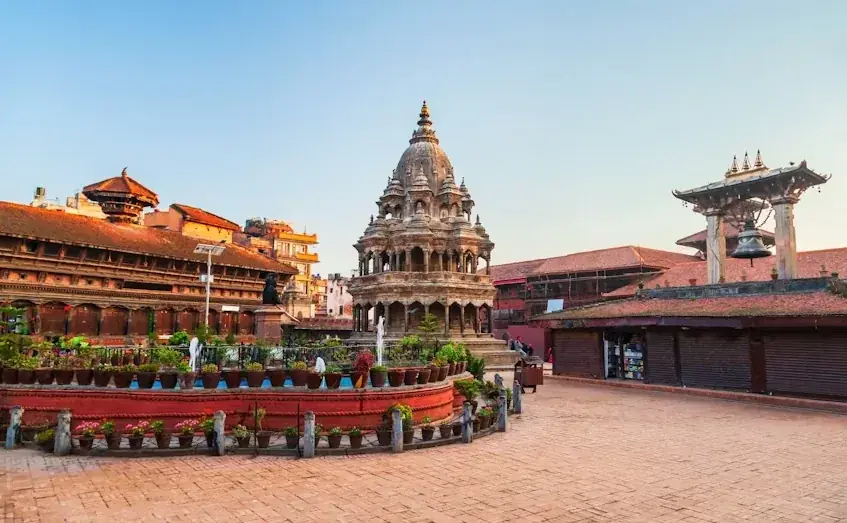

The afternoon moves to Patan Durbar Square, across the Bagmati River. The Krishna Mandir, built entirely of stone in the 17th century, is one of the finest examples of Shikhara-style architecture in Nepal. The Patan Museum, housed in a restored palace wing, contains an extraordinary collection of Newari art and traditions. The square is surrounded by artisan workshops where metalworkers and woodcarvers practice crafts passed down through generations.


Day three covers Kathmandu Durbar Square and the living city. The Hanuman Dhoka Palace, the Taleju Temple, and the Kumari Ghar, home to the living goddess Kumari, are the highlights. The afternoon is free for exploring Thamel, Kathmandu's tourist hub, with its bookshops, handicraft stores, and restaurants serving everything from dal bhat to wood-fired pizza. The 4-day UNESCO cultural heritage tour offers a more comprehensive Kathmandu experience for those with extra time.
Day 4: The Journey to Pokhara
Day four is a travel day, but in Nepal, travel days are experiences in themselves. The drive from Kathmandu to Pokhara takes approximately six to seven hours along the Prithvi Highway, which follows the Trishuli River through dramatic gorges, terraced hillsides, and traditional villages. This is not a highway in the Western sense; it is a winding mountain road that demands patience, but the scenery makes every kilometer worthwhile.
The journey includes a stop at Bandipur, a beautifully preserved Newari hill town perched on a ridge at 1,030 meters. Bandipur's main street is lined with 18th-century townhouses featuring carved wooden windows and traditional brick facades. The town offers sweeping views of the Marsyangdi Valley and the Annapurna and Manaslu ranges. A short walk to the Thani Mai Temple above town rewards with even more spectacular panoramas. Lunch in Bandipur, at one of the restored heritage guesthouses, is a highlight of the journey.
For travelers who prefer to fly, the Kathmandu-Pokhara flight takes just 25 minutes and offers spectacular mountain views, with the Annapurna and Manaslu ranges visible from the right side of the aircraft. However, flying sacrifices the cultural encounters and scenic transitions of the road journey. The Nepal Unveiled tour uses private vehicles for the transfer, allowing stops at viewpoints and villages along the way.
Days 5-6: Pokhara, Lakes and Mountains
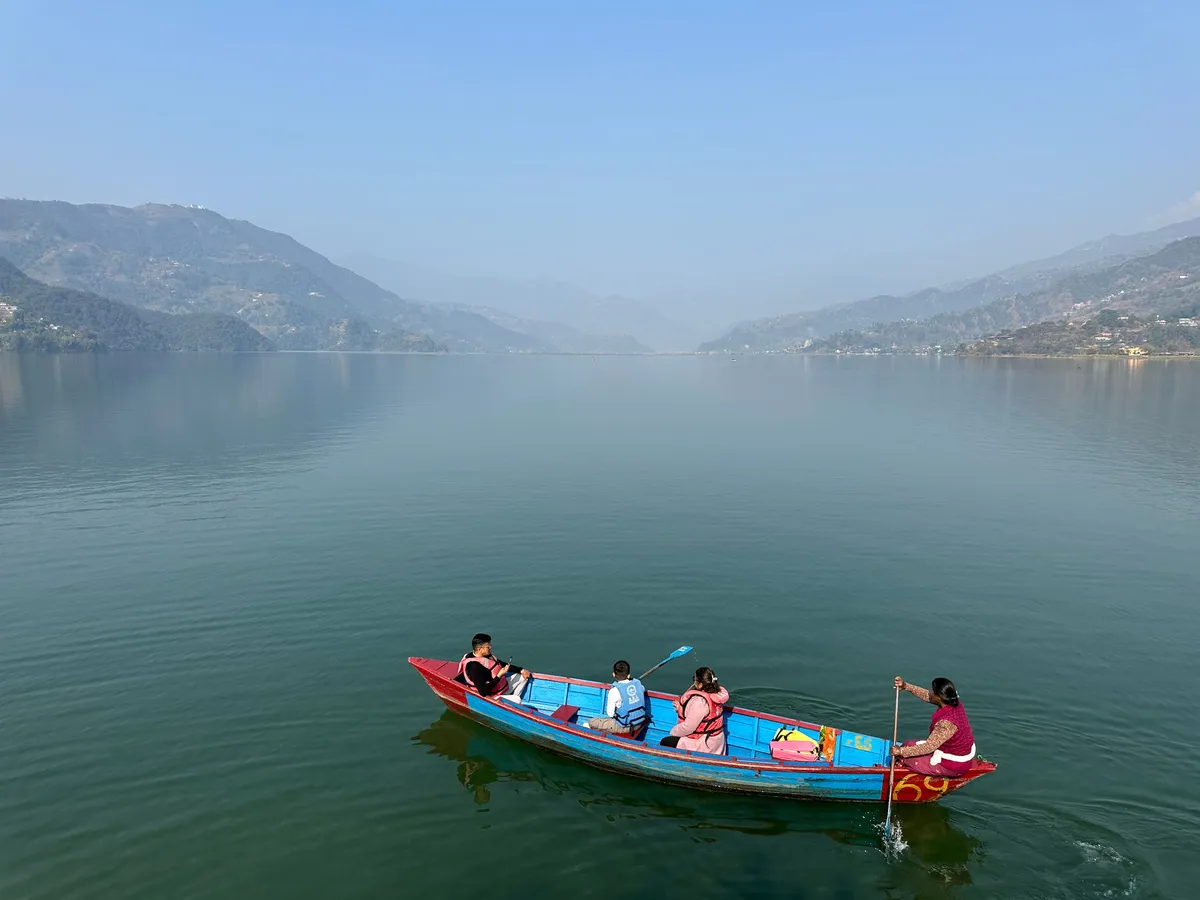
Pokhara is the scenic climax of the Nepal Unveiled tour. The city sits at 827 meters on the shore of Phewa Lake, with the Annapurna massif rising directly from the valley floor. The reflection of Machhapuchhre, the fishtail peak, in the still waters of the lake is one of the most photographed scenes in Nepal, and it never loses its power to astonish.
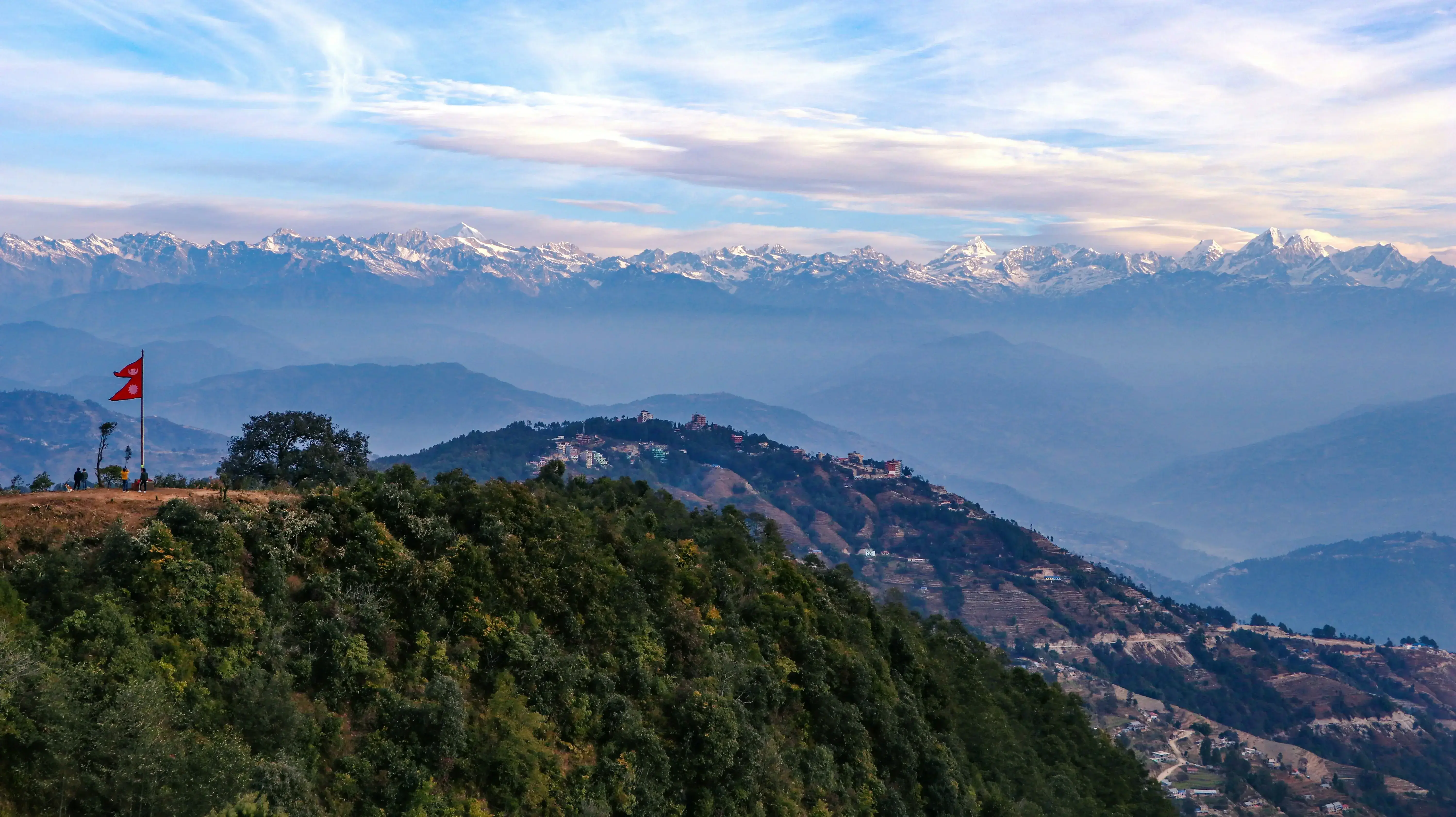
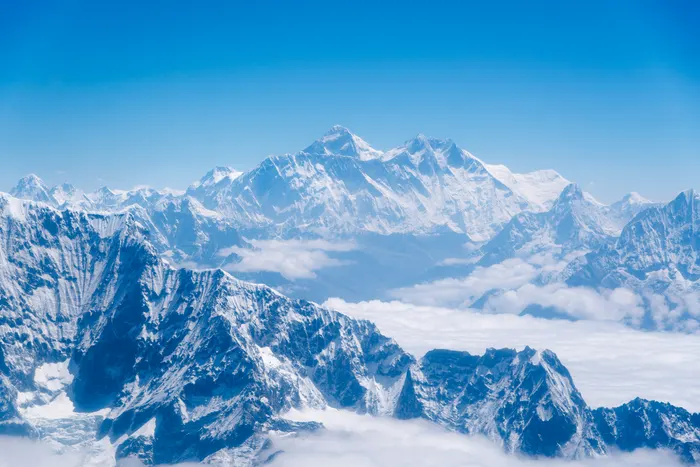
Day five begins before dawn with a trip to Sarangkot, a hilltop viewpoint at 1,600 meters. The 30-minute drive from Pokhara is followed by a short walk to the viewing platform, where you watch the sun rise over the Annapurna range. The sight of the first sunlight hitting Dhaulagiri, Annapurna South, and Machhapuchhre is one of the most memorable experiences in the Himalayas. After breakfast back at the hotel, the day continues with a boat ride on Phewa Lake to the Tal Barahi Temple, a two-story pagoda on an island dedicated to the goddess Durga.
The afternoon covers Pokhara's other attractions: Devi's Fall, a waterfall that disappears into an underground tunnel; the Gupteshwor Mahadev Cave, a limestone cave with a shrine to Shiva; and the International Mountain Museum, which documents the history of Himalayan mountaineering. The evening is free to explore the Lakeside promenade, with its cafes, bookshops, and handicraft stores.
Day six is dedicated to the World Peace Pagoda and the surrounding hills. The hike up through the forest to the gleaming white stupa takes about 45 minutes, and the view from the top, encompassing Phewa Lake, Pokhara city, and the entire Annapurna range, is the best in the region. The afternoon can be spent exploring the Old Pokhara Bazaar, with its traditional Newari houses and the Bindhyabasini Temple, or simply relaxing at a lakeside cafe. For those with more energy, a short hike to the Australian Camp or a paragliding flight over Phewa Lake are optional add-ons.
Day 7: Return to Kathmandu and Departure
The final day of the Nepal Unveiled tour is the return journey to Kathmandu, either by road or by a 25-minute flight. The flight offers a final, unforgettable view of the Himalayas, with the entire Annapurna and Manaslu ranges visible from the left side of the aircraft. The road journey, while longer, offers a last chance to absorb the Nepali countryside and reflect on the week's experiences.
Back in Kathmandu, there is time for last-minute shopping in Thamel or a visit to the Garden of Dreams, a restored neo-classical garden that is an oasis of calm in the heart of the city. The tour concludes with a farewell dinner at one of Kathmandu's fine restaurants, a final taste of Nepali hospitality before the journey home.
What Makes the Nepal Unveiled Tour Special?
The Nepal Unveiled tour stands out for its pacing: three culture-dense days in Kathmandu flow into two slow, scenic days in Pokhara, with guided rituals and local encounters built into every stop rather than a rushed checklist of sights.
The Nepal Unveiled tour is not just a list of destinations; it is a carefully crafted journey that reveals the layers of Nepali culture, history, and natural beauty in a logical sequence. The tour begins in Kathmandu, where the density of cultural sites can be overwhelming, and gradually transitions to Pokhara, where the pace slows and the mountains take center stage. This rhythm, from urban intensity to lakeside calm, from stone temples to snow peaks, is what makes the week feel like a complete experience rather than a rushed checklist.
The tour also prioritizes authentic cultural encounters over superficial sightseeing. In Kathmandu, you do not just photograph the temples; you participate in the rituals, spinning prayer wheels at Boudhanath, receiving tika blessings at Pashupatinath, and watching the evening aarti on the Bagmati River. In Pokhara, you do not just view the mountains from a distance; you hike to viewpoints, boat across the lake, and engage with the communities that live in the shadow of the Annapurnas.
For travelers interested in Nepal's deeper spiritual dimensions, the spiritual tour in Nepal and the spiritual tour in Nepal 2026 guides explore the country's pilgrimage circuits and meditation retreats, while our complete guide to cultural and spiritual tours in Nepal shows how heritage travel and pilgrimage traditions weave together across the country. The Nepal cultural heritage tour guide provides a comprehensive overview of the country's temples, squares, and living traditions.

What Will You Eat on the Nepal Unveiled Tour?
Expect dal bhat twice a day, momos from street stalls, and Newari feast menus in Kathmandu's old towns. The tour blends set restaurant meals with free evenings in Thamel and Pokhara Lakeside, where you choose from Nepali, Tibetan, Indian and international kitchens.
Nepal's food culture mirrors the country itself: layered, generous and deeply regional. In the Kathmandu Valley, the Newari kitchen takes center stage. Alongside the juju dhau of Bhaktapur, look for chatamari, a rice-flour crepe often called Newari pizza, samay baji, a ceremonial platter of beaten rice, roasted soybeans and buffalo curry, and yomari, a sweet steamed dumpling filled with molasses and sesame that appears around winter festivals. Many heritage restaurants in Patan and Bhaktapur serve full Newari set menus, and your guide knows which kitchens locals actually eat in.
The everyday staples travel with you the whole week. Dal bhat, the lentil soup and rice platter with seasonal vegetables, achar and sometimes meat, is the national meal, and teahouse portions are famously bottomless. Momos, steamed or fried dumplings, make the perfect mid-sightseeing snack, especially outside Boudhanath where Tibetan kitchens have perfected them. In Bandipur, the Day 4 lunch stop is usually a restored heritage guesthouse serving home-cooked hill cuisine: nettle or buckwheat pancakes, local greens, and organic vegetables from the terraces you just drove past.
Pokhara's Lakeside promenade is the most varied eating street in the country outside Thamel. Tibetan thukpa noodle soup, fresh fish from Phewa Lake, wood-fired pizza, and filter coffee all sit within a few hundred meters of each other. Vegetarian travelers eat exceptionally well in Nepal: a large share of the population is vegetarian for religious reasons, so every menu marks veg dishes clearly, and guides happily route the week toward pure-veg kitchens on request. If you have allergies, tell your guide on Day 1; kitchens are accommodating, and the private-vehicle format means you are never locked into one dining option.
How Much Does the Nepal Unveiled Tour Cost?
Three levers shape the price of a 7-day Nepal tour: hotel category, private versus group guiding, and travel season. The Nepal Unveiled package page carries the current inclusions and seasonal pricing, and tailor-made variations are quoted on request.
Hotel category is the biggest lever. The same seven-day route can sleep in comfortable mid-range properties, boutique heritage houses in the old towns, or lakeside resorts with Annapurna-view balconies, and each step up moves the budget accordingly. Season is the second lever: October and November, the prime months, command the highest rates, while winter and monsoon discounts can be substantial for travelers who accept shorter daylight or hazy afternoons. The third lever is format. The Nepal Unveiled itinerary runs as a private departure with its own vehicle and guide, which costs more than a seat-in-vehicle group tour but buys flexible stops, Bandipur detours and a pace you control.
Against international benchmarks, Nepal remains one of the most affordable destinations in the Himalayas. Restaurant meals in the valley cost a fraction of equivalent quality in Europe, heritage-site entry fees are modest, and domestic flights, should you choose to fly one leg of the Kathmandu-Pokhara journey, are inexpensive by global standards. Your biggest line items are accommodation and private transport, both of which are fixed once you book.
What is typically included on this route: airport transfers, six nights of accommodation, daily breakfast, the private Kathmandu-Pokhara-Kathmandu vehicle with an experienced driver, guided sightseeing with a licensed English-speaking guide, the Sarangkot sunrise excursion, and the Phewa Lake boat ride. Lunches, dinners, personal expenses and entry fees are usually paid as you go. For the exact Nepal Unveiled package price for your dates and hotel preference, the package page and our contact form both reach the planning team directly, and tailor-made quotes including flights or upgrades are prepared on request.
When Is the Best Time for the Nepal Unveiled Tour?
October and November are the prime months: clear air, comfortable days and festival-lit Kathmandu streets. March to May is the strong second choice with rhododendron blooms around Pokhara. Winter brings crisp mountain views and thin crowds, while the June to September monsoon clouds the peaks.
The Nepal Unveiled tour operates year-round, but the experience varies significantly by season. Autumn (October to November) is the peak season: the weather is dry and mild, mountain views are at their clearest, and the major festivals of Dashain and Tihar add cultural richness to the Kathmandu portion of the tour. This is the best time for photography and for the Sarangkot sunrise, when the air is crisp and the visibility is at its maximum.
Spring (March to May) is the second-best season. Temperatures are warmer, and the rhododendrons are in bloom in the hills around Pokhara. Mountain visibility remains good, though afternoon haze can sometimes obscure distant peaks. The spring trekking season means Pokhara is busier, but the atmosphere is vibrant.
Winter (December to February) brings cold mornings in both Kathmandu and Pokhara, but the days are sunny and pleasant. Mountain views are often excellent in winter, as the dry air minimizes haze. The tourist crowds are thinner, and accommodation prices are lower. The monsoon (June to September) is the least favorable season: heavy rain can disrupt road travel, and mountain views are often obscured, though the landscape is lush and green, and the valley's temple courtyards take on a moody, monsoon-lit character that photographers love.
What Should You Pack for a Week in Nepal?
Pack versatile layers: a base layer, a fleece or sweater, and a waterproof shell cover both cities' microclimates. Add comfortable walking shoes for uneven stone pavements, modest clothing that covers shoulders and knees for temple visits, sunscreen, sunglasses and a reusable water bottle.
Kathmandu and Pokhara have different microclimates, and the temperature can vary significantly between morning and afternoon. Layers are essential: a lightweight base layer, a fleece or sweater for cool mornings, and a waterproof outer layer for unexpected rain. Comfortable walking shoes are non-negotiable; you will be on your feet for hours each day, often on uneven stone pavements.
Modest clothing that covers shoulders and knees is required for temple visits. A scarf or shawl is useful for covering up when needed and for warmth on cool mornings. Sunscreen, a wide-brimmed hat, and sunglasses are essential, especially in Pokhara where the mountain sun is intense. A reusable water bottle helps reduce plastic waste; tap water is not safe to drink, but most hotels provide filtered water for refilling.
Accommodation on the Nepal Unveiled tour ranges from comfortable mid-range hotels to luxury boutique properties. In Kathmandu, the Thamel district offers the widest range. In Pokhara, the Lakeside area is the equivalent, with rooms ranging from simple lodges to resorts with mountain-view balconies. The Nepal Unveiled tour package includes carefully selected accommodation in both cities.
Is the Nepal Unveiled Tour Right for Families?
Yes. The itinerary stays below 1,700 meters, so altitude is never a factor, and the mix of boat rides, monkeys at Swayambhunath, sunrise drives and pottery squares keeps children engaged. Guides flex the pace, and family rooms are available in both cities.
Families consistently do well on this route because the week balances structured sightseeing with free time. Children remember the 365 monkey-guarded steps of Swayambhunath, the boat ride out to Tal Barahi's island temple, and the pottery square in Bhaktapur where they can watch, and often try, a potter's wheel. The Sarangkot sunrise is an early start, but the drive is short and the payoff, a wall of 7000-meter peaks catching first light, lands with every age group.
The private-vehicle format is the quiet advantage for parents. Road days break naturally at Bandipur for lunch and a leg-stretch, temple days can end early when energy runs out, and there is no group schedule forcing a tired child through one more courtyard. Mid-range and boutique hotels in both cities offer family rooms, and Pokhara properties typically have gardens or pools where afternoons unwind themselves.
Food is the other worry parents bring, and Nepal answers it easily. Momos and mild curries are instant kid favorites, Thamel and Lakeside both serve pasta and pizza for cautious eaters, and vegetarian families find the country one of the easiest in Asia. Guides adjust restaurant stops on request, and the flexibility of a private tour means an early dinner is never a problem.
Can You Add Trekking to the Nepal Unveiled Itinerary?
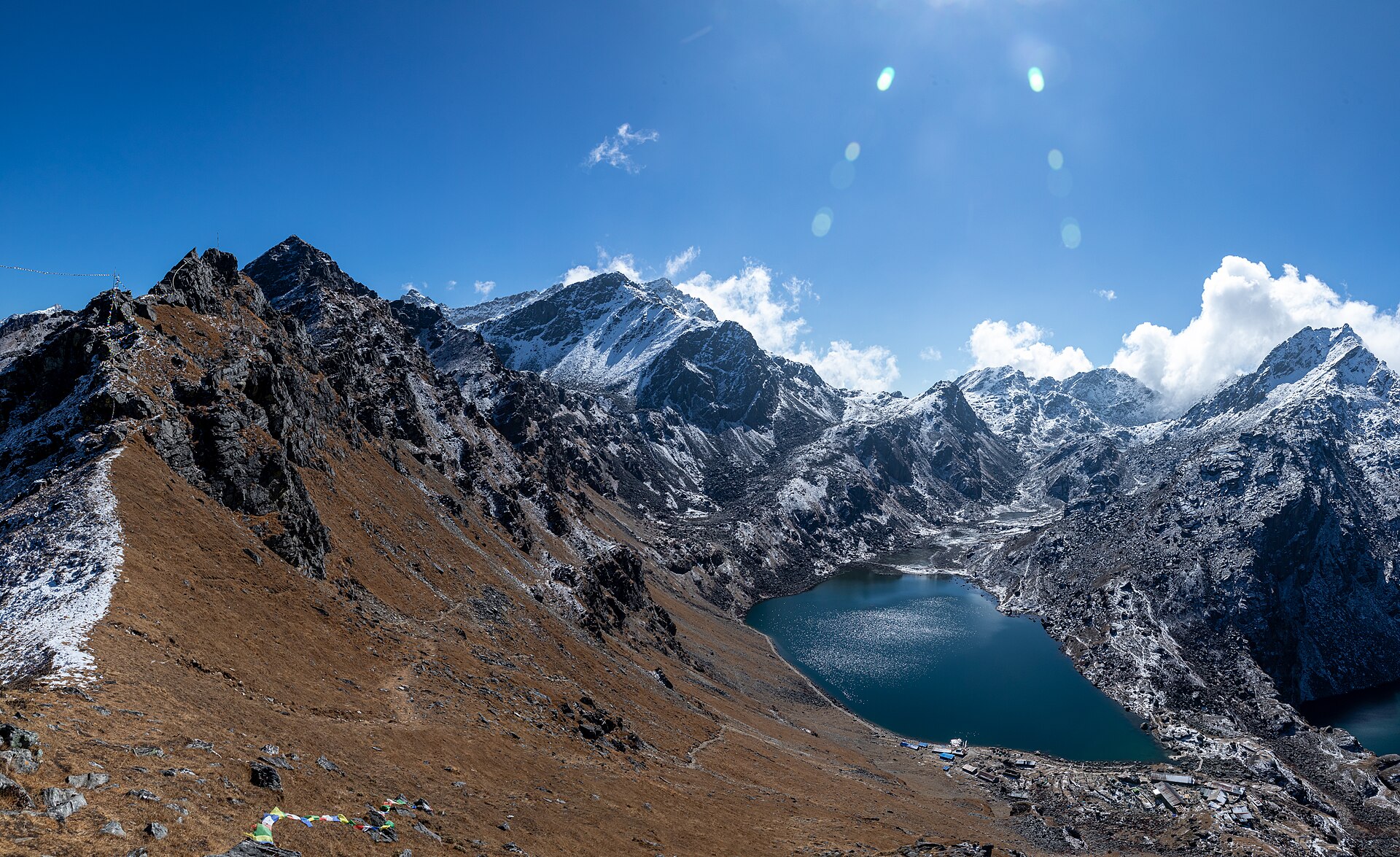
Yes. The most popular add-on is the 3-to-5-day Ghorepani Poon Hill trek from Pokhara, which needs no prior experience and sleeps in mountain teahouses. Day-hike alternatives such as Australian Camp add trail time without extending your week at all.
Pokhara is the trailhead for some of the world's finest trekking, and the Nepal Unveiled week dovetails naturally with the Annapurna foothills. The classic extension is the Ghorepani Poon Hill trek: three to five days of walking through rhododendron forest and Gurung villages to Poon Hill at 3,210 meters, where dawn breaks over Dhaulagiri and the Annapurnas. Teahouse lodging means no camping gear, and the route is gentle enough for any reasonably fit first-timer, which is why it is the most-trekked short route in Nepal.
If a full trek does not fit your leave balance, day options bolt onto the Pokhara days. The Australian Camp hike, already offered as a Day 6 option, climbs through forest to a ridge-top settlement with a full Annapurna panorama, and the Sarangkot-to-Naudanda ridge walk turns the sunrise viewpoint into a half-day of easy trail. Even these short walks put you on paths, not roads, and give the week a genuine mountain dimension.
Trekking add-ons change your packing list only slightly: broken-in walking shoes, a day pack and a warm layer for the higher ridges. For everything else, route selection, teahouse standards, permits and pacing, the complete guide to trekking in Nepal covers what to look for when planning any extension with a reputable agency.
How Can You Extend Your Nepal Journey?
The natural extension adds Chitwan National Park, turning the week into Nepal's classic Golden Triangle of culture, mountains and wildlife. Pilgrimage travelers add Lumbini, the Buddha's birthplace, while trekkers bolt on the Annapurna foothills, each adding two to four days.
Seven days in Nepal is an excellent introduction, but many travelers find themselves wanting more. The most natural extension is to add Chitwan National Park, creating a Golden Triangle itinerary that covers culture, mountains, and wildlife, a combination explored in depth in our Nepal heritage and wildlife experience guide. The Golden Triangle Nepal tour is the most popular multi-destination itinerary in the country.
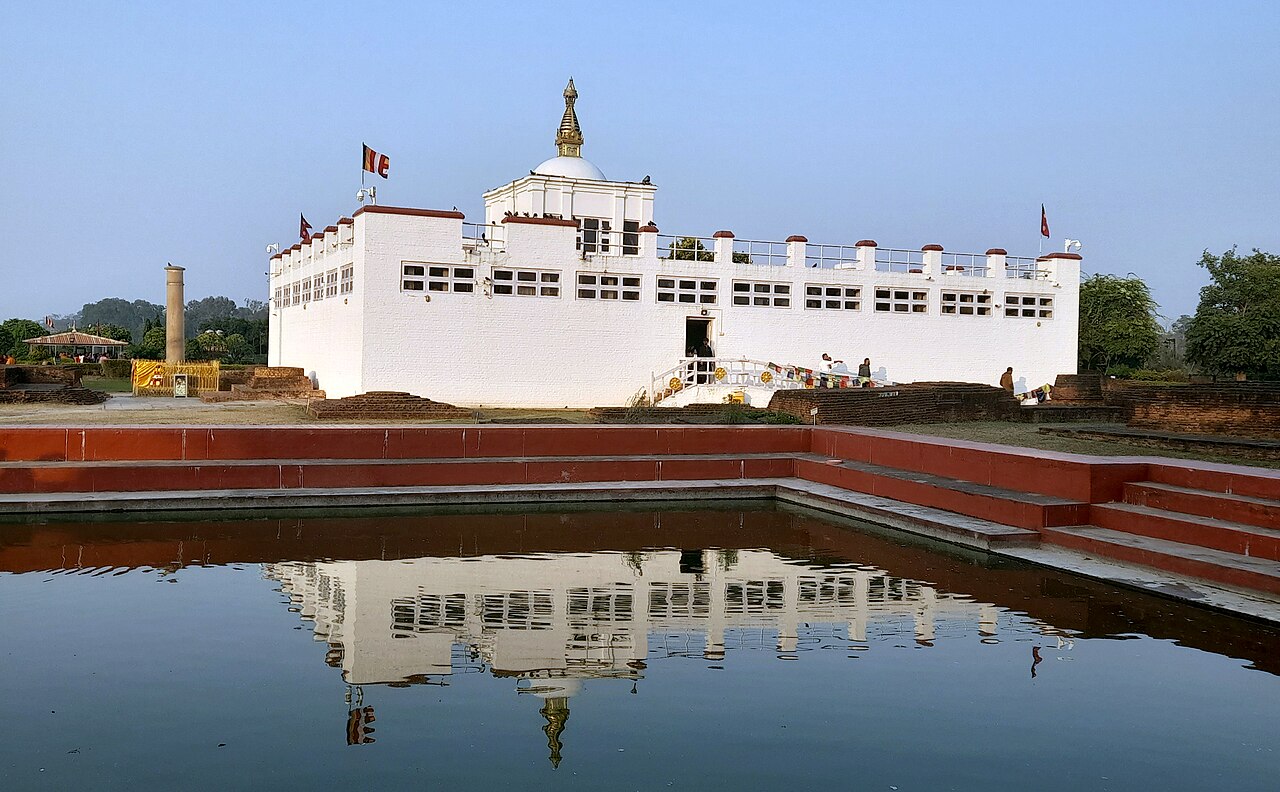
For travelers drawn to Nepal's spiritual heritage, adding Lumbini, the birthplace of the Buddha, extends the cultural dimension of the tour. The Golden Triangle with Lumbini tour covers Kathmandu, Pokhara, Chitwan, and Lumbini in a comprehensive 10 to 12-day itinerary.
The Nepal cultural scenic tour and the Nepal cultural pilgrimage Himalayan experience offer alternative itineraries that complement the Nepal Unveiled experience with different emphases, from shorter scenic frames to a full pilgrimage arc.