Local Guide in Nepal vs International Platforms: Which Is Better?
Every trekker planning a Nepal trip now faces the same fork in the road. On one side sits the local guide in Nepal: a licensed Nepali professional you hire directly, or through a Nepal-based marketplace or agency, whose name, license number, and daily rate you know before you pay anything. On the other side sit the international booking platforms, GetYourGuide, Viator, Klook and their peers, where a polished listing, a card checkout, and instant confirmation make booking feel as safe as buying a paperback.
Both channels can deliver a great trek. But they are built on opposite assumptions about who you are trusting, and the difference shows up in price, in who actually walks beside you on the trail, and in what happens when something goes wrong at 4,000 meters. Choosing well means understanding the plumbing underneath each option, not just the checkout screen.
This comparison lays out how each channel really works, where the money goes, how licenses and emergencies are handled, and which kind of traveler each one genuinely suits. If you are new to guided trekking in Nepal generally, start with the step-by-step guide to hiring a guide in Nepal, and you can browse verified local guide profiles on the EHT marketplace at any point to see what direct hiring actually looks like.

What Does a Local Guide in Nepal Actually Give You?
A local guide means a Department of Tourism licensed Nepali guide hired through a direct channel: their own profile, a Nepal-run guide marketplace, or a registered Kathmandu or Pokhara agency. You see their name before you pay, their license is checkable, and their rate follows the published Nepali ladder rather than a platform price sheet.
The practical difference is specificity. When you book a local guide in Nepal through a marketplace like the EHT guide collection, each profile shows the guide's home region, the treks they lead most often, the languages they speak fluently, seasons of experience, their daily rate range, and their DOT license number. You are not buying a product called "Everest Base Camp Trek"; you are choosing a person, and you can compare three or four of them the way you compare hotels.
Direct hiring also means a direct conversation. Most trekkers exchange messages or a short video call with their guide before confirming, ask about acclimatization pacing, teahouse choices, and past groups, and get straight answers because the person answering is the person who will be on the trail. That continuity, from first message to final dinner in Kathmandu, is the core product a local channel sells.
How Do International Platforms Actually Sell Nepal Treks?
International platforms do not employ guides or run treks. Local operators list their products on the platform, the platform takes a commission of roughly 20 to 30 percent on every booking, and the local partner then supplies whichever guide and crew have availability for your dates. The listing you read is a product wrapper, not the team.
This structure is worth understanding because it explains almost everything else in this comparison. When you click book on a major platform, your payment splits three ways: the platform's commission, the local operator's margin, and finally the guide's day rate, which sits at the bottom of the waterfall. The operator, not you, decides which guide leads your trek, and the listing usually names the company rather than any individual.
None of this is hidden or dishonest; it is how the marketplace model works everywhere from Lisbon to Lima. But it means the things trekkers care most about on a multi-day Himalayan trek, a named guide, a verifiable license, a chosen pace and language, are decided after checkout rather than before it. Our guide to choosing the best trekking agency in Nepal covers what a properly registered local operator must hold, from licenses to staff insurance, which is useful context for judging any platform listing too.

Where the Money Goes: Direct Booking vs Platform Commission
Follow the trekking dollar on a typical multi-day booking and the two channels look very different. On a direct local booking, your payment covers the guide's day rate, the crew's insurance, permits, teahouse coordination, and the operator's overhead. On a platform booking, a 20 to 30 percent commission leaves Nepal before the local operator sees the rest.
Put rough numbers on it. A licensed trekking guide in Nepal earns 30 to 50 US dollars per day, a porter-guide 25 to 35, and a porter 20 to 30, with a 20 to 40 percent premium for guides fluent in less common languages and a 10 to 15 percent swing between high and low season. Those are the real costs of the human beings on your trek, and they are identical on both channels. What differs is everything stacked on top: when a platform takes its cut and the local partner adds a margin to survive that cut, the checkout price for the same route, the same teahouses, and the same guide salary lands significantly higher.
The full rate ladder, including tipping norms and what a guide's daily fee should include, is broken down in our trekking guide cost in Nepal guide. Read it before comparing any platform price, because it is the benchmark that tells you how much of a listing's total is the trek and how much is the channel.
How Much More Does the Same Trek Cost on a Platform?
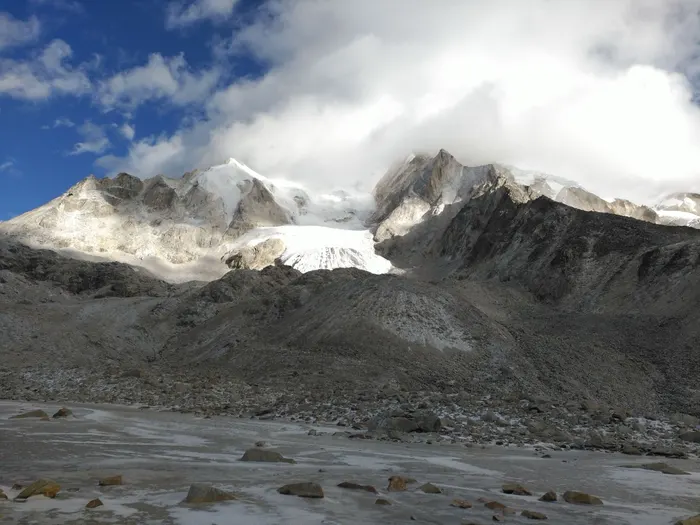
For multi-day treks, platform checkouts typically land 30 to 50 percent above a comparable direct local booking, once commission and partner markup stack. For single-day tours the gap narrows sharply, often to under 15 percent, because the fixed costs are small and the convenience premium is genuinely modest.
Concrete local pricing makes the benchmark real. Booked direct through a Nepal-based operator, the Annapurna Circuit budget trek, 14 days with Thorong La crossing, starts from 1,092 US dollars, and the Annapurna Base Camp express trek, 7 days from Pokhara, from 805 dollars. In the Everest region, the Everest View short trek, 5 days to the Namche panorama, starts at 1,615 dollars and the Everest Base Camp budget trek, 14 days group joining runs on a joining basis priced on inquiry. These are trek prices with the guide, permits, and logistics already inside them, not headline numbers that grow on the trail.
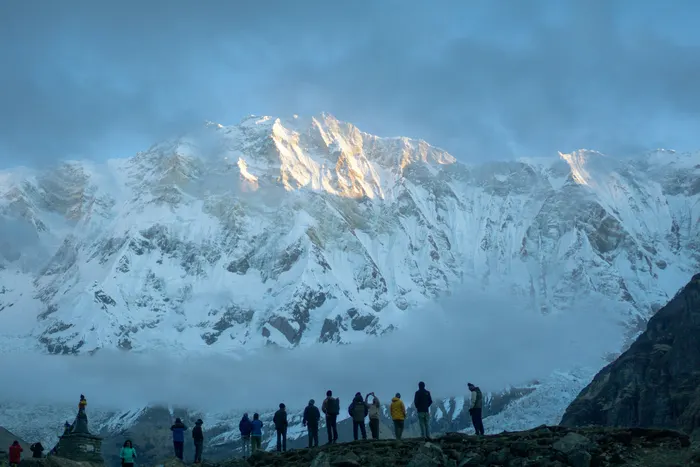
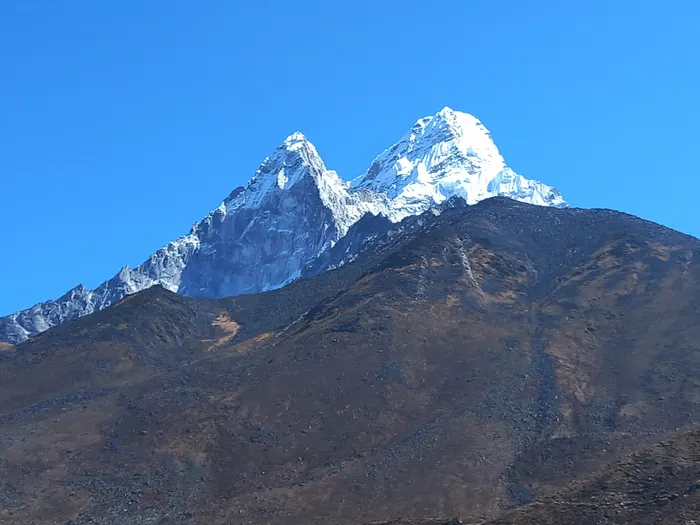
When you compare a platform listing for a similar route, do it line by line: days on trek, teahouse standard, what is included, and whether the guide is named. For deeper route-by-route budgeting, the Annapurna trek cost guide and the Everest Base Camp cost breakdown show the honest math for independent and guided travel in both regions. If a platform price matches the direct benchmark, the discount is usually hiding somewhere in the inclusions.

Who Actually Leads Your Trek When You Book a Platform Listing?
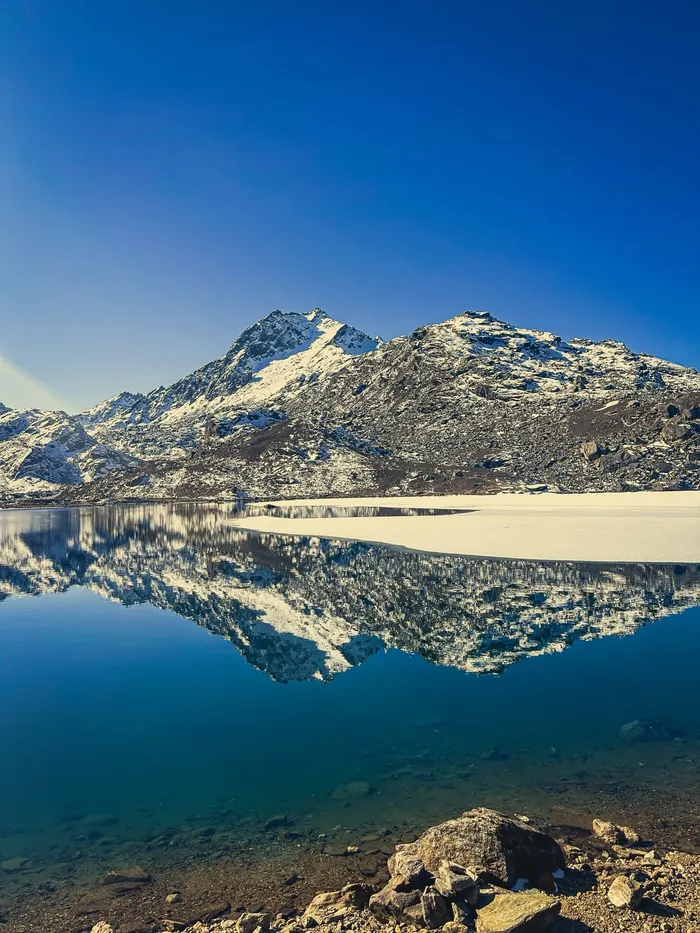
In most platform bookings, the guide is assigned by the local operator shortly before departure, and you learn their name at the trailhead briefing, not at checkout. Some operators name a lead guide in the listing, but substitutions for illness, routing, or staffing are normal and permitted, so the name you read is indicative rather than guaranteed.
That may be fine for a day tour. On a 12 to 16 day trek, the guide relationship is the product: their pacing judgment above 4,000 meters, their teahouse network in October, their language, their sense of humor on a hard day. When you book a local guide directly through a profile-based marketplace, the confirmation names the person, and if a genuine substitution becomes necessary you are told before you fly, with the replacement's credentials, and usually with the option to rebook.
The interview runs in the other direction too. A guide choosing between clients will give a direct booking group their best route advice months ahead, because you are their client specifically. A guide assigned from a pool meets you as a line item on an operator's roster. Trekkers who want the fullest version of the direct workflow, from shortlist to video call to license check, will find the safe online booking process for Nepal guides laid out step by step.
Can You Check a Guide's DOT License Through an International Platform?
Rarely. Platform listings almost never display a guide's license number, and most do not name the guide at all, so there is usually nothing to check until after you have paid. Direct channels put the license number on the profile or quote, and Nepal's Department of Tourism runs a free online register anyone can search in under a minute.
The register lives at apps.dot.gov.np. Open the guide verification page, select the license type, enter the license number, and search: the result shows the holder's name, license category, and validity dates. Match that name to the name on your confirmation. That single check filters out virtually every unlicensed operator posing as a guide, because a real number with the wrong name, or an expired license, is hard to talk your way around.
There is a fair version of the platform argument here: a listing run by a properly registered local operator is at least a legal business with a paper trail, which is more than a random social media contact offers. But a registered company can still field unlicensed trail staff in a busy October, and the platform does not check for you. When you hire a local guide through verified profiles, the license check is a property of the channel, and you keep the receipt of having done it yourself.
What Happens in an Emergency on Each Channel?
Platforms win on payment protection: if an operator cancels or vanishes, your card chargeback and the platform's refund policy are real recourses. Local channels win on trail accountability: a named, licensed, insured guide with a written emergency protocol is the person who makes the evacuation decision, and their agency carries the legal responsibility for it.
Split the emergency question into its two halves. Before departure, the platform is the stronger shield: card protection, cancellation terms in a familiar format, and a support desk that answers in English on a schedule. On the trail, the platform contributes nothing, because the rescue decision is made by whoever is standing next to you. That person is a licensed guide with accident and rescue insurance, or they are not, and no checkout screen changes it.
The strongest local channels combine both protections: marketplace or agency bookings run through card gateways with receipts, while the guide behind the booking carries license, insurance, and a written protocol for who calls the helicopter and under what symptoms. Neither channel is reckless; they simply protect different halves of the trip. The complete trekking in Nepal planning guide includes the insurance and rescue questions to ask on whichever channel you choose.
Language, Culture, and the Trail Conversation
A trek in Nepal is 6 to 8 hours of walking conversation for two weeks. Local guides typically speak two to six languages, live in the villages you pass through, and can explain a monastery's festival calendar, a Sherpa clan's migration story, or which teahouse family rebuilt after the earthquake. Language fluency carries a 20 to 40 percent rate premium on the local ladder, which is the market's honest estimate of what the conversation is worth.
International platforms, to their credit, list experiences in a dozen languages and translate the sales page beautifully. What they cannot translate is the guide, because the guide is assigned after checkout. If you book in German and the assigned guide's German turns out to be functional rather than fluent, the discovery happens on day one at 2,800 meters. Direct booking makes the language a selection filter before payment: filter profiles by fluency, read the guide's own words in your language, and decide.
The cultural dividend compounds over a long trek. Guides who grew up in the Langtang valley or the Annapurna Gurung villages introduce you to their families, time your rest days to local festivals, and turn a walk into an education. To see how deep that layer can go, our guide to cultural and spiritual travel in Nepal maps the heritage and pilgrimage dimension that a good local guide opens up.


Where International Platforms Genuinely Win
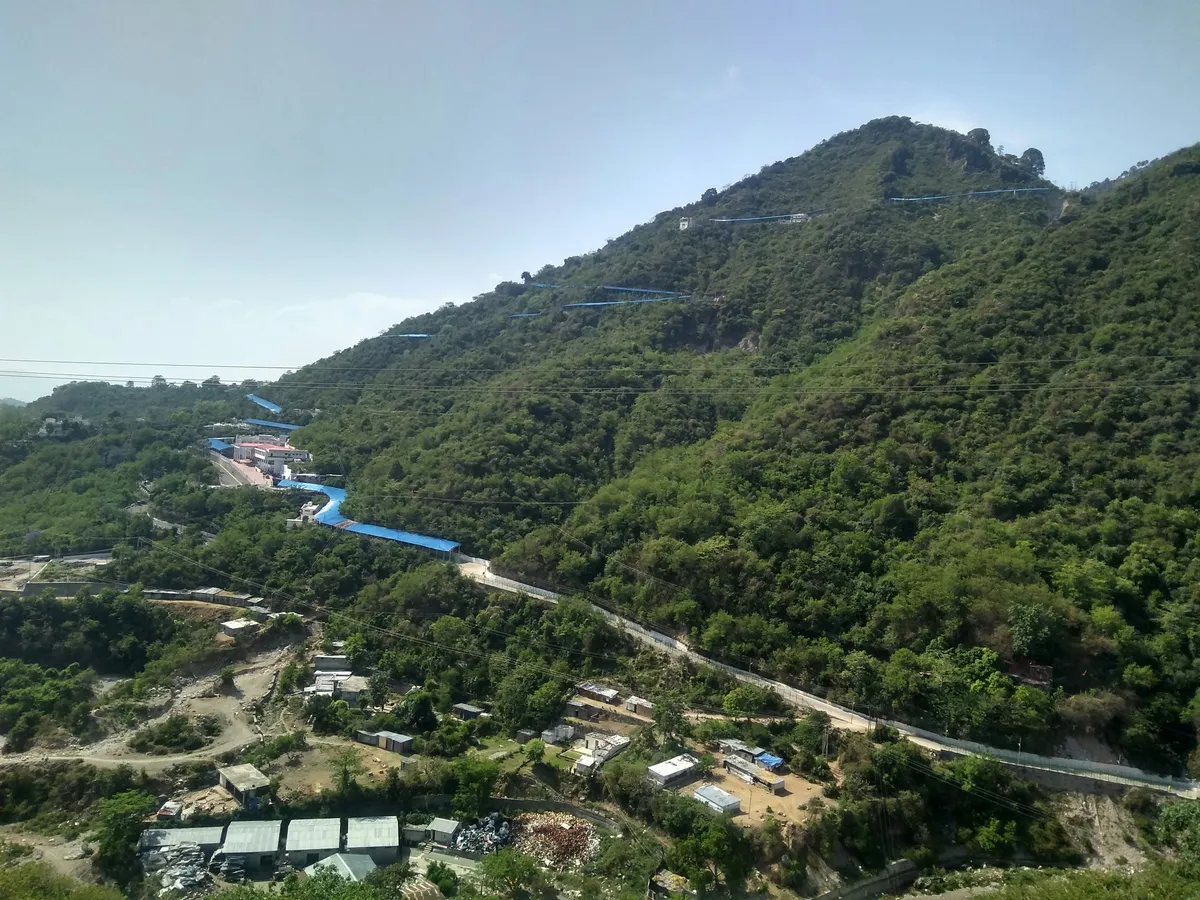
Platforms excel at short, spontaneous, single-day experiences: a Kathmandu heritage walk booked the night before, a food tour with instant card payment, a sunrise viewpoint drive with free cancellation up to 24 hours out. The convenience premium is small, the risk is low, and the assigned-guide problem barely matters on a six-hour tour.
Be specific about where this matters, because it is a real strength. If you have two free days in Kathmandu before a work trip, a platform booking for a Bhaktapur day tour is an excellent product: compare five options, pay by card, show the voucher, done. The same logic covers experiences with complex logistics you'd rather not arrange yourself in a foreign language, like scenic mountain flights with hotel pickup. Browse the full tour collection for the local equivalents of these day trips; the comparison applies least to exactly this category.
The honest summary of platform strengths: familiar checkout, strong payment protection, instant confirmation, reviews from thousands of previous customers, and multi-currency pricing. For anything under a day, those often outweigh the price gap. The longer the trek, the faster the balance tips, because every platform advantage is a pre-departure advantage and every trek advantage is a local guide advantage.
Which Trekkers Should Book Through a Platform?
Book through an international platform if your Nepal time is short, your booking is a day tour or a two-day excursion, your plans are genuinely last-minute, or you are spending loyalty points and gift cards that only work in that checkout. Book a local guide directly if your trip includes a multi-day trek, you care who leads it, or you want the rate ladder to be your benchmark.
The decision rarely splits evenly, so treat it as a portfolio. A common pattern is a platform day tour in Kathmandu on arrival, then a direct-booked 10-day Annapurna or Everest trek with a named local guide in Nepal for the main event. That hybrid keeps the convenience where it helps and the accountability where it counts. Travelers still weighing whether they want a guide at all should read the solo trek versus guided trek trade-off first; this comparison assumes you have decided to hire.
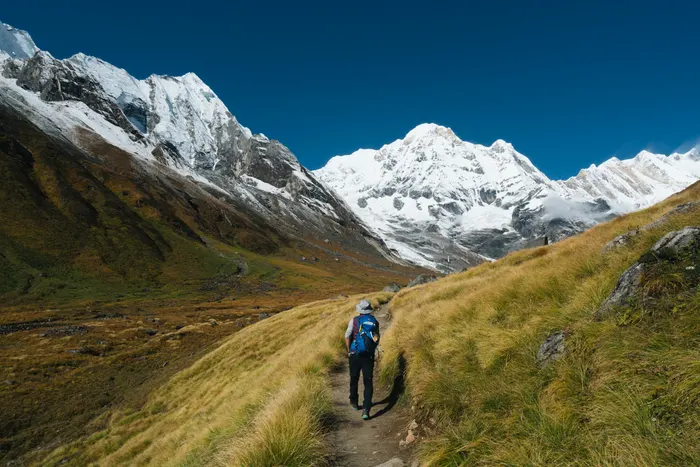
One more honest cut: budget travelers and groups benefit most from direct booking, because the 30 to 50 percent multi-day gap is the difference between one extra trail day or none. Luxury travelers benefit too, but differently: direct channels are the only place you can specify a senior guide, a specific language, and a private itinerary, which platforms sell poorly.
How Do You Book a Local Guide from Home Without Risk?
Direct booking is safe when it is documented: choose guides from profiles that show a license number, confirm with a 10 to 30 percent deposit through a receipted card gateway, and never send the full amount to a personal wallet before arrival. Every step creates a paper trail a verbal agreement in Kathmandu never had.
The condensed workflow:
- Shortlist from verified profiles. Filter the EHT guide marketplace by region, language, and specialty, and pick two or three whose experience matches your route and season.
- Ask the accountability questions. License number, insurance, high-altitude or first-aid training, emergency protocol, and references from your route. Professionals answer in one reply.
- Verify the license on the DOT portal. Type, number, search, match the name. Sixty seconds, and the unlicensed operators are gone from your shortlist.
- Get a written quote and compare it to the rate ladder. Daily rate, inclusions, porter rates, cancellation terms. The published ladder is your negotiation anchor.
- Confirm with a modest deposit. Ten to 30 percent, card or platform gateway, receipt kept. Balance on arrival in Kathmandu.
The full version of this workflow, including the video call questions and the red flags that should end a conversation, is in our guide to booking a Nepal guide online safely. And if you would rather have a specialist matched to your dates, tell us your route and window and the matching is done for you.
Related Guides for Hiring and Trekking in Nepal
This comparison is one piece of a bigger decision. These guides cover the rest:
- How to hire a guide in Nepal: the step-by-step guide - the full hiring workflow from defining your trek to confirming insurance
- Trekking guide cost in Nepal: daily rates explained - the current rate ladder for guides, porter-guides, and porters with season and language premiums
- Book a guide in Nepal online: where and how to book safely - deposits, verification, and red flags for online booking on any channel
- Solo trek vs guided trek in Annapurna - the honest trade-off if you are still deciding whether to hire at all
- Everest Base Camp trek cost 2026 - the complete budget breakdown for the Everest route
- The complete guide to trekking in Nepal - the umbrella planning guide for permits, seasons, and regions
- Cultural and spiritual tours in Nepal - the heritage and pilgrimage dimension a great local guide opens up
The Verdict: Local Guides for Treks, Platforms for Day Tours
For a multi-day trek in Nepal, the local guide channel is better: you pay the Nepali rate ladder instead of a stacked markup, you choose a named, DOT-licensed person instead of being assigned one, you can verify the license and talk to the guide before you pay, and the accountability on the trail sits with the person walking next to you. The international platform is better for what it is built for: single-day tours, last-minute plans, and checkouts you already trust for smaller purchases.
Most Nepal trips deserve both, used in the right order. Keep the platform app for the Bhaktapur morning and the mountain flight; hire your trek guide the way you would hire any professional, from a profile, with a license check and a short conversation. To start, see the verified local guides on the EHT marketplace, compare two or three against your route and dates, and check the license number on the DOT portal before the deposit. The trail is the same either way; the person who gets you up it is the choice that matters.