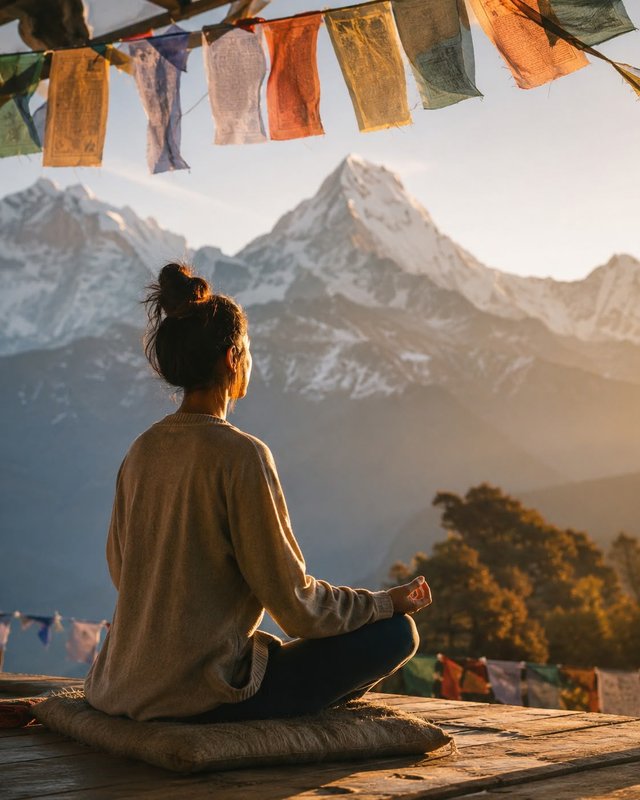
The Art of Meditation in the Himalayas: Best Retreats and Practices for Inner Peace
The Spiritual Magnetism of the Himalayas
For millennia, the towering peaks of the Himalayas have served as a sanctuary for seekers, ascetics, and sages. There is an intangible quality to the air here, a stillness that transcends the physical landscape. When you seek to book spiritual tour Nepal, you are not merely purchasing a travel itinerary, but rather opening a door to a profound psychological and spiritual shift. The combination of thin mountain air, the rhythmic chanting of monks, and the vastness of the horizon creates a natural environment where the mind can finally settle.
Meditation in the Himalayas is not a modern trend but a living tradition. From the ancient caves of Mustang to the sprawling stupas of Kathmandu, the practice of stillness is woven into the fabric of Nepali life. Whether it is the focused breath of a yoga practitioner or the deep, silent observation of a Zen master, the goal remains the same: to peel away the layers of noise and rediscover the essence of the self. For those who wish to delve deeper into the history of these practices, our complete 2026 guide to heritage and pilgrimage provides a comprehensive look at how these traditions have shaped the soul of the region.


The "Art of Meditation" in this context refers to the deliberate alignment of one's internal state with the external purity of nature. In the Himalayas, nature is not just a backdrop; it is the teacher. The steadfastness of Mount Everest and the fluidity of the glacial rivers mirror the qualities of a disciplined mind. By engaging in a dedicated retreat, travelers can move beyond the superficial experience of sightseeing and enter a state of being where peace is not something sought, but something realized.
Core Meditation Practices in Nepal
Nepal is a unique crossroads of spiritual philosophies, making it one of the best places in the world to experience diverse meditation styles. Depending on your goals, you may find yourself drawn to one or several of the following practices.
Vipassana: Insight Meditation
Vipassana, meaning "to see things as they really are," is one of India's most ancient techniques of meditation. In Nepal, this practice is centered on the intense observation of physical sensations to eradicate mental impurities. It is a rigorous process of self-observation that allows the practitioner to break the cycle of reaction and habit. Many visitors seeking the spiritual tour in Nepal experience the profound silence associated with these retreats, where the only sound is the beating of one's own heart and the whisper of the wind through the pines.
Tibetan Buddhist Meditation
Deeply intertwined with the culture of the high mountains, Tibetan meditation often involves the use of mantras, mudras, and visualizations. This practice is designed to transform the mind by cultivating compassion and wisdom. The use of "Tonglen" (sending and taking) is common here, where practitioners visualize taking in the suffering of others and breathing out peace and healing. This practice is particularly potent when performed in the presence of ancient stupas or within the walls of a remote monastery.
Zen and Mindfulness
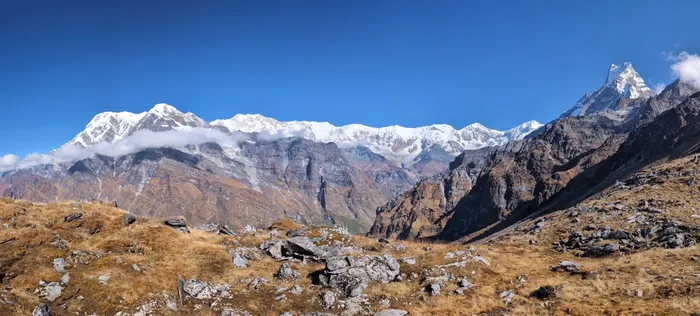
While Zen is often associated with Japan, its roots in the Buddhist traditions of the Himalayas are deep. Zazen, or seated meditation, emphasizes the "just sitting" approach. It is about being fully present in the moment without judgment. In the serene environments provided by Enticing Himalayas, mindfulness is integrated into every movement, from the way you walk around a stupa to the way you sip a cup of herbal tea overlooking the Annapurnas.
Yoga-Based Meditation (Dhyana)
Yoga is far more than physical postures (Asanas). The ultimate goal of yoga is Dhyana, or deep meditation. In the wellness retreats of Pokhara and Kathmandu, the physical practice serves as a preparation for the mind. By releasing tension in the body, the practitioner creates a stable vessel for the spirit to ascend. Those who combine these practices often find that their ability to remain still for long periods increases significantly, allowing for deeper levels of consciousness.
Best Destinations for Himalayan Meditation Retreats
Selecting the right location is critical to the success of a meditation journey. The energy of a place, often referred to as "place-spirit," can either accelerate or hinder your progress. Based on our expertise in curating best pilgrimage packages, we have identified the most potent sites for inner work.
Kathmandu Valley: The Heart of Dharma
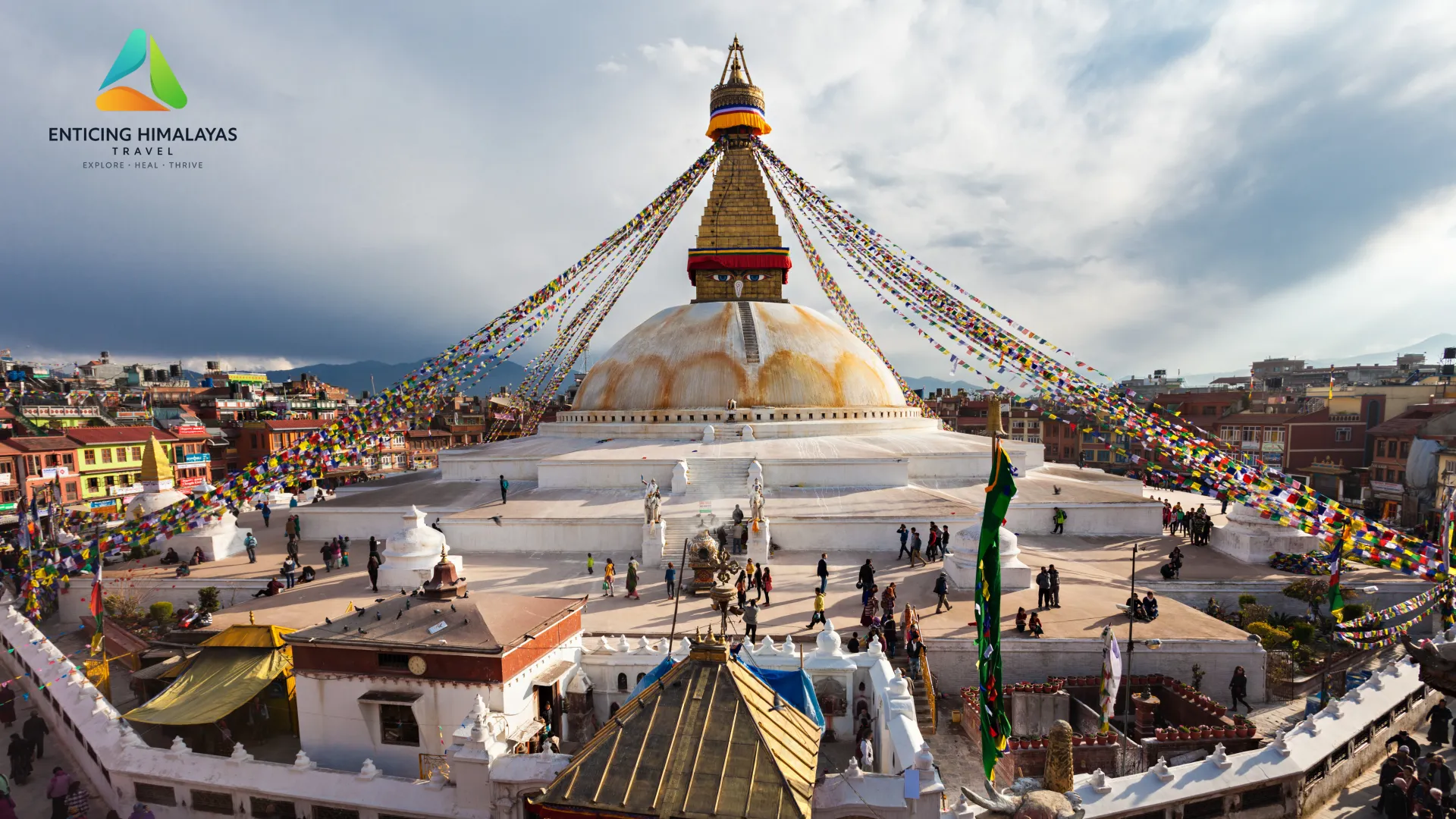
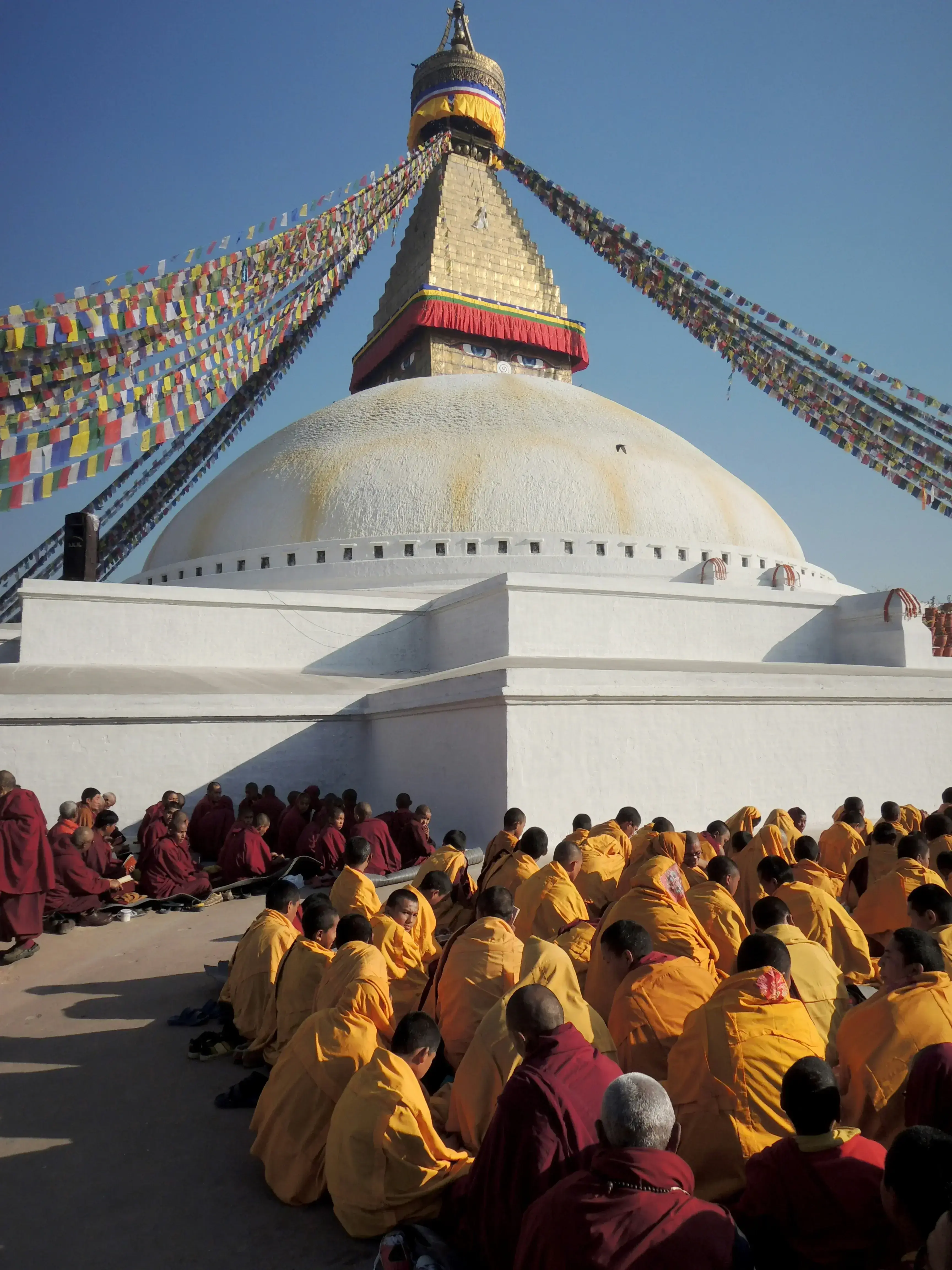
The Kathmandu Valley is a dense concentration of spiritual energy. For many, the journey begins at the Boudhanath Stupa. This massive dome is not just a monument but a living center of Tibetan Buddhism. Walking the "Kora" (circumambulation) around the stupa is a form of walking meditation. As you spin the prayer wheels and listen to the low hum of chanting, the external noise of the city fades, replaced by a rhythmic internal pulse. It is a place where the boundary between the mundane and the divine becomes thin.
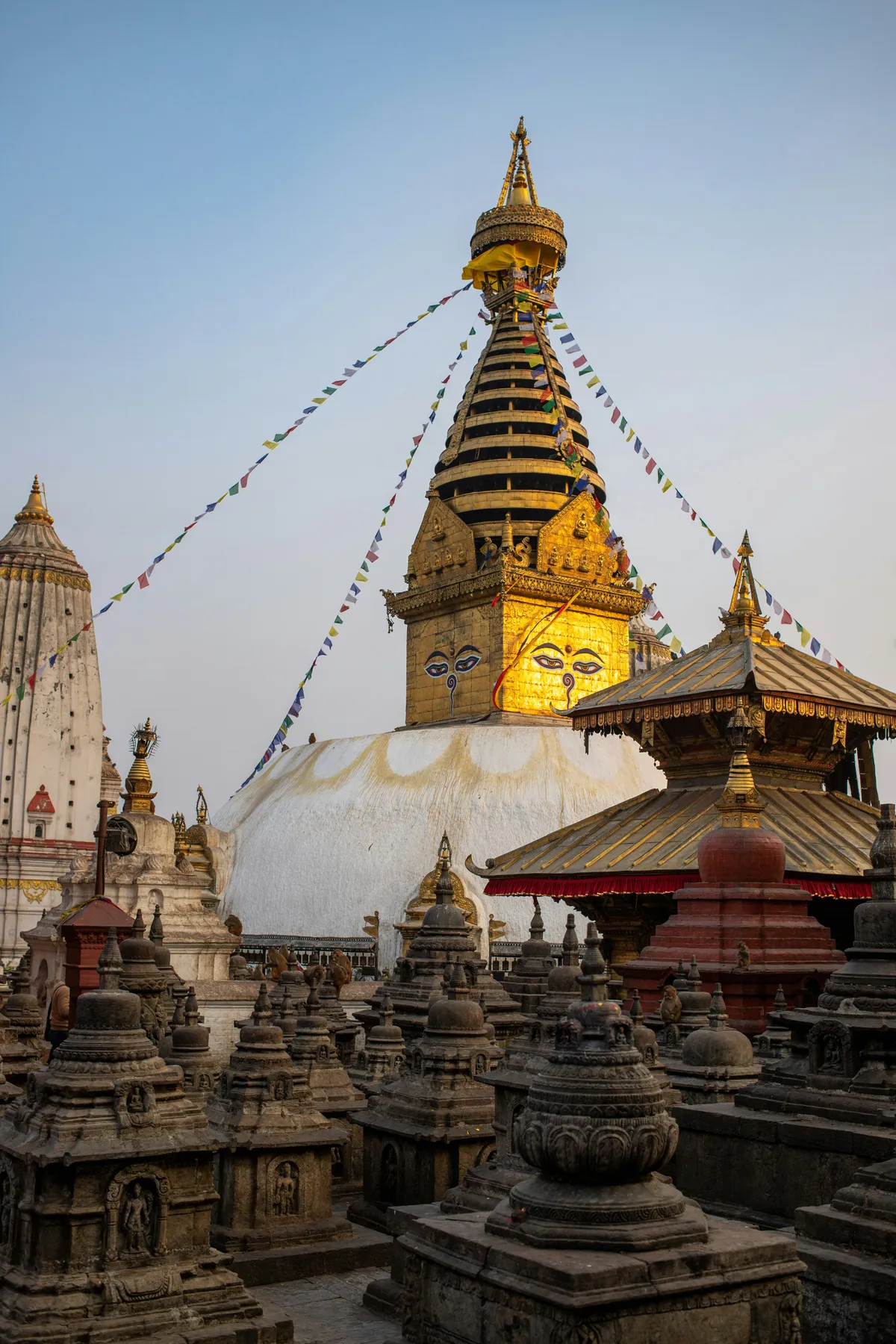
Similarly, the Swayambhunath Stupa, perched atop a hill, offers a panoramic view of the valley. The climb to the top is a metaphor for the spiritual ascent. Once at the peak, the combination of the crisp air and the sight of the valley below provides a natural perspective shift, making it an ideal spot for mindfulness practice. The presence of ancient monkeys and the scent of incense create a sensory tapestry that grounds the practitioner in the present moment.
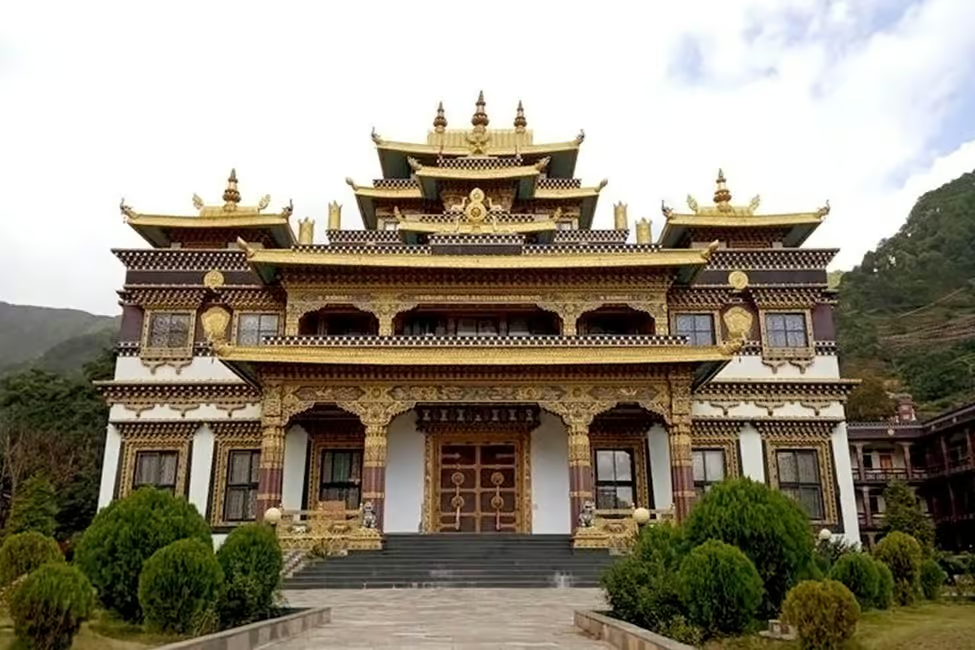
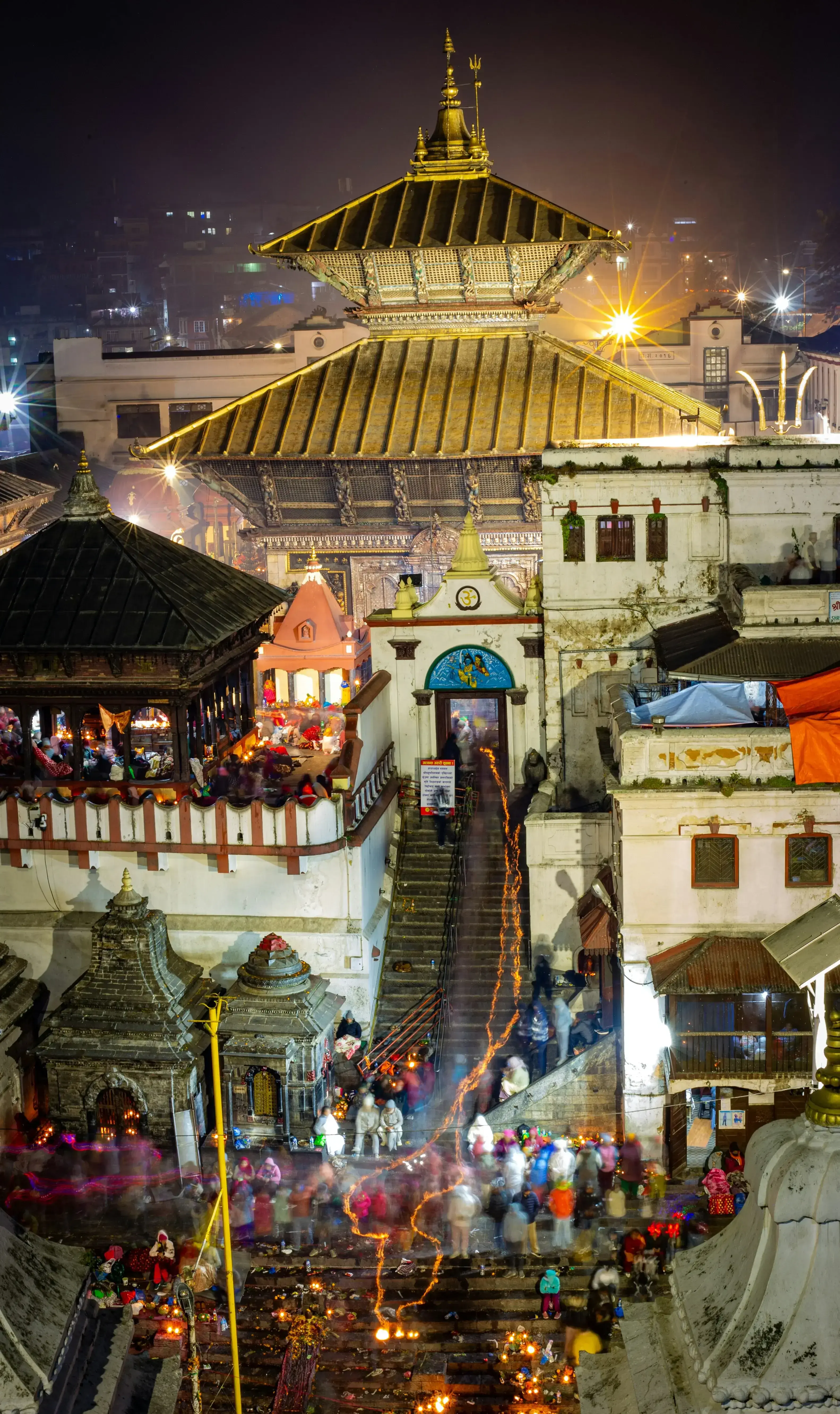
For those seeking a more visceral spiritual experience, the Pashupatinath Temple offers a meditation on the nature of life and death. Observing the rituals on the banks of the Bagmati River serves as a powerful "Memento Mori," reminding the practitioner of the impermanence of existence. This realization is the cornerstone of many Eastern meditation practices, as it frees the mind from the attachments that cause suffering.
Lumbini: Returning to the Source
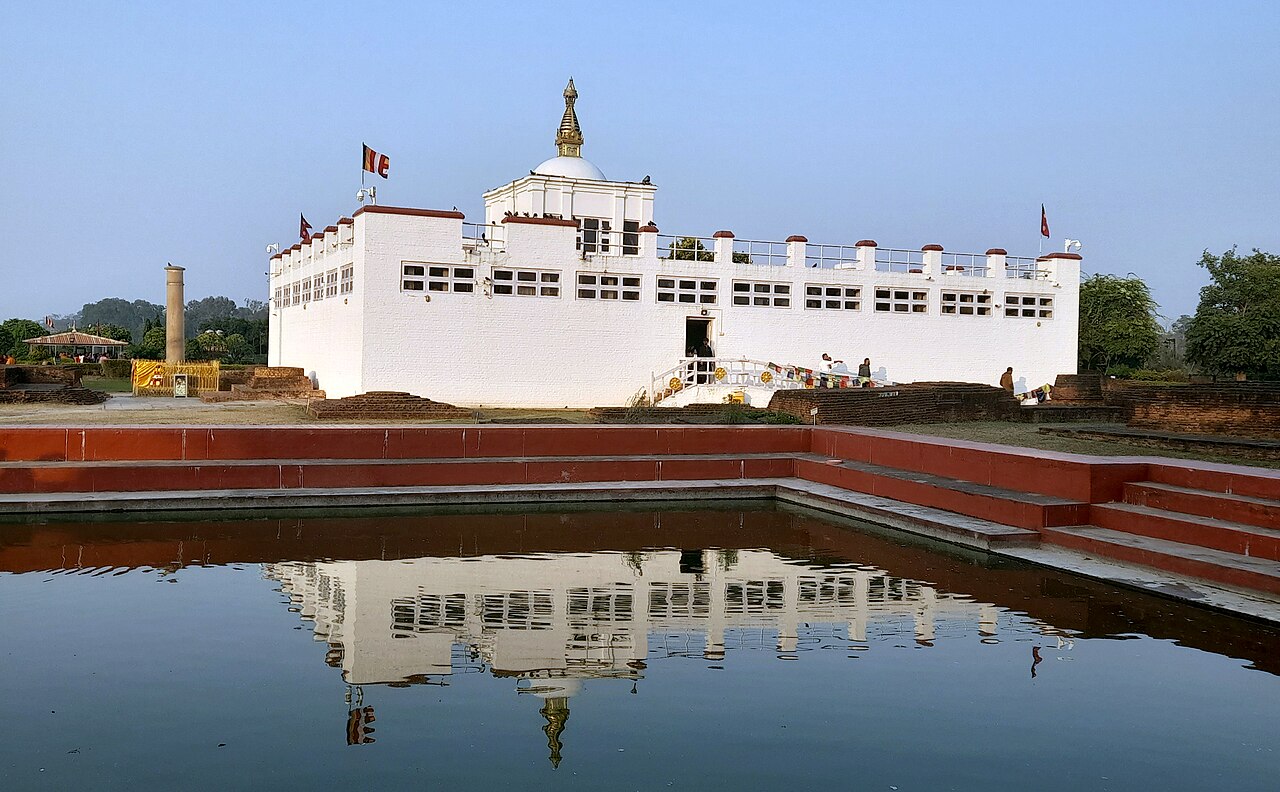
There is no place more significant for a Buddhist seeker than Lumbini, the birthplace of Lord Buddha. The energy here is one of immense peace and beginning. The Maya Devi Temple is the focal point, but the surrounding Sacred Garden is where the true meditation happens. Sitting in silence under the Bodhi tree or walking among the diverse international monasteries allows one to connect with the global sangha (community).
Meditation in Lumbini is often centered on "Metta" or loving-kindness. The sheer volume of pilgrims from across the world creates an atmosphere of universal brotherhood. When you book spiritual tour Nepal that includes Lumbini, you are invited to practice openness and compassion, directing well-wishes to all sentient beings. This outward-facing meditation helps dissolve the ego and fosters a sense of interconnectedness.
Pokhara: Serenity by the Lake
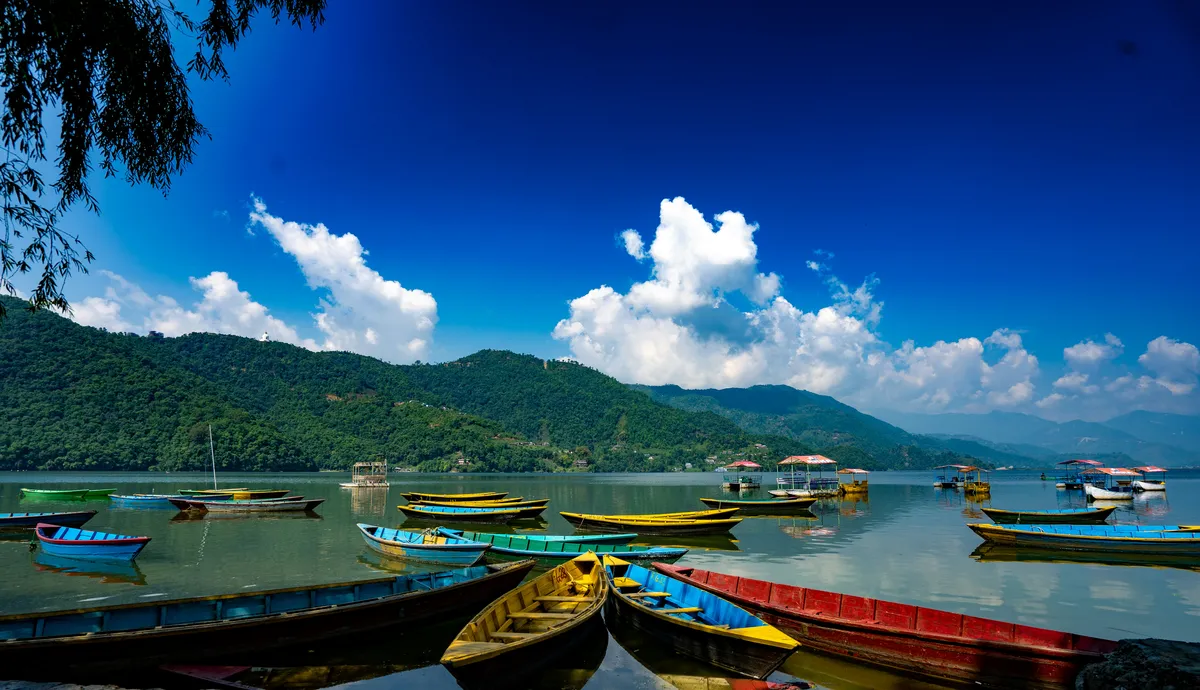
If Kathmandu is the heart, Pokhara is the soul of Nepal. The city is a hub for wellness, yoga, and deep reflection. The mirror-like surface of Phewa Lake provides a natural focal point for concentration. Many practitioners find that meditating at dawn, while the Annapurna range is reflected in the still waters, creates a state of profound mental clarity.
Pokhara is also home to numerous ashrams and meditation centers that specialize in the integration of nature and mind. The "World Peace Pagoda" is a mandatory visit for any meditator. The climb to the pagoda is a slow, mindful process, and the resulting view of the lake and mountains encourages a feeling of expansive peace. Here, meditation is less about rigorous discipline and more about surrendering to the beauty of the natural world.
Namobuddha: Heights of Reflection
Namobuddha is a site of extraordinary sacrifice and devotion. It is said that the Buddha, in a previous life, gave his body to a starving tigress here. This act of ultimate compassion makes the area an incredibly potent site for meditation on selflessness. The monastery, perched on a high ridge, offers isolation from the distractions of the lowland world.
Practicing meditation at Namobuddha involves a commitment to stillness. The wind howling through the mountain passes serves as a reminder of the wildness of nature, while the interior of the monastery remains a bastion of absolute calm. The contrast between the two creates a dynamic energy that can push a meditator into deeper states of absorption (Samadhi) more quickly than in a city environment.
Gosaikunda: High Altitude Stillness
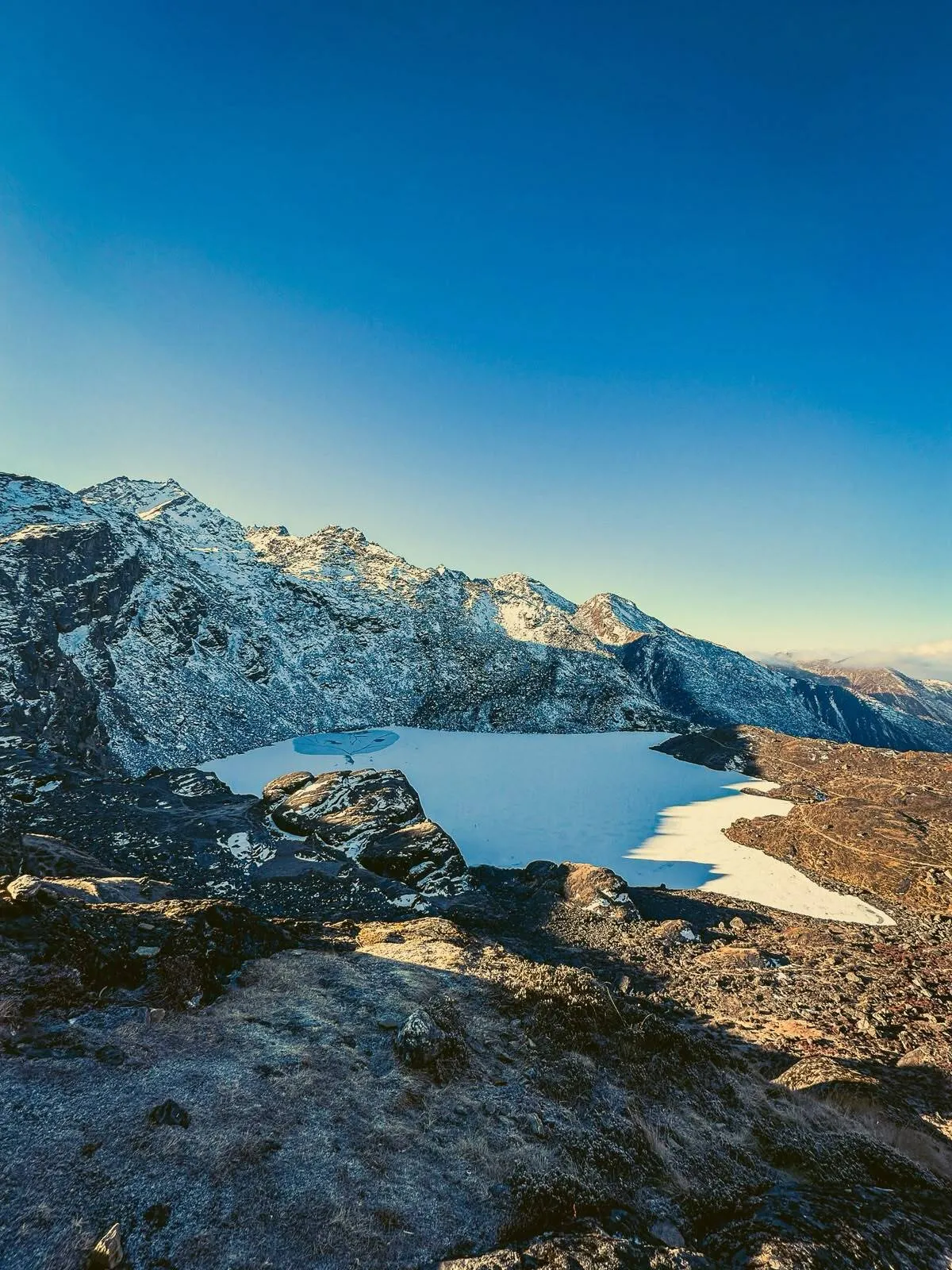
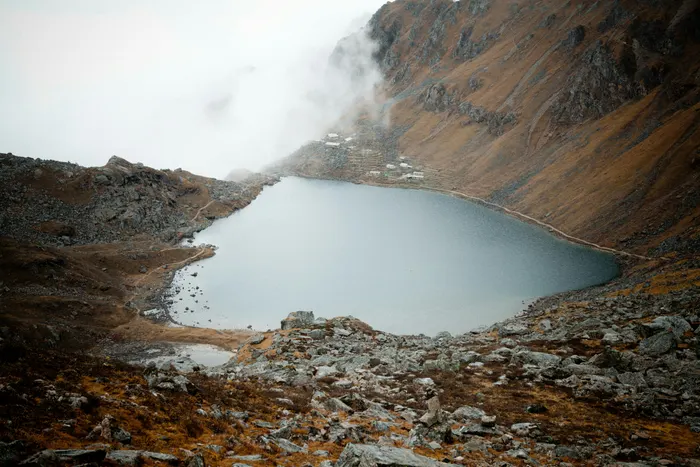
Gosaikunda is where the physical challenge of the mountains meets the spiritual depth of the soul. This sacred alpine lake, located at an altitude of over 4,000 meters, is dedicated to Lord Shiva. The thin air and the stark, rocky landscape strip away the non-essential, leaving the practitioner with nothing but their own breath and the presence of the divine.
Meditation at Gosaikunda is often an exercise in endurance and presence. The physical effort required to reach the lake prepares the mind for a deeper level of focus. When you finally sit by the turquoise waters of the lake, the silence is absolute. It is a "void" that is not empty, but full of potential. This is the ideal environment for those who wish to experience the "Great Stillness," where the mind stops its constant chatter and simply observes the eternal present.
Muktinath: The Gateway to Liberation
Located in the rain shadow of the Himalayas in the Mustang region, Muktinath is a rare site where both Hindus and Buddhists find common ground. The 108 sacred water spouts and the eternal flame of Jwala Mai create a powerful sensory experience. Ritual bathing under the spouts is a form of physical purification that precedes mental meditation.
In the high desert of Mustang, the landscape is surreal and otherworldly. This environmental isolation is perfect for "Dark Retreats" or deep contemplative practices. The vastness of the Kali Gandaki valley encourages a feeling of insignificance, which, paradoxically, is the first step toward enlightenment. By realizing how small we are in the face of the cosmos, we let go of the burdens of the ego. Those looking for the best trekking agency in Nepal often find that incorporating a stop at Muktinath transforms a physical hike into a spiritual odyssey.
How to Choose the Right Meditation Retreat in Nepal
Not all retreats are created equal. The "best" retreat is the one that aligns with your current mental state and your ultimate goal. When searching for best pilgrimage packages like the Kathmandu spiritual circuit, Lumbini Buddhist pilgrimage, Nepal cultural pilgrimage, or Sacred Kathmandu heritage tour, consider the following factors:
- Intensity Level: Are you looking for a "silent retreat" where speaking is forbidden for ten days, or a "guided retreat" where you receive instruction and can discuss your progress? Silent retreats are better for deep detoxification of the mind, while guided retreats are ideal for beginners.
- Lineage and Tradition: Do you resonate more with the structured nature of Zen, the compassion-focused approach of Tibetan Buddhism, or the holistic approach of Yoga? Knowing the lineage of the teacher ensures that the techniques used are compatible with your beliefs.
- Environmental Setting: Do you need the absolute isolation of the high mountains (like Gosaikunda) or the comforting presence of a community (like Boudhanath)? Isolation accelerates the process but can be psychologically challenging. Community provides support but can be distracting.
- Duration: A weekend retreat is a great introduction, but the true shifts in consciousness usually occur after the fifth or sixth day of consistent practice. If you are serious about a transformation, look for retreats lasting at least 7 to 14 days.
Preparing for Your Spiritual Journey
A meditation retreat is not a vacation; it is work. To get the most out of your experience, a period of preparation is essential. This ensures that you do not spend the first three days of your retreat fighting your own body or mind.
Mental Preparation
Start practicing "micro-meditations" at home. Spend five minutes a day simply observing your breath. This builds the "mental muscle" required for longer sessions. Additionally, set a clear intention (Sankalpa) for your trip. Ask yourself: "What am I seeking?" Whether it is healing from a loss, a search for purpose, or simply a break from the digital noise, a clear intention acts as a compass throughout the journey.
Physical Preparation
If your retreat is in a high-altitude area like Namobuddha or Muktinath, your body needs to be ready. Incorporate light cardiovascular exercise and stretching into your routine. Yoga, in particular, is a great way to open the hips and spine, which is crucial for sitting in a cross-legged position (Padmasana) for extended periods. Hydration is also key; the thin mountain air can dehydrate you quickly, which leads to mental fatigue and headaches.
Digital Detox
The greatest obstacle to meditation is the "monkey mind," and in the modern era, the monkey mind is fueled by notifications. We recommend a gradual digital detox starting two weeks before your departure. Reduce your screen time by an hour each day. By the time you reach the Himalayas, the urge to check your phone should be replaced by a curiosity about the silence.
Merging Mindset and Movement: Meditation while Trekking
One of the most powerful ways to experience the Himalayas is to combine the stillness of meditation with the movement of trekking. This is the essence of a "Walking Pilgrimage." When you engage with the complete guide to trekking in Nepal, you realize that the journey itself is the meditation.
Walking meditation involves bringing the same level of awareness to each step that you bring to your breath. Feel the contact of your boot with the earth, the rhythm of your inhalation, and the vastness of the landscape. This prevents the "destination obsession" where the trekker is so focused on the peak that they miss the beauty of the path. By treating the trek as a moving meditation, the physical effort becomes a form of prayer, and the exhaustion of the body leads to the liberation of the mind.
Integration is the key. We suggest spending 20 minutes in silent meditation every morning before starting the trek and 20 minutes every evening after arriving at the tea house. This creates "bookends" of stillness that allow you to process the day's experiences. Over time, the distinction between "meditating" and "trekking" disappears, and your entire existence becomes a continuous stream of awareness. For those ready to combine these practices, the Gosaikunda yoga retreat trek, sacred valleys journey, 6-day yoga stress management retreat, and 9-day luxury yoga wellness escape offer perfect integration of movement and meditation.
Comparing Himalayan Meditation Experiences
| Location | Primary Focus | Ideal For | Intensity | Atmosphere |
|---|---|---|---|---|
| Boudhanath | Dharma & Community | Beginners / Urban Seekers | Low-Medium | Vibrant & Sacred |
| Lumbini | Loving-Kindness | Peace Seekers / Buddhists | Low | Serene & Open |
| Pokhara | Wellness & Nature | Yoga Enthusiasts | Medium | Relaxed & Lush |
| Namobuddha | Asceticism & Devotion | Serious Practitioners | High | Isolated & Powerful |
| Gosaikunda | Stillness & Void | Advanced Meditators | Very High | Stark & Divine |
| Muktinath | Purification & Ego-Death | Pilgrims / Adventurers | High | Otherworldly & Raw |
This meditation guide connects deeply with our other spiritual resources. For a comprehensive journey, explore our Lumbini pilgrimage guide, the Muktinath spiritual circuit, treks with a spiritual side, helicopter pilgrimage and trek combos, the major festivals of Nepal, our Boudhanath Stupa guide, the spiritual tour in Nepal hub, and the spiritual wellness travel in Nepal guide.
Frequently Asked Questions
What is the best time of year for a meditation retreat in Nepal?
The best times are typically from March to May (Spring) and September to November (Autumn). During these periods, the weather is stable, the skies are clear, and the mountain passes are accessible, providing the optimal external environment for internal focus.
Do I need to be a Buddhist or Hindu to participate in these retreats?
Absolutely not. Meditation is a universal human capacity. The retreats in Nepal are open to people of all faiths and no faith. The focus is on the human mind and the pursuit of peace, which transcends religious boundaries.
Is it safe to visit remote meditation sites like Gosaikunda or Muktinath?
Yes, provided you are with an experienced operator. Enticing Himalayas provides professional guides, safety equipment, and logistical support to ensure your spiritual journey is safe and sustainable.
Can a beginner handle a silent retreat?
Yes, but we recommend starting with a short-term retreat (3 to 5 days) before attempting a longer silent period. The challenge is more mental than physical, and the rewards of breaking through the noise are immense.