Everest Base Camp for Women: Why a Women-Only Guided Group Changes Everything
Standing at Base Camp Together
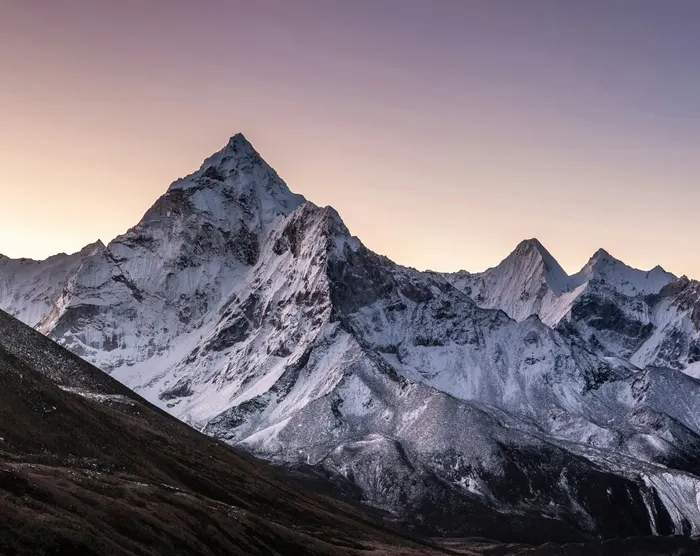
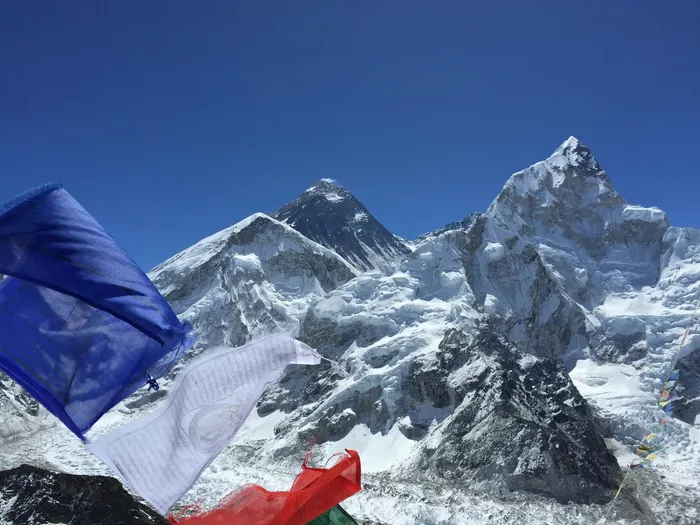
Picture the moment: twelve women from seven different countries standing shoulder to shoulder at 5,364 metres, the prayer flags snapping in the wind and the Khumbu Icefall glowing behind them. No one is performing for anyone. No one is pretending the altitude does not hurt. That is the energy of a women-only Everest Base Camp group, and it is why so many first-time high-altitude trekkers tell us this is the format that finally got them to Base Camp. The Everest Base Camp Trek for Women is a 14-day guided departure built around exactly that idea: strong female leadership, a pace built for acclimatization rather than bravado, and a group bond that starts before you even land in Kathmandu. If you have been telling yourself you will go 'one day', this is the version that actually makes day one happen.
Why a Women-Only Everest Base Camp Group Works
Trekking to Everest Base Camp is hard for everyone, but women often carry extra layers of consideration: safety on the trail, privacy at teahouses, practical questions about hygiene at altitude, and the very real dynamic of mixed groups where pace conversations get dominated by the fastest, loudest hikers. A women-only group removes most of that noise. The pace is set by the group's middle, not its fastest member. Modesty and privacy are discussed openly, not treated as an afterthought. Questions you would hesitate to ask in a mixed group get honest answers from female Sherpa guides who have stood exactly where you are standing. And the friendships formed over 11 trekking days with the same group of women tend to be the part people write home about. For a quick read on how this trek fits into the wider picture of who should hike where, our guide to the best treks in Nepal for beginners, families and solo women is a good companion piece.
Strength, Sisterhood, Summit: The Everest Base Camp Trek for Women in One Line
This is a fully supported, 14-day, women-only trek to Everest Base Camp and Kala Patthar, led by licensed female Sherpa guides, with porters carrying the loads, women-only teahouse rooms where available, and a maximum group size of twelve. You walk the classic Lukla-Namche-Tengboche-Dingboche-Gorak Shep route, take two full acclimatization days, and finish with the sunrise climb to Kala Patthar at 5,545 metres before descending back to Lukla. If you want to compare it against the standard mixed-group departures we also run, our 14-day Everest Base Camp Trek from Kathmandu package follows the same route with the same logistics.
The Route, Day by Day
The 14 days include arrival and departure days in Kathmandu, 11 trekking days, and two acclimatization days. Here is the honest picture of what each stage feels like, so nothing on the trail surprises you.
- Arrival in Kathmandu (1,400m) - Meet Your Group. Welcome to Nepal! Our female representative meets you at the airport and transfers you to your hotel in Thamel. In the evening, meet your female Sherpa guide and fellow trekkers for a welcome dinner, full briefing, and gear check. Elevation: 1,400m Accommodati
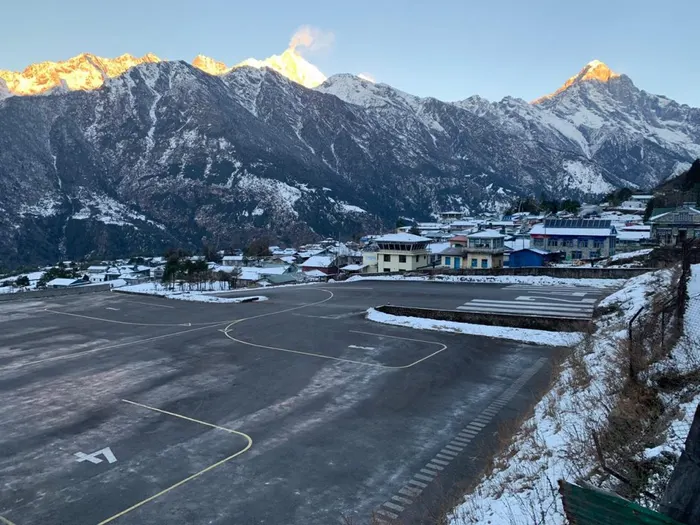
- Fly to Lukla (2,840m) & Trek to Phakding (2,610m). An early scenic flight (35 min) to Lukla, where you meet the porter team. Trek gently downhill along the Dudh Koshi River through pine forest and your first suspension bridges toPhakding. Elevation: 2,840m → 2,610m Trekking: 3-4 hours Accommodation: Teahouse M
- Trek to Namche Bazaar (3,440m). Cross the famous Hillary Suspension Bridge, register at Sagarmatha National Park in Monjo, then climb steadily through pine forest. Your first glimpse of Everest appears before you reach the horseshoe-shaped amphitheater of Namche Bazaar. Elevation: 2,610m → 3
- Acclimatization Day in Namche Bazaar. Hike up to the Everest View Hotel (3,880m) for your first panorama of Everest, Lhotse, and Ama Dablam. Return to Namche to visit the Sherpa Culture Museum and a local women's handicraft cooperative. Rest, hydrate, and let your body adapt. Elevation: 3,440m (hi
- Trek to Tengboche (3,860m). A spectacular trail with views of Everest, Ama Dablam, and Thamserku. Descend to Phunki Tenga for lunch, then climb through rhododendron forest to Tengboche Monastery - the largest in the Khumbu. Join the afternoon prayer ceremony if you wish. Elevation: 3,440
- Trek to Dingboche (4,410m). Descend through Deboche, cross the Imja Khola, and pass the ancient Pangboche Monastery. The trail climbs above the tree line into the wide, stone-walled fields of Dingboche beneath Lhotse and Island Peak. Elevation: 3,860m → 4,410m Trekking: 5-6 hours Accommo
- Acclimatization Day in Dingboche. The second acclimatization day is key to reaching Base Camp safely. Hike to Nangkartshang Peak (5,083m) for views of Makalu, then return to Dingboche for a relaxed afternoon. Your guide will brief the group on recognizing and preventing altitude symptoms. Elev
- Trek to Lobuche (4,940m). Climb past the memorial chortens of Thukla Pass - a moving tribute to climbers lost on Everest - and follow the lateral moraine of the Khumbu Glacier to Lobuche. Nuptse towers directly overhead tonight. Elevation: 4,410m → 4,940m Trekking: 5 hours Accommodatio
- Trek to Everest Base Camp (5,364m) & Gorak Shep (5,140m). The big day! Trek to Gorak Shep, drop your packs, and follow the rocky glacier trail to Everest Base Camp. Stand together as a group at 5,364m beside the Khumbu Icefall - the same ground where expeditions prepare for the summit. Return to Gorak Shep for the ni
- Kala Patthar Sunrise (5,545m) & Descend to Pheriche (4,240m). A pre-dawn climb to Kala Patthar - the highest point of the trek - to watch sunrise paint the summit of Everest gold. After breakfast, descend to the warmer, oxygen-rich air of Pheriche. Your lungs will thank you. Elevation: 5,140m → 5,545m → 4,240m Trekking:
- Trek to Namche Bazaar (3,440m). Retrace the trail through Tengboche and down to the Dudh Koshi, then climb back to Namche. Hot showers, bakeries, celebration - you have earned it. Elevation: 4,240m → 3,440m Trekking: 6-7 hours Accommodation: Teahouse Meals: All meals
- Trek to Lukla (2,840m). The final walking day follows the Dudh Koshi back down through the forests and bridges to Lukla. Tonight the group celebrates with the guide and porter team - thank them well, they carried your dream up the mountain. Elevation: 3,440m → 2,840m Trekking: 6-7 ho
- Fly to Kathmandu - Free Afternoon. Morning flight back to Kathmandu and transfer to your hotel. The afternoon is free for shopping, spa, or exploring. In the evening, gather for the farewell dinner and receive your Base Camp achievement certificates. Accommodation: Hotel (women-only twin-share)
- Departure from Kathmandu. Transfer to the airport for your onward journey, or extend your stay with a Chitwan safari or Pokhara getaway - just ask us. Meals: Breakfast
What Makes This Different from a Mixed-Group EBC Trek
On paper the trail is the same trail. In practice, almost everything feels different. Briefings happen at tables where everyone feels comfortable asking questions. Bathroom logistics at basic teahouses are discussed openly in advance, not figured out awkwardly at 4am. Period products, water purification and hygiene kits are on the packing list and the pre-departure chat, not whispered about. The pace incentive is inverted: the goal is that everyone reaches Base Camp, so the goup stops for the slowest hiker, not the fastest. And the guide team is women-led, which matters in ways that are hard to overstate for many trekkers.
Safety, Altitude, and the Two Acclimatization Days
The two acclimatization days at Namche Bazaar (3,440m) and Dingboche (4,410m) are the single most important safety feature of the itinerary. Altitude sickness does not care how fit you are; it cares how fast you climbed. The golden rules are simple: walk high, sleep lower, drink three to four litres a day, and listen to your guide when she says rest. The female Sherpa guides on this trek have years of high-altitude experience and carry pulse oximeters, a comprehensive medical kit, and clear evacuation protocols. Travel insurance with helicopter evacuation cover up to 6,000 metres is mandatory, and our team verifies your policy before you fly to Lukla. We also schedule a pre-trek Zoom call so you can ask every 'silly' question you did not want to ask anywhere else. For more context on the wider Khumbu, see our Everest Region destination guide.
Trail Life: Teahouses, Food, Toilets and Sisterhood
Most nights you will stay in teahouses, the simple lodges run by Sherpa families along the trail. Rooms are basic (twin beds, foam mattresses, shared bathrooms) but the kitchen is the heart of each lodge: dal bhat, garlic soup (legendary for altitude), ginger lemon honey tea, and a warm dining room where the group debriefs the day. There is WiFi at most stops (paid), hot showers up to about Dingboche (paid, and increasingly solar), and beyond that it is bucket washes and wet wipes, which everyone adapts to by day three. The group dynamic is what turns the spartan parts into memories: someone shares their blister tape, someone else shares their chocolate, and by Lobuche you will have inside jokes nobody in Kathmandu will get.
Cost, What Is Included, and What You Pay Separately
The trek fee covers your Kathmandu airport pickup, two nights in a quality Kathmandu hotel (twin-share, women-only rooms), round-trip Kathmandu-Lukla flights, 11 nights of teahouse accommodation on the trek, all meals during the trekking days (breakfast, lunch, dinner), the licensed female Sherpa guide, porter support (up to 15kg between two trekkers), all permits (Sagarmatha National Park and Khumbu Pasang Lhamu Rural Municipality), first-aid kit and oximeter, and the post-trek celebration dinner in Kathmandu. You budget separately for: international flights, travel insurance, Nepal visa (on arrival, roughly USD 30-50 depending on duration), hot showers and WiFi on the trail (allow USD 5-10 per day), snacks, charging fees, and tips for your guide and porters (the custom is around 10 percent of the trek cost, split between them).
Best Time to Go, and What the Weather Actually Feels Like
The two best windows are pre-monsoon (March to May) and post-monsoon (late September to November). March-April brings warming days, blooming rhododendrons lower down, and clearer mornings. October-November has the sharpest mountain views and the most stable skies, at the cost of colder nights (down to -15 C at Gorak Shep in November). We run women-only departures across both windows; winter (December-February) is possible but cold and only recommended for experienced high-altitude trekkers, and monsoon (June-August) turns Lukla flight cancellations into a real scheduling risk.
Training for EBC: The Honest Plan
You do not need to be an athlete, but you do need to be able to walk five to seven hours a day with a light daypack for 11 days in a row. Three months before departure, aim for: two long hill or stair walks in boots every week (build up to four to six hours), two strength sessions focused on legs and core, and some form of cardio most days. If you live somewhere flat, a stair-climber or treadmill on a steep incline is your best friend. Break in your boots early; nothing ruins a trek faster than new-boot blisters at 4,000 metres. The fuller picture of how to plan around this trek is in our Everest Base Camp 14-day itinerary guide.
The Packing List That Actually Matters
Pack light: porters carry the duffel (we provide one), you carry a 20-30 litre daypack. The non-negotiables are broken-in waterproof boots, a four-season sleeping bag (rated to -15 C, rentable in Kathmandu), a 800-fill down jacket, three-season layering (base layers, fleece, shell), trekking poles, a headlamp, water bottles plus purification, high-SPF sunscreen and sunglasses (the UV up high is brutal), a basic first-aid kit with blister care, and any personal medications. For women specifically we recommend period products you trust (supply on the trail is limited), a quick-dry travel towel, and a small mirror which sounds silly until you need it.
Permits, Lukla Flights and Other Logistics (Handled For You)
Nepal's paperwork for Everest involves two permits: the Sagarmatha National Park entry permit and the Khumbu Pasang Lhamu Rural Municipality permit. Both are arranged by us before you land; you just need to bring passport photos and your passport. The Kathmandu-Lukla flight is the famous one: it goes out of Ramechhap airport in peak season (a four-hour drive from Kathmandu, which we arrange) and directly from Kathmandu in the off-season. Flight delays happen in any season, so the itinerary builds in a buffer day. Travel insurance with helicopter evacuation is a hard requirement, and we will help you pick a policy that actually covers trekking to 6,000 metres, because many standard ones do not.
Frequently Asked Questions
Three questions we get almost every week. First: is it safe? Yes, with a licensed guide, a sensible pace and proper travel insurance; our female guides are experienced at altitude and have direct evacuation contacts. Second: do I need prior trekking experience? Not strictly; many first-timers complete EBC, but you must be able to hike five-plus hours a day for 11 days. Third: what if I am the slowest in the group? Then you are exactly who this trek was built for; the pace is set by the slowest hiker, never the fastest. Fourth: what about period logistics or basic hygiene? We cover this in the pre-trek briefing and packing list: what works, what does not, and what you can buy easily in Namche. Fifth: can I bring my mother, sister or daughter? Absolutely; that combination is one of the most common on this trek. If you want this route but a slightly different format, our tailor-made team can arrange a private women-only departure on your dates too.
Life After Base Camp: Why Women Come Back for More
Almost every woman who finishes this trek describes the same arc: days one to three are about the trail, days four to eight are about the altitude, and days nine to fourteen are about the people. By the time the group descends back into Namche, the conversations have shifted from boot laces and calf soreness to life plans, jobs, families, and the universal 'where shall we trek together next'. If this is your first trek in Nepal, treat it as the start of a longer relationship with the Himalaya. Many of our women-only EBC alumni come back the following season for Gokyo Lakes, the Annapurna Sanctuary, or a slower cultural circuit through the lower Solu villages. Our team has watched hundreds of trekkers go through this arc, and it rarely gets old from our side either.
Who This Trek Is Perfect For (and Who Should Wait
This departure is ideal if any of these sound like you: a first-time high-altitude trekker who wants maximum support; a solo traveller who wants an instant community without the solo supplement; a group of two or three friends who want a ready-made team around them; a mother and daughter celebrating a milestone; a returning trekker who did EBC years ago and wants a more relaxed, better-led experience. It may not be right if you are chasing a speed record, you need a specific dietary protocol the teahouses genuinely cannot meet (very rare these days), or you strongly prefer hiking alone with no group schedule at all. If that last one sounds like you, our custom private packages will be a better fit than a group departure - we can still arrange a female guide and the same attention to safety.
Plan Your Women-Only Everest Base Camp Trek
The 14-day Everest Base Camp Trek for Women runs on fixed dates across spring and autumn with a maximum of twelve places per departure. If you are ready to swap 'one day' for a departure date, the full trip page with dates, pricing and the booking form is here: Everest Base Camp Trek for Women - 14 Days. Prefer to talk it through with a human first? Message us on WhatsApp or email and one of our female trip planners will call you back. Questions about fitness, solo supplements, or combining EBC with a few extra days in Kathmandu or Pokhara are all very normal.
About Enticing Himalayas

Enticing Himalayas is a licensed Nepali trekking and tour company based in Kathmandu. Our team has run treks across Everest, Annapurna, Manaslu, Langtang and the restricted regions since 2015, with a focus on small groups, properly insured local staff, and itineraries built around safety rather than speed.
- Trekking packages across all Nepal regions
- Cultural tours and day experiences in Kathmandu, Pokhara and beyond
- Wellness, yoga and spiritual retreats
- Fully custom itineraries via our tailor-made team


About the author
Written by the Enticing Himalayas trek operations team: licensed guides and trip planners who walk these routes every season and update this guide whenever trail, permit or price conditions change.
Why trust Enticing Himalayas
Registered with the Nepal Tourism Board and TAAN, with licensed guides on every departure, transparent pricing, and 24/7 in-country support. Nothing in this article is sponsored; every recommendation is something we run or have personally verified. Plan this trip: Everest Base Camp Trek for Women.