Standing Together at 5,364 Metres
Some trips are planned in WhatsApp groups for years and then quietly forgotten. The Sisters' Adventure is the one that actually gets booked. It is a 12-day Everest Base Camp trek designed explicitly for sisters, best friends, mothers and daughters, and any women who have been saying 'we should do Everest together' for long enough that it started to feel like a joke. We built it after noticing a pattern: groups of women kept writing in asking if they could do EBC without the mixed-group dynamics they had heard about. The answer is yes, and the result is this departure. By day nine, when the whole group is standing at Base Camp sharing a bottle of prosecco our porters carried up from Lukla, you will understand why this has become our most-requested trek from women travellers.
Why a Sisters-Only Trek Works on Everest
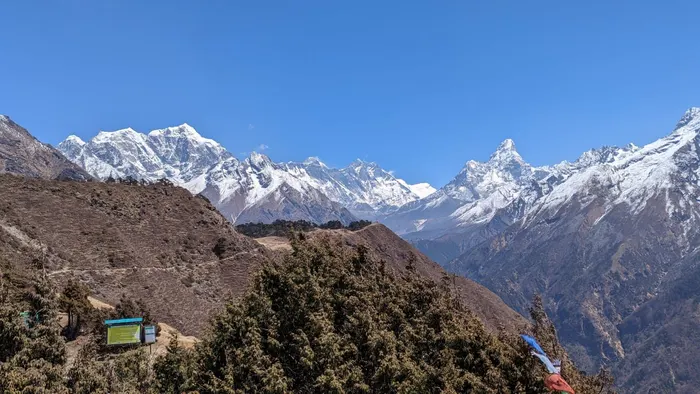
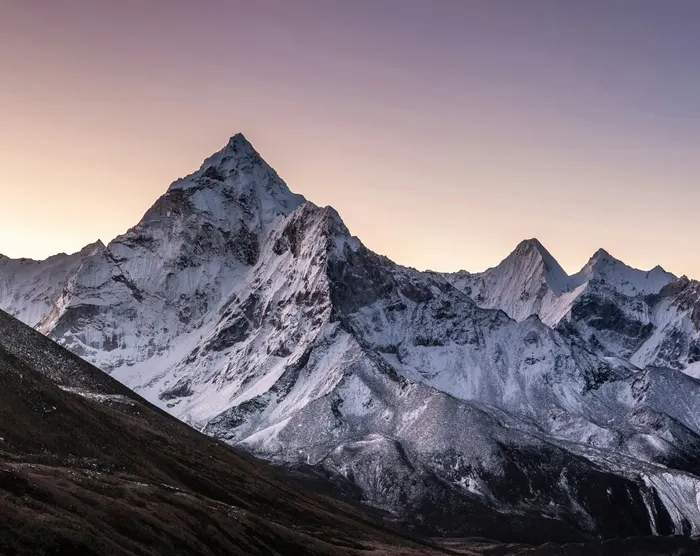
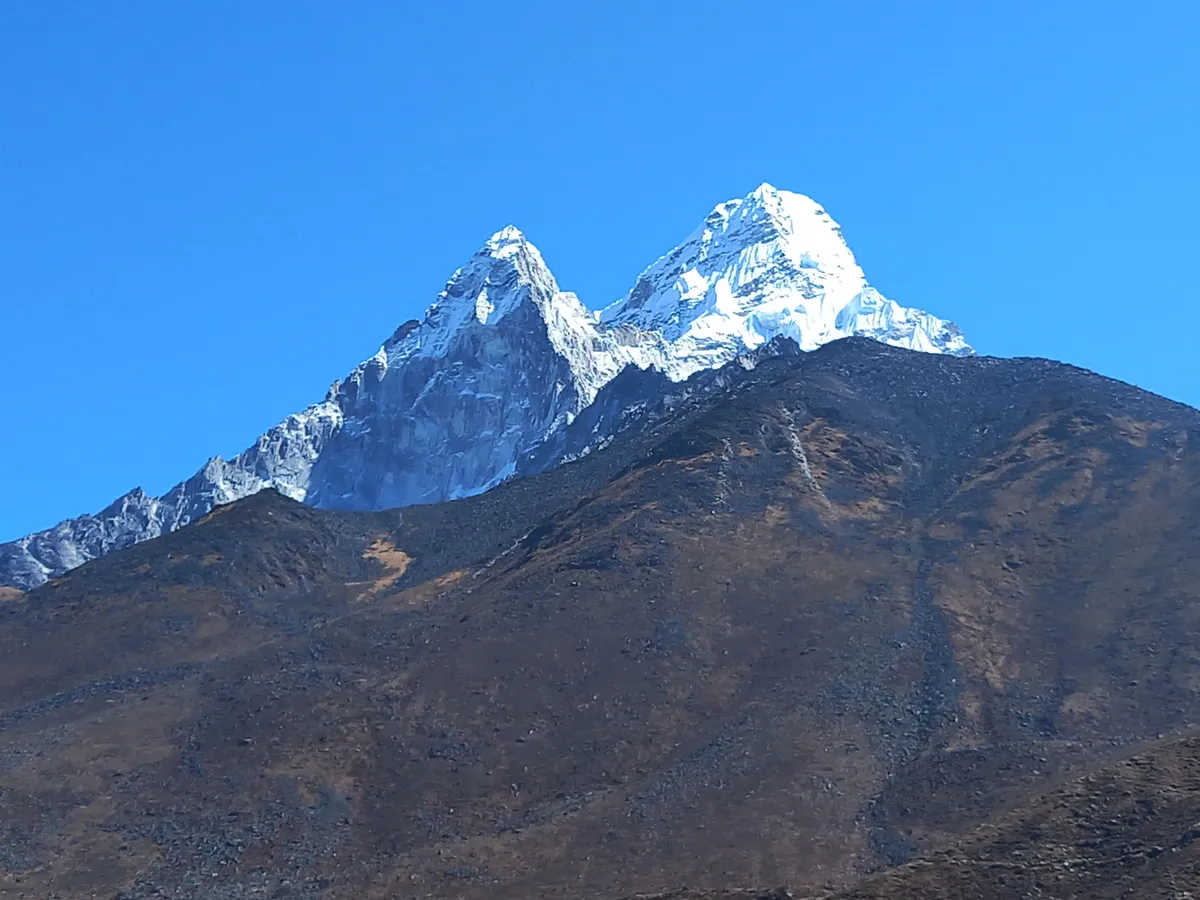
Everest Base Camp is hard for anyone. It gets harder when the group dynamics do not fit you. Friends who trekked in mixed groups tell us the same stories: the pace set by whichever man is fittest that day, hygiene questions that get deferred, the photo that never quite gets taken because the light left while someone was racing ahead. A sisters-only format fixes all three. The pace is deliberately relaxed (12 days, not 10). Photography is built into the schedule instead of being an interruption, with extra time at golden-hour spots like Everest View Hotel, Ama Dablam from Tengboche, and the Khumbu Glacier from Lobuche. And the conversations that matter (what happens if I cannot breathe properly, what do we do about periods at 4,500 metres, who watches the room while I shower) get honest answers because they are being asked in a room of people who have all asked them too. If you want to compare this format against our other women-focused departures first, our roundup of the best treks in Nepal for beginners, families and solo women is a fair starting point.
Why 12 Days, Not 10 or 14
Most budget EBC trips squeeze the route into 10 days by cutting acclimatization. Most luxury versions stretch to 14 with helicopter returns. The 12-day Sisters' Adventure takes a middle path: two full acclimatization days (Namche Bazaar and Dingboche), no helicopter (the walk back down is part of the experience and where half the photos happen), and no race. The pace is gentle enough that even first-time high-altitude trekkers who prepare properly reach Base Camp, and unhurried enough that you actually have breath left to laugh at the top.
The Route, Day by Day
Fourteen calendar days, twelve trekking days, two acclimatization days. Here is what each stage actually feels like from the trail:
The Full 14 Day Itinerary
- Arrival in Kathmandu - Welcome Sisters!. Your sisterhood begins at the airport where our female representative greets you with marigold garlands. Transfer to your hotel in Thamel. Evening welcome dinner with your guide and fellow sisters - introductions, stories, laughs, and the excitement of the adventure ahead. Elevat
- Fly to Lukla & Trek to Phakding (2,610m). The thrilling mountain flight to Lukla sets the tone. After tea with the porter team, the group sets off gently downhill along the Dudh Koshi River. Photo stops at prayer wheels, suspension bridges, and the first glimpse of snow-capped peaks. Welcome to the Khumbu. Elevation: 2,8
- Trek to Namche Bazaar - The Sherpa Capital. Cross the Hillary Suspension Bridge, enter Sagarmatha National Park, and climb to Namche Bazaar. The pace is steady with plenty of photo stops - prayer flags, mani walls, and mountain vistas around every corner. Your first Everest viewpoint is a highlight. Elevation: 2,610m → 3,4
- Acclimatization in Namche - Golden Hour at Everest View. Acclimatization day with a relaxed hike to the Everest View Hotel (3,880m) for golden-hour photography - the light on Everest and Ama Dablam from the terrace is legendary. Descend to explore Namche's markets, visit the Sherpa Museum, and enjoy cappuccino at the world's highest Ir
- Trek to Tengboche (3,860m) - Monastery & Mountain Views. One of the most photogenic days on the trail. Views of Everest, Nuptse, Lhotse, and Ama Dablam all day. Descend to Phunki Tenga for lunch, then climb through rhododendron forest to Tengboche Monastery. Join the afternoon prayer ceremony - an unforgettable cultural experience. Ele
- Trek to Dingboche (4,410m) - Above the Tree Line. Descend through Deboche, cross the Imja Khola, and pass ancient Pangboche Monastery. The landscape opens into the wide Imja Valley with stone-walled fields and towering peaks on all sides. Dingboche sits beneath Lhotse and Island Peak - sunset photography here is stunning. Elevat
- Acclimatization in Dingboche - Nangkartshang Peak. Second acclimatization day. Optional hike to Nangkartshang Peak (5,083m) for 360-degree views of Makalu, the world's fifth-highest mountain, along with Lhotse, Island Peak, and Ama Dablam. A relaxed afternoon in Dingboche - read, journal, share photos, or simply soak in the mount
- Trek to Lobuche (4,940m) - Memorial Chortens. Climb past the moving memorial chortens at Thukla Pass - dedicated to climbers who never returned from Everest. The trail follows the lateral moraine of the Khumbu Glacier with Nuptse looming overhead. The scale of the landscape grows more dramatic with every step. Elevation: 4,4
- Everest Base Camp (5,364m) - The Celebration. The main event! Trek to Gorak Shep, fuel up on lunch, then follow the rocky trail beside the Khumbu Glacier to Everest Base Camp. Stand at 5,364m beside the Khumbu Icefall, take your celebration photos, and pop the prosecco we carried up - you earned this moment. Return to Gorak
- Kala Patthar Sunrise (5,545m) & Descend to Pheriche. The pre-dawn climb to Kala Patthar is the trek's highest point and best view. Watch the first rays of sunlight hit Everest's summit - an emotional, unforgettable moment. After breakfast, descend to the warmer air of Pheriche. Your lungs and legs will thank you. Elevation: 5,140m
- Trek to Namche Bazaar - Celebration Night. Retrace the trail through Tengboche and down to Namche Bazaar. Hot showers, bakery treats, and the celebration of what you accomplished. The group dinner in Namche this evening is always full of laughter, shared photos, and stories that will last a lifetime. Elevation: 4,240m → 3
- Trek to Lukla - Farewell to the Khumbu. The final walking day follows the Dudh Koshi back to Lukla. Look back at the mountains you conquered - Everest may fade from view, but the memories are forever. Tonight, celebrate with your guide and porter team in Lukla. Elevation: 3,440m → 2,840m Trekking: 6-7 hours Accommodati
- Fly to Kathmandu - Farewell Dinner. Morning flight back to Kathmandu and hotel transfer. The day is free for shopping, spa visits, or exploring. In the evening, the farewell dinner: certificates are presented, final group photos are taken, and promises are made to stay in touch. Most sister groups do - for years. A
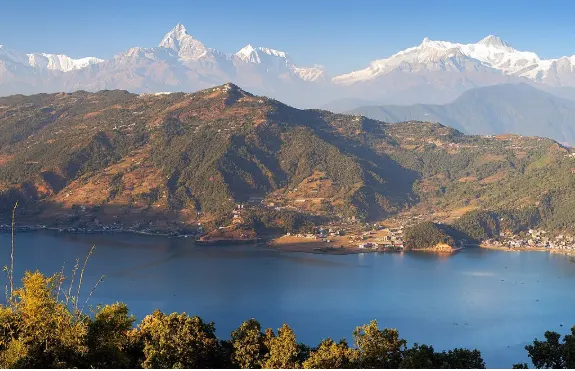
- Departure from Kathmandu. Transfer to the airport for your onward journey, carrying memories and friendships that will last a lifetime. Or extend your stay with a Chitwan safari or Pokhara getaway - we are happy to arrange. Meals: Breakfast
Photography on the Trail: What We Plan For
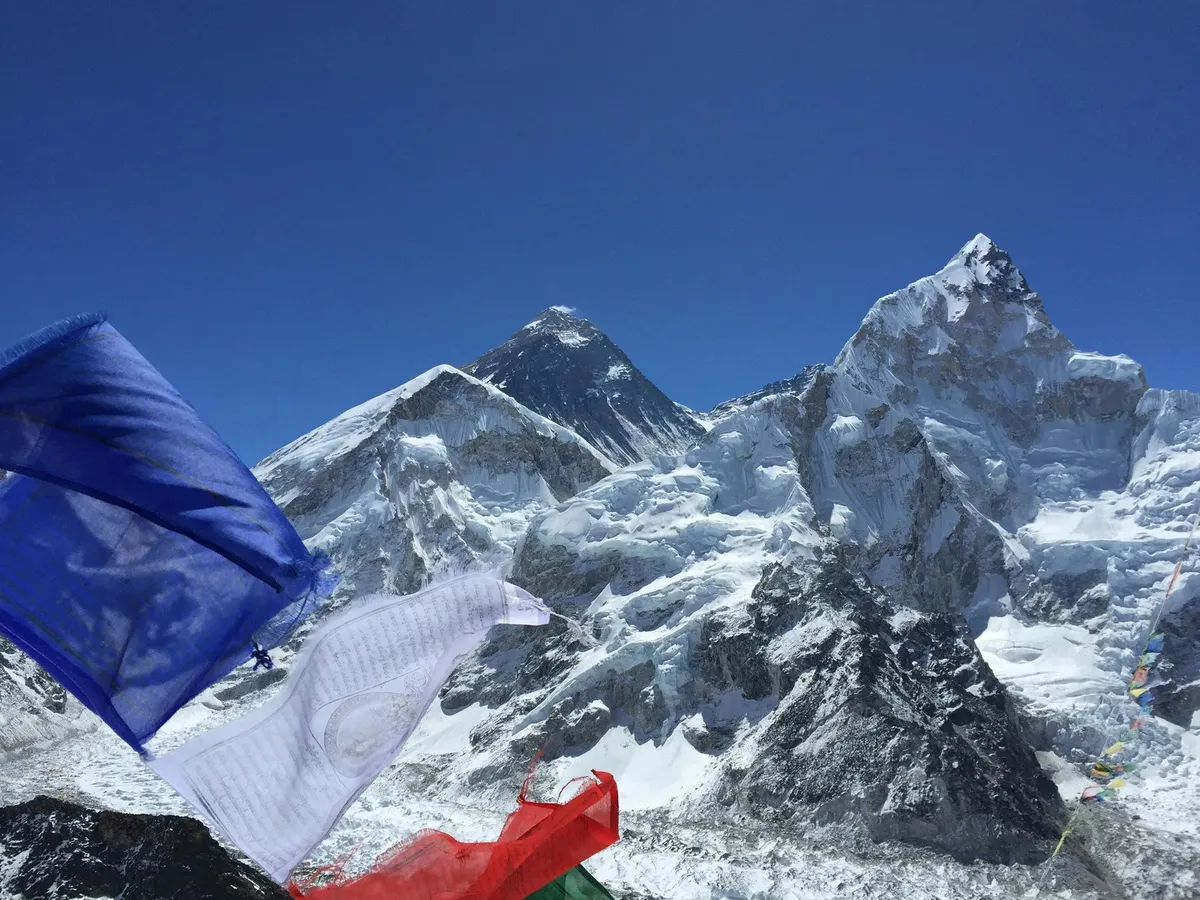 Our guides on this trek are trained in mountain photography timing. That means extra-long stops at the viewpoints where Everest light does something special, and a daily rhythm that puts the group in position for the golden-hour shots rather than racing to the teahouse before dark. Specific photo moments we plan around: sunrise at the Everest View Hotel above Namche on day four, the monastery courtyard at Tengboche with Ama Dablam behind it, the line of stone memorials at Thukla Pass in the late-afternoon shadow, the Khumbu Icefall from the base of the trail to Base Camp, and the summit-and-back silhouette shots from Kala Patthar just before dawn on day ten. Bring a power bank (charging above Namche gets expensive and slow), a spare memory card, and a lens cloth you actually use. We provide a group photographer at Base Camp for the celebration shots.
Acclimatization Days Are Not Filler Days
The two acclimatization days at Namche (3,440 metres) and Dingboche (4,410 metres) are where the trip is actually built. The rule the guides follow is climb high, sleep low: you hike up four to five hundred metres during the day, come back to the village for a late lunch, and let your body adjust overnight. Skipping either day is how people end up on helicopters instead of trail photos. This is not negotiable, and it is also why we do not offer a 10-day version of this route at any price. If you want to understand why the schedule matters in larger context, our month-by-month weather and crowd guide to Everest Base Camp explains the seasonal side of the same question.
Teahouse Life and Women-Only Rooms
Most nights you will be in family-run teahouses: simple rooms, foam mattresses, shared bathroom down the hall, and a warm dining room with the yak-dung stove in the middle where everyone congregates after dinner. Where possible we book women-only twin rooms, and on this departure specifically we arrange female porters when staffing allows. The electricity, WiFi and hot water all cost extra above Namche (a few dollars each), and the showers stop being reliably warm after Dingboche. Wet wipes, dry shampoo and hot tea at every meal. The dinners are dal bhat, garlic soup (good for altitude), momo dumplings and a rotation of pasta and noodle dishes that get simpler as you climb. Nobody comes back from EBC having eaten particularly well, but everybody comes back having eaten consistently, which is the real requirement.
Cost, What Is Included, and What Costs Extra
The trip fee covers Kathmandu airport pickup, two nights in a quality Kathmandu hotel (twin-share, women-only rooms, breakfast included), round-trip flights between Kathmandu and Lukla with airport taxes, twelve nights of teahouse accommodation on the trek, all meals during the trekking days, a licensed female guide, porter support (up to fifteen kilograms between two trekkers), the required permits (Sagarmatha National Park and Khumbu Pasang Lhamu Rural Municipality) and a celebration bottle of prosecco portered to Base Camp. You budget separately for international flights, travel insurance with helicopter evacuation coverage up to 6,000 metres, the Nepal visa (on arrival for most nationalities, USD 30-50 depending on duration), hot showers and WiFi on the trail (allow USD 5-10 per day), extra snacks, charging fees, and tips for your guide and porters. For broader context on what luxury upgrades can and cannot buy you at altitude, our piece on whether luxury trekking in Nepal is worth it walks through the honest breakdown.
Best Time of Year for This Trek
The two reliable windows are pre-monsoon (March to May) and post-monsoon (late September to November). March and April give you warmer days, blooming rhododendrons in the forests below Namche, and clearer mornings. October and November deliver the sharpest mountain views of the year, with nights that get properly cold (down to minus fifteen Celsius at Gorak Shep in November). We run Sisters' Adventure departures across both windows, with spring and autumn groups capped at twelve women each. Winter departures are possible but only for trekkers with prior high-altitude experience.
Fitness and Training: The Honest Bar
You do not need to be an athlete. You do need to be able to walk five to seven hours a day with a light daypack for twelve days in a row, on terrain that climbs and descends several hundred metres daily. Three months before departure, aim for two long weekly walks in the boots you plan to trek in (build up to four to six hours), two strength sessions focused on legs and core, and general cardio most days. If you live somewhere flat, a stair-climber or treadmill at maximum incline works. Break your boots in early - blisters at 4,000 metres are a bad souvenir.
The Packing List That Actually Matters
Porters carry the main duffel (fifteen kilograms shared between two trekkers). You carry a daypack with water, snacks, layers, camera and sunscreen. Non-negotiables: broken-in waterproof boots, a four-season sleeping bag rated to minus fifteen Celsius (rentable in Kathmandu), an eight-hundred-fill down jacket, three-season layering (base, fleece, shell), trekking poles, headlamp, water bottles and purification, high-SPF sunscreen and sunglasses (the UV above 4,000 metres is genuinely brutal), a comprehensive blister-care kit, and period products you trust (supply on the trail is unreliable). Our team sends a full packing video to every group six weeks before departure.
Permits, Lukla Flights, and the Logistics We Handle
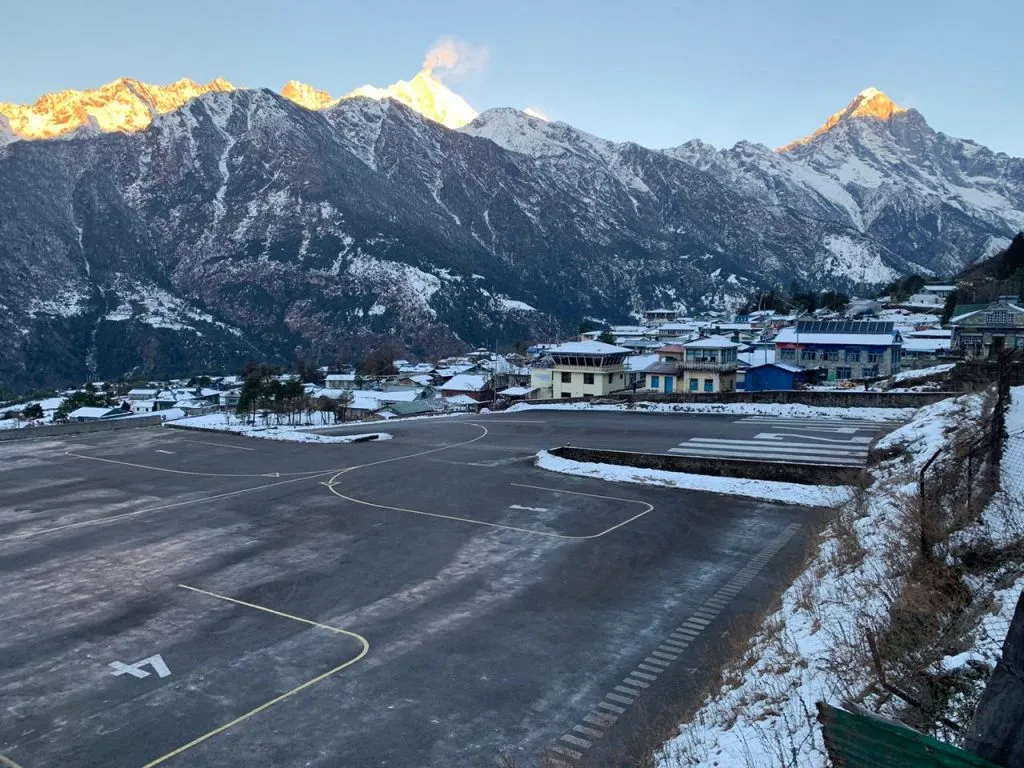 Everest trekking needs two permits: Sagarmatha National Park entry and the Khumbu Pasang Lhamu Rural Municipality permit. We arrange both before you land, you bring passport photos and your passport. The Kathmandu to Lukla flight runs out of Ramechhap airport in peak season (a four-hour drive we arrange) and directly from Kathmandu off-season. Weather delays happen in any season, so the itinerary has a buffer day built in. Travel insurance with helicopter evacuation cover up to 6,000 metres is a hard requirement. We will help you pick a policy that actually covers trekking at altitude - many standard policies quietly exclude it. Everything else (teahouse bookings, porter staffing, the Base Camp prosecco provision) is on our side. If you have not yet looked at the wider Everest Region destination guide on our site, that is a useful starting read.
Frequently Asked Questions
Is it safe? With a licensed female guide, a paced itinerary, two acclimatization days, a medical kit, oximeter and mandatory evacuation insurance, yes. Can my mother and I do this together? Absolutely - mother-daughter pairs are one of the most common combinations we run. I am sixty-five, is this realistic? With proper training, often yes, and for a gentler trek specifically built with seniors in mind, see our Everest Panorama Senior Trek page. Can we pay for a private room supplement? Yes, and women booking solo often do. What if I am the slowest? The pace is set by the slowest in this group - that is the point.
Plan Your 12 Day Sisters' Adventure
The 12-day Everest Base Camp Sisters' Adventure runs on fixed dates through spring (March to May) and autumn (late September to November) with a maximum of twelve women per departure. Dates, current pricing and the booking form are on the trip page at Everest Base Camp Sisters' Adventure - 12 Day Photo Trek. Prefer to talk it through with a human first? Reach out via our custom itinerary form and one of our female trip planners will call you back. Sisters who have finished this trek have gone on to book Manaslu, Annapurna Sanctuary and our other women-focused departures together - this one tends to start the habit.