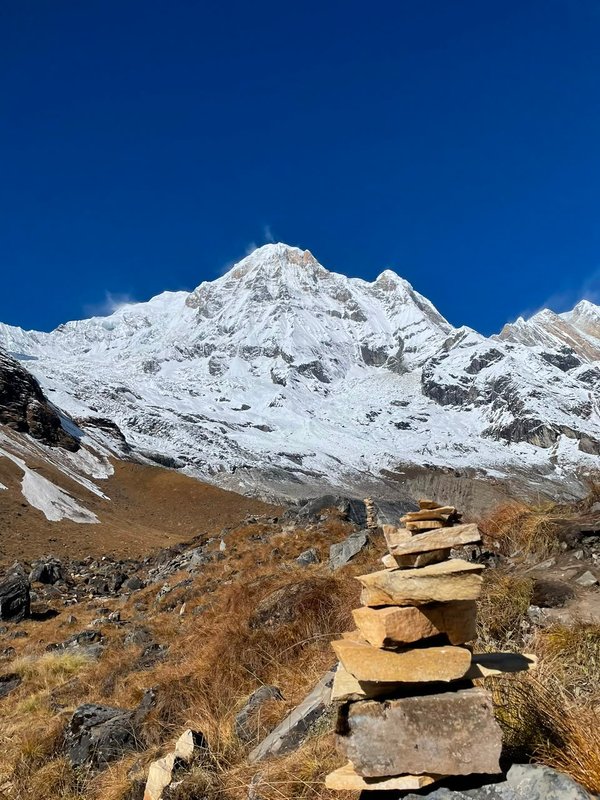
The Annapurna region is not just a trekking destination; it is one of the most biodiverse places on Earth. The Annapurna Conservation Area, covering 7,629 square kilometers, spans an extraordinary range of ecological zones from subtropical lowlands at 1,000 meters to arctic conditions at 8,091 meters on the summit of Annapurna I. This dramatic altitude gradient creates a living laboratory of flora and fauna, where tropical orchids grow a few days' walk from high-altitude mosses and lichens. For trekkers, this means every day on the trail brings new landscapes, new plants, and new wildlife sightings. From the rhododendron forests of Ghorepani to the blue sheep of Manang and the snow leopards of the high passes, the Annapurna region is a nature lover's paradise. Explore with us as we guide you through the remarkable biodiversity you will encounter on the trail.
Why Is the Annapurna Region So Biodiverse?
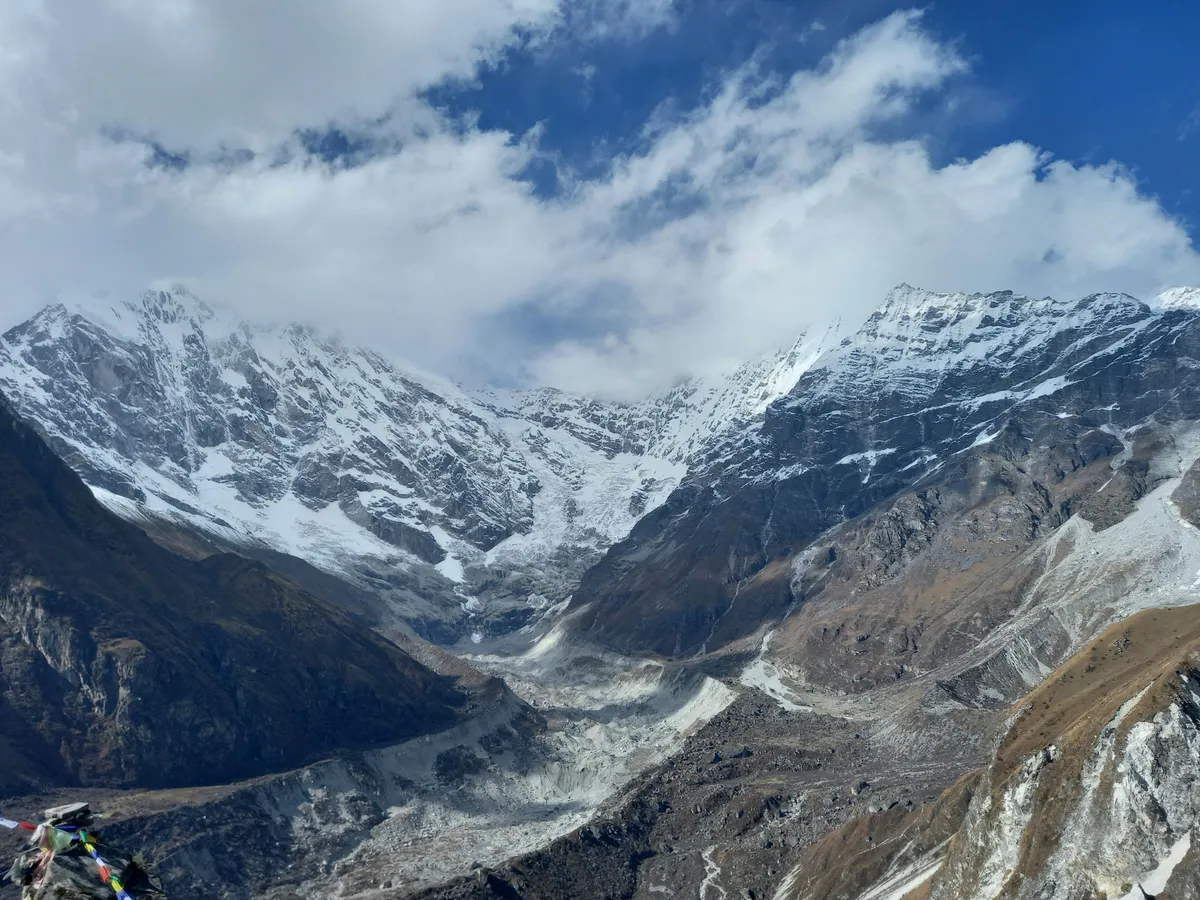
The Annapurna region's extraordinary biodiversity stems from its unique geography. The Kali Gandaki gorge, the deepest valley in the world, runs between the Annapurna massif and Dhaulagiri, creating a dramatic elevation gradient of over 5,500 meters within a horizontal distance of just 30 kilometers. This compresses multiple climatic zones into a small area: subtropical (below 1,000m), temperate (1,000 to 3,000m), subalpine (3,000 to 4,000m), alpine (4,000 to 5,000m), and nival (above 5,000m). The Annapurna Conservation Area Project (ACAP), established in 1986, protects this biodiversity across the entire region. The conservation area is home to 1,226 species of flowering plants, 102 species of mammals, 474 species of birds, 39 species of reptiles, and 22 species of amphibians. This makes it one of the most species-rich protected areas in the entire Himalayan range.
What Flora Will You See on the Annapurna Trek?
The flora of the Annapurna region changes dramatically as you ascend, creating a botanical journey through multiple ecological zones. In the subtropical lowlands below 1,000m, you will find sal forests, banana trees, bamboo groves, and flowering shrubs. As you climb into the temperate zone (1,000 to 3,000m), the landscape transforms into dense forests of oak, maple, magnolia, and the iconic rhododendron, Nepal's national flower. The rhododendron forests around Ghorepani and along the Ghorepani Poon Hill trek are among the most spectacular in the world, with trees up to 20 meters tall bursting into red, pink, and white blooms in March and April. In the subalpine zone (3,000 to 4,000m), forests give way to birch, fir, and juniper, with meadows of primula, gentian, and Himalayan blue poppy. Above 4,000m, the alpine zone features cushion plants, mosses, and lichens adapted to extreme cold. The Annapurna Photography Trek is perfectly timed to capture the spring blooms at their peak.
Which Rhododendron Species Grow in the Annapurna Region?
The Annapurna region is home to several species of rhododendron, each adapted to different altitudes. Rhododendron arboreum, Nepal's national flower, dominates the lower to mid-elevation forests with its deep red blooms. Rhododendron campanulatum grows at higher elevations (2,500 to 3,500m) with pale purple flowers, while Rhododendron lepidotum is found even higher, up to 4,200m, with small yellow-white flowers. The Ghorepani area is particularly famous for its rhododendron forests, which cover entire hillsides and create a stunning visual display during the spring bloom. The Annapurna Family Trek passes through these forests, making it an educational experience for children and adults alike. Rhododendrons are not just beautiful; they play a crucial ecological role, providing nectar for birds and insects and serving as habitat for many bird species. The spring bloom typically peaks in March and April, making these months ideal for botanical enthusiasts.
What Mammals Can You Spot on the Annapurna Trail?
The Annapurna Conservation Area is home to 102 species of mammals, ranging from tiny shrews to the elusive snow leopard. The most commonly spotted mammal on the trail is the Himalayan langur, a grey langur monkey often seen in troops in the lower elevation forests. Along the Annapurna Base Camp trek, you may encounter Assamese macaques in the bamboo forests. The high-altitude areas around Manang and on the Annapurna Circuit are home to the Himalayan tahr, a wild goat with a shaggy mane, and the Himalayan griffon, a massive vulture often seen soaring on thermals. The blue sheep (bharal), with its distinctive bluish-grey coat, is commonly spotted on the northern side of the Circuit, particularly around Manang and near Thorong La. More elusive mammals include the musk deer, the Himalayan black bear (rarely seen), the red panda (very rare, found in bamboo forests), and the snow leopard, the apex predator of the high Himalaya. Snow leopards are extremely rare and sightings are exceptional, but tracks are sometimes found near high passes.
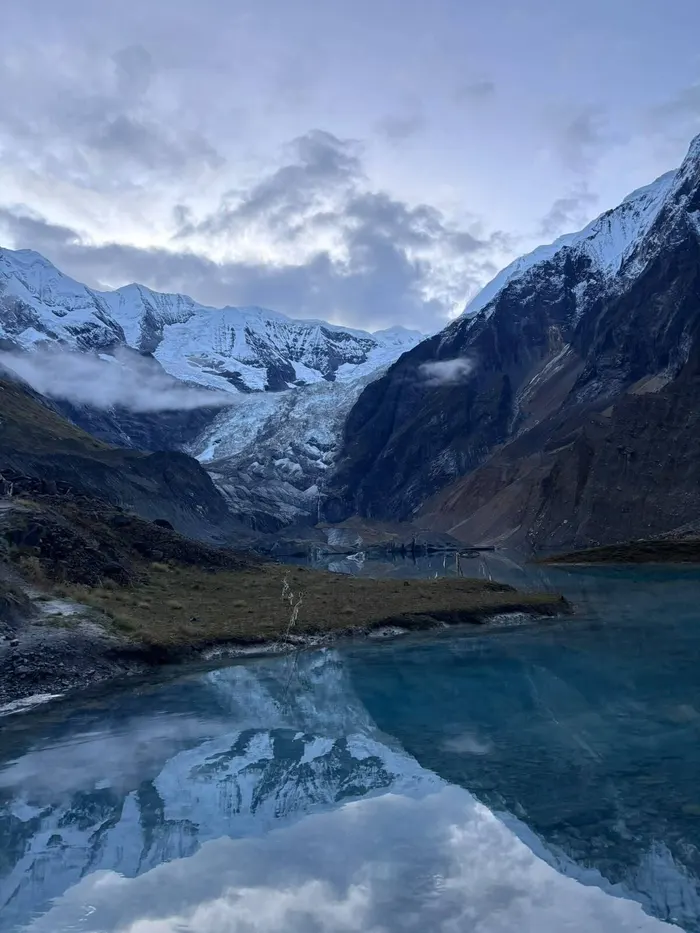
What Birds Will You See Trekking in the Annapurna Region?
With 474 species recorded, the Annapurna region is a paradise for bird watchers. The diverse habitats support an extraordinary variety of birds, from lowland pheasants to high-altitude raptors. The Himalayan monal (danphe), Nepal's national bird, is a stunningly colorful pheasant found in the rhododendron and oak forests between 2,500 and 4,000m. The male danphe displays iridescent blue, green, copper, and purple plumage. Other notable pheasants include the blood pheasant, the koklass pheasant, and the Himalayan snowcock, found at higher elevations. Birds of prey are abundant: the Himalayan griffon, lammergeier (bearded vulture), golden eagle, and Himalayan eagle all soar above the valleys. The Mardi Himal trek offers excellent bird watching in its dense forests. In the lower elevation zones around Pokhara, you can spot kingfishers, bulbuls, warblers, sunbirds, and the beautiful Himalayan bluetail. Spring is the best season for bird watching, as migratory species return and resident birds are nesting and more vocal.
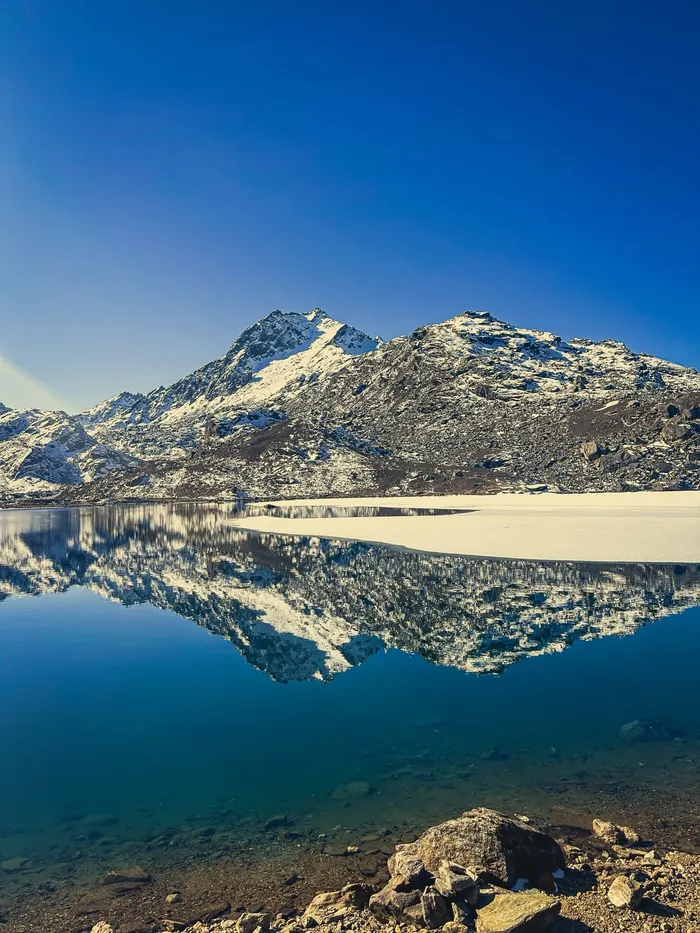
Where Can You See Blue Sheep on the Annapurna Circuit?
Blue sheep (bharal, Pseudois nayaur) are one of the most iconic mammals of the Annapurna region and one of the most frequently spotted large animals on the trail. They are found in the alpine and subalpine zones between 3,000 and 5,500 meters, particularly on the northern side of the Annapurna range where the landscape is drier and more open. On the Annapurna Circuit with Tilicho Lake, the area around Manang and the approach to Thorong La is prime blue sheep habitat. They are often seen grazing on alpine meadows or resting on rocky outcrops in herds of 5 to 20 individuals. Blue sheep are the primary prey of the snow leopard, and the two species are closely linked in the ecosystem. The name "blue sheep" is somewhat misleading as they are actually more grey-brown than blue, though their coat can have a bluish sheen in certain light. They are excellent climbers, navigating steep cliffs with ease. Early morning and late afternoon are the best times to spot them.
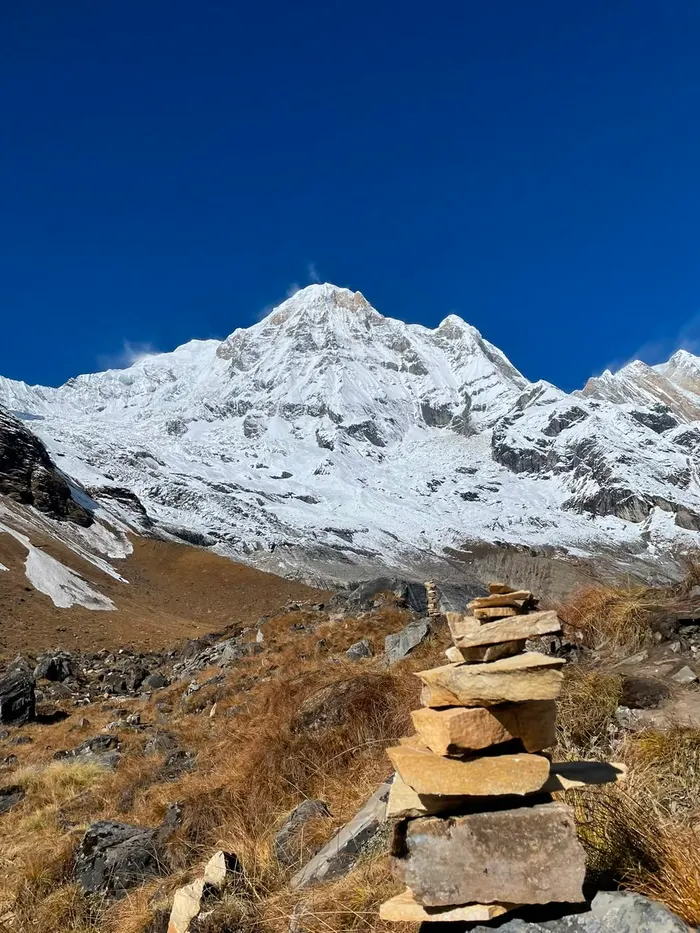
Can You See Snow Leopards on the Annapurna Trek?
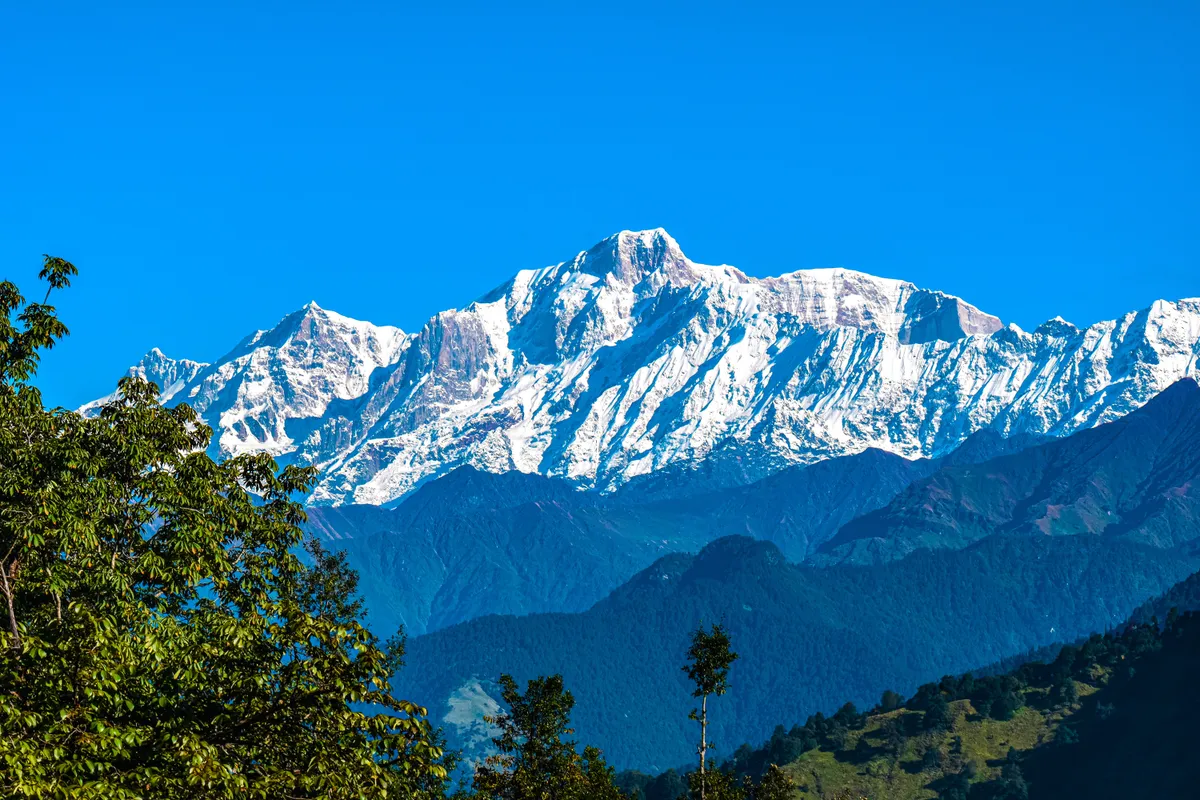
The snow leopard is the most elusive and sought-after wildlife sighting in the Annapurna region. These magnificent cats inhabit the high-altitude areas above 3,500 meters, with the highest concentration in the remote upper reaches of the conservation area. Snow leopards are extremely rare: there are estimated to be fewer than 400 in all of Nepal, and sightings by trekkers are exceptional. The best areas for potential snow leopard sightings are around Manang, near the base of Tilicho Lake, and in the Nar-Phu valley, a remote side valley off the Annapurna Circuit. Signs of snow leopard presence (tracks, scrapes, and kills) are more commonly seen than the animals themselves. Winter months (December to February) are theoretically better for sightings, as snow leopards descend to lower elevations following their prey, but trekking conditions are challenging. The Annapurna Conservation Area Project works with local communities and organizations like the Snow Leopard Conservancy to monitor and protect these cats. If you are passionate about snow leopards, consider the Upper Mustang region, where community-based snow leopard tracking programs exist.
What Reptiles and Amphibians Live in the Annapurna Region?
The Annapurna Conservation Area is home to 39 species of reptiles and 22 species of amphibians, though they are less commonly noticed than mammals and birds. In the subtropical lowlands, you may encounter the Himalayan pit viper, a venomous snake with distinctive triangular head and heat-sensing pits. Agamid lizards, including the Kashmir rock agama, are commonly seen basking on rocks in the lower valleys. Several species of frogs and toads inhabit the streams and ponds of the temperate zone, including the Himalayan toad and various species of stream frogs. The high-altitude lakes, including Tilicho Lake and the glacial tarns around Annapurna Base Camp, are too cold for most amphibians. Snakes become rare above 2,500 meters. The Panchase Panorama Trek passes through lower elevation zones where reptile diversity is highest. If you encounter a snake on the trail, give it space and do not attempt to handle it. Most snakes in the region are non-venomous, but the pit viper requires caution.
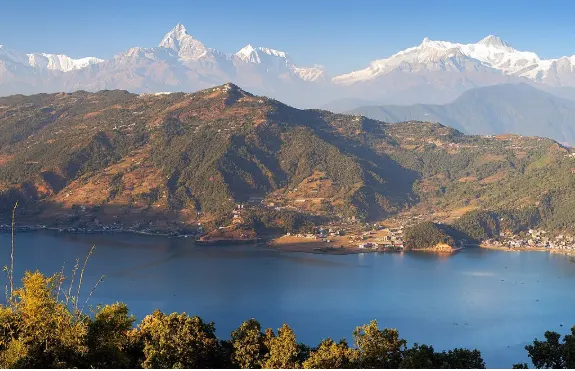
What Is the Best Season for Wildlife Watching on the Annapurna Trail?
The best season for wildlife watching depends on what you hope to see. Spring (March to May) is the best overall season, as animals are active after winter, birds are nesting and displaying, and the rhododendron bloom attracts insects and nectar-feeding birds. Early mornings are the best time of day for wildlife sightings, as animals are most active at dawn. Autumn (September to November) is also excellent, as clear weather makes spotting easier and post-monsoon vegetation is still lush. Winter (December to February) offers fewer sightings overall but is the best time to look for snow leopard tracks, as they descend to lower elevations. The Annapurna Winter Trek is designed for the cold season and can offer unique wildlife encounters. Monsoon season (June to August) is challenging for wildlife watching due to heavy rain and reduced visibility, but the Upper Mustang region remains dry and viable. Always carry binoculars for wildlife viewing and respect animals by keeping a safe distance.
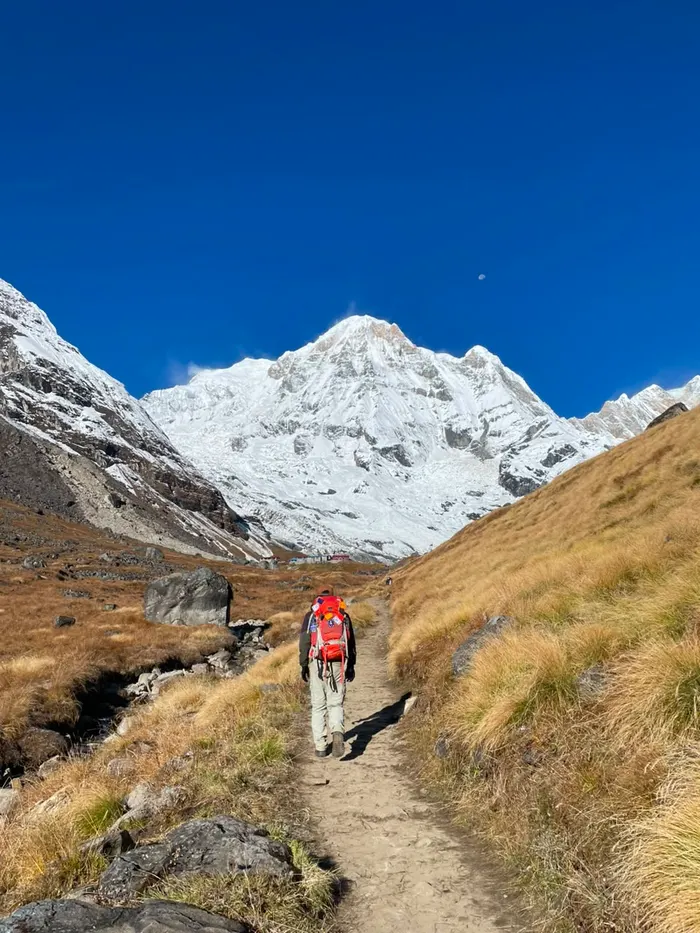
How Does ACAP Protect the Biodiversity of the Annapurna Region?
The Annapurna Conservation Area Project (ACAP) is Nepal's first and largest conservation area, established in 1986 and managed by the National Trust for Nature Conservation (NTNC). ACAP operates on a unique model that integrates conservation with community development, recognizing that local communities are the best stewards of their natural resources. The project employs local people as conservation officers, trail maintenance workers, and wildlife monitors. Key programs include: anti-poaching patrols for snow leopards and musk deer, habitat restoration through tree planting, alternative energy initiatives to reduce firewood collection, environmental education in local schools, and sustainable tourism management. The permit fees trekkers pay directly fund these programs. ACAP has been widely recognized as a model for community-based conservation in the developing world. The Annapurna Yoga Trek and other EHT packages all contribute to conservation through permit fees. Trekkers can support conservation by staying on marked trails, not disturbing wildlife, carrying out all waste, and respecting local conservation guidelines.
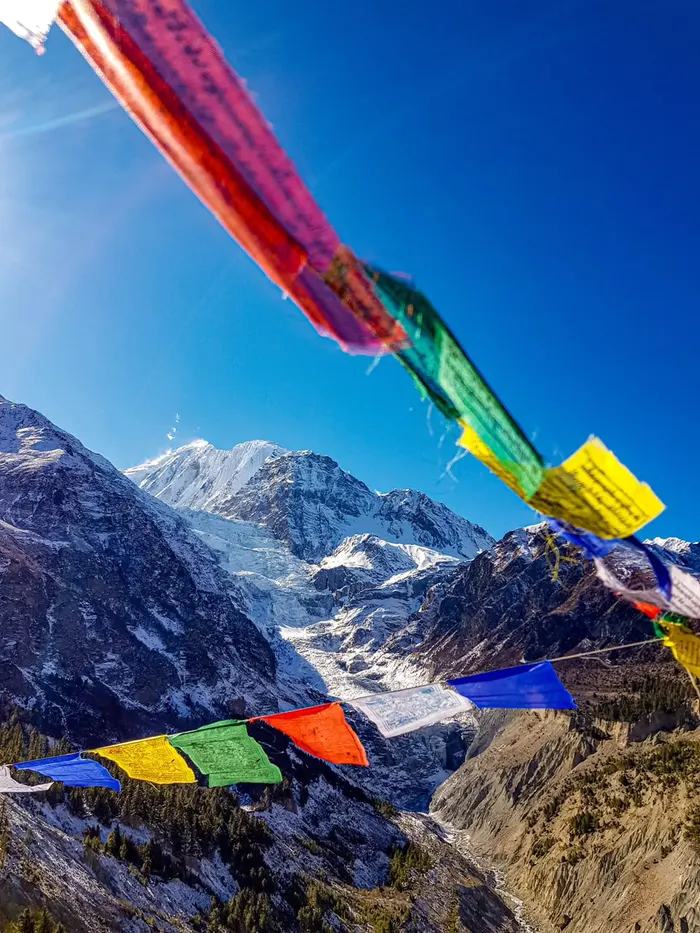
What Medicinal Plants Grow in the Annapurna Region?
The Annapurna region is rich in medicinal plants, many of which have been used in traditional Ayurvedic and Tibetan medicine for centuries. Yarsagumba (Cordyceps sinensis), the famous caterpillar fungus, is found in the high-altitude meadows above 3,500 meters and is one of the most valuable natural products in the world. It is harvested in May and June by local communities. Other notable medicinal plants include: Himalayan garlic (Allium wallichii), used for respiratory ailments; sea buckthorn (Hippophae), found in the Manang valley and rich in vitamin C; Nardostachys jatamansi (spikenard), used in traditional medicine for anxiety and sleep disorders; and Aconitum (monkshood), used carefully in traditional medicine despite its toxicity. The Muktinath area and the Kali Gandaki valley are particularly rich in medicinal plants. Local communities have deep knowledge of these plants, and traditional Amchi (Tibetan medicine) practitioners still use them in remedies. Trekkers should never collect or consume wild plants without expert guidance, as some are toxic.
Conclusion: The Annapurna Region Is a Living Natural Wonder
The flora, fauna, and wildlife of the Annapurna region make every trek a journey through one of the world's most remarkable natural landscapes. From the subtropical forests of the lowlands to the alpine meadows near the high passes, every ecological zone offers its own treasures. The conservation work of ACAP ensures that this biodiversity will be protected for generations to come. Whether you are a dedicated naturalist, a casual wildlife enthusiast, or simply a trekker who appreciates a beautiful forest, the Annapurna region delivers in abundance. Explore, Heal, Thrive with Enticing Himalayas and discover the living wonders of the Annapurna trail.
Frequently Asked Questions About Flora, Fauna and Wildlife of Annapurna
What animals can you see on the Annapurna trek?
Common sightings include Himalayan langurs, blue sheep (especially near Manang and Thorong La), Himalayan tahr, musk deer, and Himalayan griffons. More elusive species include the snow leopard, red panda, and Himalayan black bear. Bird species include the Himalayan monal (Nepal's national bird), blood pheasants, and various raptors. Early mornings offer the best wildlife viewing opportunities.
When do rhododendrons bloom in the Annapurna region?
Rhododendrons bloom from March to May, with peak bloom typically in early to mid-April. The Ghorepani and Poon Hill area has the most spectacular displays, with entire hillsides turning red, pink, and white. The Annapurna Family Trek and Photography Trek are both excellent routes for experiencing the rhododendron bloom at its finest.
Can you see snow leopards on the Annapurna Circuit?
Snow leopards are extremely rare in the Annapurna region, with fewer than 400 estimated in all of Nepal. The area around Manang, Tilicho Lake, and the Nar-Phu valley offers the best chances. Most trekkers never see one, but tracks and other signs are occasionally found. Winter months, when leopards descend to lower elevations, theoretically offer better odds but trekking conditions are challenging.
How many plant species are in the Annapurna Conservation Area?
The Annapurna Conservation Area is home to 1,226 species of flowering plants, making it one of the most botanically diverse protected areas in the Himalayan range. Plants range from subtropical orchids in the lowlands to alpine cushion plants and mosses at high elevations. The region also has several species of medicinal plants used in traditional Ayurvedic and Tibetan medicine.
What is the best time for bird watching in Annapurna?
Spring (March to May) is the best season for bird watching, as migratory species return, resident birds are nesting and more vocal, and the rhododendron bloom attracts nectar-feeding species. Early mornings are optimal. Key species to look for include the Himalayan monal, blood pheasant, lammergeier, and various sunbirds and warblers in the lower elevation forests.
Are there dangerous animals on the Annapurna trail?
Most large mammals in the Annapurna region avoid humans and are not dangerous if given space. The Himalayan black bear can be aggressive if surprised, but encounters are rare. The Himalayan pit viper is venomous but rarely encountered above 2,500 meters. Always stay on marked trails, keep a safe distance from wildlife, and never attempt to feed or approach animals.