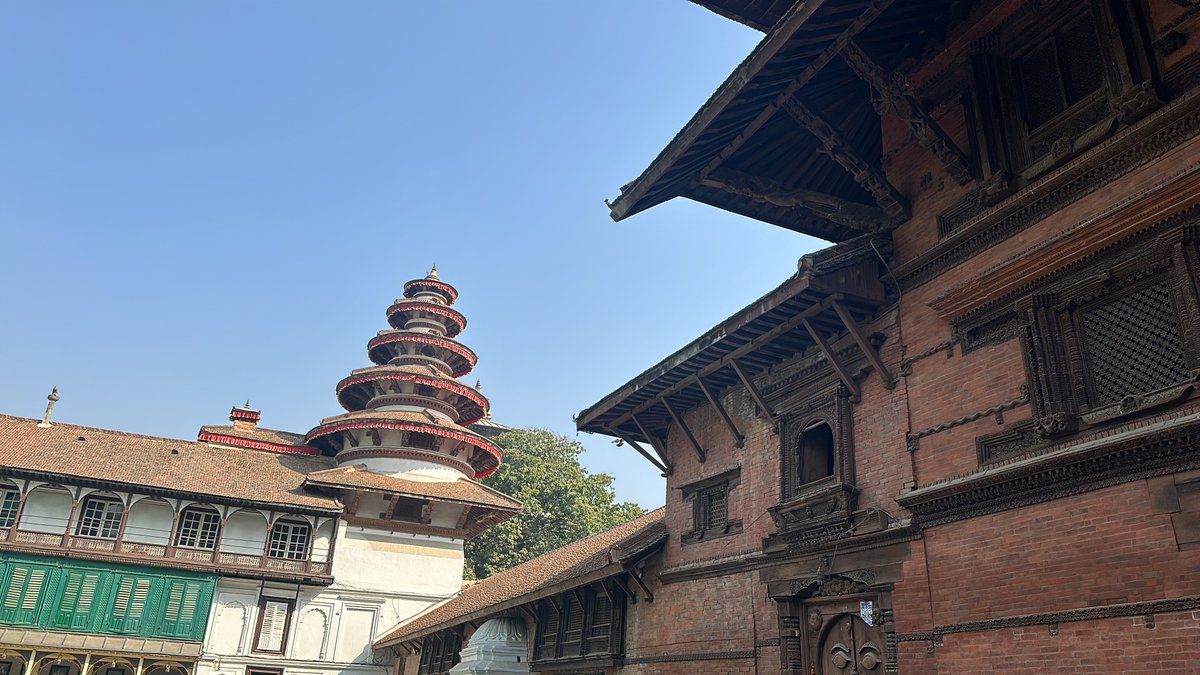
The Kathmandu Valley is home to three extraordinary Durbar Squares, each a masterpiece of Newar architecture and a living testament to Nepal's royal history. Kathmandu, Patan, and Bhaktapur Durbar Squares represent the heart of the three ancient kingdoms that once ruled the valley, each with its own palace, temples, courtyards, and artistic traditions. Together, they form one of the most concentrated collections of medieval and pre-medieval architecture in the world, all recognized as UNESCO World Heritage Sites. These squares are not museum pieces but living spaces where daily life, religious practice, and cultural festivals continue as they have for centuries. This guide explores each Durbar Square in detail, from must-see monuments to practical visiting tips, helping you plan an unforgettable cultural journey through Nepal's architectural crown jewels. Explore, Heal, Thrive.
What Are the Three Durbar Squares of Kathmandu Valley?
The three Durbar Squares (Durbar means "palace" in Nepali) are the royal palace complexes of the three Malla Kingdoms that ruled the Kathmandu Valley from the 12th to the 18th centuries. Kathmandu Durbar Square, in the heart of the capital, was the seat of the Kathmandu Kingdom and later the Gorkha dynasty. Patan Durbar Square, in the city of Lalitpur across the Bagmati River, was the capital of the Patan Kingdom, renowned for its fine arts and craftsmanship. Bhaktapur Durbar Square, in the best-preserved medieval city of Bhaktapur, was the third kingdom, famous for its pottery, woodcarving, and the towering Nyatapola Temple. Each square reflects the artistic patronage and political ambitions of its rulers, resulting in distinct architectural styles despite their shared Newar cultural foundation. The three squares can be visited in a single day with a guide, but 2 to 3 days allows proper exploration of each. The 7 UNESCO Wonders of Kathmandu (4-Day Tour) covers all three plus the other four UNESCO sites in the valley.
What Can You See at Kathmandu Durbar Square?
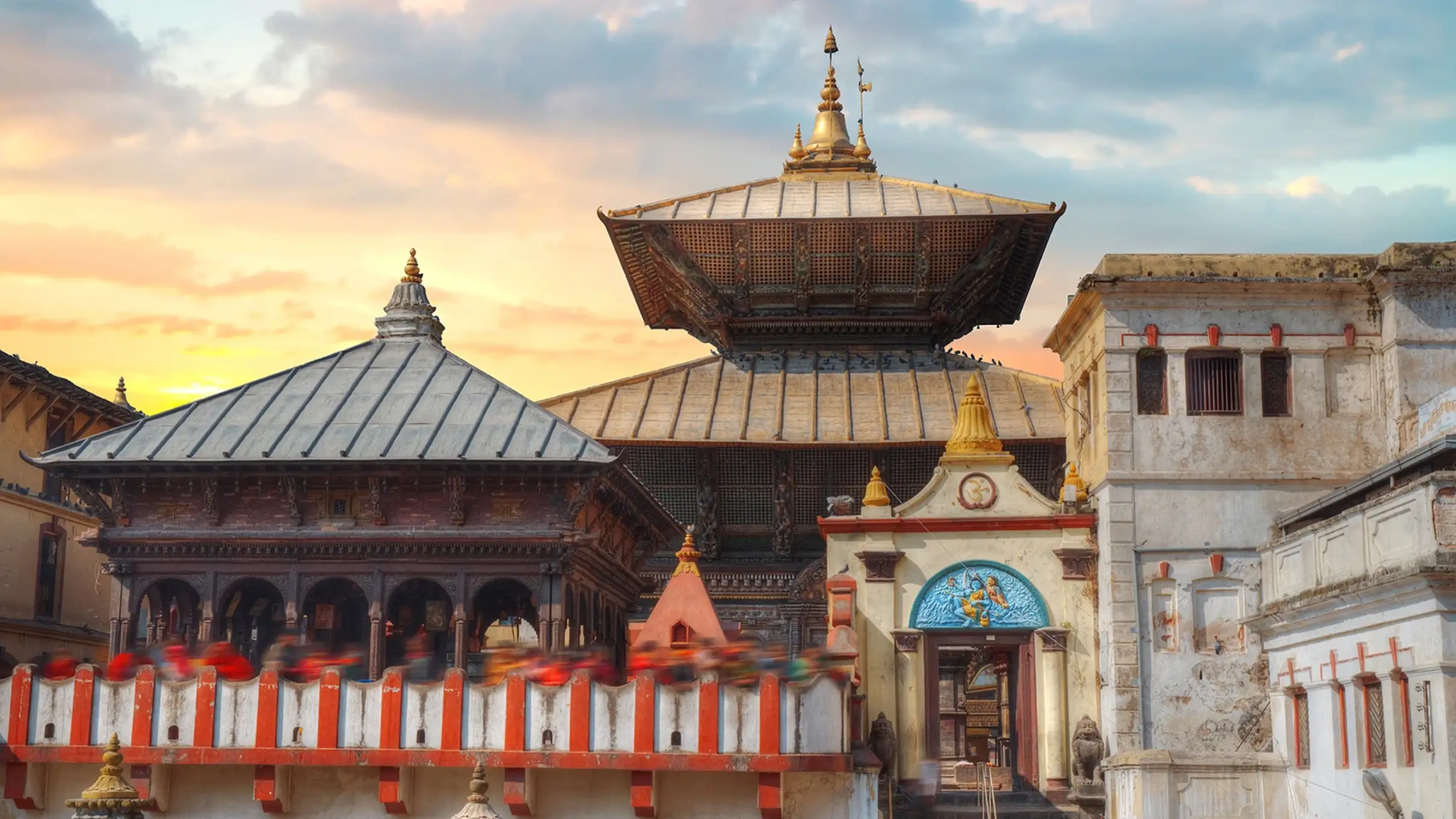
Kathmandu Durbar Square is the most accessible and busiest of the three, located in the old city center near Thamel. The square is dominated by the Hanuman Dhoka Palace, a complex of courtyards and buildings that served as the royal residence until the 19th century. Key monuments include the Taleju Temple, a towering pagoda dedicated to the goddess Taleju Bhawani (only open to Hindus during the Dashain festival), the Kal Bhairav statue (a massive stone image of the fearsome form of Shiva), and the Kumari Bahal, the residence of the Kumari, Nepal's living goddess. The Kumari, a young girl believed to be the incarnation of the goddess Taleju, occasionally appears at her window to bless visitors. The square also features the Nasal Chowk (coronation courtyard), the Basantapur Tower, and numerous smaller temples and shrines dedicated to various Hindu deities. The 2015 earthquake damaged several structures, including the Kasthamandap (the wooden pavilion that gave Kathmandu its name), but restoration efforts have preserved the square's essential character. The Kathmandu Day Tour of Landmarks includes Kathmandu Durbar Square alongside other key valley sites.
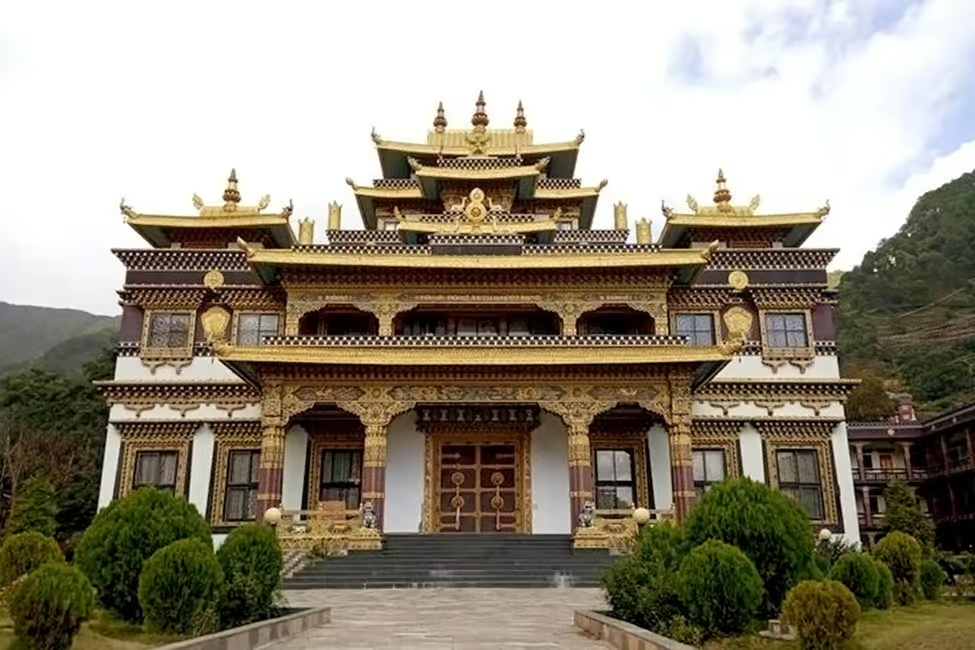
- Hanuman Dhoka Palace: The former royal palace with multiple courtyards, now partly a museum displaying Nepali royal history and artifacts.
- Kumari Bahal: The residence of the living goddess Kumari, a beautifully carved brick building with intricately latticed windows.
- Taleju Temple: The tallest temple in the square, a pagoda-style structure visible from many points in the old city.
- Kal Bhairav: A large stone relief of Bhairav, the fierce manifestation of Shiva, dating to the 5th or 6th century.
- Nasal Chowk: The coronation courtyard where Nepali kings were crowned, featuring a carved wooden door and the Nasal Palace.
- Basantapur Tower: A viewing tower offering panoramic views of the square and the old city rooftops.
Why Is Patan Durbar Square Considered the Most Artistic?
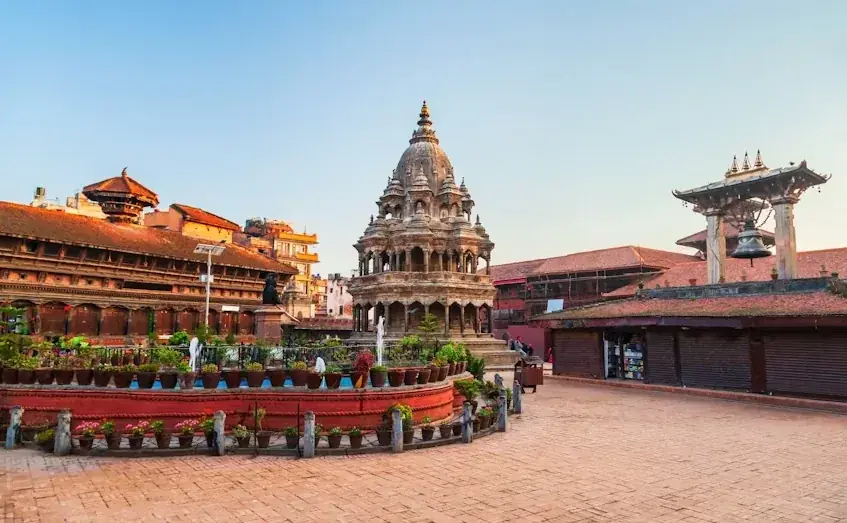
Patan Durbar Square, located in the city of Lalitpur just south of the Bagmati River, is widely regarded as the most artistically refined of the three squares. Patan was the center of Newar fine arts, and its kings were patrons of bronze casting, stone carving, and painting, traditions that continue today in the surrounding workshops and ateliers. The square centers on the Royal Palace of the Malla kings, a complex of interconnected courtyards including the Sundari Chowk (with its sunken royal bath), the Mul Chowk (the main ceremonial courtyard), and the Keshav Narayan Chowk (now housing the Patan Museum). The Patan Museum, set in a beautifully restored palace wing, is one of the finest museums in South Asia, displaying Newar sacred art, bronze sculptures, and tantric ritual objects with excellent interpretive displays. The square's most photographed monument is the Krishna Mandir, a 17th-century temple built entirely of stone in the Shikhara style, with carved scenes from the Mahabharata and Ramayana on its upper floors. Other notable structures include the Bhimsen Temple, the Vishwanath Temple, and the Jagannath Temple. Patan is less crowded than Kathmandu Durbar Square, making it ideal for unhurried exploration and photography.
What Makes Bhaktapur Durbar Square Unique?
Bhaktapur Durbar Square, in the medieval city of Bhaktapur about 15 kilometers east of Kathmandu, is the best-preserved and most atmospheric of the three squares. Bhaktapur was once the most powerful of the valley kingdoms, and its rulers invested heavily in monumental architecture. The square's centerpiece is the 55-Window Palace (Pachpanna Jhyale Durbar), a five-story structure with intricately carved wooden windows that is one of the finest examples of Newar woodcarving in existence. The Golden Gate (Lokhok Dwar), the entrance to the palace complex, is a gilded copper door depicting the goddess Kali and mythical creatures, considered the most beautiful piece of repousse metalwork in Nepal. The Nyatapola Temple, a five-story pagoda dedicated to the goddess Siddhi Lakshmi, is the tallest temple in the valley at 30 meters and one of the few major structures to survive the 2015 earthquake essentially intact. The Bhairavnath Temple, another pagoda, and the Dattatreya Temple, dedicated to a combined form of Brahma, Vishnu, and Shiva, are other highlights. Bhaktapur's car-free old town, pottery squares, and traditional Newari street life make it feel like a living medieval city. The Bhaktapur Day Tour offers a dedicated exploration of the city.
How Were the Durbar Squares Built and Why Do They Matter?
The three Durbar Squares were built primarily during the Malla period (12th to 18th centuries), though many structures incorporate elements from earlier Licchavi period (4th to 9th century) foundations. The Malla kings competed with each other to build the most magnificent temples and palaces, resulting in an architectural rivalry that pushed Newar craftsmanship to extraordinary heights. The Newar master builders developed a unique architectural style that blended Hindu and Buddhist elements, using brick, timber, stone, and copper in construction techniques passed through guilds of hereditary artisans. The pagoda-style temple, which Nepal claims to have invented and exported to China and Japan, reaches its finest expression in these squares. The squares also served as the political, religious, and social centers of their kingdoms: royal ceremonies, festivals, trade, and public gatherings all took place in these spaces. The 2015 Gorkha earthquake damaged all three squares, but international restoration efforts (supported by UNESCO and governments including China, the United States, and Japan) have rebuilt many structures. Visiting the squares today supports this ongoing preservation work and connects you to a living architectural tradition that spans over 800 years.
How Much Time Should You Spend at Each Durbar Square?
The ideal time allocation depends on your interest level, but a good framework is 2 hours at Kathmandu Durbar Square, 2 to 3 hours at Patan, and 3 to 4 hours at Bhaktapur. Kathmandu Durbar Square is compact and can be seen relatively quickly, though the Kumari appearance schedule (usually late morning or afternoon) may affect timing. Patan deserves extra time for the museum (allow 1 to 2 hours alone) and the surrounding craft workshops. Bhaktapur is the most expansive, with the main square plus additional areas including Taumadhi Square (home to the Nyatapola Temple), Dattatreya Square, and the pottery area. A full day in Bhaktapur lets you experience the city's slower pace, try local specialties like juju dhau (king curd), and watch artisans at work. The 5-Day Kathmandu Valley Tour provides ample time for all three squares plus the other UNESCO sites, while the Kathmandu Day Tour covers the essentials in one day for travelers with limited time.
What Are the Entrance Fees for Each Durbar Square?
Each Durbar Square charges a separate entrance fee for foreign visitors. Kathmandu Durbar Square costs NPR 1,000 (approximately USD 7.50) for foreigners, with SAARC nationals paying NPR 250. Patan Durbar Square charges NPR 1,000 for foreigners, which includes entrance to the Patan Museum (one of the best-value museum tickets in South Asia). Bhaktapur charges NPR 1,500 (approximately USD 11) for foreigners, the highest fee among the three, reflecting its status as a preserved medieval city. SAARC nationals pay NPR 500 for Bhaktapur. Indian nationals pay reduced rates at all three sites. If you plan to visit Bhaktapur on multiple days (to catch the Kumari appearance or a festival), you can get a multi-day pass at no extra charge by showing your ticket at the gate. All entrance fees contribute to monument preservation and restoration. If you are on a guided tour with Enticing Himalayas, entrance fees are typically included in the package price. The 3-Day Kathmandu Heritage Tour and other packages cover these fees.
What Festivals and Events Take Place at the Durbar Squares?
The Durbar Squares are not static monuments but active festival grounds where ancient celebrations continue throughout the year. During Indra Jatra (September), Kathmandu Durbar Square hosts the famous chariot procession of the Kumari, who is pulled through the streets in a towering wooden chariot accompanied by musicians, dancers, and masked performers representing various deities. Dashain (October) sees all three squares decorated with swing structures and special prayers at the Taleju temples. Tihar (November) illuminates the squares with oil lamps and rangoli designs. In Bhaktapur, Bisket Jatra (April, Nepali New Year) is the most spectacular festival, featuring a massive chariot-pulling contest and a tongue-piercing ceremony. Gai Jatra (August) brings a carnival-like atmosphere to all three cities with processions of cows (or people dressed as cows) commemorating the dead. Seto Machhindranath Jatra in Kathmandu and Rato Machhindranath Jatra in Patan feature months-long chariot festivals. If your visit coincides with any of these festivals, the experience is extraordinary, though crowds can be very large. The Sacred Valleys and Living Goddesses tour provides context for these traditions.
What Other Sites Should You Combine with the Durbar Squares?
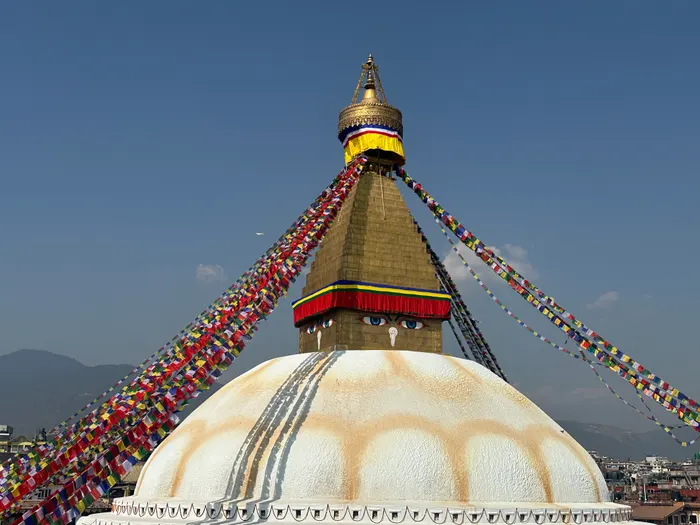
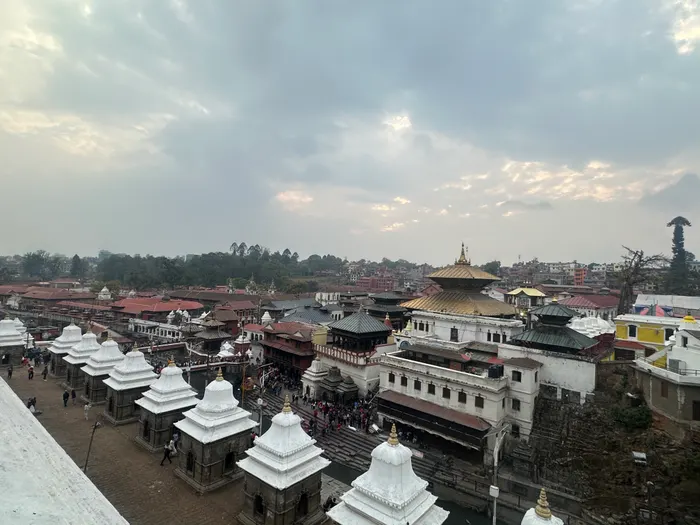
The three Durbar Squares are part of the seven UNESCO World Heritage Sites in the Kathmandu Valley, and combining them with the other four creates a complete cultural itinerary. Swayambhunath, the monkey temple on a hilltop west of the city, offers panoramic valley views and is easily paired with Kathmandu Durbar Square. Boudhanath, the giant stupa and center of Tibetan Buddhism, pairs well with Patan on a south valley itinerary. Pashupatinath, the most sacred Hindu temple, is best visited in the evening for the Aarati ceremony, which can be combined with a day tour of the squares. Changu Narayan, the oldest temple in the valley, is near Bhaktapur and can be added to a Bhaktapur day trip. Beyond the valley's cultural sites, a Mount Everest Scenic Flight provides a dramatic aerial perspective. For those wanting a spiritual dimension, the Kathmandu Spiritual Circuit (2 Days) combines Pashupatinath, Boudhanath, and Swayambhunath. The Golden Triangle Nepal Tour extends the cultural journey to Chitwan and Pokhara.

What Local Food Should You Try Near the Durbar Squares?
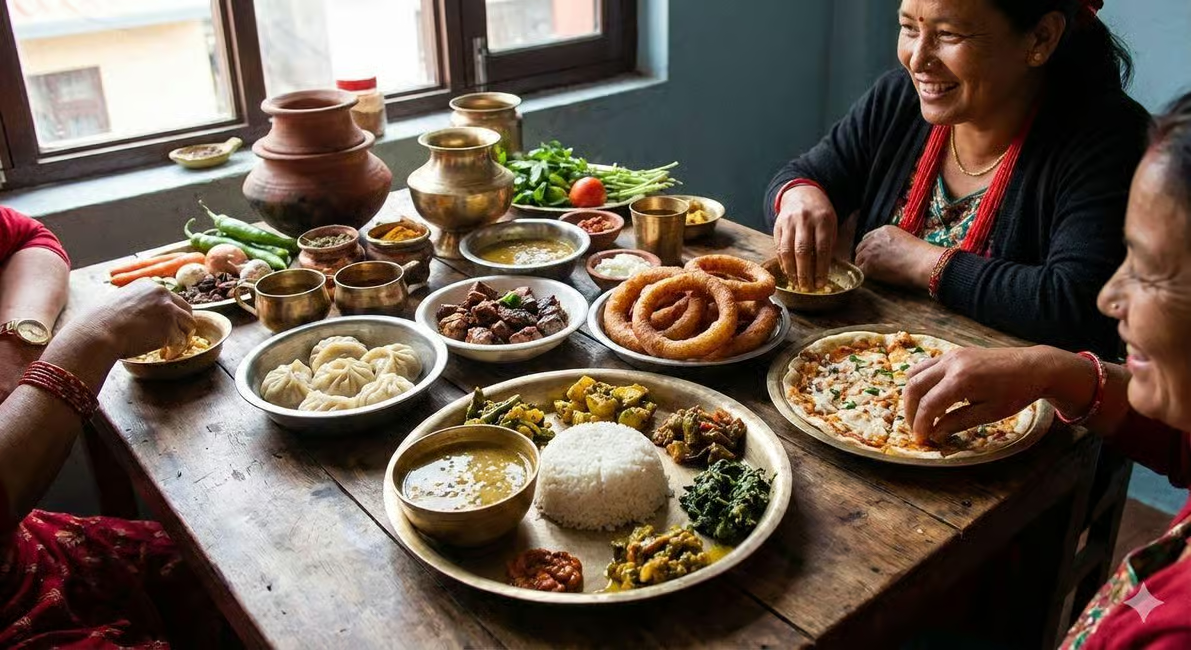
Each Durbar Square is surrounded by traditional Newari eateries and street food stalls offering distinctive local specialties. In Kathmandu Durbar Square, try Newari dishes like chatamari (a rice flour crepe topped with egg or meat), bara (fried lentil patties), and choela (spiced minced meat). The surrounding streets of the old city are known for lassi shops and sweet stalls. In Patan, the area around the square has several traditional Newari restaurants (bhattis) serving samay baji, a ceremonial platter of flattened rice, spiced potatoes, roasted meat, lentil cakes, and pickled vegetables. Patan is also known for its artisanal coffee scene, with small cafes tucked into restored Newar courtyards. In Bhaktapur, the must-try specialty is juju dhau (king curd), a thick, sweet yogurt served in clay pots that is famous throughout Nepal. Bhaktapur is also known for its crisp, thin samosas and local Newari feast restaurants. The Kathmandu and Chitwan Food and Culture Tour includes culinary exploration alongside cultural sightseeing. Always eat at busy stalls with high turnover for freshness, and stick to cooked items if you have a sensitive stomach.
Can You Visit All Three Durbar Squares in One Day?
Yes, it is possible to visit all three Durbar Squares in a single day, though it requires an early start and private transportation. A typical itinerary begins at Kathmandu Durbar Square at 8:00 AM, moves to Patan Durbar Square by 10:00 AM (including 1 hour for the museum), then drives to Bhaktapur for the afternoon, allowing 2 to 3 hours there before returning to Kathmandu. This whirlwind approach covers the highlights but does not allow time for deeper exploration, museum visits, or the surrounding neighborhoods. For a more rewarding experience, spread the visit over 2 days: Kathmandu and Patan on day one, Bhaktapur on day two. The Sacred Kathmandu Heritage Tour and Kathmandu and Nagarkot Heritage Experience provide structured itineraries. If you only have time for one square, choose Bhaktapur for its preserved medieval atmosphere and lower crowds, or Patan for its artistic refinement and excellent museum.

How Did the 2015 Earthquake Affect the Durbar Squares?
The April 2015 Gorkha earthquake (magnitude 7.8) caused significant damage to all three Durbar Squares. In Kathmandu Durbar Square, several temples collapsed, including the Kasthamandap (the wooden pavilion that gave the city its name), the Trailokya Mohan Narayan Temple, and the Maju Dega Temple. In Patan, the Char Narayan Temple and Hari Shankar Temple were severely damaged. Bhaktapur fared relatively better, with the Nyatapola Temple and most major structures surviving, though smaller temples and residential buildings in the surrounding streets suffered. International restoration efforts, supported by UNESCO, the governments of China, the United States, and Japan, and local craftspeople, have been ongoing since 2015. Many structures have already been rebuilt or stabilized, though some sites remain under reconstruction. The restoration process itself is remarkable to witness, as traditional Newar artisans use the same techniques their ancestors used to create the original buildings. Visiting the squares today, you will see a mix of fully restored monuments, ongoing reconstruction, and some empty plinths where former temples once stood, a visible reminder of both the fragility and resilience of Nepal's architectural heritage.
Frequently Asked Questions About the Durbar Squares of Kathmandu
Which Durbar Square is the best to visit?
Each has its own character. Bhaktapur is the most atmospheric and best-preserved, ideal for a slower, immersive experience. Patan is the most artistic, with the finest museum and craft traditions. Kathmandu is the most accessible and historically significant, with the Kumari and royal palace. If time allows, visit all three; if only one, Bhaktapur offers the most complete medieval experience.
Are the Durbar Squares open every day?
Yes, all three Durbar Squares are open daily from early morning to evening. Kathmandu Durbar Square is open from 7:00 AM to 6:00 PM. Patan is open from 7:00 AM to 6:00 PM, with the museum open from 10:30 AM to 4:30 PM (closed on Tuesdays). Bhaktapur is open from 7:00 AM to 7:00 PM. The squares are accessible outside these hours, but the entrance fee checkpoints operate during these times.
Can you see the living goddess (Kumari) at Kathmandu Durbar Square?
p itemprop="text" style="text-align:justify;line-height:1.8">Yes, the Kumari occasionally appears at the window of the Kumari Bahal in Kathmandu Durbar Square. There is no fixed schedule, but she typically appears in the late morning or afternoon. Photography of the Kumari is strictly prohibited. During the Indra Jatra festival in September, the Kumari is paraded through the streets in a chariot, which is the best time to see her.How do I get between the three Durbar Squares?
Kathmandu and Patan are about 6 kilometers apart, a 20-minute taxi ride across the Bagmati River. Bhaktapur is 15 kilometers east of Kathmandu, about a 45-minute drive. Private transportation through a tour operator is the most efficient way to visit all three. Public buses run between the cities but are slow and crowded. Most Enticing Himalayas packages include private vehicles for cultural tours.
Is photography allowed inside the Durbar Squares?
Yes, photography is allowed in the open areas of all three squares. Some interior spaces, particularly inside the palaces, museums, and certain temples, may have photography restrictions. Always look for signage or ask your guide. Drone photography is restricted and requires special permits. The Kumari may never be photographed.
What should I wear when visiting the Durbar Squares?
Dress modestly, covering shoulders and knees, as the squares contain active temples. Comfortable walking shoes are essential because the stone paving can be uneven and slippery. A hat and sunscreen are recommended for the open areas, and a light jacket for morning and evening visits. Remove shoes before entering any temple interior.