Yoga and Trekking Retreats in Nepal 2026/27: Heal Your Body, Explore the Himalayas
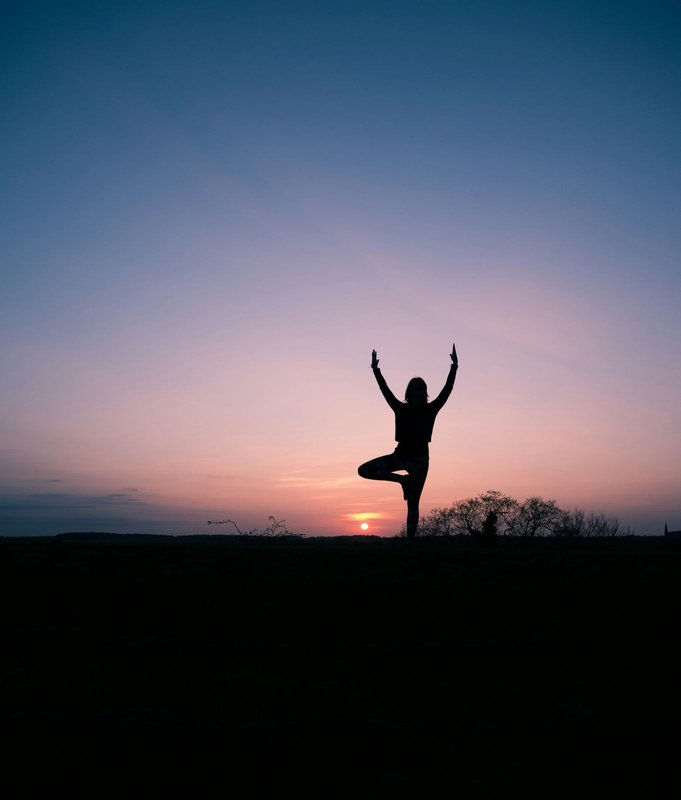
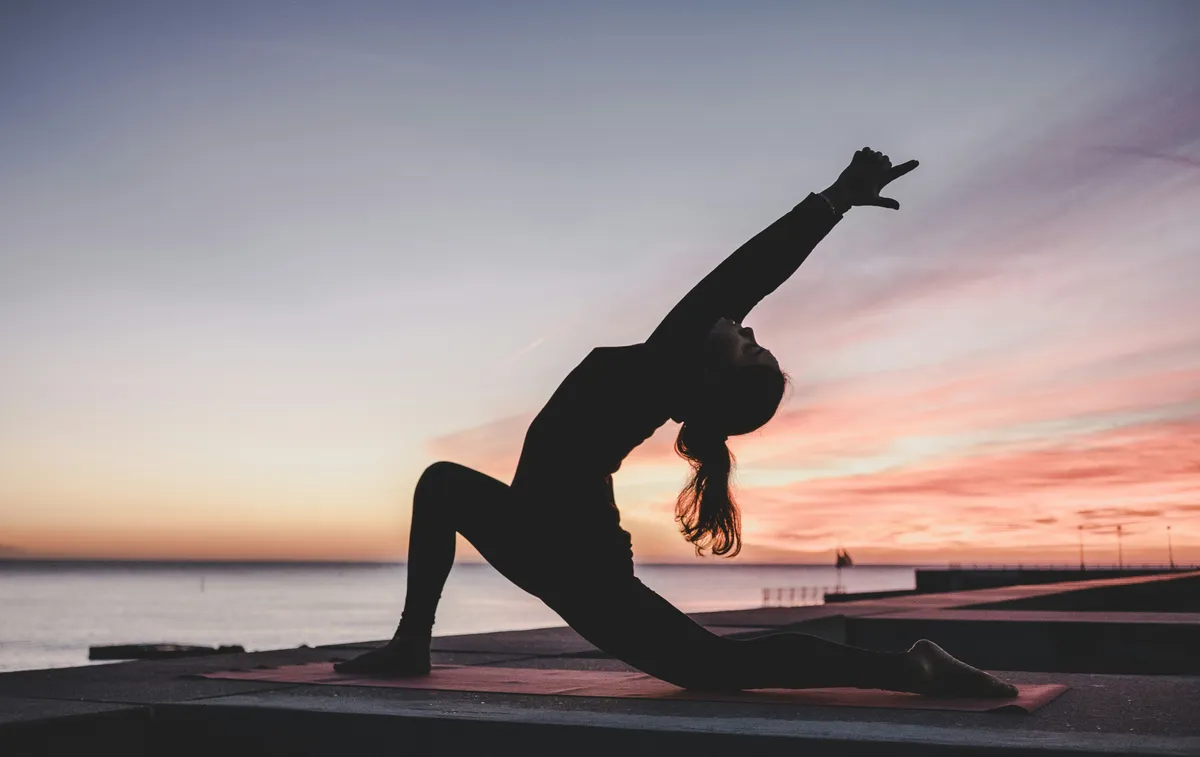
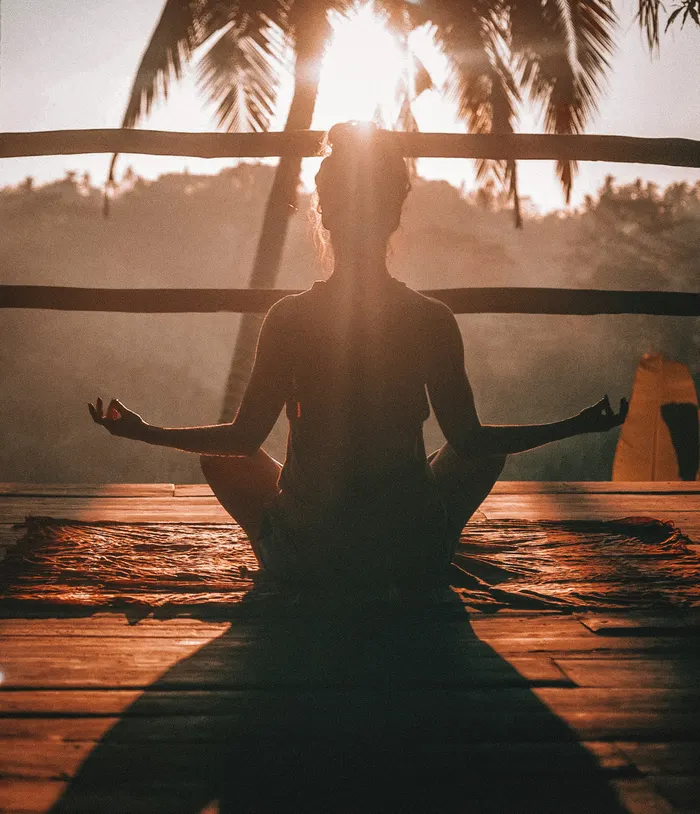
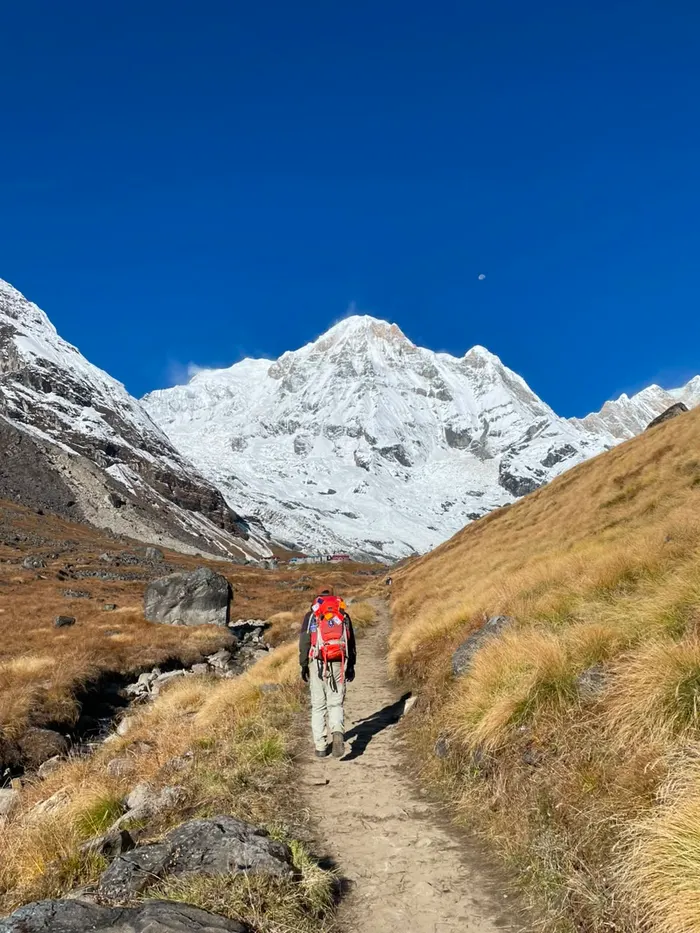
Imagine waking up to the sound of a Himalayan river, rolling out your mat as the first sunlight hits Annapurna, and spending your morning in a guided yoga session before lacing up your boots for a day on the trail. This is not a fantasy - it is the reality of a yoga and trekking retreat in Nepal, one of the fastest-growing wellness travel trends in the world.
Nepal has always been a magnet for trekkers. But in recent years, a new kind of traveler has emerged: the seeker who wants more than just a summit. They want the physical challenge of the trail AND the inner stillness of the mat. They want to push their body up to 4,000 meters and then release every muscle in a sunset yoga session. They want to heal and explore in equal measure.
This guide covers everything you need to know about yoga and trekking retreats in Nepal for 2026 and 2027: the best retreat centers, the most rewarding trek-yoga combos, what a typical day looks like, how much it costs, and how to choose the right program for your fitness level and spiritual goals.
Why Combine Yoga and Trekking in Nepal?
On the surface, yoga and trekking seem like opposites. One is slow, inward, and restorative. The other is fast, outward, and demanding. But in practice, they are two sides of the same coin - and Nepal is the place where they fit together perfectly.
Yoga prepares your body for the trail. The hip openers, hamstring stretches, and core-strengthening poses you practice in the morning directly improve your trekking performance. Tight hips from hours of uphill climbing? A 20-minute yin session at the teahouse fixes that. Stiff shoulders from carrying a daypack? Downward dog and thread-the-needle release the tension before it becomes pain.
Trekking deepens your yoga practice. There is a reason the ancient yogis went to the mountains. The thin air, the silence, the sheer scale of the landscape - it strips away distraction and forces you inward. Pranayama (breathwork) takes on new meaning at 3,800 meters when every inhale is thinner. Meditation feels different when your backdrop is the Annapurna massif rather than a studio wall.
Nepal is the birthplace of both traditions. Yoga originated in the Himalayan foothills, and Nepal's own spiritual heritage - Buddhist monasteries, Hindu temples, shamanic healing traditions - infuses every retreat with an authenticity you cannot replicate in Bali or Costa Rica. When you do sun salutations facing Machapuchare, you are practicing in the shadow of a mountain considered sacred by both Hindus and Buddhists.
Top Yoga and Trekking Retreat Destinations in Nepal
1. Gosaikunda: The Sacred Lake Yoga Trek
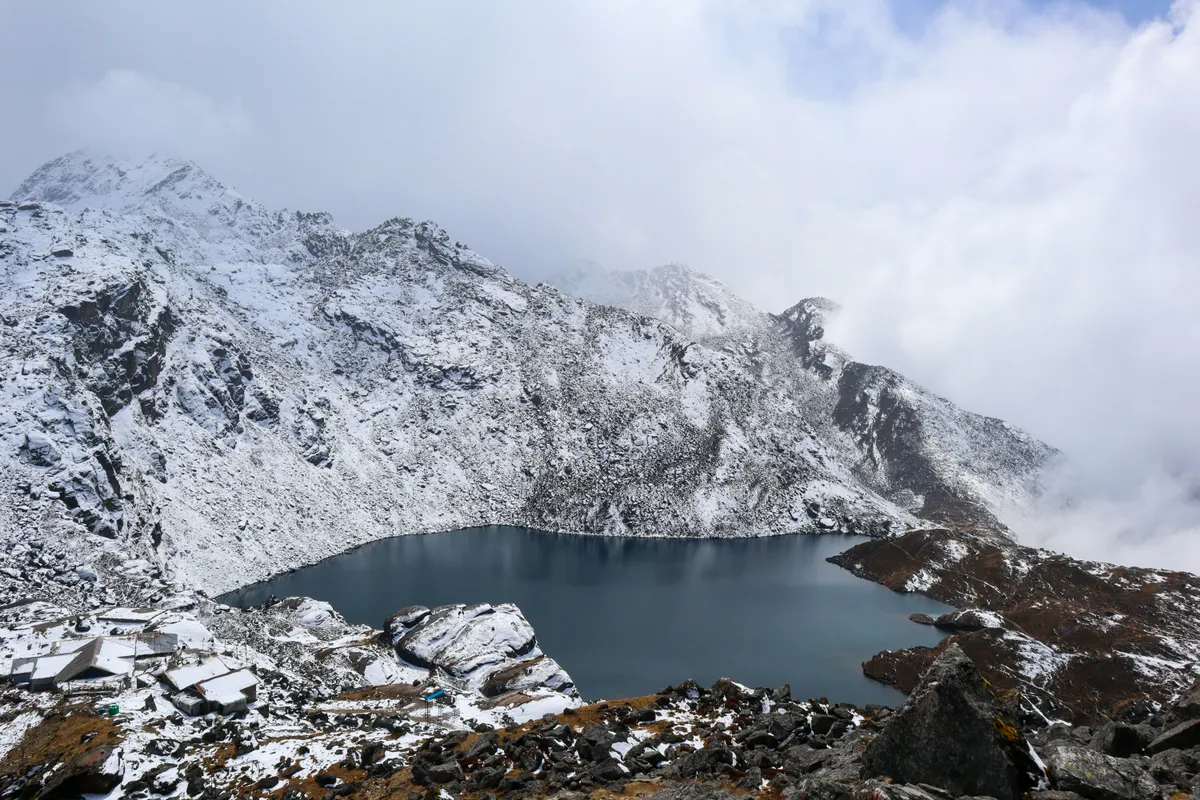
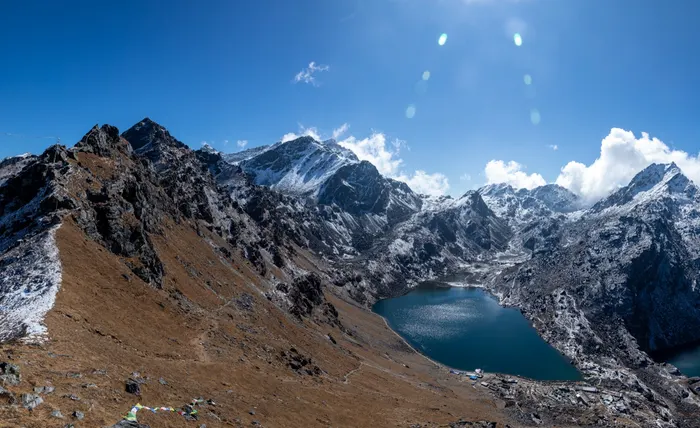
The Gosaikunda region, inside Langtang National Park, is Nepal's premier yoga-trekking destination. The trail climbs through rhododendron forests and Tamang villages to a chain of alpine lakes at 4,380 meters, considered the abode of Lord Shiva. The Gosaikunda Sacred Lakes Trek and Yoga Retreat is a 5-day program that combines daily morning yoga with guided trekking, ending at the holy lake itself. The high-altitude setting makes every asana feel more intense - and more rewarding.
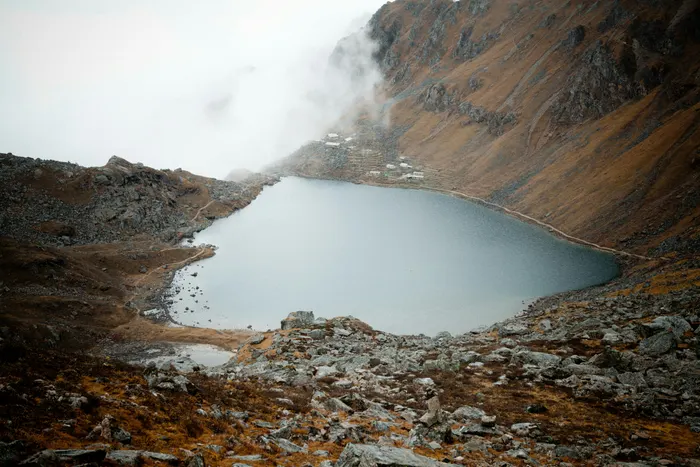
The Gosaikunda yoga trek typically includes 60-90 minutes of Hatha or Vinyasa yoga each morning before breakfast, followed by 4-6 hours of trekking. Evenings feature restorative yoga, meditation, and sometimes sound healing with Tibetan singing bowls. The teahouses along the route are basic but comfortable, and the views of Langtang Lirung (7,227m) are unforgettable.
2. Pokhara: Lakeside Yoga and Annapurna Day Hikes
Pokhara is Nepal's wellness capital, and for good reason. The city sits beside Pjhewa Lake with the Annapurna range reflected in its still waters. Dozens of yoga studios and retreat centers line the Lakeside district, and the surrounding hills offer world-class day hikes that do not require multi-day commitment.
The Pokhara Yoga Wellness Healing Retreat is a 4-day program that pairs morning yoga and meditation with afternoon hikes to the World Peace Pagoda, Sarangkot viewpoint, and the forests above the lake. It is ideal for beginners or travelers who want the yoga-trek experience without the altitude or multi-day logistics. For a deeper dive, the 9-Day Luxury Yoga Wellness Himalayan Escape extends the Pokhara experience with guided treks into the Annapurna foothills, spa treatments, and private yoga instruction.
3. Kathmandu Valley: Spiritual Circuit and Yoga Immersion
For travelers short on time, the Kathmandu Valley offers a compact but powerful yoga-trekking experience. The 5-Day Yoga Retreat with Hiking in Nepal combines daily yoga sessions at a valley retreat center with guided hikes to Namobuddha Monastery, Champa Devi hill, and the forested trails around Shivapuri National Park. You get the physical benefits of trekking without leaving the valley, plus access to Kathmandu's incredible spiritual sites - Boudhanath Stupa, Swayambhunath, and Pashupatinath Temple - for evening meditation and cultural immersion.

The 7-Day Yoga Retreat with Sightseeing in Nepal expands on this with two additional days of cultural exploration, including visits to Bhaktapur Durbar Square and the hilltop monastery of Namobuddha, where you can meditate alongside Buddhist monks.

4. Langtang Valley: High-Altitude Yoga Amid Glaciers
The Langtang Valley trek is one of Nepal's most underrated routes, and it pairs beautifully with yoga. The Langtang Gosaikunda Lake Trek is a longer, more challenging program that takes you deep into the valley of glaciers, past Tamang villages, and up to the sacred lakes. Yoga sessions are held at teahouses along the route, with the highlight being a sunrise session at Kyanjin Gompa (3,870m), surrounded by 7,000-meter peaks. This is for experienced trekkers who want a physically demanding journey with a strong spiritual component.
What a Typical Day Looks Like
Every retreat structures its days differently, but the rhythm of a yoga-trekking day in Nepal generally follows this pattern:
- 6:00 AM - Wake-up and tea. Ginger-lemon-honey tea is the universal Nepali trekking wake-up call. It warms the body and settles the stomach before practice.
- 6:30-8:00 AM - Morning yoga. A 60-90 minute session, usually Hatha or Vinyasa flow, adapted to the altitude. The focus is on warming up the body, opening the hips and shoulders, and setting an intention for the day's trek. Pranayama (breathwork) is emphasized at higher altitudes to help with acclimatization.
- 8:00-8:30 AM - Breakfast. Typically dal bhat (lentil soup with rice), Tibetan bread with honey, porridge, or eggs. Hearty, simple, and fuel for the trail.
- 8:30 AM-3:00 PM - Trekking. 4-6 hours on the trail with breaks for tea, lunch, and photos. The pace is steady, not rushed. Guides are trained to watch for altitude symptoms and adjust accordingly.
- 3:00-4:00 PM - Arrival and rest. Check into the teahouse, change, and rest. Some retreats offer a short afternoon meditation or journaling session.
- 4:30-5:30 PM - Evening yoga. A gentler session focused on restoration: yin yoga, guided relaxation, or yoga nidra. This is where the real healing happens - releasing the day's exertion so you wake up fresh for tomorrow.
- 6:00 PM - Dinner. Communal dining with the group. Many retreats encourage mindful eating and digital detox during meals.
- 7:30 PM - Evening activity. This varies: sound healing with singing bowls, a talk on Buddhist philosophy, a guided meditation, or simply stargazing. By 9:00 PM, most people are asleep - the mountain air and physical exertion make for deep, restorative sleep.
How to Choose the Right Yoga-Trekking Retreat
Not all yoga-trekking retreats are created equal. Here is how to find the one that matches your body, your budget, and your goals.
By Fitness Level
Beginner: If you are new to both yoga and trekking, start with a Kathmandu Valley or Pokhara-based program. The 3-Day Yoga Sound Healing Retreat in Kathmandu is a gentle introduction that pairs restorative yoga with short, easy hikes. The Pokhara Yoga Wellness Retreat is another excellent entry point - the hikes are day trips, so you return to a comfortable hotel each night.

Intermediate: If you have some trekking experience and a regular yoga practice, the Gosaikunda Yoga Trek or the 5-Day Yoga Retreat with Hiking will challenge you without overwhelming you. Expect 4-5 hours of trekking per day at moderate altitude (2,500-3,800m).
Advanced: The Langtang Gosaikunda Lake Trek is the most demanding yoga-trekking program in Nepal. You will trek 5-7 hours per day, sleep above 3,800 meters, and practice yoga in thin air. This is for experienced trekkers with a strong yoga foundation who want the full Himalayan immersion.
By Duration
- 3-4 days: Perfect for a long weekend. The 3-Day Sound Healing Retreat and 4-Day Pokhara Retreat fit this window.
- 5-7 days: The sweet spot for most travelers. Enough time to settle into a rhythm, complete a meaningful trek, and feel genuine transformation. The 5-Day Yoga Hiking Retreat and 7-Day Yoga Sightseeing Retreat are the best options here.
- 9+ days: For the committed seeker. The 9-Day Luxury Yoga Wellness Escape gives you time to go deep - multiple trekking days, advanced yoga instruction, spa treatments, and cultural immersion.
By Budget
Yoga-trekking retreats in Nepal span a wide price range:
- Budget ($50-100/day): Teahouse-based programs like the Gosaikunda Yoga Trek. Accommodation is basic but clean, meals are simple and nourishing, and the yoga is taught by local instructors. The experience is authentic and immersive.
- Mid-range ($100-200/day): Programs like the 5-Day Yoga Retreat with Hiking. You get better accommodation (guesthouses or 3-star hotels), more experienced instructors, and additional activities like sound healing or cooking classes.
- Luxury ($200-400/day): The 9-Day Luxury Yoga Wellness Escape. Premium lodges, private yoga instruction, spa treatments, gourmet meals, and curated cultural experiences. This is the option for travelers who want transformation without sacrificing comfort.
What to Pack for a Yoga-Trekking Retreat
Packing for a yoga-trekking retreat requires balancing two different gear lists. Here is what you actually need:
- Yoga mat: Most retreats provide mats, but if you have a preferred travel mat, bring it. A lightweight, foldable travel mat (1-2mm thick) is ideal - it packs small and can double as an extra sleeping pad.
- Yoga clothes: Two sets of lightweight, moisture-wicking yoga clothes. They double as base layers on cold trekking days. Avoid cotton - it stays wet and chafes.
- Trekking clothes: The standard trekking layering system: moisture-wicking base layer, insulating mid-layer (fleece or down), waterproof/windproof outer shell. Two pairs of trekking pants, 3-4 pairs of wool socks.
- Trekking boots: Broken-in, waterproof, with good ankle support. Do not bring new boots to Nepal.
- Meditation shawl or blanket: For early morning and evening sessions when temperatures drop. A large pashmina works perfectly.
- Journal and pen: Many retreats include guided journaling. Even if they do not, you will want to capture the insights that arise at altitude.
- Reusable water bottle with filter: Single-use plastic bottles are banned in many trekking regions. A bottle with a built-in filter (like a LifeStraw or Grayl) lets you drink safely from taps and streams.
- Headlamp: For navigating teahouses after dark and for early morning yoga when the sun has not yet risen.
Health and Safety on a Yoga-Trekking Retreat
Altitude and Yoga
Practicing yoga at altitude is different from practicing at sea level. Your heart rate is naturally higher, your breath is shallower, and your body is working harder just to maintain baseline oxygen levels. Good retreats account for this: morning sessions are gentler at higher altitudes, inversions are avoided above 3,500 meters (they can trigger altitude sickness in susceptible individuals), and pranayama is emphasized over vigorous asana.
If you have never been to altitude before, choose a retreat that stays below 3,000 meters for your first experience. The Pokhara and Kathmandu Valley programs are ideal. If you are set on Gosaikunda or Langtang, arrive in Nepal at least 2-3 days before the trek starts to acclimatize in Kathmandu (1,400m).
Travel Insurance
Standard travel insurance often excludes yoga retreats and trekking above certain altitudes. Look for a policy that specifically covers:
- Trekking up to your program's maximum altitude (usually 4,000-5,000m)
- Helicopter evacuation (essential - road access is limited in trekking regions)
- Yoga and wellness activities (some insurers classify these as "hazardous")
Food and Water
Most yoga-trekking retreats serve vegetarian or vegan food, which aligns with yogic principles and is safer in remote areas (meat can spoil without refrigeration). Dal bhat - Nepal's national dish of lentil soup, rice, and vegetable curry - is the perfect trekking fuel: high in protein, complex carbohydrates, and electrolytes. It is also unlimited at most teahouses (free refills), so you will never go hungry.
Always drink treated water. Teahouses sell boiled or filtered water, and your guide will point out safe water stations along the trail. Avoid raw salads and unpeeled fruit in remote areas - stick to cooked food and fruit you peel yourself (bananas and oranges are widely available).
The Spiritual Dimension: More Than Just Exercise
What separates a yoga-trekking retreat in Nepal from a regular trekking trip is the spiritual container. You are not just walking through the mountains - you are walking through them with intention. Each day begins with a sankalpa (intention) set during morning yoga. Each evening closes with reflection and gratitude. The trail itself becomes a moving meditation.
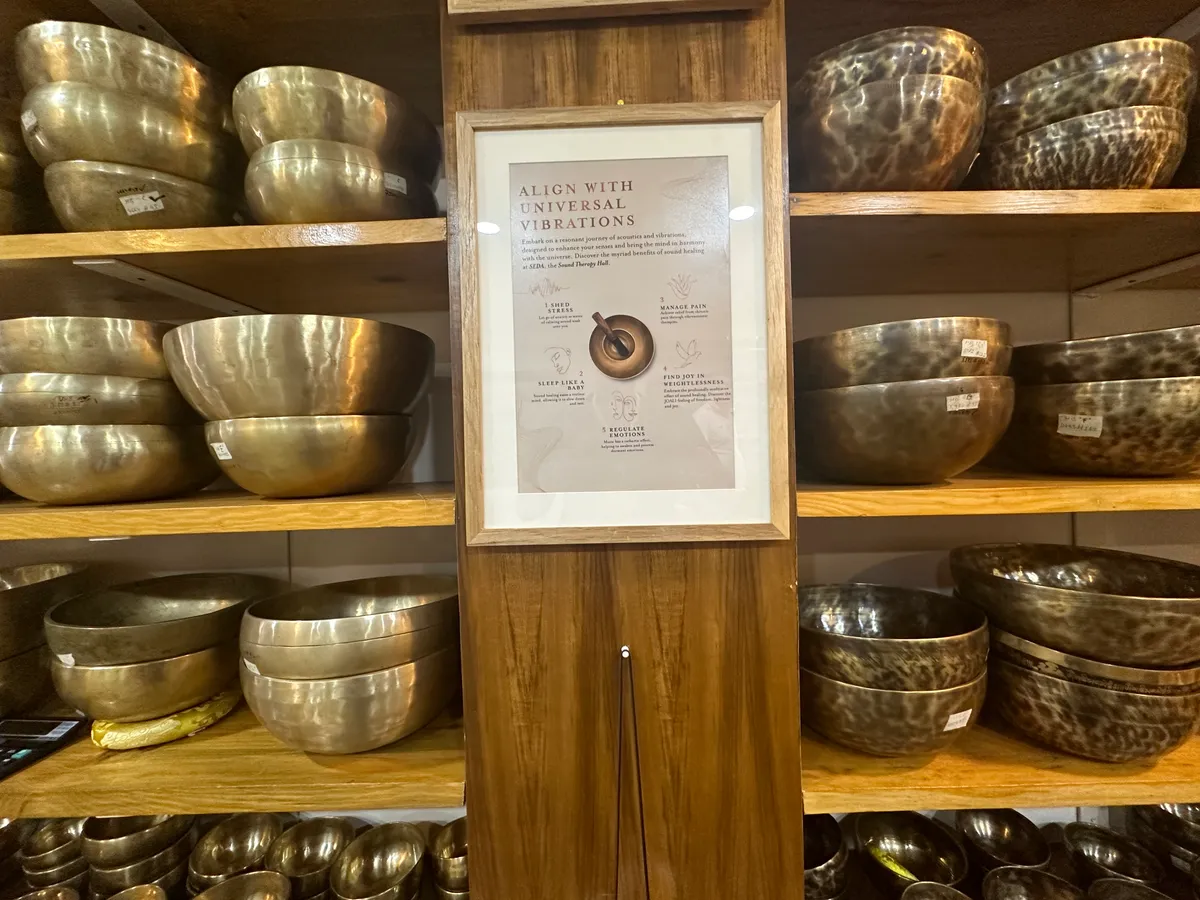
Many retreats incorporate elements of Nepal's living spiritual traditions: a puja (blessing ceremony) at a Buddhist monastery, a visit to a Hindu temple, a session with a traditional healer or sound therapist. The 3-Day Sound Healing Retreat is particularly strong on this front, with daily singing bowl therapy and mantra chanting led by Nepali practitioners who learned the craft from their grandparents.
For travelers seeking a deeper dive into meditation, the 6-Day Yoga Stress Management Retreat includes guided Vipassana-style sitting meditation, walking meditation on forest trails, and workshops on integrating mindfulness into daily life - skills you will take home long after the trek ends.

Best Time for a Yoga-Trekking Retreat in Nepal
The trekking seasons in Nepal are well-defined, and yoga retreats follow the same calendar:
October-November (post-monsoon): The absolute best time. Clear skies, stable weather, crisp mountain air, and the trails are at their most beautiful - lush and green from the monsoon, with snow-capped peaks visible every day. This is also festival season (Dashain and Tihar), adding a cultural dimension to your retreat. Book 3-4 months in advance - this is peak season.
March-May (pre-monsoon): The second-best window. Warmer temperatures, blooming rhododendrons (the national flower of Nepal), and longer daylight hours. The air can be hazy in the lowlands, but mountain views are still excellent above 3,000 meters. May can be hot in the valleys, so choose a higher-altitude program like Gosaikunda or Langtang.
December-February (winter): Possible but cold. High-altitude programs (Gosaikunda, Langtang) may be inaccessible due to snow. Stick to lower-altitude retreats in Pokhara or the Kathmandu Valley. The upside: empty trails, crystal-clear skies, and lower prices.
June-September (monsoon): Not recommended for trekking-heavy programs. The rain makes trails slippery, leeches are common in the lowlands, and mountain views are often obscured. However, yoga-only retreats in Pokhara and Kathmandu run year-round, and the monsoon has its own beauty - the valleys turn impossibly green, and the rain creates a meditative atmosphere perfect for indoor practice.
How to Book Your Yoga-Trekking Retreat
Booking a yoga-trekking retreat in Nepal is straightforward, but there are a few things to check before you commit:
- Instructor qualifications: Ask about the yoga instructor's training and experience. A 200-hour Yoga Alliance certification is the minimum standard. For trekking guides, look for government-licensed guides with wilderness first aid training.
- Group size: Smaller groups (4-10 people) mean more individual attention and a more intimate experience. Large groups (15+) can feel like a tour bus with yoga mats.
- Inclusions: What is actually included in the price? Most retreats cover accommodation, meals, yoga instruction, and guide services. Check whether permits (TIMS card, national park fees), transportation to the trailhead, and equipment (sleeping bags, trekking poles) are included or extra.
- Reviews: Look for recent reviews from travelers with similar fitness levels and goals. A retreat that was perfect for a 25-year-old yoga teacher may not suit a 55-year-old first-time trekker.
- Cancellation policy: Nepal's trekking seasons are short, and good retreats fill up. Understand the cancellation and refund policy before you pay - especially important given the unpredictability of international travel.
For a curated selection of the best yoga and trekking retreats in Nepal, browse the Enticing Himalayas packages page or contact our team for a personalized recommendation. We have been organizing transformative journeys in the Himalayas since 2016 and know every trail, every teahouse, and every yoga teacher worth practicing with.
Why Choose Enticing Himalayas for Your Yoga-Trekking Retreat
Enticing Himalayas is not a generic tour operator. We are a locally rooted trekking agency with deep connections to Nepal's wellness community. Our yoga-trekking retreats are designed in partnership with certified Nepali yoga instructors who understand both the physical demands of high-altitude trekking and the spiritual traditions of the Himalayas.
Every retreat we offer includes:
- Government-licensed, English-speaking trekking guides with wilderness first aid certification
- Certified yoga instructors (200-hour RYT minimum, many with 500-hour or specialized training)
- All necessary trekking permits (TIMS, national park entry)
- Teahouse or hotel accommodation with meals
- Airport transfers and transportation to/from the trailhead
- 24/7 emergency support and helicopter evacuation coordination
We also believe in responsible tourism. Our retreats employ local guides and porters at fair wages, use teahouses owned by local families, and follow Leave No Trace principles on every trail. When you book with us, your money stays in the communities you visit.