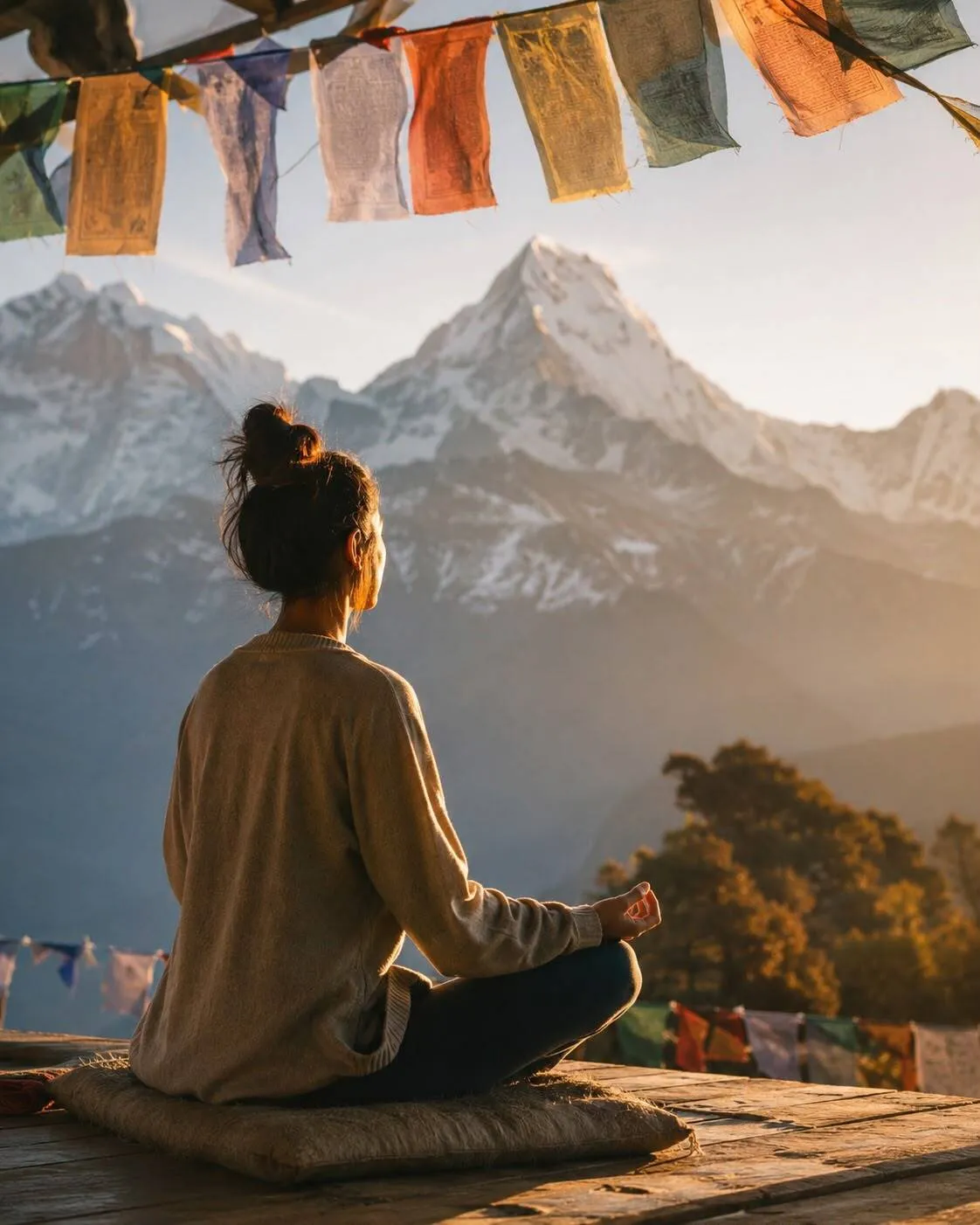
 Meditation Retreats in Nepal: Kopan, Vipassana, Osho and Monastery Stays
Nepal is one of the world's great meditation destinations. It is the birthplace of the Buddha, the home of thousands of monasteries, and a country where contemplative practice is woven into daily life rather than treated as a weekend wellness add-on. For anyone serious about deepening their meditation practice, or simply curious about what silence and sustained attention can reveal, a meditation retreat in Nepal offers an environment that is hard to replicate anywhere else.
This guide covers the four main types of meditation retreat available in Nepal: Tibetan Buddhist courses at Kopan Monastery, Vipassana ten-day courses, Osho active meditation programs, and monastery stays where you live alongside monks and nuns. We review what each format entails, what it costs, what a typical day looks like, and how to book. Whether you are a first-timer or a seasoned practitioner, you will find a path that fits.
Why Nepal for a Meditation Retreat
Meditation in Nepal is not a recent import. The country sits on the historical fault line where Indian yogic traditions met Tibetan Buddhism, and the result is a living culture of contemplation that spans monasteries, caves, and forest hermitages. When you sit in meditation at a Nepali monastery, you are joining a lineage that stretches back centuries. The physical environment reinforces the practice: thin mountain air that demands slower breathing, silence that is genuinely silent, and a pace of life that has not been accelerated by the demands of modern productivity.
Cost is another factor. A ten-day Vipassana course in Nepal is run entirely on donation. A month-long meditation course at Kopan Monastery costs less than a weekend workshop in Europe or North America. And the cultural context, the chance to speak with monks, to circumambulate ancient stupas, to hear dharma talks from teachers who have spent decades in retreat, adds a dimension that no app or urban meditation studio can provide. For a broader look at how meditation fits into Nepal's spiritual landscape, see our guide to spiritual wellness travel in Nepal. If you are building a full spiritual itinerary, our spiritual tour in Nepal 2026 guide maps out a complete two-week circuit, and the Lumbini pilgrimage guide covers the Buddha's birthplace in detail. For festival timing, the major festivals of Nepal calendar helps you align your retreat with auspicious dates.

Types of Meditation Retreats in Nepal
Tibetan Buddhist Retreats (Kopan Monastery and Others)
Tibetan Buddhist meditation retreats are the most accessible and popular format in Nepal. They blend sitting meditation with teachings on Buddhist philosophy, visualization practices, and devotional rituals. The most famous center is Kopan Monastery, perched on a hill above Kathmandu, which has been running month-long meditation courses since the 1970s. Kopan's November course is legendary: a full month of intensive study and practice that draws students from around the world. Shorter 7-day and 10-day retreats are also offered throughout the year.
The daily schedule at Kopan is rigorous but sustainable. Mornings begin with meditation at 5:30 AM, followed by teachings, discussion groups, and more meditation sessions through the day. Meals are simple vegetarian fare, eaten in silence. Accommodation is basic: dormitory rooms with shared bathrooms. The atmosphere is one of gentle discipline, and the teachers, mostly Western monastics who trained under Kopan's founder Lama Yeshe, are skilled at making Tibetan Buddhist concepts accessible to a modern audience. A 7-day retreat costs approximately USD 150 to USD 300, while the month-long course is around USD 600 to USD 900, including meals and accommodation.
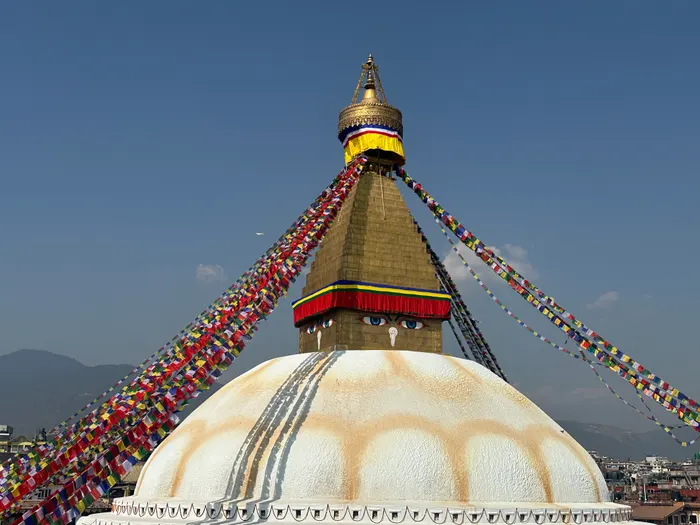
Other Tibetan Buddhist centers worth considering include the Shechen Monastery guesthouse near Boudhanath Stupa, which offers shorter retreats and drop-in meditation sessions, and the Thrangu Tashi Yangtse Monastery in Namobuddha, a stunning hilltop complex about two hours from Kathmandu that runs weekend and week-long retreats in a setting of extraordinary beauty.
Vipassana Meditation (Ten-Day Courses)
Vipassana, as taught by S.N. Goenka, is one of the most widely practiced forms of meditation in the world, and Nepal has several centers offering the standard ten-day residential course. These courses are rigorous: ten full days of silence, with approximately ten hours of sitting meditation per day, no reading, no writing, no eye contact, and no communication with other students. The technique is taught through recorded audio instructions from Goenka, with assistant teachers present for questions and guidance.
The main Vipassana center in Nepal is Dhamma Shringa, located in Budhanilkantha on the northern edge of Kathmandu. A second center, Dhamma Janani, operates near Lumbini. Both centers are set in peaceful, natural surroundings with simple but adequate accommodation. The courses are run entirely on donation: there is no fixed fee, and students are invited to contribute after completing the course based on their means and the value they received. This makes Vipassana the most affordable meditation retreat option in Nepal, though the intensity of the schedule means it is not for everyone.
A typical Vipassana day begins at 4:00 AM with a wake-up gong, followed by meditation from 4:30 to 6:30 AM, breakfast, and then alternating periods of group sitting and individual practice through the day, ending with a discourse at 7:00 PM and lights out by 9:30 PM. The first three days focus on anapana (breath awareness), and the remaining days introduce Vipassana (body scanning). The tenth day is a transition back to speech, and students leave on the morning of the eleventh day. The course is demanding, physically and mentally, but graduates often describe it as one of the most significant experiences of their lives.
Osho Active Meditation (Osho Tapoban)
Osho Tapoban, set in a forested valley on the outskirts of Kathmandu, offers a very different approach to meditation. Rather than stillness and silence, Osho's techniques begin with dynamic, cathartic movement: shaking, dancing, shouting, and breathing intensely before settling into stillness. The idea is that modern minds are too agitated to sit quietly without first releasing accumulated tension, and the active phase serves as a bridge to deeper silence.
Tapoban runs daily Osho Active Meditation sessions that are open to day visitors, as well as residential retreats ranging from a weekend to several weeks. The center spans 24 acres of woodland with walking trails, meditation halls, a library, and simple guest rooms. The atmosphere is more free-form than traditional retreats: there is no enforced silence, and participants are encouraged to engage with the community and the natural surroundings. Weekend retreats cost approximately USD 80 to USD 150, while week-long programs range from USD 250 to USD 450 including meals and accommodation.
Osho's approach appeals particularly to people who find traditional silent meditation difficult or who are working through emotional blocks. The active techniques can be intense, and the center recommends that newcomers start with a weekend program before committing to a longer stay. Tapoban also offers yoga, meditation camps, and festival celebrations throughout the year.
Monastery Stays (Living with Monks and Nuns)
For a more immersive experience, several monasteries in Nepal accept paying guests for stays ranging from a few days to several months. This is not a structured retreat with a fixed curriculum; rather, you live alongside the monastic community, joining their daily schedule of prayers, meditation, and work. The experience is less about instruction and more about absorption: waking to the sound of horns and chanting, sharing simple meals, and observing a way of life that has remained largely unchanged for centuries.
Monastery stays are available across Nepal. In the Kathmandu Valley, the Khawalung Monastery near Bhaktapur and the Thrangu Monastery near Boudhanath both welcome guests. In the mountains, the Tengboche Monastery in the Everest region and the Braga Monastery in Annapurna offer guest rooms for trekkers and retreatants. Costs are modest, typically USD 10 to USD 30 per night including meals, and the experience is deeply authentic. You will not receive formal meditation instruction unless you arrange it separately, but the immersion itself is the teaching.
Monastery stays require cultural sensitivity. Dress modestly, covering shoulders and knees. Observe silence during prayer times. Do not photograph monks without permission. Participate in the daily routine as much as you are able, even if it means simply sitting in the prayer hall while the monks chant. The guide to treks with a spiritual side covers several routes that pass through monastery villages where stays can be arranged.
What to Expect: A Day in Silence
Every retreat has its own rhythm, but most share a common structure. Here is a representative daily schedule for a Tibetan Buddhist meditation retreat at Kopan Monastery:
- 5:30 AM: Wake-up gong
- 6:00 AM - 7:00 AM: Morning meditation
- 7:00 AM - 8:00 AM: Breakfast in silence
- 8:00 AM - 9:00 AM: Free time or karma yoga (voluntary work)
- 9:00 AM - 10:30 AM: Dharma teaching
- 10:30 AM - 11:00 AM: Tea break
- 11:00 AM - 12:30 PM: Guided meditation or discussion group
- 12:30 PM - 2:00 PM: Lunch and rest
- 2:00 PM - 3:30 PM: Afternoon teaching or meditation
- 3:30 PM - 4:00 PM: Tea break
- 4:00 PM - 5:30 PM: Meditation session
- 5:30 PM - 6:30 PM: Dinner
- 6:30 PM - 7:30 PM: Evening meditation or puja (ritual)
- 7:30 PM - 9:00 PM: Q&A session or self-study
- 9:00 PM: Silence begins; lights out by 10:00 PM
Vipassana schedules are more intensive, with meditation starting at 4:30 AM and continuing through the day with fewer breaks. Osho retreats are more varied, with active sessions in the morning and evening and free time in between. Monastery stays follow the community's own rhythm, which typically includes early morning prayers, a mid-morning work period, afternoon study or rest, and evening prayers.
Costs and Practicalities
| Retreat Type | Duration | Cost (USD) | Silence | Best For |
|---|---|---|---|---|
| Kopan Monastery | 7-30 days | $150 - $900 | Partial | Beginners, Buddhist-curious, structured learners |
| Vipassana (Goenka) | 10 days | Donation | Full | Serious practitioners, those seeking deep silence |
| Osho Tapoban | 2-14 days | $80 - $450 | None | Active types, emotional release, community seekers |
| Monastery Stay | 3-90 days | $10 - $30/night | Partial | Cultural immersion, self-directed practice |
All retreats include basic accommodation and vegetarian meals. Vipassana courses are unique in operating on a donation basis: there is no charge for the course, food, or accommodation, and the centers are funded entirely by donations from previous students. This model removes financial barriers and also creates a sense of reciprocity that many students find meaningful.
How to Choose the Right Meditation Retreat
Your Experience Level
If you have never meditated before, a Tibetan Buddhist retreat at Kopan or a weekend Osho program is a gentler entry point than a ten-day Vipassana course. Kopan's teachers are experienced with beginners and the schedule includes ample teaching and discussion time. Vipassana, by contrast, assumes you can sit for ten hours a day with minimal instruction beyond the recorded audio, and the silence and intensity can be overwhelming for first-timers. That said, many people complete a Vipassana course as their first meditation experience and find it transformative. Be honest about your capacity for discomfort and solitude.
Your Intention
Are you seeking a technique to take home, a spiritual initiation, emotional healing, or simply a break from noise? Vipassana gives you a precise, portable technique. Kopan gives you a framework of Buddhist philosophy and practice. Osho gives you catharsis and community. A monastery stay gives you immersion without instruction. Choose the format that aligns with what you actually want, not what sounds most impressive.
Physical and Mental Health
Meditation retreats can be physically and emotionally demanding. Sitting for long hours can aggravate back or knee issues. The silence and introspection can surface difficult emotions. If you have a history of trauma, depression, or psychosis, consult a mental health professional before committing to an intensive retreat, and be upfront with the retreat center about your history. Vipassana centers, in particular, screen applicants for serious mental health conditions and may decline those they feel are not ready for the intensity of the course.
Booking a Meditation Retreat: Step by Step
- Research and choose: Read about each format and center. Watch videos or read testimonials from past participants. Be realistic about what you can handle.
- Check dates and availability: Kopan's month-long November course fills months in advance. Vipassana courses typically open registration 2 to 3 months ahead and fill within days. Monastery stays are more flexible but still require advance notice.
- Apply or register: Vipassana requires an online application form with questions about your health and meditation experience. Kopan and Osho Tapoban have simpler registration processes, usually by email or online form.
- Prepare practically: Arrange your visa (tourist visa is sufficient for retreats under 30 days; longer stays may require a different category). Pack modest, comfortable clothing, a warm layer for early mornings, and any personal meditation supplies you prefer.
- Prepare mentally: In the weeks before your retreat, consider reducing screen time, caffeine, and alcohol. Arrive a day or two early to adjust to the time zone and altitude before the retreat begins.
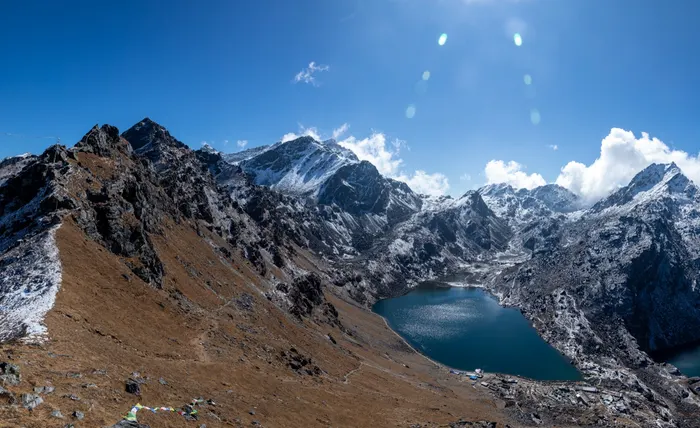
For travelers who want a structured introduction to meditation without committing to a full retreat, Enticing Himalayas offers several packages that include guided meditation sessions alongside cultural touring. The 3-day yoga and sound healing retreat and the 6-day stress management program both incorporate daily meditation practice in a gentler, more supported format. For deeper immersion, the 9-day luxury yoga and wellness escape offers meditation in premium settings, while the Gosaikunda sacred lakes yoga retreat combines meditation with high-altitude pilgrimage. If you prefer a cultural pilgrimage framework, the Kathmandu spiritual circuit, Lumbini Buddhist pilgrimage, and Muktinath helicopter pilgrimage all include guided meditation at sacred sites.

Combining Meditation with Pilgrimage
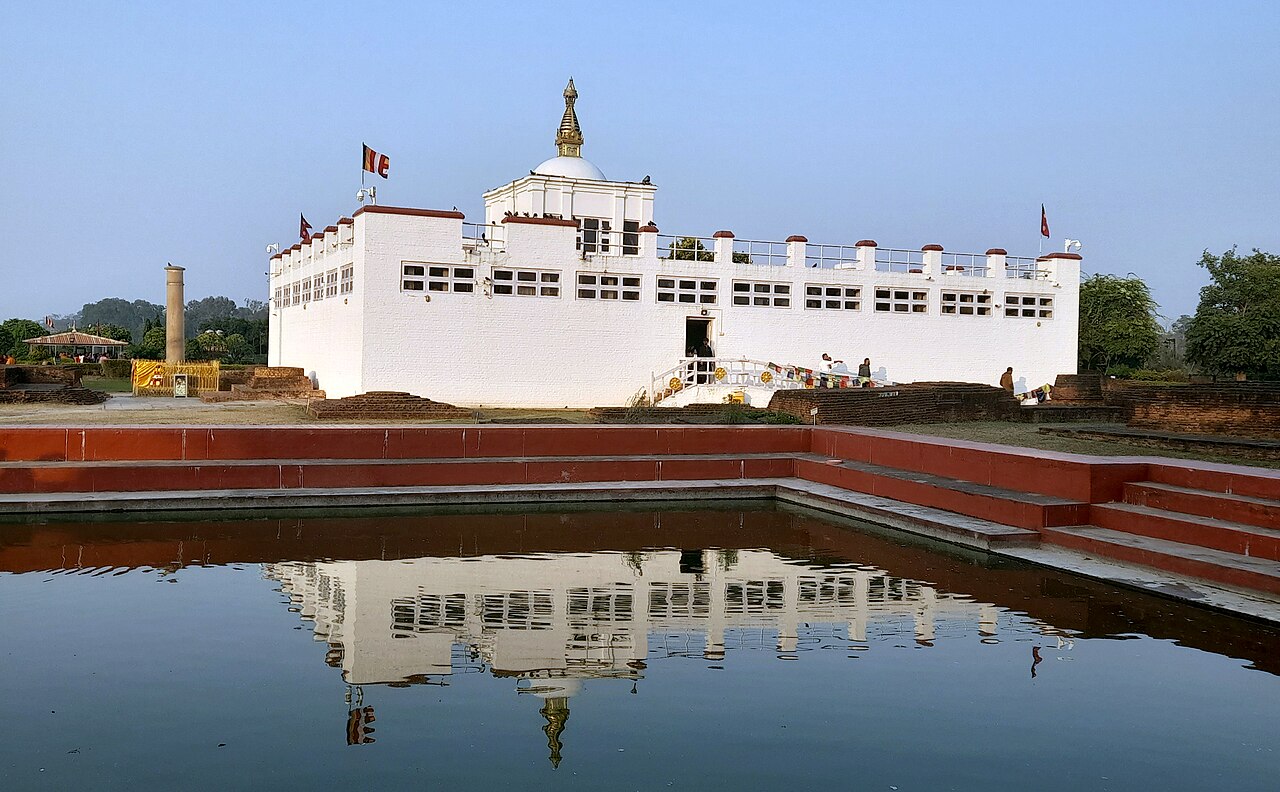
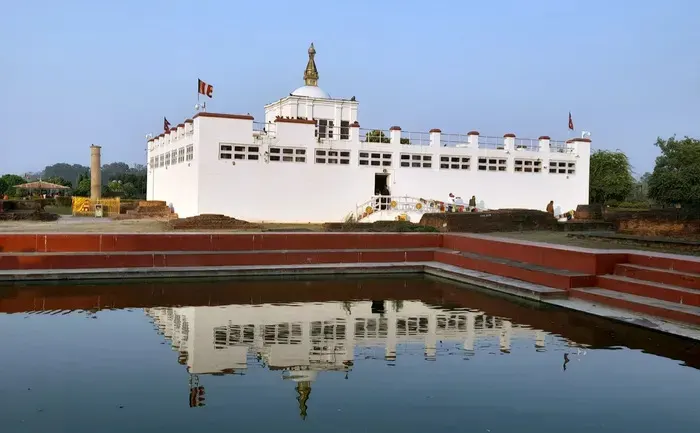
Many travelers combine a meditation retreat with visits to Nepal's major Buddhist pilgrimage sites. A common itinerary is to spend a week at Kopan Monastery, then travel to Lumbini, the birthplace of the Buddha, and on to Boudhanath and Swayambhunath in Kathmandu. This creates a natural arc: intensive inner work followed by outer pilgrimage, each deepening the other.
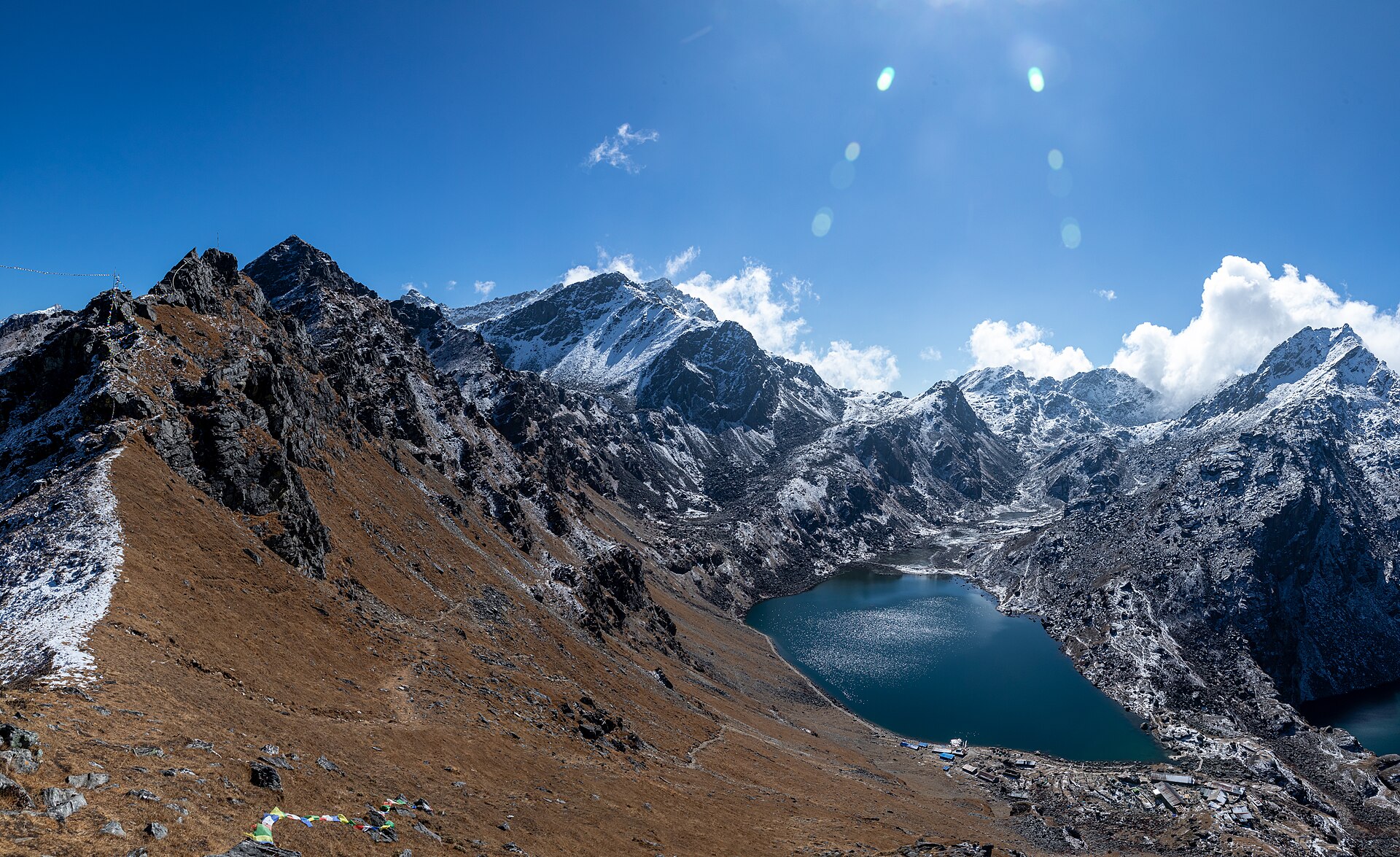
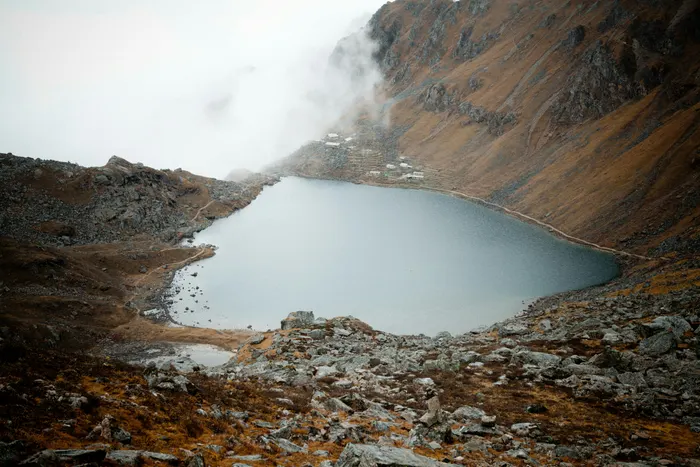
Another powerful combination is a monastery stay in the mountains followed by a trek. The spiritual trekking guide covers routes that pass through monastery villages where you can pause for a few days of practice before continuing on the trail. The helicopter pilgrimage and trek combos article offers another angle for travelers with limited time who still want to reach high-altitude sacred sites. For those drawn to the Mustang region, the Muktinath and Mustang spiritual circuit blends meditation with one of the Himalaya's most dramatic landscapes. For travelers who want to combine Gosaikunda's sacred lakes with yoga and meditation, the Gosaikunda lake pilgrimage trek and Gosaikunda yoga retreat offer structured programs. The Dhulikhel Namobuddha spiritual hike, cultural pilgrimage experience, Sacred Kathmandu heritage tour, and Sacred Valleys living goddesses journey all incorporate meditation at sacred sites.


For a comprehensive overview of planning a spiritual journey in Nepal, our complete guide to cultural and spiritual tours covers visas, transport, and cultural etiquette. If you are combining your retreat with trekking, also consult our guide to choosing a trekking agency in Nepal for advice on permits, guides, and route planning.