Why Hiring a Guide in Nepal Changes Your Trek?
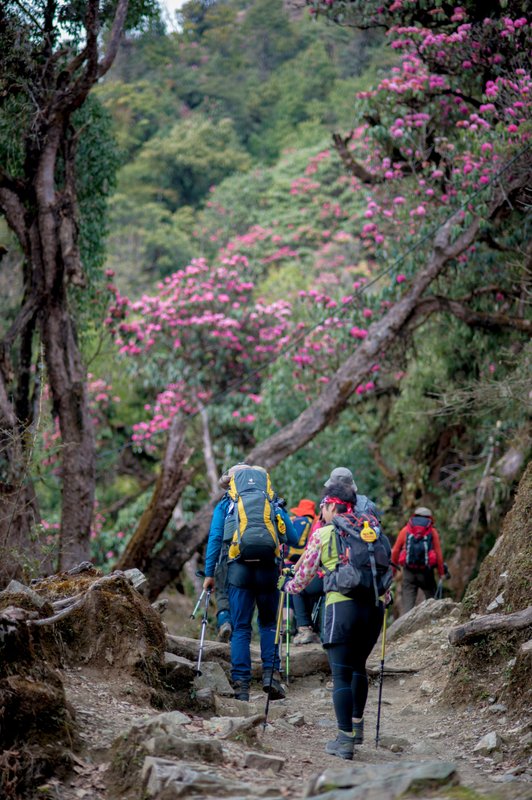
Hiring a guide in Nepal transforms your trek from a self-planned walk into a supported Himalayan journey with safer trail decisions, richer cultural access, and local expertise at every step. A licensed guide knows weather windows, teahouse shortcuts, altitude pacing, and evacuation routes, and under Nepal's current trekking regulations a licensed guide is required on most mainstream routes. This guide walks you through every practical step of hiring, verifying, and traveling with a guide in Nepal, from checking a trekking guide's verified profile to confirming a license number with the Department of Tourism.
What Does a Trekking Guide in Nepal Actually Do?
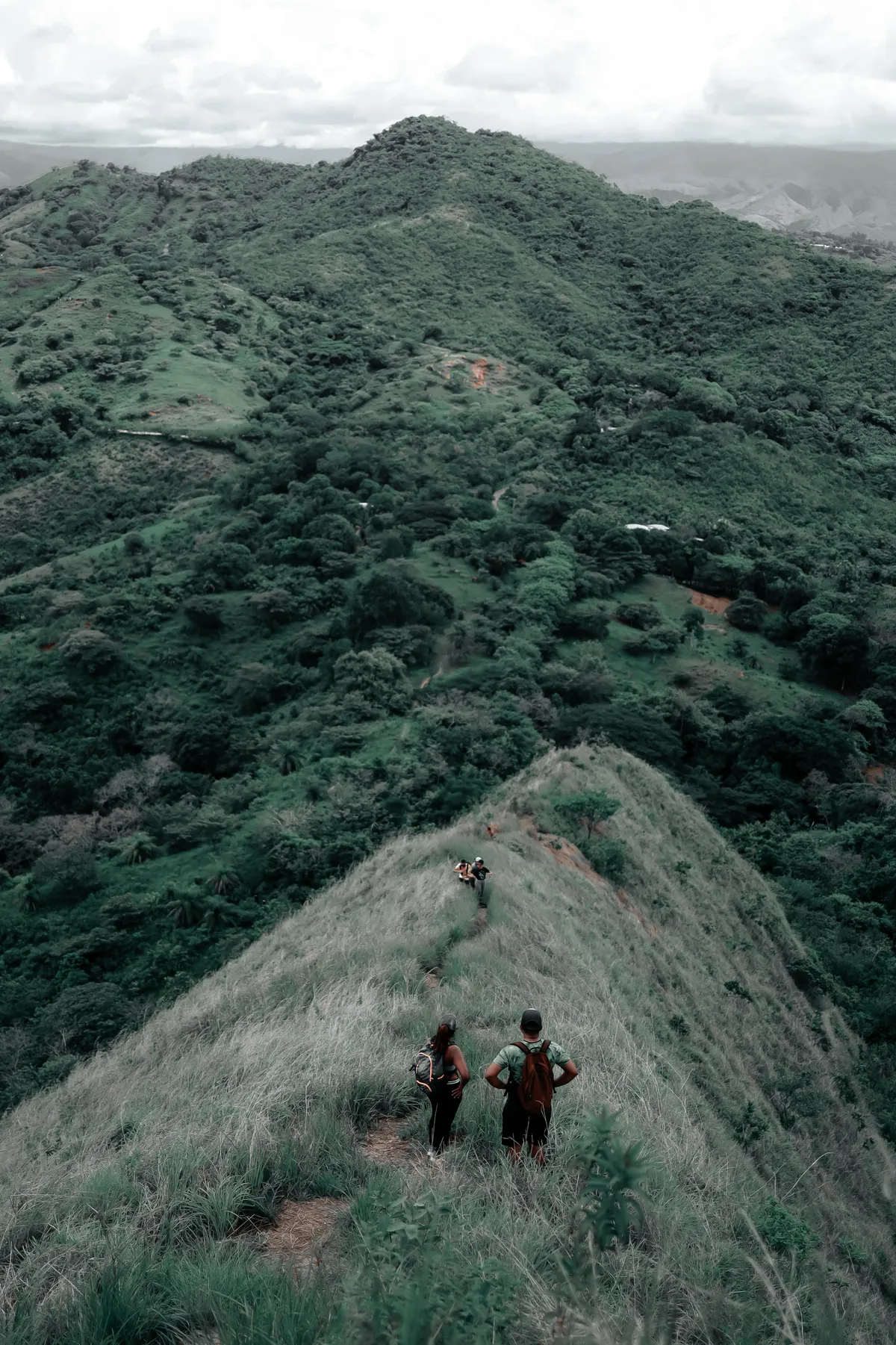
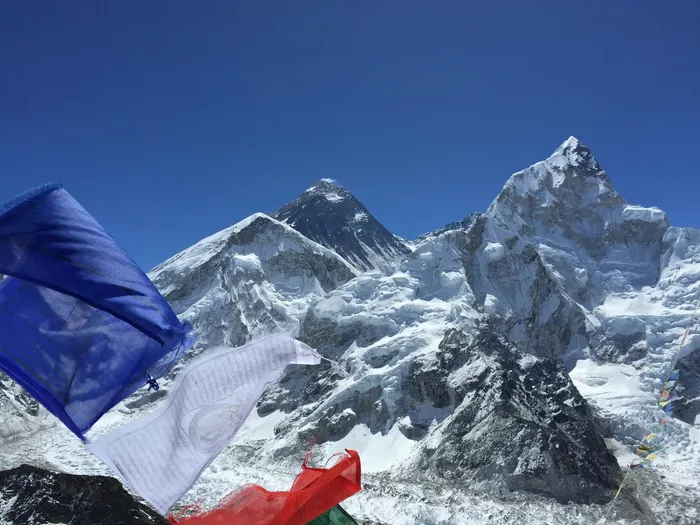
A trekking guide in Nepal handles route planning, permit logistics, teahouse bookings, pace management, altitude sickness monitoring, and emergency evacuation coordination, while translating conversations with local lodge owners and explaining the culture you walk through. Beyond navigation, your guide is your safety net: they spot early acute mountain sickness symptoms, decide when to turn back, and arrange helicopter evacuation if a trek goes wrong. On popular routes like the Everest region trails, guides also manage crowd timing, so you reach viewpoints like Kala Patthar in the best morning light.
Guides in Nepal fall into three practical categories: trekking guides licensed for mountain trails, tour guides licensed for cultural and city circuits, and porter-guides who carry a light pack while leading easier routes. Knowing which type fits your trip is the first hiring decision, because a Kathmandu heritage tour guide cannot legally lead you to Everest Base Camp, and a high-altitude trekking guide is overqualified for a Pokhara day walk.
Is a Guide Mandatory in Nepal for Trekkers?
Yes, since April 2023 the Nepal Tourism Board and Trekking Association of Nepal rules require a licensed guide or porter-guide for treks in protected areas including Everest, Annapurna, Langtang, and Manaslu. Solo trekking without a guide is no longer permitted on these managed routes, and checkpoints like the TIMS card counter in Pokhara or the Sagarmatha National Park entry gate ask for your guide's license details. The rules exist after several solo trekkers went missing, and they apply even to experienced repeat visitors.
Readers often ask how this compares with the older independent style. Our solo vs guided Everest Base Camp comparison and the honest solo vs guided trade-off for Annapurna break down what actually changed, which permits still let you walk alone, and where a guide is legally optional, such as short hikes around Pokhara or the Kathmandu Valley rim.
How Much Does It Cost to Hire a Guide in Nepal?
Hiring a licensed trekking guide in Nepal costs between USD 30 and 50 per day including the guide's food, accommodation, and insurance, while a porter-guide costs USD 25 to 35 per day and a fully private guide with premium treks runs USD 60 to 80 per day. Prices vary by region, season, and language: English-speaking guides sit at the base rate, while Japanese, Chinese, Spanish, or Russian-speaking guides charge a 20 to 40 percent premium because they are rarer. Peak season rates, October to November and March to April, run 10 to 15 percent higher than monsoon and winter.
- Trekking guide (English): USD 30 to 50 per day
- Porter-guide: USD 25 to 35 per day, carries up to 15 kg
- Specialist language guide: USD 40 to 65 per day
- Tour guide, Kathmandu Valley: USD 25 to 40 per day
- Female trekking guide: same rate band, highest demand in spring
These daily rates fold into your total trek budget alongside permits, accommodation, and food. For a full line-item view, see our Everest Base Camp cost breakdown, the Annapurna cost guide with independent vs guided comparison, and the Langtang Valley budget breakdown to see exactly how guide fees change a total price.
How Can You Verify a Guide's License in Nepal?
You can verify any guide's license in Nepal through the Department of Tourism's online portal at apps.dot.gov.np, using the Register Existing Guide page where you select the guide type, enter the license number, and search to see the registered name and status. This official check takes under two minutes and instantly shows whether a license is active, expired, or fake. Never skip it: unlicensed "guides" are the single biggest cause of scams, overcharging, and abandoned groups on Nepal's trails.
- Open the DOT online portal, Register Existing Guide page, at apps.dot.gov.np/DOT-ONLINE-LIVE/RegisterExistingGuide.xhtml
- Choose the guide type: Trekking Guide, Tour Guide, or Mountain Guide
- Type the license number exactly as printed on the guide's ID card
- Click Search and confirm the name and photo match your guide
- Check the license status is active, not expired or suspended
The portal covers licenses issued under the Tourism Act 2035 (1978) and its amendments through 2025, which govern guide licensing, renewal, and code-of-conduct rules. When you browse our guides page, you can ask for license details before booking and verify them yourself on the DOT portal, a step we recommend for every trekker booking through any agency or platform.
Where Should You Book a Guide in Nepal?
The safest way to book a guide in Nepal is through a registered agency or a verified guide marketplace that shows real profiles, languages, specializations, and completed treks before you pay. Booking at a Kathmandu street office without reviews or license proof is where most bad experiences start. Our own guides page lists vetted local guides with languages, specializations, and certifications, so you can pick a profile that matches your route and travel style, then book directly online.
If you are comparing where to book, our guide to choosing the best trekking agency in Nepal explains how to read registrations, insurance policies, and guide employment practices. For travelers who prefer fixed-departure groups over private guides, the full tour list shows packages where a licensed guide is already included in the price.

Which Type of Guide Fits Your Trek?
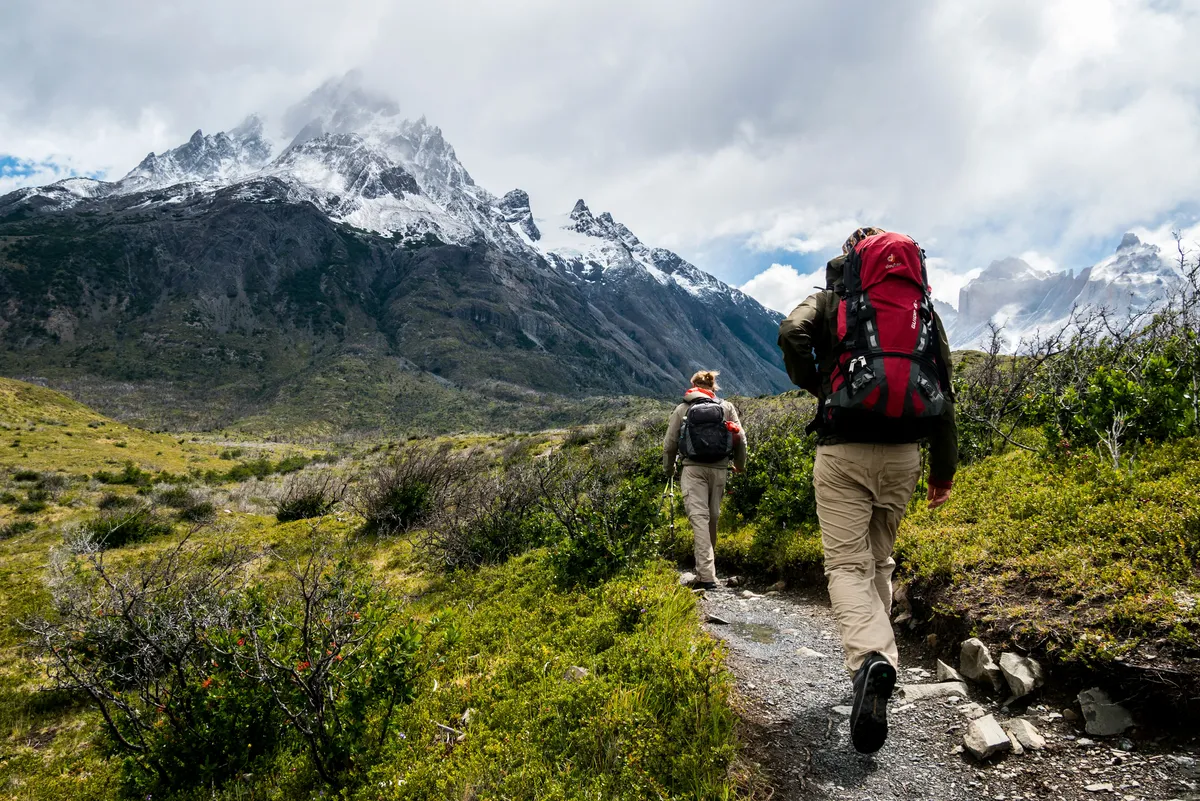
Match the guide type to your route altitude and travel style: trekking guides for multi-day Himalayan trails, tour guides for city and heritage circuits, porter-guides for budget teahouse treks, and mountain guides for climbing peaks above 5,000 m. A guide who is perfect for the Annapurna Circuit may never have summited a 6,000 m peak, and a culture specialist will not know Langtang's high-altitude protocols. Choosing the right specialization is as important as the license itself.
- Everest region: guides with high-altitude experience and EBC group treks or the classic Jiri to Everest approach
- Annapurna region: guides fluent in the trail network for the Annapurna Circuit and ABC routes
- Climbers: mountain guides for Island Peak and other trekking peaks
- Women travelers: female guides and women-only departures like the EBC women's trek and female-led Annapurna trek
What Should You Ask a Guide Before Booking?
Before booking any guide in Nepal, ask for their license number, DOT registration proof, years of experience on your specific route, language fluency, evacuation training, and insurance coverage including rescue. A professional guide answers all six without hesitation and often sends a photo of their license card before you even ask. Hesitation on any answer, especially insurance and evacuation, is your signal to walk away.
- License number and guide type, verifiable on the DOT portal
- How many times they have guided your exact route
- Which languages they speak at conversational level
- First aid, altitude sickness, and evacuation training certificates
- Insurance: who pays if the guide needs rescue
- Cancellation and refund terms in writing
How Do You Spot a Fake Guide in Nepal?
Fake guides in Nepal reveal themselves through missing license numbers, pressure to pay cash upfront, no agency affiliation, prices far below the USD 30 daily floor, and refusal to be verified on the DOT portal. A licensed guide carries a physical ID card with a number, happily gives it to you, and their name appears in the DOT register. If a "guide" on a trailhead or Thamel street corner cannot produce a license number on the spot, decline politely and move on.
The same caution applies online. Marketplaces that show no real names, no route history, and no reviews are where fake bookings cluster. Verified profiles like those on our guides page exist precisely so you can see a real person, their languages, and their specializations before committing.
Do Female Guides Exist and How Do You Book One?
Yes, Nepal has hundreds of licensed female trekking guides, and demand from solo women travelers and women-only groups has grown every season since 2019. Female guides lead the same routes, hold the same DOT licenses, and complete the same first aid and altitude training as male guides. For women trekking solo or in pairs, a female guide adds cultural comfort, particularly in remote teahouses where shared dining spaces are male-dominated.
You can request a female guide when booking any trek, and dedicated women-only departures such as our female-led Annapurna Base Camp trek are led end to end by female guides. Our women-only guided EBC guide covers what to expect from an all-women group on the Everest trail.
What About Tipping Your Guide in Nepal?
Tipping a guide in Nepal follows a simple formula: USD 8 to 12 per trekker per day for a guide and USD 5 to 8 for a porter, handed personally at the trek's end, ideally in Nepali rupees. On a 14-day Everest Base Camp trek, that means roughly NPR 15,000 to 22,000 for your guide. Tipping is expected but never demanded, and it is the single largest thank-you in a guide's season income.
When Should You Book Your Guide?
Book your Nepal guide 2 to 3 months ahead for October-November and March-April peak season, 3 to 4 weeks ahead for shoulder months, and 1 to 2 weeks ahead for monsoon and winter travel. Peak season fills the best guides first, especially language specialists and female guides for women-only groups. Last-minute booking in Thamel works in low season but limits you to whoever is free, not whoever is best.
How Does Hiring a Guide Support Local Communities?
Every licensed guide you hire keeps income in mountain villages, funds guide training programs in Kathmandu and Pokhara, and sustains the porter economy that many families in Solu, Rolwaling, and the Annapurna valleys depend on. Guides rotate their teahouse bookings across villages to spread income, and licensed guides pay annual renewal fees that fund the tourism infrastructure you walk through. Choosing a verified local guide over an unlicensed follower is a direct community investment.
What Is the Difference Between a Guide, a Porter, and a Porter-Guide?
A guide walks with you carrying nothing but a first aid kit and decisions, a porter carries up to 20 kg of your gear between villages, and a porter-guide does both jobs on easier routes at a lower combined price. On demanding treks like the Everest Circuit or Manaslu Circuit, splitting roles works best: a guide for safety decisions and a porter for load. On moderate routes like Poon Hill or the Helambu trail, a single porter-guide keeps costs down while staying fully legal under the licensed-guide requirement.
Daily cost tells the story clearly: a guide alone is USD 30 to 50, a porter alone is USD 20 to 30, and a porter-guide combining both is USD 25 to 35. For a couple trekking the Annapurna region who pack light, one porter-guide often replaces two hires and frees budget for a better route or an extra acclimatization day.
Which Languages Can You Get a Guide In?
Nepal's licensed guides work in English plus a growing range of second languages including Chinese, Japanese, Korean, Spanish, French, German, Italian, Russian, and Hindi. Language specialist guides are scarcer than English guides, so they book out first in peak season and command a premium of 20 to 40 percent on the daily rate. If language fluency matters to your group, book the guide before you book the flights, not after landing in Kathmandu.
Every profile on a serious guide marketplace lists spoken languages. When comparing guides on our guides page, filter by language first and route experience second, because a fluent guide who knows your trail turns lodge dinners and trail-side monastery visits into the stories you keep.
What Training and Certifications Do Licensed Guides Hold?
Licensed trekking guides in Nepal complete a government-recognized training program covering navigation, first aid, altitude sickness recognition, evacuation protocols, and mountain culture, then pass an exam before the Department of Tourism issues a license. Tour guides train in heritage, history, and culture; mountain guides add climbing and rope skills. Beyond the license, the best guides refresh first aid every two years and carry certificates from wilderness medical courses.
- Trekking guide license issued by the Department of Tourism
- First aid and CPR certificate, current within two years
- Altitude illness and evacuation training
- Insurance covering rescue and medical costs
Can You Hire a Guide for Just One or Two Days?
Yes, guides in Nepal take single-day assignments, and short hires are ideal for the Kathmandu Valley heritage circuit, day hikes to Nagarkot or Namobuddha, Pokhara's Sarangkot sunrise walk, or a support day while you acclimatize. Day rates for short hires run slightly higher than multi-day averages, typically USD 35 to 50, because the guide covers their own transport and returns to the city the same evening. For multi-day treks, guides commit the full route length, so partial bookings are rare.
Short hires are also the smart acclimatization play: many trekkers book a guide for a Kathmandu day tour on arrival, use the day to ask route questions, then continue with the same guide to the mountains if schedules align. Browse day experiences alongside guide profiles on the activities page.
What Happens If Your Guide Gets Sick or Injured Mid-Trek?
If your guide falls sick or is injured mid-trek, a professional agency sends a replacement guide from the nearest station or arranges a handover to a vetted local colleague, while the sick guide's insurance covers their rescue and treatment. This is exactly why booking through an agency beats booking a freelance stranger: agencies have backup networks along the trail corridor and legal responsibility for continuity. Before paying, ask your agency to describe their mid-trek replacement policy in one sentence; hesitation here is a red flag.
How Far in Advance Do Peak Season Guides Sell Out?
Peak season guides in Nepal sell out 6 to 10 weeks ahead, with October leading demand, and language specialists plus female guides for women-only groups selling out first. The 2025 autumn season saw guide bookings complete by late August, and the pattern is repeating as Nepal's trekking numbers recover. If you want a specific language, a female guide, or a guide with summit experience on a peak like Island Peak, reserve your guide as soon as your dates firm up, then let the trek permits follow.
What Does a Guide Add Beyond Safety?
Beyond safety, a guide adds access: lodge bookings in full teahouses, kitchen conversations in Nepali, festival invitations in villages you pass, monastery introductions, and the trail stories that turn a walk into an understanding of the Himalaya. Guides know which teahouse bakes real apple pie in Ghandruk, which lodge in Dingboche has heating past 8 pm, and which viewpoint avoids the sunrise crowds. That local layer is invisible to independent trekkers and is the reason many repeat visitors never trek guideless again.
Conclusion: Hire Smart, Trek Safe
Hiring a guide in Nepal is now a legal requirement on the main trails, a safety upgrade, and the fastest way to understand the country you are walking through. Verify the license on the DOT portal, match the guide type to your route, confirm insurance and evacuation terms, and book through a platform that shows real profiles. Start with our verified guides page, compare specializations and languages, and trek with a professional who treats your safety as their license depends on it, because professionally, it does. For trekking destinations inside Nepal's protected areas, browse our complete national parks guide.