Solo Spiritual Travel in Nepal: Complete Safety Guide, Top Routes and Pilgrimage Sites for Independent Travelers
Traveling alone through Nepal on a spiritual journey is one of the most rewarding experiences a person can undertake. The country's deep-rooted traditions of Hindu and Buddhist pilgrimage, its welcoming culture, and its well-trodden tourist infrastructure make it an ideal destination for solo travelers seeking meaning, reflection, and connection. A solo spiritual tour in Nepal offers something that group travel rarely provides: the freedom to sit in meditation at Boudhanath for as long as you wish, to linger at a monastery in Lumbini without a schedule pressing on you, and to follow your own inner rhythm through the sacred landscapes of the Himalayas.
This guide covers everything you need to know about planning a solo spiritual tour in Nepal. We cover safety considerations, the best solo-friendly pilgrimage sites, practical tips for accommodation and transport, how to meet fellow travelers and locals, and a sample 7-day itinerary that balances structure with the flexibility that makes solo travel so special. Whether you are a first-time visitor to Nepal or a returning traveler looking to go deeper, this guide will help you craft a journey that is both safe and transformative.
Why Nepal Is Perfect for Solo Spiritual Travel
Nepal has long been a magnet for independent travelers. The Annapurna Circuit and Everest Base Camp treks were built on a culture of solo hikers and small groups, and that same infrastructure extends to the country's spiritual sites. Kathmandu, Pokhara, and Lumbini all have thriving backpacker scenes with guesthouses, cafes, and tour operators accustomed to serving individual travelers. English is widely spoken in tourist areas, and Nepali people are famously warm and helpful toward visitors traveling alone.
From a spiritual perspective, Nepal's sacred sites are inherently conducive to solo exploration. A stupa like Boudhanath or Swayambhunath does not require a guide to appreciate; you can simply walk the kora, sit in a corner, and absorb the atmosphere. Temples like Pashupatinath welcome individual devotees and curious travelers alike. Monasteries in the Kathmandu Valley and around Lumbini often allow visitors to sit in on prayer sessions or meditation periods. The very act of walking alone through these spaces, at your own pace, becomes a form of pilgrimage.
For those considering a more structured approach, Enticing Himalayas offers a Sacred Kathmandu Heritage Tour that can be adapted for solo travelers, and our Kathmandu Spiritual Circuit provides a compact introduction to the valley's most important sites. For a broader perspective on what Nepal offers the spiritual traveler, read our complete guide to cultural and spiritual tours in Nepal. If you are also considering trekking as part of your journey, our guide to the best trekking agency in Nepal for 2026 will help you plan the adventure side of your trip. For the full picture of spiritual travel in Nepal, see our spiritual tour in Nepal hub.



Safety Tips for Solo Travelers on a Spiritual Tour in Nepal
Nepal is generally a safe country for solo travelers, including women traveling alone. Violent crime against tourists is rare, and the main risks are the same ones you would face anywhere: petty theft, traffic accidents, and altitude-related health issues on treks. That said, a few specific precautions will make your solo spiritual tour smoother and safer.
First, register with your embassy or consulate before traveling. Many countries offer online registration services that let you receive safety updates and make it easier for officials to assist you in an emergency. Second, purchase comprehensive travel insurance that covers medical evacuation by helicopter, a non-negotiable if you plan to visit high-altitude sites like Muktinath or trek to Gosaikunda. Third, keep digital and physical copies of your passport, visa, and insurance documents in separate locations.
When visiting temples and monasteries, dress modestly. This means covering your shoulders and knees, removing shoes before entering sacred spaces, and avoiding public displays of affection. These norms apply to everyone, but solo travelers sometimes attract more attention, and dressing respectfully signals that you understand and honor local customs. At Pashupatinath, note that only Hindus are permitted inside the main temple complex; non-Hindu visitors can observe the cremation ghats and outer shrines from designated areas.
For women traveling alone, Nepal is relatively comfortable compared to some other South Asian destinations. Street harassment is less common than in parts of India, though it can still occur in crowded areas of Kathmandu like Thamel. Dressing conservatively, walking with purpose, and avoiding isolated areas after dark are sensible precautions. Many solo female travelers report feeling safer in Nepal than they expected, particularly in spiritual settings where the atmosphere is naturally respectful and contemplative.
Transport safety deserves attention. Long-distance buses in Nepal have a poor safety record, particularly on mountain roads. For solo travelers, we recommend booking tourist buses between major destinations like Kathmandu, Pokhara, and Lumbini. These are more expensive than local buses but significantly safer and more comfortable. For shorter journeys, taxis and ride-hailing apps like Pathao are widely available in Kathmandu and Pokhara. Always agree on a fare before getting into a taxi, or insist on the meter.
Best Solo-Friendly Spiritual Sites in Nepal
Not every sacred site in Nepal is equally suited to solo exploration. Some require guides, some are remote and difficult to reach independently, and some are simply more rewarding when you have the freedom to set your own pace. Here are the sites that work best for solo spiritual travelers.
Boudhanath Stupa, Kathmandu
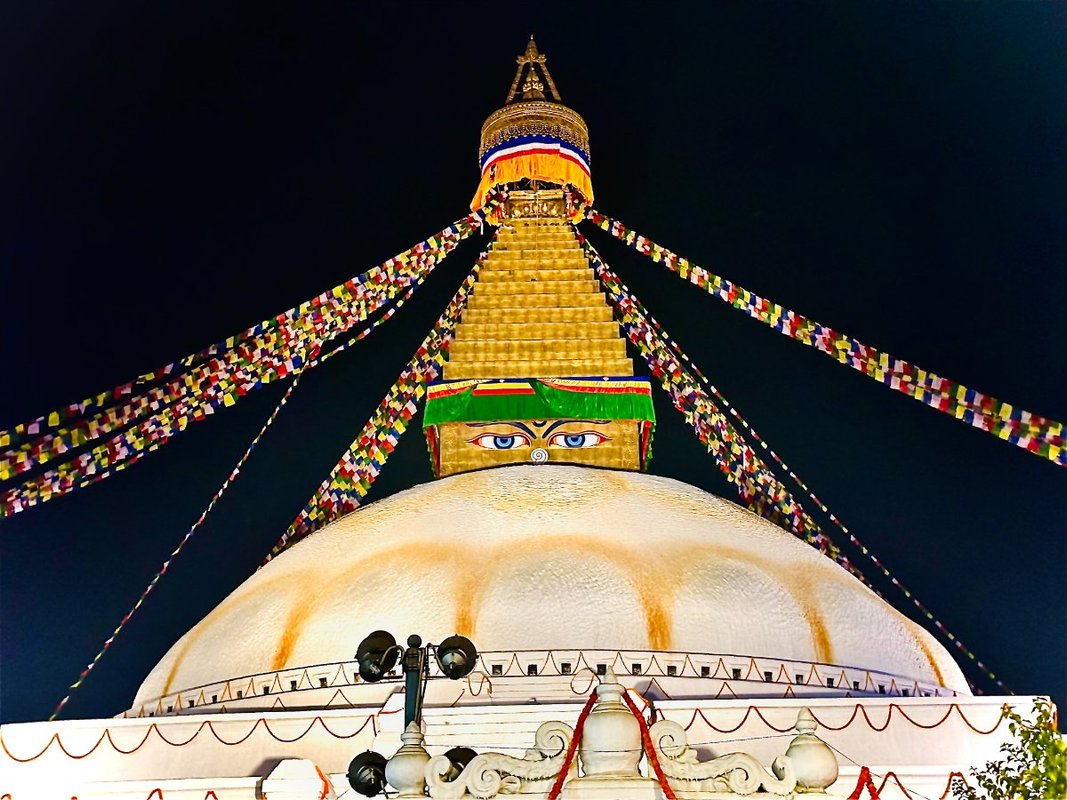
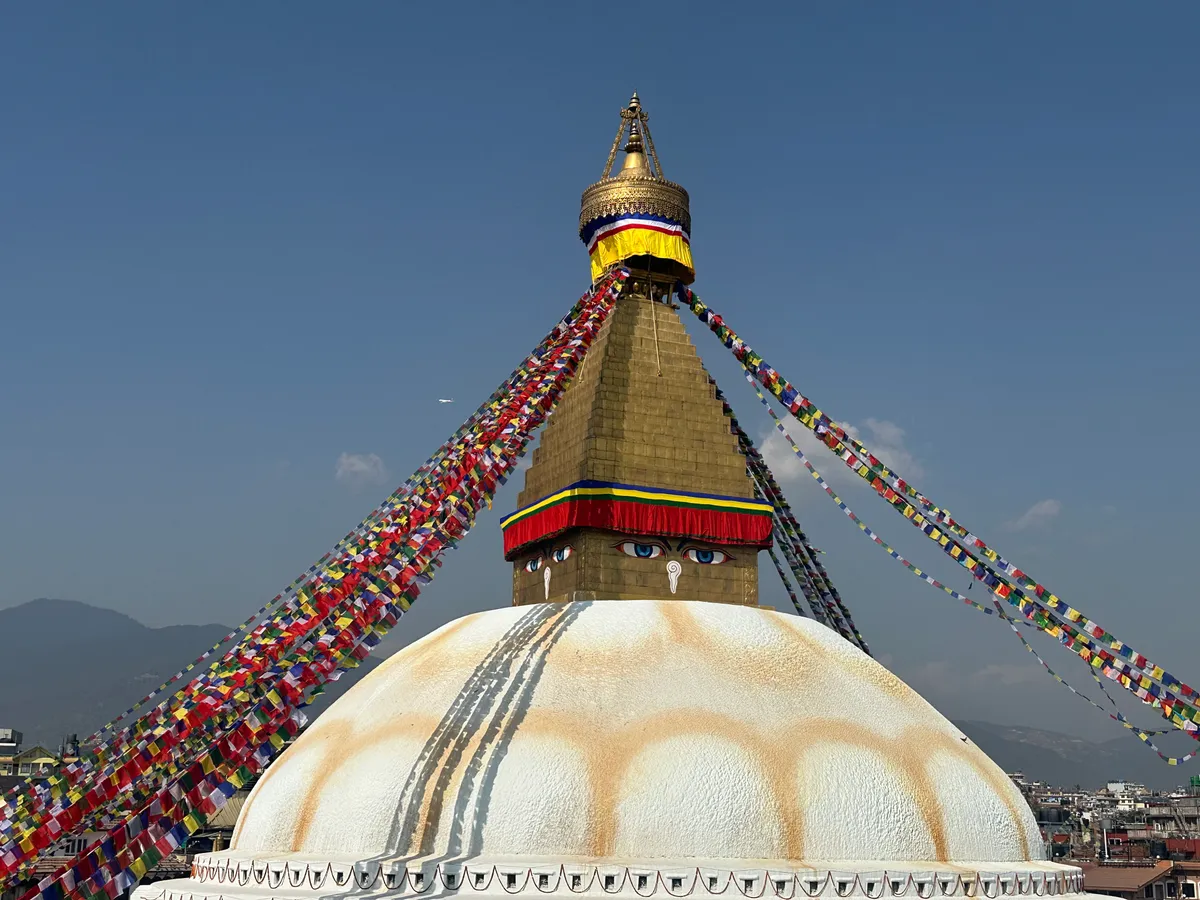
Boudhanath is arguably the best single site in Nepal for a solo spiritual traveler. The massive white dome and golden spire dominate the skyline of this Tibetan Buddhist neighborhood, and the circular kora path around the stupa is lined with monasteries, cafes, and shops selling prayer flags and singing bowls. You can spend hours here: walk the kora clockwise, spin the prayer wheels, sit on the steps of a rooftop cafe with a cup of butter tea, and watch the world go by. The atmosphere is peaceful and inclusive, and you will see monks, nuns, local devotees, and travelers from every corner of the world. For a deeper dive into this extraordinary site, read our guide to Boudhanath Stupa as a spiritual hub on any Kathmandu city tour.
Swayambhunath (Monkey Temple), Kathmandu
Perched on a hilltop west of central Kathmandu, Swayambhunath offers panoramic views of the valley and a rich blend of Hindu and Buddhist iconography. The climb up the 365 stone steps is a small pilgrimage in itself, and at the top you will find the iconic stupa with its all-seeing eyes of the Buddha, surrounded by shrines, temples, and the resident monkey population. Solo travelers will appreciate the freedom to explore the complex at their own pace, pausing at each shrine and taking in the views from different angles. Early morning is the best time to visit, when the light is soft and the crowds are thin.
Lumbini: The Birthplace of Buddha
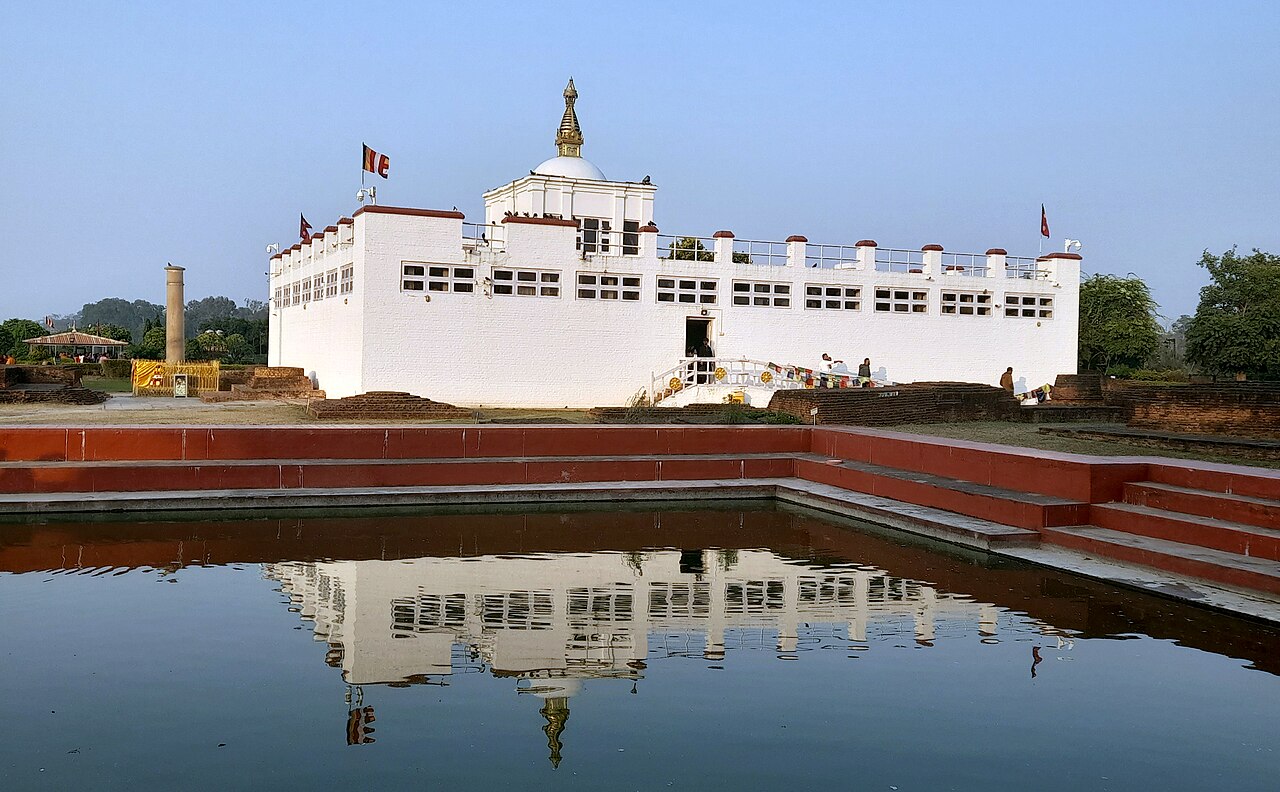
Lumbini is a UNESCO World Heritage Site and one of the most important pilgrimage destinations in the Buddhist world. For solo travelers, it offers a unique combination of historical significance and contemplative space. The Sacred Garden, centered on the Maya Devi Temple and the marker stone indicating the exact birthplace of Siddhartha Gautama, is the heart of the site. Surrounding it, the Lumbini Development Zone contains monasteries built by Buddhist communities from around the world, each in its own national architectural style. You can spend days walking or cycling between these monasteries, sitting in their meditation halls, and absorbing the quiet. Our Lumbini pilgrimage guide covers everything you need to plan your visit.
Pashupatinath Temple, Kathmandu
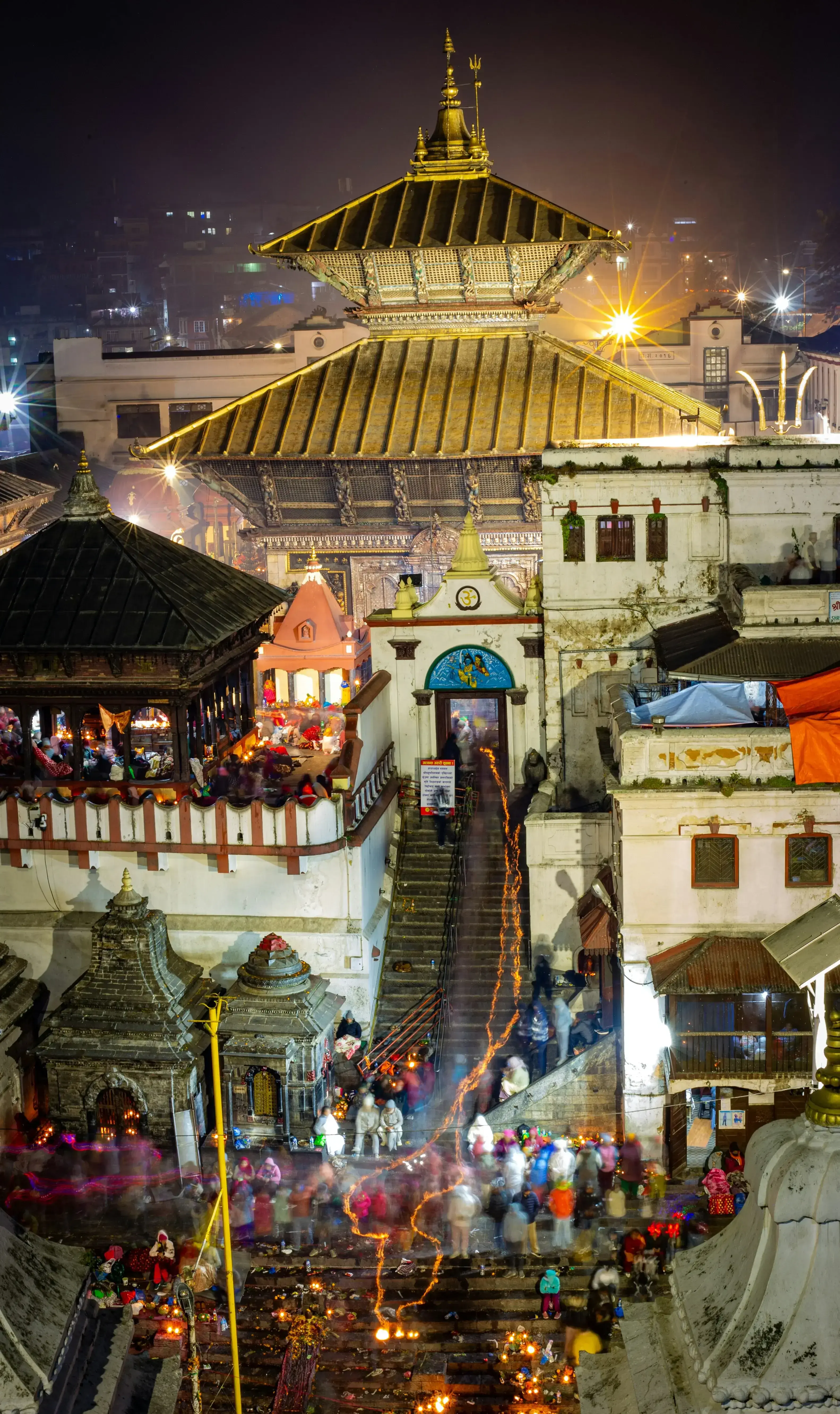
Pashupatinath is Nepal's most sacred Hindu temple, dedicated to Lord Shiva, and its location on the banks of the Bagmati River makes it a powerful place for reflection. Solo travelers can observe the cremation ghats from the far side of the river, walk among the smaller shrines and lingams scattered across the complex, and watch the evening aarti ceremony, a ritual of fire and chanting that takes place every evening at sunset. The energy here is intense and raw, and visiting alone allows you to process it at your own pace without feeling rushed by a group.
Namobuddha and Dhulikhel
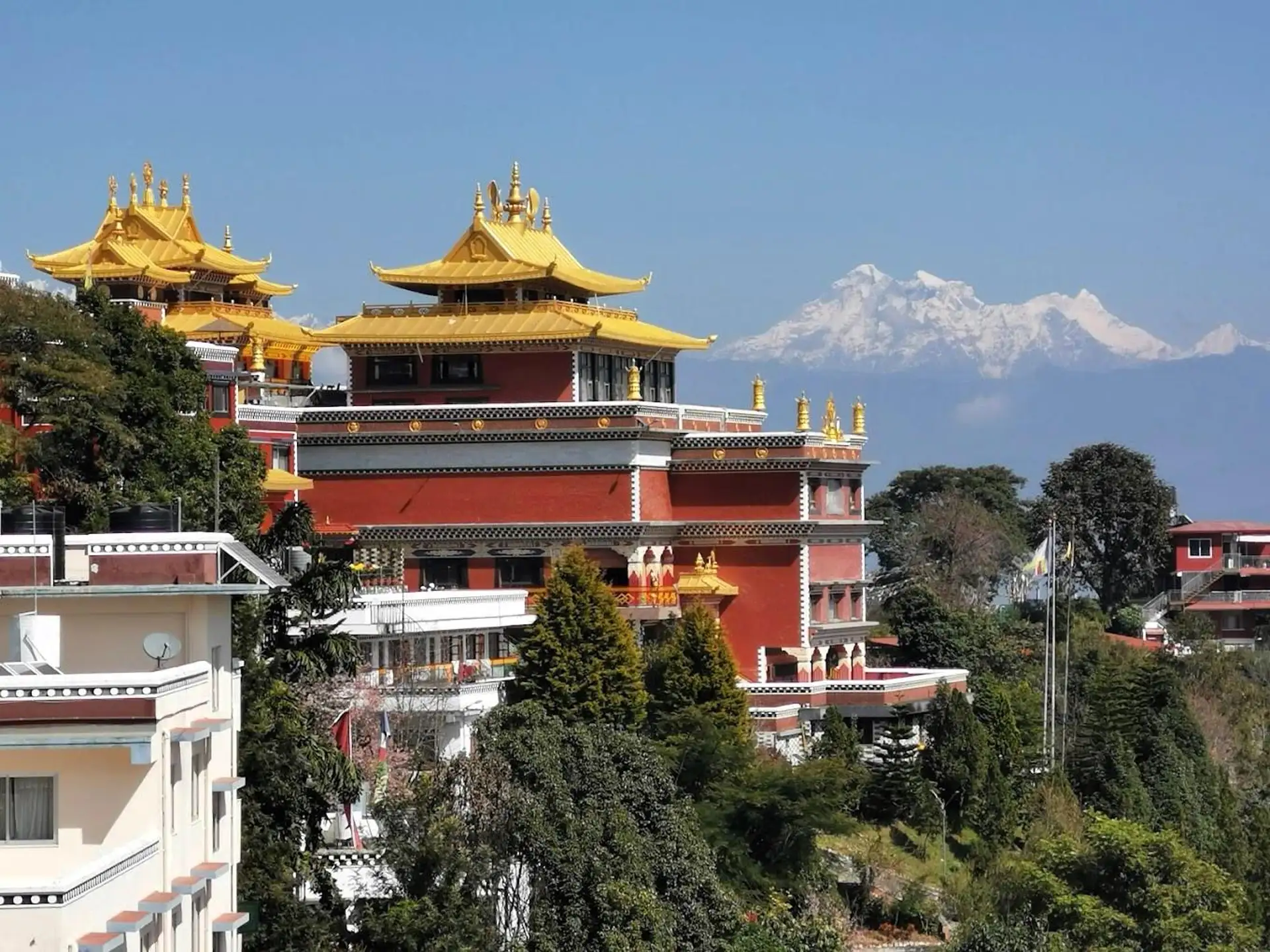
About 40 kilometers east of Kathmandu, Namobuddha is a serene hilltop monastery marking the site where, according to legend, a prince offered his body to a starving tigress and her cubs in a previous life of the Buddha. The Thrangu Tashi Yangtse Monastery here is an active center of Tibetan Buddhist practice, and the views of the Himalayan range from the ridge are spectacular on clear days. The Dhulikhel to Namobuddha spiritual guided hike is a popular day trip, but solo travelers can also reach the monastery by taxi or local bus and spend a night at the monastery guesthouse, joining the monks for morning prayers.
Accommodation for Solo Spiritual Travelers
Nepal offers a wide range of accommodation options for solo travelers, from budget guesthouses to monastery stays and mid-range hotels. In Kathmandu, the Thamel and Boudha neighborhoods are the most popular bases. Thamel is the tourist hub, with hundreds of guesthouses, restaurants, and travel agencies within walking distance. Boudha is quieter and more spiritually oriented, with many guesthouses offering rooftop views of the stupa. Expect to pay between ten and thirty US dollars per night for a clean private room with an attached bathroom in either area.
Monastery guesthouses are a unique and affordable option for solo spiritual travelers. Several monasteries in the Kathmandu Valley, including Kopan Monastery and the monasteries around Boudhanath, offer simple rooms to visitors. These are typically basic but clean, and the experience of waking up to the sound of morning prayers and sharing meals with monks is unforgettable. In Lumbini, several monasteries within the Development Zone offer guesthouse accommodation, including the Chinese Monastery, the Korean Monastery, and the Panditarama Meditation Center.
For those seeking more comfort, Nepal's mid-range and boutique hotels offer excellent value. In Kathmandu, hotels in the Lazimpat and Durbar Marg areas provide a quieter alternative to Thamel with higher standards of service. In Pokhara, the Lakeside area has dozens of hotels and guesthouses with views of Phewa Lake and the Annapurna range. Booking.com and Agoda are widely used in Nepal, and many properties offer free cancellation, which is useful for solo travelers who may want to adjust their plans on the go.
Meeting People on a Solo Spiritual Tour
One of the common concerns about solo travel is loneliness, but Nepal's spiritual tourism scene makes it easy to connect with like-minded people. The kora path around Boudhanath is a natural meeting place; you will often see travelers sitting together on the steps, sharing stories and recommendations. Monasteries that offer meditation courses, such as Kopan Monastery's popular ten-day introductory course, attract solo travelers from around the world and create an instant community of people on a similar path.
Yoga and meditation retreats are another excellent way to meet people while deepening your practice. Enticing Himalayas offers several retreat packages, including a 3-day yoga and sound healing retreat in Kathmandu and a 6-day yoga stress management retreat, both of which attract solo participants and foster a supportive group environment. For a more immersive experience, our 9-day luxury yoga wellness Himalayan escape combines spiritual practice with comfort and community.


Teahouses along trekking routes are famously social. If your spiritual tour includes a trek to Gosaikunda or through the Langtang Valley, the communal dining rooms of teahouses become gathering places where trekkers from every country share meals, stories, and advice around a wood-burning stove. These connections often become the most cherished memories of a trip.
Transport and Getting Around
Navigating Nepal as a solo traveler is straightforward with a bit of planning. Domestic flights connect Kathmandu to Pokhara, Lumbini (Bhairahawa Airport), and other regional centers, saving hours of road travel. Buddha Air and Yeti Airlines are the two main carriers, and tickets can be booked online or through any travel agency in Kathmandu. For the budget-conscious, tourist buses are a reliable alternative on the Kathmandu-Pokhara and Kathmandu-Lumbini routes, with journey times of six to eight hours depending on road conditions.
Within Kathmandu, the spiritual sites are spread across the valley, and a combination of taxis and walking works best. Pashupatinath, Boudhanath, and Swayambhunath can all be visited in a single day with a hired taxi, which typically costs between thirty and fifty US dollars for a full day. Ride-hailing apps like Pathao and inDrive offer cheaper point-to-point rides. For the truly independent, local buses and microbuses connect most destinations, but they are crowded, confusing, and not recommended for first-time visitors.
If your spiritual tour includes a visit to Muktinath, the sacred temple at 3,710 meters in the Mustang region, a helicopter tour is the most practical option for solo travelers who are not trekking. Our Muktinath helicopter pilgrimage departs from Kathmandu and includes the darshan at the temple and the 108 waterspouts, returning the same day. This is a premium option but eliminates the logistical complexity of reaching Muktinath overland as a solo traveler.
Sample 7-Day Solo Spiritual Tour Itinerary
This itinerary is designed for a solo traveler who wants a balanced mix of structured exploration and free time. It covers the essential spiritual sites of the Kathmandu Valley and Lumbini, with flexibility built into each day.
Day 1: Arrival in Kathmandu. Settle into your guesthouse in Boudha. In the evening, walk the kora around Boudhanath Stupa as the sun sets and the butter lamps are lit. Have dinner at a rooftop restaurant overlooking the stupa.
Day 2: Boudhanath and Pashupatinath. Start early with the morning prayers at Boudhanath. After breakfast, take a short taxi ride to Pashupatinath. Spend the morning exploring the temple complex and observing the rituals along the Bagmati River. In the late afternoon, return to Boudha for the evening aarti at one of the smaller monasteries.
Day 3: Swayambhunath and Kathmandu Durbar Square. Climb the steps to Swayambhunath in the early morning. Afterward, visit Kathmandu Durbar Square to see the Kumari Bahal, the residence of the Living Goddess, and the old royal palace. Spend the afternoon exploring the backstreets of the old city.
Day 4: Namobuddha Day Trip. Hire a taxi or join a day tour to Namobuddha Monastery. Walk the short trail from Dhulikhel if you are feeling active, or drive directly to the monastery. Spend the afternoon in the meditation hall and enjoy the Himalayan panorama. Return to Kathmandu in the evening.
Day 5: Travel to Lumbini. Take a morning flight from Kathmandu to Bhairahawa, followed by a short drive to Lumbini. Check into a monastery guesthouse or a hotel in the Lumbini Development Zone. In the afternoon, visit the Maya Devi Temple and the Sacred Garden.
Day 6: Lumbini Monastery Tour. Rent a bicycle and spend the day exploring the international monasteries. Visit the Chinese Monastery, the Korean Monastery, the German Monastery, and the World Peace Pagoda. Sit in meditation at the Panditarama Meditation Center. In the evening, attend a prayer session at one of the monasteries.
Day 7: Return to Kathmandu. Fly back to Kathmandu in the morning. Spend your final afternoon revisiting your favorite spot, perhaps Boudhanath for one last kora. In the evening, treat yourself to a farewell dinner and reflect on your journey.
This itinerary can be extended or shortened depending on your available time. If you have more days, consider adding a visit to Pokhara for its lakeside temples and the World Peace Pagoda, or a short trek to the sacred lakes of Gosaikunda. For a comprehensive overview of Nepal's spiritual offerings, see our spiritual tour in Nepal guide for 2026.
Packing for a Solo Spiritual Tour
Packing light is essential for solo travel in Nepal, but a few specific items will make your spiritual journey more comfortable. A reusable water bottle with a built-in filter is invaluable, as bottled water creates enormous plastic waste in Nepal and tap water is not safe to drink. A lightweight scarf or shawl serves multiple purposes: it can cover your shoulders when entering temples, act as a blanket on cold bus rides, and provide shade from the sun.
Comfortable walking shoes are non-negotiable. You will be walking on uneven stone paths, climbing temple steps, and navigating dusty streets. Sandals are fine for short distances but inadequate for a full day of exploration. A headlamp or small flashlight is useful for navigating poorly lit streets in the evening and for reading in guesthouses during power cuts, which are still common in Nepal.
For spiritual practice, consider bringing a meditation cushion or a lightweight yoga mat if you plan to attend retreats or sit for extended periods in monasteries. A journal is perhaps the most important item: a solo spiritual tour generates insights and reflections that are worth capturing in the moment. Finally, a small daypack keeps your hands free while walking koras and climbing steps, and it is easier to keep an eye on in crowded areas than a shoulder bag.
Health and Wellness on the Road
Staying healthy as a solo traveler in Nepal requires some vigilance. Food and water safety is the primary concern. Stick to bottled or filtered water, avoid raw vegetables and salads unless you are confident in the kitchen's hygiene standards, and eat at busy restaurants where food turnover is high. Street food can be safe if it is cooked fresh in front of you, but use your judgment. Traveler's diarrhea is common and usually resolves within a day or two; carry oral rehydration salts and a basic medical kit.
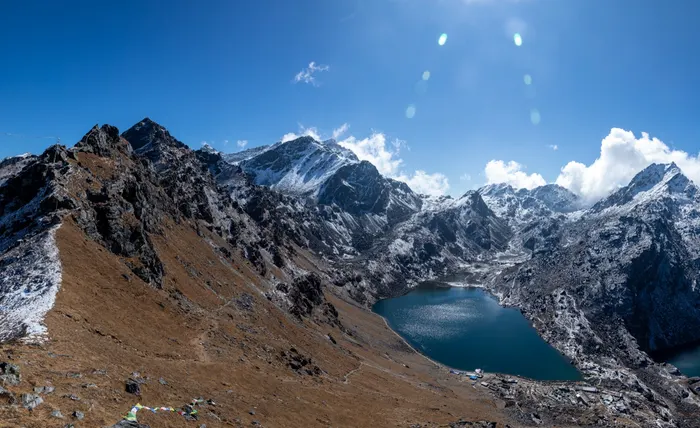
Altitude sickness is a risk if your spiritual tour includes high-altitude sites like Muktinath (3,710 meters) or the Gosaikunda lakes (4,380 meters). Symptoms include headache, nausea, fatigue, and shortness of breath. The only reliable treatment is descent to a lower altitude. If you are trekking solo, stay on well-marked trails, inform your guesthouse of your plans each day, and consider carrying a personal locator beacon or a satellite communication device for emergencies. For more on combining trekking with spiritual practice, read our guide to treks with a spiritual side.
Mental and emotional well-being is just as important as physical health on a spiritual journey. Solo travel can be intense, and it is normal to experience moments of loneliness or overwhelm. Build rest days into your itinerary, stay connected with loved ones back home via messaging apps, and do not hesitate to join a group activity or retreat if you crave company. Nepal's spiritual community is welcoming, and you will find that many doors open when you travel with an open heart.
Budgeting for a Solo Spiritual Tour
Nepal is one of the most affordable destinations in the world for spiritual travel, and a solo traveler can have a rich experience on a modest budget. A comfortable daily budget of thirty to fifty US dollars covers a private room in a good guesthouse, three meals at mid-range restaurants, local transportation, and entry fees to temples and monasteries. This budget allows for occasional splurges like a helicopter tour to Muktinath or a multi-day yoga retreat.
Entry fees for major spiritual sites are reasonable. Boudhanath and Swayambhunath charge a small fee for foreign visitors, typically a few dollars. Pashupatinath's entry fee is higher, around ten US dollars, and the Lumbini Development Zone charges a similar amount. Monastery guesthouses are often donation-based or very inexpensive, sometimes as low as five to ten dollars per night including meals.
For those who prefer the security of a structured tour, Enticing Himalayas offers packages that can be adapted for solo travelers. Our Nepal cultural pilgrimage Himalayan experience provides a guided journey through the country's most sacred sites, and our Sacred Valleys and Living Goddesses tour offers a deep dive into the spiritual heart of the Kathmandu Valley. These packages include guides, transport, and accommodation, removing the logistical burden from the solo traveler while still allowing plenty of personal space and free time.
Cultural Etiquette for Solo Visitors
Understanding and respecting local customs enhances your experience and opens doors that remain closed to insensitive travelers. When visiting Hindu temples, always walk clockwise around shrines and stupas. Remove your shoes before entering any temple or monastery, and never point the soles of your feet at a sacred object or a person. It is customary to leave a small donation at temples and monasteries, and this is appreciated but not obligatory.
Photography etiquette varies by site. At Boudhanath and Swayambhunath, photography is generally permitted and encouraged. At Pashupatinath, photography of the cremation ghats is allowed from a respectful distance, but photographing the main temple interior is prohibited. In Lumbini, photography is permitted in most areas, but always ask before photographing monks or nuns, and never use flash inside meditation halls. At the Maya Devi Temple, photography of the marker stone is not allowed.
Interacting with monks and sadhus is one of the joys of a spiritual tour in Nepal, but it requires sensitivity. Monks are generally happy to talk with visitors, but they are not tourist attractions. If you wish to photograph a monk or sadhu, ask permission first and offer a small donation if they request one. Sadhus at Pashupatinath often expect payment for photographs, and this is an accepted part of the interaction. Approach these encounters with respect and curiosity, and you will often be rewarded with genuine connection.
When to Go: Best Seasons for a Solo Spiritual Tour
The best times for a solo spiritual tour in Nepal are the spring months of March through May and the autumn months of September through November. These periods offer clear skies, moderate temperatures, and stable weather, making them ideal for both temple visits in the valley and treks to high-altitude sites. Spring brings blooming rhododendrons to the hills around Kathmandu, while autumn offers the crispest mountain views after the monsoon rains have washed the dust from the air.
Winter, from December to February, is also a viable season for spiritual travel in the Kathmandu Valley and Lumbini. Daytime temperatures are pleasant, though nights can be cold, and guesthouses with heating are worth the extra cost. The high-altitude sites like Muktinath and Gosaikunda are often inaccessible due to snow, but the valley sites remain open and are significantly less crowded than in peak season. The monsoon, from June to August, brings heavy rain, leeches on trekking trails, and flight delays, making it the least favorable season for a spiritual tour, though the valley's temples take on a lush, green beauty during this time.
Festival timing can add a powerful dimension to your solo spiritual tour. The great festivals of Dashain, Tihar, Holi, and Indra Jatra transform the Kathmandu Valley into a living celebration of faith and culture. Traveling during a festival as a solo traveler can be particularly rewarding, as the festive atmosphere makes it easy to connect with locals and fellow travelers. Check the lunar calendar for exact dates, as they shift each year.
Combining Solo Spiritual Travel with Wellness
Many solo travelers find that a spiritual tour naturally leads into a deeper wellness practice. Nepal's yoga and meditation retreats are world-class, and they attract a diverse community of practitioners from every background. A typical retreat includes daily yoga sessions, guided meditation, vegetarian meals, and periods of silence or self-study. For solo travelers, a retreat provides structure, community, and a safe container for inner work.
These experiences are designed to be accessible to solo travelers, with small group sizes and experienced instructors who create a supportive environment.
Sound healing, Ayurvedic treatments, and traditional Tibetan medicine are also widely available in Kathmandu and Pokhara. Many solo travelers book a treatment or two as a way to rest and integrate between more active phases of their journey. The Kathmandu Valley alone has dozens of reputable wellness centers, and your guesthouse or hotel can usually recommend a trusted practitioner.
>