The Annapurna region is unique in the Himalayas because it offers routes for every fitness level, from complete beginners to experienced mountaineers. Whether you are a casual walker who enjoys weekend strolls or a seasoned trekker who has conquered high passes, there is an Annapurna route that matches your fitness perfectly. This guide breaks down the difficulty of every major Annapurna trek, explains what fitness level each route demands, and helps you choose the adventure that is right for your body and experience.
What Makes Annapurna Treks Different in Difficulty?
Annapurna trek difficulty is determined by four factors: maximum altitude, daily elevation gain, trail conditions, and duration. A trek that stays below 3,500 meters is significantly easier than one that reaches 5,000 meters because the effects of reduced oxygen become noticeable above 3,500 meters. Daily elevation gain (how much you climb in a single day) determines how hard each day feels. Trail conditions (stone stairs, river crossings, narrow ridges) affect technical difficulty. Duration matters because fatigue accumulates over multiple days of walking.
How Hard Is the Ghorepani Poon Hill Trek?
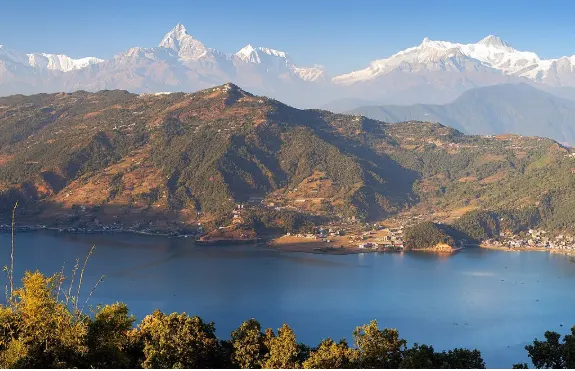
The Ghorepani Poon Hill Trek (7 Days) is rated easy to moderate and is the best choice for beginners and occasional walkers. The maximum elevation is 3,210 meters at Poon Hill, well below the altitude where most people experience problems. Daily walking times are three to five hours on well-maintained trails. The main challenge is the famous stone staircase between Tikhedhunga and Ulleri, which has over 3,000 steps and takes about two hours to climb.
Fitness requirement: you should be able to walk for two hours on hilly terrain without stopping. No previous trekking experience is needed. This trek is suitable for families with children, seniors in good health, and anyone who exercises occasionally. The Ghorepani area has excellent teahouse infrastructure, so you are never far from a bed and a hot meal. If you can climb stairs for 30 minutes, you can do this trek.
What Is the Difficulty of the Mardi Himal Trek?
The Mardi Himal Trek (5 Days) is rated moderate. The maximum elevation is 4,500 meters at the Mardi Himal viewpoint, which means altitude effects are possible. The trail follows a narrow ridge through rhododendron and pine forests, with some sections that are exposed and require careful footing. Daily walking times are four to six hours.
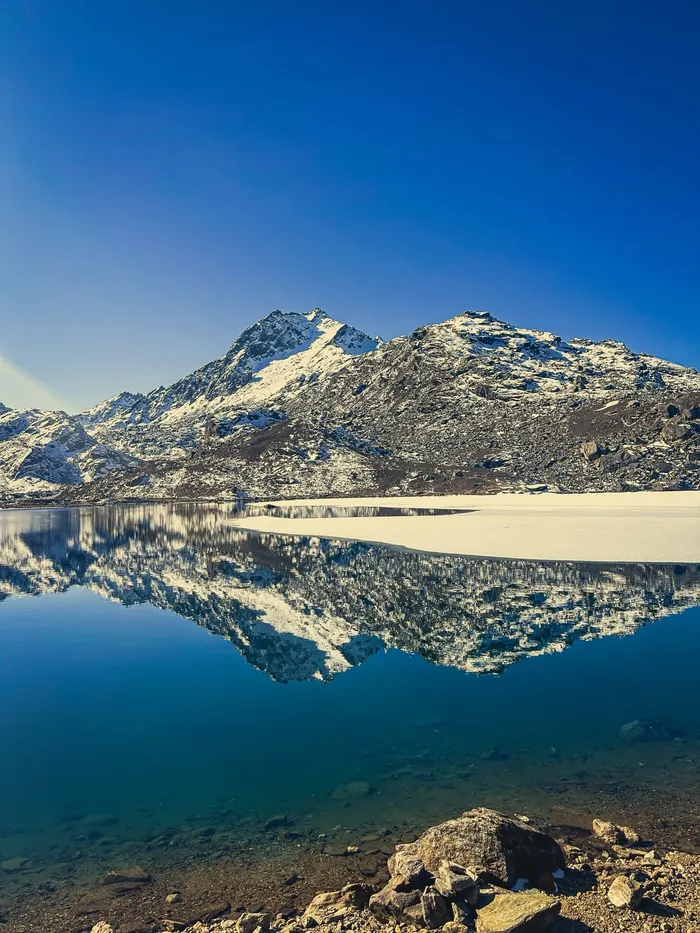
Fitness requirement: you should be able to walk for four to five hours on hilly terrain with a light daypack. Some previous hill walking experience is helpful but not mandatory. The ridge trail is less crowded than other Annapurna routes, which adds to the adventure but also means fewer teahouses and less support infrastructure. This is a good step up from Poon Hill if you want more challenge without committing to a longer trek. Learn more on our Mardi Himal destination page.
How Difficult Is the Annapurna Base Camp Trek?
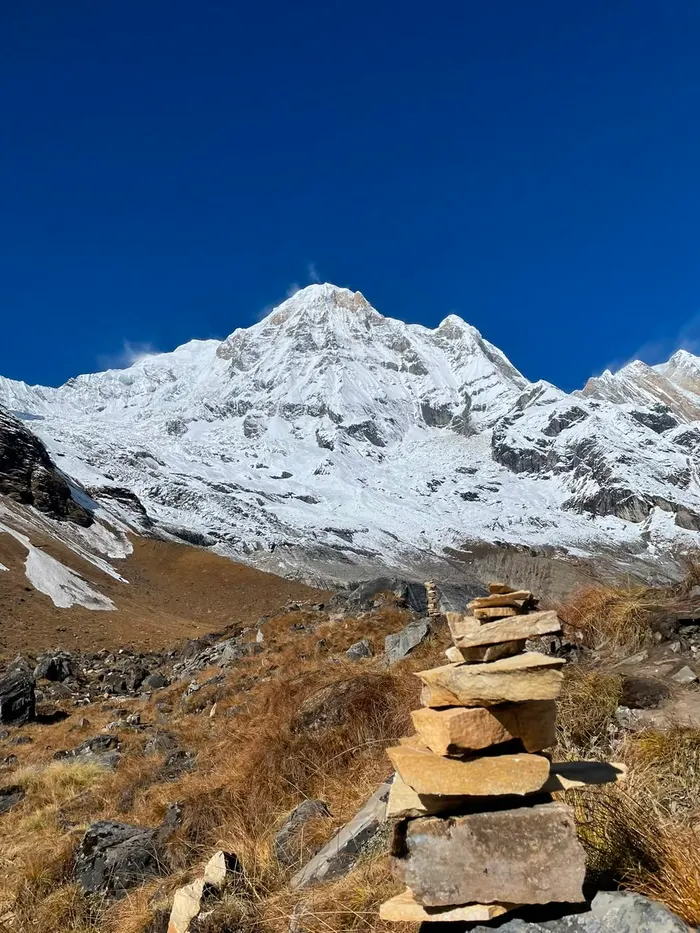
The Annapurna Base Camp Trek (10 Days) is rated moderate to challenging. The maximum elevation is 4,130 meters at Annapurna Base Camp. The trek involves sustained climbing through the Modi Khola gorge, with daily elevation gains of 500 to 800 meters. Daily walking times are five to seven hours. The final push from Machhapuchhre Base Camp to ABC is at high altitude and can be tiring even for fit trekkers.
Fitness requirement: you should be able to walk for five to six hours on steep mountain trails for multiple consecutive days. Regular exercise (three to four times per week) for at least two months before the trek is recommended. The short 7-day ABC trek is more demanding because it removes rest days, making it suitable only for experienced trekkers. If you are unsure about your fitness, the 6-Week Training Plan will get you ready.
Is the Annapurna Circuit the Hardest Trek in the Region?
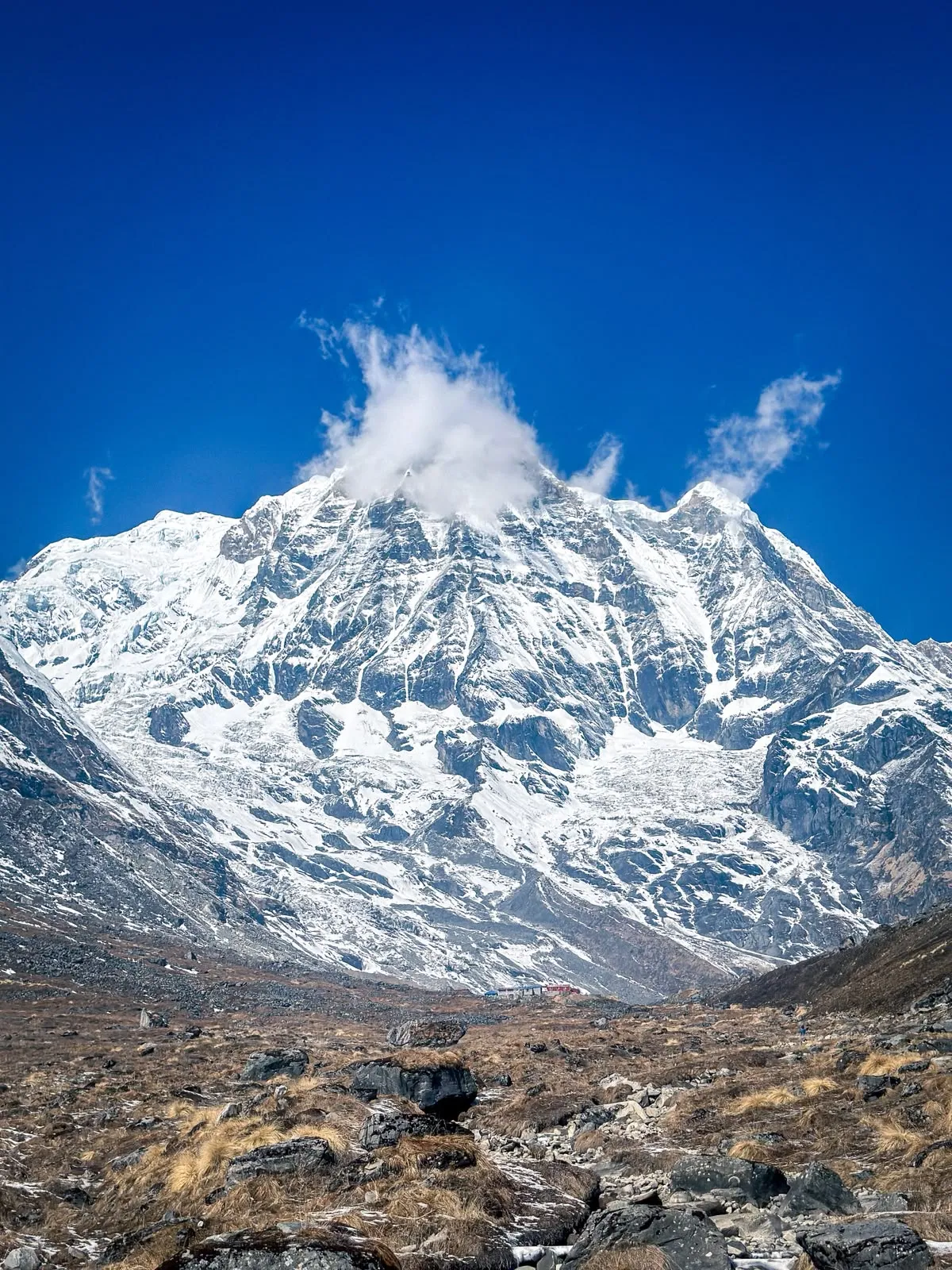
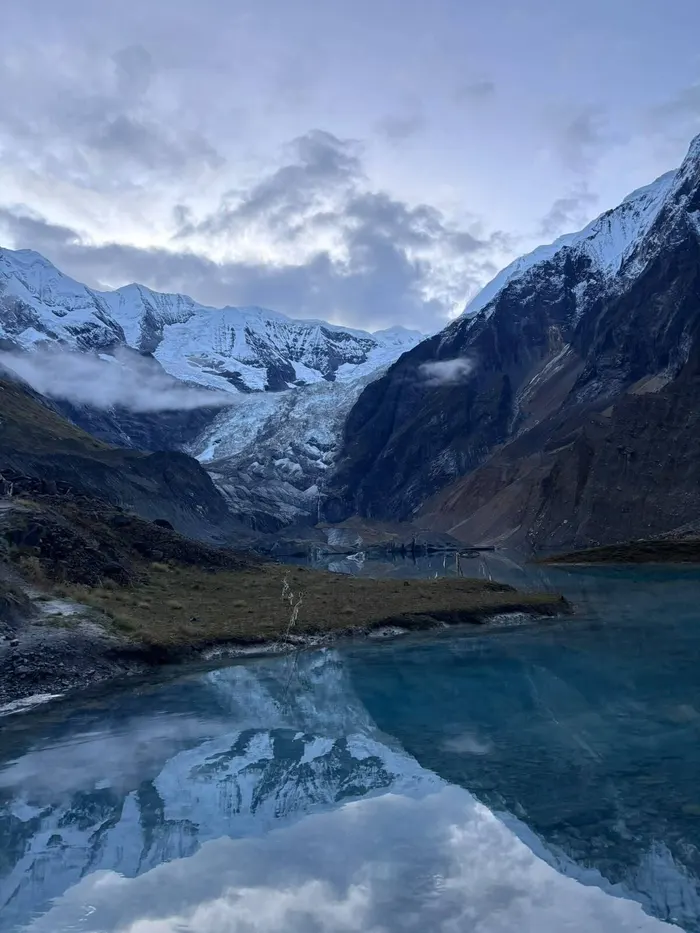
The Annapurna Circuit with Tilicho Lake (13 Days) is the most challenging standard trekking route in the Annapurna region. It crosses Thorong La at 5,416 meters, the highest pass on a regular trekking route in Nepal. The trek also includes a side trip to Tilicho Lake at 4,919 meters, one of the highest lakes in the world. Daily elevation gains can exceed 1,000 meters, and the crossing of Thorong La requires an early start (typically 4:00 AM) to avoid afternoon winds.
Fitness requirement: excellent cardiovascular fitness, strong legs, and previous high-altitude trekking experience (above 4,000 meters). You should be training consistently for at least three months before this trek. The altitude is the main challenge: at 5,416 meters, the air contains roughly half the oxygen of sea level. Acclimatization days in Manang are essential. The 14-day budget version adds an extra rest day for better acclimatization. Explore the Upper Mustang region beyond the pass for a dramatically different landscape.
Which Annapurna Trek Is Easiest for Beginners?
For absolute beginners, the easiest Annapurna trek options are:
- Ghorepani Poon Hill Trek (7 Days): Max 3,210m, 3 to 5 hours per day, easy to moderate.
- Panchase Panorama Trek: Max 2,500m, 4 to 5 hours per day, easy. No altitude concerns.
- Annapurna Senior Trek (8 Days): Designed for over-60 travelers with gentle pace and extra rest.
- Annapurna Family Trek (9 Days): Kid-friendly with shorter days and interactive cultural stops.
All of these routes stay below 3,300 meters and have excellent teahouse infrastructure. They are suitable for people who walk regularly but do not train specifically. For a complete beginner guide, see our Annapurna Trek for Beginners article.
How Does Altitude Affect Trekking Difficulty?
Altitude is the single biggest factor that makes Annapurna treks challenging. Above 3,000 meters, the reduced oxygen means your heart rate increases, breathing becomes heavier, and fatigue sets in faster. Above 4,000 meters, many trekkers experience mild symptoms of altitude sickness: headache, loss of appetite, poor sleep, and shortness of breath on uphill sections. Above 5,000 meters, even fit trekkers feel the strain, and the risk of more serious altitude sickness increases.
The Annapurna routes by maximum altitude:
- Panchase Panorama: 2,500m (no altitude effects)
- Ghorepani Poon Hill: 3,210m (minimal altitude effects)
- Mardi Himal: 4,500m (moderate altitude effects, acclimatization recommended)
- Annapurna Base Camp: 4,130m (moderate altitude effects, acclimatization days included)
- Tilicho Lake: 4,919m (significant altitude effects)
- Thorong La pass: 5,416m (major altitude effects, careful acclimatization required)
Fitness does not protect you from altitude sickness. Even very fit athletes can get sick. The key is ascending slowly and allowing your body to adapt. See our Annapurna Region page for route details.
What Is the Fitness Level Required for Each Annapurna Route?
Here is a summary of fitness levels required for each major Annapurna trek, rated on a scale from casual walker to athlete:
- Panchase Panorama Trek: Casual walker. Can walk 4 hours on trails. No specific training needed.
- Ghorepani Poon Hill Trek: Weekend walker. Can walk 5 hours on hilly terrain. Light training recommended.
- Mardi Himal Trek: Regular walker. Exercises 2 to 3 times per week. Can walk 6 hours with a daypack.
- Annapurna Base Camp Trek: Active person. Exercises 3 to 4 times per week. Can walk 6 to 7 hours on steep trails for multiple days.
- Annapurna Circuit with Tilicho Lake: Fit trekker. Regular hill walker with previous high-altitude experience. Trains consistently for 3+ months.
- Annapurna Circuit Budget (14 Days): Fit trekker. Same as above but with an extra acclimatization day for a slightly more forgiving schedule.
If you are between levels, choose the easier option. You can always do a harder trek next time. All our guided packages include porters who carry your main bag, which reduces the physical demand significantly.
How Do Trail Conditions Affect Difficulty?
Trail conditions vary significantly between Annapurna routes. The Poon Hill and ABC trails are well-maintained, wide, and clearly marked. They have stone staircases in some sections but are generally easy to walk on. The Mardi Himal trail is narrower and follows a ridge, which can be exposed in places. The Annapurna Circuit has more varied terrain, from jeep tracks in the lower sections to narrow paths crossing scree and snow near Thorong La.
River crossings are part of several routes. Most have bridges, but some seasonal crossings may require wading. During the monsoon (June to August), trails become slippery and leeches are common on the southern routes. The Annapurna Winter Trek adds snow and ice conditions, which significantly increase difficulty. Check our weather by month guide for trail conditions by season.
What Are the Special Difficulty Considerations for Different Groups?
Different groups have different difficulty considerations. For seniors over 60, the Annapurna Senior Trek (8 Days) is specifically designed with a gentle pace, extra rest days, and shorter walking hours. For families with children, the Annapurna Family Trek (9 Days) includes interactive cultural activities and shorter days that keep children engaged.
For solo female travelers, the Annapurna Solo Women's Trek (10 Days) provides a female-led, women-only environment that many find more comfortable. For mother-daughter pairs, the Annapurna Mother-Daughter Trek (9 Days) offers a bonding experience at a moderate pace. For those seeking luxury, the Annapurna Luxury Lodge Trek (12 Days) upgrades to premium lodges, which does not reduce the physical difficulty but greatly improves comfort and recovery.
How Long Does Each Annapurna Trek Take?
Duration directly affects difficulty because fatigue compounds over consecutive days of walking. A five-day trek is manageable for most people, while a fourteen-day trek requires sustained energy and mental resilience. Here is the duration of each major route:
- Mardi Himal Trek: 5 days
- Annapurna Helicopter Return Trek: 6 days (trek up, fly back)
- Ghorepani Poon Hill Trek: 7 days
- Annapurna Senior Trek: 8 days
- Annapurna Winter Trek: 8 days
- Annapurna Family Trek: 9 days
- Annapurna Solo Women's Trek: 10 days
- Annapurna Base Camp Trek: 10 days
- Annapurna Photography Trek: 11 days
- Annapurna Luxury Lodge Trek: 12 days
- Annapurna Circuit with Tilicho Lake: 13 days
- Annapurna Circuit Budget Trek: 14 days
The helicopter return trek is a clever way to reduce the multi-day fatigue: you trek up to ABC over five days and fly back on day six, avoiding the long downhill return. See all itineraries in our Complete Annapurna Trek Itineraries guide.
How Do You Know Which Route Matches Your Fitness?
To determine which Annapurna route matches your fitness, ask yourself these questions: Can I walk five hours on hilly terrain without excessive fatigue? Have I trekked above 3,000 meters before without altitude problems? Can I walk for five or more consecutive days? Do I exercise at least three times per week?
If you answered yes to all four, you are ready for the Annapurna Base Camp trek. If you are unsure about any, start with Poon Hill or Mardi Himal. If you have never trekked above 3,000 meters, do not start with the Circuit. The safest approach is to choose a route one level easier than you think you need. You can always do a harder trek next time. Explore all options on our adventures page.
What If You Struggle on the Trail?
If you find a trek harder than expected, there are several options. Your guide can adjust the daily schedule, add rest stops, or arrange a porter to carry your daypack. Some teahouses allow you to stay an extra night and continue the next day. If you are truly struggling or experiencing altitude sickness, your guide can arrange for you to descend to a lower elevation or take a jeep shortcut on certain routes.
The important thing is to communicate with your guide. They are experienced in assessing trekkers' conditions and will not push you beyond your safe limits. On the Circuit route, there are jeep roads on both sides of the pass, so if you cannot cross Thorong La, you can be evacuated by jeep to Pokhara or Kathmandu. All Enticing Himalayas guides carry first aid kits and communication devices. Learn about staying connected on our Annapurna Trail Connectivity guide.
FAQ: Annapurna Trek Difficulty
Which Annapurna trek is best for someone who never exercises?
The Ghorepani Poon Hill trek (7 days) or the Panchase Panorama trek are the best options for someone who does not exercise regularly. Both stay below 3,300 meters, have daily walking times of three to five hours, and have excellent teahouse support. The Panchase Panorama trek stays below 2,500 meters, making it the absolute easiest option with zero altitude concerns.
Is the Annapurna Base Camp trek harder than Everest Base Camp?
The Annapurna Base Camp trek is generally considered easier than the Everest Base Camp trek. ABC reaches 4,130 meters versus EBC at 5,364 meters, meaning less altitude stress. The Annapurna trail has more comfortable teahouse infrastructure and a gentler altitude profile. However, ABC has more stone staircases, which can be hard on knees during descents.
Can a beginner do the Annapurna Circuit trek?
A true beginner should not attempt the full Annapurna Circuit with Thorong La. The pass at 5,416 meters requires previous high-altitude experience and excellent fitness. Beginners should start with Poon Hill or ABC, build experience, then attempt the Circuit on a future trip. The 14-day budget version with extra acclimatization is the most forgiving Circuit option for relatively new trekkers.
How fit do you need to be for the Mardi Himal trek?
The Mardi Himal trek requires moderate fitness. You should be able to walk four to six hours on hilly terrain with a light daypack for five consecutive days. Regular walking or hiking two to three times per week for a month before the trek is sufficient preparation. The maximum elevation of 4,500 meters means you should be aware of altitude symptoms, though the short duration reduces overall risk.
Do you need a porter for Annapurna treks?
A porter is highly recommended for all Annapurna treks. Carrying a 10 to 15 kg backpack at altitude significantly increases fatigue and injury risk. All Enticing Himalayas packages include a porter who carries your main bag, leaving you with just a light daypack (water, camera, layers). This reduces the physical difficulty by an estimated 30 to 40 percent and lets you focus on enjoying the scenery.
Which is harder, Poon Hill or Annapurna Base Camp?
Annapurna Base Camp is significantly harder than Poon Hill. ABC reaches 4,130 meters (nearly 1,000 meters higher than Poon Hill at 3,210 meters), involves longer daily walking hours (five to seven versus three to five), and takes ten days versus seven. Poon Hill is rated easy to moderate, while ABC is rated moderate to challenging. If you are unsure which to choose, start with Poon Hill.