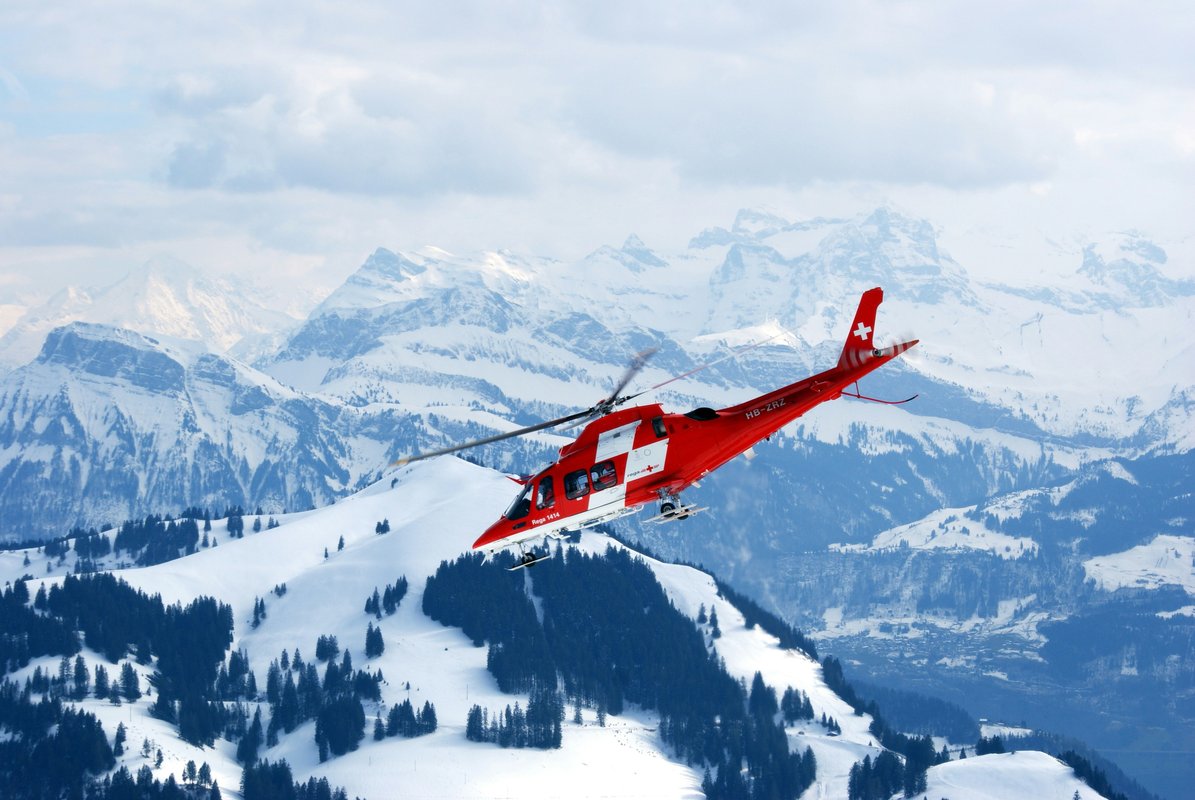
For many travelers, seeing Mount Everest up close is a lifelong dream, but not everyone has the time or physical fitness for a two-week trek. The Everest Base Camp Helicopter Tour offers the perfect solution: a single-day aerial adventure that takes you from Kathmandu to the base of the world's highest mountain and back, with breathtaking views of the entire Khumbu region along the way. In just a few hours, you soar over verdant valleys, glacial rivers, Sherpa villages, and towering peaks, landing at Everest Base Camp or Kala Patthar for a close encounter with the mountain itself. This guide covers everything you need to know about planning a one-day Everest helicopter tour in 2026, including the itinerary, costs, best time to go, and what to expect.
What Is an Everest Base Camp Helicopter Tour?
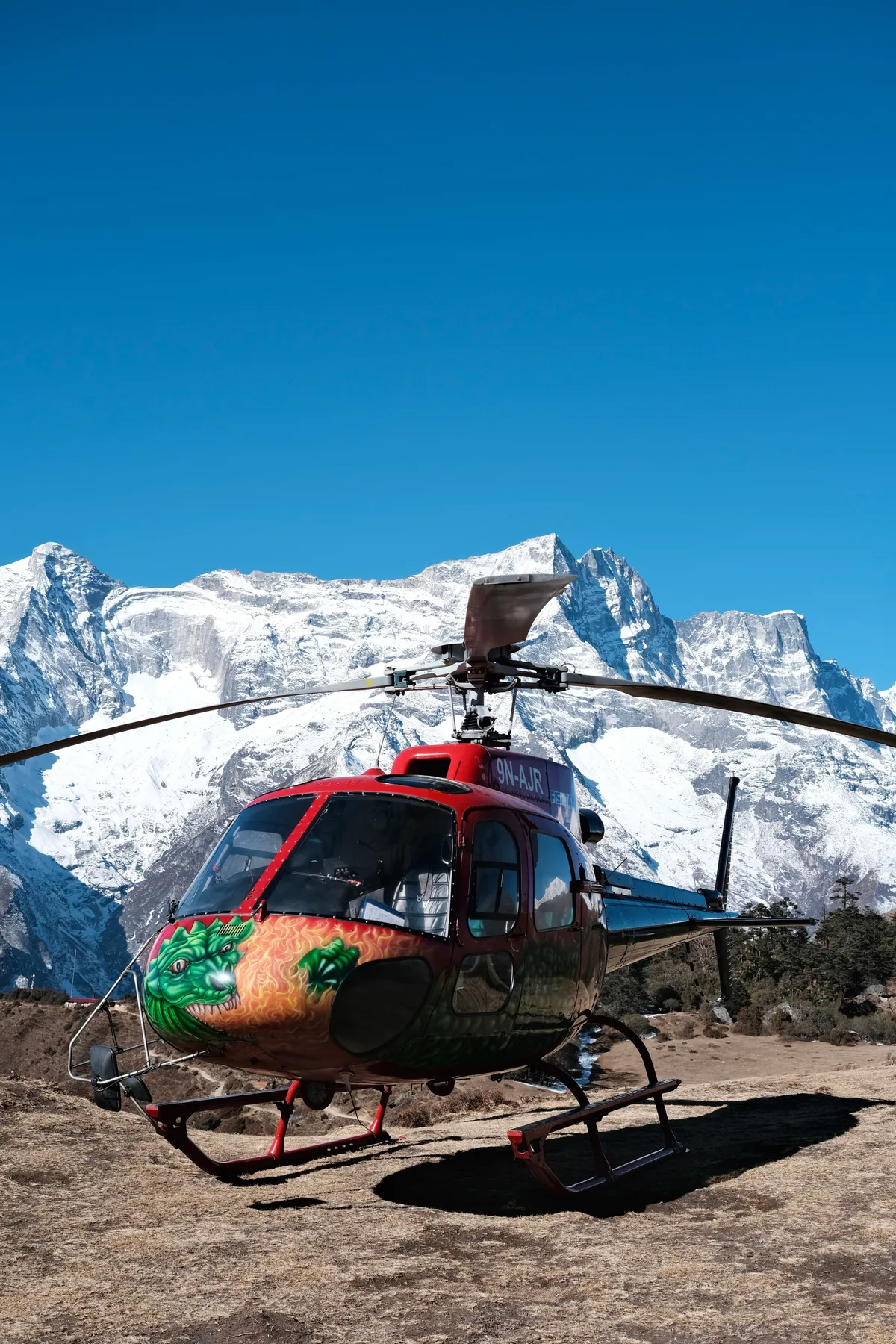
An Everest Base Camp Helicopter Tour is a scenic flight from Kathmandu that takes you deep into the Khumbu region of Nepal, landing at or near Everest Base Camp (5,364m) for a short ground experience before returning to Kathmandu the same day. Unlike a trek, which requires 12 to 14 days, the helicopter tour compresses the entire Everest experience into approximately 4 to 5 hours of flight time plus a landing. You travel in a modern helicopter, typically an AS350 B3e or Ecureuil, piloted by experienced mountain aviators who know every ridge and valley of the Khumbu. The tour includes aerial sightseeing, a landing at the base camp viewpoint or Kala Patthar, and a breakfast stop at a luxury lodge in Syangboche or Lukla.
How Much Does an Everest Helicopter Tour Cost in 2026?
The cost of an Everest helicopter tour varies depending on whether you book a shared or private flight. Shared departures, where you join a group of 4 to 5 passengers, are the most economical option, with per-seat pricing that makes the experience accessible to more travelers. Private charters, where you have the entire helicopter to yourself or your group, cost more but offer flexibility in timing, route, and landing duration. All packages typically include the helicopter flight, experienced pilot, airport transfers from your hotel, and the landing fee at Everest Base Camp. Some operators include breakfast at the Everest View Hotel. We recommend booking through a reputable operator like Enticing Himalayas to ensure safety standards, experienced pilots, and proper emergency protocols.
What Does a Typical Everest Helicopter Tour Itinerary Look Like?
A standard one-day Everest helicopter tour follows a well-planned itinerary. Early morning departure from Tribhuvan International Airport in Kathmandu, usually between 6 and 7 AM, when weather conditions are most favorable. The flight heads northeast toward the Khumbu, crossing the Sun Koshi river valley and climbing over lush middle hills. Your first scenic highlight is the Dudh Koshi gorge, followed by views of Lukla, Namche Bazaar, and Tengboche Monastery. The helicopter lands at Kala Patthar (5,545m) or Everest Base Camp for approximately 10 to 15 minutes of ground time for photography and celebration. Due to altitude safety, ground time is limited. The return flight includes a stop at the Everest View Hotel in Syangboche for breakfast with panoramic mountain views, before flying back to Kathmandu by late morning.
When Is the Best Time for an Everest Helicopter Tour?
The best seasons for an Everest helicopter tour are autumn (September to November) and spring (March to May), when skies are clear and weather is stable. Autumn offers the clearest visibility of the entire year, with crisp air and minimal cloud cover. Spring brings warmer temperatures and the dramatic sight of mountaineering expeditions at base camp. Winter (December to February) is also excellent for helicopter tours because the air is extremely dry and clear, though temperatures at the landing site are very cold. Monsoon season (June to September) is generally not recommended due to cloud cover and unpredictable weather. Morning departures are always preferred because clouds typically build up in the afternoon, obscuring mountain views.
Is the Everest Helicopter Tour Safe?
Safety is the top priority for any helicopter operation in the Himalayas. Enticing Himalayas works only with licensed operators who maintain their helicopters to international standards, employ pilots with thousands of hours of mountain flying experience, and follow strict weather assessment protocols. Before every flight, the pilot evaluates weather conditions along the entire route and at the landing site. If conditions are not safe, the flight is postponed or canceled with a full refund or rescheduling option. The helicopters used are high-altitude capable models designed for the thin air of the Khumbu. Oxygen is carried on board for passenger use during the landing at high altitude. Ground time at Everest Base Camp or Kala Patthar is deliberately kept short (10 to 15 minutes) to minimize the risk of altitude-related health issues.
What Will You See During the Helicopter Flight?
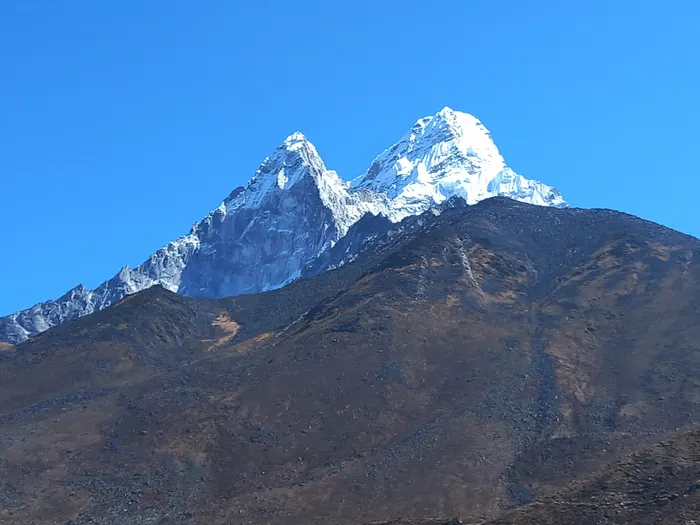
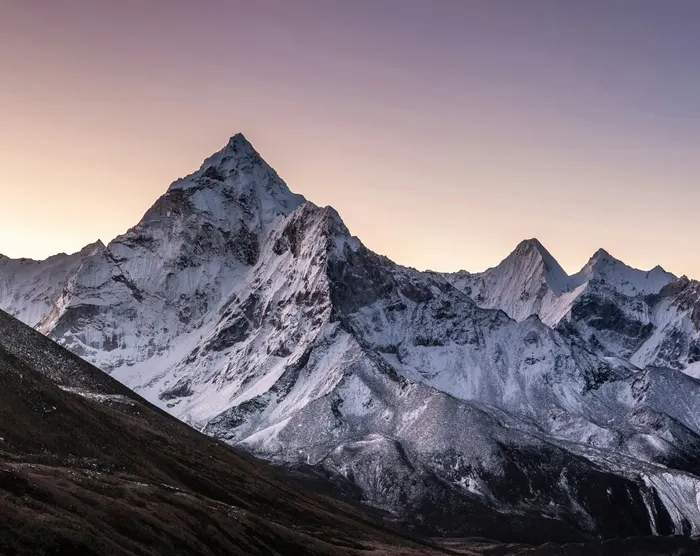
The aerial views during an Everest helicopter tour are simply extraordinary. As you leave Kathmandu, you fly over terraced hills and traditional villages, watching the landscape transform from subtropical green to alpine barren. Entering the Khumbu, you see the Dudh Koshi river winding through a deep gorge, with prayer-flag-decorated suspension bridges connecting tiny Sherpa settlements. The peaks come into view one by one: first Thamserku and Kangtega, then Ama Dablam's perfect pyramid, followed by Nuptse, Lhotse, and finally Everest itself. You will see the Khumbu Icefall, a spectacular but dangerous cascade of ice that marks the route from base camp to the Western Cwm. The return flight passes over the turquoise lakes near Gokyo and the glaciers of the Ngozumpa, the longest glacier in Nepal.
Do You Need to Be Physically Fit for the Helicopter Tour?
One of the greatest advantages of the helicopter tour is that it requires no trekking or special physical fitness. Anyone in reasonable health can enjoy the experience, including elderly travelers and those with mobility limitations. However, the landing at Everest Base Camp or Kala Patthar places you at an altitude of over 5,000m, where the air is thin. If you have heart conditions, severe respiratory issues, or are pregnant, consult your doctor before booking. During the ground stop, move slowly, avoid exertion, and drink water. The pilot and ground crew monitor everyone for signs of altitude sickness and can provide supplemental oxygen if needed. Most passengers feel perfectly fine during the short landing.
What Should You Wear and Bring on the Helicopter Tour?
Even though you are not trekking, the temperatures at Everest Base Camp can be well below freezing, especially in winter and early morning. Dress in warm layers: a thermal base layer, fleece mid-layer, down jacket, warm pants, gloves, and a warm hat. Sunglasses are essential because the sun reflecting off snow and ice is intense at high altitude. Bring a camera with a charged battery (cold drains batteries faster), and keep it accessible during the flight. A small bottle of water and some snacks are provided, but you may bring your own. Avoid bringing large bags; a small daypack or camera bag is sufficient. The helicopter has limited space, and weight limits are strictly enforced for safety.
Can You Combine the Helicopter Tour with a Trek?
Yes, and this is one of the most popular options for travelers who want both experiences. The Everest Base Camp Helicopter Trek (trek up, fly back) lets you trek the full classic route from Lukla to Everest Base Camp over 12 days, then return to Kathmandu by helicopter, saving two days of return trekking. This option gives you the deep immersion of a trek with the convenience and aerial drama of a helicopter flight. You experience the gradual cultural and ecological transition of the Khumbu on foot, then see it all from above on the return flight. The helicopter lands at Gorak Shep or Kala Patthar to pick you up, offering one last close-up view of Everest before soaring over glaciers and valleys back to Kathmandu.
What Are the Alternatives to a Full Helicopter Tour?
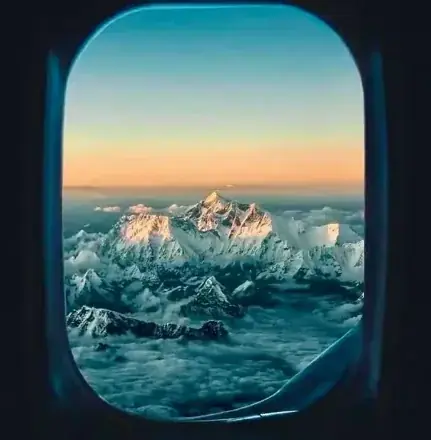
If a full helicopter tour to Everest Base Camp is beyond your budget, there are more affordable ways to see Everest from the air. The Mount Everest Scenic Flight from Kathmandu is a one-hour commercial mountain flight that takes you close to the Everest massif. While you do not land, the views from the large windows are spectacular, and every passenger gets a window seat. This is a fraction of the cost of a helicopter tour and requires no special preparation. Another alternative is the 5-Day Everest View Short Trek, which takes you to Namche Bazaar and the Everest View Hotel for ground-level panoramas of Everest without the full base camp commitment.
What Happens If the Weather Cancels Your Flight?
Mountain weather is unpredictable, and flight cancellations do happen, especially during shoulder seasons. If your helicopter tour is canceled due to weather, reputable operators offer a full refund or the option to reschedule for the next available day. We recommend building a buffer day into your Nepal itinerary in case of weather delays. Morning flights have a higher success rate than afternoon departures because clouds typically build up later in the day. Your pilot makes the final call on weather safety, and this decision is non-negotiable. Never pressure a pilot to fly in marginal conditions; safety always comes first. If your flight is canceled, consider the scenic mountain flight as an alternative, as commercial flights operate at a different altitude and may fly when helicopters cannot.
How Does the Helicopter Tour Compare to Trekking to Base Camp?
The helicopter tour and the trek offer fundamentally different experiences of the same region. The trek is a journey: each day brings new landscapes, cultures, friendships, and challenges, building toward a gradual and deeply earned arrival at base camp. The helicopter tour is a spectacle: the entire Khumbu is laid out before you in minutes, with a concentrated dose of awe at the landing. Trekking gives you time to acclimatize, absorb the culture, and form connections with your guide and fellow trekkers. The helicopter tour gives you the views and the bragging rights in a single day. Neither is better; they serve different travelers with different priorities. For those who can, combining both (trek up, fly back) offers the best of both worlds.
Can You Take a Helicopter Tour to Other Parts of Nepal?
Yes, helicopter tours are available beyond Everest. The Muktinath Helicopter Pilgrimage from Kathmandu takes you to one of the most sacred sites in the Himalayas, revered by both Hindus and Buddhists, with 108 sacred water spouts and natural gas fires. This is a popular pilgrimage option for those who cannot trek to Muktinath. Helicopter tours are also available to Annapurna, Langtang, and Gosaikunda Lake. Each offers a unique perspective on Nepal's diverse landscapes and cultural heritage. Helicopter tours are particularly valuable for accessing remote regions that would otherwise require days of trekking, making them ideal for travelers with limited time or mobility concerns.

What Should You Know About Photography on the Helicopter Tour?
The helicopter tour is one of the best photography opportunities in Nepal, but it comes with unique challenges. Shooting through helicopter windows produces some glare and reflection, so use a polarizing filter if possible and press the lens close to the glass. During the landing at Everest Base Camp or Kala Patthar, you have unobstructed 360-degree views and approximately 10 to 15 minutes to shoot. Bring extra batteries kept in an inside pocket to keep them warm. A wide-angle lens captures the vast mountain panoramas, while a telephoto lens lets you photograph detail in the icefall and surrounding peaks. Shoot in RAW if possible for maximum post-processing flexibility. The 12-Day Everest Photography Trek is an alternative for photographers who want extended time on the ground.
How Long Is the Entire Experience?
From hotel pickup to drop-off, the entire Everest helicopter tour experience takes approximately 5 to 6 hours. Hotel pickup is typically at 5:30 to 6 AM, with the flight departing between 6:30 and 7 AM depending on weather clearance. The total flight time is approximately 1.5 to 2 hours, including the landing at Everest Base Camp and the breakfast stop at Syangboche. You return to Kathmandu by 10 to 11 AM, giving you the rest of the day free for other activities. This makes the helicopter tour perfect for travelers with limited time in Nepal who want to experience Everest without dedicating two weeks to a trek. It is also ideal as a day trip from a conference or business visit to Kathmandu.
What Are the Weight and Luggage Restrictions?
Helicopter weight limits are strict and non-negotiable for safety reasons. Each passenger is weighed before boarding, and the total payload (passengers plus fuel plus gear) must be within the helicopter's performance envelope at high altitude, where thin air reduces lifting capacity. The typical weight limit per passenger is 100 to 120 kg including body weight and carry-on items. Bring only a small camera bag or daypack; large suitcases are not permitted. If you weigh over 100 kg, you may be required to purchase an additional seat or book a private charter. Do not attempt to hide extra weight, as this compromises the safety of everyone on board. These restrictions are standard across all reputable helicopter operators in Nepal and are mandated by aviation regulations.
What About Insurance for the Helicopter Tour?
Standard travel insurance usually covers helicopter sightseeing flights, but you should verify that your policy includes helicopter flights and high-altitude landings. Read the policy carefully, as some adventure travel policies exclude helicopter tours above certain altitudes. Ensure your insurance covers emergency helicopter evacuation in case of a medical emergency during the tour. Carry your insurance card and emergency contact numbers with you. If your insurance does not cover high-altitude helicopter activities, consider purchasing supplementary adventure sports coverage for the duration of your Nepal trip. The cost of emergency helicopter evacuation in Nepal can be substantial, making insurance a critical investment for any Himalayan adventure.
Is the Helicopter Tour Suitable for Children and Elderly Travelers?
The helicopter tour is an excellent option for elderly travelers and families with children who want to see Everest without trekking. There is no minimum age for the tour, but children should be old enough to wear headphones for hearing protection during the flight (typically 3 years and older). Elderly travelers appreciate the comfort and accessibility of the helicopter, though anyone with serious heart or lung conditions should consult their doctor before booking due to the high-altitude landing. The short ground time at base camp is manageable for most ages, and the crew is attentive to passenger comfort. This is one of the few ways to experience Everest that does not require physical fitness, making it truly inclusive for all travelers.
Explore, Heal, Thrive: Your Everest Helicopter Adventure
An Everest Base Camp Helicopter Tour is more than a sightseeing flight; it is a moment of awe that stays with you for life. Standing at the base of the world's highest mountain, surrounded by a cathedral of ice and rock, you understand why this place has drawn explorers, pilgrims, and dreamers for centuries. Whether you choose the one-day tour, the trek-up fly-back combination, or a scenic flight, the experience of seeing Everest from the air is unforgettable. Explore the Khumbu from above, heal in the silence of the high mountains, and thrive in the knowledge that you have witnessed one of the most extraordinary sights on earth. Discover more options on the full tour list or learn about the Everest region to plan your aerial adventure.