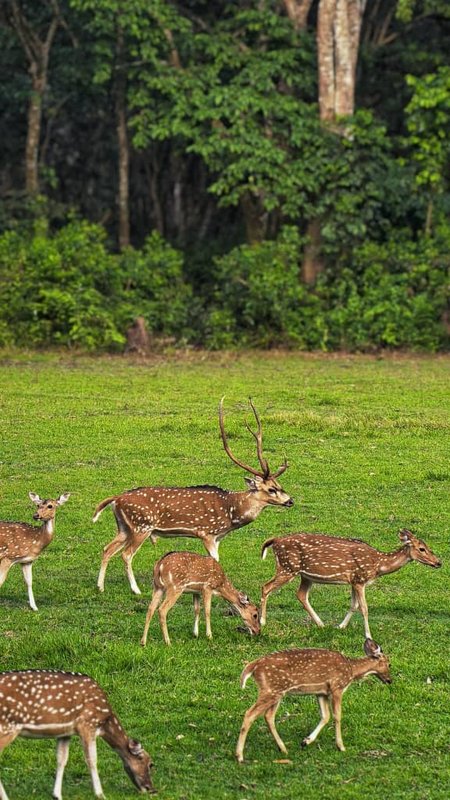
High in the far-west hills of Sudurpashchim province, Khaptad National Park protects 225 square kilometers of rolling grassland and forest at around 3,000 meters, and it is one of the quietest, most unusual protected areas in the country. Where most Nepal parks promise either Terai wildlife or high snow peaks, Khaptad offers something rarer: a soft plateau of meadows, moors and clearings known locally as the garden in the sky. This is a park you experience slowly, on foot, with space and silence as the main attractions. This guide covers what Khaptad is, why its ashram meadow matters to pilgrims, how to reach it, what a trip costs and how to combine it with Rara and the wider far west. For the national picture, start with our complete guide to cultural and spiritual travel in Nepal and the complete guide to Nepal's thirteen national parks.


What Is Khaptad National Park?
Khaptad National Park is a 225 square kilometer protected area in Nepal's far-west Sudurpashchim province, gazetted in 1984 in the same year as Shey Phoksundo, the country's largest park. It sits in the middle generation of Nepal's protected-area story: Chitwan came first in 1973, the high Himalayan parks followed in 1976, and the 1984 pair extended protection into gentler hill country. Twelve parks were established between 1973 and 2017, and the thirteenth, Chhayanath, was declared in September 2025 to link habitat across the Karnali hills.
Geographically the park is a rolling plateau of grassland and forest sitting at around 3,000 meters, a landscape of soft moors and 22 small grassy clearings rather than dramatic rock walls. That shape changes how you travel. Instead of jeep tracks or steep valley climbs, Khaptad days are long, gentle walks between open meadows, with the trail rarely leaving sight of sky and grass. The park's two signature features, per the national park network's own record, are its rolling sky meadows and the ashram of Khaptad Baba.
Crowds have simply not discovered it. Far-west Nepal sees a fraction of the traffic of the Annapurna and Everest regions, and Khaptad sits at the quiet end of the far west. For travelers who measure a destination by solitude per square kilometer, it is close to unbeatable.
Why Is Khaptad Called the Garden in the Sky?
The name is local, earned, and literal. The plateau's seasons of wildflowers, its 22 grassy clearings and its soft, moor-like character led people of the far west to call it the garden in the sky, a high meadow country that behaves more like the Scottish highlands or the edge of the Tibetan plateau than the steep Nepal most travelers picture. Grassland and forest alternate across the whole park, so a single day's walk moves through open sky meadows, dark stands of hill forest, and small clearings ringed by wildflowers.
Spring is the show season. From March to May the meadows bloom in sequence, and the clearings that were brown all winter turn into sheets of color. Autumn reverses the palette: October light is clear and dry, the grass goes gold, and the walking is at its most comfortable. Even the monsoon has its argument, because June to September rain turns the whole plateau lush and green, feeding the waterfalls that pour off the plateau edge, at roughly half the accommodation cost of peak season.
Photographers and painters have started to make the pilgrimage too, because the combination of big sky, low horizons and almost no people is found almost nowhere else in the Himalaya. If your Nepal list is built on landscapes rather than summits, Khaptad belongs on it.
Who Was Khaptad Baba and Why Does His Ashram Draw Pilgrims?
Khaptad is sacred geography as much as scenic geography. The park holds the hermitage of Khaptad Baba, the revered 20th century sage who made this remote plateau his home for meditation, and the ashram meadow where he lived still draws pilgrims today. The tradition he started continues in the park's atmosphere: this is a destination people visit to slow down, sit still and breathe, not only to walk.
That spiritual weight puts Khaptad in a small family of Nepali landscapes where nature and practice are inseparable, a theme we explore across the cultural and spiritual side of Nepal travel. Visitors to the ashram meadow are welcomed, and the etiquette is the same as at any living sacred site in the hills: dress modestly, keep voices low, ask before photographing people at prayer, and leave the meadow exactly as you found it.
The solitude that drew a sage here a century ago is the same solitude that draws weary travelers now. If a full nature-immersion reset is what you are after, our guide to Nepal's signature healing day in the Himalayas covers the same philosophy in an easier-to-reach format.
What Happens at Tribeni During Janai Purnima?
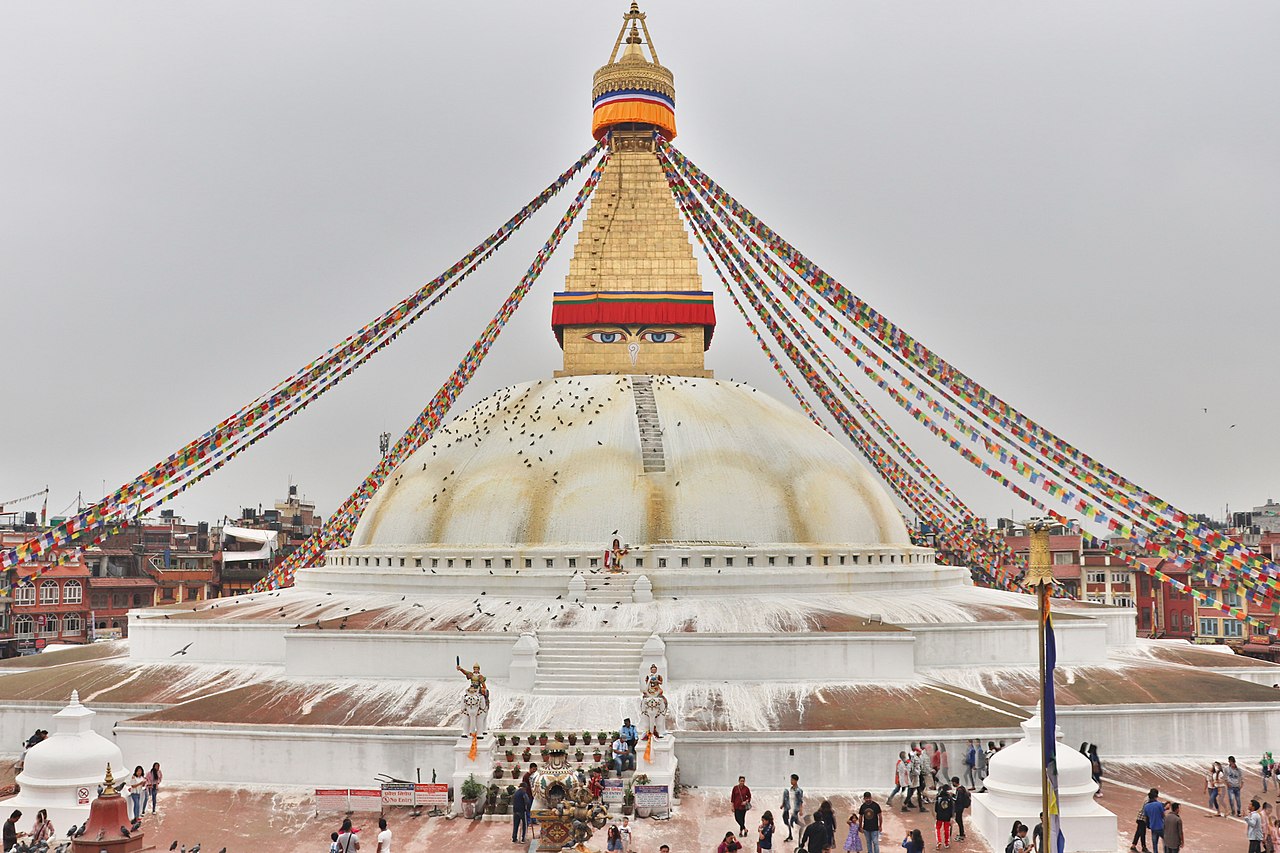
At the southwestern edge of the park sits Tribeni, a sacred confluence where a Shiva temple anchors one of the far west's living pilgrimage traditions. For most of the year Tribeni is quiet, a walk through forest to a temple courtyard. During Janai Purnima, the August full-moon festival, it transforms: thousands of pilgrims travel in to bathe and worship, in the same wave of ritual that sends thousands more up to the icy lakes of Gosaikunda, a parallel our Langtang region guide describes on the Gosaikunda side.

For trip planning, Janai Purnima is both an attraction and a constraint. Visiting during the festival means witnessing far-west devotional culture at full volume, with the temple and its approaches full of color, drums and families camped on the trails. It also means sharing the park's limited facilities with the largest crowd it will see all year, so the pioneer-style logistics of a Khaptad trip matter even more in August.
Travelers who prefer the park empty should simply invert the advice: almost any week outside the festival window gives you Tribeni and the meadows in near-total silence, which for many visitors is the entire point of coming.
How Do You Get to Khaptad?
Reaching Khaptad is a two-stage journey, and the park's remoteness is part of its character. The standard route starts with a domestic flight from Kathmandu to Dhangadhi, the far west's main airport, from which far-west road routes run toward the park. From the road network, access to the park is via Dipayal Silgadhi on the western approach, and from the roadhead the trail climbs onto the plateau on foot, a final stretch that keeps the park's visitor numbers naturally low.
Overland travel is possible but long: roads link Kathmandu, Chitwan and Pokhara daily, and far-west routes continue from there, so a purely overland Khaptad trip is realistic for travelers with generous time budgets. Most visitors fly in and out of Dhangadhi and spend their road hours inside the far west instead, pairing the drive with stops in the hill towns on the way to Silgadhi.
This is a trip where logistics genuinely matter: transport stages, the walk in, camping arrangements and permits all run smoother with an operator who handles far-west ground logistics, a decision process our guide to choosing a trekking agency in Nepal walks through in detail. Build in buffer days on both ends, because far-west weather and road schedules do not negotiate with tight itineraries.

A Walking Guide to the Meadows and Forest Trails
Khaptad is a walking park, and its trail system reflects that. Days are built around gentle traverses between the 22 clearings, with the ashram meadow and Tribeni as the two anchor points most itineraries share. Because the plateau rolls rather than climbs, walking hours are long but grades are kind, and the altitude holds steady around the 3,000 meter mark rather than rising day after day the way a Himalayan trek does.
A typical first itinerary spends a day walking into the park from the roadhead near Dipayal Silgadhi, a day or two exploring the meadows and the ashram area, and a day walking out to the second access point if you are crossing the plateau east to west. Travelers with more time add Tribeni and the forested southern ridges, where the walking is quieter still and the odds of having an entire clearing to yourself approach certainty.
Guidance is not optional in practice: the park requires traveling with a licensed guide in protected areas, the same rule that applies from Rara to the Everest region, and a guide who knows the clearing network also knows where the leopards pass, which meadows hold blooming orchids in a given week, and how the weather will move across the plateau by afternoon. For first-time visitors to Nepal walking country, our introduction to hiking in Nepal covers the norms that hold from the Annapurna foothills to the far-west hills.
Wildlife and Birds of the Khaptad Plateau
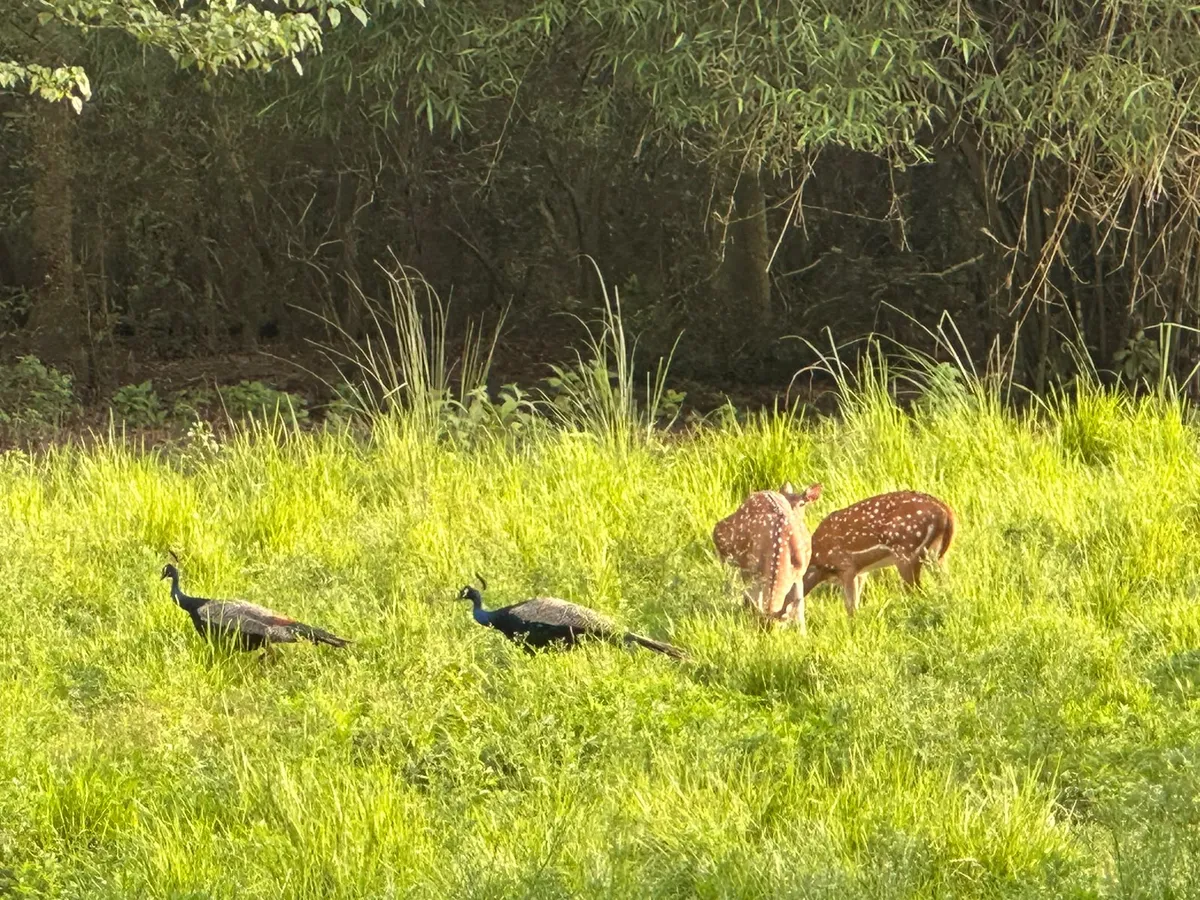
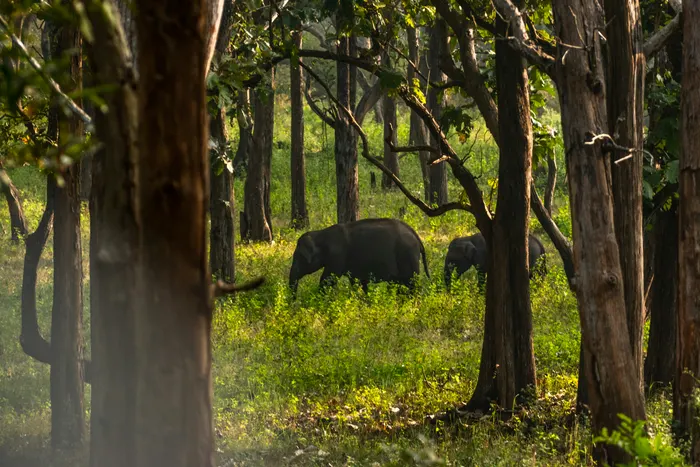
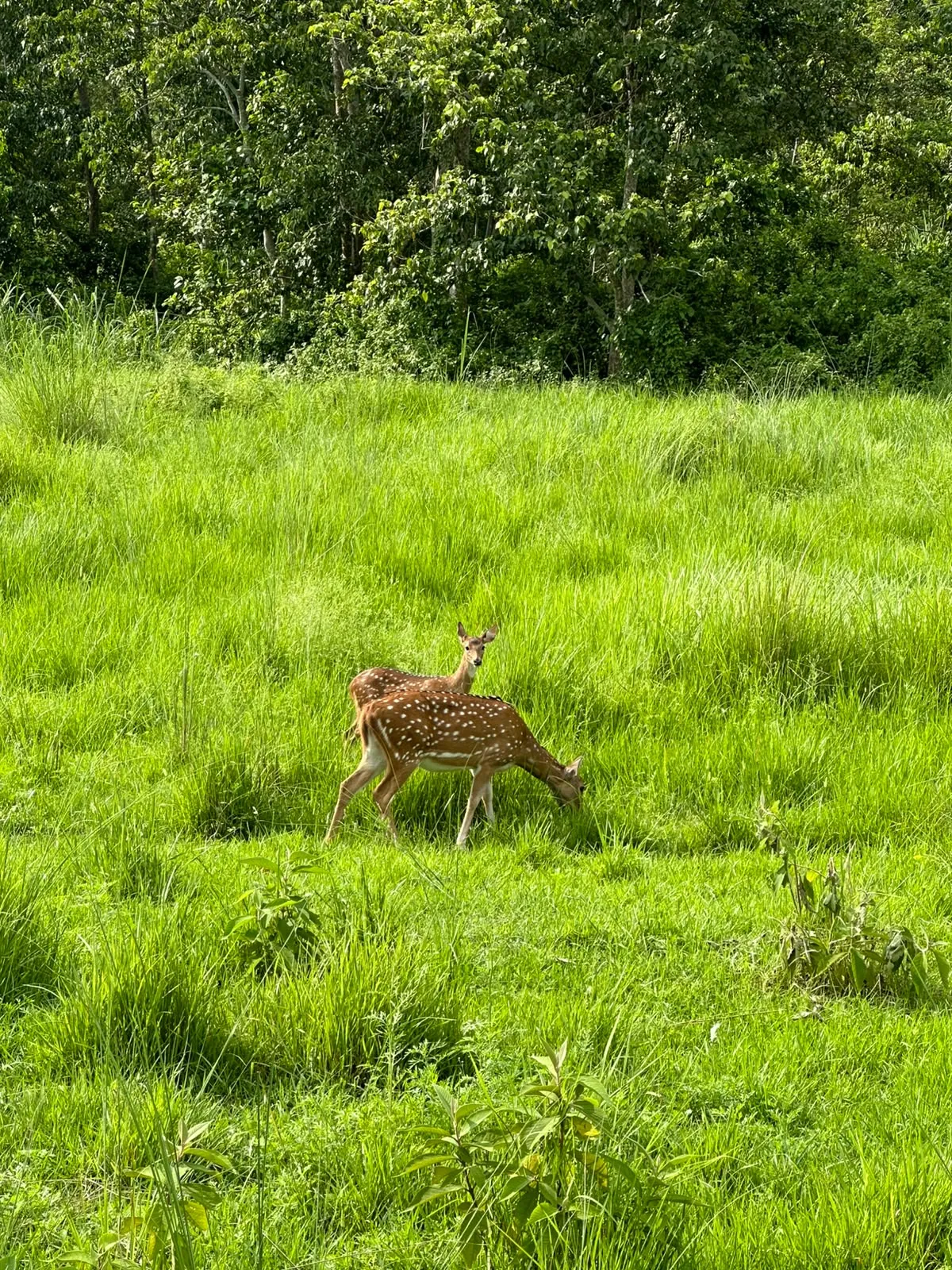
Khaptad's wildlife list is a hill-country list rather than a safari list, and it rewards patience over luck. The park's forests and meadows hold leopard, Himalayan black bear, musk deer and barking deer, alongside the monkeys and smaller mammals of the mid-hills. Sightings are never guaranteed and rarely close, which suits the park's character: this is a place to keep binoculars ready rather than to tick off a Big Five.
Birds are the stronger draw. The far west in general is under-birded compared with the rest of Nepal, and Khaptad's mosaic of grassland and forest makes it a natural stop on a longer far-west birding route, the kind of itinerary our guide to bird watching in Nepal is built around. The same skills apply here as in the Terai: go out early, walk the meadow edges rather than the centers, and listen first. Travelers who want structured birding with expert local guides can explore the Himalayan bird watching activity before committing to the far-west leg.
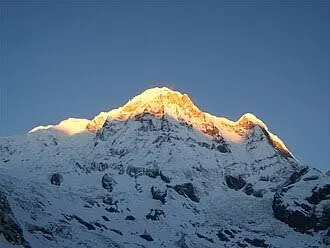
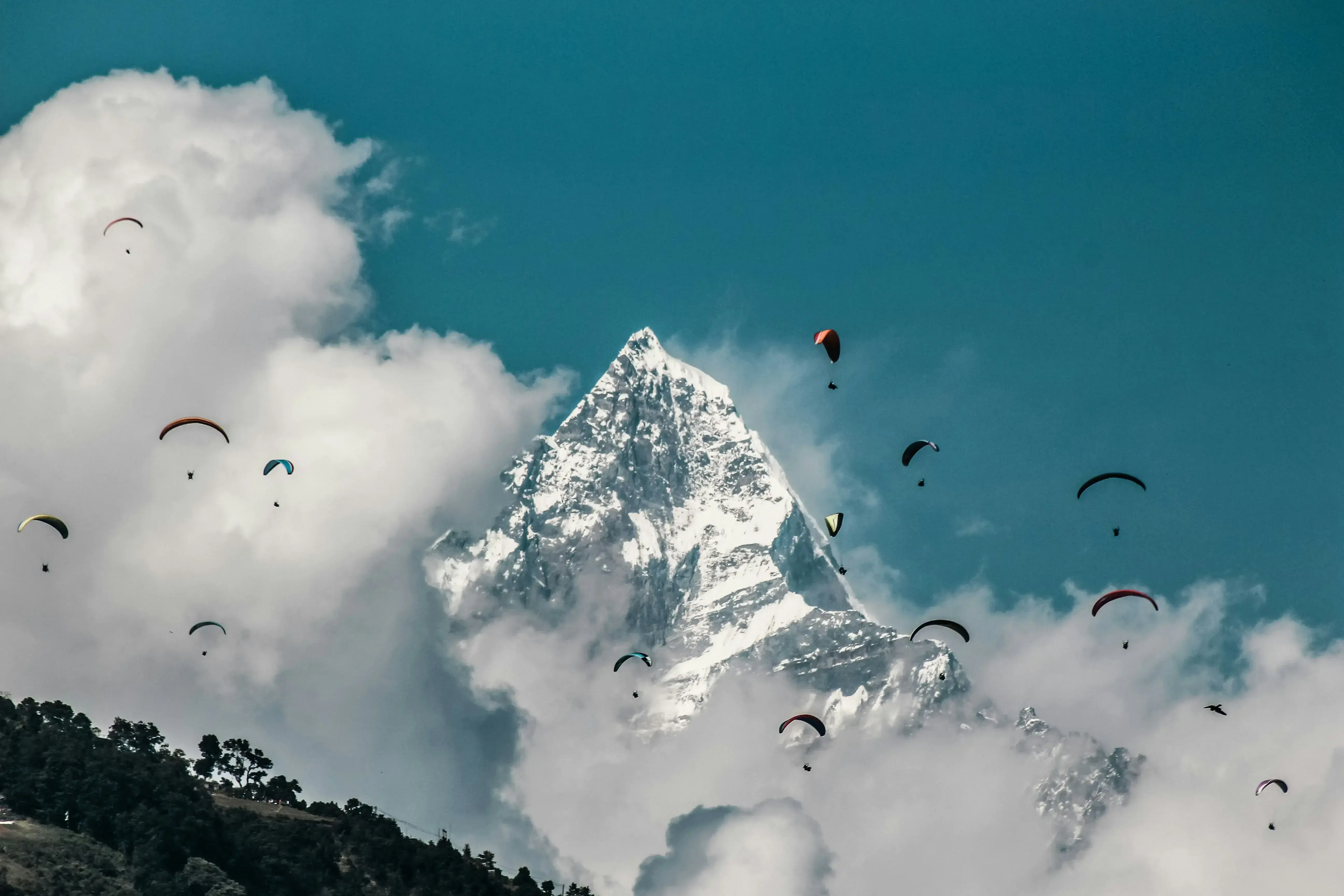
The park's ecological role is the quieter headline. As Nepal's network has grown to thirteen parks, mid-hill habitat like Khaptad's has become the connective tissue between the famous anchor parks, a design logic taken further by Chhayanath's 2025 declaration linking Rara and Shey Phoksundo. Protecting the plateau protects the birds and predators that move between the far west's protected islands.
When Is the Best Time to Visit Khaptad?
The park's best season runs March to May and October, mirroring the far-west window our national park guide records for Khaptad specifically. Spring brings the wildflower sequence that gives the park its garden nickname and the most comfortable walking temperatures of the year. October delivers post-monsoon clarity, gold meadows and stable weather, making it the safest single month for a first visit.
June to September is the monsoon, and it splits opinion. Rain closes Himalayan high routes across Nepal but turns mid-hill parks like Khaptad lush and green for birders and waterfall lovers, at roughly half the accommodation cost of peak months. The trade-offs are leeches on the forest stretches, cloud that can swallow the plateau views for days, and wet trails on the walk in.
Winter, November to February, is cold at 3,000 meters and quiet in a different way: frost can silver the meadows on clear mornings, and the park is at its emptiest, but short days, freezing nights and the chance of snow on the plateau trails make it a specialist's season. If solitude is your priority and comfort is negotiable, ask about winter; for everyone else, the two shoulder windows are the answer.
How Much Does a Khaptad Trip Cost?
National park entry fees in Nepal run from a few hundred rupees for Nepali citizens to roughly NPR 1,000 to 3,500, about USD 8 to 26, for foreign visitors depending on the park, with Himalayan parks like Sagarmatha and Shey Phoksundo at the top of the range and Terai safari parks in the middle. Khaptad sits in that national band; the nearest well-documented comparison is Rara, which charges NPR 3,000 per foreign visitor at the gate, and as a high hill park Khaptad's fee is likely to sit near the upper-middle of the range. Budget for the entry fee, the licensed guide the rules require, transport stages from Kathmandu through Dhangadhi and onward, and accommodation.
Lodging around Khaptad is basic and priced accordingly. The far west runs on simple teahouses, homestays and camping support rather than lodges, which is what keeps even the peak season affordable by Nepal standards. As with Rara, off-season months see discounts of roughly 10 to 15 percent, though the weather windows that make those discounts attractive are less reliable than in the established regions.
The honest cost comparison is with what you get: a two-week far-west journey that includes Khaptad, Rara and the Karnali river road typically lands well below the cost of a comparable Everest-region trip, with the flight legs to Dhangadhi or Nepalgunj as the main fixed expense. Confirm with your operator exactly what is included, from entry fees to guide costs to camping equipment, the same advice we give for every protected-area trip in Nepal.
Combining Khaptad with Rara and the Far-West Loop
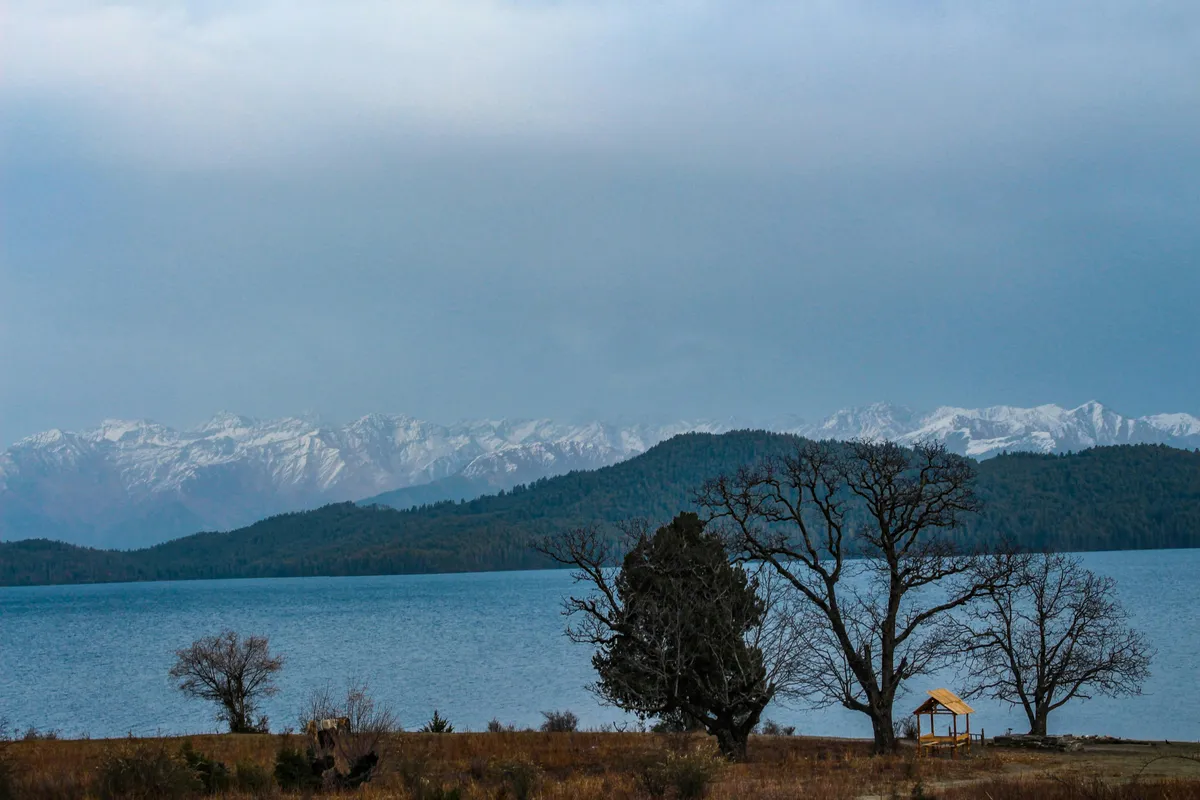
Khaptad belongs to the far-west sweep, the classic three-week wilderness combination our national park guide describes: Bardiya, Shuklaphanta, Rara and Khaptad in one journey, linked by the Karnali river road. The natural anchor pairing is Rara Lake, Nepal's largest lake at 2,990 meters in neighboring Mugu, and the two parks make an unusually complementary pair: Rara gives you the water and the dramatic arrival, Khaptad gives you the meadows and the stillness.
Planning that loop is simplest overland on the itinerary our Rara Lake overland adventure runs through the Karnali corridor, reaching Nepal's largest lake by road and trail from the Jumla side. Travelers who prefer to stitch the far west together by air use the Dhangadhi and Nepalgunj gateways and fly the long legs, accepting weather buffers in exchange for days saved. Our complete Mugu guide covers the Rara and Chhayanath side of that pairing in detail, including the newest park's September 2025 declaration.
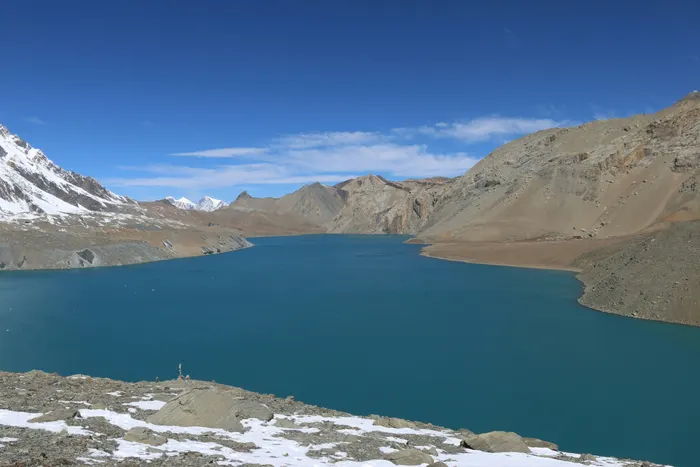
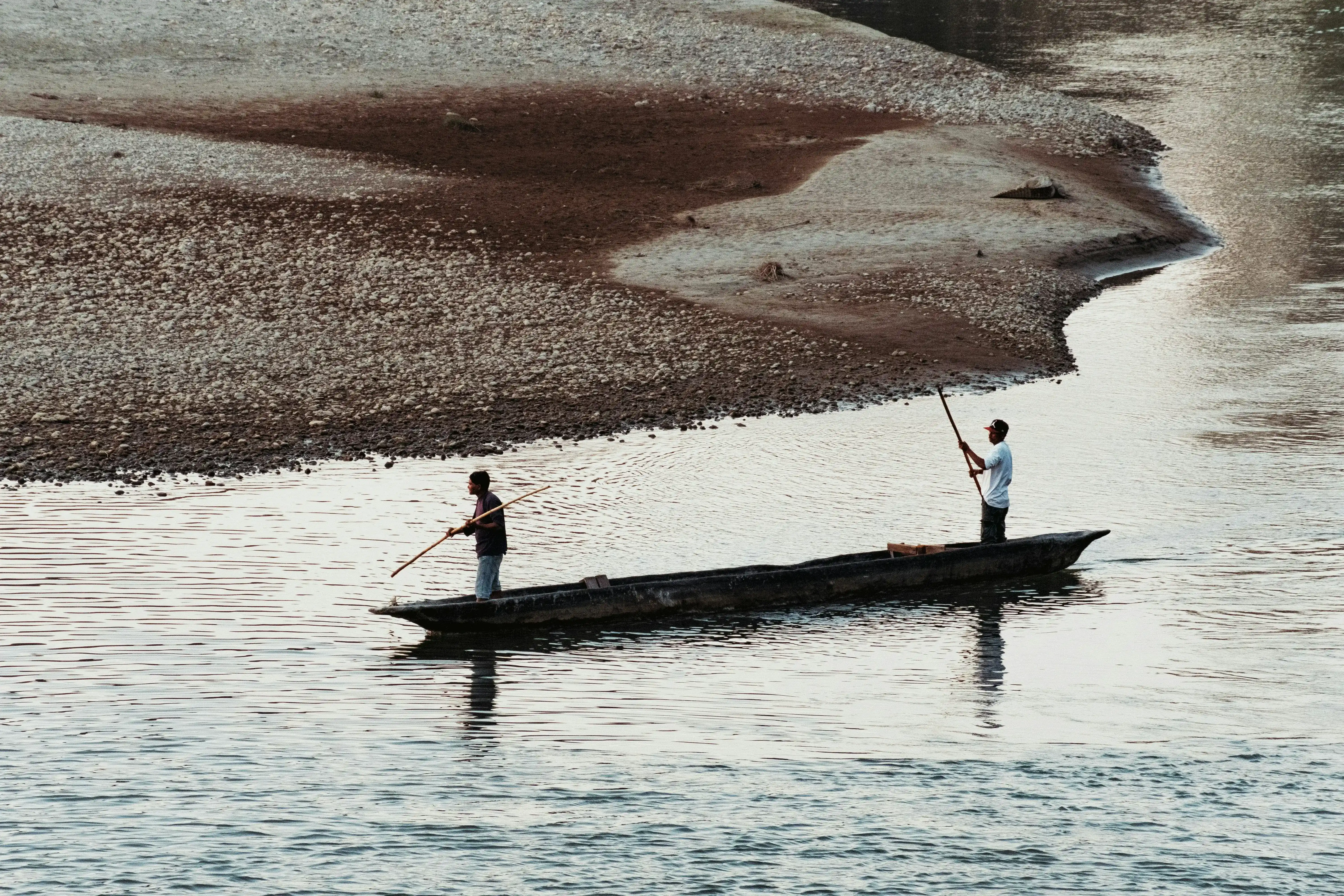
The wider far-west context is worth knowing before you commit. Bardiya offers the far west's flagship wildlife experience along the Karnali river, as our Bardiya vs Chitwan comparison lays out, and Shey Phoksundo pushes the same journey into high Dolpo, the subject of our Shey Phoksundo and Upper Dolpo guide. A traveler with three weeks can honestly see the entire protected far west; a traveler with ten days should pick Khaptad plus one anchor and save the rest for a return trip.
What Should You Pack for Khaptad's Weather?
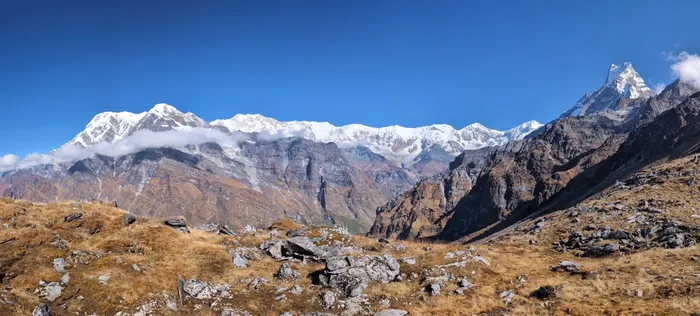
Packing for a 3,000 meter plateau is packing for changeability. Days in the walking seasons are mild in sunshine and cold once cloud arrives, and nights drop close to freezing outside the summer months. Layers are the answer: a warm sleeping setup, a insulated jacket for evenings at the ashram meadow, broken-in walking shoes for the forest stretches, and rain protection even in October, because plateau weather can turn in an afternoon.
Two additions most Nepal packing lists skip: binoculars, because Khaptad's wildlife watching is a distance game, and something to sit on, because the park's finest hours are the still ones, spent at the edge of a clearing watching light move across the grass. If you are building your kit from scratch, our general Nepal packing guidance lives inside the trekking planning guide, and camping arrangements for the far west should be confirmed with your operator before you fly, since rental gear is thin on the ground in Dhangadhi compared with Kathmandu and Pokhara.
Is Khaptad Right for You?
Khaptad suits a particular traveler, and honesty serves everyone here. You will love this park if you measure trips by solitude, walking, birds, wildflowers and sacred landscape, and if basic lodging reads as part of the adventure rather than a compromise. Photographers of big-sky country, pilgrims and spiritually minded travelers, and birders extending a far-west list will find it close to perfect.
You should look elsewhere if wildlife density, comfort or short travel times are the priority. For guaranteed megafauna, the Terai parks win: our Chitwan safari guide covers Nepal's most accessible wildlife experience, and the safari park comparison helps you choose between the two best. For a first Nepal trek with teahouse infrastructure, the established regions remain the right call, and our short treks near Kathmandu list the gentle introductions. Khaptad is a second-or-third-Nepal-trip destination, and it is all the better for it.
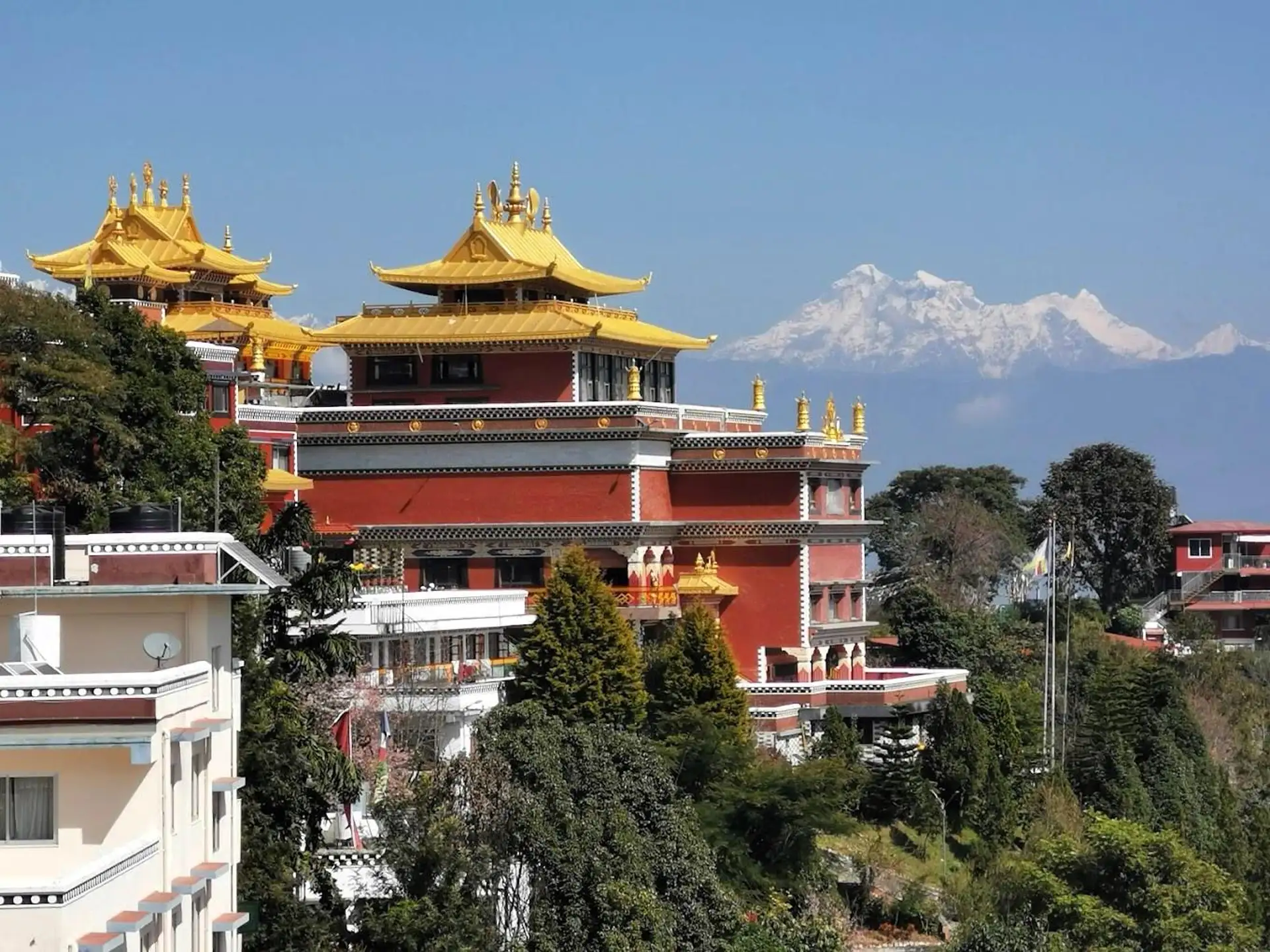
Khaptad National Park will never be the busiest line on Nepal's menu, and that is precisely its value. In a country where the famous trails grow more crowded each season, a 225 square kilometer garden in the sky, holding an ashram meadow, a festival temple and 22 clearings that bloom in sequence, is quietly one of the last pioneer destinations in the Himalaya. Facilities are still developing, which makes 2026 the year for pioneer travelers. Plan early, pack warm, bring binoculars, and go while the garden is still empty. To start planning, talk to our team or browse every Nepal tour and trek package on the site.