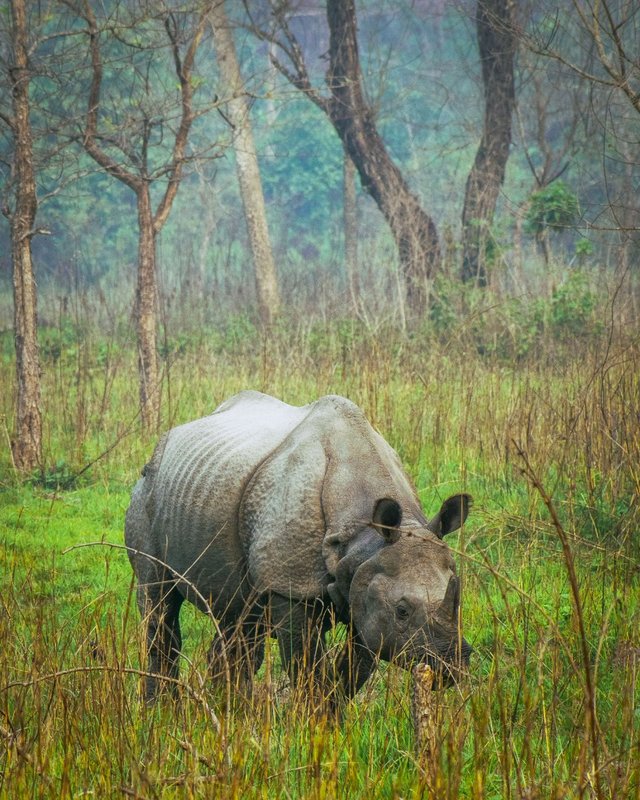
Nepal is often imagined as either a cultural destination or a wildlife destination, but the truth is that the country offers both in extraordinary measure, often within a single day's journey. A Nepal heritage and wildlife experience brings these two worlds together, pairing the medieval city squares and ancient temples of the Kathmandu Valley with the grasslands and sal forests of Chitwan National Park, where one-horned rhinoceroses graze and Bengal tigers stalk their prey. This is Nepal at its most diverse: a journey that moves from stone-carved deities to living, breathing megafauna, from the chants of temple priests to the calls of jungle birds.
This guide explores how to combine Nepal's cultural heritage with its wildlife riches in a single, seamless itinerary. We cover the essential heritage sites, the best wildlife experiences, and the practical details of traveling between these two very different worlds. Whether you have a week or two, a heritage and wildlife tour offers the most complete picture of Nepal available in a single trip.
Why Combine Heritage and Wildlife in Nepal?
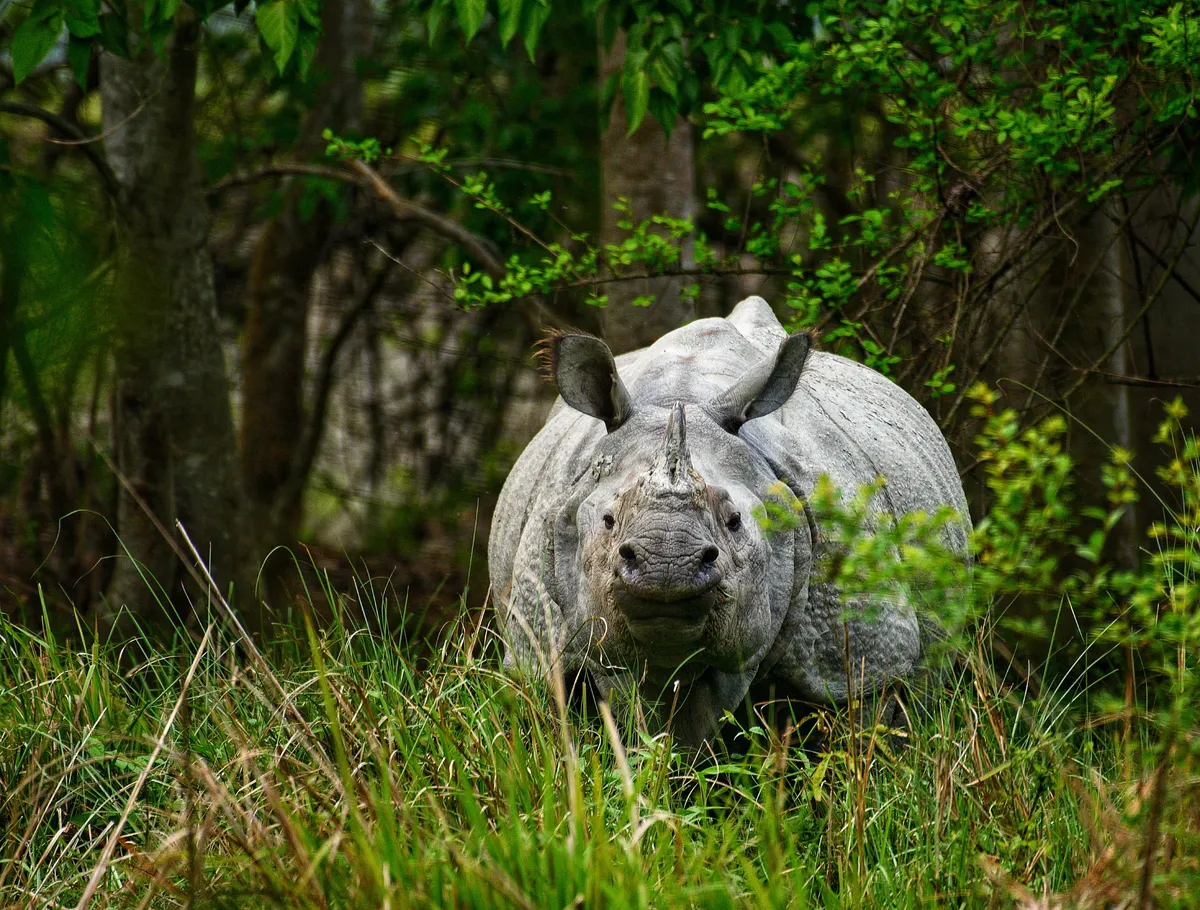
Because the two halves of Nepal sit surprisingly close together. In under a week you can stand before a 1,500-year-old stupa in Kathmandu and watch a wild rhino wallow in a Terai river, experiencing cultural depth and wildlife drama in one seamless journey that neither a temple-only nor a safari-only trip can match.
The combination of cultural heritage and wildlife is not an artificial pairing; it reflects the reality of Nepal's geography and history. The Kathmandu Valley, at 1,400 meters, is a highland basin ringed by mountains, where centuries of royal patronage produced one of the world's densest concentrations of monumental architecture. Chitwan, at 150 meters, is a lowland plain where the jungle once stretched unbroken across the Terai, and where the wildlife that once roamed the entire subcontinent still survives in protected pockets.
These two worlds are just 150 kilometers apart as the crow flies, but they feel like different continents. The transition from the valley's brick-and-timber temples to Chitwan's elephant grass and riverine forest is one of the most dramatic landscape shifts in Asia. A heritage and wildlife tour captures this contrast, giving travelers a deeper understanding of Nepal's ecological and cultural diversity than either a purely cultural or purely wildlife-focused trip could provide.
The Nepal heritage and wildlife experience package is designed specifically for travelers who want this dual focus, with guided cultural tours in Kathmandu and expert-led safaris in Chitwan, all connected by comfortable private transportation.
What Are the Must-See Heritage Sites in Kathmandu Valley?
The essentials are the three royal durbar squares of Kathmandu, Patan and Bhaktapur, plus the great spiritual monuments of Pashupatinath, Boudhanath and Swayambhunath. Together these seven monument zones form the UNESCO World Heritage heart of the valley, and three full days let you experience them at a humane pace.
The heritage portion of this tour centers on the Kathmandu Valley, home to seven UNESCO World Heritage Sites that together form one of the world's most remarkable cultural landscapes. A proper heritage tour dedicates at least three days to these sites, allowing time to absorb not just the architecture but the living traditions that animate it.
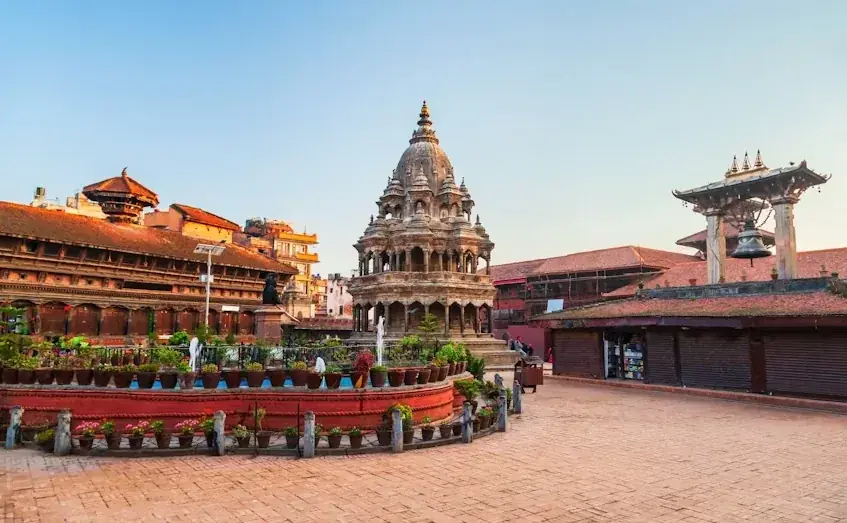
The three durbar squares of Kathmandu, Patan, and Bhaktapur are the architectural heart of the valley. Each was the royal center of an independent kingdom until the 18th century, and each developed its own distinctive architectural character. Kathmandu Durbar Square is the largest and most eclectic, with the Hanuman Dhoka Palace, the Kumari Ghar, and dozens of temples spanning centuries of construction. Patan Durbar Square is the most refined, with the stone-built Krishna Mandir and the superb Patan Museum. Bhaktapur Durbar Square is the best-preserved, a pedestrian-only zone where the 15th century feels remarkably present.
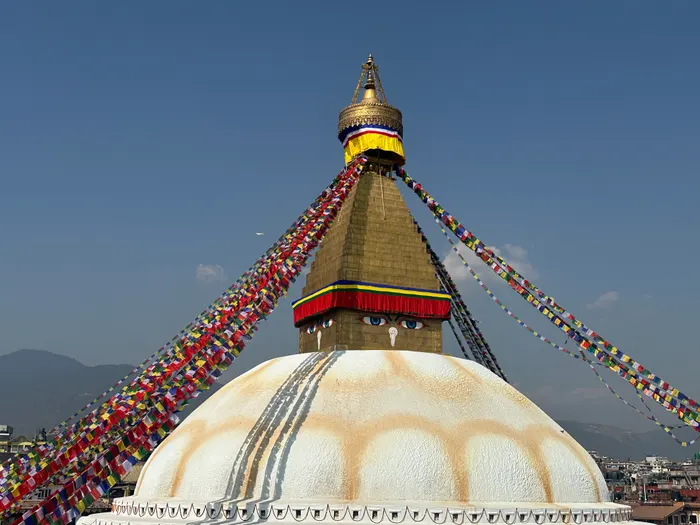
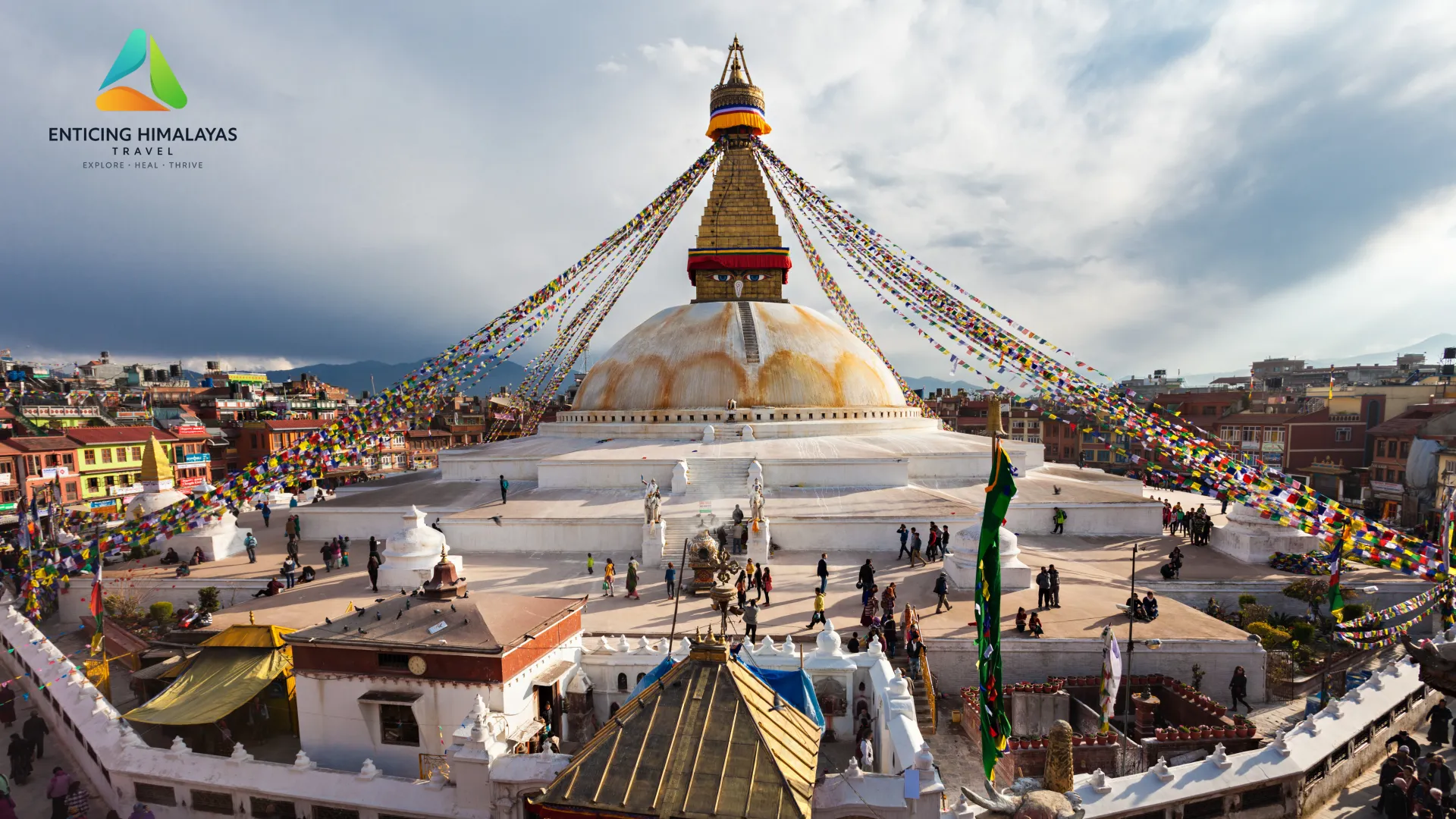
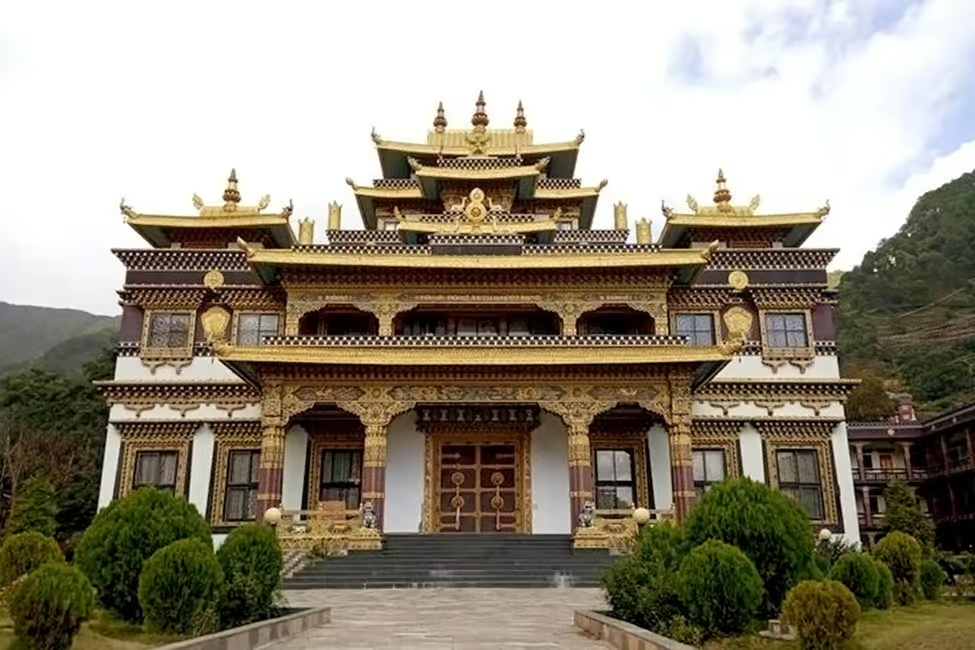
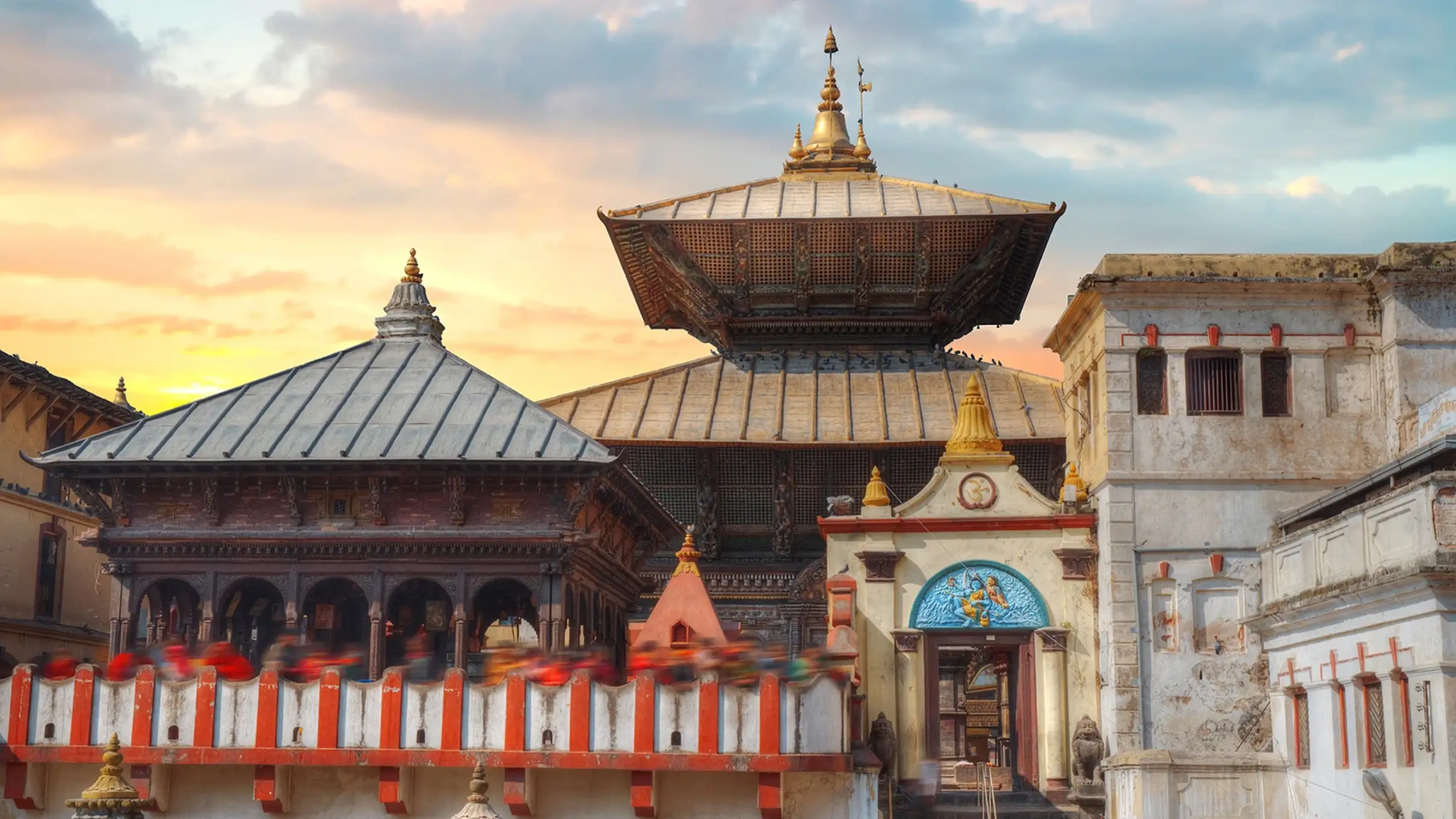
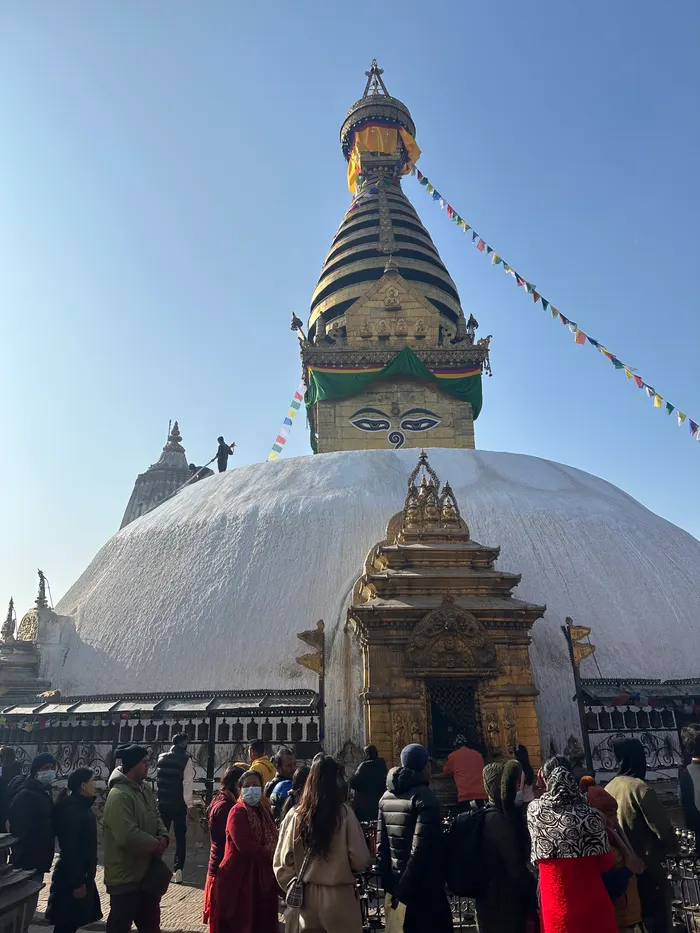
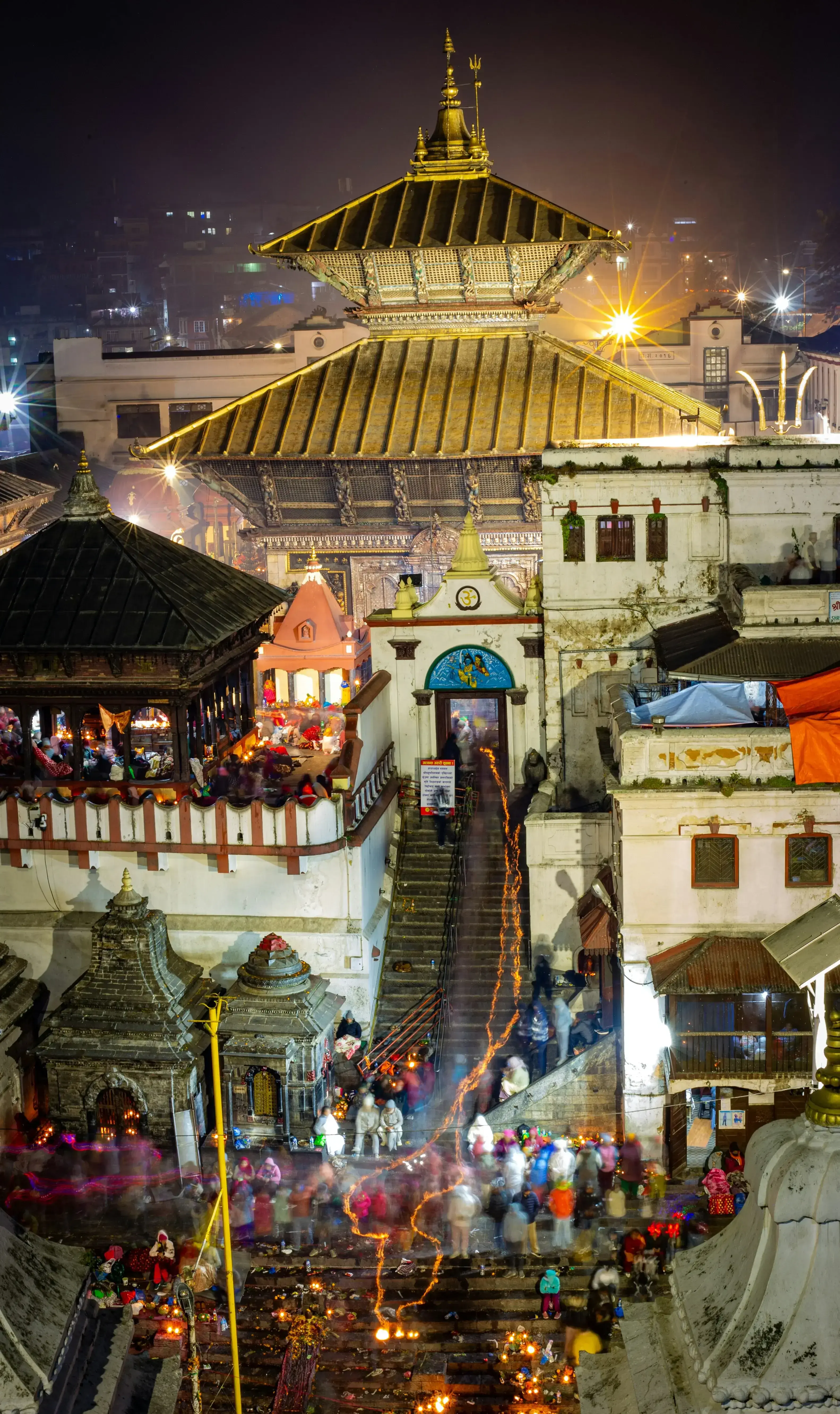
Beyond the durbar squares, the valley's spiritual monuments are equally essential. Pashupatinath Temple, on the banks of the Bagmati River, is the most sacred Hindu shrine in Nepal. The main temple is restricted to Hindus, but the riverside ghats, the forest of smaller shrines, and the evening aarti ceremony are accessible to all and deeply moving. Boudhanath Stupa, the great Tibetan Buddhist monument, is one of the largest spherical stupas in the world and the spiritual heart of Nepal's Tibetan exile community. Swayambhunath Stupa, the Monkey Temple, crowns a hilltop west of the city and offers the best panoramic view of the valley.
For a deeper understanding of how these sacred landscapes connect, our complete guide to cultural and spiritual tours in Nepal traces the pilgrimage routes, festival calendars and living traditions that link the valley's Hindu and Buddhist worlds into a single sacred geography.


For travelers who want to explore the valley's heritage in depth, the 4-day UNESCO cultural heritage tour covers all seven monument zones with expert guides. The Kathmandu day tour of landmarks offers a more compact introduction for those with limited time.
What Wildlife Can You See in Chitwan National Park?
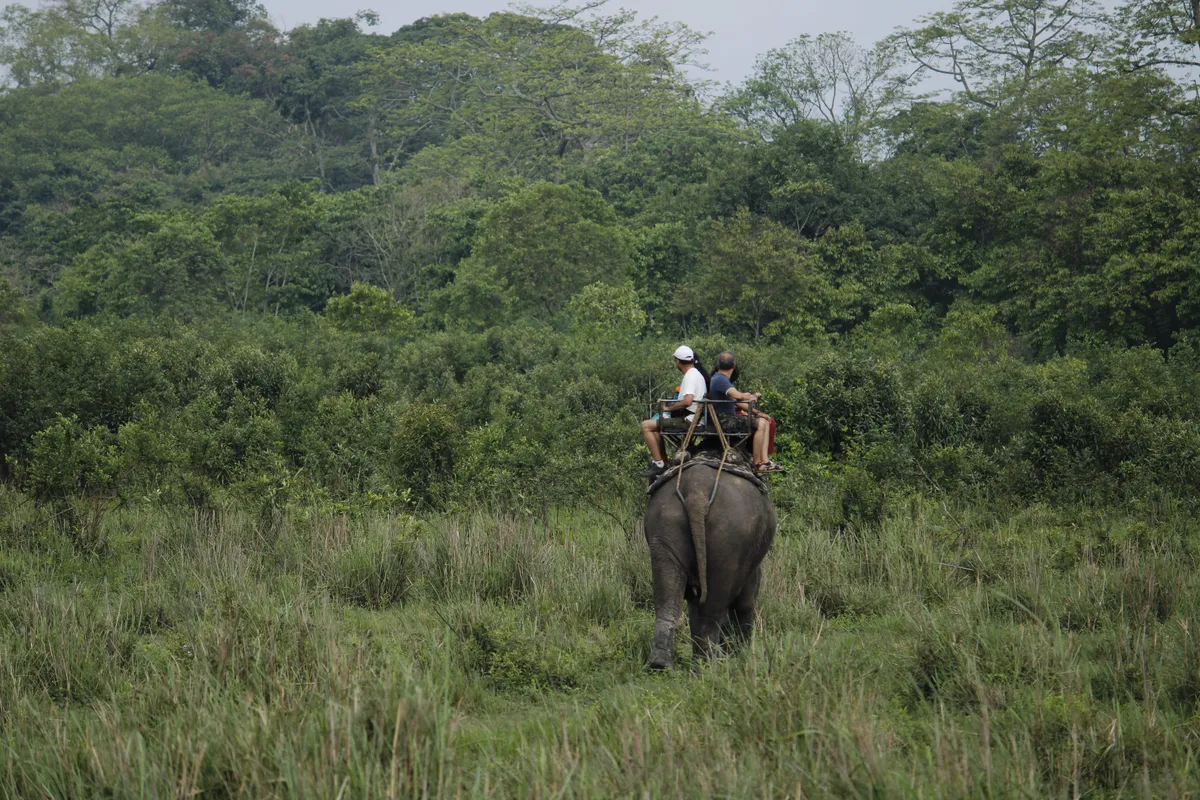
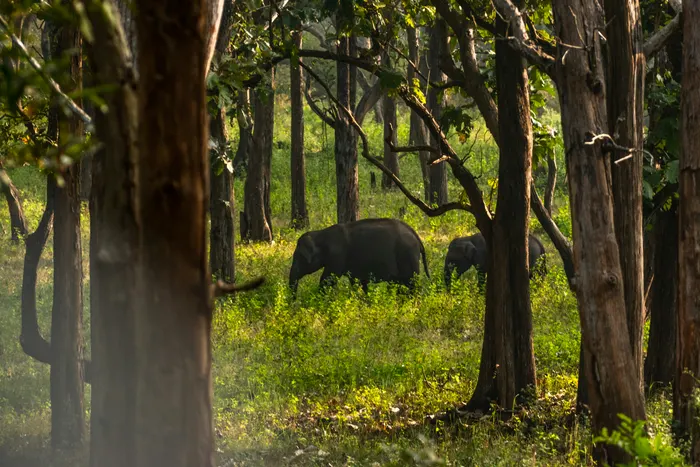
Chitwan's flagship sightings are the one-horned rhinoceros and the Bengal tiger, alongside leopards, sloth bears, wild elephants and four deer species. Over 540 bird species have been recorded, making jeep safaris, canoe rides and jungle walks here among the richest wildlife experiences in Asia.
Chitwan National Park, Nepal's first national park and a UNESCO World Heritage Site, is the wildlife centerpiece of this tour. The park protects 932 square kilometers of sal forest, riverine grassland, and marshland in the Inner Terai, a lowland valley between the Siwalik Hills and the Mahabharat range. It is one of the best places in Asia to see large mammals in the wild.
The one-horned rhinoceros is Chitwan's flagship species. The park holds the world's second-largest population, and sightings are common on jeep safaris into the core zone. These prehistoric-looking animals, with their armored skin and single horn, can weigh over two tons and are often seen grazing in the grasslands or wallowing in rivers. Seeing a rhino in the wild, at close range from an open jeep, is one of the most thrilling wildlife experiences in Asia.
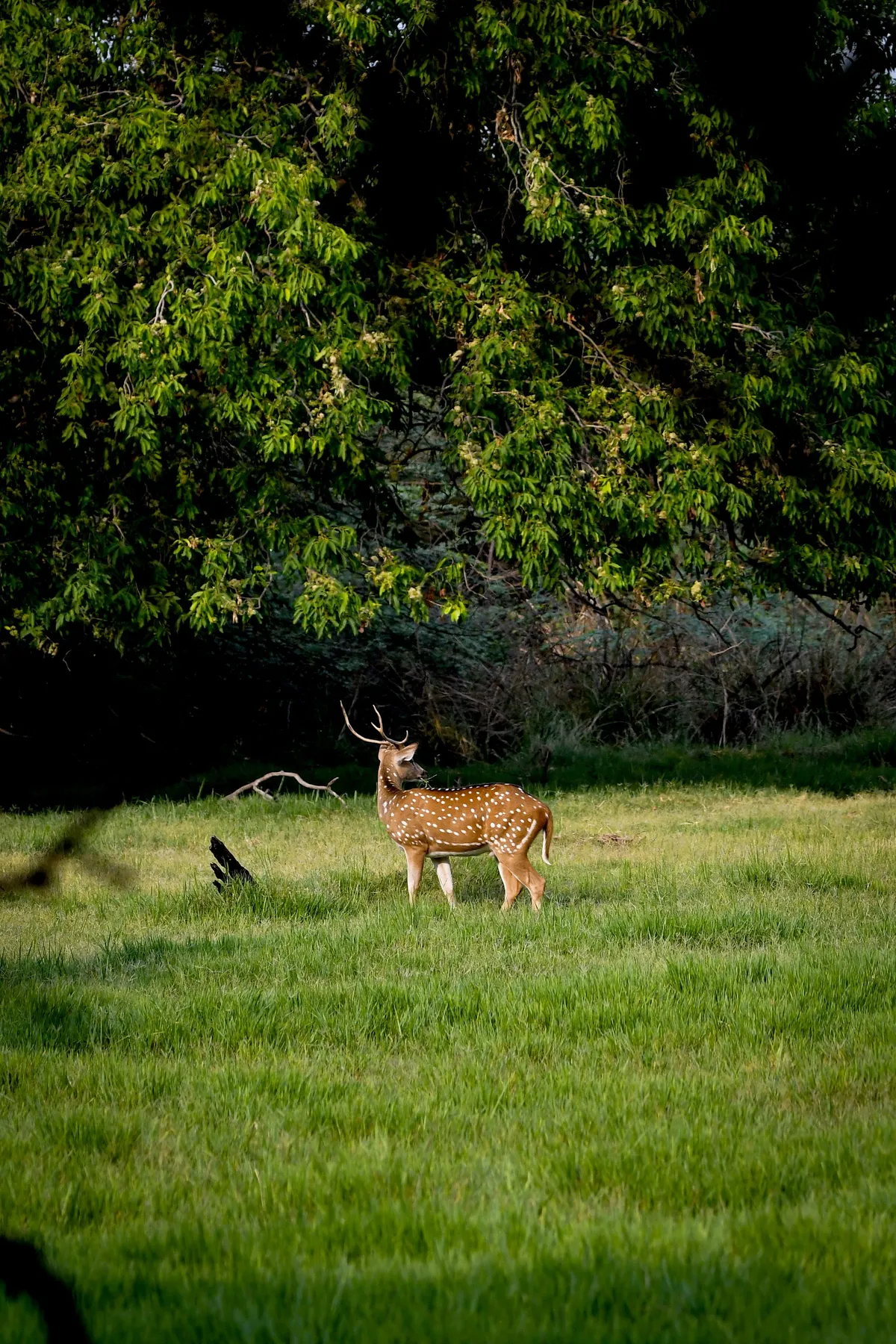
The Bengal tiger is Chitwan's most elusive resident. The park's tiger population has been increasing in recent years thanks to intensive conservation efforts, and Chitwan is now one of the best places in the world to see wild tigers, though sightings are never guaranteed. Leopards, sloth bears, wild elephants, and four species of deer (spotted, barking, hog, and sambar) are more commonly encountered.
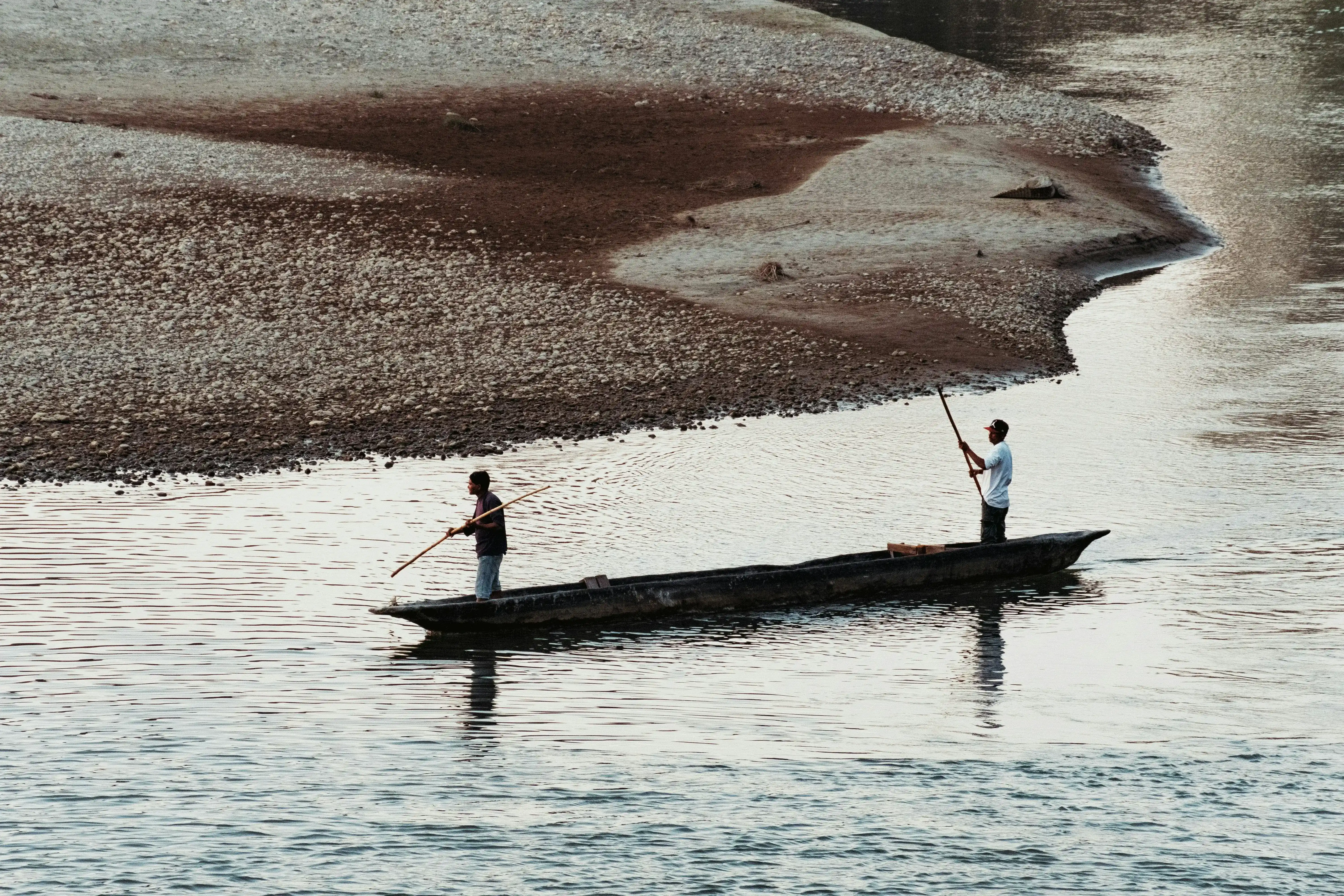
A standard Chitwan wildlife package includes a full-day jeep safari into the park's core zone, a canoe ride on the Rapti River where gharial and marsh mugger crocodiles bask on sandbanks, a guided jungle walk with experienced naturalist guides, and a visit to the elephant breeding center. The Tharu cultural program in the evening, with its distinctive stick dances and folk music, adds a human dimension to the wildlife experience.
Chitwan is also a world-class birdwatching destination, with over 540 recorded species. The great hornbill, with its massive yellow casque, is a highlight. The Bengal florican, a critically endangered bustard, is found in the park's grasslands. Raptors, including the crested serpent eagle and the Pallas's fish eagle, are common along the rivers. Even visitors who come for the mammals often leave as birdwatchers.
Plan Your Heritage and Wildlife Journey in Nepal
Ready to pair Kathmandu's temples with Chitwan's jungles? These handpicked itineraries combine cultural depth with world-class wildlife viewing, all with private transfers and expert local guides.
The complete culture-meets-nature itinerary: Kathmandu Valley heritage touring plus Chitwan safaris.
from $500
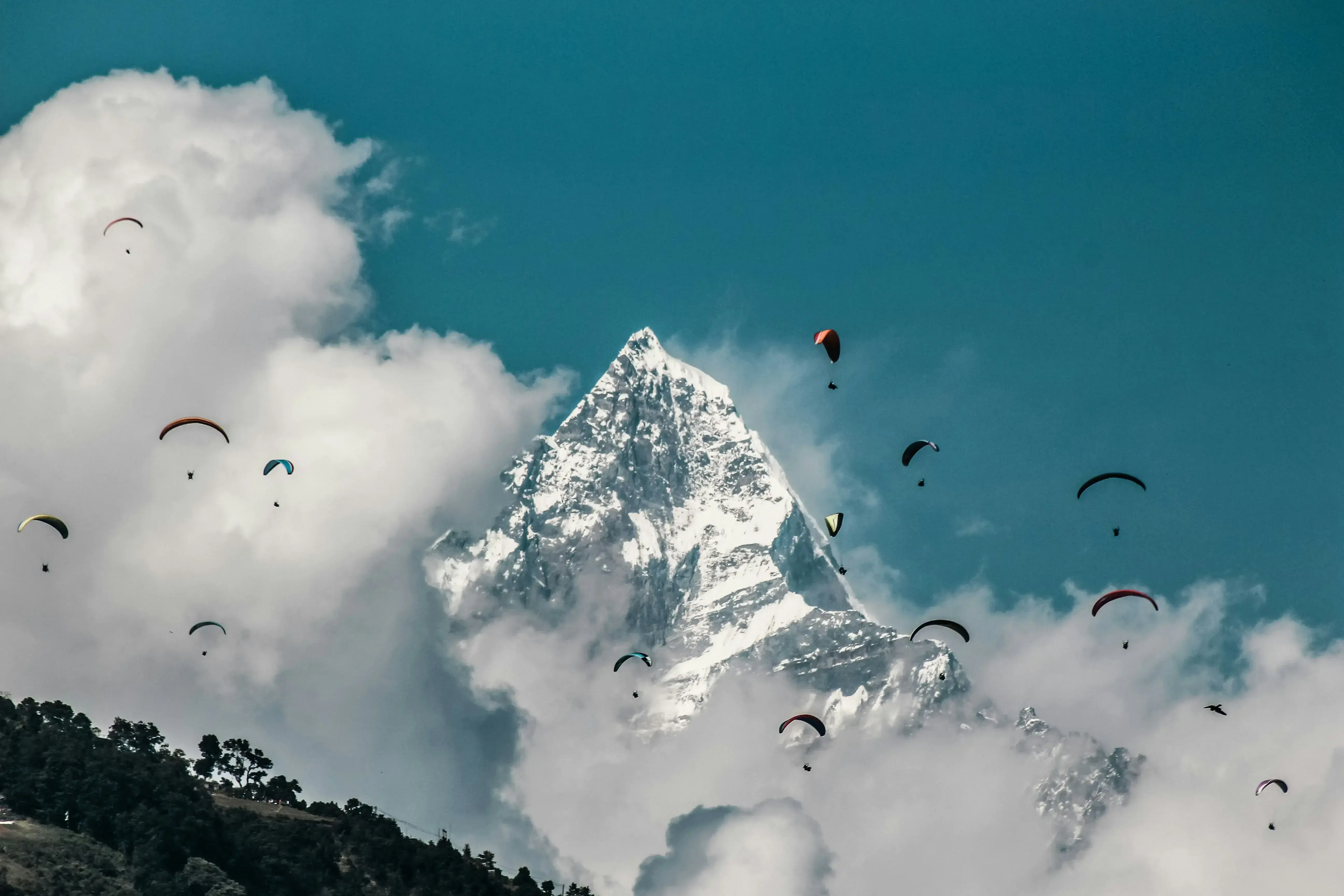
Kathmandu, Pokhara and Chitwan in one classic 8-day circuit with mountain views.
8 days
Culture, nature and Himalayan scenery on a shorter frame, ideal for first-time visitors.
from $377
Beyond Chitwan: Other Wildlife Options
While Chitwan is the centerpiece of Nepal's wildlife tourism, the country offers other wildlife experiences that can be incorporated into a heritage and wildlife tour. Bardia National Park, in the far west of Nepal, is larger and wilder than Chitwan, with higher tiger densities and fewer visitors. It is a longer journey from Kathmandu, requiring a flight to Nepalgunj and a drive, but for serious wildlife enthusiasts, it is worth the effort.
Koshi Tappu Wildlife Reserve, in the eastern Terai, is Nepal's premier birdwatching destination, with over 500 species recorded in its wetlands and grasslands. It is also the last refuge of the wild water buffalo in Nepal. The reserve is accessible by road from Kathmandu or by a short flight to Biratnagar.
Closer to the capital, the Chitwan bird watching expedition is a dedicated Terai aviary tour for travelers who want to build a serious birding dimension into their itinerary, while the Kathmandu Valley itself offers wildlife experiences of its own. The Shivapuri Nagarjun National Park, on the northern rim of the valley, protects a tract of mid-hill forest where leopards, Himalayan black bears, and over 300 bird species can be found. A day hike in Shivapuri is a refreshing contrast to the urban intensity of Kathmandu's heritage sites.
What Is the Journey from Kathmandu to Chitwan Like?
The drive takes five to six hours and is a highlight in itself. The road drops from 1,400 meters to 150 meters through the Mahabharat range, transforming terraced hillsides into subtropical forest, with Trishuli River views and small-town stops along the way. A 20-minute flight to Bharatpur is the faster alternative.
The journey from Kathmandu to Chitwan is itself a highlight of the heritage and wildlife experience. The road descends from the Kathmandu Valley at 1,400 meters to the Chitwan Valley at 150 meters, passing through the Mahabharat range and the Siwalik Hills. The landscape transforms dramatically over the course of five to six hours: terraced hillsides give way to subtropical forest, the air grows warmer and more humid, and the vegetation thickens.
Along the way, the road passes through small towns and villages that offer glimpses of rural Nepali life. The Trishuli River, a popular whitewater rafting destination, runs alongside the highway for much of the route. For travelers who want to add an adventure element to the journey, a half-day rafting trip on the Trishuli can be arranged, with the put-in point near the highway and the take-out near Chitwan.
The alternative to driving is a 20-minute flight from Kathmandu to Bharatpur, the gateway to Chitwan. This saves time but sacrifices the scenic transition and the cultural encounters of the road journey. Most heritage and wildlife tours use private vehicles for the transfer, allowing stops at viewpoints and villages along the way.
Cultural Encounters in the Terai: The Tharu People
The wildlife component of a heritage and wildlife tour is not just about animals; it is also an opportunity to engage with the Tharu people, the indigenous inhabitants of the Terai. The Tharu have lived in the malarial lowlands for centuries, developing a distinctive culture adapted to the forest environment. Their villages, with their mud-walled houses decorated with intricate handprints and geometric patterns, are a living cultural landscape.
Tharu culture is expressed through music, dance, and cuisine. The stick dance, performed with rhythmic clashing of wooden sticks, is the most famous Tharu performance. Tharu cuisine features freshwater fish, river snails, and wild greens, ingredients that reflect the community's deep connection to the forest and river ecosystems. A visit to a Tharu village, often included in Chitwan tour packages, offers a window into a way of life that has coexisted with the jungle's wildlife for generations.
The relationship between the Tharu and the wildlife of Chitwan is complex. The Tharu were the original inhabitants of the Chitwan Valley, and their traditional knowledge of the forest was essential to the early conservation efforts that established the national park. Today, Tharu communities are partners in conservation, with many working as naturalist guides, lodge staff, and community forest managers.
When Is the Best Time for a Heritage and Wildlife Tour?
Autumn, from October to November, is the best overall season: the weather is dry and mild, mountain views from Kathmandu are at their clearest, and Chitwan's animals gather around shrinking water sources, making sightings easier. Winter and spring both work well too, while the monsoon is the weakest window.
The best time for a Nepal heritage and wildlife tour depends on the balance you want between cultural exploration and wildlife viewing. Autumn (October to November) is the overall best season: the weather is dry and mild, mountain views from Kathmandu are at their clearest, and Chitwan's wildlife is easier to spot as animals congregate around shrinking water sources. The grass in Chitwan is shorter after the monsoon, improving visibility.
Spring (March to May) is also excellent, though temperatures in Chitwan can be high, with daytime highs reaching 35 degrees Celsius. The birdlife is at its most active, and the sal forest is in bloom. The Kathmandu Valley is pleasant in spring, with warm days and cool evenings.
Winter (December to February) is the most comfortable season for Chitwan, with cool mornings ideal for jungle walks and pleasant daytime temperatures. Kathmandu can be cold in the mornings and evenings, but the days are sunny and clear. Mountain views are often excellent in winter. The monsoon (June to September) is the least favorable season: heavy rain can disrupt road travel, leeches are active on jungle walks, and wildlife is dispersed across the landscape, making sightings less reliable.
How Much Does a Nepal Heritage and Wildlife Tour Cost?
The flagship Nepal Heritage and Wildlife Experience starts from USD 500 per person and typically runs around eight days, covering Kathmandu heritage touring, all Chitwan safari activities, accommodations and private intercity transfers. Shorter cultural-nature combinations start from USD 377, while premium multi-region itineraries reach USD 520.
Cost depends primarily on three variables: how many days you spend in each destination, the standard of accommodation you choose in Chitwan, and whether you travel overland or fly. Jungle lodges range from simple guesthouses inside the buffer zone to upscale resorts with pools and spa facilities, and the difference is reflected directly in the package price.
For travelers comparing itineraries, a few verified reference points help frame the decision. The Nepal heritage and wildlife experience package starts from USD 500 and covers both halves of the equation in a single booking. The Nepal cultural scenic tour is a lighter cultural option from USD 275 that swaps Chitwan for lakeside Pokhara. The 6 days Nepal cultural nature Himalayan experience from USD 377 squeezes culture and nature into a shorter frame, while the Nepal cultural pilgrimage Himalayan experience at USD 520 and the 8 days Nepal highlights tour at USD 515 represent the deeper, multi-region end of the scale.
Entrance fees and permits are usually the main on-the-ground extra. Chitwan National Park entry, jeep safari fees inside the core zone, and the Kathmandu Valley monument tickets together add a modest daily amount that most travelers budget separately, so confirm with your operator exactly which fees are prepaid in your package and which you settle at the gate.
Can You Add Trekking to a Heritage and Wildlife Tour?
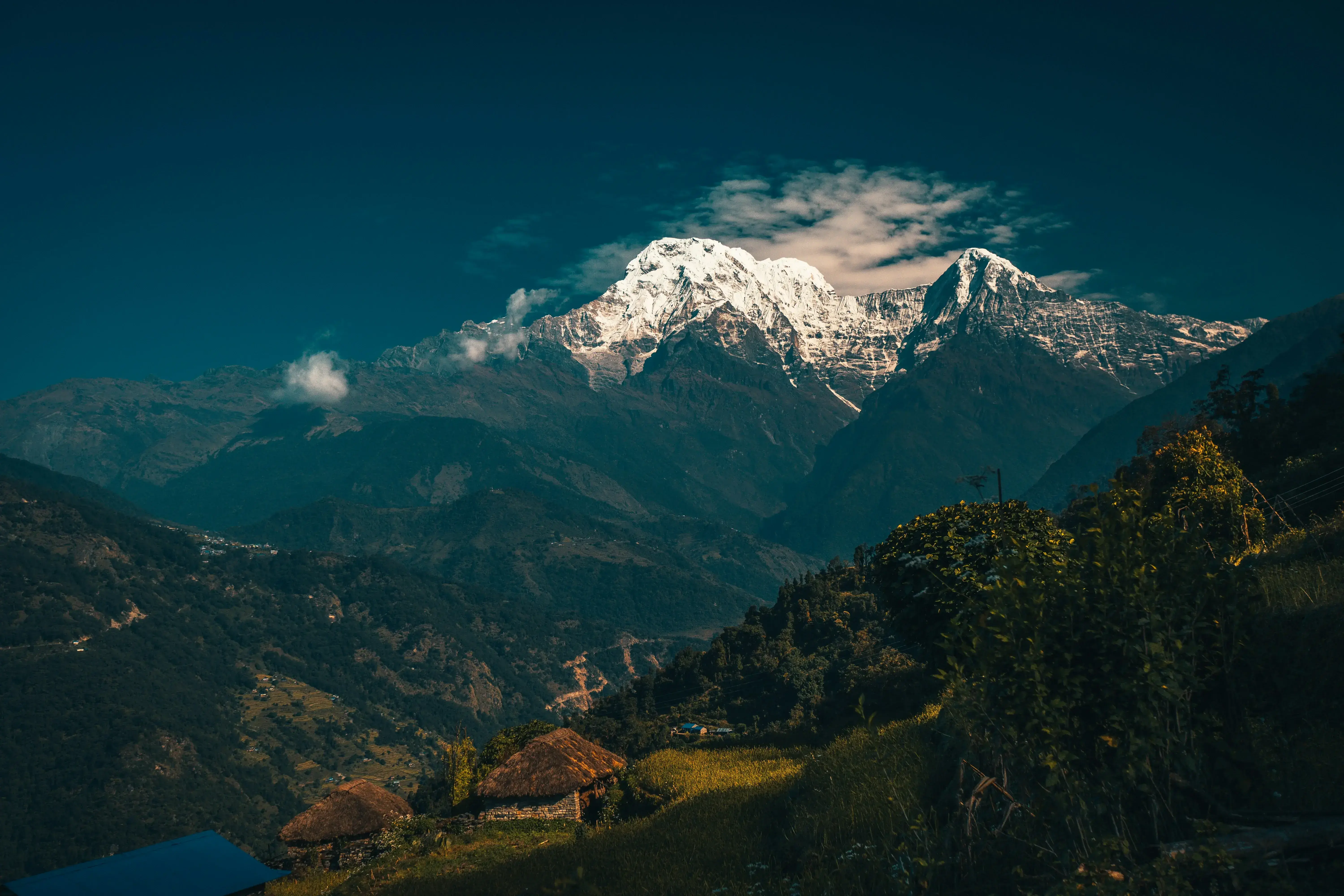
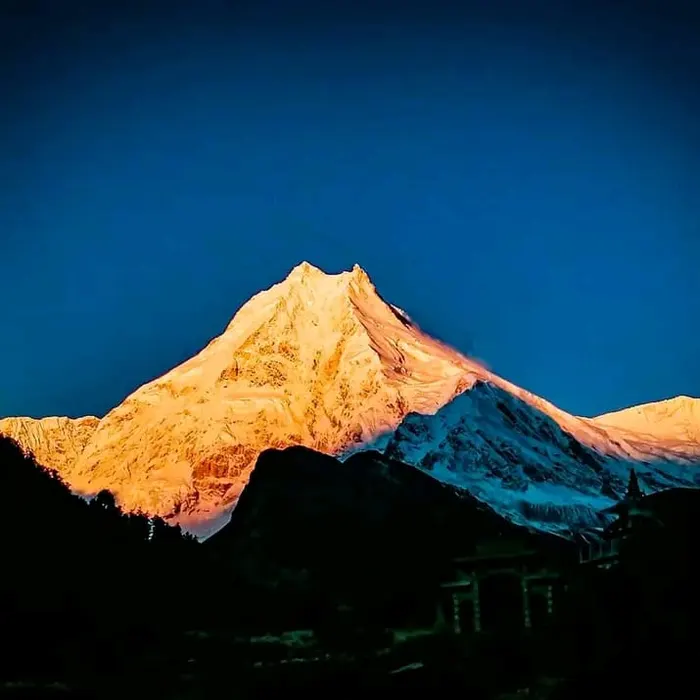
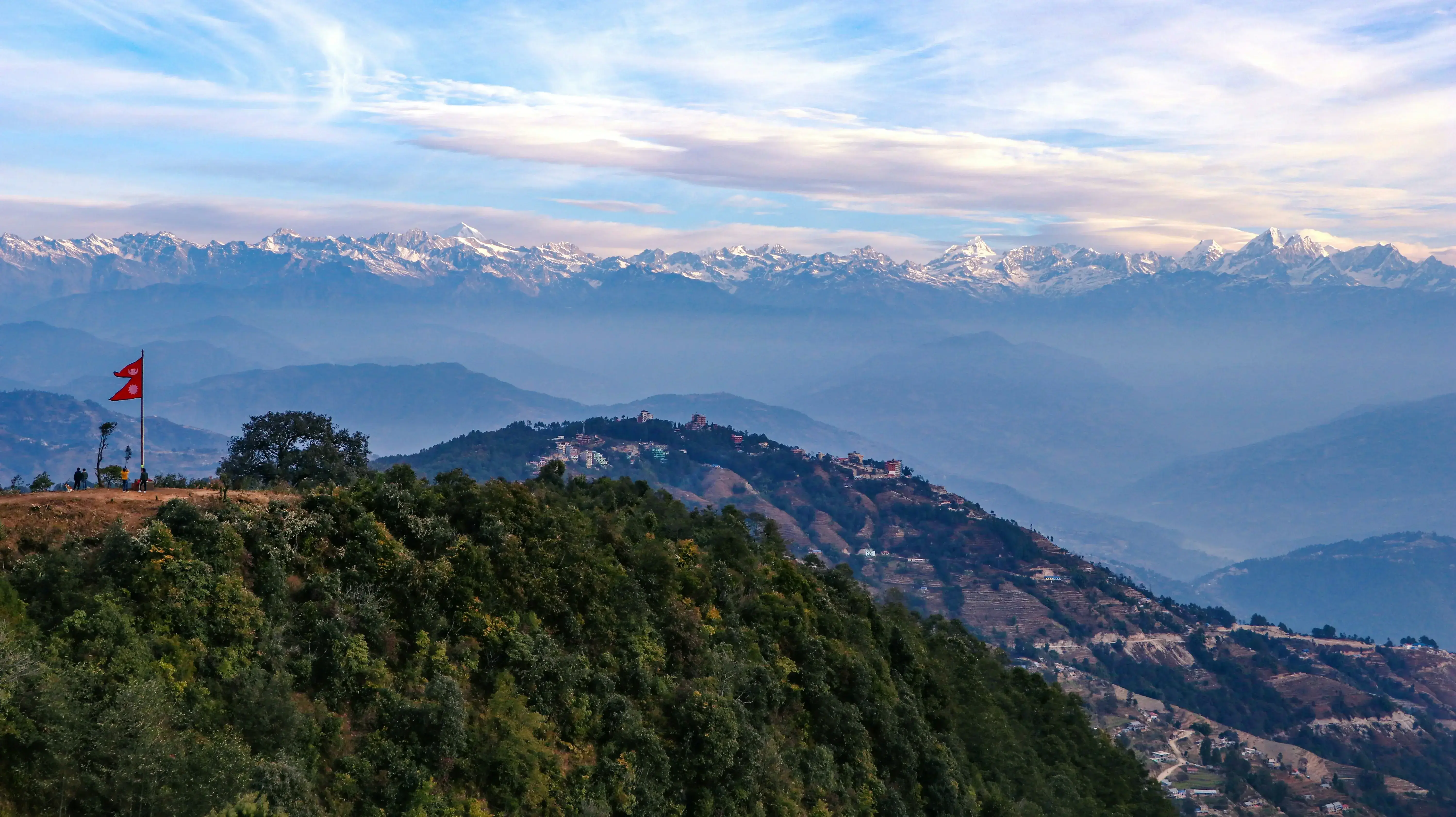
Yes, and it is a natural extension. A three to five-day hill trek in the Annapurna foothills, such as the Poon Hill circuit, slots neatly onto the end of a heritage and wildlife itinerary, adding dawn Himalayan panoramas after your jungle mornings without demanding expedition-level fitness or gear.
Nepal's trekking regions sit conveniently beside its cultural and wildlife corridors. After Chitwan, the road continues west to Pokhara, the trailhead for the Annapurna Conservation Area, where short teahouse treks through Gurung and Magar villages deliver mountain views within days. The Golden Triangle Nepal tour already follows part of this logic, connecting culture and wildlife with the lakeside city of Pokhara in one eight-day circuit.
Trekking in the mid-hills also has its own wildlife dimension. The flora, fauna and wildlife of Annapurna guide covers what you can expect to encounter on the trail, from langur monkeys and Himalayan tahrs to the spring rhododendron blooms that turn entire hillsides red. For everything from choosing a route to selecting a reputable operator, our complete guide to trekking in Nepal is the definitive planning companion.
Is a Heritage and Wildlife Tour Right for Families?
Yes, this combination is one of the most family-friendly ways to see Nepal. Children typically find the jeep safari in Chitwan more thrilling than any museum, while the Tharu cultural programs, canoe rides and elephant breeding center visits suit all ages, and the short flight distances keep transfer days manageable.
The itinerary also builds naturally in variety, which is the secret to traveling happily with children. A morning spent counting temple spires in a durbar square is followed by an afternoon of relaxed cafe time; a dawn canoe ride past crocodiles is balanced by an evening stick dance. The 6 days Nepal cultural nature Himalayan experience is a well-tested family frame, and our Bhaktapur day tour guide shows how a single car-free heritage town can fill an entire day with things children genuinely enjoy, from pottery squares to yoghurt vendors.

Families with teenagers can stretch to the 8 days Nepal highlights tour, which keeps the same culture-plus-wildlife spine while adding mountain viewpoints between the two. Whatever the frame, tell your operator the ages of your children in advance so jungle walk age restrictions and lodge choices can be matched to your group.
Practical Tips for Your Heritage and Wildlife Tour
Packing for a heritage and wildlife tour requires versatility. For Kathmandu's heritage sites, comfortable walking shoes are essential; the durbar squares and temple complexes involve hours of walking on uneven stone pavements. Modest clothing that covers shoulders and knees is required for temple visits. Layers are useful, as mornings and evenings can be cool even in the warmer months.
For Chitwan, neutral-colored clothing (khaki, olive, beige) is recommended for wildlife viewing. Bright colors can startle animals. Long sleeves and long pants provide protection against insects and sun. A wide-brimmed hat, sunscreen, and insect repellent are essential. Binoculars dramatically improve the wildlife experience, allowing you to spot birds and distant animals. A headlamp or flashlight is useful for evening walks around the lodge.
Accommodation ranges from budget guesthouses to luxury lodges. In Kathmandu, the Thamel district offers the widest range. In Chitwan, lodges range from simple jungle camps to upscale resorts with swimming pools and spa facilities. The Nepal heritage and wildlife experience package includes comfortable mid-range to upscale accommodation in both locations.
Extending Your Heritage and Wildlife Tour
A heritage and wildlife tour can be extended in several directions. Adding Pokhara to the itinerary creates a Golden Triangle tour that covers culture, wildlife, and mountain scenery in a single trip. The Golden Triangle Nepal tour is the most popular multi-destination itinerary in the country, and it pairs naturally with the heritage and wildlife focus.
For travelers interested in Nepal's spiritual heritage, adding Lumbini, the birthplace of the Buddha, extends the cultural dimension of the tour. The Golden Triangle with Lumbini tour covers Kathmandu, Chitwan, Pokhara, and Lumbini in a comprehensive 10 to 12-day itinerary.
For those who want to go deeper into Nepal's cultural heritage, the Nepal cultural heritage tour guide provides a comprehensive overview of the country's temples, squares, and living traditions. The spiritual tour in Nepal and the spiritual tour in Nepal 2026 guides explore the country's pilgrimage circuits in depth.
The Nepal cultural scenic tour and the 8-day Nepal highlights tour offer alternative itineraries that complement the heritage and wildlife focus.
Whether you come for the temples, the tigers, or the remarkable transition between the two, a Nepal heritage and wildlife experience is the single richest introduction this country offers. Few places on earth let you trace a 1,500-year arc of civilization in the morning and stand ten meters from a wild rhino by afternoon, all without ever leaving the same small, astonishing country.