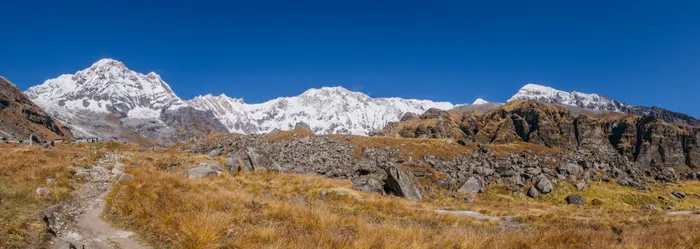
Nepal protects more than 23 percent of its land area inside national parks, conservation areas, a wildlife reserve and a hunting reserve, one of the highest protection ratios in South Asia. For trekkers and wildlife lovers planning a trip, the labels matter: they decide which permits you buy, who greets you at the gate, whether villages sit inside the boundary and where your entry fee ultimately goes. Yet most travellers use the words interchangeably, and the difference between a park warden checking a Sagarmatha ticket and a community officer stamping an ACAP card in Pokhara is the real story of how Nepal balances nature with a lived-in Himalayan landscape.
This guide explains the difference between conservation areas and national parks in Nepal for the 2026 season: how many conservation areas exist, who manages each system, what permits each requires, how the fees compare and which type suits your kind of journey. It follows our complete guide to Nepal's 13 national parks and pairs naturally with our Annapurna region trekking guide, because the Annapurna Conservation Area is where most travellers first meet the conservation-area model.
What Is the Difference Between a Conservation Area and a National Park?
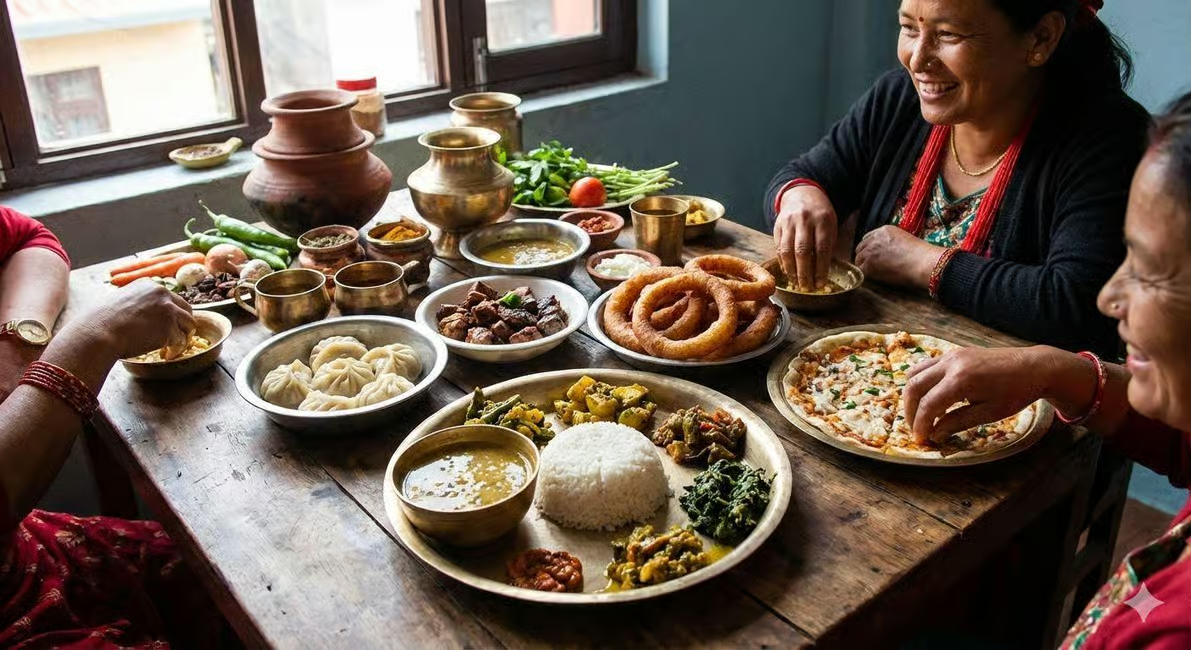
A national park protects wildlife and habitat as the first priority under strict state management, while a conservation area protects a working, lived-in landscape where local communities continue to farm, graze animals, run teahouses and manage forests alongside conservation rules. In a park, the state acts as the primary guardian; in a conservation area, resident communities become the guardians, supported by a national trust rather than a parks department.
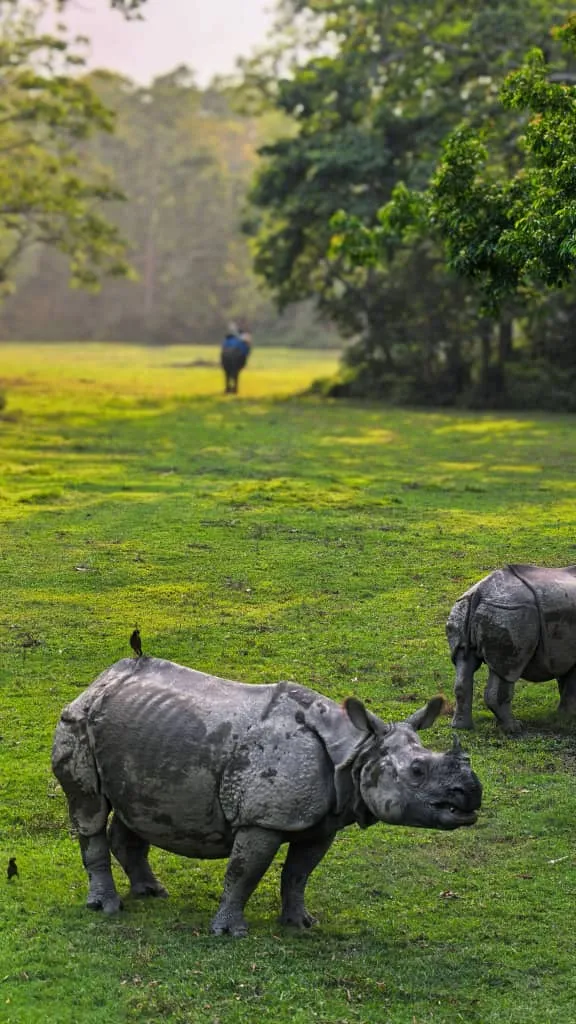
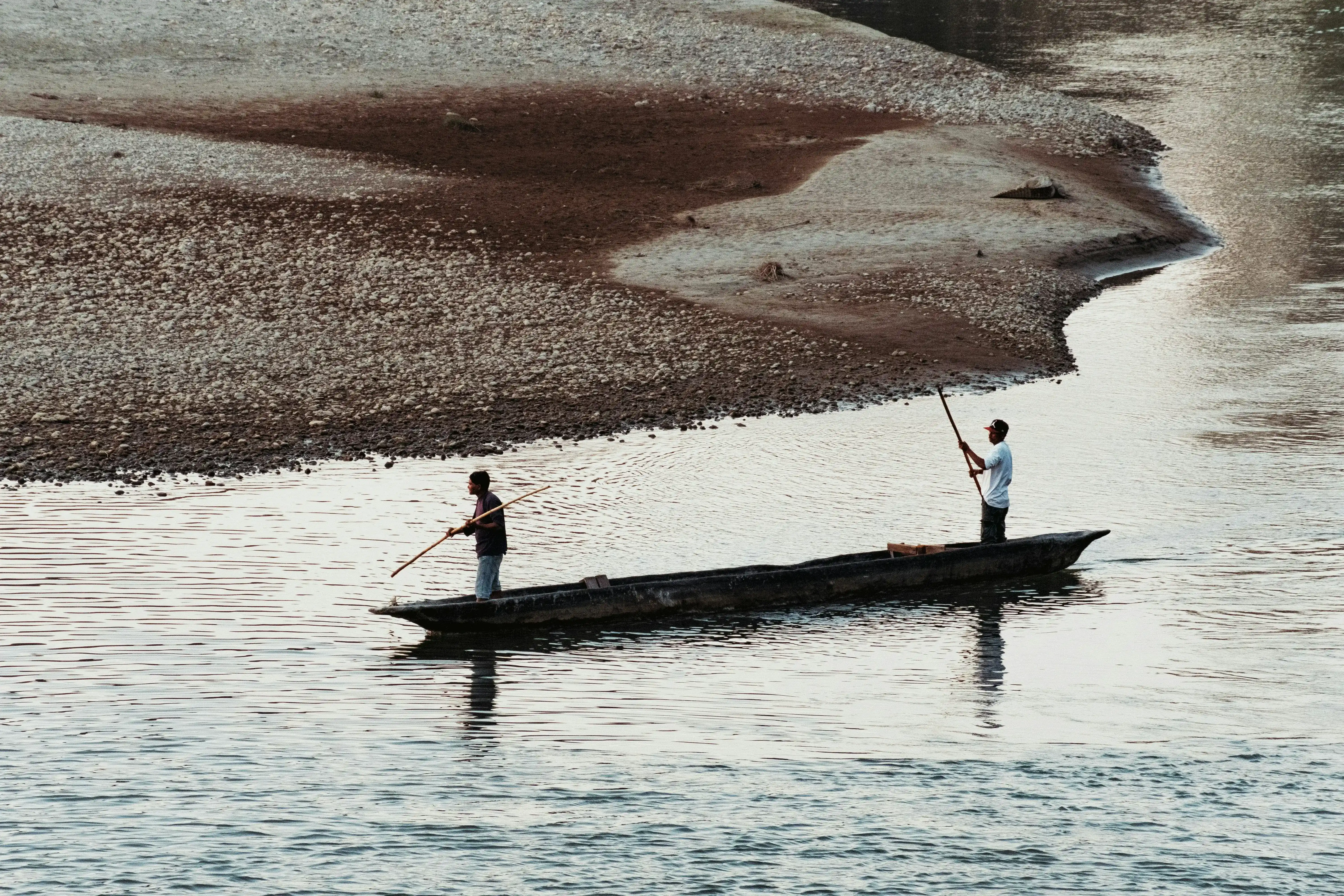
The distinction shows up on the ground. Inside Chitwan National Park, you sleep outside the boundary in buffer-zone towns like Sauraha and enter with a licensed guide for jeep safaris and canoe rides, because the park interior is managed first for rhinos, tigers and habitat. Inside the Annapurna Conservation Area, by contrast, you walk village to village through the protected zone itself: the trail, the teahouse, the gompa and the terraced fields are all inside the boundary, and the conservation project works with, not around, the people who live there. Both models work, and Nepal runs both deliberately, as our guide to responsible and community tourism in Nepal explains in depth.
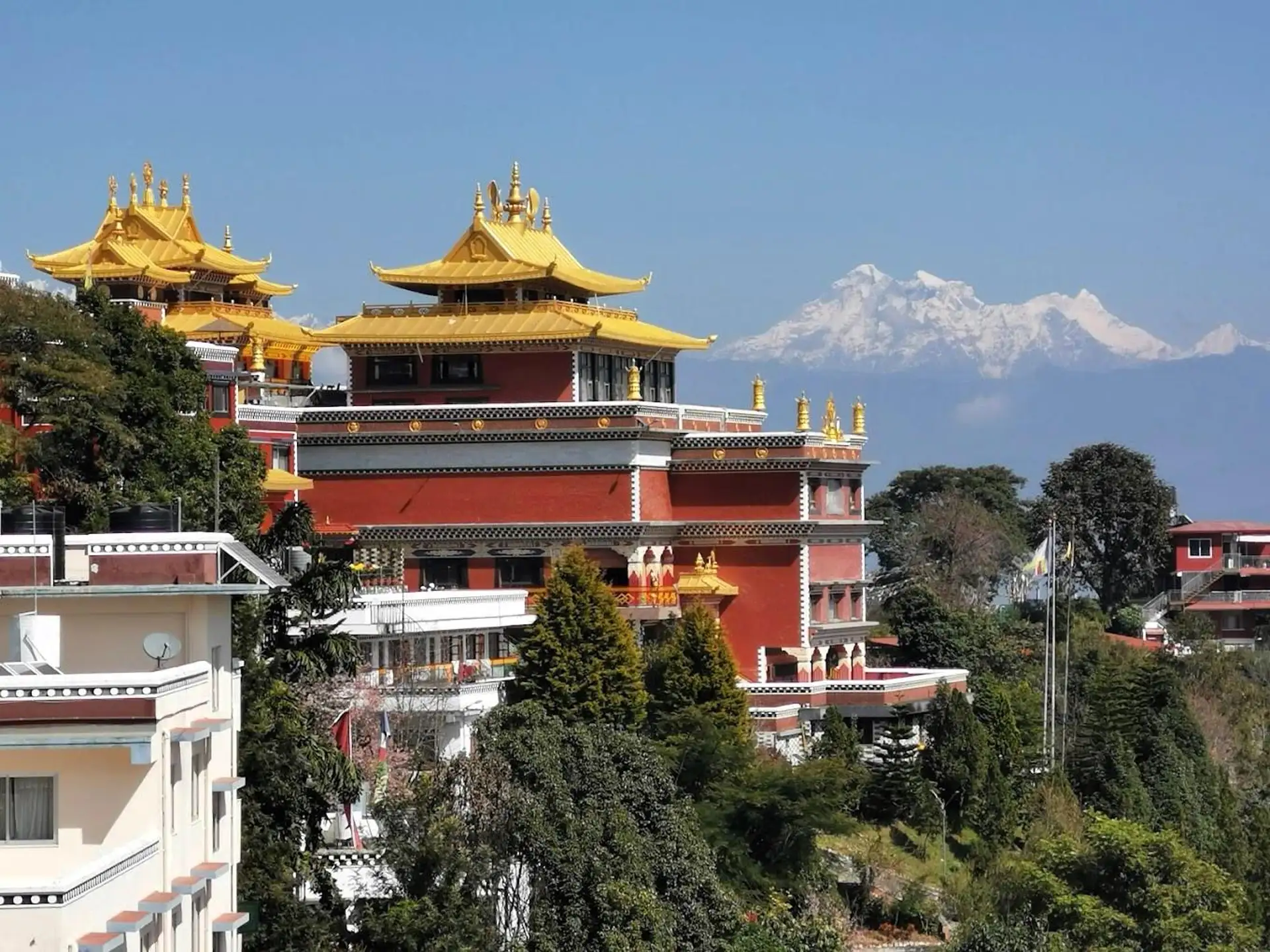
Nepal's national parks range from the subtropical grasslands of Chitwan, established in 1973 as the country's first park, to Sagarmatha National Park around Everest and Shey Phoksundo National Park in Dolpa, the largest park at 2,712 square kilometres. The conservation areas overlay the trekking heartland: the Annapurna, Manaslu and Kanchenjunga massifs plus two newer areas in the east and far west. When you compare the Annapurna region with Sagarmatha, you are really comparing the two management philosophies.
How Many Conservation Areas Does Nepal Have?
Nepal has five conservation areas alongside its thirteen national parks: the Annapurna Conservation Area, the Manaslu Conservation Area, the Kanchenjunga Conservation Area, the Gaurishankar Conservation Area and the Api Nampa Conservation Area in the far west. The network also includes Koshi Tappu Wildlife Reserve in the eastern Terai and Dhorpatan Hunting Reserve, the country's only licensed hunting area, bringing the wider protected-area system to more than twenty sites.
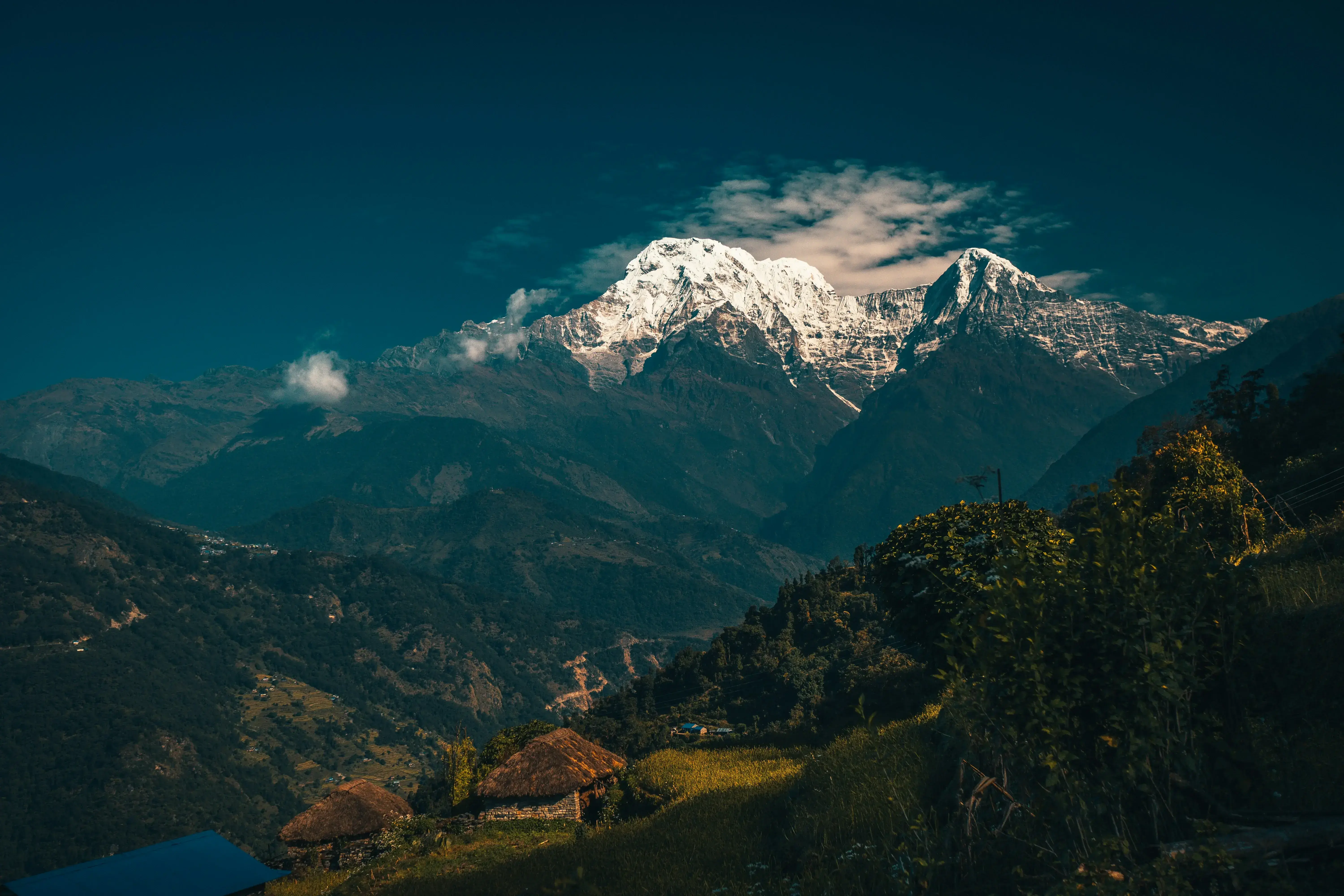
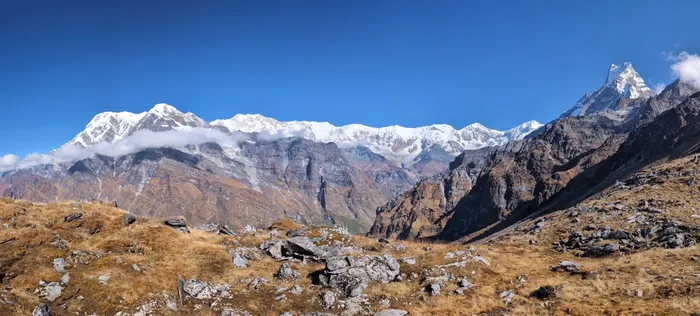
The flagship is the Annapurna Conservation Area, or ACA, established in 1986 as Nepal's first conservation area and still its largest protected area under a single management plan at 7,629 square kilometres. The Manaslu and Kanchenjunga conservation areas both followed in 1998, wrapping the eighth and third highest mountains on Earth in community-based protection. Gaurishankar, east of Kathmandu on the Rolwaling side, and Api Nampa, named for the twin peaks near the Indian border, complete the set. Our Kanchenjunga Circuit trek guide and Manaslu permits guide cover the two remote members in detail, and our Shey Phoksundo and Upper Dolpo guide shows what the park side of the same remote-country coin looks like.
Who Lives and Works Inside Each Protected Area?
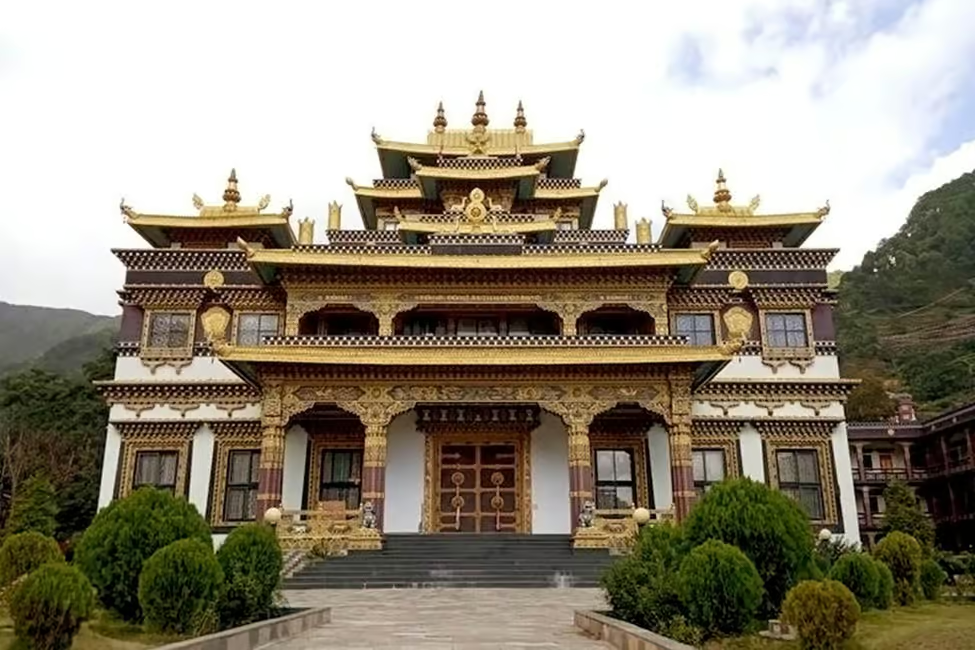
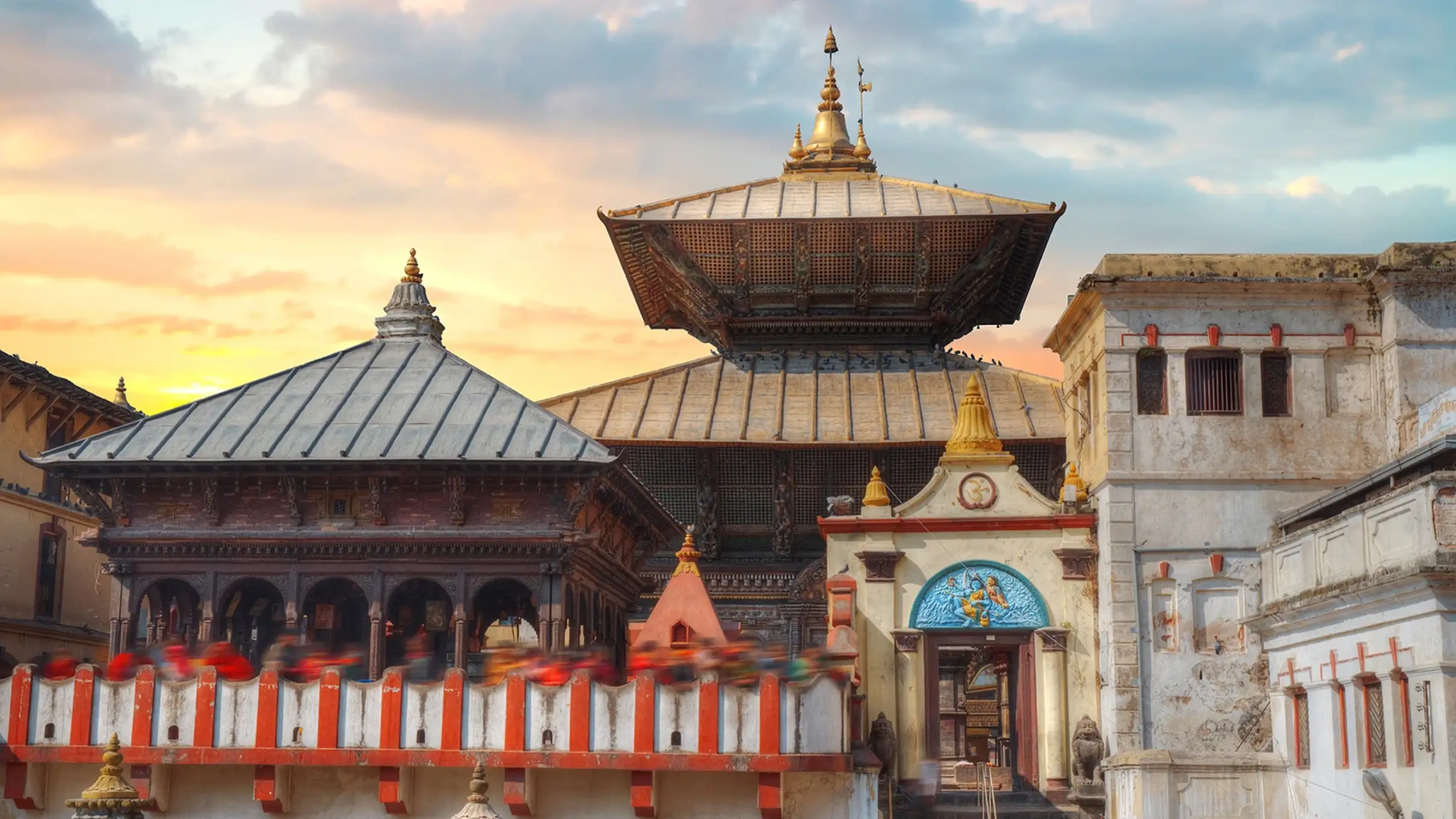
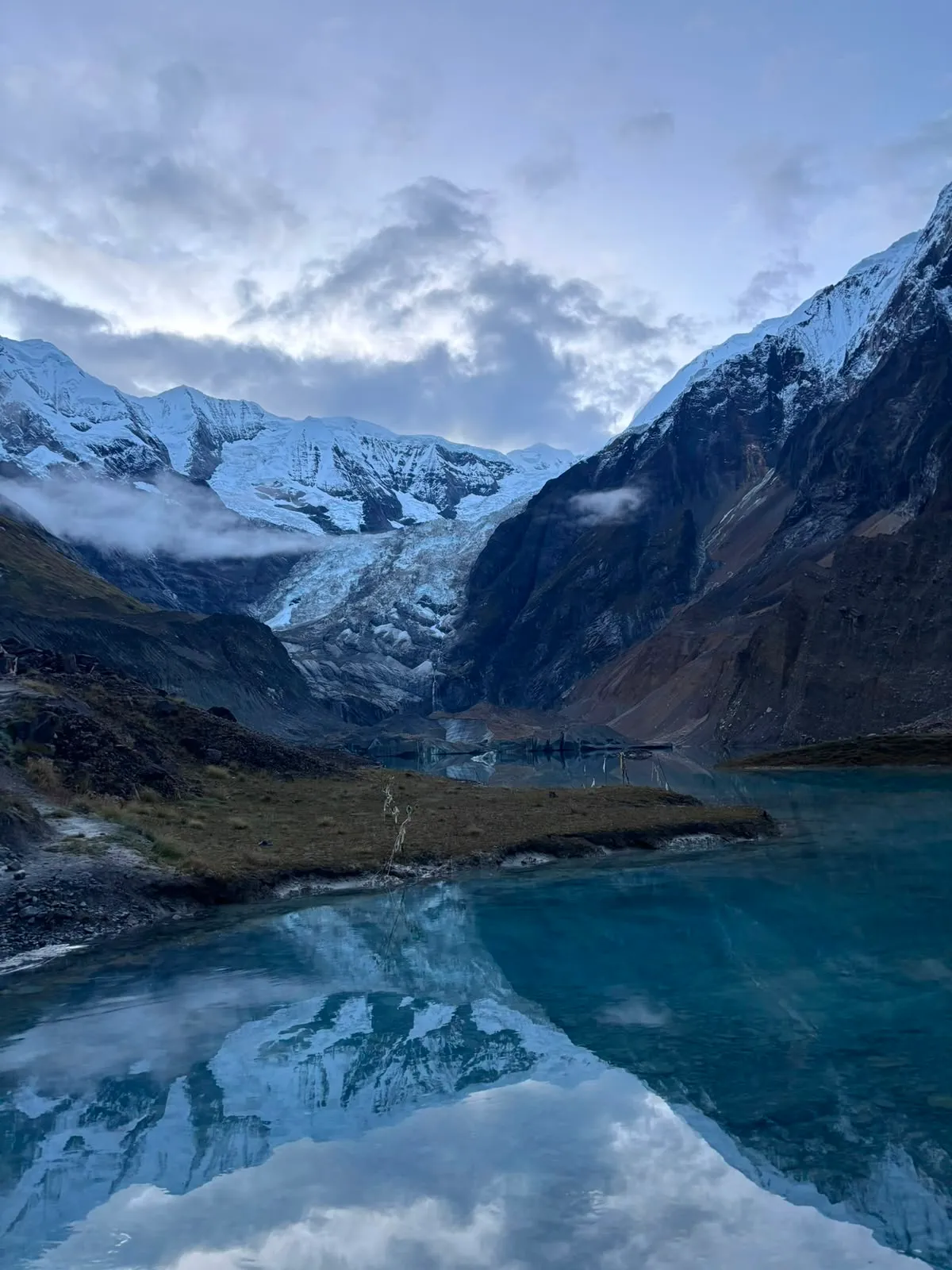
Entire villages live inside conservation areas, while national park interiors are managed as wildlife habitat first, with resident communities historically resettled outside the core boundary. That single difference drives almost everything else: permit prices, lodge styles, guiding rules and where tourism money lands. In conservation areas, the people are the stewards of the land, and tourism is their primary source of income; in parks, buffer-zone communities outside the gate receive a share of revenue instead.
The Annapurna Conservation Area Project, known as ACAP, employs local people as conservation officers, trail maintenance workers and wildlife monitors, an integrated model that has been studied worldwide as community-based conservation. Our sustainable trekking guide to Annapurna describes how that model works on the trail, from stone step construction to filtered water stations that cut plastic waste. On the park side, roughly 30 to 50 percent of park revenue flows to buffer-zone community forests and user groups around Chitwan, which is one reason rhino numbers have kept climbing; our Chitwan safari guide breaks down exactly where those fees go. Whether you trek inside a conservation area or safari beside a park, choosing a responsible operator matters, and our guide to the best trekking agency in Nepal for 2026 is the right starting point.
What Permits Do You Need for Each Type?
Conservation areas require a conservation-area permit, national parks require a park entry ticket, and the trekking heartlands add a TIMS card on top. The three systems are separate purchases, they are checked at different gates, and confusing them is the most common paperwork mistake trekkers make in Nepal.
For conservation areas, the ACAP permit costs NPR 3,000, about USD 30, for foreign nationals and NPR 1,000 for SAARC nationals, and it covers the whole Annapurna region including Upper Mustang, which then adds its own restricted-area layer. The Manaslu Conservation Area Permit, or MCAP, is a flat USD 30 regardless of season or duration, issued by the National Trust for Nature Conservation office in Kathmandu or at the Jagat checkpost on the trail itself. The Kanchenjunga Conservation Area Permit costs NPR 2,000, about USD 15, for non-SAARC nationals and NPR 1,000 for SAARC visitors, while the Gaurishankar Conservation Area permit runs around USD 20 for foreigners. Our complete Nepal permits and TIMS guide covers every fee, office and checkpost for 2026.
National parks charge entry fees instead of conservation permits. The Sagarmatha National Park Entry Permit costs NPR 3,000, about USD 23, for foreign nationals and NPR 1,500 for SAARC nationals, purchased in Monjo before the trail climbs to Namche Bazaar, plus the Khumbu Pasang Lhamu Rural Municipality permit at NPR 2,000 in Lukla. Langtang National Park charges NPR 3,000 for foreign nationals. Chitwan charges approximately NPR 2,000 per person per day. Nepal's park entry fees generally run from NPR 1,000 to 3,500, about USD 8 to 26, with Himalayan parks like Sagarmatha and Shey Phoksundo at the top of the band and Terai safari parks in the middle. On top of either system, the TIMS card costs NPR 2,000 for individual trekkers and NPR 1,000 for trekkers booked through a registered agency.
Restricted areas add a third layer on top of both systems. Manaslu requires a Restricted Area Permit at USD 100 per person per week in the September-to-November peak and USD 75 per week from December to August. Upper Mustang charges USD 500 for the first ten days and USD 50 per day beyond, so a 14-day trek costs USD 700 in permit fees alone before the ACAP card. Upper Dolpo in Shey Phoksundo National Park uses the same ten-day-block structure, starting at USD 500. The full restricted-area picture, including why a licensed guide is legally required in each one, is mapped in our Upper Mustang trek guide.
Annapurna: The Blueprint Conservation Area
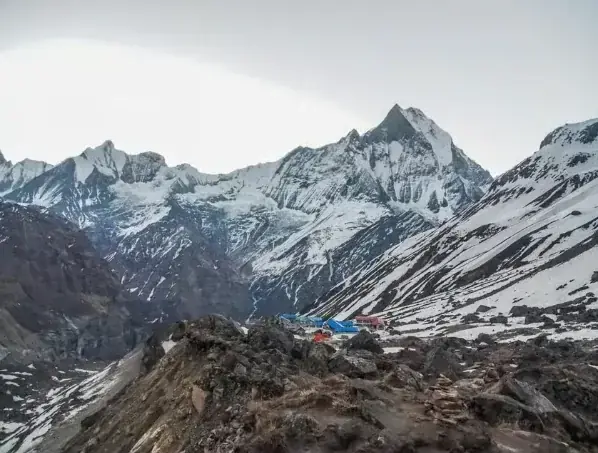
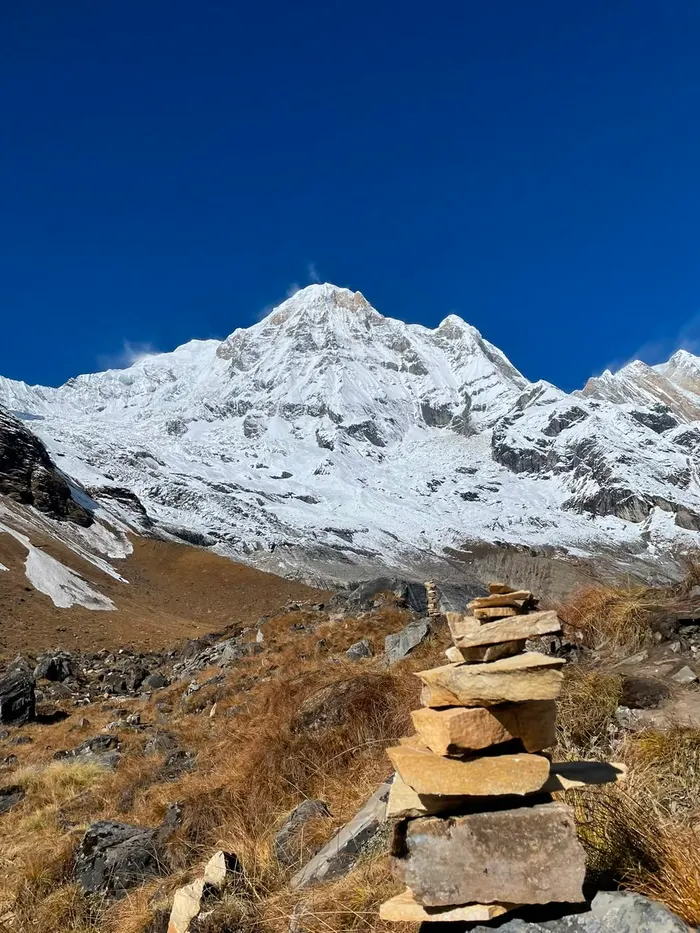
Every argument for the conservation-area model begins on the Annapurna trails. The ACA spans 7,629 square kilometres and rises from subtropical valleys at 1,000 metres to the 8,091-metre summit of Annapurna I, an elevation range no national park in Nepal matches. It shelters 1,226 species of flowering plants, 102 species of mammals, 474 species of birds, 39 reptiles and 22 amphibians, according to the conservation project's own counts, making it one of the most botanically diverse protected landscapes in the Himalaya. Our flora and wildlife guide to Annapurna covers what that biodiversity looks like from the trail.
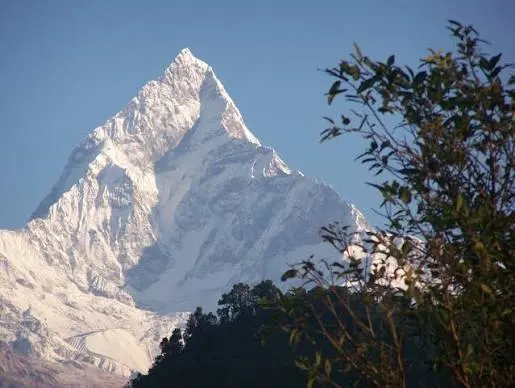
The model works because the people stayed. ACAP was established in 1986 on the principle that conservation and community development must go hand in hand, and it manages the area through local committees rather than exclusion. Teahouse owners, porters, farmers and conservation officers share the same valleys; your ACAP fee funds the stone steps you climb, the forestry programs that keep the slopes green and the wildlife monitoring that tracks snow leopards above 3,500 metres. To experience the full sweep of that landscape in one itinerary, the Annapurna Circuit with Tilicho Lake trek over 13 days crosses the entire conservation area from Besi Sahar to Pokhara, taking in the sacred Tilicho Lake side trip on the way. If you are weighing circuit against sanctuary, our Annapurna versus Everest comparison and the shorter Annapurna Base Camp express trek from $805 both fit the same permit.
Manaslu and Kanchenjunga: Conservation Meets Restricted Area
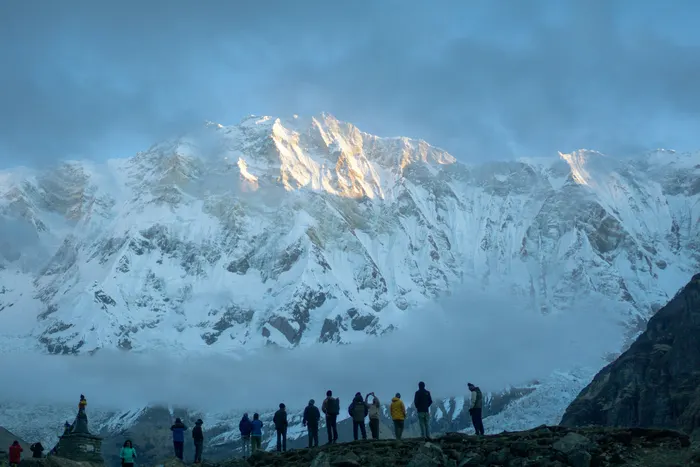
Two of the five conservation areas overlay restricted regions, which stacks community-based conservation on top of immigration controls. The Manaslu Conservation Area, established in 1998, covers 1,663 square kilometres around the eighth highest mountain on Earth, and its MCAP permit costs a flat USD 30 for the whole stay. But Manaslu also sits inside a restricted area, so trekkers add a Restricted Area Permit at USD 100 per week in the September-to-November peak and USD 75 per week off-peak, and the law requires travelling with a licensed guide. The result is a landscape that feels wilder and quieter than Annapurna while running on the same community-led machinery.
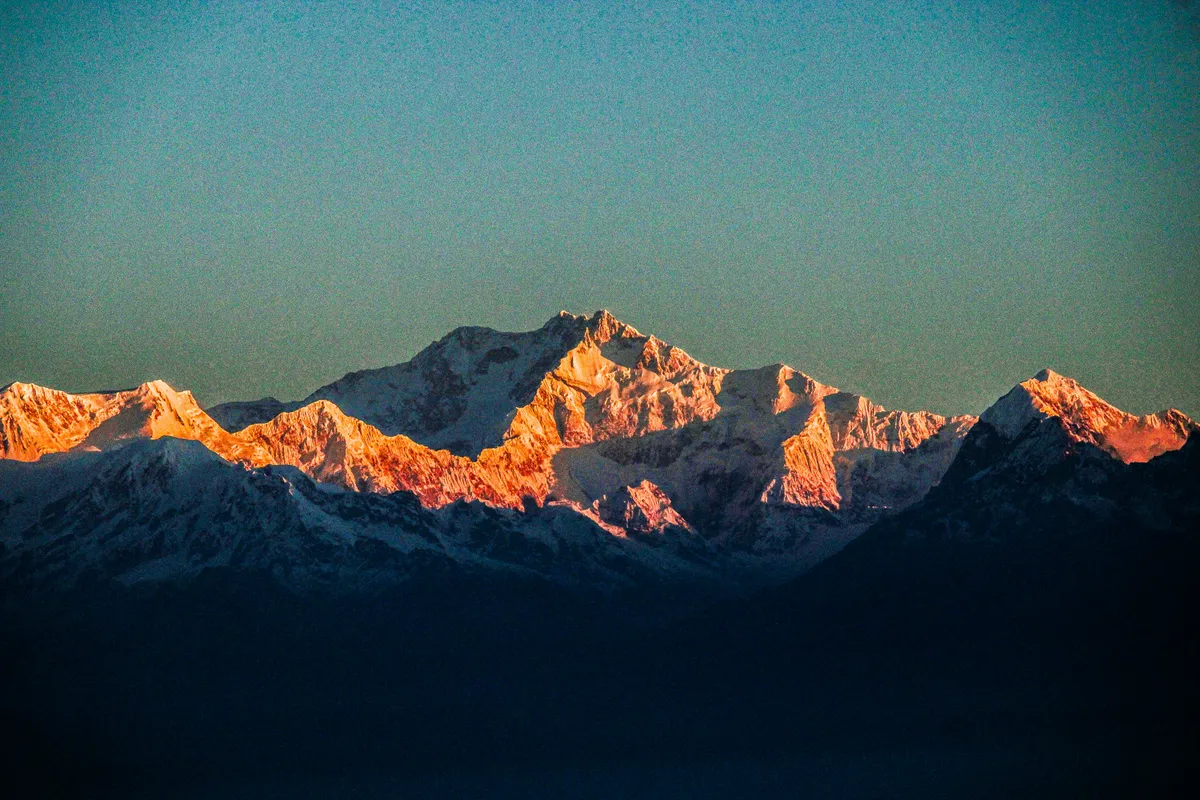
The Kanchenjunga Conservation Area, also established in 1998, is the remote eastern member, protecting 2,035 square kilometres below the 8,586-metre third highest peak in the world. Its permit costs NPR 2,000, about USD 15, for non-SAARC visitors, and its trails through Ghunsa and the Tamur valley pass through a genuine biodiversity hotspot: snow leopard, red panda and Himalayan black bear all live here. The full approach is mapped in our Kanchenjunga Circuit trek guide, and the shorter approaches in our Manaslu Circuit itinerary guide show how the restricted-area layers stack in practice. Gaurishankar Conservation Area, east of Kathmandu on the Rolwaling side, rounds out the set with its roughly USD 20 permit and some of the least crowded trails within reach of the capital; for a taste of what that proximity offers, see our short treks near Kathmandu.
Where Do the National Parks Fit In?
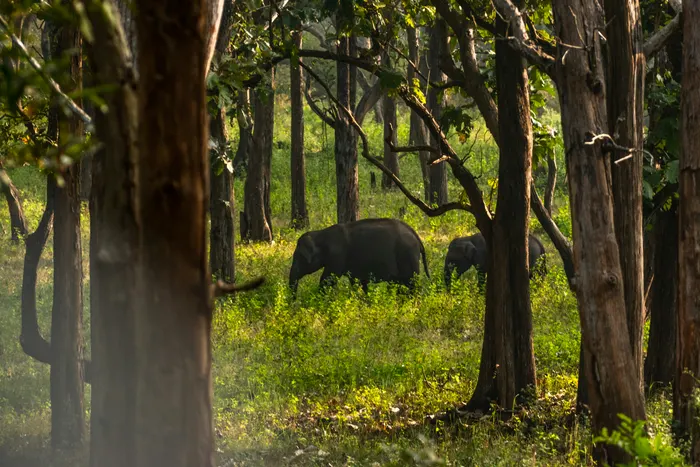
National parks cover the marquee wildlife and the highest ground. Chitwan, established in 1973, protects 952 square kilometres of sal forest and grassland and holds one-horned rhinoceros and Royal Bengal tigers; Bardiya, upgraded from wildlife reserve to national park in 1988, spreads 968 square kilometres along the Karnali river. Sagarmatha National Park guards 1,148 square kilometres of Sherpa country around Everest, and Shey Phoksundo in Dolpa is the largest park at 2,712 square kilometres. Langtang, established in 1976 as Nepal's first Himalayan national park, keeps 1,710 square kilometres of glaciated valleys within a day's drive of Kathmandu. The complete network, including the newest park, Chhayanath in Mugu declared in September 2025, is mapped in our 13 national parks guide.
Each park protects habitat first, and the visitor experience follows that priority. In Chitwan you sleep outside the park and go in with guides for jeep safaris, canoe rides and jungle walks, an experience our Chitwan safari guide walks through zone by zone. In Sagarmatha you trek through villages that sit inside the park by long tradition, but the park entry fee and the municipality permit both still point to wildlife, forest and trail conservation rather than community budgets. For a full contrast between two parks on the same Karnali plateau, our Bardiya versus Chitwan comparison shows how differently two parks can feel.
How Do Fees Compare Between Parks and Conservation Areas?
Conservation-area permits cost more than most park entry tickets, because they fund community programs as well as conservation. The table below consolidates the verified 2026 fee picture for the headline destinations in each system.
| Protected area | Type | Foreign national fee | Extra layers |
|---|---|---|---|
| Annapurna Conservation Area | Conservation area | ACAP NPR 3,000 (USD 30) | TIMS; Upper Mustang RAP USD 500 if continued |
| Manaslu Conservation Area | Conservation area | MCAP USD 30 flat | RAP USD 75-100/week; guide required |
| Kanchenjunga Conservation Area | Conservation area | KCAP NPR 2,000 (USD 15) | RAP USD 20-25/week; guide required |
| Gaurishankar Conservation Area | Conservation area | approx USD 20 | TIMS |
| Sagarmatha National Park | National park | NPR 3,000 (USD 23) | Khumbu Pasang Lhamu NPR 2,000; TIMS |
| Langtang National Park | National park | NPR 3,000 | TIMS |
| Chitwan National Park | National park | approx NPR 2,000/day | Safari activity costs separate |
| Upper Mustang | Restricted within ACA | RAP USD 500 first 10 days, USD 50/day after | ACAP still required; guide required |
Read the table as a spectrum rather than two columns. The park side tops out around USD 26 for the most expensive Himalayan entries, while the conservation side adds a restricted-area multiplier precisely where communities are most remote: a 14-day Upper Mustang journey costs USD 700 in restricted permits alone, and Upper Dolpo inside Shey Phoksundo National Park uses the same USD 500 ten-day-block structure. If your head is spinning, that is normal: our permits and TIMS explained guide untangles every combination, and if you are heading east instead of north, our Koshi Tappu bird watching guide covers the wildlife-reserve version of the story.
Which Should You Choose for Your Trip?
Choose a conservation area if you want villages, culture and walking inside the protected landscape itself, and choose a national park if your priority is concentrated wildlife or the highest summits. The conservation areas deliver teahouse culture, terraced farming country and the feeling of travelling through a living region; the parks deliver tigers, rhinos, Everest and the deepest lake in Nepal behind stricter gates.
In practice, many travellers combine both. A classic two-week Nepal journey pairs a few days of Chitwan safari with an Annapurna teahouse trek, one night in Pokhara and a Kathmandu valley heritage day, which is exactly the shape of our golden triangle Nepal tour guide. If your heart is set on the wildlife side, the Nepal heritage and wildlife experience from $500 covers the safari core; if the mountain-village side wins, the Khopra ridge trek from Pokhara at $720 is the gentlest full-flavour introduction to the ACA. Families should also read our Langtang region guide for a park-side alternative that is close to Kathmandu and rich in Tamang culture.
Seasons and Timing Across Both Systems
The two systems share the same trekking calendar. October to November and March to May are the prime windows for the Annapurna, Manaslu and Kanchenjunga conservation areas, with stable air, clear summit views and teahouses at full tilt. The park safari season in Chitwan and Bardiya runs longer, from October through April, and the winter months of December to February are actually prime for wildlife watching, when tigers and rhinos gather at water and the grass is cut short. Sagarmatha and the high Himalayan parks freeze hard in deep winter, and the June-to-August monsoon makes the lowland parks lush but humid while cloud often buries the high trails.
Timing also changes the permit picture. The Manaslu Restricted Area Permit drops from USD 100 per week in the September-to-November peak to USD 75 per week from December to August, a real saving for off-season walkers, and lodge prices across the conservation areas soften at the same time. Our month-by-month Nepal weather guide covers the visibility logic in detail for flyers and walkers alike, and if winter tempts you, our Khaptad National Park guide shows the far-west parks at their clearest.
Planning Checklist: Conservation Area or Park?
Whichever side of the system you choose, the paperwork is easier than it looks. Buy ACAP, MCAP and KCAP permits and TIMS cards in Kathmandu or Pokhara before starting, or at the trailhead checkposts such as Jagat for Manaslu; park entry tickets are sold at the gates, like Monjo for Sagarmatha. Carry a passport photo for each permit, keep printed copies with your passport, and budget roughly USD 40 in total permits for a standard Annapurna or Langtang trek before any restricted-area layers. Restricted areas legally require a licensed guide and a registered agency, which is one more reason to start from our guide to the best trekking agency in Nepal.

- Culture-first teahouse trekking inside a living landscape: the Annapurna region and its ACAP permit
- Remote wilderness with community stewardship: Manaslu and Kanchenjunga conservation areas, guide required
- High Himalayan icons under park management: Sagarmatha and Langtang national parks
- Terai wildlife and jungle safari: Chitwan and Bardiya national parks with buffer-zone lodges
- Trans-Himalayan desert and the deepest lake in Nepal: Shey Phoksundo National Park
- Eastern birding capital at a wildlife reserve: Koshi Tappu, covered in our bird watching guide
For altitude preparation wherever you walk, read our altitude sickness guidance inside the Everest region guide, and for the cultural layer that runs through both systems, our cultural and spiritual tours guide connects the sacred geography that binds parks and conservation areas alike.
Updated for the 2026 season. Fees and rules change: confirm current figures with your operator when booking.