What Are Nepal Helicopter Tours and Why Are They So Popular?
Nepal helicopter tours turn a two-week trek into a few hours of flight: a sunrise departure from Kathmandu, a landing at Everest Base Camp or Kala Patthar, and back for lunch. They are the backbone of luxury Nepal travel and a lifeline for travelers short on time or unable to trek. A heli tour delivers the Himalaya's signature views without the altitude risk, the trail time, or the Lukla flight gamble. It suits luxury travelers, families with kids or older members, time-pressed visitors, and anyone with a health limit on trekking. It is also a way to reach base camp for a prayer or a photo and still be home for dinner. This guide covers the routes, the realistic costs, the season, and how to book a safe, legal flight.
What Does the Everest Helicopter Tour Route Include?
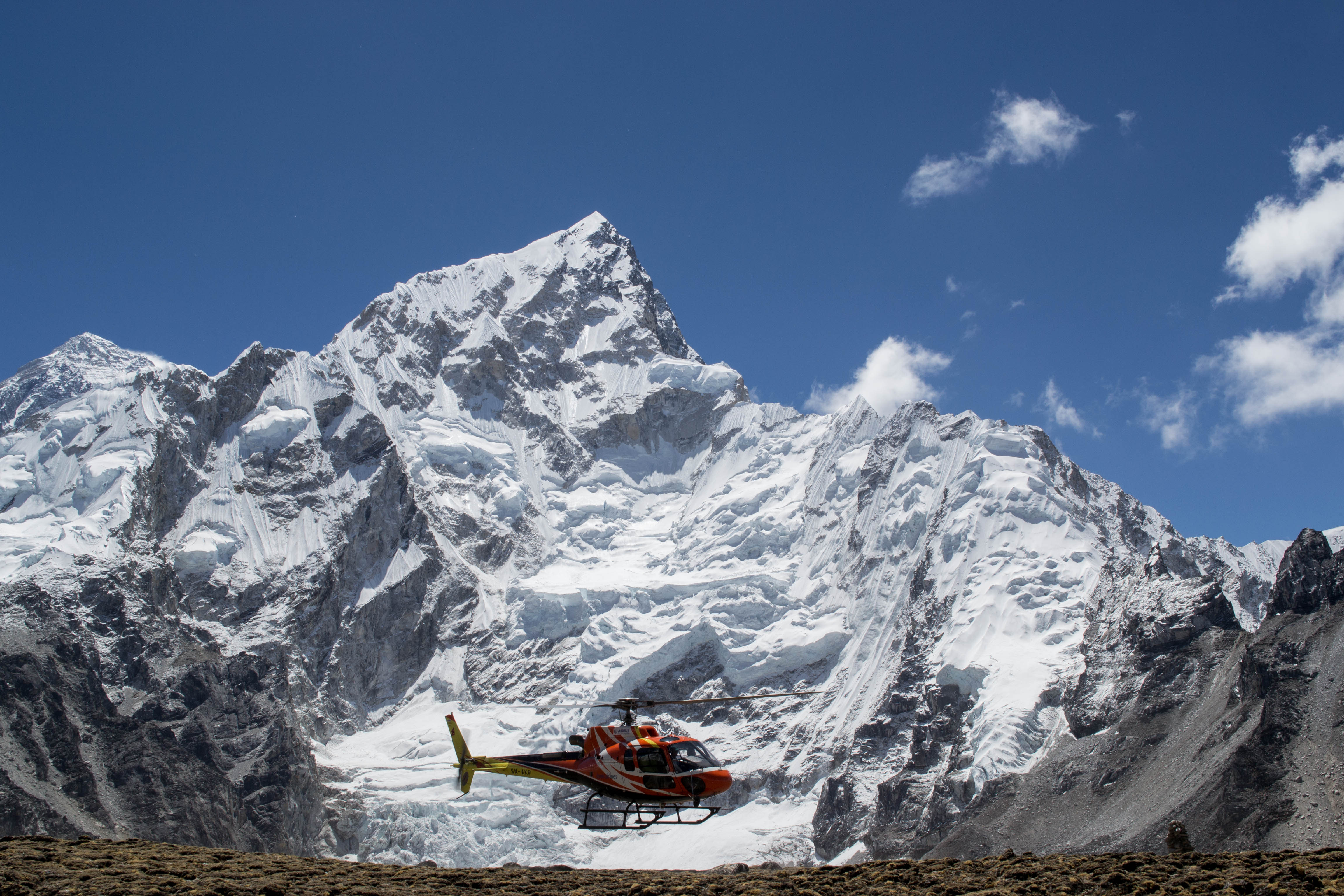
The classic route flies Kathmandu to Lukla to Kala Patthar or Everest Base Camp, often with a breakfast stop at Syangboche (Everest View Hotel) and a landing at Kala Patthar (5,545 m) for photos. Total air time is roughly 3 to 4 hours round trip. The flight path takes you over the Dudh Koshi river gorge, past the Sherpa villages of the Khumbu, and into the high-altitude amphitheater where Everest dominates. The Everest Base Camp Helicopter Trek combines trekking with a heli exit, which is the best of both worlds: you walk the classic route and fly out from Gorak Shep, saving the long descent and removing Lukla weather risk. For a pure luxury experience, the Everest Base Camp Luxury Lodge Trek pairs premium lodges with optional heli extensions.
What Annapurna and Pokhara Helicopter Flights Are Available?
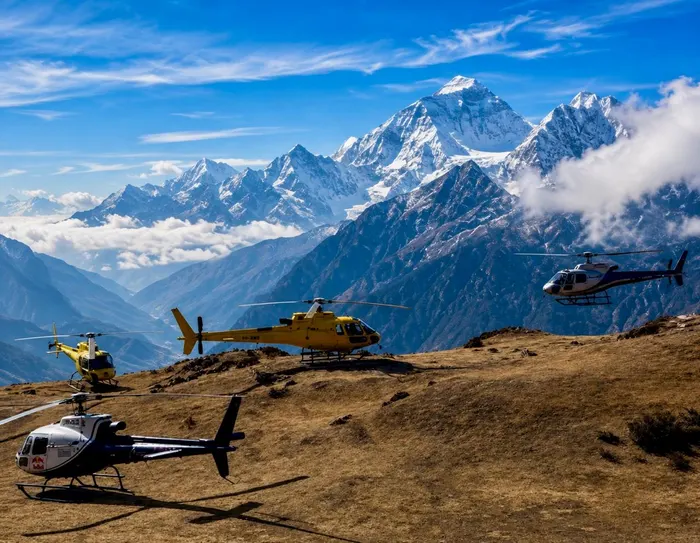
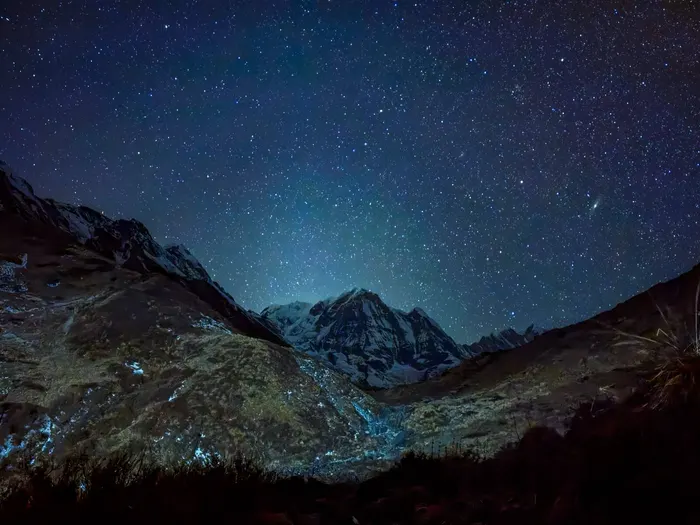
From Pokhara you can fly the Annapurna range, land at Annapurna Base Camp or a ridge for views, or do a scenic loop. The Annapurna Helicopter Return Trek is popular as a trek shortcut or a standalone scenic flight. These are shorter and cheaper than the Everest run, and the Annapurna Sanctuary provides a dramatic enclosed amphitheater of peaks that is stunning from the air. The flight path typically follows the Modi Khola valley up to ABC, with views of Machapuchare, Annapurna South, and Hiunchuli. You can also fly from Pokhara to Muktinath in the Annapurna region, combining a pilgrimage visit with an aerial tour of the Kali Gandaki gorge, the deepest in the world.
How Do Gosaikunda and Sacred Lake Helicopter Tours Work?
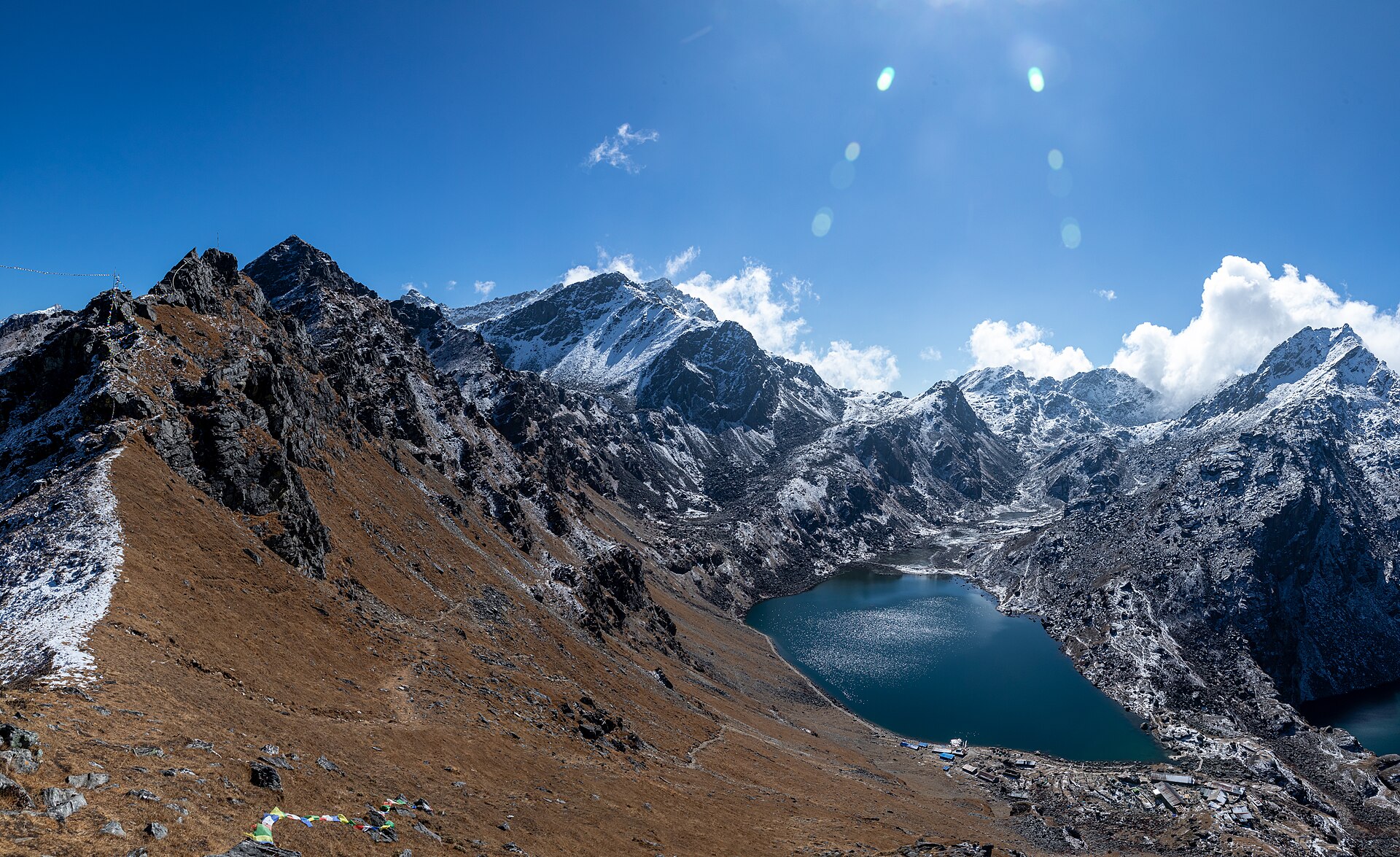
A Gosaikunda helicopter tour gives pilgrims the sacred Gosaikunda Lake without the multi-day walk: an aerial pilgrimage for Janai Purnima or personal devotion. The flight takes you from Kathmandu over the Langtang range to the alpine lake at 4,380 m, with a brief landing for prayer and photos. Similar short flights serve Muktinath and other sacred sites for those who cannot trek. The Gosaikunda Lake Trek package offers a trekking version for those who want the full journey. For pilgrims with mobility limits, time constraints, or simply a desire to combine devotion with aerial drama, the heli option is transformative. Explore, Heal, Thrive applies here: the flight is the explore, the sacred lake is the heal, and the memory is the thrive.
How Much Do Nepal Helicopter Tours Actually Cost?
Heli tours are priced per charter (the whole aircraft) or per seat on a shared flight. A shared Everest seat commonly runs from about USD 1,100 or more, while a private charter is several times that. Annapurna and Gosaikunda flights are cheaper because they are shorter and closer to their departure points. Prices vary by operator, season, and fuel costs. We quote a fixed all-in figure so there are no surprises on the day. The cost includes the helicopter, pilot, fuel, permits, landing fees, and insurance. For a private charter, you have the aircraft to yourself, which means you control the timing and can customize stops. Shared flights join you with other travelers on a set departure, which is the more affordable option for solo travelers or couples.
When Is the Best Season for Helicopter Tours in Nepal?
October to May is best, with clear, stable air. Winter (December to February) is clear but very cold at the high landing points, and the light is harsh but dramatic. The June to August monsoon is poor, with cloud cover that makes mountain viewing impossible and flying unsafe. Helicopters are weather-bound, so even in season flights are cancelled on the morning if cloud or wind is unsafe, and you get a rebook or refund. Build flexibility into your schedule for at least one backup day. Spring (March to May) offers warmer temperatures and good visibility before the monsoon builds. Autumn (October to November) is the most reliable, with post-monsoon clarity and moderate temperatures at altitude.
What About Altitude Safety on the Kala Patthar Landing?
Even a short landing at 5,545 m is high enough for altitude effects. Operators limit ground time at the highest stops, often 5 to 10 minutes, precisely to avoid acute mountain sickness. Some flights ascend via Lukla to allow partial acclimatization en route. If you have heart or altitude concerns, tell the operator beforehand so they can adjust the flight plan. The quick ascent and descent profile of a heli tour means the body does not have time to fully acclimatize, which is why ground time is strictly limited. Symptoms of AMS include headache, nausea, and dizziness. If you feel any of these during the landing, tell the pilot immediately. The Annapurna Helicopter Return Trek is a good option for those who want to acclimatize by walking up and then fly down.
How Do You Choose a Safe and Legal Helicopter Operator?
Use a company with a valid Civil Aviation Authority of Nepal (CAAN) permit, insured aircraft, and experienced mountain pilots. Check the aircraft type and maintenance record. We only work with vetted heli operators and confirm insurance before booking. Avoid bargain charters with unclear credentials, as Nepal's helicopter industry has had incidents linked to under-regulated operators. Questions to ask: What is the aircraft type? Who is the pilot and what is their mountain flying experience? Is the aircraft insured for passenger transport? What is the cancellation and refund policy for weather? A reputable operator will answer all of these clearly and in writing before you pay.
Shared or Private Helicopter Charter: Which Is Right for You?
A shared seat is the affordable way in: you join other travelers on a set departure, with a fixed route and schedule. A private charter gives you the route, timing, and stops to yourself, which is better for proposals, families, photography, or guests who want to customize the experience. Decide by budget and privacy. Both are weather-dependent. For families with children, a private charter means you can bring kids without worrying about other passengers. For photographers, a private charter means you can request specific orbit patterns and longer time at viewpoints. For couples celebrating an anniversary, a private sunrise flight to Everest with a champagne breakfast at Syangboche is the ultimate luxury experience.
What Should You Bring on a Helicopter Tour?
Passport, sunglasses, a warm layer (it is cold at altitude even in spring), a camera with a clear window shot, and motion-sickness remedy if prone. Do not bring large bags: weight limits are strict and shared flights cap personal luggage small. A scarf helps with dust at rural landing zones. Wear dark clothing to reduce window reflections in your photos. Bring a memory card with plenty of space because you will take hundreds of photos. A phone is fine for snapshots but a camera with a zoom lens will capture Everest in detail. Keep your phone charged for the social media moment at the landing. Leave heavy tripods behind: the vibration makes them impractical in flight.
How Do You Combine a Helicopter Tour with a Trek?
Many travelers trek up and fly down, or vice versa. Walk the EBC trek and heli out from Gorak Shep, or fly to ABC and walk down. It saves the hard descent and removes Lukla weather risk. We design these hybrid plans on request. The Everest Base Camp Helicopter Trek (Trek Up, Fly Back) is the most popular combination, giving you the full trekking experience with a dramatic aerial exit. The Annapurna version does the same for the Annapurna Sanctuary. These hybrid packages are ideal for trekkers who want the journey but have limited time or want to avoid the repetitive descent on tired knees.
How Do Helicopter Tours Pair with Luxury and Wellness?
Heli tours anchor the luxury yoga and wellness escape. A morning flight, an afternoon spa, and a heritage dinner is the Enticing Himalayas signature combo. After a sunrise heli flight to Everest, returning to a singing bowl session or Ayurvedic massage in Kathmandu creates a contrast that makes both experiences more powerful. The high-altitude adrenaline of the flight pairs perfectly with the grounding calm of wellness practice. Browse our tour packages for combined itineraries, or explore the full range of luxury and wellness options.
How Do You Book and What Are the Cancellation Terms?
Book through a licensed operator that confirms the permit, insurance, and weather plan in writing. Understand the cancellation terms: morning no-fly is normal, not a scam. Helicopters in Nepal are governed by visual flight rules, which means if the pilot cannot see, the flight does not happen. Weather decisions are made on the morning of the flight, sometimes at the helipad. If your flight is cancelled, you get a rebook for the next available day or a refund. Build at least one buffer day into your itinerary to accommodate weather delays. Book as early as possible, especially for October and November departures, because shared seats sell out weeks in advance.
What Photography Tips Help Capture Aerial Mountain Views?
Window seats are gold on a heli tour. Shoot with a fast shutter speed to kill vibration, and avoid the rotor reflection by angling slightly down through the window. The Kala Patthar landing with Everest filling the frame is the hero shot. Buffer the memory card because you will take hundreds of photos. A circular polarizer helps cut haze and enhances the blue of the sky against the white peaks. Wear dark clothing to reduce reflections in the cabin windows. If you are on a shared flight, the pilot usually rotates seating so everyone gets a window view at the key points, but if you have a private charter, request the route direction that puts your subject on your side. Video is also powerful: a time-lapse of the landing at Kala Patthar with the peaks emerging from cloud is unforgettable.
What Are the Different Types of Helicopter Tours Available in Nepal?
Nepal offers several distinct heli tour categories beyond the classic Everest flight. The Everest Base Camp landing tour is the flagship, flying to Kala Patthar with a breakfast stop at Syangboche. The Annapurna scenic flight from Pokhara covers the Annapurna Sanctuary and can include a landing. The Gosaikunda aerial pilgrimage flies to the sacred lake in the Langtang range. The Muktinath helicopter pilgrimage takes Hindu and Buddhist pilgrims to the 108 sacred waters in Mustang. The Everest region also offers heli treks that combine short walks with flights between camps. There are also custom charter options for film crews, photography expeditions, and medical evacuations. Each type serves a different purpose, and we match the flight to your goal: pilgrimage, photography, luxury, or adventure.
How Does Weather Affect Helicopter Tour Scheduling?
Weather is the single most important variable in Nepal helicopter tours. The Himalaya generates its own weather systems, and conditions can change within minutes. Flights are governed by visual flight rules, which means the pilot must be able to see to fly. Cloud, wind, and precipitation all ground helicopters. The decision to fly or cancel is made on the morning of the flight, sometimes at the helipad itself. If the flight is cancelled, you get a rebook for the next available day or a full refund. This is why we strongly recommend building at least one buffer day into your Nepal itinerary. October and November have the highest success rate for flights, with clear post-monsoon air. March, April, and May are also good. The monsoon months of June through August have a very low flight success rate due to persistent cloud.
Frequently Asked Questions
How much does an Everest helicopter tour cost?
A shared seat on an Everest heli tour commonly starts from about USD 1,100, while a private charter costs several times more. Annapurna and Gosaikunda flights are cheaper. Prices vary by operator, season, and fuel. Book with a fixed all-in quote so there are no surprises on the day.
What is the best time for helicopter tours in Nepal?
October to May is best, with clear, stable air. Winter is clear but very cold at the high landing points; the June to August monsoon is poor with cloud. Helicopters are weather-bound, so even in season flights are cancelled if the morning is unsafe and rebooked or refunded.
Is a helicopter tour to Everest safe?
Yes, with a licensed operator holding a Civil Aviation Authority permit, insured aircraft, and experienced mountain pilots. Ground time at the highest stops like Kala Patthar is kept short to avoid altitude sickness. Use only vetted operators and confirm insurance before you book.
Can I land at Everest Base Camp by helicopter?
Helicopters land at Kala Patthar (5,545 m) or near base camp depending on conditions and permits. A full landing right at EBC is sometimes restricted, so Kala Patthar is the usual photo stop. The flight typically includes a Syangboche breakfast stop with Everest views from the hotel.
What should I wear on a helicopter tour?
Wear layers and a warm jacket, as it is cold at altitude even in spring. Dark clothing reduces window reflections in photos. Bring sunglasses, a camera, and a scarf for dust at landing zones. Avoid large bags due to strict weight limits on shared flights.
Can I combine a helicopter tour with a trek?
Yes. Trek up and fly out, or fly in and walk down. The Everest Base Camp Helicopter Trek and the Annapurna Helicopter Return Trek are the most popular combinations. They save the hard descent, remove weather risk on the return, and give you both the trail experience and the aerial panorama.