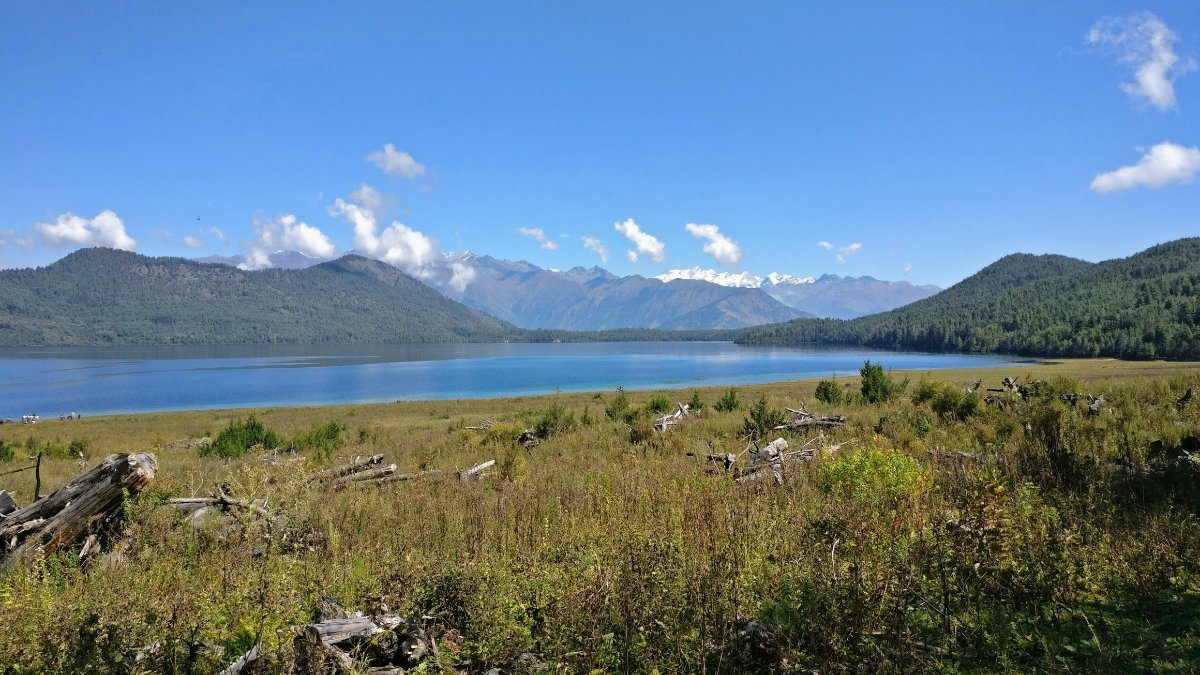
Two national parks now anchor the far-western district of Mugu, and together they tell the newest chapter of Nepal conservation story. Rara National Park, gazetted in 1976, is the smallest park in the country yet holds the largest lake in Nepal, a 10.6 square kilometer sheet of indigo water ringed by pine and fir. Chhayanath National Park, declared in September 2025, is the thirteenth and newest park in the national network, protecting 906 square kilometers of Karnali hill forests between Rara and Shey Phoksundo. This guide covers both parks in one place: geography, wildlife, access routes, costs, seasons and how to combine them into a single far-west journey, whether you arrive overland through the Rara Lake overland adventure or sweep in by air.
Where Are Rara and Chhayanath National Parks?
Both parks sit inside Mugu district in Karnali province, the largest and least populated province of Nepal, deep in the far west of the country along the Karnali river corridor.
Rara National Park lies at the northern edge of the district around the lake of the same name. At just 106 square kilometers it is the smallest national park in Nepal, yet its compact size packs in alpine forest, meadows and the great lake itself at 2,990 meters elevation. Chhayanath National Park spreads across 906 square kilometers of mid-hill terrain to the south and west, deliberately positioned between Rara National Park and Shey Phoksundo National Park in neighboring Dolpa so that protected habitat runs in an almost unbroken chain across the Karnali hills.
That positioning is the whole point of the new park. Nepal established twelve national parks between 1973 and 2017, and the thirteenth was declared specifically to link mid-hill habitat across the Karnali corridor and extend protection to the forests that feed the Karnali, the longest river in Nepal. For a full map of the entire thirteen-park network, read our complete guide to national parks in Nepal, which puts every park side by side with sizes, specialties and seasons.
Why Is Rara Lake Called the Queen of Lakes?
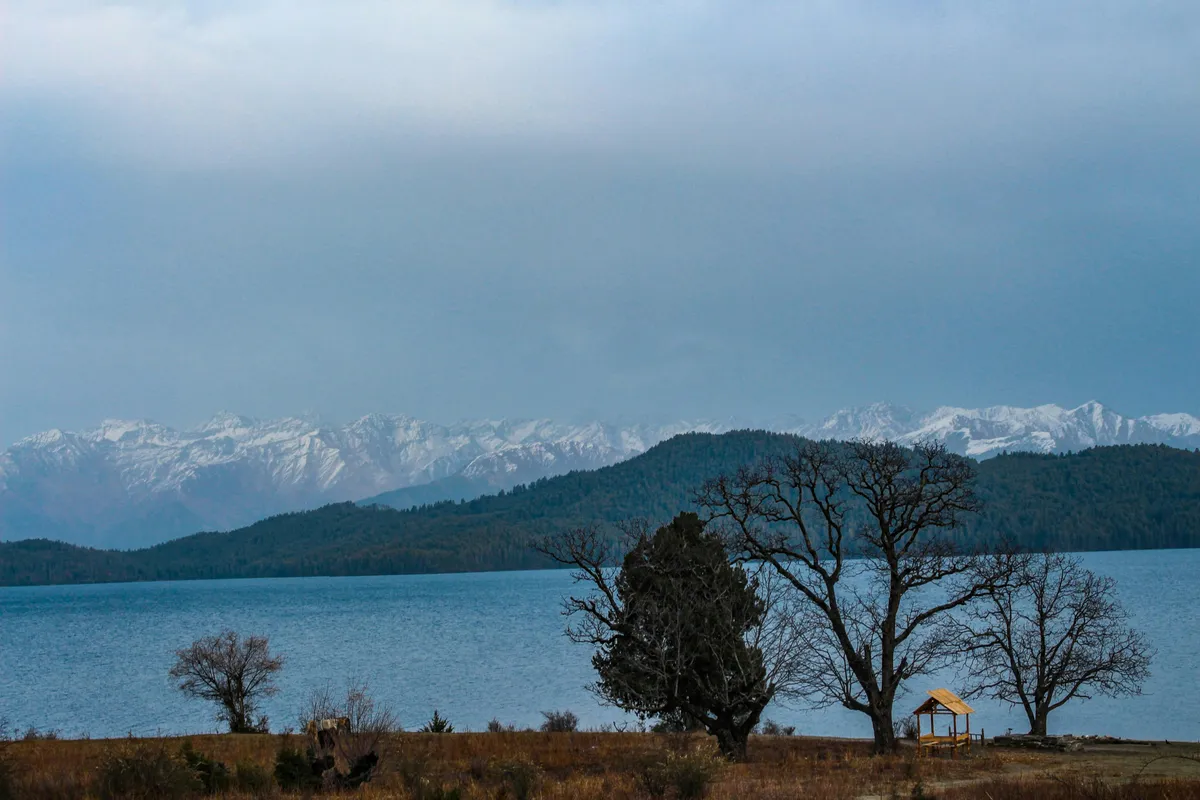
Rara earns the royal nickname because it is the largest lake in Nepal, a 10.6 square kilometer basin of deep blue water held at 2,990 meters, and no other lake in the country comes close to its combination of size, color and absolute stillness.
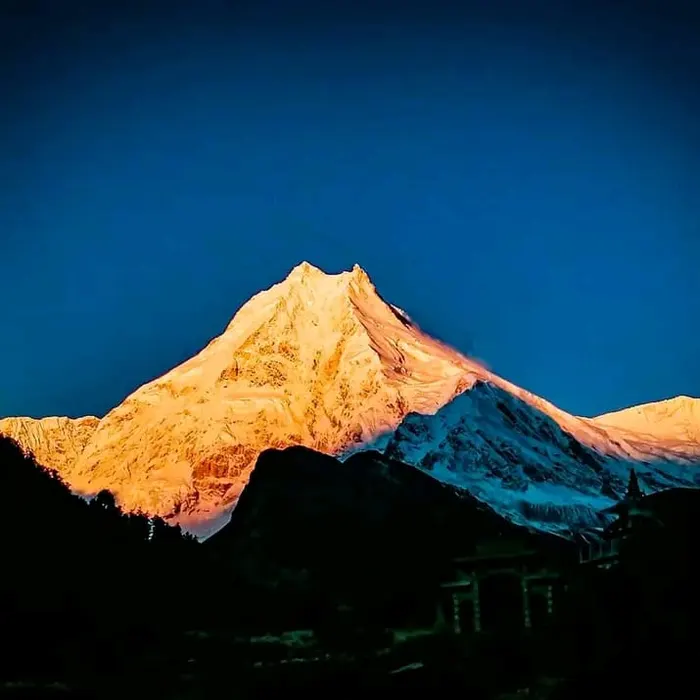
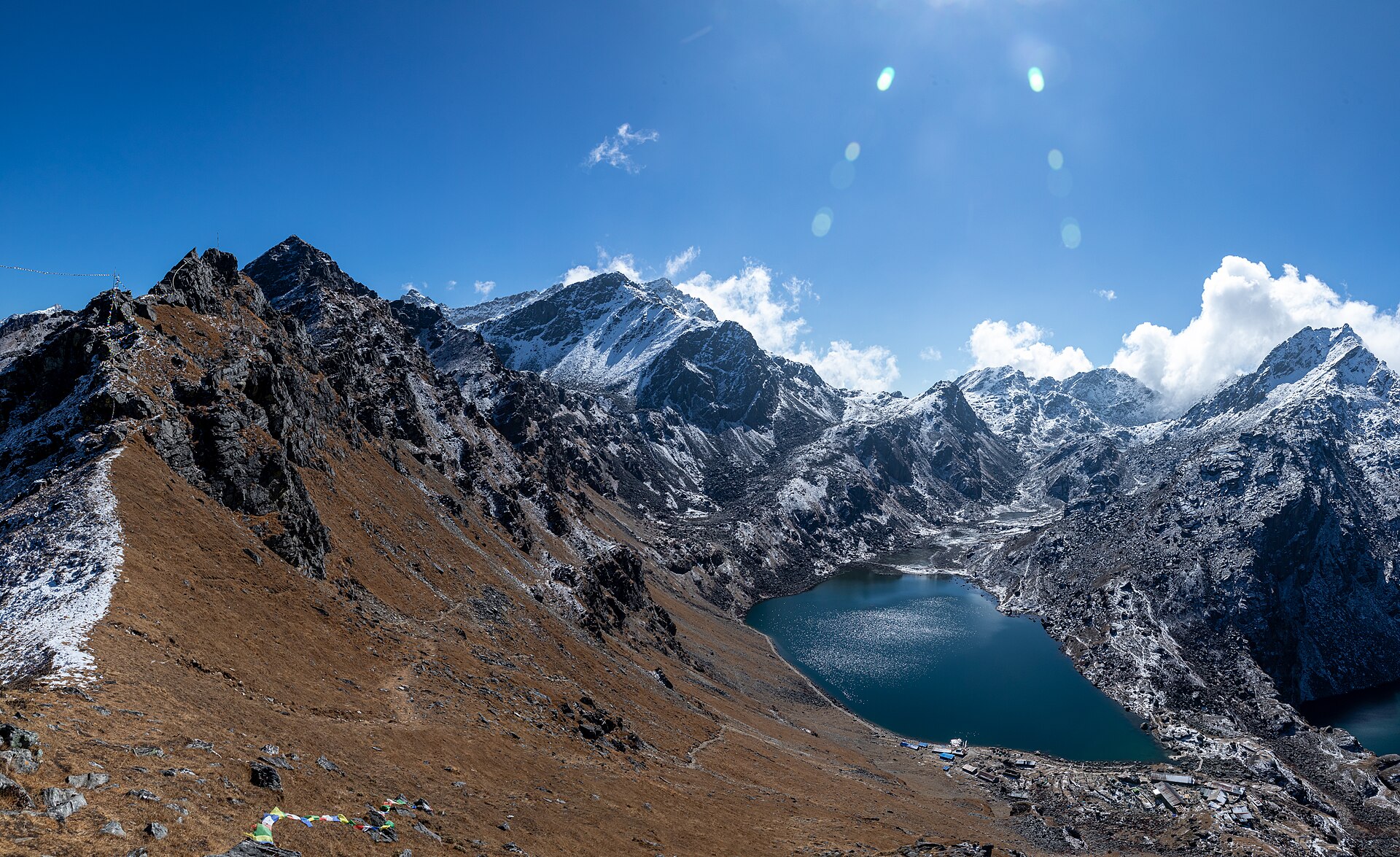
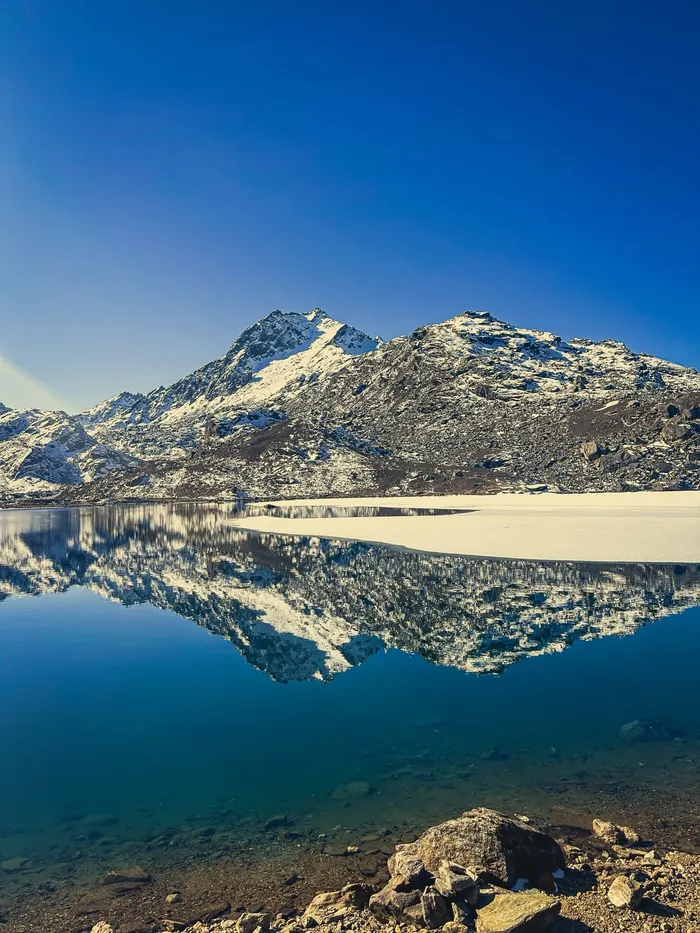
The lake sits in a bowl of pine, fir and dwarf rhododendron forest, with the summit of Chuchemara Peak rising to 4,039 meters on the southern shore. On a clear October morning the water mirrors the sky so precisely that photographers position themselves at the shore before sunrise simply to watch the mountains double themselves. In the summer months from June to August, alpine meadows around the shore erupt in wildflowers, a bloom so dense that the park feels like the Himalaya before tourism existed.
What seals the royal status is solitude. Rara receives only a handful of visitors each season, a number so small that park figures look like a rounding error next to Annapurna or Everest trail traffic. The lake shore is days of walking from any roadhead, which is exactly why travelers who make the effort describe a silence broken only by wind and the occasional call of a highland bird. The fastest way to experience that stillness is the Rara Lake helicopter tour, which lands you at the shore in a single morning; the most rewarding way is the slow overland route, walking in through forest and village country with the Rara Lake overland adventure and wilderness trek.

Chhayanath: Nepal's Thirteenth and Newest National Park
Chhayanath National Park is the newest national park in Nepal, declared in September 2025, and it changes what a Mugu itinerary can include.
The park takes its name from the Chhayanath temple, a hilltop shrine above the valleys of Mugu that local communities have venerated for generations. The protected area stretches over 906 square kilometers of Karnali hill forest, running between the boundaries of Rara National Park and Shey Phoksundo National Park. Where Rara is a compact alpine basin, Chhayanath is mid-hill country: subtropical and temperate forest ridges, river valleys feeding the Karnali watershed, and remote village settlements on the slopes between.
The declaration has a practical conservation purpose. By linking mid-hill habitat across the Karnali corridor, the park extends protection to the forests that feed the Karnali river, Nepal's longest, and gives wide-ranging wildlife a connected corridor between two established parks instead of isolated islands of habitat. For travelers, the park is genuinely pioneering territory. Facilities are still developing in 2026, routes are being opened and mapped, and homestays are coming online in park-edge villages, which makes this the year for pioneer visitors who want to walk a national park before the guidebooks catch up. It also slots perfectly into a far-west loop combining Rara Lake, the forests of Chhayanath, and the Karnali river road, an emerging route we map later in this guide.
Wildlife Across Rara and Chhayanath
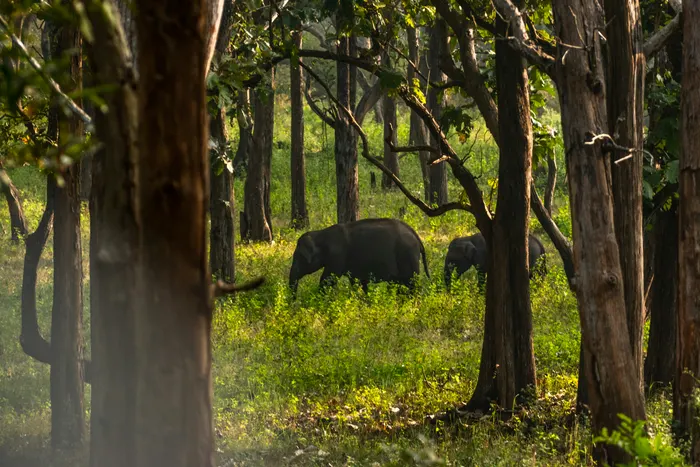
Both parks together shelter musk deer, Himalayan black bear, leopards and more than 270 recorded bird species, including the snowcock of the high ridges and the impeyan pheasant, the national bird of Nepal.
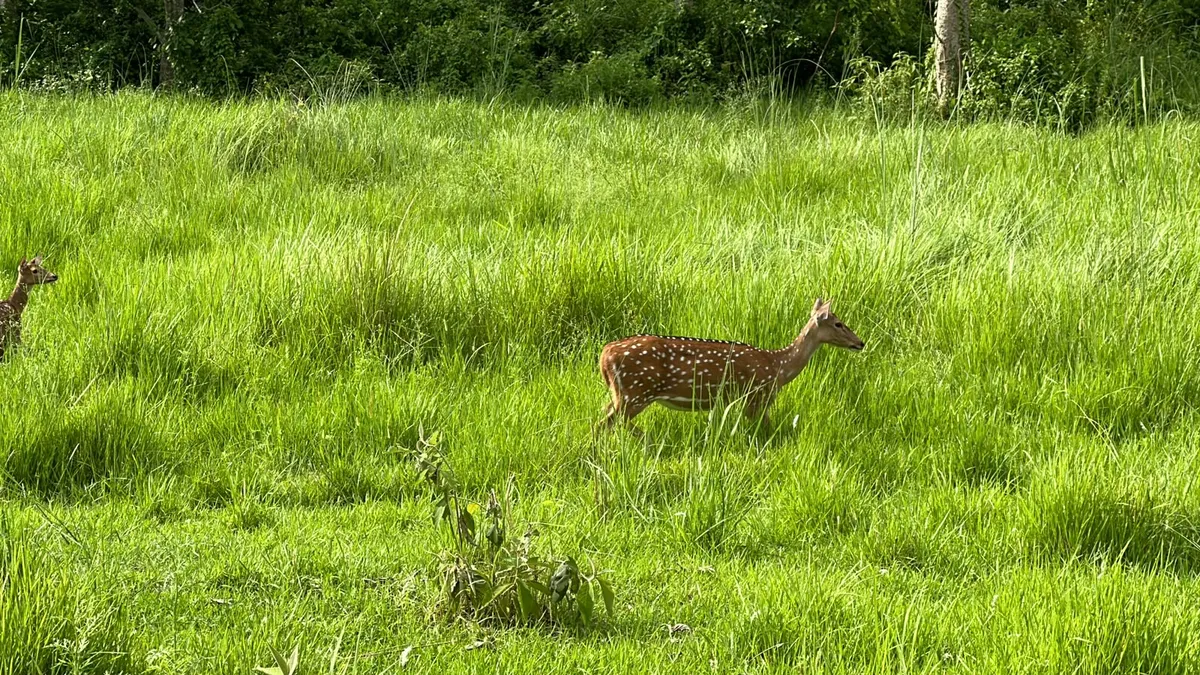
Inside Rara National Park, the old-growth pine and fir forest is the signature habitat. Musk deer browse the forest edges at dawn, Himalayan black bears work the berry slopes in late summer, and leopards patrol the wooded ridges between the lake basin and the park boundary. The bird list is the quiet star: 270-plus species have been recorded in and around the park, from raptors circling Chuchemara to hill pigeon flocks and the elusive Himalayan snowcock, a game bird more often heard than seen on the high grass. The impeyan pheasant, known locally as danphe and celebrated as the national bird, flashes metallic green, copper and blue across the meadows in spring.
Chhayanath adds a different layer. Its mid-hill Karnali forests are the kind of habitat that large mammals use as movement country, and the new park exists precisely to keep those movements possible between Rara and Shey Phoksundo. Birders will find the lower, warmer altitudes pull in a distinct community of species compared with the alpine zones around the lake. If building a Nepal bird list is your travel style, pair this trip with our guide to bird watching sites, seasons and species in Nepal, and if you want to see how jungle wildlife watching works at the other end of the country, read the complete Nepal wildlife safari guide covering Chitwan, Bardia and the Terai parks.
How Do You Get to Rara and Chhayanath?
Rara is reached in a morning by flying Kathmandu to Nepalgunj and connecting to the Talcha airstrip, or overland on a multi-day drive and trek combination through Jumla, while Chhayanath is accessed from the Karnali road corridor with its gateway facilities still developing.
The air route is the fastest. Domestic flights connect Kathmandu to Bharatpur for Chitwan in 25 minutes, to Nepalgunj for the western parks in 55, and onward to the Talcha airstrip for Rara in a single morning with one stop. Talcha sits high above the lake, and the walk down to the shore is half a day through forest. Weather in Karnali is fickle, so build a spare day into any Talcha itinerary; cancellations and delays are routine, and flexible plans are the difference between frustration and adventure.
The overland route is the classic. Travelers road-trip to Surkhet or Nepalgunj, climb north into Jumla, and walk in through the Sinja Valley, the ancient capital of the Khas kingdom, where medieval stone ruins and the cradle of the Nepali language add a historical layer to the journey. The final approach to the lake runs through dense pine forest on trails that see a handful of walkers a week. The Rara Lake overland adventure packages this full route with logistics, guides and camps handled, and it is the best-value deep Mugu experience on our books. For context on how this route compares with other walking trips across the country, our complete guide to trekking in Nepal covers operator standards, guide requirements and planning for every region.
What Permits and Fees Do the Parks Require?
Rara National Park charges an entrance fee of NPR 3,000 per foreign visitor, payable at the park gate, while Chhayanath facilities and fee collection are still developing as the 2025 park comes online.
The Rara fee matches the standard national park entrance structure used across Nepal's Himalayan parks, and reputable tour quotes should state clearly whether the park entrance fee is included or paid separately at the gate. Always confirm before booking to avoid surprise charges on arrival day. For trekking in protected areas, a licensed guide is legally required, which is one more reason to book through an established operator rather than arranging things informally in Jumla or Nepalgunj. Our cultural and spiritual tours guide explains how heritage-rich regions like Karnali reward traveling with a guide who can open doors to temples and homestays that independent visitors never find.

Chhayanath is the open question for 2026. Because the park was declared in September 2025, its gate infrastructure, fee structure and route network are being established season by season. Pioneer travelers should expect flexibility, carry cash in Nepali rupees for any local fees, and treat official information as evolving. Fees for regulated zones in other far-west parks cost extra and require a licensed guide, so budget on the same pattern here.
When Is the Best Time to Visit Rara and Chhayanath?
The best months are April to June for the wildflower bloom around Rara and October for crystalline mountain views, with March through May and October through November forming the two reliable trekking windows.
Spring works like this: the snow retreats from the meadows, blue poppies, primulas and iris carpet the ground around the lake, and daytime temperatures at the shore sit comfortable for walking. Autumn delivers the clearest air of the year after the monsoon has washed the atmosphere clean, and the lake takes on its deepest blue color, which is why October is the month photographers circle. June to September is monsoon season, when heavy rain can close routes and ground flights for days at a time. Winter from December to February brings deep snow, a frozen lake that is a stunning sight, and shore temperatures well below freezing, which suits only properly equipped cold-season parties.
For the twin-park idea, timing matters more than for single-park trips. The Chhayanath mid-hills sit lower and warm earlier, so an April itinerary can walk the Karnali forest ridges in spring green while still catching late blooms at Rara. If your Nepal window is fixed by other destinations, our seasonal coverage helps you slot Mugu in: the Langtang region guide and the Everest region guide both break down month-by-month conditions for their ranges, and the Chitwan safari guide does the same for the Terai.
Can You Combine Rara, Chhayanath and Shey Phoksundo in One Trip?
Yes, and the declaration of Chhayanath is exactly what makes the far-west triple-park sweep possible, connecting Rara Lake, the new Karnali hill forests and Shey Phoksundo into one continuous wilderness journey.
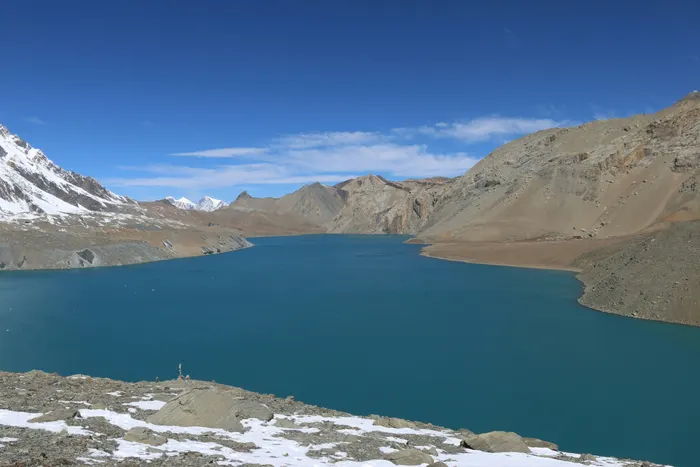
The logic is geographic. Chhayanath sits between Rara and Shey Phoksundo, Nepal's largest national park at 2,712 square kilometers, so a walker moving west from the lake now crosses protected habitat almost the whole way. The full sweep pairs the largest lake in Nepal with the deepest lake in Nepal at Phoksundo, roughly 145 meters, and threads through the Bon Buddhist country of Dolpo. Our sister guide to that park, Shey Phoksundo and Upper Dolpo: Nepal's Largest Park, covers permits, seasons and the trail logistics in detail. The classic far-west combinations need no more than 10 to 14 days for a two-park pair, or roughly three weeks for a full far-west sweep that adds Khaptad and the Karnali river road.
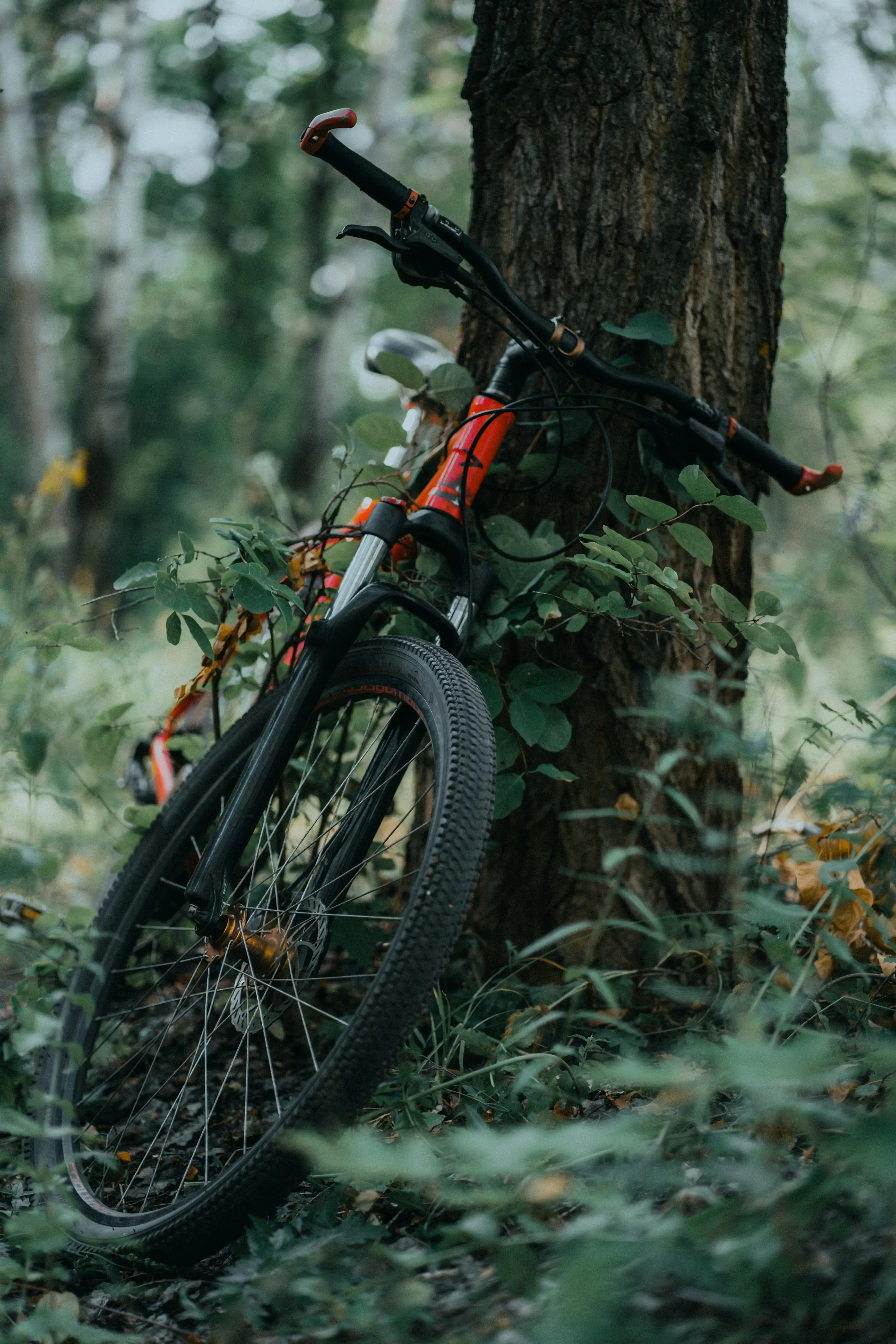
Not every traveler has three weeks. If your calendar is tight, the smart shortcut is the aerial option: fly to the lake, walk its shore circuit, then continue overland as time allows. The helicopter tour in Nepal hub explains the full aerial network, and the mountain biking trails guide covers another way adventurous travelers link far-west destinations on two wheels.
Where Do You Stay Around Rara Lake?
Accommodation around Rara is basic by design: a handful of lodges and homestays near the lake shore, tented camps on the walking routes, and the developing homestay network in park-edge villages that the new park is bringing online.
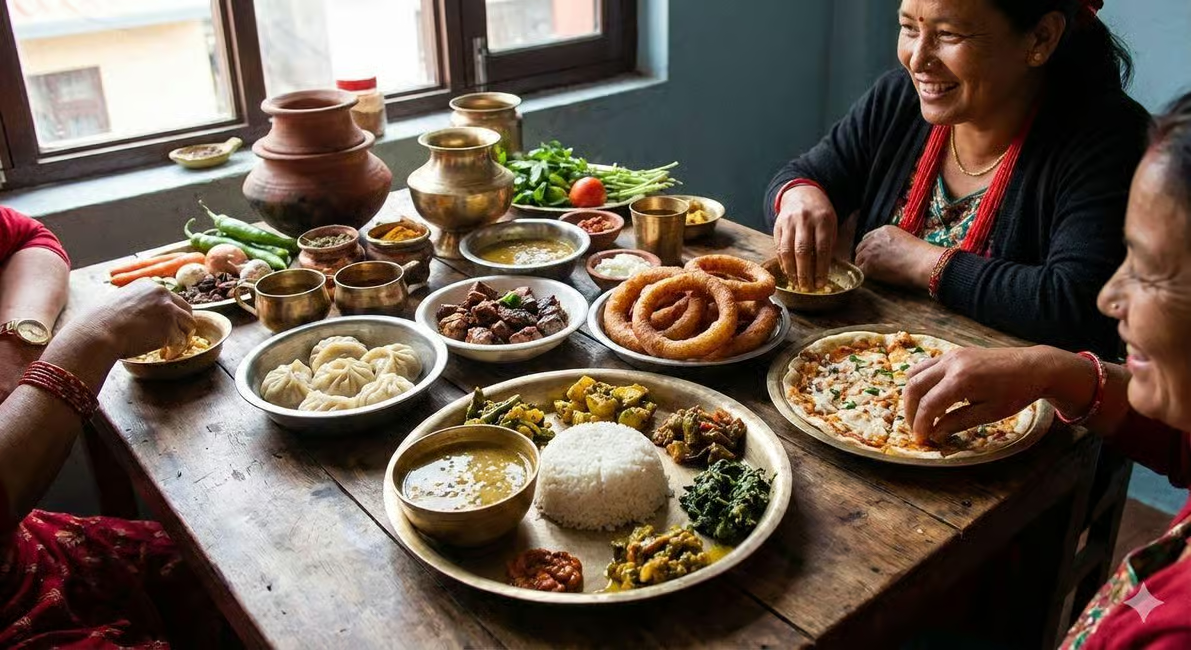
Expect simplicity rather than luxury. Rooms are heated by stove, meals are dal bhat and tea, and the reward is falling asleep to absolute silence a full day's walk from the nearest road. Book through an operator so beds are confirmed in peak October weeks, because the tiny inventory fills with the handful of visitors the region receives. Our food guide to Nepal sets expectations honestly for what far-west trail cooking looks like, from the Thakali thali tradition to the village kitchens of Karnali.
The homestay layer is the one to watch. As Chhayanath facilities develop through 2026, park-edge villages are adding community homestays, and staying in them puts your money directly into the households buffering the park. That model is the backbone of the responsible and community tourism approach in Nepal, which we recommend reading before any far-west trip because Karnali is the province where every tourist rupee matters most.
How Much Does a Rara and Chhayanath Trip Cost?
A guided Rara overland trek with flights, permits, guide and full board typically runs several thousand US dollars for the two-week experience, the park entry itself is NPR 3,000, and helicopter options start near USD 900 for shared seats.
Three budget tiers dominate. The overland trek is the value tier: it bundles domestic flights, the walking route through Jumla, camping or lodge nights, meals, guide and porter support, and park fees into one package price. The air tier compresses time: a shared helicopter seat to the lake starts around USD 900 when available, while a private charter for up to five passengers ranges from USD 4,500 to USD 6,500 depending on season, operator and whether a Nepalgunj fuel stop is needed, which is the ceiling of the market. The pioneer tier is Chhayanath: costs are still informal, so budget for locally arranged guides, homestay nights and cash fees.
What moves the price most is season. Spring and autumn demand pushes costs up, while off-season months see discounts of 10 to 15 percent, though weather windows are less reliable. Wherever your planning starts, the trekking agency guide helps you compare what operators include, and the Bardiya versus Chitwan comparison shows the same budget logic applied to the western safari parks.
Who Should Visit Mugu's Two Parks?
These parks reward three kinds of travelers: second-timers who have already seen Everest or Annapurna and want genuine solitude, wildlife watchers who prize forests over crowds, and pioneers who want to walk a brand new national park in its first years.
If your first Nepal trip was the classic circuit, Mugu is the antidote. The country that most visitors see, the teahouse highways of Solukhumbu and the Annapurna trails, is magnificent but shared. Karnali flips that equation: here you trade infrastructure for emptiness, and the trade pays off in silence, wildlife and the feeling of walking at the genuine edge of the tourism map. Families and first-time visitors are usually better served by the accessible parks covered in our national parks overview, where Chitwan and Langtang offer comfort with the same scenic punch. Short on time entirely? The short treks near Kathmandu guide lists weekend options that need no flights at all.
Final Thoughts on Rara and Chhayanath
Rara and Chhayanath together give the far west something it never had: a complete, connected park experience anchored by the largest lake in Nepal and extended by a brand new forest park that pioneer travelers can explore before the world arrives.
The practical advice is simple. Pick your season, October for clarity or April to June for wildflowers. Choose your access, overland for depth or air for speed. Book through an operator who confirms what is included, from the NPR 3,000 park entry to the guide that the law requires in protected areas. And go soon: Chhayanath facilities are developing in real time, and the window of seeing this landscape as true frontier country closes a little with every season that passes.