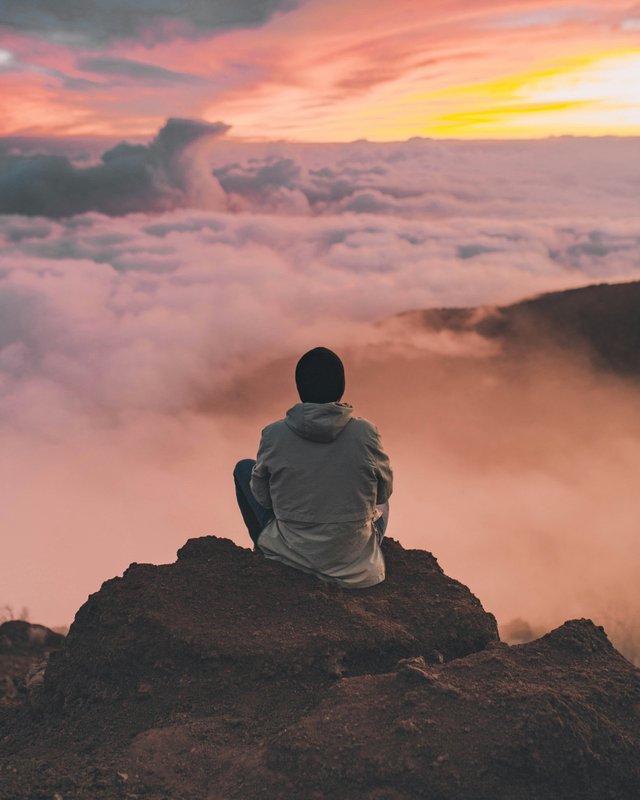
Nepal has drawn seekers to its Himalayan valleys for thousands of years. The Buddha himself was born in Lumbini, in the southern plains, and the Kathmandu Valley has long been a crossroads of Hindu and Buddhist contemplative practice. If you have never meditated before but feel a pull toward learning in a place where meditation is woven into daily life, Nepal is one of the most accessible and authentic destinations on earth.
This guide is written specifically for first-time meditators. It covers what meditation in Nepal actually looks like for a beginner, where to go, how much it costs, what to pack, and how to prepare mentally for your first retreat. Whether you want a gentle three-day introduction or a structured ten-day silent retreat, meditation in Nepal offers entry points at every level.
Why Nepal Is the Ideal Place to Learn Meditation
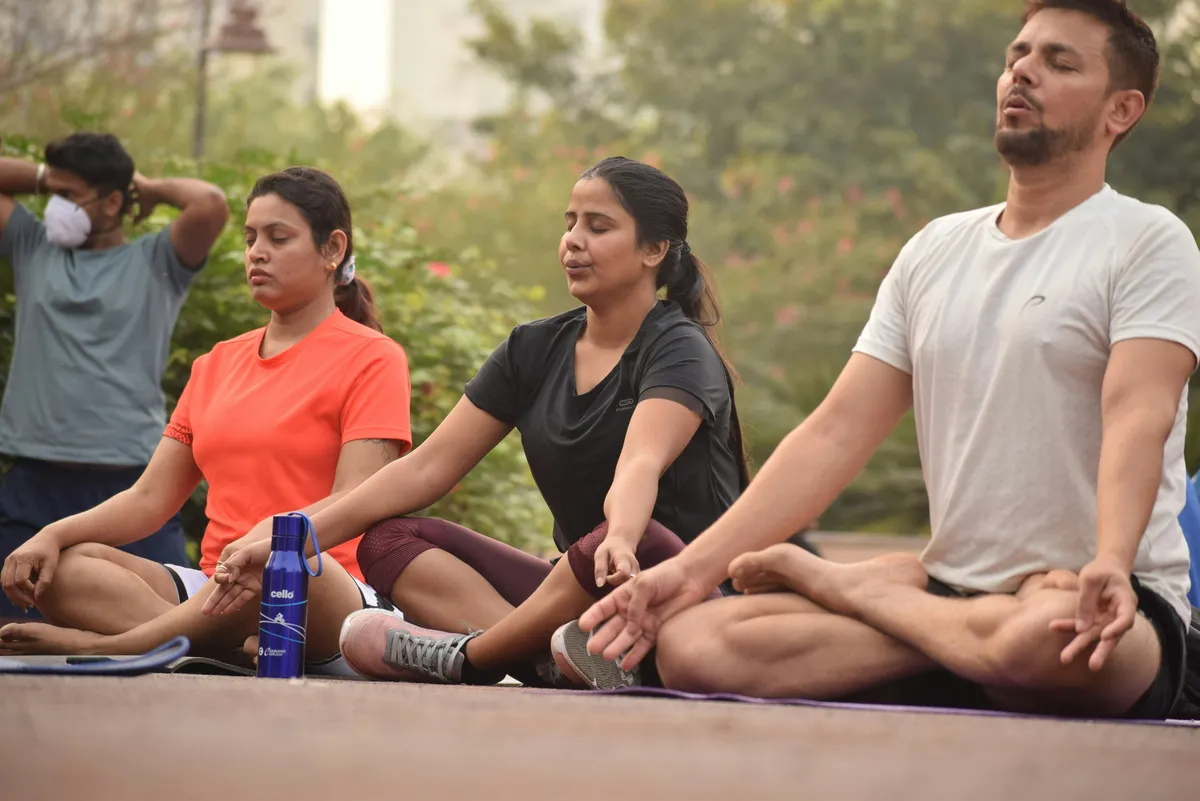
Unlike meditation centers in Western cities, where the practice is often stripped from its cultural context, Nepal offers meditation as a living tradition. Monks chant at dawn, prayer flags flutter above stupas, and your teacher may have spent decades in cave retreats before agreeing to guide students. This does not mean the atmosphere is intimidating. In fact, most Nepali meditation teachers are remarkably warm and welcoming to beginners, precisely because they remember their own early struggles with restlessness and doubt.
The cost is another factor. A multi-day meditation retreat in Nepal typically costs between $15 and $80 per day, including accommodation and meals. In Europe or North America, a comparable program can run $200 to $500 per day. The affordability means you can afford to stay longer, go deeper, and build a genuine foundation rather than sampling a single weekend.
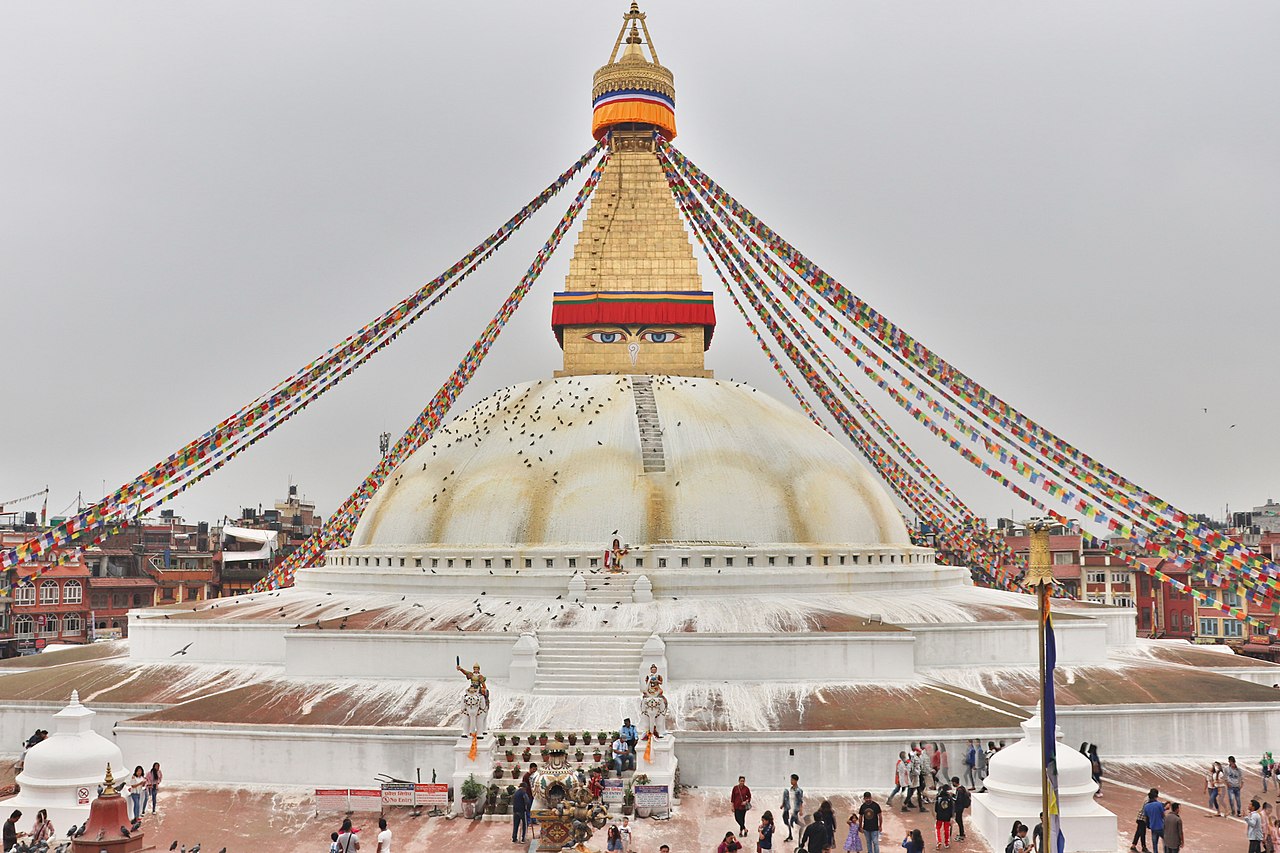
The landscape itself supports practice. Kathmandu's Boudhanath Stupa, Pokhara's lakeside, and the forested hills around monasteries all create a natural container for slowing down. You do not need to force stillness when the environment already invites it. For a broader overview of how meditation fits into Nepal's spiritual landscape, see our complete guide to cultural and spiritual tours in Nepal.


Types of Meditation Available to Beginners in Nepal
Nepal is not a monolithic tradition. Several distinct lineages and approaches are available, and choosing the right one for your temperament matters. Here is a breakdown of the main types accessible to beginners:
Vipassana (Insight Meditation)
Vipassana is the most widely taught Buddhist meditation technique in Nepal. It involves observing bodily sensations and mental phenomena with equanimity, gradually seeing things "as they really are." The standard format is a ten-day residential retreat in silence. It is physically and mentally demanding but profoundly transformative. If you are considering this path, read our detailed Vipassana meditation guide for Nepal to understand the schedule and expectations.
Anapanasati (Mindfulness of Breathing)
This is the technique the Buddha himself used under the Bodhi tree. You focus attention on the natural breath, returning again and again when the mind wanders. It is the most beginner-friendly technique because it requires no visualizations, mantras, or beliefs. Most introductory courses at Kopan Monastery and other centers begin with anapanasati before moving to vipassana.
Mantra Meditation
Tibetan Buddhist and Hindu traditions both use mantra, the repetition of sacred syllables. The most famous in Nepal is "Om Mani Padme Hum," associated with Chenrezig, the bodhisattva of compassion. Mantra meditation can be easier for beginners whose minds are very active, because the repetition gives the mind something to do rather than simply sit.
Loving-Kindness (Metta) Meditation
Metta meditation cultivates feelings of goodwill, first toward yourself, then expanding outward to friends, neutral people, and eventually all beings. It is often taught alongside Vipassana and is particularly helpful for beginners who find self-criticism interfering with their practice.
Where to Go: Top Meditation Centers for Beginners
Kopan Monastery, Kathmandu
Kopan is arguably the most popular destination for beginner meditators in Nepal. Founded in 1969 by Lama Thubten Yeshe and Lama Zopa Rinpoche, it sits on a hilltop overlooking Boudhanath Stupa. Kopan offers introductory weekend courses, seven-day retreats, and the famous one-month November course. The teaching style is Tibetan Buddhist (Gelug lineage) and courses are conducted in English. Beginners are welcome and the daily schedule is structured but not punishing. Courses include guided meditation sessions, Dharma talks, and discussion groups. Expect to pay $30 to $60 per day including meals and dormitory accommodation.
Boudhanath Stupa Area, Kathmandu
The area around Boudhanath Stupa is the heart of Tibetan Buddhism in Nepal. Several monasteries and centers around the stupa offer drop-in meditation sessions. You can circumambulate the stupa in the early morning alongside monks and local devotees, then attend a guided session at one of the nearby centers. The atmosphere is uniquely powerful. For more on the spiritual circuit of Kathmandu, see our Kathmandu Spiritual Circuit guide.
Lumbini
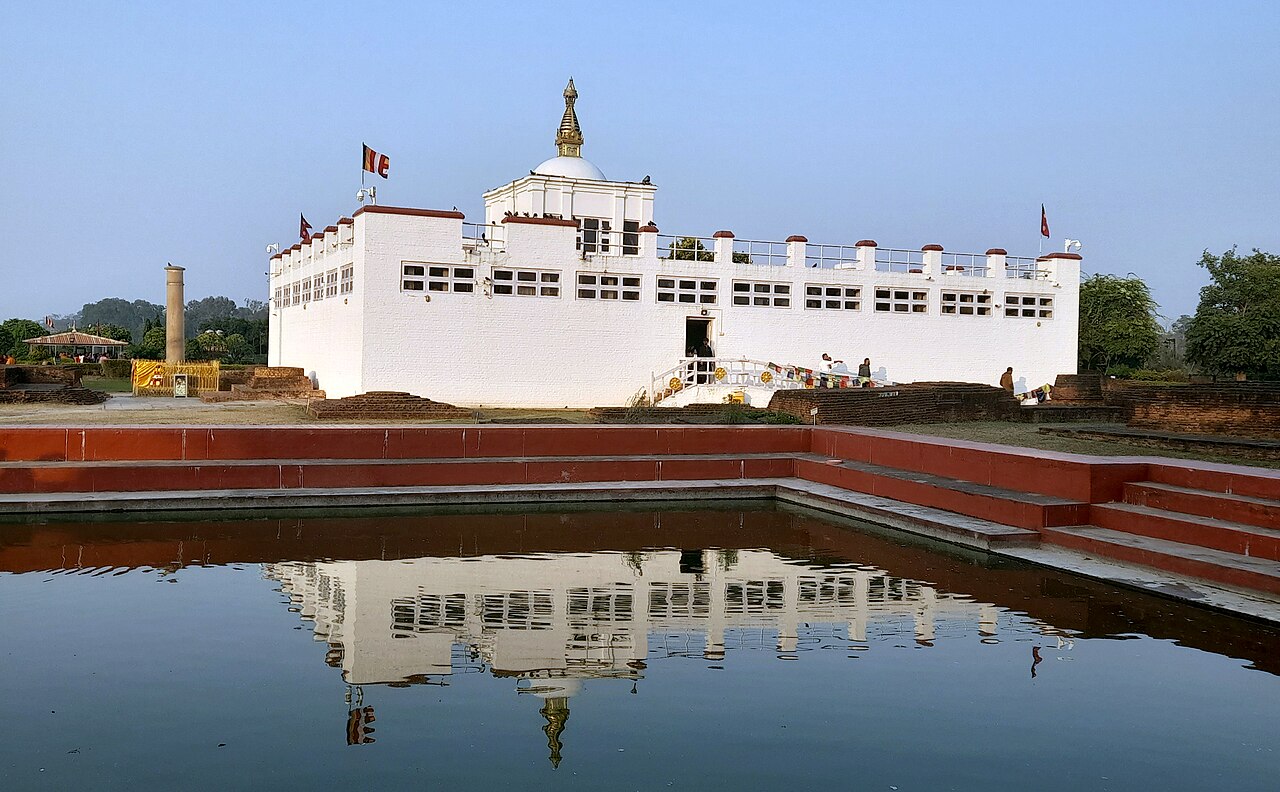
The birthplace of the Buddha is an obvious choice for meditation. The Lumbini Development Zone contains monastic compounds from dozens of Buddhist countries, each offering different meditation traditions. The Maya Devi Temple, marking the exact spot of the Buddha's birth, is a powerful place for reflection. Many centers in Lumbini offer introductory meditation programs. The atmosphere is quieter and less urban than Kathmandu, making it ideal for those who want to begin their practice in a serene setting.
Pokhara
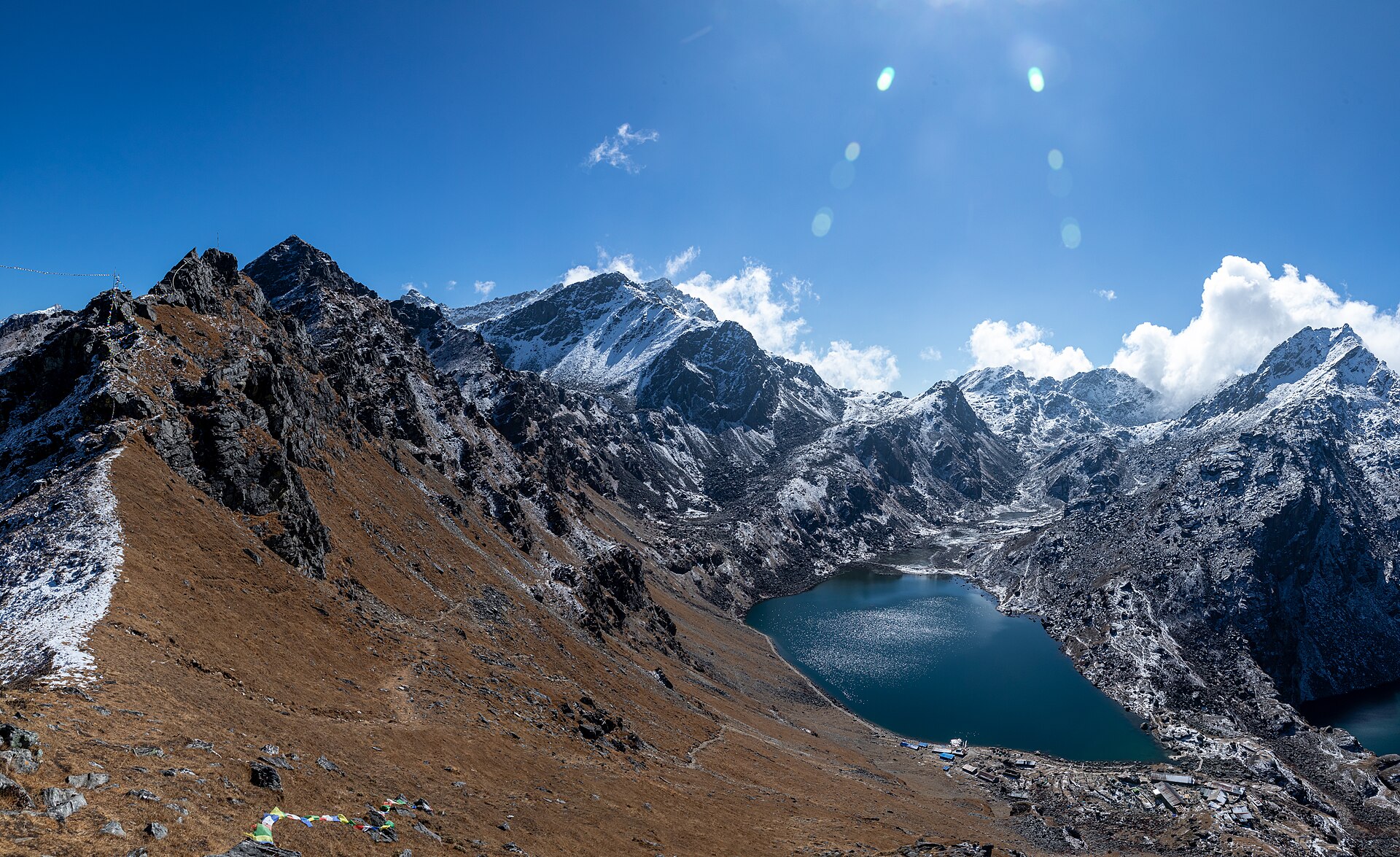
Pokhara's lakeside setting, with the Annapurna range reflected in Phewa Lake, makes it a favorite for yoga and meditation retreats. Several centers combine meditation with yoga, offering gentle introductions for beginners. The yoga and meditation retreat combination is especially popular here. Packages like the 3-Day Yoga Sound Healing Retreat and the Pokhara Yoga Wellness Retreat cater specifically to first-timers.

What a Typical Day Looks Like in a Beginner Retreat
Most meditation retreats in Nepal follow a similar daily rhythm, though the exact schedule varies by center. Here is what to expect at a typical beginner-friendly retreat:
- 6:00 AM: Wake-up bell. Morning meditation session (30-45 minutes of guided breathing).
- 7:00 AM: Breakfast, usually vegetarian Nepali food (dal bhat, Tibetan bread, porridge).
- 8:30 AM: Teaching session. The instructor explains a technique or concept, often with time for questions.
- 10:00 AM: Walking meditation in the garden or around the stupa.
- 11:00 AM: Sitting meditation (30-45 minutes).
- 12:00 PM: Lunch, the main meal of the day.
- 1:00 PM: Rest period. You can walk, read, or nap.
- 2:30 PM: Group discussion or individual interview with the teacher.
- 3:30 PM: Sitting meditation.
- 5:00 PM: Tea break with light snacks.
- 6:00 PM: Evening meditation or chanting session.
- 7:30 PM: Dinner.
- 9:00 PM: Lights out.
This schedule may seem intense, but the pacing is designed to gradually build your capacity for stillness. The alternating sitting and walking sessions prevent physical discomfort from becoming a distraction. Most beginners are surprised by how quickly the routine feels natural.
How Much Does a Meditation Retreat in Nepal Cost?
Costs vary significantly depending on the center, duration, and accommodation type. Here is a breakdown based on current pricing:
| Type | Duration | Cost Range | Includes |
|---|---|---|---|
| Drop-in session | 1-2 hours | $5-$15 | Guided session only |
| Weekend intro course | 2-3 days | $60-$180 | Meals, dorm bed, teachings |
| Short retreat | 3-7 days | $150-$450 | All meals, room, guided sessions |
| 10-day Vipassana | 10 days | Free (donation-based) | All meals, dorm, teachings |
| Luxury wellness retreat | 5-9 days | $1,500-$2,500 | Private room, spa, gourmet meals |
The donation-based Vipassana courses (run by S.N. Goenka's organization at centers in Kathmandu and Lumbini) are genuinely free. You pay nothing upfront and can donate at the end if you wish. For a full cost comparison across all spiritual experiences in Nepal, see our spiritual tour cost guide.
How to Prepare for Your First Retreat
Physical Preparation
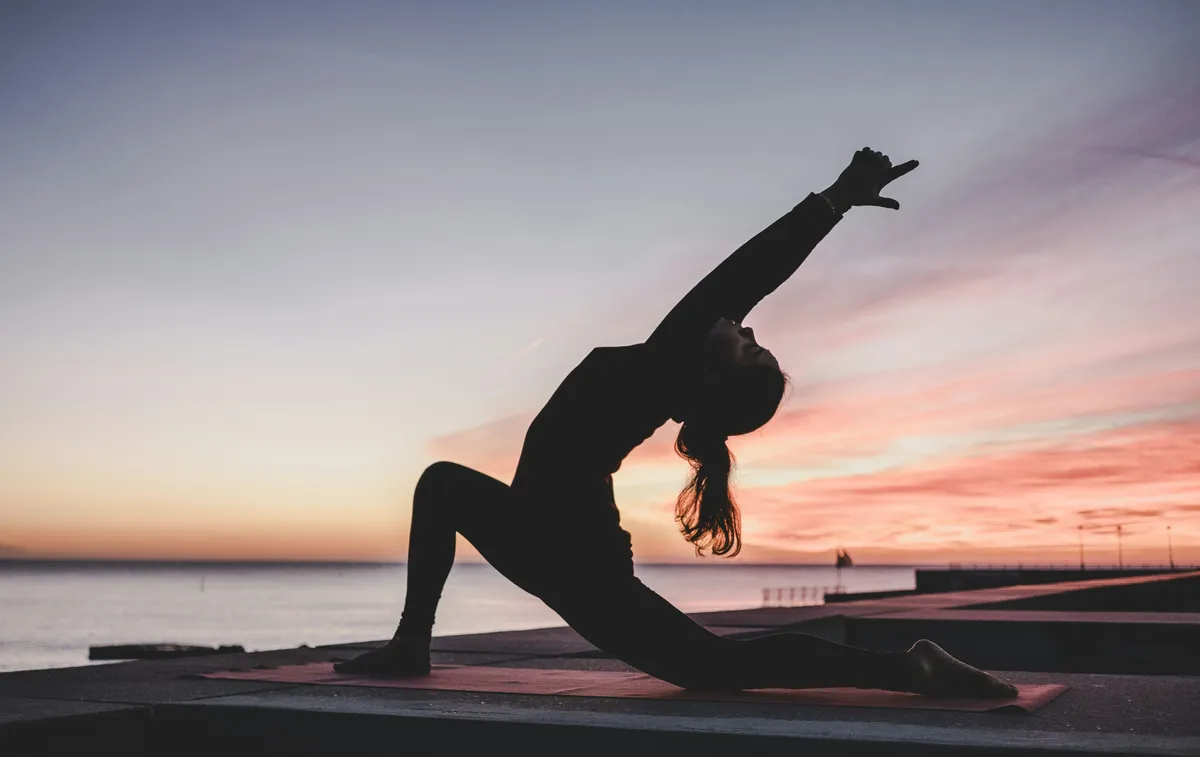
You do not need to be athletic to meditate, but sitting cross-legged for extended periods does require some physical readiness. In the weeks before your retreat, try sitting on the floor for 15-20 minutes daily. If your hips and lower back are tight, consider bringing a meditation cushion (or using one provided by the center). Many centers also offer chairs for those who cannot sit on the floor, so do not let physical limitations discourage you.
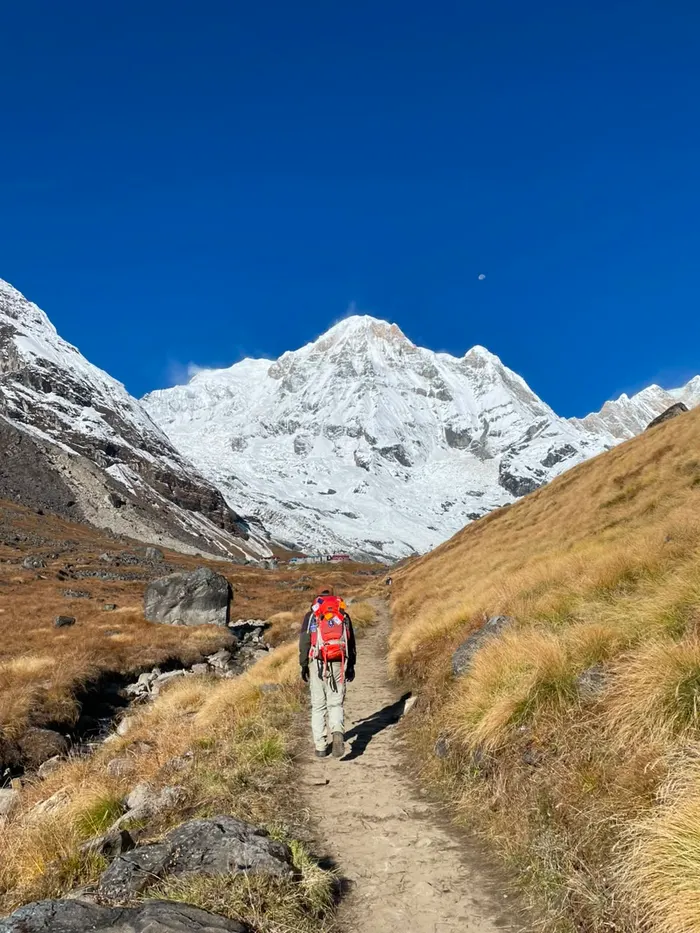
Altitude is another consideration. Kathmandu sits at 1,400 meters, which is mild enough not to cause problems for most people. If your retreat is at a higher elevation, arrive a few days early to acclimatize. Drink plenty of water and avoid alcohol. For a general guide to planning your Nepal trip, see our complete guide to trekking and travel in Nepal.
Mental Preparation
The biggest challenge for beginners is not physical discomfort but mental restlessness. In the first two or three days, your mind will seem louder than ever. This is not a sign of failure. It is the natural consequence of removing external distractions for the first time. Be patient with yourself. Expect to feel bored, frustrated, and even emotional. These feelings pass.
If you can, start a simple daily practice at home before your trip. Even ten minutes of focused breathing each morning will build the habit and make the transition to a retreat schedule much smoother. The monastery etiquette and meditation introduction activity in Kathmandu is an excellent way to learn the basics in a supportive environment before committing to a longer retreat.
What to Pack
- Loose, comfortable clothing (layered for cool mornings and warm afternoons)
- A shawl or light blanket for early morning meditation
- Comfortable walking shoes for walking meditation
- A water bottle with filter (or purification tablets)
- A journal and pen for reflection periods
- Earplugs and an eye mask for dormitory sleeping
- Basic toiletries and any personal medications
- A small flashlight or headlamp for early morning sessions
- Modest clothing that covers shoulders and knees (required at monasteries)
Common Challenges for Beginners (and How to Work With Them)
Challenge 1: "My Mind Won't Stop Thinking"
This is the single most common concern among beginners. The misconception is that meditation means stopping thoughts entirely. It does not. Meditation means noticing thoughts without getting caught in them. When you realize you have been thinking, simply return your attention to the breath. This returning IS the practice. A teacher at Kopan once told a frustrated student: "If you return to the breath a thousand times in one session, that is a thousand moments of meditation. Do not count the wandering as failure."
Challenge 2: Physical Discomfort
Legs falling asleep, back aches, knee pain. These are normal. Shift your position when needed. Use cushions to elevate your hips above your knees. Over a few days, your body adapts. If pain persists, ask the teacher for guidance. There is no virtue in injuring yourself.
Challenge 3: Sleepiness
Many beginners fall asleep during meditation, especially after meals. This too is normal. Open your eyes slightly, sit up straighter, or do a round of walking meditation. Splash cold water on your face before the session. Your body is adjusting to a new rhythm, and the sleepiness usually passes after a few days.
Challenge 4: Emotional Release
Meditation can surface emotions that have been suppressed by daily busyness. You may find yourself crying during a session, feeling waves of gratitude, or confronting old grief. This is a sign that the practice is working. Let the emotions move through you. If they feel overwhelming, talk to the teacher. They have guided hundreds of beginners through exactly this experience.
Etiquette at Buddhist Monasteries and Meditation Centers
Nepali meditation centers are welcoming, but a few cultural norms help you show respect:
- Remove your shoes before entering any meditation hall or shrine room.
- Dress modestly. Shoulders and knees should be covered.
- Do not point your feet at altars, teachers, or other people (feet are considered the lowest part of the body).
- Do not touch religious objects without permission.
- Photography is usually prohibited in meditation halls. Always ask.
- Accept food and tea with both hands or with the right hand touching the left forearm.
- Walk clockwise around stupas and shrines (circumambulation direction).
For a deeper understanding of monastery culture and appropriate behavior, see our guide to Buddhist meditation and monastery stays in Nepal.

Combining Meditation with Travel in Nepal
Many beginners worry that a retreat means giving up their vacation. In practice, combining meditation with travel is one of the most rewarding ways to experience Nepal. A typical approach is to spend the first few days exploring Kathmandu's cultural sites, then do a 3-7 day retreat, then head to Pokhara or a short trek. The retreat deepens your appreciation of the landscape and culture in a way that pure sightseeing cannot.
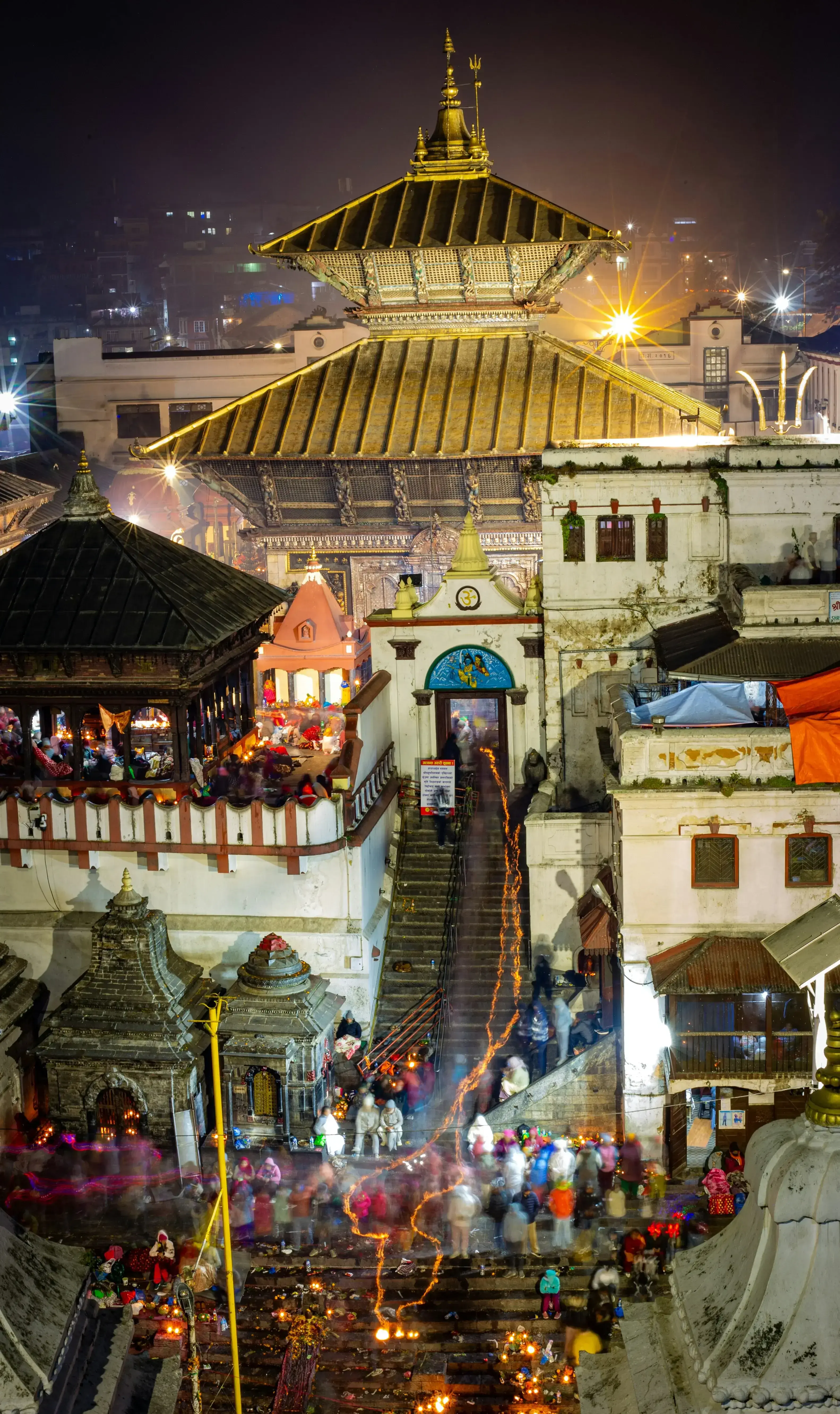
If you have limited time, even a single drop-in session at Boudhanath or Swayambhunath can be meaningful. The spiritual evening aarati ceremony at Pashupatinath is another powerful way to experience Nepal's contemplative traditions without committing to a full retreat.
For those interested in a longer immersion, a 7-day spiritual itinerary or a 10-day pilgrimage circuit can combine meditation with visits to sacred sites across the country.
Best Time of Year for a Meditation Retreat in Nepal
The best seasons for meditation retreats in Nepal are spring (March to May) and autumn (September to November). During these months, the weather is mild, skies are clear, and the mountain views are spectacular. Autumn is particularly popular because it follows the monsoon, leaving the air clean and the hills green.
Winter (December to February) is also viable, especially in Kathmandu and Lumbini. The mornings are cold but the days are sunny and clear. Some centers close during winter, so check ahead. The monsoon (June to August) brings heavy rain, but indoor meditation retreats continue. In fact, some practitioners prefer the monsoon because the rain creates a natural silence and there are fewer tourists.
If you want to combine your retreat with a festival, the Buddha Jayanti (usually May) celebration at Boudhanath and Lumbini is extraordinary. Thousands of devotees gather to meditate, chant, and circumambulate. It is an unforgettable way to experience the living tradition. For more on timing your visit, see our guide to the mindfulness meditation practice in Nepal.
After the Retreat: Bringing Your Practice Home
Many beginners experience a post-retreat high and then struggle to maintain their practice once they return to normal life. This is the most common pattern. Here are some strategies:
First, set a realistic daily goal. Ten minutes every morning is infinitely better than an hour once a week. Consistency builds the neural pathways that make meditation easier over time. Second, find a local sangha (community) when you return. Even a weekly group sit can sustain your motivation. Third, use apps like Insight Timer or Waking Up for guided sessions between retreats. Fourth, plan a return trip. Knowing you will come back to Nepal for another retreat creates an ongoing relationship with the practice.
If you found a teacher or center that resonated, keep in touch. Many Nepali teachers offer online guidance sessions. The connection you build with a teacher is one of the most valuable things you take away from a retreat in Nepal.
Is Nepal Right for Your First Meditation Experience?
If you are drawn to meditation and also want to travel, Nepal offers something no domestic retreat can: the experience of learning within a living tradition, in a place where meditation has been practiced for 2,500 years, at a fraction of Western prices. The infrastructure for beginners is well-established, with English-language teaching, comfortable accommodation, and a welcoming culture.
The challenges are real. The culture is different, the food is unfamiliar, and the spiritual environment may feel intense at first. But these challenges are also part of the value. Stepping outside your comfort zone is precisely what makes a retreat transformative. Nepal does not just teach you a technique. It gives you a context, a community, and a landscape that together make the practice come alive.
For those ready to take the next step, our sound healing meditation guide and the spiritual tour pillar guide offer additional pathways into Nepal's contemplative traditions.
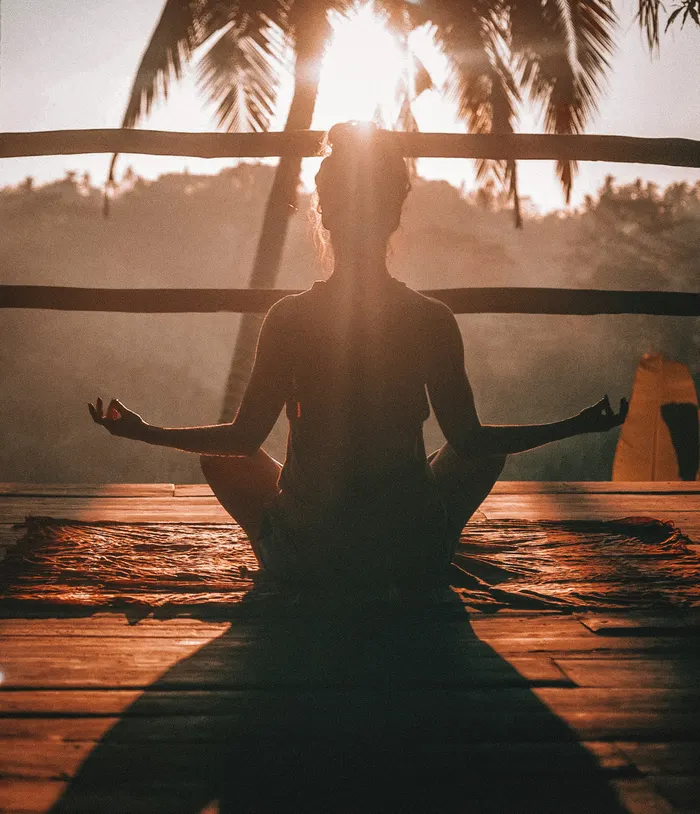
Whether you arrive with years of curiosity or a sudden impulse to try something new, Nepal meets you where you are. The mountains do not judge. The teachers do not rush. The practice unfolds at its own pace. All you have to do is sit down and begin. When you are ready to take that first step, explore the meditation programs in Nepal and find the retreat that matches your level and intention.