Reiki Healing in Nepal: A Complete Guide to Energy Healing and Spiritual Wellness in the Himalayas
Nepal has long been a magnet for spiritual seekers. The Himalayas are not just a physical landscape; they are a vibrational field where centuries of meditation, mantra, and ritual have saturated the earth itself. In recent years, a quieter current has been flowing through this ancient land: the practice of Reiki, the Japanese energy healing art that channels universal life force to restore balance in body, mind, and spirit. Whether you are a seasoned practitioner looking to deepen your attunement or a curious beginner drawn to the idea of healing in the shadow of the world's highest peaks, Nepal offers a Reiki experience unlike anywhere else on earth.
This guide covers everything you need to know about Reiki healing in Nepal: the best centers and retreats, what to expect from a session, how to choose a certified practitioner, the cost of Reiki courses and treatments, and how to combine your healing journey with Nepal's rich spiritual heritage. By the end, you will have a clear roadmap for your own energy healing pilgrimage to the Himalayas.
What Is Reiki and Why Practice It in Nepal?
Reiki (pronounced "ray-key") is a Japanese technique for stress reduction and relaxation that also promotes healing. The word comes from two Japanese characters: rei (universal) and ki (life energy). A Reiki practitioner channels this universal energy through their hands to the recipient, clearing energetic blockages and restoring the body's natural ability to heal itself. It is non-invasive, gentle, and complementary to conventional medical treatment.
So why Nepal? Three reasons set Nepal apart as a Reiki destination. First, the energetic environment: the Himalayas are considered one of the planet's most powerful vortexes of spiritual energy. Practitioners report that Reiki sessions in Nepal feel deeper, more immediate, and more transformative than those conducted elsewhere. Second, the cost: a Reiki Level 1 certification course in Nepal costs a fraction of what you would pay in Europe or North America, making it accessible to travelers on any budget. Third, the integration: Nepal's Reiki centers often blend energy work with yoga, meditation, sound healing, and Ayurveda, creating a holistic healing experience that addresses every layer of your being.
For those exploring the broader landscape of spiritual travel, our complete guide to cultural and spiritual tours in Nepal provides the full context of Nepal's sacred geography, from ancient temples to living traditions of devotion.


Reiki Certification Courses in Nepal: Levels 1, 2, and Master
Most Reiki centers in Nepal offer the three traditional levels of Usui Reiki, the most widely practiced lineage worldwide. Here is what each level entails and what you can expect to pay in Nepal.
Reiki Level 1 (Shoden): Self-Healing and Foundation
Level 1 is the entry point. Over two days, you receive four attunements that open your energy channels to Reiki. You learn the hand positions for self-treatment and for treating others in person, the history of Reiki, and the five Reiki principles. By the end of the course, you can practice Reiki on yourself, friends, and family. In Nepal, a Level 1 course typically costs $100 to $200 and includes a manual and certificate. Many centers in Kathmandu's Thamel district and Pokhara's Lakeside area offer weekend courses that fit neatly into a travel itinerary.
Reiki Level 2 (Okuden): Distance Healing and Symbols
Level 2 deepens your practice with three sacred symbols that amplify the energy and enable distance healing, sending Reiki across time and space. You receive one attunement and learn to use the symbols for mental and emotional healing. This level is where many practitioners feel the energy shift from subtle to unmistakable. A Level 2 course in Nepal costs $150 to $300 and typically spans two to three days. Prerequisite: Level 1 certification from any recognized Reiki lineage.
Reiki Master Level (Shinpiden): Teaching and Attunement
The Master level is for those who wish to teach Reiki and attune others. It includes the Master symbol, advanced techniques, and instruction on how to conduct attunements. This is a serious commitment, and reputable teachers in Nepal will expect you to have practiced Level 2 for at least six months before enrolling. Master training costs $400 to $800 and takes three to five days of intensive work.
For those planning a longer spiritual journey, our ultimate guide to spiritual journeys in Nepal maps out multi-week itineraries that combine Reiki training with pilgrimage, meditation, and cultural immersion.
Best Reiki Healing Centers and Retreats in Nepal
Nepal's Reiki scene is concentrated in two cities: Kathmandu, the bustling spiritual capital, and Pokhara, the serene lakeside retreat. Here are the most established centers where you can receive a Reiki treatment or enroll in a certification course.
Kathmandu: The Urban Healing Hub
Kathmandu's Thamel and Boudhanath neighborhoods host the highest concentration of Reiki practitioners in Nepal. The Healing Hands Center in Thamel is one of the oldest, run by a Nepali Reiki Master who trained in Japan and has been teaching since 2005. Sessions here are grounded in traditional Usui Reiki with an optional add-on of Himalayan singing bowl therapy. A 60-minute session costs around $30 to $50.
Near the great stupa of Boudhanath, several Tibetan Buddhist centers offer Reiki as a complement to meditation retreats. The energy around Boudhanath, with its constant circumambulation of monks and pilgrims, adds a profound dimension to any healing session. The Boudha Reiki and Meditation Center offers combined Reiki and mindfulness packages starting at $60 for a 90-minute session.
For a deeper dive into Kathmandu's sacred sites, read our guide to the ancient traditions of the Newars, the indigenous people of the Kathmandu Valley whose spiritual practices have shaped the city's energy for over a millennium.
Pokhara: Lakeside Serenity and Healing
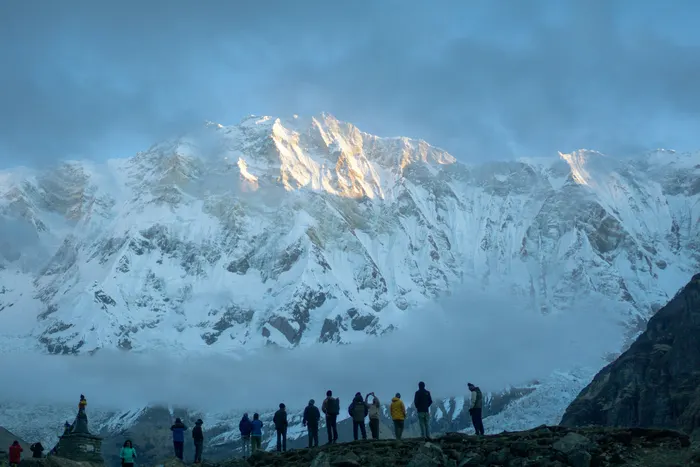
Pokhara, with its mirror-calm lake and panoramic Annapurna backdrop, is Nepal's premier wellness destination. The Pokhara Reiki and Wellness Center in Lakeside offers Reiki sessions on a terrace overlooking Phewa Lake, with the Fishtail Mountain visible on clear days. A 60-minute session costs $35 to $55. They also run a popular four-day Reiki and yoga retreat that includes daily Reiki treatments, morning yoga, meditation, and Ayurvedic meals.
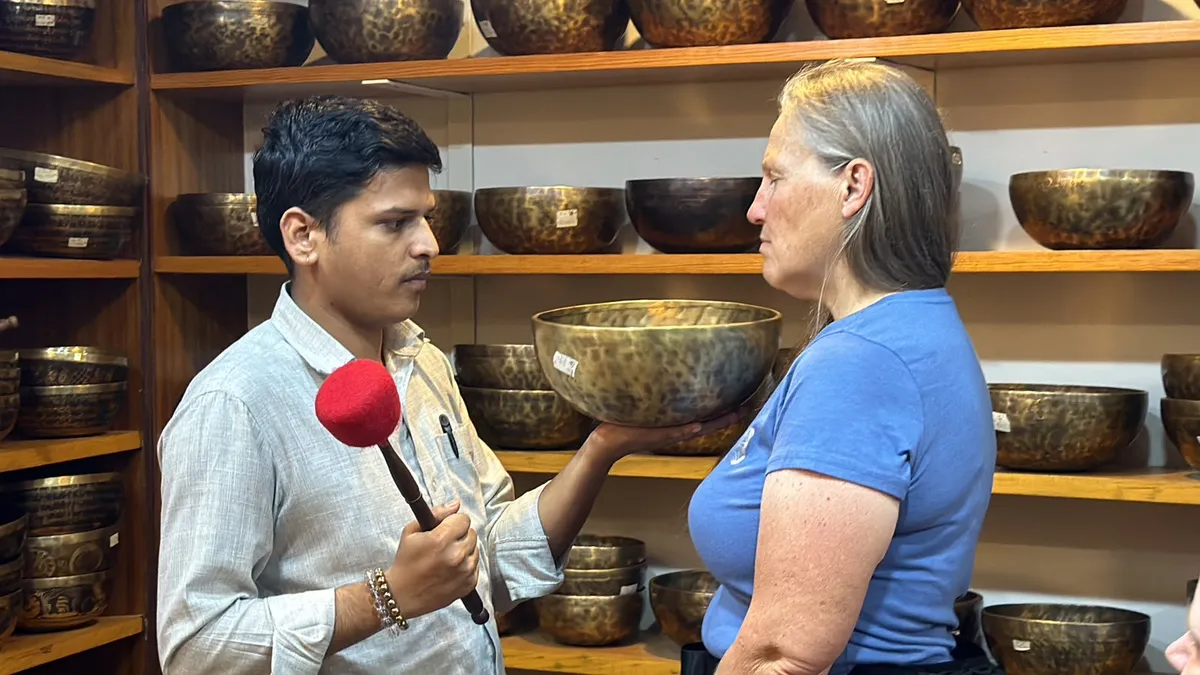
The Himalayan Healing Institute, a short walk from the lake, specializes in combining Reiki with sound healing using traditional Tibetan singing bowls. Their signature "Himalayan Energy Reset" is a two-hour session that moves through Reiki, sound bath, and guided meditation. It costs $80 and is one of the most booked wellness experiences in Pokhara.
For a complete picture of Pokhara's wellness offerings, see our guide to yoga and spiritual healing in Pokhara, which covers the full spectrum of lakeside retreats, from yoga shalas to Ayurvedic clinics.

What to Expect from a Reiki Session in Nepal
If you have never experienced Reiki before, here is what a typical session in Nepal looks like. You remain fully clothed and lie on a massage table or sit in a comfortable chair. The practitioner places their hands lightly on or just above specific positions on your body: the crown of the head, the eyes, the throat, the heart, the solar plexus, and the lower abdomen. Each hand position is held for three to five minutes. The session lasts 60 to 90 minutes.
During the session, you may feel warmth, tingling, or a gentle pulsing sensation where the practitioner's hands rest. Some people see colors or experience a deep sense of peace. Others feel nothing dramatic but notice afterward that a chronic pain has eased or that they slept more deeply than they have in months. Reiki works whether you "believe" in it or not; the energy flows regardless of your mental state.
Many centers in Nepal enhance the Reiki session with local elements: a singing bowl played at the beginning and end to mark the transition, incense made from Himalayan herbs, or a short guided meditation that draws on Buddhist mindfulness techniques. These additions are not part of traditional Usui Reiki but they reflect Nepal's unique cultural synthesis and, in the experience of most recipients, deepen the session considerably.
Reiki and Sound Healing: Nepal's Signature Combination
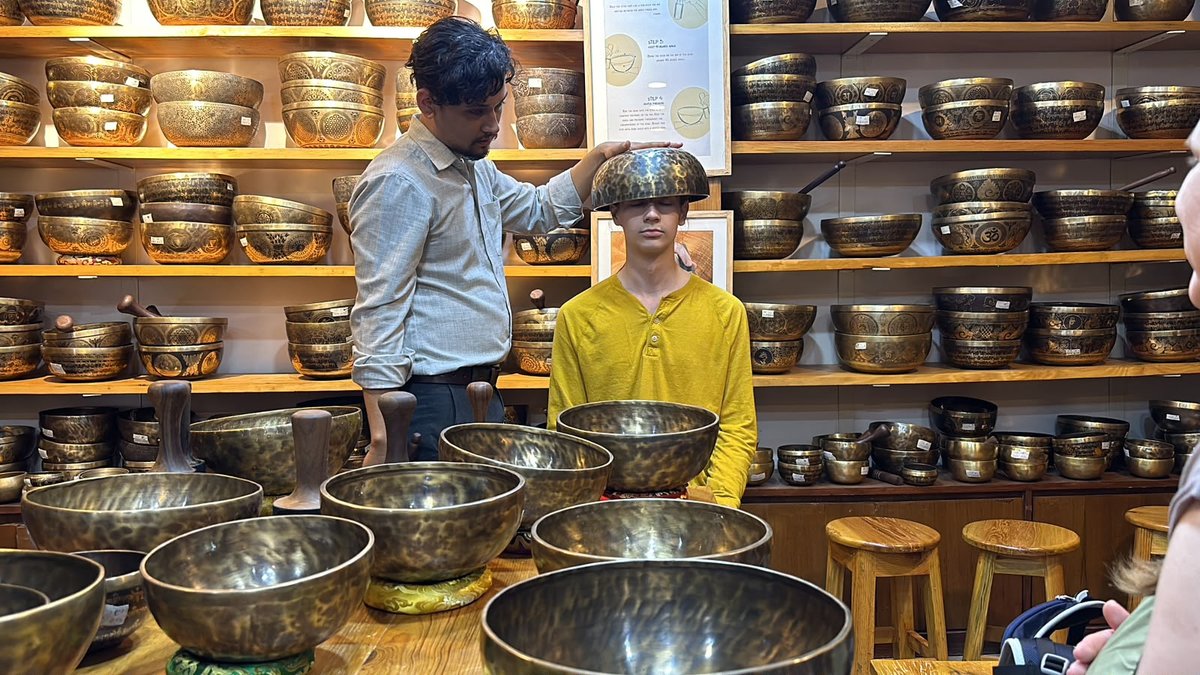
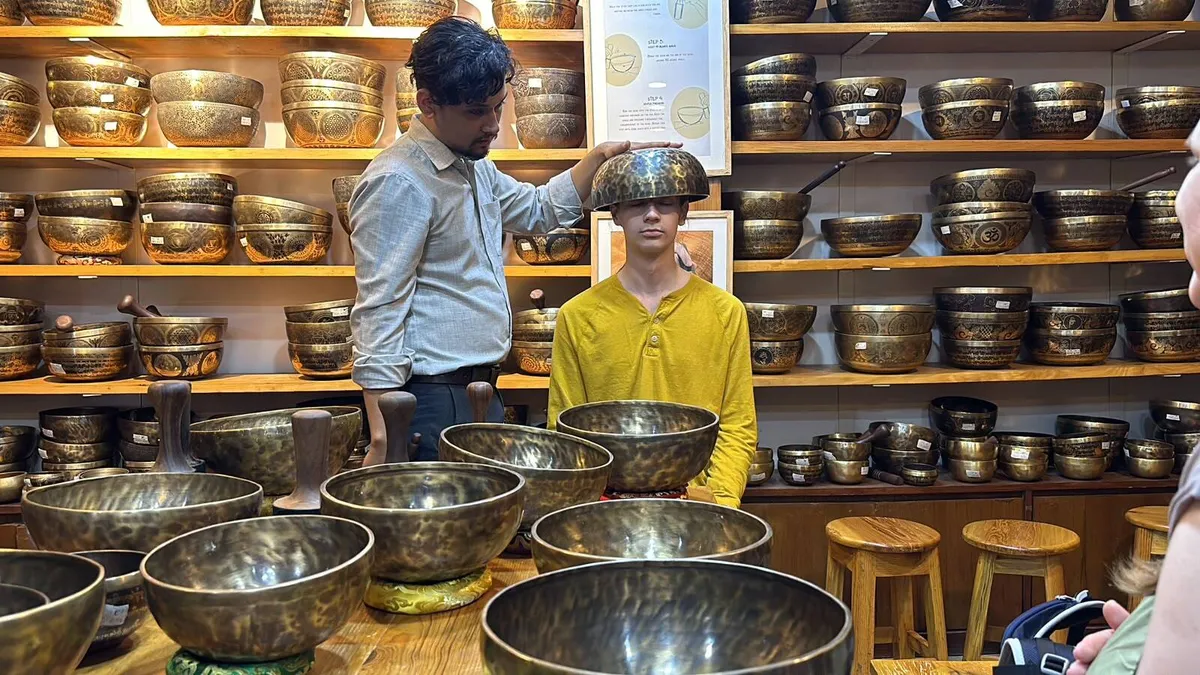
One of the most distinctive offerings in Nepal is the combination of Reiki with Himalayan sound therapy. Tibetan singing bowls, which originated in the Himalayan region, produce harmonic overtones that induce a meditative brainwave state. When a practitioner places a singing bowl on or near your body and strikes it while simultaneously channeling Reiki, the vibrational and energetic healing work together synergistically.
The science behind this combination is increasingly supported by research. Studies have shown that sound frequencies in the range produced by singing bowls can shift brainwaves from beta (active thinking) to alpha (relaxed awareness) and theta (deep meditation). Reiki, meanwhile, has been shown in clinical studies to reduce pain, anxiety, and fatigue in patients undergoing medical treatment. Together, they create a powerful healing modality that addresses both the physical and subtle bodies.
For a deeper exploration of this practice, read our guide to traditional sound healing in Nepal, which covers singing bowl therapy, mantra healing, and where to find authentic practitioners in Kathmandu and beyond.
How to Choose a Reiki Practitioner in Nepal
Not all Reiki practitioners are created equal. In Nepal, as anywhere, the quality of training and the integrity of the practitioner vary widely. Here are the criteria to use when selecting a Reiki healer or teacher in Nepal.
Lineage and Certification: Ask about the practitioner's lineage. Usui Reiki is the most common, but some practitioners work in Karuna Reiki, Tibetan Reiki, or other variants. A legitimate practitioner should be able to name their teacher and the lineage back to Mikao Usui. They should hold a certificate from a recognized Reiki organization.
Experience and Reviews: Look for practitioners with at least three years of experience and verifiable reviews. Google Maps, TripAdvisor, and Facebook are good sources. Be wary of anyone who claims to offer Reiki Master attunement in a single weekend; genuine Master training requires months or years of practice at Level 2 first.
Energy and Rapport: Reiki is an intimate practice. You are allowing someone to work with your energy field. Trust your intuition. If a practitioner feels off, even if their credentials are impeccable, find someone else. Many centers offer a free 15-minute consultation so you can meet the practitioner before committing to a full session or course.
Language: Most Reiki practitioners in tourist areas speak English well. If you prefer instruction in another language, ask in advance. Some centers in Kathmandu have Japanese-speaking and French-speaking practitioners.
Cost of Reiki in Nepal: Sessions, Courses, and Retreats
Nepal offers some of the most affordable Reiki training and treatment in the world. Here is a breakdown of typical costs as of 2026.
| Service | Duration | Price Range (USD) |
|---|---|---|
| Reiki Session (60 min) | 1 hour | $25 - $55 |
| Reiki Session (90 min) | 1.5 hours | $40 - $80 |
| Reiki + Sound Healing Combo | 2 hours | $60 - $100 |
| Reiki Level 1 Course | 2 days | $100 - $200 |
| Reiki Level 2 Course | 2-3 days | $150 - $300 |
| Reiki Master Course | 3-5 days | $400 - $800 |
| 4-Day Reiki + Yoga Retreat | 4 days | $350 - $500 |
| 7-Day Wellness Retreat (all-inclusive) | 7 days | $600 - $1,200 |
These prices are significantly lower than equivalent services in the West, where a single Reiki session can cost $80 to $150 and a Level 1 course $300 to $600. The affordability of Reiki in Nepal makes it possible to complete an entire certification track, from Level 1 through Master, for less than the cost of a Level 1 course in New York or London.
Combining Reiki with Pilgrimage: Sacred Sites for Energy Healing
One of the most powerful ways to experience Reiki in Nepal is to combine it with visits to the country's sacred sites. The energy at these locations amplifies any healing practice. Here are three sites that pair especially well with Reiki work.
Boudhanath Stupa, Kathmandu: One of the largest spherical stupas in the world, Boudhanath is a UNESCO World Heritage site and the heart of Tibetan Buddhism in Nepal. The constant clockwise circumambulation of monks, nuns, and lay practitioners creates a palpable field of devotional energy. Many Reiki practitioners report that sessions conducted in the guesthouses and centers surrounding the stupa feel markedly more powerful. After a session, walking the kora (circumambulation path) while silently repeating a mantra integrates the healing.
Muktinath, Mustang: At 3,710 meters in the Annapurna region, Muktinath is one of the most sacred sites in both Hinduism and Buddhism. Its 108 waterspouts, shaped like cow heads, pour freezing Himalayan water that pilgrims walk under for spiritual cleansing. The eternal flame that burns from a natural gas vent represents the elemental fire. A Reiki practitioner who has made the pilgrimage to Muktinath carries an attunement to this place that infuses their work. Read our Muktinath pilgrimage guide for the full story of this extraordinary site.
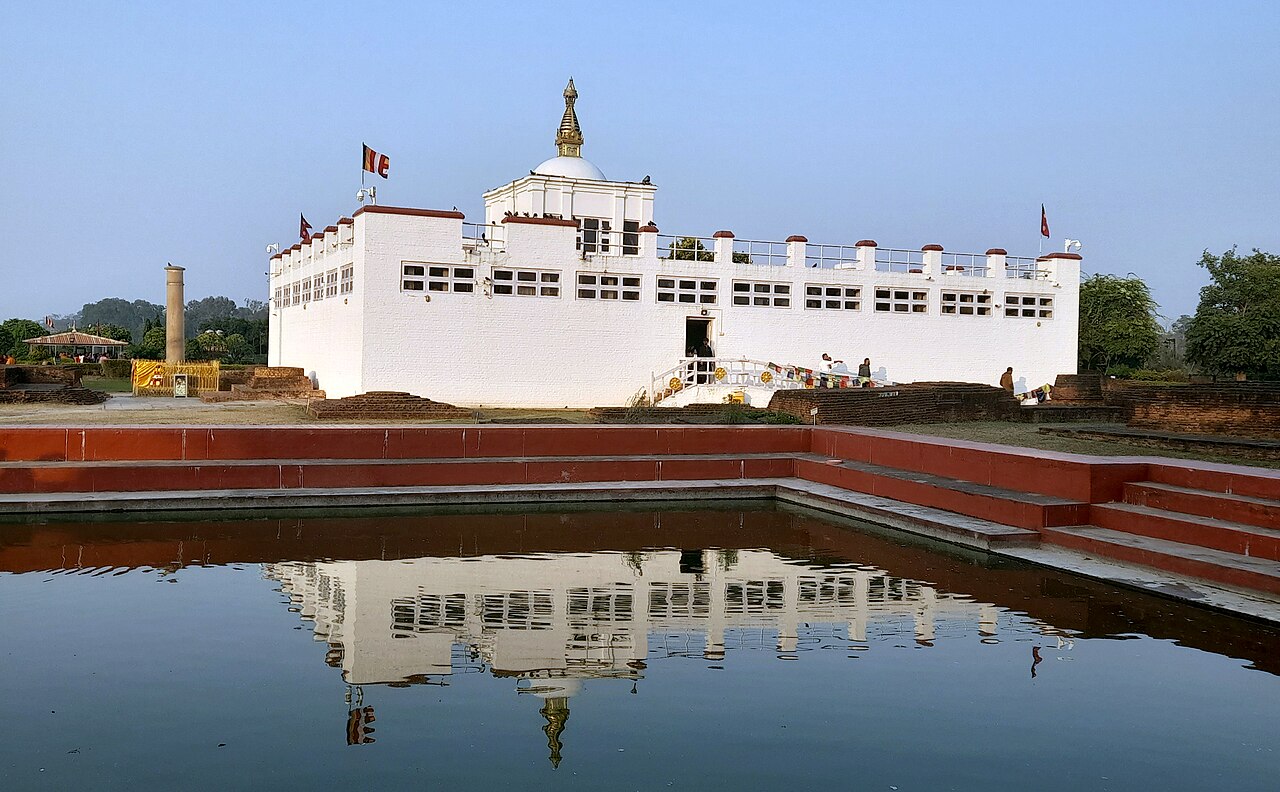
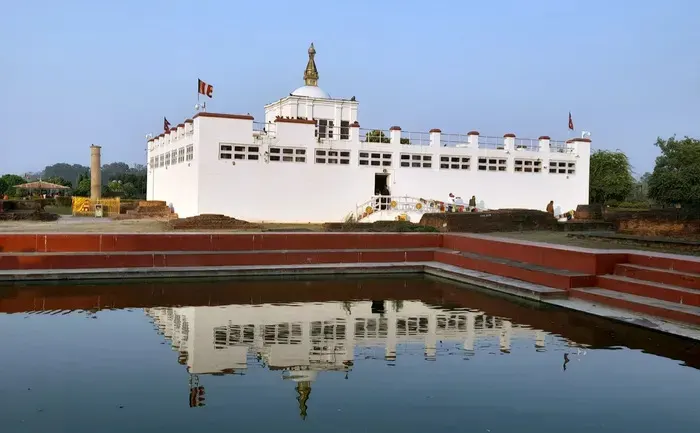
Lumbini, the Birthplace of Buddha: The peaceful garden where Siddhartha Gautama was born in 623 BCE radiates a quiet, profound energy. The Maya Devi Temple marks the exact spot, and the surrounding monastic zone, with monasteries built by Buddhist communities from around the world, creates a global spiritual village. A Reiki session in Lumbini, followed by meditation under the Bodhi tree, is an experience that many practitioners describe as life-changing. Our Lumbini pilgrimage guide covers everything you need to plan your visit.
The Five Reiki Principles and How They Align with Himalayan Wisdom
The five Reiki principles, or Gokai, were set down by Mikao Usui as daily guidelines for living a balanced life. They resonate deeply with the spiritual traditions of the Himalayas, where similar precepts have been taught for millennia.
- Just for today, I will not be angry. In Buddhist psychology, anger is one of the three poisons that cloud the mind. The practice of mindfulness, central to Himalayan Buddhism, is essentially the practice of noticing anger arise without acting on it.
- Just for today, I will not worry. Worry is attachment to future outcomes. The Himalayan yogic tradition teaches vairagya, non-attachment, as the path to inner peace.
- Just for today, I will be grateful. Gratitude is the foundation of Nepali culture. The traditional greeting Namaste means "I bow to the divine in you," an expression of gratitude for the sacred in every being.
- Just for today, I will do my work honestly. Dharma, righteous living, is a core concept in both Hinduism and Buddhism. To do one's work with integrity is to walk the spiritual path.
- Just for today, I will be kind to every living thing. Ahimsa, non-harm, is the first principle of yoga and a central tenet of both Hindu and Buddhist ethics. Nepal's spiritual culture is built on compassion for all beings.
Practicing these principles while in Nepal, surrounded by temples, prayer flags, and the silent witness of the mountains, gives them a weight and immediacy that is harder to access in the distracted environments of modern life.
Reiki for Trekkers: Energy Healing on the Trail
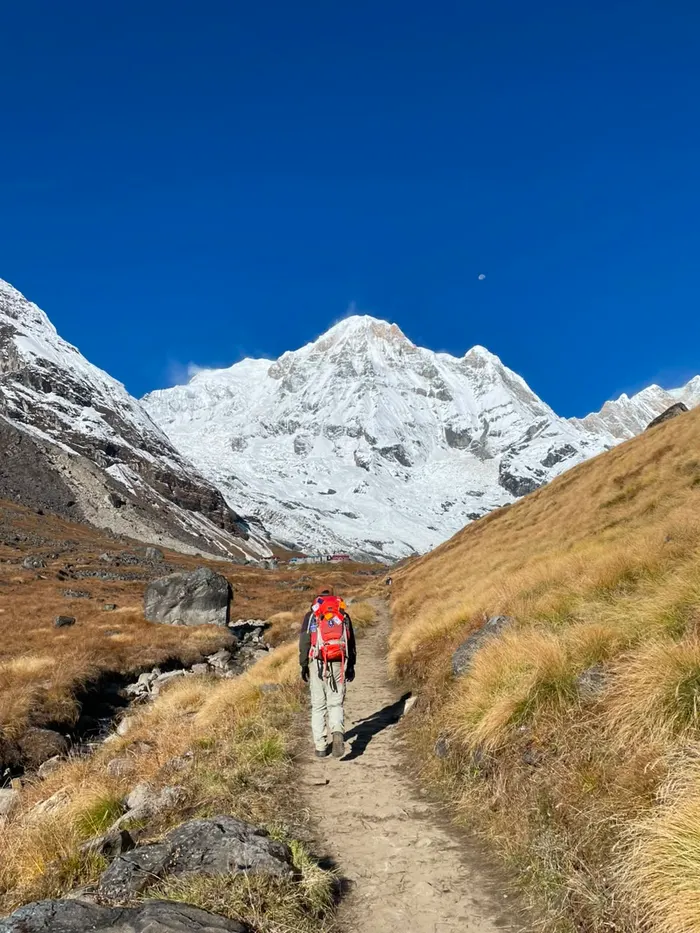
Nepal is the world's premier trekking destination, and the physical demands of high-altitude trekking make Reiki an unexpectedly valuable companion on the trail. Several trekking agencies now offer Reiki-informed trekking packages where a certified Reiki practitioner accompanies the group, offering evening sessions to ease muscle soreness, reduce altitude-related anxiety, and promote restful sleep at high elevations.
For independent trekkers, self-Reiki (learned at Level 1) is a powerful tool. A 15-minute self-treatment at the end of a long day on the trail can dramatically reduce recovery time. The hand positions for the knees, hips, and lower back are especially useful after hours of descending stone steps. Many teahouse owners in the Annapurna and Everest regions are familiar with Reiki and may offer informal sessions if you ask.
If you are planning a trek, our guide to the best trekking agency in Nepal will help you find an operator who understands the value of holistic support on the trail, from experienced guides to wellness-informed itineraries.

Reiki and Ayurveda: Nepal's Dual Healing Tradition
While Reiki originated in Japan, it pairs naturally with Ayurveda, India and Nepal's ancient system of holistic medicine. Several wellness centers in Nepal now offer integrated programs that combine Reiki energy work with Ayurvedic consultations, herbal treatments, and dietary guidance based on your dosha (constitutional type).
An Ayurvedic practitioner first determines your dosha (Vata, Pitta, or Kapha) through pulse diagnosis and a detailed health history. They then prescribe a regimen of diet, herbs, and lifestyle adjustments. Reiki sessions are woven into this regimen to address the energetic dimension of imbalance. For example, a Vata-dominant person, prone to anxiety and restlessness, might receive grounding Reiki focused on the root chakra, combined with warm oil massages and a Vata-pacifying diet of cooked, warming foods.
This integrated approach is particularly effective for stress-related conditions, digestive disorders, and chronic pain, all of which have both physical and energetic components. The Nepal Ayurveda and Reiki Center in Kathmandu and the Pokhara Holistic Health Center are two of the most reputable facilities offering this combined modality.
Practical Tips for Your Reiki Journey in Nepal
Best Time to Visit: Nepal's peak tourist seasons are October to November and March to May, when the weather is clear and stable. For Reiki training, these months offer the added benefit of being able to practice outdoors in gardens and on rooftops. The monsoon season (June to September) is quieter and cheaper, and the rain creates a cocooning atmosphere that some find conducive to inner work.
What to Bring: Comfortable, loose clothing for sessions and courses. A journal for recording your experiences. An open mind. If you are taking a certification course, bring a passport-sized photo for your certificate.
Visa: Most nationalities can obtain a tourist visa on arrival at Kathmandu's Tribhuvan International Airport. A 30-day visa costs $50; a 90-day visa costs $125. If you plan to take a Reiki Master course, the 90-day visa gives you ample time.
Accommodation: In Kathmandu, stay in Thamel or Boudhanath for proximity to Reiki centers. In Pokhara, Lakeside is the obvious choice. Budget guesthouses start at $10 per night; comfortable mid-range hotels with hot water and Wi-Fi run $30 to $60.
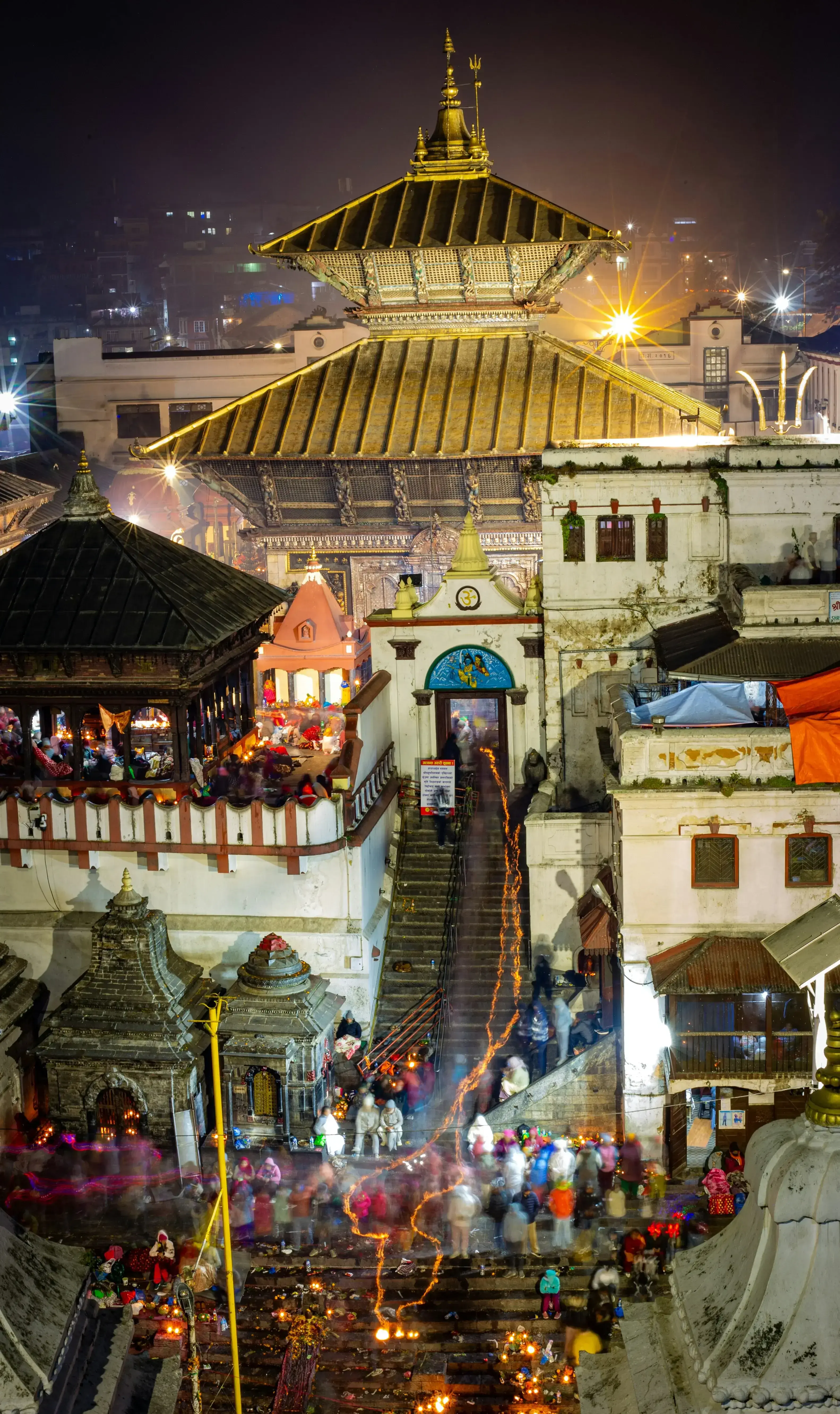
Combining with Sightseeing: A Reiki course typically runs 9 AM to 4 PM with a lunch break, leaving evenings free for exploration. In Kathmandu, visit the Kathmandu spiritual circuit of Pashupatinath, Boudhanath, and Swayambhunath. In Pokhara, take a boat across Phewa Lake or hike to the World Peace Pagoda for sunset.
Reiki Lineages Practiced in Nepal
While Usui Reiki is the dominant lineage, Nepal's spiritual openness means you can find practitioners in several related traditions.
Usui Reiki Ryoho: The classical Japanese form, emphasizing simplicity and the original hand positions as taught by Mikao Usui. Practitioners in this lineage tend to be more meditative and less New Age in their approach.
Karuna Reiki: Developed by William Lee Rand, Karuna Reiki uses additional symbols and focuses on compassionate action. It is often taught as an advanced modality after Usui Master level. Several centers in Kathmandu offer Karuna Reiki training.
Tibetan Reiki: A synthesis of Usui Reiki with Tibetan Buddhist energy practices, including work with the chakras and the use of specific mantras. This variant resonates naturally with Nepal's Buddhist culture and is popular among practitioners who also study Tibetan Buddhism.
Holy Fire Reiki: Also developed by William Lee Rand, Holy Fire Reiki is a newer form that practitioners describe as more refined and powerful. It is less common in Nepal than Usui or Karuna but is growing in availability.
For those drawn to meditation as a complement to Reiki, our guide to meditation in the Himalayas covers the best retreats, from Vipassana centers to monastery stays, where you can deepen your practice between Reiki sessions.
Reiki Ethics and Cultural Sensitivity in Nepal
Practicing or receiving Reiki in Nepal comes with a responsibility to honor the culture that hosts you. Nepal is a deeply religious country where Hinduism and Buddhism are not just belief systems but the fabric of daily life. Here are some guidelines.
Respect Sacred Spaces: If you practice self-Reiki at a temple or stupa, do so discreetly. Sitting in meditation with your hands in your lap is fine. Lying down with hands in Reiki positions on a temple platform is not.
Dress Modestly: When visiting temples and monasteries, cover your shoulders and knees. This applies whether you are sightseeing or receiving a Reiki session at a center attached to a monastery.
Ask Before Photographing: Never photograph a Reiki session, a practitioner, or a temple interior without explicit permission. Energy work is intimate, and many practitioners consider it private.
Support Local Practitioners: While there are excellent Western Reiki teachers in Nepal, seek out Nepali practitioners as well. They bring a cultural understanding of energy and spirituality that enriches the Reiki experience in ways a foreign teacher cannot replicate.
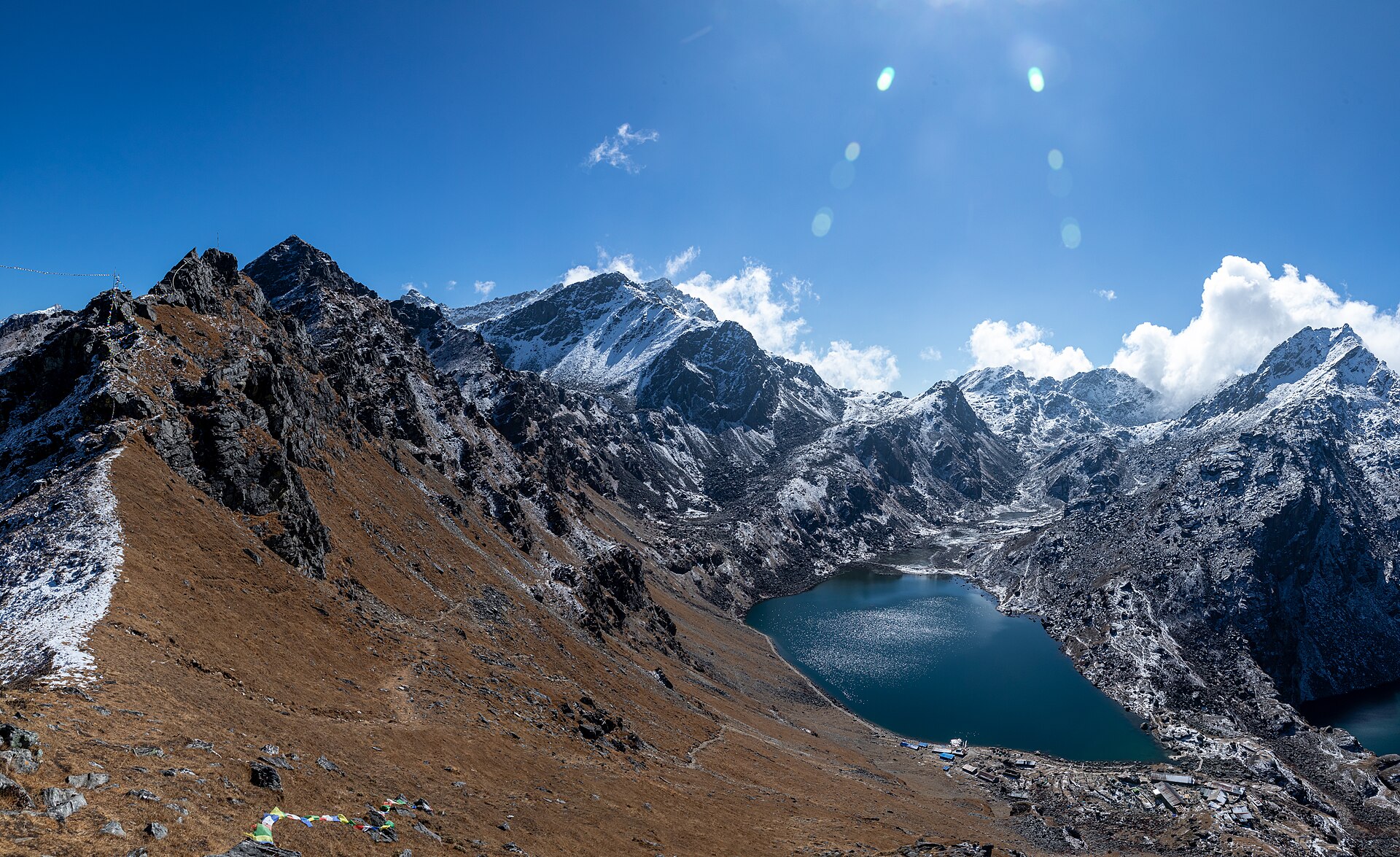
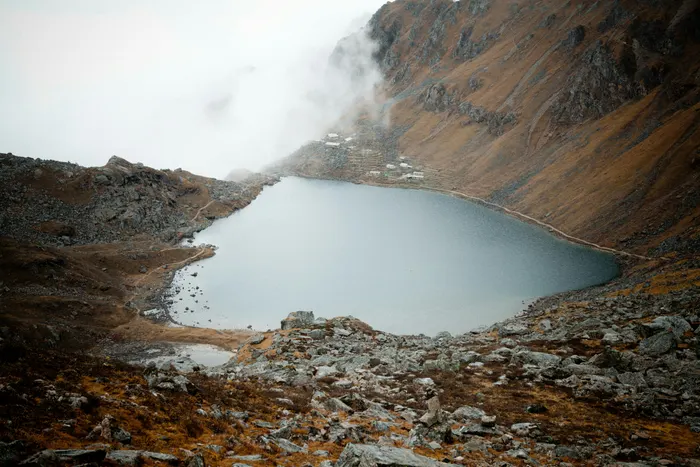
For a broader perspective on traveling with awareness, read our guide to the Gosaikunda lake pilgrimage, a journey that embodies the intersection of physical endurance, spiritual devotion, and cultural respect.

How to Book Your Reiki Experience in Nepal
Booking a Reiki session or course in Nepal is straightforward. Most centers accept walk-ins, but for courses, it is wise to book at least a week in advance, especially during peak season. You can contact centers directly via email or WhatsApp, or book through a local tour operator who can handle logistics like airport pickup and accommodation.
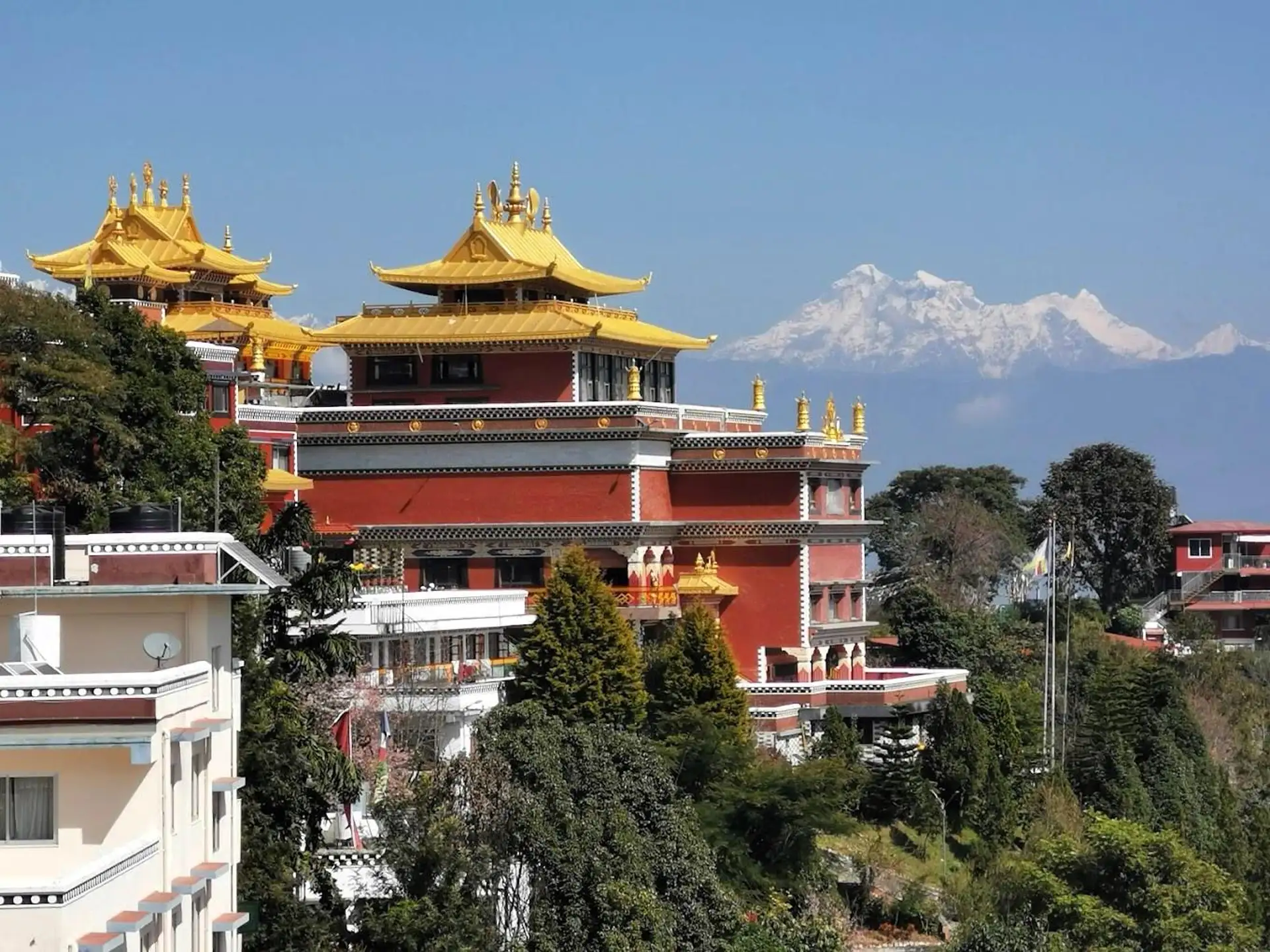
Enticing Himalayas offers curated wellness packages that include Reiki sessions as part of a broader spiritual journey. Our Namobuddha spiritual hike is a popular add-on for Reiki students, combining a gentle day hike to one of Nepal's most important Buddhist sites with meditation and energy work in a setting of profound peace.
Whether you come to Nepal for a single Reiki session, a full certification track, or a month-long healing immersion, you will find a community of practitioners who take their work seriously and a landscape that supports transformation at every level. The Himalayas have been a place of spiritual awakening for thousands of years. Reiki is simply the latest expression of an ancient truth: that healing is available to anyone who seeks it with an open heart.
Explore More Spiritual Journeys in Nepal