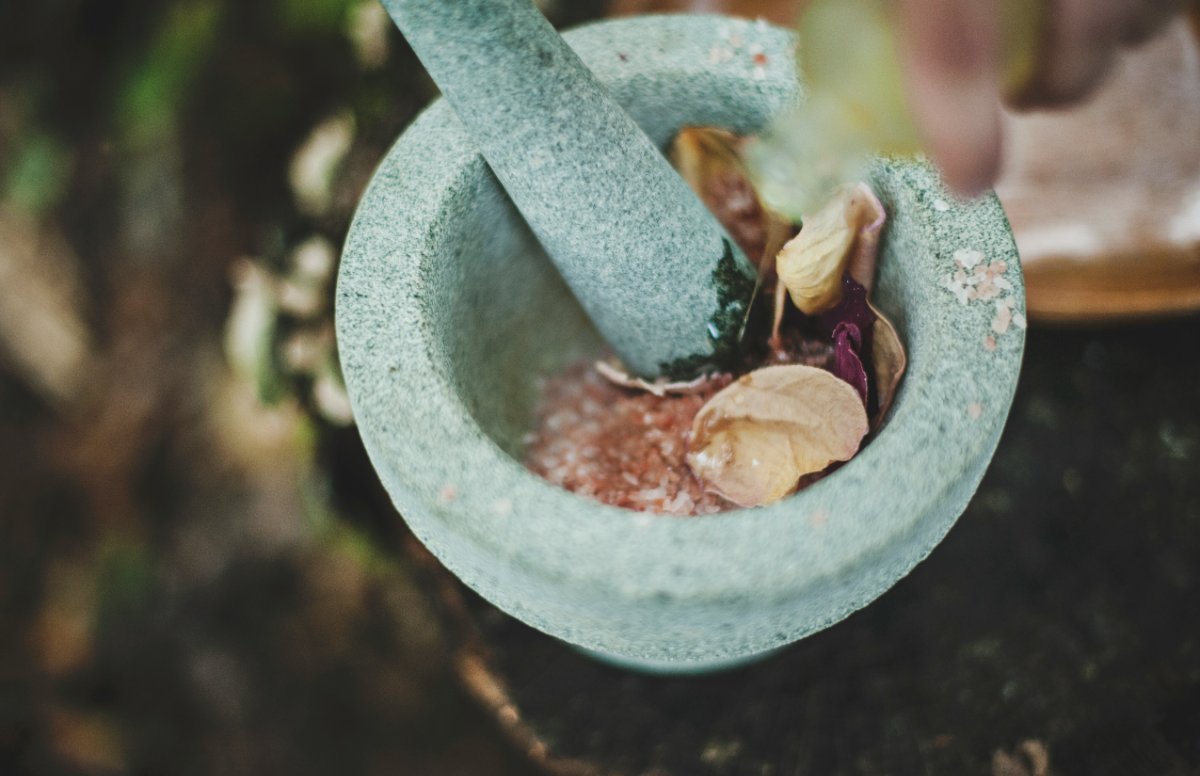
Nepal has long been a destination for seekers of inner peace and physical rejuvenation. The combination of meditation and Ayurveda offers a powerful path to holistic healing, addressing both the mind and body in a single integrated journey. In the shadow of the Himalayas, ancient practices meet accessible retreats that welcome travelers at every level of experience. Whether you are looking to quiet a restless mind, detoxify your body, or simply pause and reconnect with yourself, Nepal provides the ideal setting for deep transformation.
This guide explores how meditation and Ayurveda work together in Nepal, where to find authentic programs, what a typical retreat day looks like, and how to plan your own holistic healing journey. From short wellness escapes in Kathmandu to multi-day retreats in Pokhara, you will discover practical options for every budget and schedule. For a broader overview of wellness offerings, our guide to Nepal Wellness Tourism Year 2027 provides additional context on the country growing healing tourism sector.

What Is the Connection Between Meditation and Ayurveda?
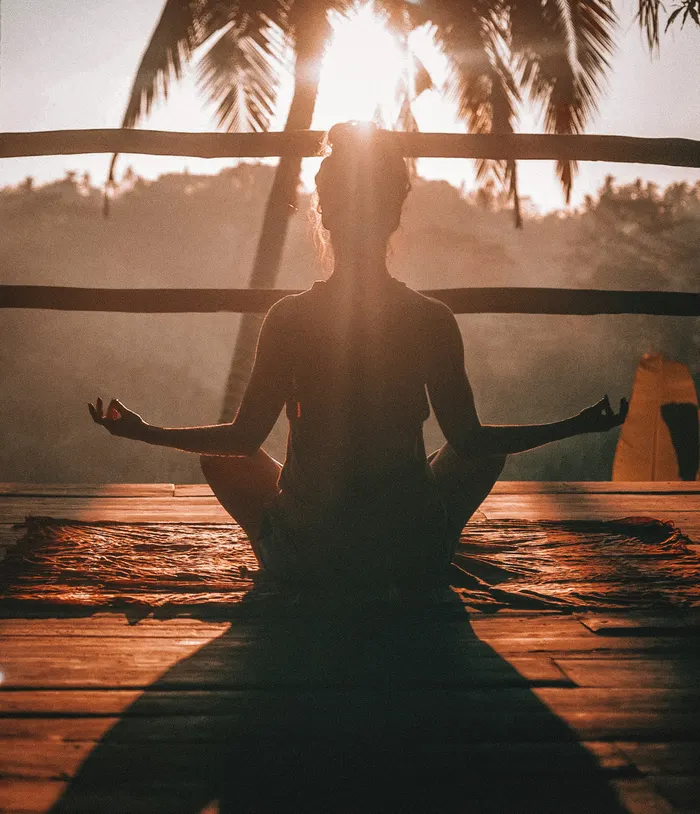
Meditation and Ayurveda are two pillars of traditional Himalayan healing that share a common foundation: the understanding that mental and physical health are inseparable. Meditation calms the mind, reduces stress, and cultivates awareness, while Ayurveda balances the body through diet, herbal remedies, massage, and lifestyle adjustments. Together, they create a synergistic approach where mental clarity supports physical healing and bodily balance deepens meditative practice.
In Nepal, this connection is not theoretical. It is lived. Monasteries, wellness centers, and Ayurvedic clinics across the country integrate both practices naturally. A morning meditation session may be followed by an Ayurvedic oil massage. A silent retreat may include herbal teas and dietary guidance based on your dosha. This seamless blending is what makes Nepal distinct from destinations that treat meditation and Ayurveda as separate offerings.
How Does Ayurveda Support a Meditation Practice?
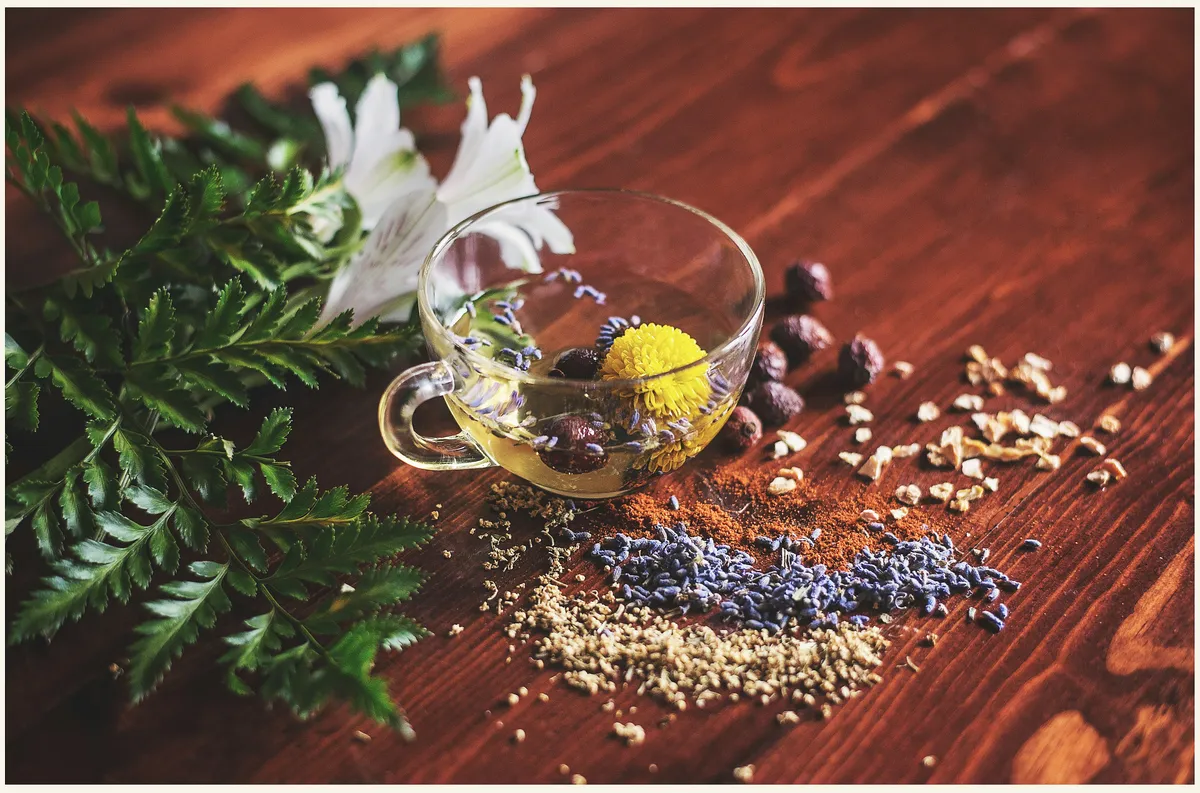
Ayurveda supports meditation by preparing the body as a clean, balanced vessel for mental practice. When the body is free of toxins, well-nourished, and energetically balanced, sitting in meditation becomes easier. The mind settles more quickly, physical discomfort decreases, and the nervous system shifts into a parasympathetic state that allows deeper awareness.
Specific Ayurvedic practices that enhance meditation include Abhyanga (warm oil massage) to ground the nervous system, Shirodhara (oil flow on the forehead) to calm mental activity, and Panchakarma (deep detoxification) to clear physical blockages. Herbal supplements like ashwagandha and brahmi support focus and cognitive function. When combined with regular meditation, these therapies create a compounding effect that many practitioners describe as transformative. For those interested in authentic Ayurvedic treatment, our guide to certified Ayurveda and Panchakarma in Nepal covers how to find qualified practitioners.

Where Can You Practice Both Meditation and Ayurveda in Nepal?
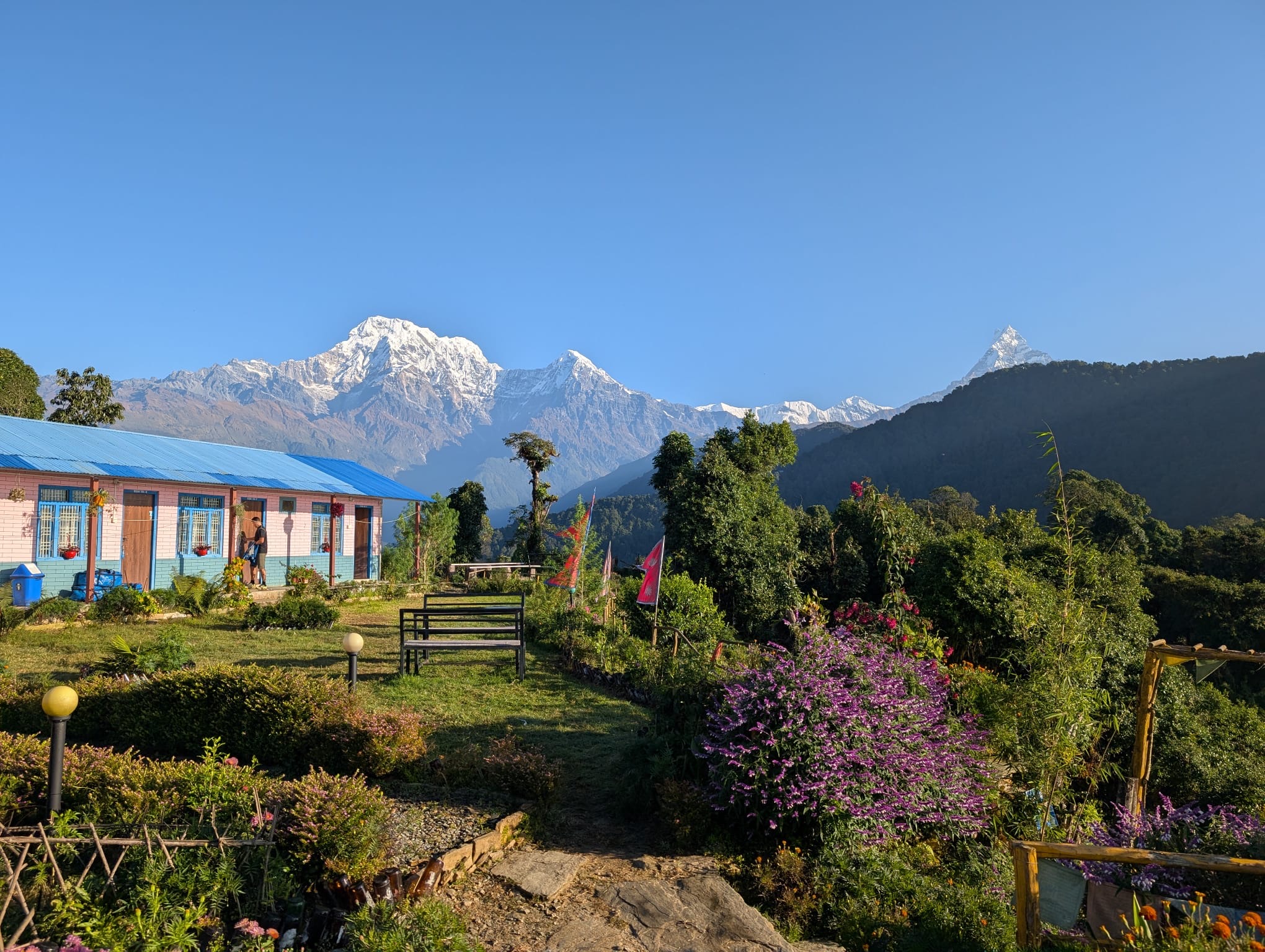
Nepal offers several hubs where meditation and Ayurveda are practiced together. Each location has its own character, from bustling valley cities to serene lakeside towns. The key destinations include:
Kathmandu Valley
The capital region hosts the highest concentration of wellness centers, Ayurvedic clinics, and meditation halls. Thamel and Boudhanath are particularly rich in options, with centers offering drop-in sessions, multi-day programs, and residential retreats. The meditation in Nepal activity provides structured sessions for visitors, while the Ayurvedic massage and wellness spa offers hands-on bodywork. For those wanting a spiritual foundation, the Kathmandu Spiritual Circuit connects major sacred sites where meditation has been practiced for centuries.
Pokhara
The lakeside city of Pokhara is known for its tranquil setting and growing wellness scene. Several retreat centers overlook Phewa Lake and offer combined meditation and Ayurveda programs. The calm environment, fresh air, and mountain views create a natural healing atmosphere. The Pokhara Yoga Wellness Healing Retreat (4 days, from $405) is a popular option that integrates yoga, meditation, and wellness therapies.
Lumbini
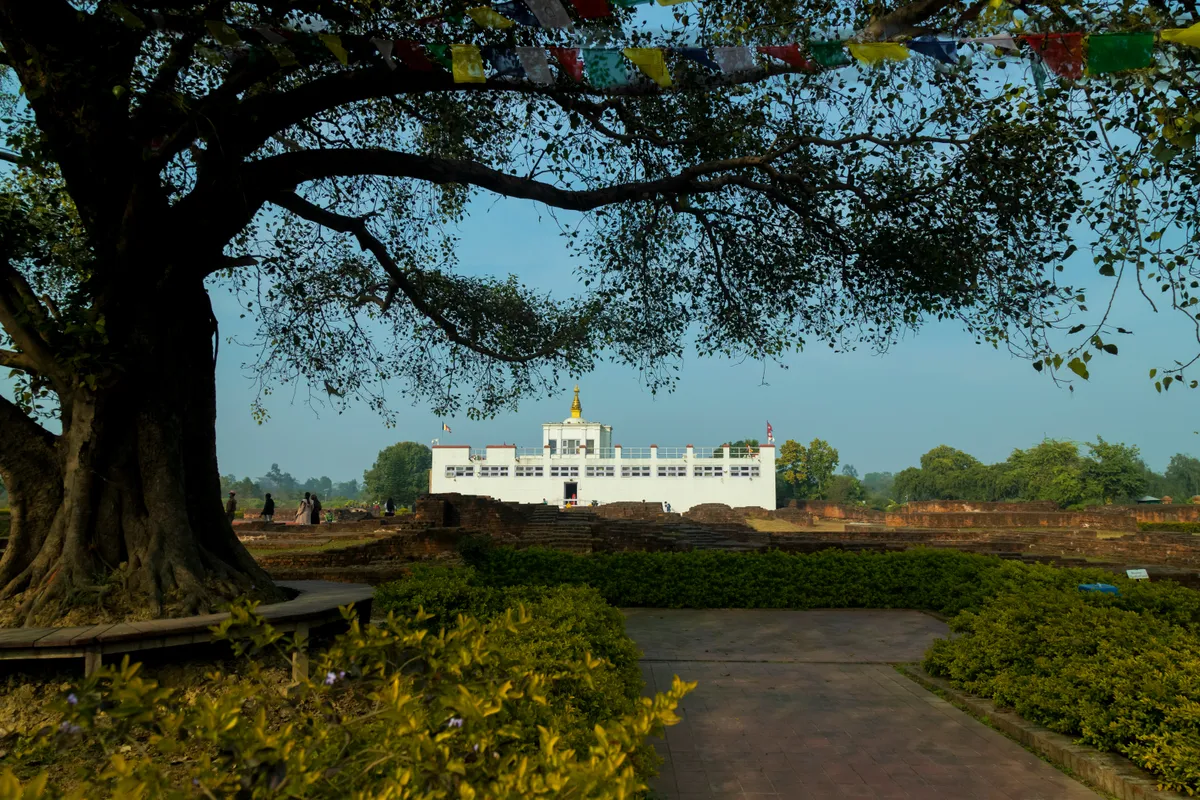
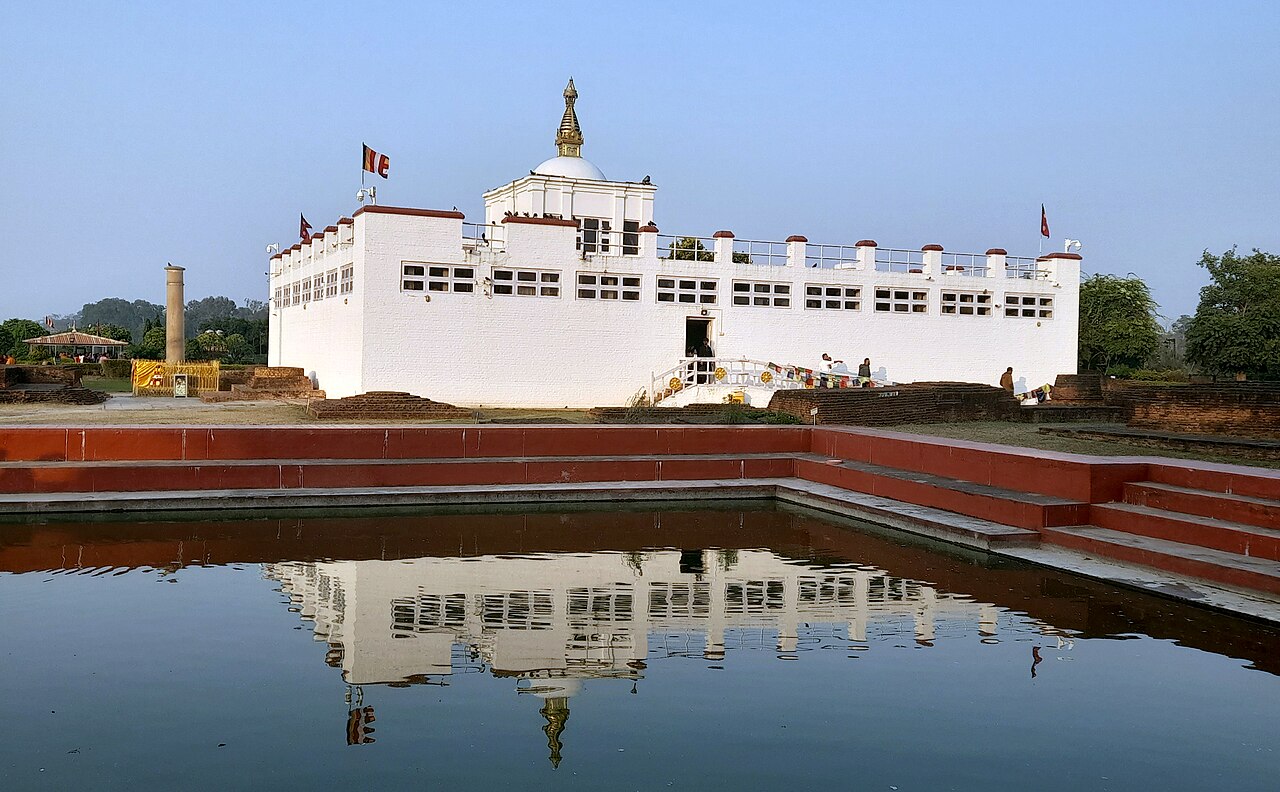
The birthplace of the Buddha is a natural destination for meditation practitioners. While Ayurvedic clinics are less common here than in Kathmandu, several monasteries offer meditation retreats with simple Ayurvedic meals and herbal remedies. The spiritual energy of the site adds a dimension that cannot be replicated elsewhere.
Bandipur and Rural Retreats
For travelers seeking quiet away from urban centers, hill towns like Bandipur and rural retreat centers offer meditation and basic Ayurvedic services. These locations are ideal for longer stays where the pace of life itself becomes part of the healing process. Our guide on slow trekking and mindfulness in Nepal explores how combining movement with awareness enhances the experience.

What Does a Typical Meditation and Ayurveda Retreat Day Look Like?
A typical day at a combined meditation and Ayurveda retreat in Nepal follows a structured yet gentle rhythm. While schedules vary by center, most share a similar framework designed to balance activity, rest, and inner work.
The day usually begins early, around 5:30 or 6:00 AM, with a glass of warm water with lemon to stimulate digestion. A morning meditation session follows, lasting 30 to 60 minutes. This may be guided or silent, depending on the tradition. After meditation, gentle yoga or stretching helps wake the body. Breakfast is typically light and Ayurvedic, featuring seasonal fruits, warm grains, and herbal tea.
Mid-morning often includes an Ayurvedic treatment such as Abhyanga (oil massage), Shirodhara, or a consultation with an Ayurvedic doctor. Lunch is the main meal of the day, served warm with balanced spices and fresh vegetables. The afternoon may include a teaching session on meditation technique, a walk in nature, or free time for journaling and reflection. A second, shorter meditation session in the late afternoon helps consolidate the day practice. Dinner is light and early, followed by an evening gathering, chanting, or silence. Most centers encourage lights out by 9:30 PM.
How Long Should You Stay for Meaningful Results?
The ideal duration depends on your goals, but most practitioners recommend a minimum of three days to begin experiencing the combined effects of meditation and Ayurveda. A three-day retreat offers a taste of the practice and can reset your nervous system. However, deeper transformation typically requires seven to fourteen days, especially if Panchakarma detoxification is involved.
For travelers with limited time, even a single day can be valuable. The full-day trekkers spa and wellness retreat in Kathmandu (from $184) combines massage, meditation, and wellness therapies in one intensive session. For those ready to commit to a longer journey, the 7-day yoga retreat with sightseeing (from $748) integrates meditation, yoga, Ayurvedic principles, and cultural exploration. The key is to match the retreat length to your personal needs and travel schedule.

What Are the Three Doshas and Why Do They Matter?
Ayurveda classifies individuals into three constitutional types called doshas: Vata, Pitta, and Kapha. Understanding your dosha is essential because it determines which Ayurvedic treatments, foods, and meditation practices will be most effective for you. A qualified Ayurvedic practitioner in Nepal will assess your dosha at the start of your retreat and tailor the program accordingly.
Vata types, associated with air and ether, benefit from grounding meditation practices, warm oil massages, and nourishing foods. Pitta types, associated with fire and water, benefit from cooling practices, calming meditation, and gentle therapies that reduce internal heat. Kapha types, associated with earth and water, benefit from stimulating practices, active meditation like walking, and detoxifying treatments. This personalized approach is what distinguishes Ayurveda from a one-size-fits-all wellness program.
How Much Does a Meditation and Ayurveda Retreat in Nepal Cost?
Retreat costs in Nepal vary widely based on duration, location, and the level of personalization. Budget options start at around $40 to $60 per day for basic accommodation, group meditation, and simple Ayurvedic meals. Mid-range retreats cost $80 to $150 per day and typically include private rooms, daily Ayurvedic treatments, and guided meditation. Luxury retreats can exceed $200 per day, offering premium accommodations, personalized treatment plans, and one-on-one sessions with senior practitioners.
For a structured comparison of costs across different spiritual and wellness offerings, our spiritual tour cost guide breaks down pricing by category. The guide to choosing a meditation retreat in Nepal also includes cost considerations specific to meditation programs.


Is Nepal Safe for Solo Wellness Travelers?
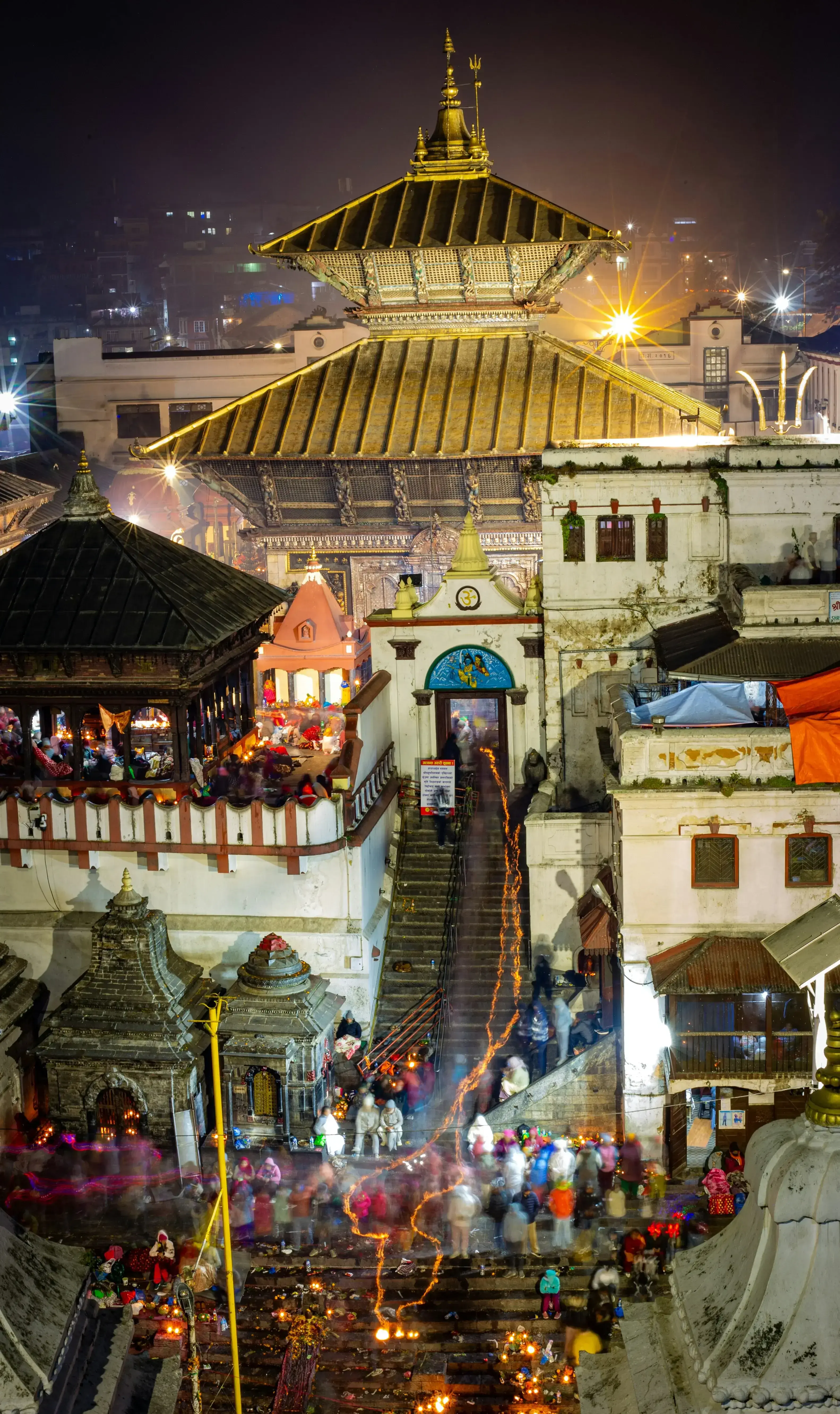
Nepal is widely regarded as a safe destination for solo travelers, including those visiting for meditation and Ayurveda retreats. Wellness centers are accustomed to hosting individual guests, and the culture is generally welcoming and respectful toward spiritual seekers. Common-sense precautions apply as in any travel destination: keep valuables secure, share your itinerary with someone at home, and choose registered retreat centers with positive reviews.
Solo women travelers should feel particularly comfortable in wellness settings, as retreat environments tend to be protective and community-oriented. Our 7-day spiritual itinerary for first-time visitors provides a structured plan that works well for solo travelers. For those wanting a deeper understanding of the spiritual landscape before booking, the comprehensive spiritual tour pillar guide covers sacred sites, rituals, and wellness traditions across Nepal.

What Should You Pack for a Meditation and Ayurveda Retreat?
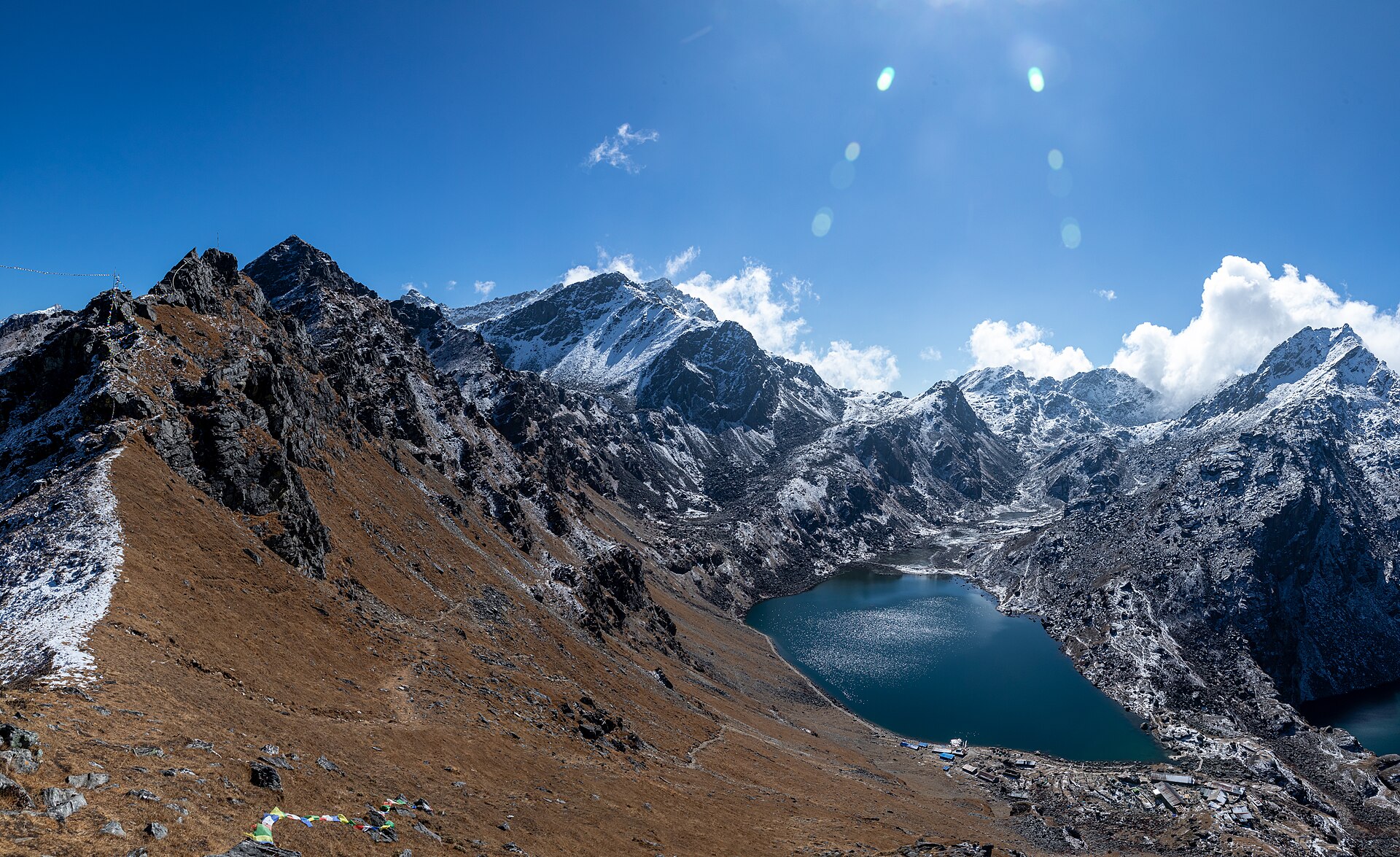
Packing for a wellness retreat in Nepal requires balance. You need comfortable clothing, personal care items, and a few practical essentials, but over-packing can weigh you down. The key items include loose-fitting natural fiber clothing (cotton or linen), a reusable water bottle, a journal for reflection, comfortable walking shoes, and any personal medications. Most retreat centers provide meditation cushions, yoga mats, and Ayurvedic products.
For Ayurvedic treatments, bring undergarments you do not mind getting oil-stained, as massage oils can be difficult to wash out. If you are visiting during winter months (December to February), pack warm layers for early morning meditation sessions. A shawl or light blanket is useful for sitting outdoors. Avoid bringing expensive jewelry or electronics you will not use. The retreat environment encourages simplicity, and less baggage often means more mental space for the practice itself.
Can Beginners Combine Meditation and Ayurveda?
Absolutely. Nepal wellness centers are experienced with beginners and design programs that gently introduce both practices. You do not need prior meditation experience or Ayurvedic knowledge to participate. Most retreats begin with foundational instruction, including basic breathing techniques, simple sitting postures, and an explanation of Ayurvedic principles relevant to your constitution.
For first-time visitors, our meditation for beginners guide covers what to expect, how to prepare, and which centers are most beginner-friendly. The complete beginner guide to meditation in Nepal is another valuable resource. Both guides emphasize that starting with shorter sessions and gradually building your practice is the most sustainable approach. Combining this with gentle Ayurvedic therapies like massage and herbal tea creates a supportive entry point for newcomers.

What Foods Support Meditation and Ayurvedic Healing?
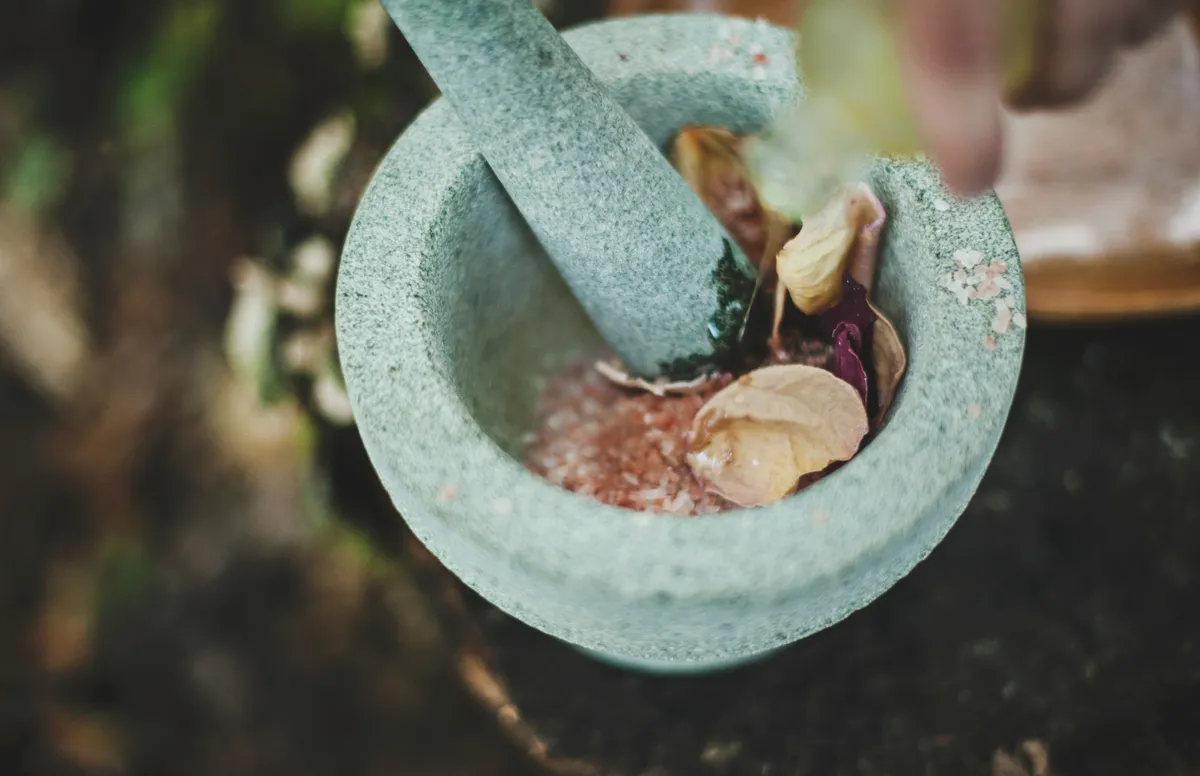
Diet plays a central role in both meditation and Ayurveda. A sattvic diet, which emphasizes fresh, seasonal, and lightly prepared foods, is considered ideal for meditation practitioners. This diet includes whole grains, fresh vegetables, legumes, fruits, nuts, and dairy (if tolerated). It avoids overly spicy, processed, or heavy foods that can cloud the mind or disrupt digestion.
Ayurvedic dietary recommendations go further by personalizing food choices based on your dosha. Vata types benefit from warm, moist, and grounding foods like soups and stews. Pitta types should favor cooling foods like cucumber, melons, and leafy greens. Kapha types benefit from light, warming foods with stimulating spices. Most retreat centers in Nepal serve Ayurvedic meals prepared with local ingredients, and many offer cooking classes so you can continue the practice at home. Traditional Nepali dal bhat, when prepared with Ayurvedic principles, is an excellent sattvic meal that provides balanced nutrition.
How Do You Choose the Right Retreat Center?
Choosing the right retreat center requires research and clarity about your goals. Start by identifying what you want to achieve: stress relief, detoxification, spiritual growth, or simply a break from daily life. Then look for centers that specialize in that area. Key factors to evaluate include the qualifications of the meditation teachers and Ayurvedic practitioners, the center approach to integrating both practices, the quality of accommodation and food, and reviews from previous guests.
Our guide to choosing a meditation retreat in Nepal provides a detailed checklist. For travelers interested in the historical and spiritual context of meditation in Nepal, the history of meditation in Nepal offers background that can help you select a tradition that resonates with you. If you are considering a Vipassana retreat specifically, the Vipassana guide covers the 10-day silent retreat format in detail.
What Is Panchakarma and Should You Try It?
Panchakarma is the flagship Ayurvedic detoxification program, consisting of five therapeutic procedures designed to remove deep-seated toxins from the body. The full program typically lasts 14 to 28 days and includes preparatory oil therapies, the main purification procedures, and a rejuvenation phase. In Nepal, Panchakarma is offered at specialized clinics with trained Ayurvedic doctors who supervise the entire process.
For meditation practitioners, Panchakarma can be a powerful reset. Many report that after detoxification, their meditation practice deepens significantly as physical and mental blockages clear. However, it is not a casual undertaking. The process requires commitment, rest, and a willingness to follow dietary restrictions. Shorter versions (7 to 10 days) are available for those with limited time. If you are considering Panchakarma, consult with a qualified practitioner beforehand to determine if it is appropriate for your constitution and health condition.
How Do Meditation and Ayurveda Complement Other Healing Practices?
Meditation and Ayurveda work well alongside other healing modalities found in Nepal. Sound healing, for example, uses singing bowls and gongs to create vibrational frequencies that support both meditation and physical healing. Our guide to sound healing meditation in Nepal explores this complementary practice. Similarly, Reiki energy healing can enhance the effects of meditation by clearing energetic blockages. The Kathmandu center of healing guide covers both Reiki and sound therapy options.
For those interested in Buddhist approaches, monastery-based meditation offers a structured environment where Ayurvedic principles are implicitly woven into daily life through diet and routine. The Buddhist meditation guide covers monastery stays in detail. Yoga, of course, is the most natural companion to both practices, and the yoga and meditation retreats guide provides a comprehensive overview of combined programs.
When Is the Best Time to Visit Nepal for a Wellness Retreat?
The best time for a meditation and Ayurveda retreat in Nepal depends on your preferences for weather and crowd levels. Spring (March to May) and autumn (September to November) offer the most pleasant weather, with clear skies and moderate temperatures. These are peak seasons, so retreat centers book up early and prices may be higher.
Winter (December to February) is quieter and less expensive, though temperatures can be cold, especially in the mornings. This is an excellent time for indoor-focused retreats in Kathmandu. Monsoon season (June to August) brings rain but also lush greenery and fewer tourists. Some travelers find the rainy season ideal for introspective retreats, as the weather naturally encourages staying indoors. Ayurvedic treatments like oil massage are particularly beneficial during monsoon, as the body pores are more open and receptive.
How Can You Continue Your Practice After Returning Home?
The most common challenge after a retreat is maintaining the practice in your daily life. Start by setting realistic goals: even 15 minutes of daily meditation and simple Ayurvedic self-care routines can sustain the benefits. Many retreat centers in Nepal offer online follow-up sessions or can recommend teachers in your home country.
Practical steps include continuing a simple morning meditation routine, preparing Ayurvedic meals at home using recipes learned during your retreat, and incorporating self-massage with warm oil (Abhyanga) into your weekly routine. Journaling about your retreat experience helps consolidate insights. If possible, plan a return visit or a longer retreat within a year to deepen your practice. The goal is not to replicate the retreat environment at home but to integrate the principles into everyday life in a sustainable way.
For a broader cultural and spiritual context, explore the complete guide to cultural and spiritual tours in Nepal and the best trekking agency in Nepal guide to plan a journey that combines wellness with exploration. The integration of meditation, Ayurveda, and the natural beauty of the Himalayas creates a healing experience that resonates long after you return home. Nepal is not just a destination for wellness. It is a place where the ancient and the accessible meet, where the mountains themselves seem to invite stillness, and where the wisdom of centuries is available to anyone willing to sit, breathe, and receive.