What Are the Top 10 Must-Visit Destinations in Nepal?
Nepal is a land of breathtaking beauty, ancient culture, and unforgettable adventures. Nestled in the heart of the Himalayas, this small yet mighty country offers some of the world's most spectacular trekking routes, diverse landscapes, and warm hospitality. From the towering peaks of Everest to the serene lakes of Pokhara, from the sacred birthplace of Buddha in Lumbini to the wildlife safaris of Chitwan, here are the top 10 destinations in Nepal you need to visit. Each offers a distinct experience that together showcase why Nepal is the ultimate Himalayan travel destination.
1. Everest Base Camp: The Ultimate Trekking Experience
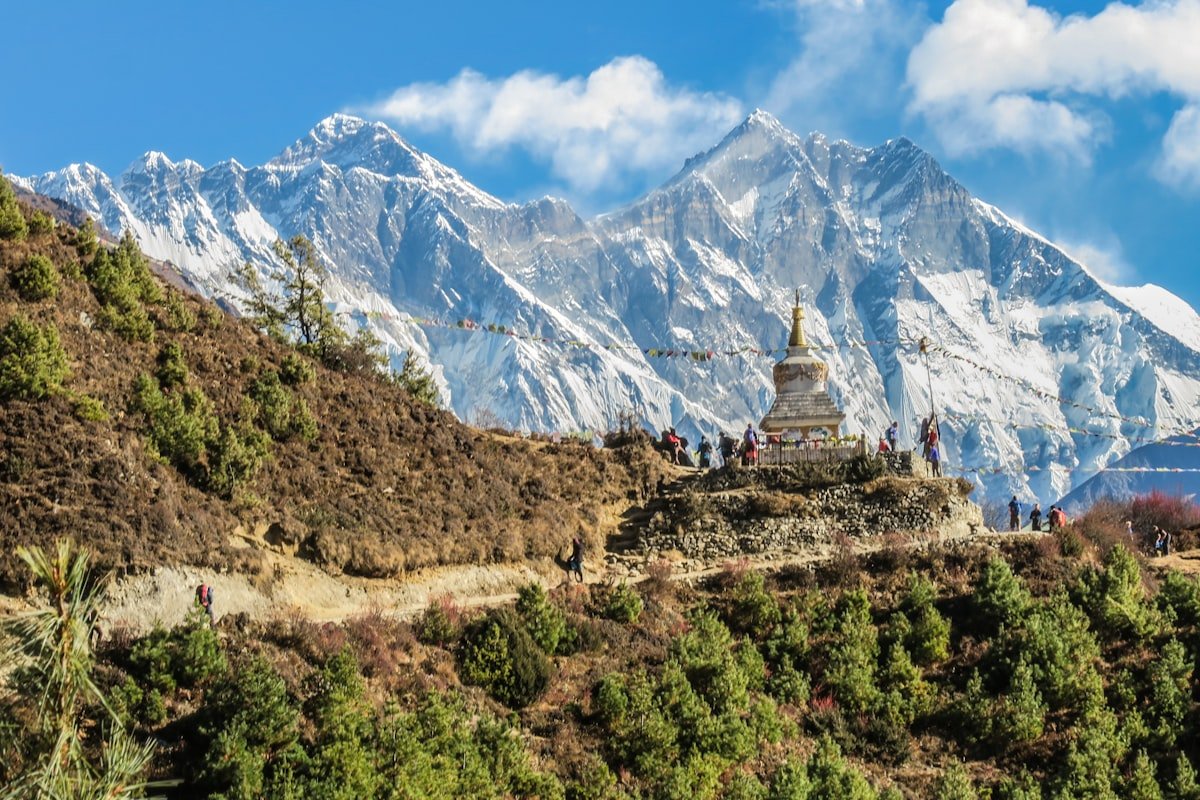
Standing at 5,364 meters, the Everest Base Camp trek is the holy grail of Himalayan trekking. The journey takes you through Sherpa villages, ancient monasteries, and dramatic glacial landscapes before revealing the full grandeur of the world's tallest peak. Every step on this trail is a step into legend. The ideal seasons are March to May (spring) and September to November (autumn), offering the clearest skies and most stable weather conditions for high-altitude trekking.
Highlights include Namche Bazaar, the vibrant gateway to the Khumbu; Tengboche Monastery, the highest monastery in the region; Kala Patthar, the best viewpoint for the Everest sunrise; and the Khumbu Glacier and Icefall, a surreal glacial landscape. The 14-Day Everest Base Camp Trek is the classic route, while the 5-Day Everest View Short Trek offers a taste for time-limited travelers. The Everest region page has full details.
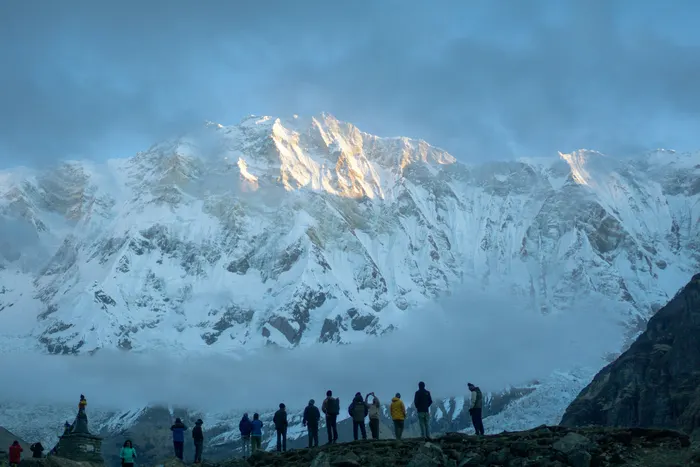
2. Annapurna Circuit: The Greatest Trek in the World?
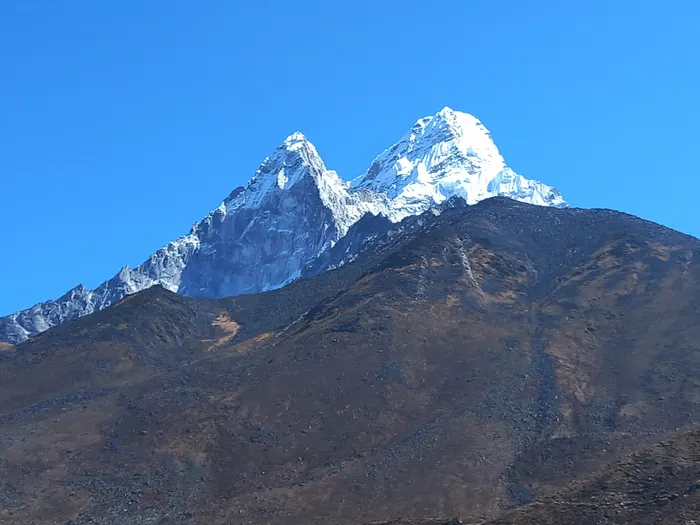
Often called the greatest trek in the world, the Annapurna Circuit wraps around the Annapurna massif, crossing the Thorong La Pass at 5,416 meters. You traverse subtropical forests, alpine meadows, and arid high-altitude deserts, all in a single trek. The diversity of landscapes is unmatched anywhere on Earth. Highlights include the Thorong La Pass at 5,416m, the sacred Muktinath temple, charming villages like Manang and Marpha with apple orchards, and natural hot springs at Tatopani.
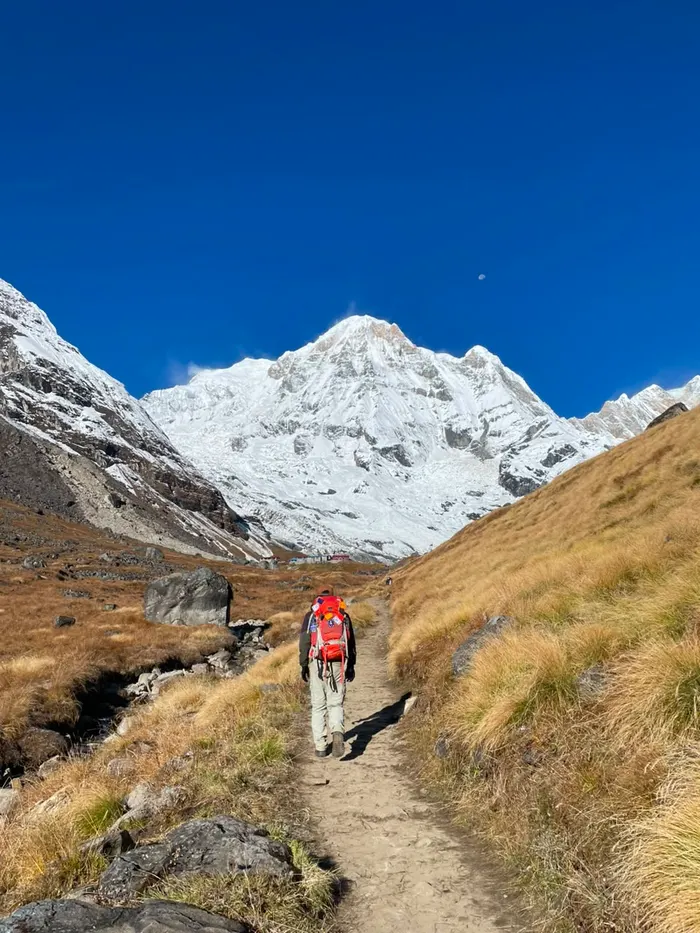
The Annapurna Circuit Budget Trek (14 Days) is the classic group-joining option. For something shorter, the Annapurna Base Camp Short Trek (7 Days) reaches the Annapurna sanctuary. The Annapurna region is also home to the stunning Mardi Himal Trek and the family-friendly Annapurna Family Trek.
3. Pokhara and Phewa Lake: The Gateway to the Annapurnas
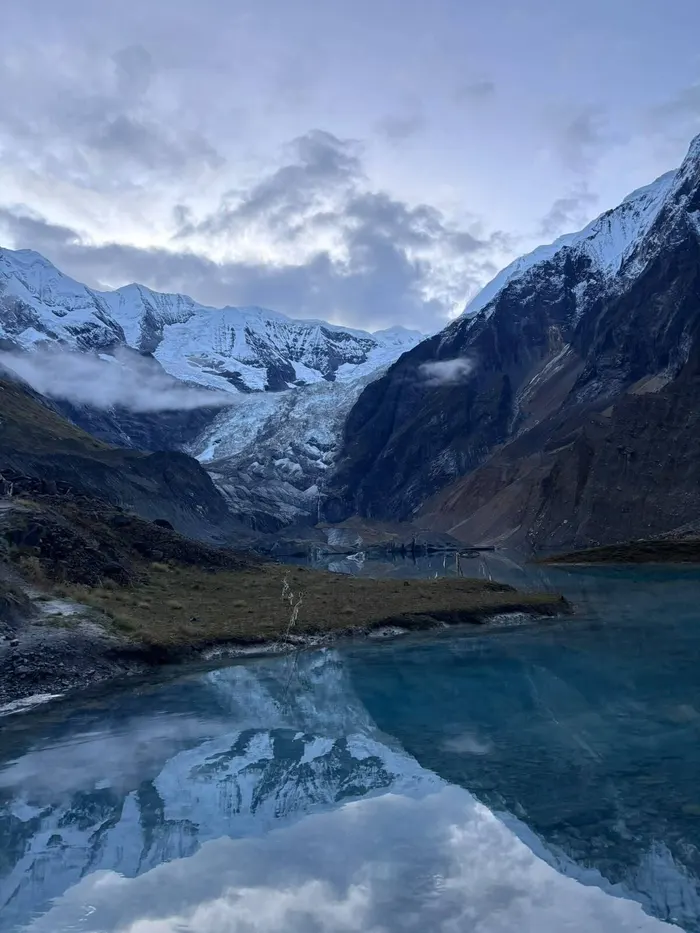
Pokhara is Nepal's adventure capital and the starting point for many of the country's most popular treks. The city sits beside the stunning Phewa Lake, with the Annapurna range reflected in its calm waters. It is the perfect place to relax before or after a trek, with a vibrant Lakeside district full of restaurants, cafes, and shops. From paragliding over the lake to boating at sunset, Pokhara offers a mix of adventure and tranquility.
Highlights include Phewa Lake for boating with Annapurna reflections, Sarangkot for the best sunrise viewpoint over the Annapurnas, the World Peace Pagoda, Davis Falls, and the Gupteshwor Cave. For adventure, try our paragliding in Nepal activity. The Ghorepani Poon Hill Trek is the perfect short trek from Pokhara.
4. Langtang Valley: The Hidden Gem of Nepal
Often overlooked in favor of Everest and Annapurna, Langtang is a hidden gem that rewards trekkers with intimate valleys, Tamang culture, and panoramic mountain views. The trek is shorter and less crowded, perfect for those with limited time but unlimited curiosity. Langtang was deeply affected by the 2015 earthquake, and visiting supports the communities rebuilding their tourism infrastructure. The 10-Day Langtang Valley and Gosaikunda Lake Trek combines valley trekking with the sacred Gosaikunda Lake.
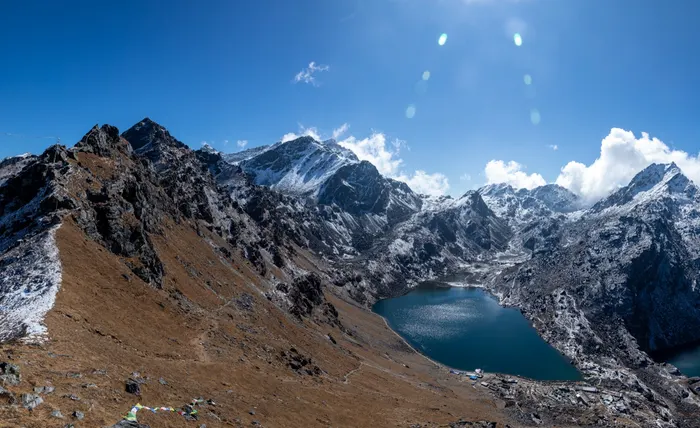
Highlights include Kyanjin Gompa, a centuries-old Buddhist monastery set against snow peaks; the Langtang Lirung glacier; Tamang village homestays; and the sacred lakes at Gosaikunda. The best time to visit is October to November and March to May. Langtang is accessible from Kathmandu by a day's drive, making it one of the most convenient trekking regions in Nepal.
5. Lumbini: The Birthplace of Buddha
Lumbini is the birthplace of Siddhartha Gautama, who became the Buddha. It is one of the most important pilgrimage sites in the world and a UNESCO World Heritage Site. The Maya Devi Temple marks the exact spot of his birth, surrounded by the sacred pond and the Ashokan Pillar erected in 249 BC. The monastic zone stretches for miles, with temples built by Buddhist nations from around the world. The silence in the restricted zones is absolute and profound.
Lumbini is in the Terai plains of southern Nepal, about a 6 to 7 hour drive from Kathmandu. The best time to visit is October to March when the weather is pleasant. Combine Lumbini with a visit to the nearby Chitwan National Park for wildlife safaris. Our heal page features spiritual journeys that include Lumbini.
6. Chitwan National Park: Wildlife Safari in the Terai
Chitwan National Park is Nepal's first national park and a UNESCO World Heritage Site. It is home to the endangered one-horned rhinoceros, Bengal tiger, Asian elephant, and over 500 bird species. Jungle safaris on elephant back or in jeeps, canoe rides on the Rapti river, and guided jungle walks offer close encounters with wildlife. The contrast between the high Himalaya and the subtropical lowlands is part of what makes Nepal so geographically diverse.
The best time to visit Chitwan is October to March. The park is about a 5 hour drive from Kathmandu or a short flight to Bharatpur. Tharu cultural programs in the evening showcase the indigenous culture of the region. The responsible tourism guide explains how to support conservation through your visit.
7. Upper Mustang: The Forbidden Kingdom
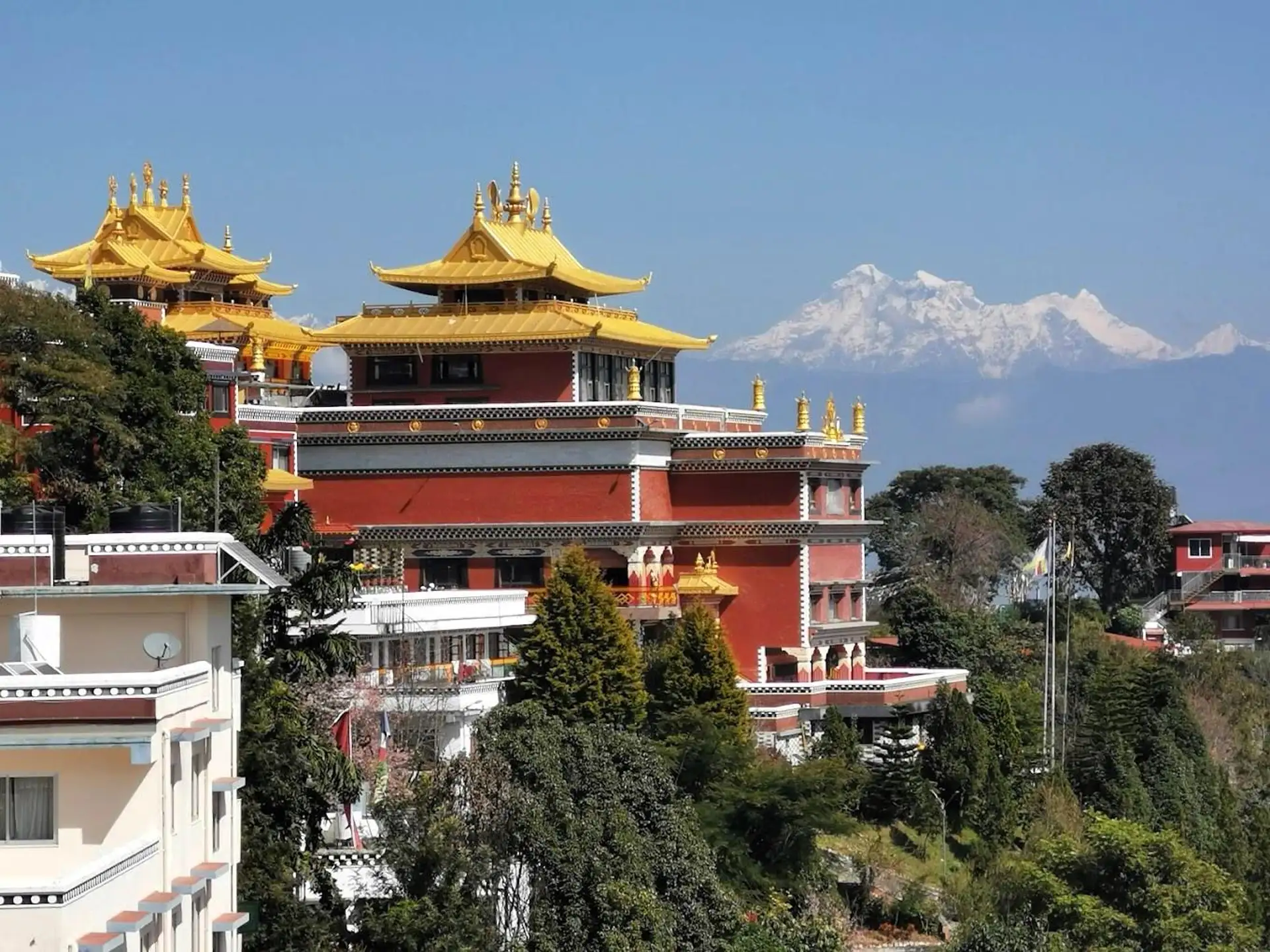
Upper Mustang is a restricted region in the rain shadow of the Himalayas, preserving a Tibetan Buddhist culture that has changed little in centuries. The landscape is otherworldly: red rock canyons, ancient cave dwellings, and walled medieval cities like Lo Manthang. The trek to Upper Mustang requires a special permit and is more expensive than other routes, but the cultural and visual rewards are extraordinary.
Highlights include the walled city of Lo Manthang, ancient monasteries with tantric murals, the Kali Gandaki gorge (the deepest in the world), and the Tiji festival in May. The best time to visit is June to September, during monsoon, because Upper Mustang lies in the rain shadow and stays dry while the rest of Nepal is wet. The Muktinath temple is often combined with Upper Mustang itineraries.
8. Bhaktapur: The Living Museum City
Bhaktapur is one of the three ancient royal cities of the Kathmandu Valley and a UNESCO World Heritage Site. Its Durbar Square is an open-air museum of medieval Nepali architecture, with the Nyatapola Temple, the Palace of 55 Windows, and the Dattatreya Temple. Unlike Kathmandu, Bhaktapur is largely pedestrian-only, which gives it a quieter, more atmospheric feel. The city is famous for its pottery, juju dhau (king curd), and Newari culture.
Nearby Panauti and Nagarkot make excellent day trips from Bhaktapur. Nagarkot offers sunrise views of the Himalayan range from a comfortable ridge-top hotel. Dhulikhel is another nearby hill station with panoramic mountain views. The short treks near Kathmandu guide has more options for the valley region.
9. Manaslu Region: The Alternative to Annapurna
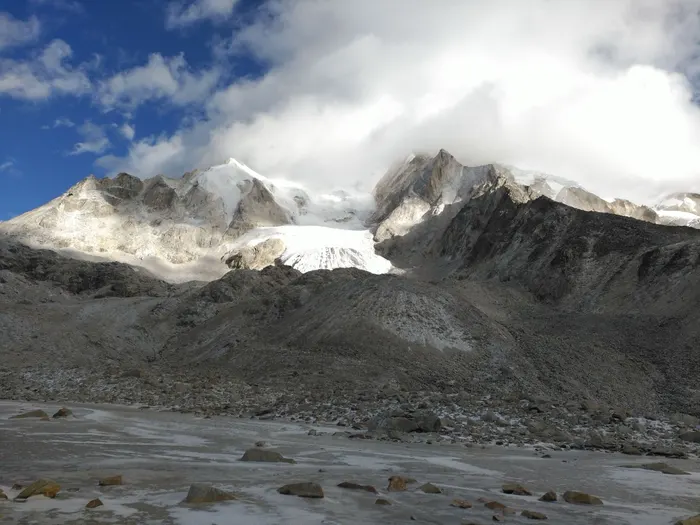
Manaslu is for trekkers who want the circuit experience without the crowds of Annapurna. The Manaslu Circuit crosses the Larkya La Pass at 5,106 meters and circles the eighth highest peak in the world. The region blends Tibetan Buddhist culture, Tibetan villages, and pristine mountain scenery. It requires a restricted area permit, which keeps numbers manageable. The Budget Manaslu Circuit Trek (12 Days) is the group-joining option.
The Tsum Valley branches off the main circuit and is one of the most culturally intact Tibetan Buddhist regions in Nepal. Manaslu is best visited in September to November and March to May. The region is less developed than Annapurna or Everest, which is part of its appeal for experienced trekkers seeking genuine solitude.
10. Kathmandu Valley: The Cultural Heart of Nepal
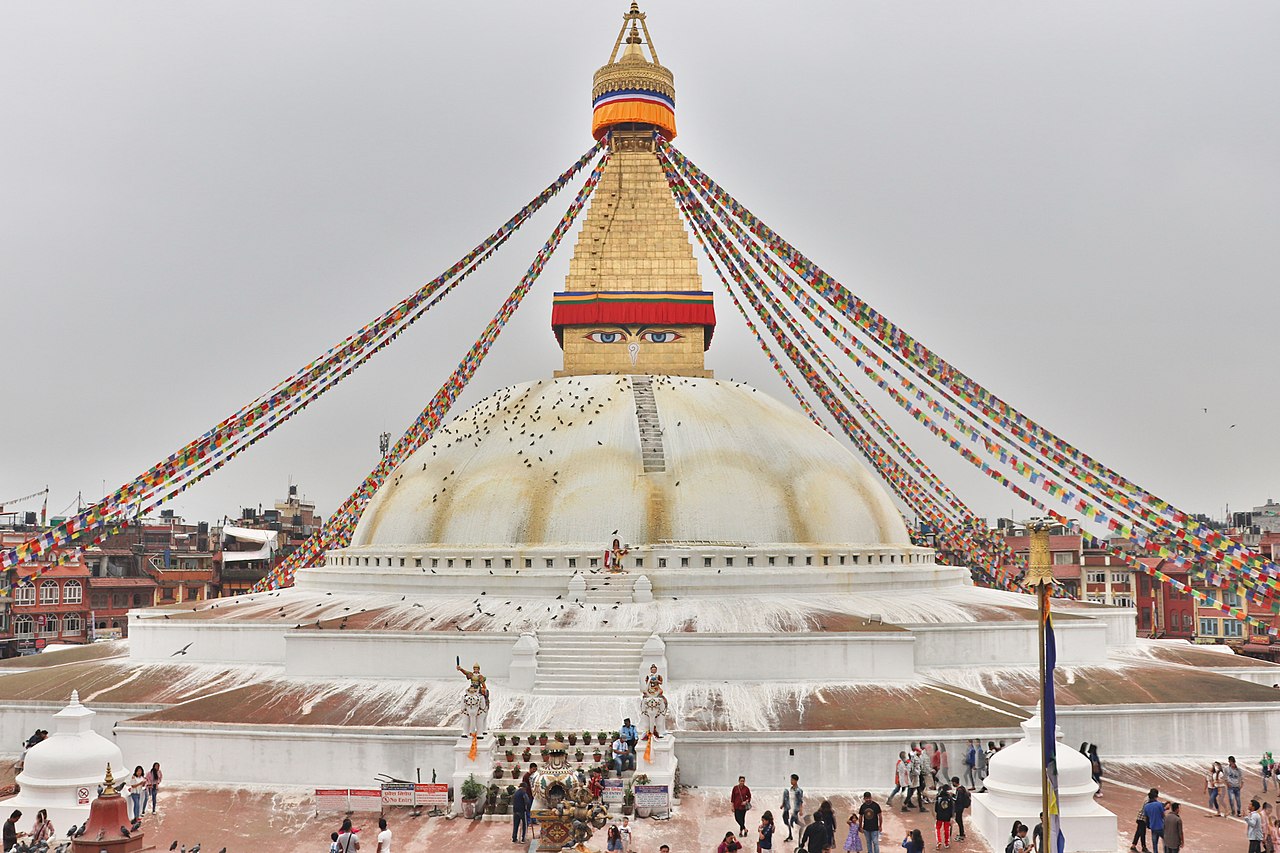
Kathmandu is where every Nepal journey begins. The valley holds seven UNESCO World Heritage Sites: Kathmandu Durbar Square, Patan Durbar Square, Bhaktapur Durbar Square, Swayambhunath (Monkey Temple), Boudhanath Stupa, Pashupatinath Temple, and Changunarayan. The city is a sensory overload of incense, bells, marigolds, and chanting that rewards slow exploration.
Beyond the famous sites, explore the back streets of Patan for traditional metalwork, visit Bandipur on the way to Pokhara, and day-trip to Gorkha for history. The Chandragiri Cable Car and Monkey Temple tour is a popular day trip. For wellness, the Kathmandu Full-Day Trekkers Spa and Wellness Retreat offers deep relaxation. Our tour list covers all options.

How to Plan Your Nepal Trip Across These Destinations?
A typical 10 to 14 day Nepal itinerary combines 2 to 3 of these destinations. The most popular combination is Kathmandu (2 to 3 days), Pokhara and an Annapurna trek (5 to 7 days), and Chitwan (2 days). For a trekking-focused trip, choose one region (Everest, Annapurna, Manaslu, or Langtang) and build around it. For a cultural and spiritual focus, combine Kathmandu Valley, Lumbini, and Bhaktapur. For wildlife, add Chitwan or Bardiya.
The best overall seasons are October to November (autumn) and March to May (spring). Read our sunrise and sunset guide for the best viewpoints, and our wellness tourism guide for healing journeys. Visit our explore page for curated itinerary ideas. Explore, Heal, Thrive.



What Should You Know About Nepal's Weather and Seasons?
Nepal has four distinct seasons that affect travel planning significantly. Autumn (October to November) is the peak season with clear skies, warm days, and cool nights. Spring (March to May) is the second peak, with rhododendron blooms and warming temperatures. Winter (December to February) is cold but quiet, with excellent visibility at lower altitudes. Monsoon (June to September) brings heavy rain to most of the country, though regions in the rain shadow like Upper Mustang remain dry and trekable.
The winter trek package is a great option for the cold months. For monsoon, the Mustang region offers dry, culturally rich trekking. Understanding the seasonal patterns helps you pick the right destination for your travel window.
What Are the Best Day Trips from Kathmandu?
If you have a day or two in Kathmandu before or after a trek, several excellent day trips are available. The Chandragiri Cable Car and Monkey Temple tour takes you to a hilltop with panoramic Himalayan views. Nagarkot offers sunrise views of the entire Himalayan range. Dhulikhel is a charming Newari town with mountain views. Bhaktapur is a UNESCO heritage city with stunning medieval architecture.
The short treks near Kathmandu guide lists 10 weekend escapes including Nuwakot, Panauti, and the Bandipur hill station. The Kalinchowk trek and Pikey Peak trek are excellent short options. For wellness, the Half-Day Wellness Spa Escape gives you relaxation between activities. Explore, Heal, Thrive.
Related Articles
- Ayurvedic Massage and Wellness Spa in Nepal: Prices and What to Expect
- Responsible and Community Tourism in Nepal: How to Travel Ethically
- Nepal's Hidden Hermitages: Exploring Remote Caves and Monasteries