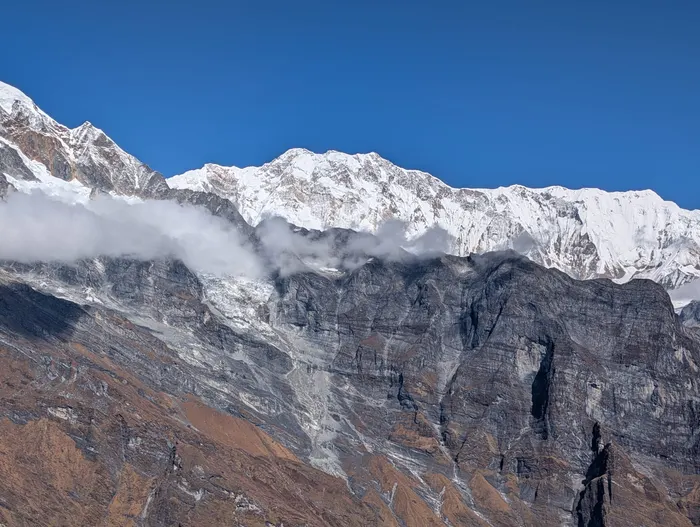
Tucked behind the main Manaslu Circuit, where the Budhi Gandaki river climbs toward the Tibetan border, lies a valley that most trekkers walk past without ever entering. The Tsum Valley is a world of ancient Gampa monasteries, thousand-meter mani walls, and villages where the Tibetan Buddhist calendar still shapes daily life. For travelers who come to Nepal searching for something quieter and deeper than the classic trails, the Manaslu and Tsum Valley trek opens a side of the Himalaya that feels closer to a pilgrimage than a trek. This guide walks you through the sacred sites, the day by day route, permits, costs and the EHT packages that explore the valley in 2026.
If you are drawn to Nepal for its living spiritual heritage rather than its summit views alone, this valley belongs at the top of your list. It pairs naturally with our complete guide to cultural and spiritual tours in Nepal and with the spiritual tour of Nepal that anchors this cluster of journeys.
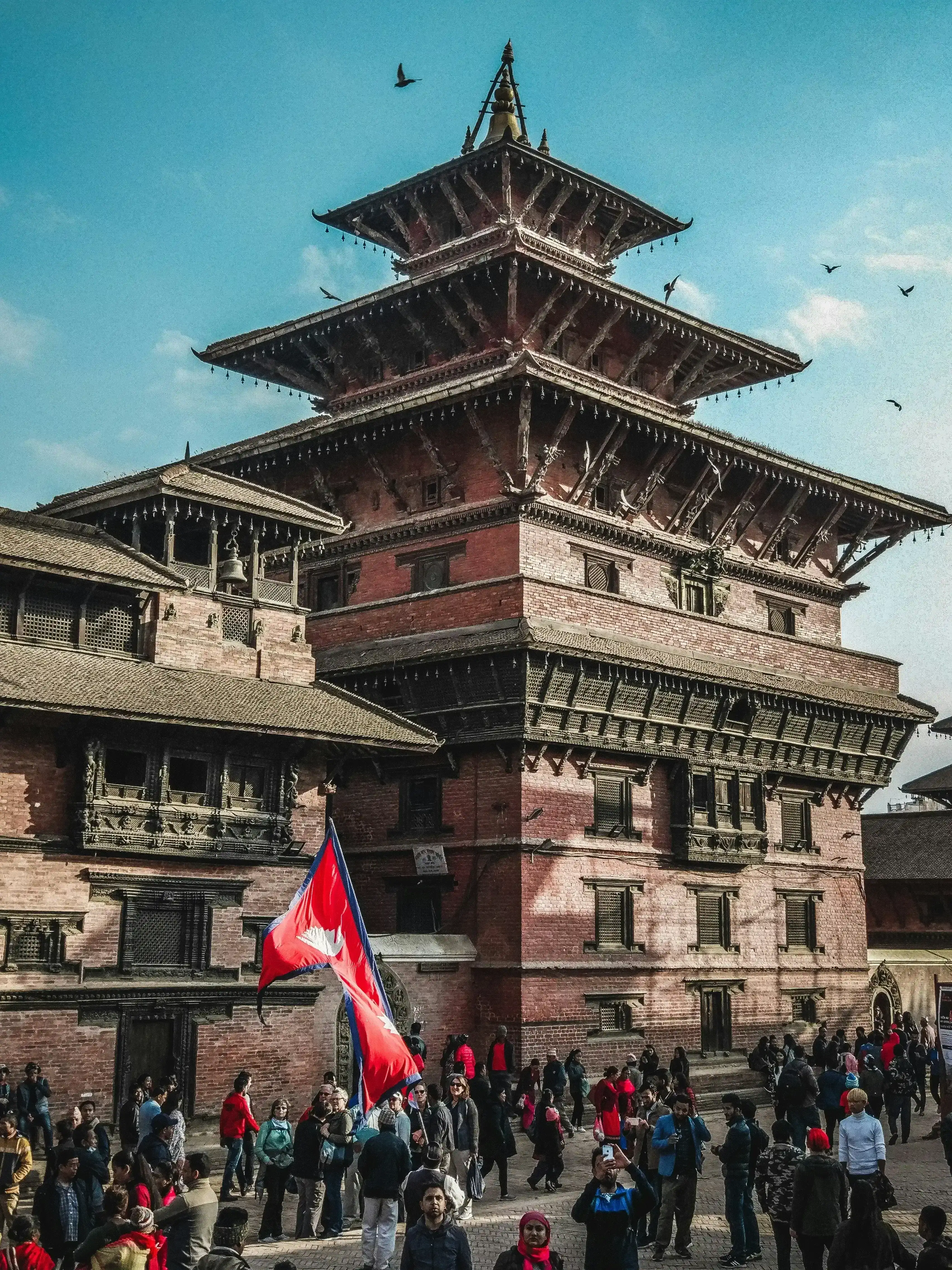
What Is the Tsum Valley and Why Do Pilgrims Call It a Beyul?
The Tsum Valley is one of Nepal's last genuinely remote Buddhist valleys, a side branch of the Manaslu region in Gorkha district that branches off the main circuit and climbs toward the Tibetan plateau. Local tradition holds that Tsum is a beyul, one of the hidden refuge valleys that the eighth-century master Guru Rinpoche is said to have blessed and concealed, kept safe for weary pilgrims in difficult ages. Whether you read the legend as history or as poetry, the effect on the ground is real: the valley has preserved its monasteries, its mountain dialect and its unhurried rhythm of prayer, farming and seasonal trade in a way few places in Nepal still do.
The word beyul matters because it explains the mood of the place. Trekkers who have walked the classic Kanchenjunga region or read about the cave hermitages of the Himalaya will recognize the idea: certain valleys are believed to guard their treasures, revealing themselves slowly to those who arrive with respect. In Tsum that reverence is not an abstraction. You will see it in the carved stones stacked along the trail, in the smell of juniper smoke at dawn, and in the faces of the nuns and monks who keep the valley's temples alive.
Where the Valley Lies: Geography of the Hidden Land
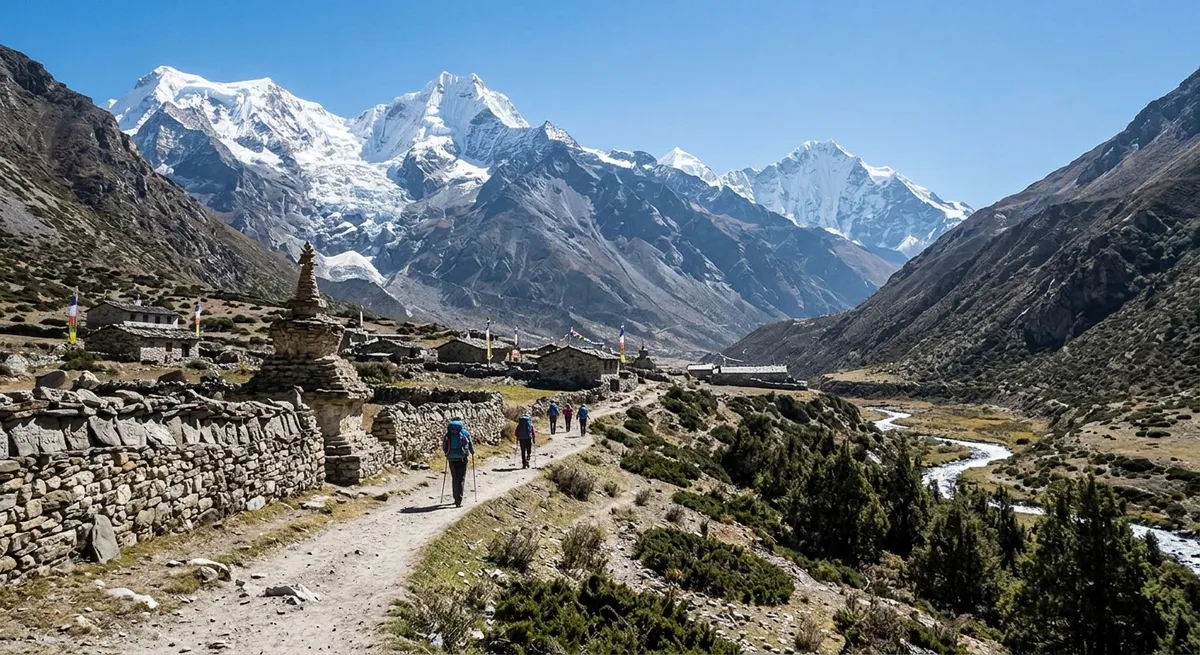
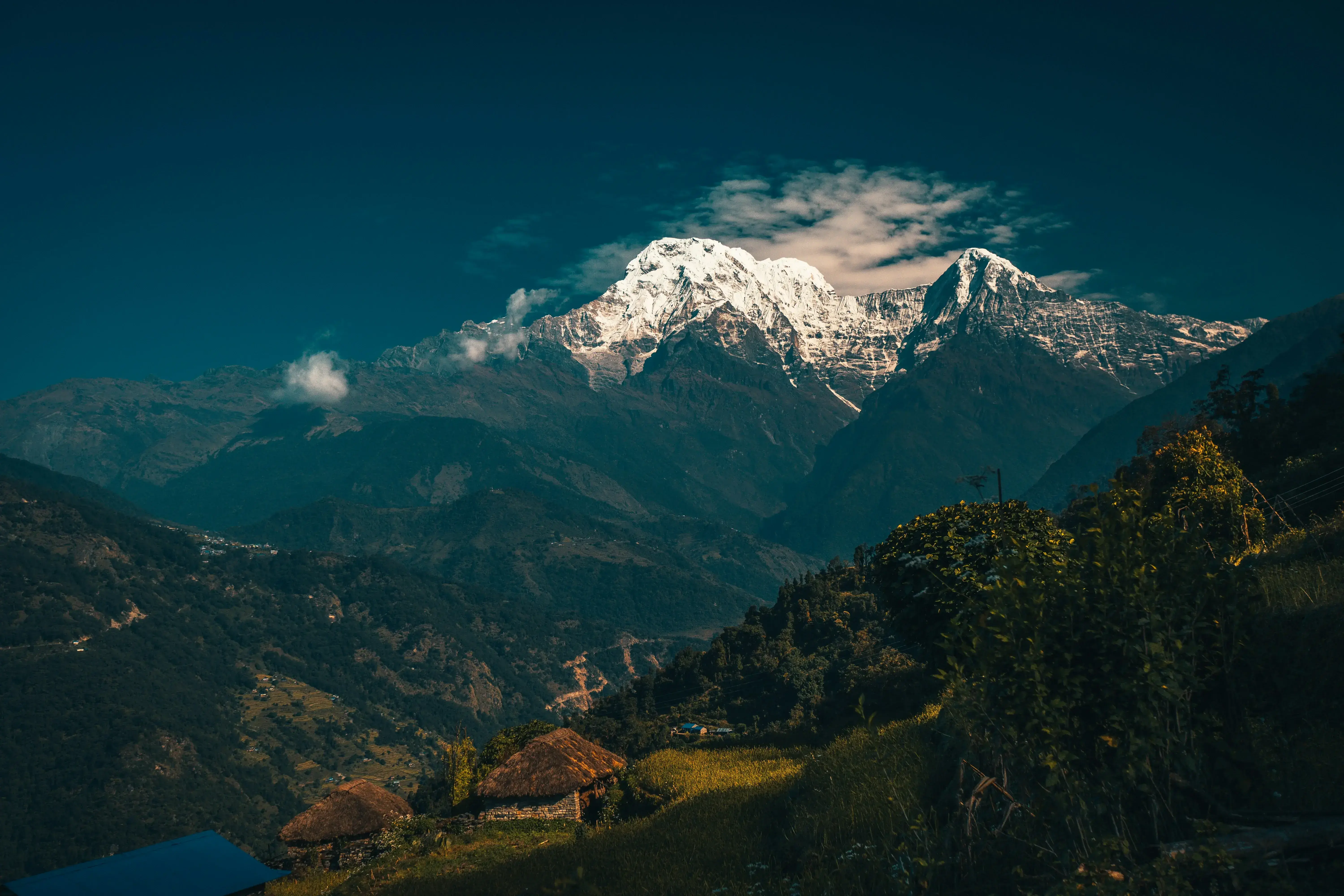
The Tsum Valley sits north of the Manaslu massif, hemmed in by the Ganesh Himal range to the east and the Shringi Himal to the west. The trail splits from the Budhi Gandaki path at Lokpa and climbs a separate drainage through the villages of Chumling and Chhekampar, the two settlements that anchor lower and upper Tsum. From Kathmandu, the approach is a long, spectacular drive of roughly eight to nine hours along the Trishuli river corridor toward Soti Khola and then on foot up the gorge.
Because the valley was opened to restricted-area trekking only in 2008, it never experienced the teahouse boom that reshaped the Annapurna region. Lodging is simpler, groups are smaller, and the trail rhythm still follows yak caravans, prayer hours and harvest seasons. The pay-off for that simplicity is authenticity: Tsum remains a place where the monastery, not the menu board, is the center of the village.
Which Sacred Sites Will You Visit Inside the Valley?
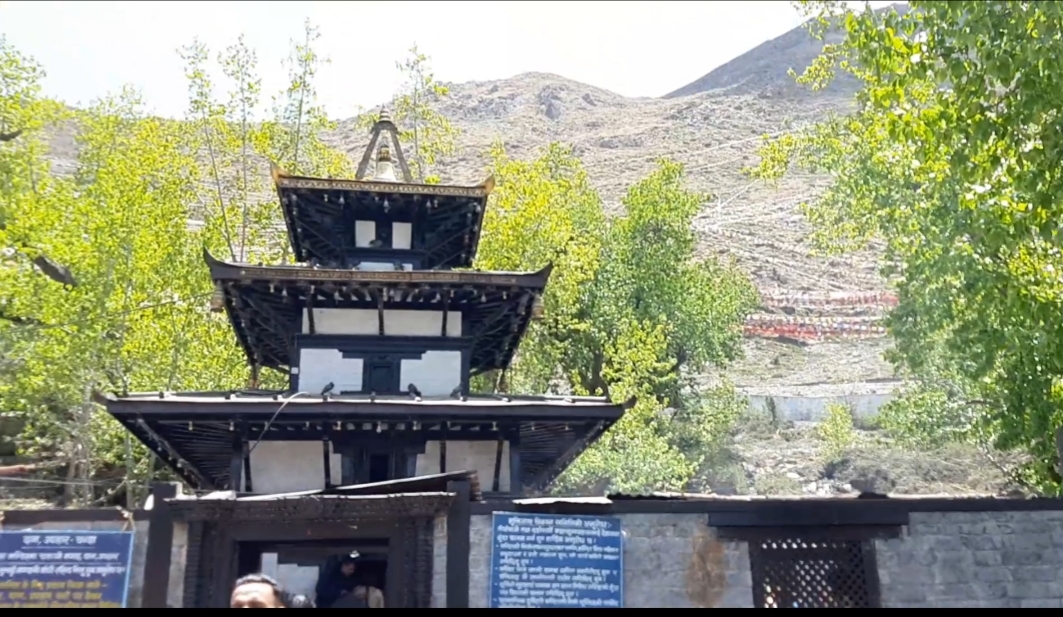
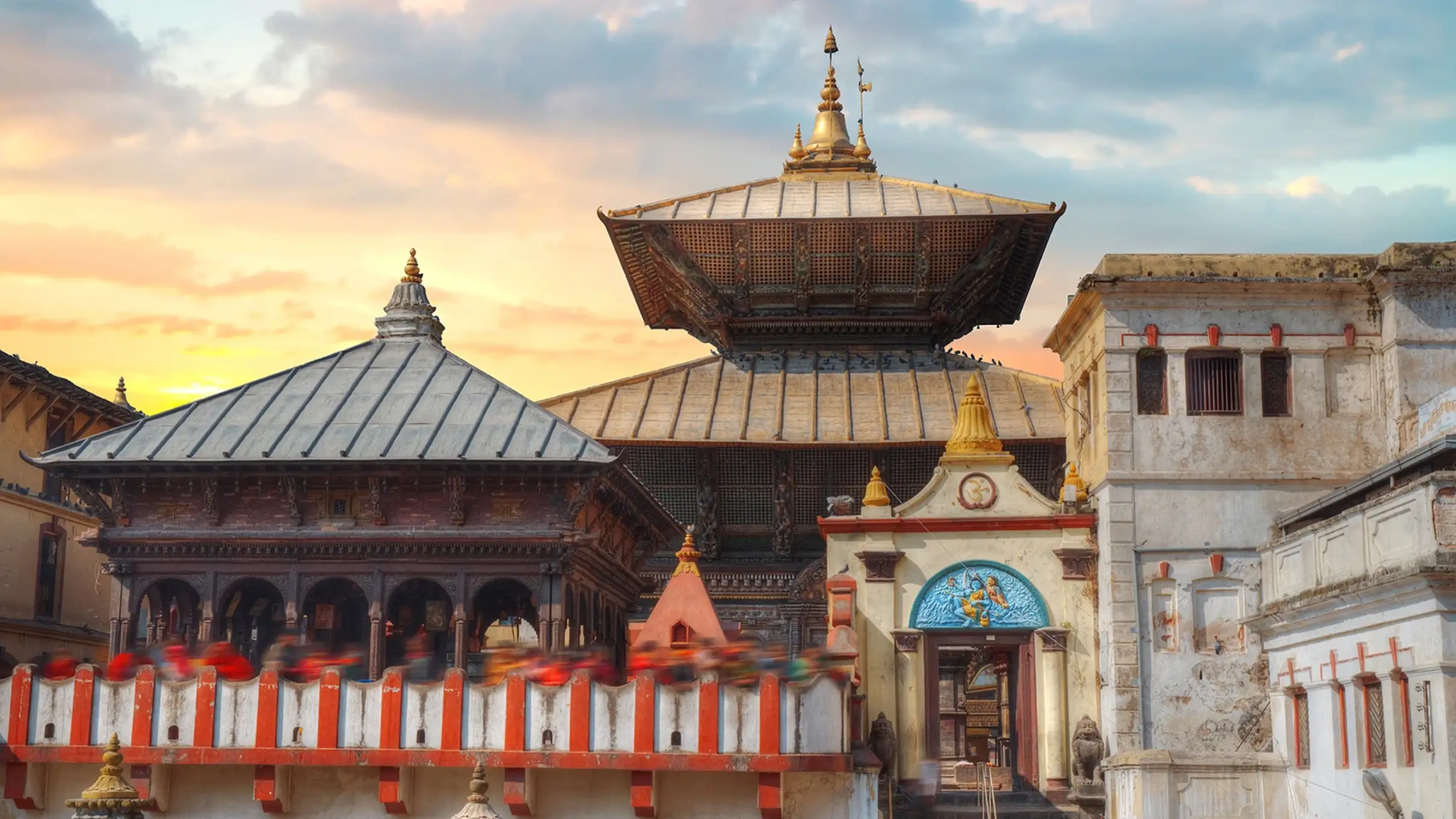
The heart of any Tsum Valley trek is its constellation of sacred sites, several of which appear by name in the EHT itinerary itself: ancient Gampa monasteries, Milarepa's Cave, and Mu Gompa, the largest monastery in the valley. Expect mornings that begin with chanting rather than alarm clocks, and afternoons spent walking between temples that have served their communities for centuries.
- Milarepa's Cave (Piren Phu). High on a cliff above the upper valley, this cave is revered as a meditation retreat of Milarepa, Tibet's most beloved yogi poet. Pilgrims leave butter lamps and offerings at the small shrine; trekkers come for the quiet and the sweeping view over the valley floor. It is one of the most atmospheric stops on the entire forbidden valley adventure itinerary.
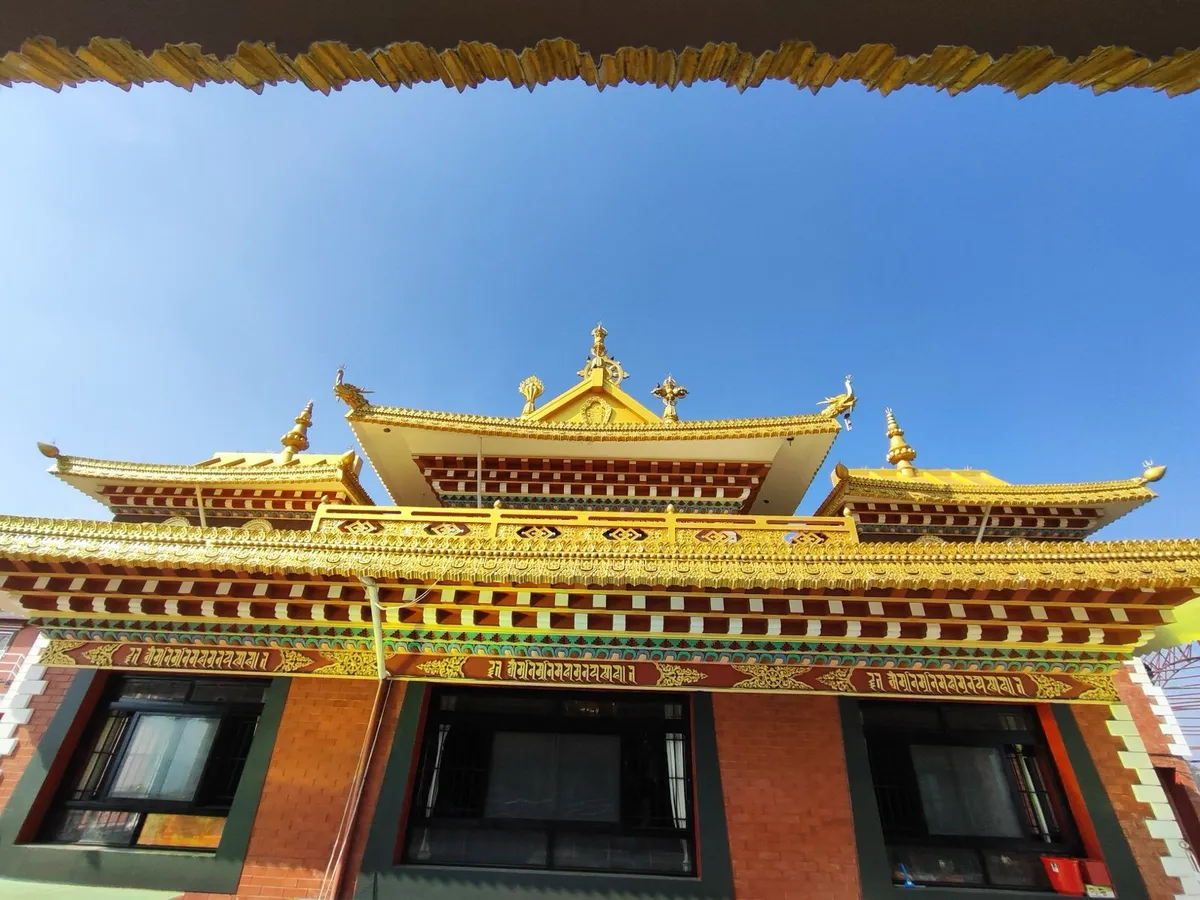
- Mu Gompa. The largest monastery in the valley sits near the upper limit of settlement, close to the Tibetan border and the long yak tracks beyond. Its thick stone walls, dim butter-lit chapels and library of wrapped scriptures feel untouched by the outside century. Visiting respectfully, with the courtesies covered in our monastery etiquette guide, is one of the great privileges of this trek.
- Rachen Gompa. Across the valley from the main trail, Rachen is the region's renowned nunnery, home to a large community of nuns whose daily puja fills the temple with drums and low horns. Visitors are welcome to sit quietly at the back during ceremonies.
- Mani walls and chhortens. From Lokpa upward the trail is lined with intricate mani walls, some of the longest carved prayer-stone walls in Nepal. Walk to the left of them, clockwise, as the locals do, and let the stones do the praying.
- Village temples of Chhekampar. The upper village cluster holds several historic Gampa, including the temple at the heart of the old trading settlement, where seasonal festivals still gather the whole valley.
If cave shrines and cliffside hermitages speak to you, pair this journey with our guide to Nepal's hidden hermitages, and if you want to arrive with a steadier mind, our meditation for beginners guide is a gentle place to start. A short monastery etiquette and meditation session in Kathmandu before your trek is another excellent way to tune your ear to temple life.
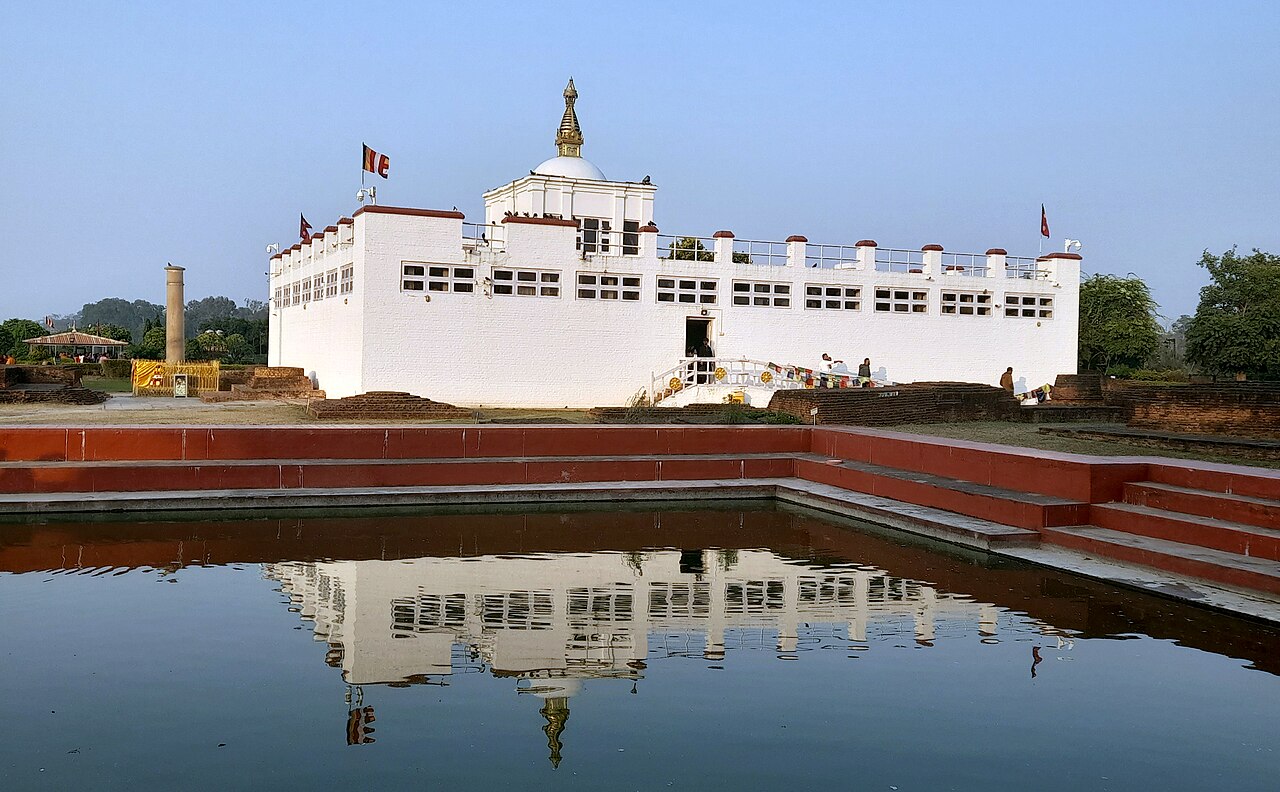


Walk the Sacred Valley With Enticing Himalayas
Our Tsum Valley journeys are guided end to end, with monastery visits, homestays and the Larkya La crossing built into the route.
Manaslu and Tsum Valley Trek 2026
The signature 18-day circuit with Milarepa's Cave, Mu Gompa and Larkya La.
The Forbidden Valley Adventure
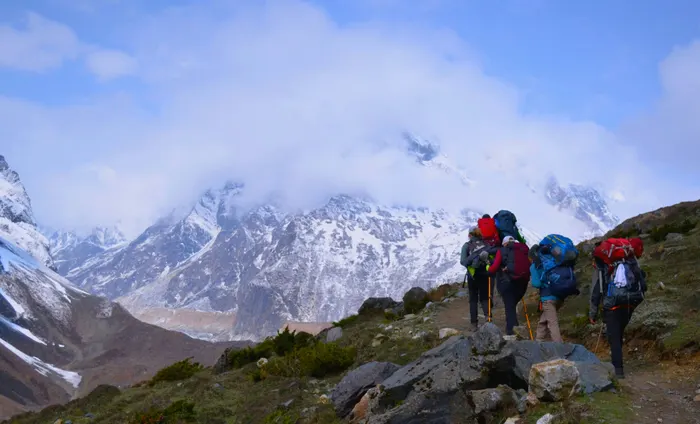
12 days of monastery homestays and gentle village culture.
From USD 2,100
Manaslu Circuit + Tsum Combined
The full 20-day remote adventure across both valleys.
From USD 2,400
How Does the Tsum Valley Trek Unfold Day by Day?
A full Manaslu Circuit with Tsum Valley combination runs 18 days on our flagship itinerary, while gentler Tsum-focused versions run around 12 days. Below is the shape of the complete route, condensed from the EHT itinerary, so you can see how the sacred valley detour plugs into the classic circuit.
Days 1 to 4: the approach. A long but scenic drive of eight to nine hours along the Trishuli river carries you from Kathmandu toward the trailhead at Soti Khola. The first trekking days follow the Budhi Gandaki through terraced hills, a natural hot springs stop at Tatopani, and the checkpoint where you officially enter the Manaslu Conservation Area. By day four the gorge opens and the first views of the Ganesh Himal range appear.
Days 5 to 8: into sacred Tsum. At Lokpa the trails divide: the main circuit continues up the Budhi Gandaki, while your route climbs into the Tsum drainage. These are the days the trek earns its spiritual reputation. You pass the ancient Gampa monasteries of the lower valley, then Milarepa's Cave at Piren Phu, then walk the upper valley to Mu Gompa, the largest monastery in the region, near the border yak tracks. Day eight retraces the Tsum landscapes southward, unhurried, with the mountains of the Tibetan frontier behind you.
Days 9 to 13: rejoining the circuit. At Lokpa you rejoin the main Manaslu trail and climb through pine forest past some of the most intricate mani walls in Nepal. The route rises to the stone villages of the Nubri side, with panoramic views of Mount Manaslu growing day by day. A gentler walking day brings glacial views and a side hike that touches the foot of the mountain's icefall country before the trail turns toward the pass.
Days 14 to 18: the pass and the long way home. The route climbs through yak pastures and desolate high country to Larkya Phedi, the high camp below the pass. Then comes the great crossing, and finally a massive descent through rhododendron forest to the Marsyangdi valley, ending with an off-road jeep drive of ten to twelve hours to Besisahar and the road back to Kathmandu.
For a deeper comparison of the circuit on its own, see our 14-day Manaslu Circuit itinerary guide and the companion Manaslu Circuit cost breakdown. Families and slower walkers should also consider the 12-day family cultural trek, which keeps the valley's heart while trimming the hardest stages.
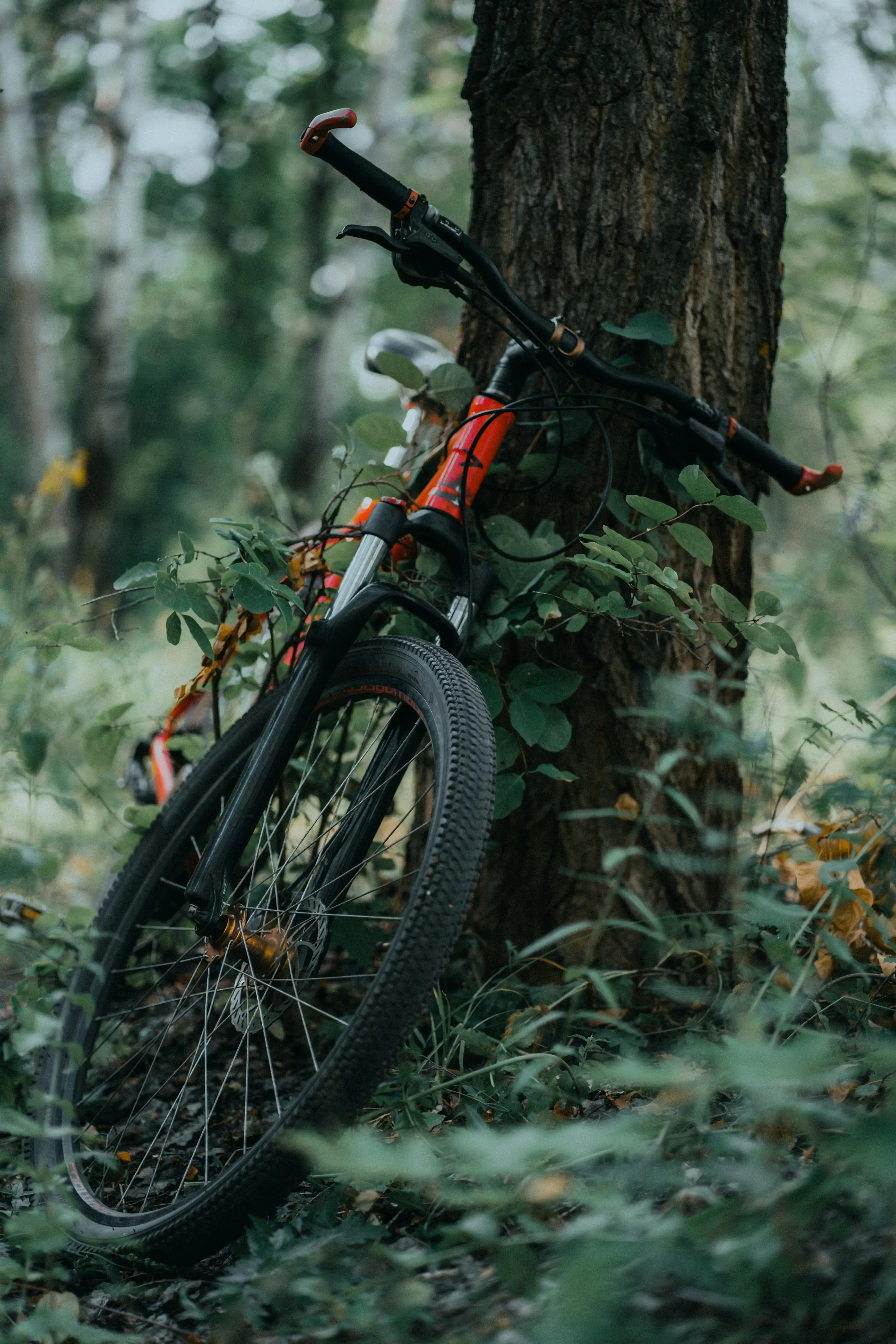
Crossing Larkya La: The 5,106-Meter Threshold
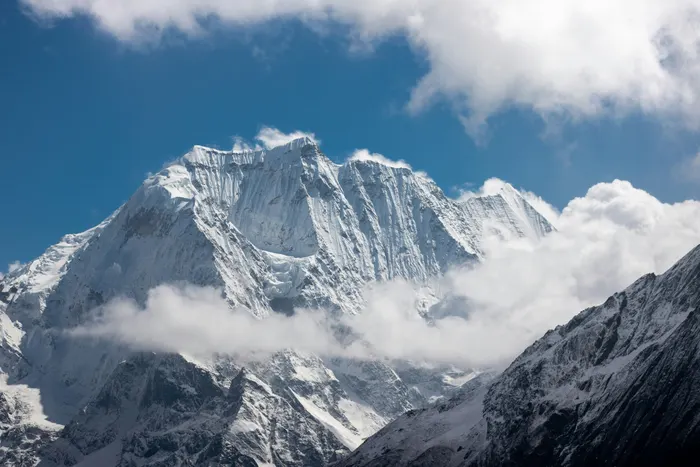
The Larkya La at 5,106 meters is the physical and symbolic climax of the route, the point where the sacred valley hands you over to the Annapurna side of the watershed. The crossing day is long, often eight to ten hours of walking, starting before dawn with head torches and ending with a knee-testing descent to Bimthang at 3,590 meters. On a clear morning the pass is one of the great amphitheaters of Nepali trekking: Himlung and Cheo Himal to the north, the Manaslu wall behind you, and prayer flags snapping in a wind that never fully sleeps.
Treat the pass with the respect a threshold deserves. Sleep low the night before at Larkya Phedi, start early, and let the guide set the pace. Many trekkers tell us the pass, not the monasteries, is what they thought about for months afterward; others say the opposite. Both are right, which is exactly what makes this combination trek so complete.
How Hard Is the Tsum Valley Trek?
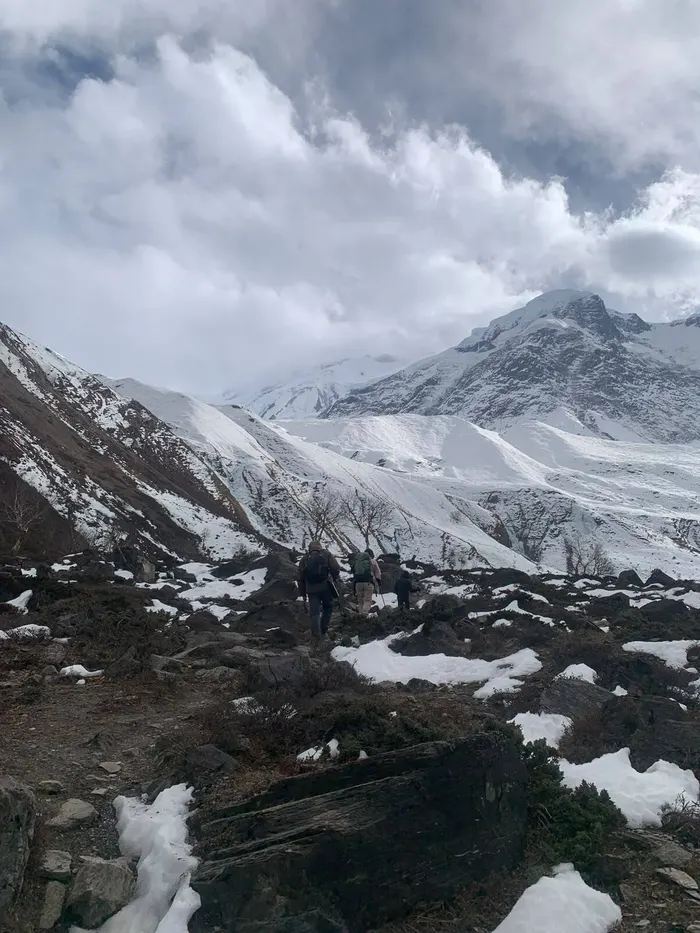
The trek is genuinely challenging and high altitude. The EHT trip notes call for excellent physical fitness, and they mean it: you will walk six to eight hours on most days, sleep above 3,000 meters for a week or more, and cross a pass above 5,000 meters where temperatures drop well below freezing even in autumn. The rewards are commensurately rare, which is why preparation matters more here than on most Nepali routes.
Three honest yardsticks: if you can walk six hours of hills at home without misery, you have the base fitness; if you have trekked to Everest Base Camp or around Annapurna before, the days will feel familiar in length but wilder in feel; and if 5,000 meters is new territory for you, build acclimatization days into your plan and say so when you book, so the itinerary can breathe. Our trekking skills and navigation session is a smart add-on for first-time wilderness trekkers, and the complete guide to trekking in Nepal covers fitness, insurance and altitude planning in detail.
What Permits Do You Need for the Tsum Valley Trek?
The Tsum Valley sits inside the Manaslu restricted area, so every trekker needs a stacked set of permits arranged through a registered agency. In short: the Restricted Area Permit, the Manaslu Conservation Area Permit, a TIMS card, and an Annapurna Conservation Area Permit for the exit side of the trail. Independent trekking is not permitted anywhere in this region, which is one reason the valley has stayed so quiet.
- Restricted Area Permit (RAP). Issued by the Department of Immigration in Kathmandu and priced per week: USD 100 per person per week in the autumn peak of September through November, and USD 75 per person per week in the off-peak months. Days beyond the first week are charged at roughly USD 15 per day. An 18-day Tsum and Manaslu combination needs about three weeks of coverage.
- Manaslu Conservation Area Permit (MCAP). A one-time fee of about USD 30 per person that funds conservation and community projects across the region, checked at the Jagat checkpoint as you enter the conservation area.
- Annapurna Conservation Area Permit (ACAP). Because the circuit exits through the Annapurna side at Dharapani after the Larkya La crossing, the ACAP fee of NPR 3,000 applies as well.
- TIMS card. The Trekkers Information Management System registration is handled together with your guide and agency paperwork.
We break down every permit, fee and document in the companion Manaslu Circuit permits guide, and the broader Nepal trekking permits explained article covers ACAP, MCAP and restricted-area rules for every region. The key planning takeaway is simple: because the RAP is priced per week, a longer Tsum itinerary costs more in permits, but it also buys you the valley's rhythm instead of a rushed transit.
How Much Does the Tsum Valley Trek Cost in 2026?
Budget between roughly USD 1,500 and 2,400 per person for a guided Tsum Valley or Tsum and Manaslu journey with Enticing Himalayas, depending on length and style. The 12-day family cultural trek starts at USD 2,100, the 20-day combined circuit at USD 2,400, the winter solitude edition at USD 1,500, and audience-focused versions such as the mother-daughter wellness trek at USD 2,300. Permit stacks add roughly USD 200 to 300 depending on season and duration.
What moves the price is mostly days on trail and group size. A fully supported trek includes your licensed guide, porters, meals and lodging on the mountain, private transport to the trailhead, and the agency-side handling of every permit above. If you are weighing Tsum against other restricted-area journeys, our Manaslu Circuit cost breakdown itemizes every category from teahouse meals to gear rental, and the same logic applies here with a few more days added. Trekkers who compare Tsum with the Upper Mustang trek should note that Mustang's restricted permit alone runs USD 500 for ten days, which makes Tsum one of the most affordable ways to walk a genuinely restricted sacred valley.
When Is the Best Time to Enter the Hidden Valley?
The sweet spots are spring from March to May and autumn from September to November. Autumn delivers the clearest mountain views after the monsoon settles the dust, while spring warms the lower gorge and sets the rhododendron forests on fire between mani walls. Both windows suit the valley's festival calendar, so ask us what ceremonies fall inside your dates.
Winter and monsoon each carry warnings worth hearing. From December to February the winter solitude edition of the trek runs in the lower valley, but the Larkya La can be blocked by snow and the high camps close, so winter trips reshape the route rather than cross the pass. From June to August the monsoon brings rain, leeches and slippery stone steps to the gorge, and cloud often erases the very mountains you came to see. If solitude is your priority and you accept shorter days and colder nights, the December-to-February window rewards patience with empty trails; if views and pass crossings matter most, book autumn.
What Should You Pack for Monasteries and a 5,000-Meter Pass?
Pack for two treks in one bag: warm cultural modesty for the temples below and full alpine armor for the pass above. Layers do the work, and the EHT trip notes for this route spell it out: a down jacket rated to minus fifteen Celsius, a four-season sleeping bag, thermal base layers, a windproof shell, gloves and a warm hat, plus broken-in boots and a headlamp for pre-dawn pass starts.
Add the small sacred-valley items most lists forget. A scarf or shawl to cover shoulders inside monastery chapels, slip-on shoes for temple thresholds where boots come off, small bills for butter-lamp offerings, and a refillable water arrangement rather than bottled plastic, because the valley has no road and everything carried in must be carried out. Reading our monastery etiquette guide before departure is worth more than any gear purchase: walk clockwise, ask before photographs, keep voices low near retreatants, and accept tea when it is offered. For the full gear philosophy, our article on trekking skills and navigation is a good companion read.
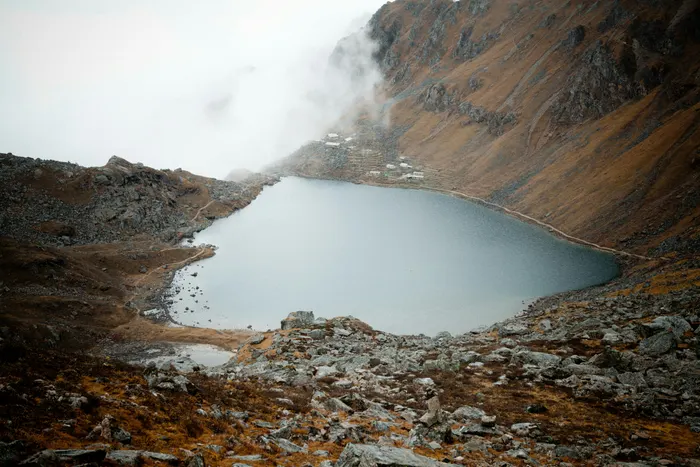

Which Tsum Valley Trek Should You Choose?
Choose by time and by who you travel with. The complete 18-day Manaslu and Tsum Valley trek suits fit first-timers to the Himalaya's wild side who want the full circuit and the Larkya La. Families and culture-first walkers get the same sacred heart in a gentler frame with the 12-day family cultural trek with monastery homestays. And travelers booking by season or pace have dedicated versions too.
Three audience-shaped options have proven especially popular. The mother-daughter Manaslu wellness trek with a female guide blends the valley's calm with rest-day rituals and a slower daily rhythm. The sisters' Himalayan escape compresses the region's highlights into nine days with a photography and spa thread. And the slow-paced seniors edition with porters and medical support proves the sacred valley does not belong only to the young and fast. Whichever frame you choose, the monasteries are the same and the welcome is the same.
Responsible Travel in a Sacred Landscape
Tsum's intact culture is intact because access has been deliberately limited, and every visitor shares the responsibility of keeping it that way. The valley's homestay tradition, similar in spirit to the community homestay experiences we describe elsewhere, keeps trekking revenue inside the households that host you. Carrying out what you carry in, refusing single-use plastic where a filter works, and buying flour, butter tea and handicrafts from village kitchens rather than trailhead shops all matter more here than on busier routes.
Respect inside religious spaces matters just as much as respect for the land. Butter lamps, entrance offerings and monastery donations are a real part of the local economy, so carry small denominations. If a ceremony is in progress, sit quietly and accept whatever hospitality is offered. And when a guide signals that a path or a chapel is off limits, believe them. The valley has guarded itself for a thousand years, and it is guarding itself still.
A Valley That Keeps What You Give It
Most trekkers describe the Tsum Valley in the same few words afterwards: quieter, older, more human. Somewhere between the hot springs of the lower gorge and the wind on the Larkya La, the trek stops being a route and becomes a story you will retell for years, with Milarepa's cliff cave and the chanting of Mu Gompa at its center. If that is the Nepal you came for, plan it properly: start with our guide to planning a trek in Nepal, choose your dates in spring or autumn, and let us handle the permits, the guide and the pace.