
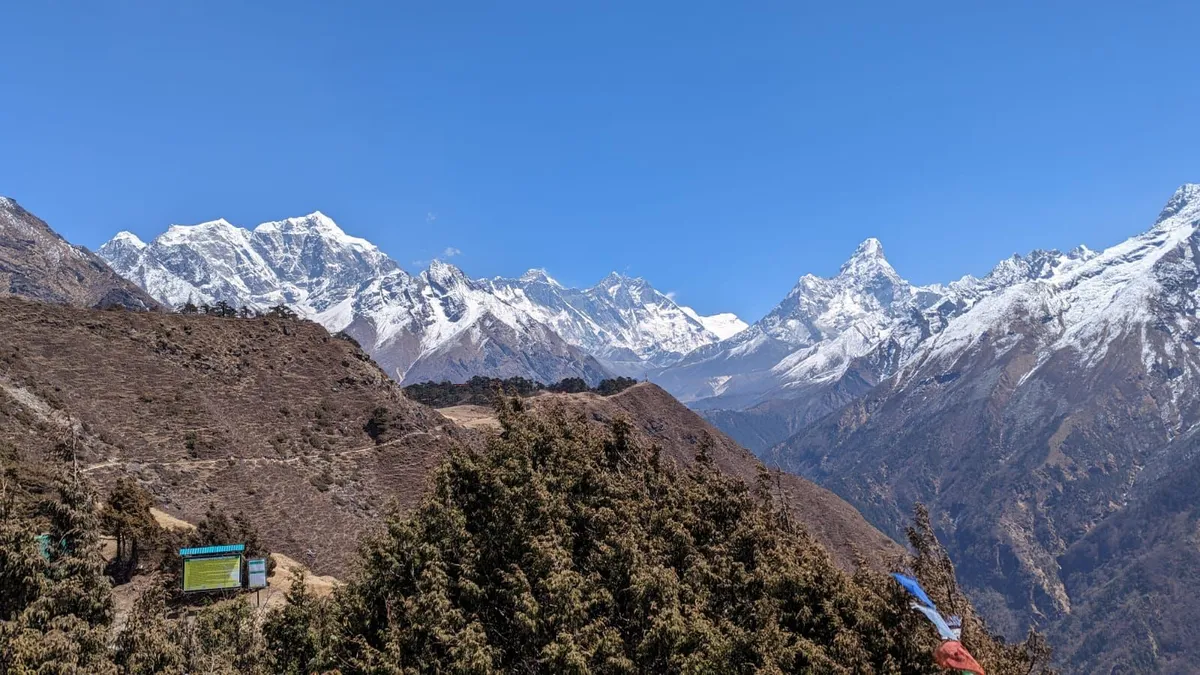
For Everest Base Camp, when you go matters more than whether you go. The same trail that delivers a life-changing, crystal-clear panorama of Everest, Lhotse and Ama Dablam in October can serve up fourteen days of grey cloud, rain and leeches in July. The same teahouse bedroom that costs eight dollars in a quiet February becomes a rationed, sell-out-by-2-pm commodity in the second half of October. Altitude and distance never change, but weather, visibility, crowds, Lukla flight reliability and even what you feel standing on the moraine at 5,364 metres all swing wildly with the calendar.
Here is the quick answer before the deep dive: the two prime trekking windows for EBC in 2026 are late March to the end of May, and late September to the end of November. October is the single most popular month, April is the most atmospheric (rhododendrons in bloom low, Everest climbing expeditions camped up high), and late November delivers arguably the best visibility of the year for the few trekkers who can handle genuinely cold nights. February and mid-December also work if you are cold-tolerant, well-equipped and crowd-averse. The one period we actively discourage is peak monsoon, roughly the last week of June through the third week of August, when Lukla flight cancellations, landslide risk on the lower trail and near-zero peak visibility combine against you.
This guide goes month by month through every trade-off: daytime and nighttime temperatures at Kathmandu, Namche Bazaar and Lobuche, realistic crowd levels, Lukla flight disruption risk, festival dates, and helicopter-tour visibility patterns. If you are still weighing up the overall trip budget, our companion piece on choosing a trekking agency in Nepal in 2026 pairs well with this calendar, and our overview of the best time to visit Nepal in 2026 covers the whole country when EBC is only one stop on a longer itinerary.
Best Time for EBC 2026: Quick-Glance Month Table
| Month | Weather | Crowds | Visibility | Recommended for |
|---|---|---|---|---|
| January | Very cold, dry, -20 C nights above 4,500 m | Very low | Excellent, crisp winter clarity | Hardy solo trekkers, photographers |
| February | Bitter cold but stable, dry air | Very low | Excellent | Cold-tolerant trekkers wanting empty trails |
| March | Warming days, cold nights, light haze low | Building to high by month end | Good, some haze below 3,500 m | First-timers with flexible spring dates |
| April | Warm days (15 C at Namche), freezing nights | High, peak spring rush | Good, best in mornings | First-timers, expedition atmosphere seekers |
| May | Warm, humid, afternoon clouds building | High early month, drops after mid-May | Moderate, peaks often capped by afternoon | Budget trekkers, botanists |
| June | Pre-monsoon showers, humid, warm | Low | Poor, long cloudy spells | Experienced flexible trekkers only |
| July | Peak monsoon rain, landslides low trail | Near zero | Poor, peaks hidden for days | Not recommended |
| August | Heavy rain, Lukla delays worst of year | Near zero | Poor | Not recommended |
| September | Monsoon retreating, fresh green trails | Low until 20th, then builds fast | Improving, excellent after 20th | Shoulder-season specialists |
| October | Stable, clear, cold nights on the high trail | Busiest month of the year | Outstanding | Everyone, book 4 to 6 months ahead |
| November | Cold and crisp, drier air each week | High early, thins fast after mid-month | Outstanding, often the year's sharpest | Photographers, crowd-averse in late Nov |
| December | Freezing nights, sunny calm days | Very low from mid-month | Excellent | Cold-tolerant trekkers, festive escapees |
Peak Season 1: Spring (Late March to May)
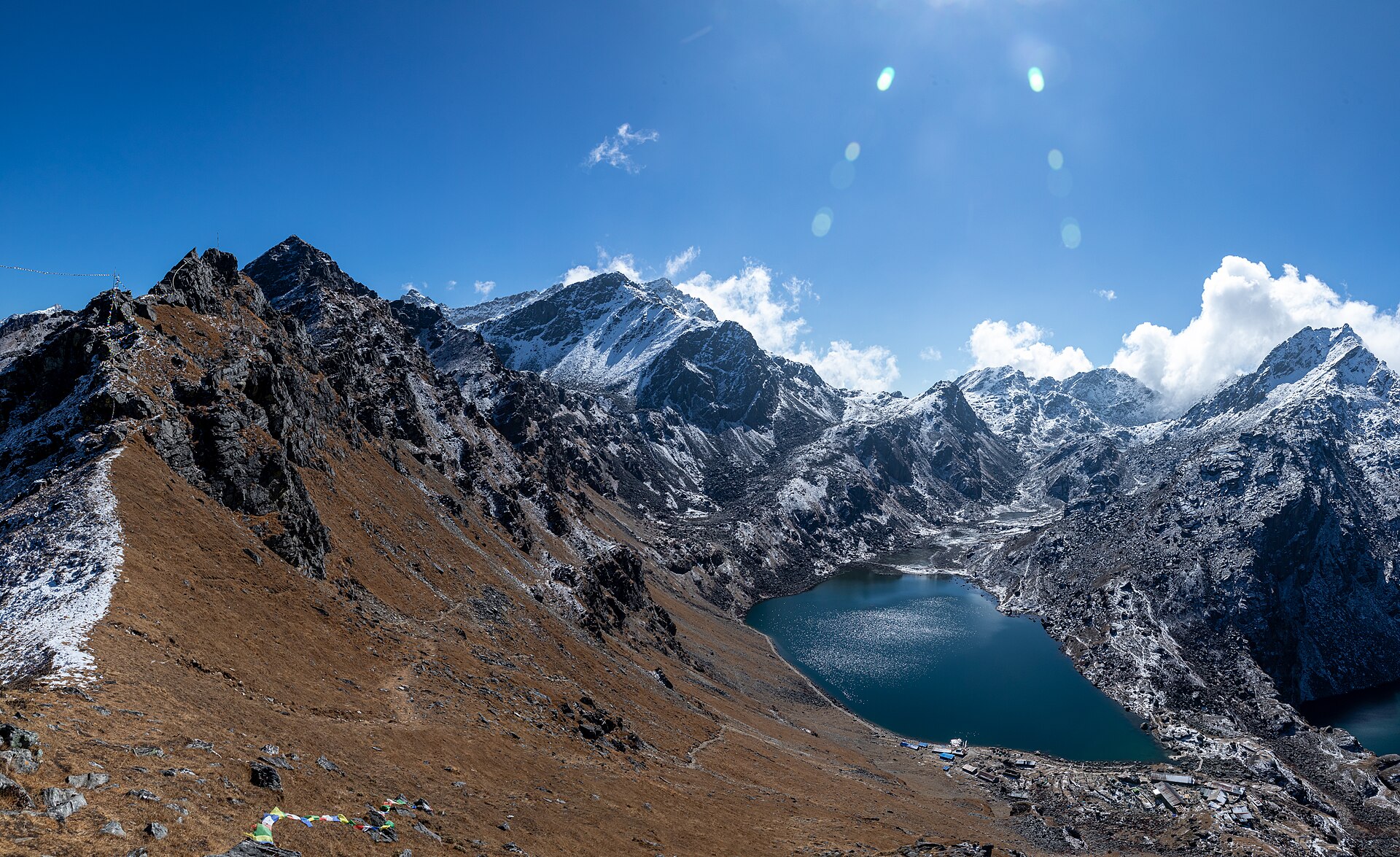
Spring is the season of colour and energy on the EBC trail. From late March the hillsides between Lukla and Tengboche ignite with rhododendron blossom: scarlet and deep pink at lower altitudes, fading to white and pale rose as you climb. Daytime walking temperatures are genuinely pleasant, around 10 to 15 C in Namche Bazaar by April, and the trail below 3,500 metres can feel warm on a sunny afternoon. Nights stay cold, minus 5 to minus 15 C at Lobuche and Gorak Shep, but the pattern is stable and dry.
Spring's defining feature, impossible to experience in any other season, is the Everest climbing season atmosphere. From early April through late May, Base Camp transforms into a temporary city of two to three hundred expedition tents, helicopter shuttles buzz the Khumbu Icefall, and you walk the final moraine stretch past climbers gearing up for the summit window in mid-May. For many trekkers, standing at EBC while expeditions are actually living there is the whole point of choosing spring.
The trade-offs are real. Crowds peak in April: the classic teahouse pinch-points of Dingboche, Lobuche and Gorak Shep regularly fill by early afternoon, and late arrivals end up in dining-room overflow or shared dorms. Lukla flight seats also sell out 8 to 12 weeks ahead in April, and morning haze at lower altitudes softens photography on some days. Visibility at altitude is still good, but it is not autumn-sharp; the air carries a light dust of pre-monsoon haze that autumn rains will eventually scrub away. For a full equipment checklist tuned to spring conditions, see our guide to the Annapurna Base Camp trek which shares 90 percent of the same packing logic, plus our countrywide trek selection framework by difficulty, permits, seasons and budget.
Peak Season 2: Autumn (Late September to November)
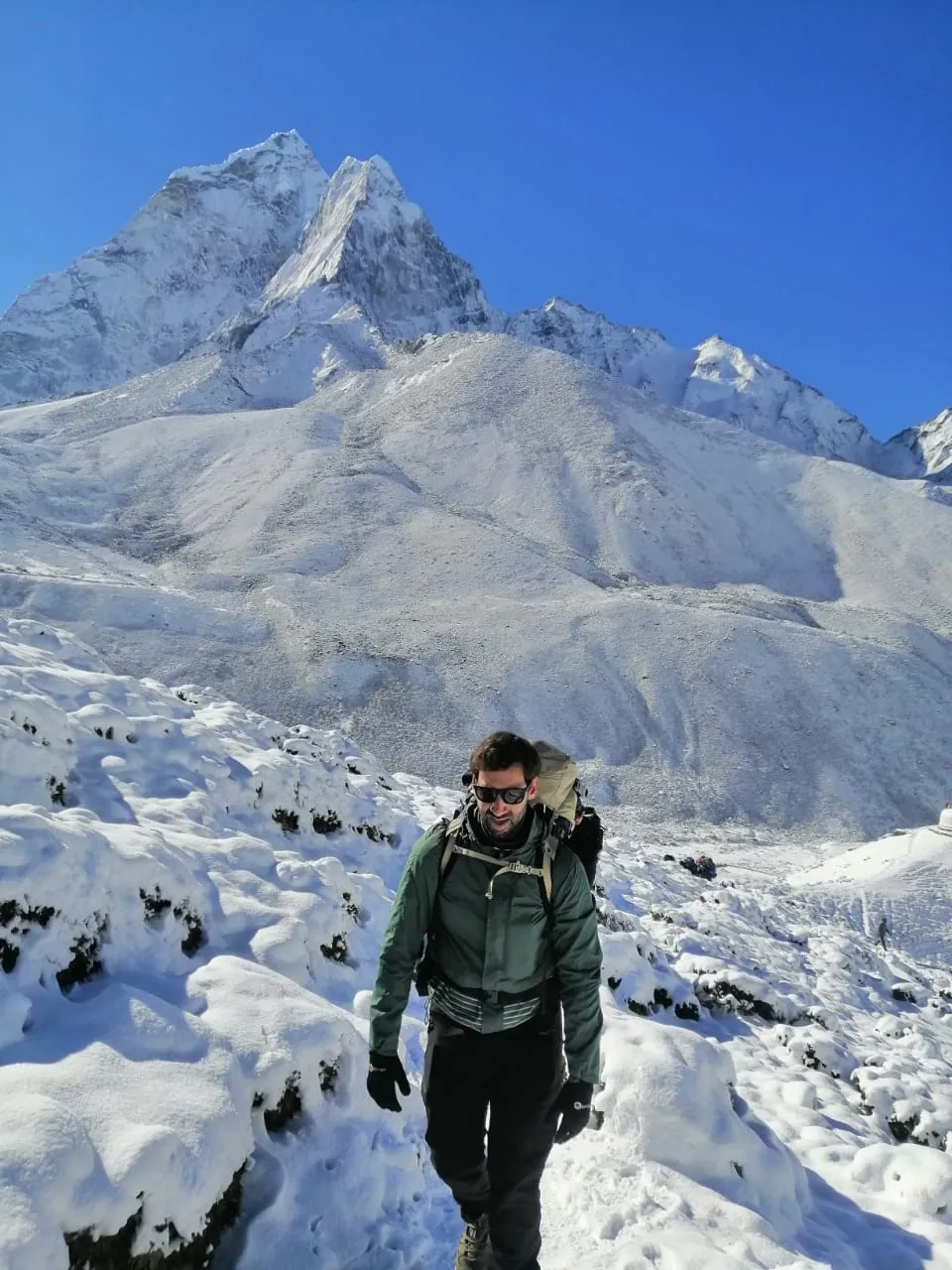
Autumn is the classic EBC season, and for one main reason: visibility. Three months of monsoon rain have washed every particle of dust and haze from the atmosphere, and the post-monsoon high-pressure system that parks itself over the Himalaya from late September delivers the sharpest, deepest mountain views of the year. On a clear October morning from Kala Patthar, Everest, Lhotse, Nuptse and Pumori line up in air so clean it barely feels real. Photographers and first-time visitors who care mainly about the view should aim here.
Autumn is also festival season in Nepal, which adds a cultural layer no other window matches. Dashain falls in early to mid-October in most years, Tihar (the festival of lights) in late October or early November, and the Sherpa festival of Mani Rimdu at Tengboche Monastery typically runs for three days in late October or November, timed to the Tibetan lunar calendar. Watching masked cham dances in the monastery courtyard with Everest above the roofline is one of the genuinely great travel experiences in Asia, and it is only possible on autumn dates.
The costs of all this clarity: crowds peak harder in October than at any other time of year, teahouse beds in Lobuche and Gorak Shep are rationed by 2 pm most days in the second half of October, and prices stay at their seasonal high. Nights on the high trail are properly cold by November, minus 15 C at Gorak Shep is routine, and late-November trekkers need a four-season sleeping bag and a serious down jacket. Still: for the majority of first-time EBC trekkers, October is the default answer, and November the connoisseur's one.
Off-Peak Seasons: Monsoon (June to August) and Winter (December to February)
Monsoon: June to August
We state it plainly: peak monsoon is the one period we do not recommend for EBC. From late June through mid-August, heavy rain hits the lower trail daily, the Lukla flight cancellation rate is the worst of the year (multi-day backlogs are normal in August), leeches appear on the forest sections below Namche, and the peaks disappear behind cloud for days at a time. Landslides occasionally close sections of the Lukla-to-Namche trail, requiring reroutes or delays.
The honest counterpoint, for the small minority of trekkers who know exactly what they are signing up for: June and August trails are empty, teahouse owners are delighted to see you, the valleys are impossibly lush and green, waterfalls thread every cliff face, and the post-rain clarity in the final week of August can be sensational. If you have two spare weeks, total schedule flexibility, and treat mountain views as a bonus rather than the point, a late-August shoulder attempt is a legitimate inside tip. Everyone else: pick another window.
Winter: December to February
Winter EBC is a different, quieter trek for a different, hardier trekker. From early December through February, the high trail above Dingboche is bitterly cold: minus 20 C nights at Lobuche and Gorak Shep are common, and wind chill on Kala Patthar can push the felt temperature far lower. Some teahouses at the top of the valley close entirely for January, and your drinking water freezes solid overnight.
In exchange, winter hands you the two things every other season rations: solitude and clarity. Winter air above the Khumbu is stable and astonishingly clear, the Lukla flights in mid-winter actually run on time more often than in monsoon or stormy shoulder days, and you can have Namche's bakeries, Tengboche's prayer hall and the summit viewpoint of Kala Patthar nearly to yourself. February in particular has quietly become a favourite of returning trekkers and professional photographers: still extremely cold, but with lengthening days, dry trails and near-zero crowds. If you own proper four-season gear and have already done one Himalayan trek, February EBC is one of Nepal's great open secrets. Our piece on altitude sickness prevention and acclimatisation on the Everest trail is essential pre-reading regardless of season, but doubly so on winter trips when evacuation windows are shorter.
Month by Month: The Full 2026 Deep Dive
January
The coldest month on the trail, with nights at minus 15 to minus 20 C above Dingboche and midday highs barely above freezing at altitude. The trade is superb: some of the clearest skies of the entire year, empty trails, and turquiose-blue winter light on Ama Dablam. Many upper-valley teahouses close in mid-January, so confirm beds before you commit. Only for experienced, properly equipped cold-weather trekkers.
February
The insider's pick. Still extremely cold at night (minus 15 C at Gorak Shep), but days gradually lengthen and warm, trails stay bone-dry, and visibility is outstanding. Crowd levels are close to zero: you may share Lobuche with a dozen other trekkers instead of two hundred. Lukla flight reliability is good. Highly recommended for returning trekkers and photographers who can handle the cold.
March
The season opens. Early March still feels wintry above Namche, but by the final week daytime temperatures are comfortable, rhododendrons begin blooming on the lower trail, and the first Everest expedition teams arrive at Base Camp. Crowds build steadily through the month. Visibility is good but carries a light low-altitude haze; mornings are the best viewing window. A smart choice for first-timers who want spring atmosphere without April's maximum crowds.
April
Peak spring. Warm walking days, stable weather, rhododendrons in full bloom to Tengboche, and several hundred climbers in residence at Base Camp, which creates an atmosphere no other month can match. The flip side: the busiest teahouses, sold-out Lukla flights unless booked 8 to 12 weeks ahead, and hazy afternoons at lower altitudes. Book early, and add one buffer day on each end of the trek.
May
The warmest trekking month, but a shoulder window in disguise. Early and mid-May still deliver good summit-window atmosphere at EBC and decent morning views, while the final week sees pre-monsoon clouds build every afternoon, humidity rise, and showers reach the lower trail. Crowds thin sharply after 15 May, and prices soften. A reasonable choice for flexible, budget-aware trekkers who can finish by mid-month.
June
Transition month. The first half often stays trekable, with hot humid days, afternoon cloud, and rain arriving by evening. From roughly 20 June the monsoon sets in properly: daily rain, leeches below Namche, obscured peaks, and Lukla delays. Not recommended unless you are highly experienced, completely flexible on dates, and treat views as a lottery. Trails are at least empty, and the valleys are preternaturally green.
July
Peak monsoon. The wettest month of the year, with the highest landslide risk on the lower trail, the poorest mountain visibility (peaks hidden for days at a stretch), and regular multi-day Lukla cancellations. We do not sell or recommend EBC treks in July. If July is your only window, consider rain-shadow destinations such as Upper Mustang instead, or switch to a cultural and spiritual tour of Nepal's heritage heartland.


August
More monsoon, with a twist: the final week of August often delivers remarkable post-rain clarity, fresh snow on the high peaks, and newly green trails, all with near-zero crowds. Lukla cancellations are still the worst of the year, so hold a completely flexible schedule. Early August is a no; the last ten days are a legitimate gamble for veteran trekkers only.
September
The great changeover month. Rain persists into around 10 to 15 September, then the monsoon retreats quickly, trails dry, leeches vanish, and the air crystallises. Trekking from roughly 20 September gives you autumn-sharp visibility at a fraction of October's crowds, and teahouses reopen fresh from the off-season. The cloud risk in week one is real, but for shoulder-season specialists, late September is one of the best value windows of the year.
October
The single busiest and most popular month, and for good reason: the most stable weather of the year, outstanding visibility every morning, comfortable days, and cold but manageable nights. Mani Rimdu at Tengboche usually falls in late October. The cost is crowds: book flights, guides and key lodges 4 to 6 months ahead, and expect dining-room backup plans at Lobuche and Gorak Shep if you arrive late in the day.
November
Many repeat trekkers' favourite month. Early November is still busy, but from mid-month the crowds drain away fast while the air gets sharper, drier and clearer week by week. Nights turn seriously cold (minus 10 to minus 15 C at altitude), which keeps the casual trade away and rewards the prepared with the crispest summit views of the year. Late November is the sweet spot of solitude plus visibility.
December
Winter arrives in earnest. Early December is often beautiful, calm and clear with moderate cold; from mid-December the temperatures drop sharply and some upper-valley lodges close for the season. Christmas and New Year at altitude has real appeal for a small, hardy cohort, and Lukla flights are typically reliable in stable winter high pressure. Pack for minus 20 C nights and a glorious empty trail.
Temperature by Season and Altitude
Numbers below are realistic 2026 ranges. "High" is the sunny midday walking temperature; "low" is the pre-dawn minimum. Wind chill on exposed ridges and at Kala Patthar can subtract a further 10 degrees.
| Season | Kathmandu (1,400 m) | Namche Bazaar (3,440 m) | Lobuche (4,940 m) |
|---|---|---|---|
| Winter (Dec to Feb) | high 18 C / low 2 C | high 7 C / low -10 C | high -2 C / low -18 C |
| Spring (Mar to May) | high 28 C / low 12 C | high 12 C / low -5 C | high 3 C / low -12 C |
| Monsoon (Jun to Aug) | high 30 C / low 21 C | high 16 C / low 7 C | high 8 C / low 2 C |
| Autumn (Sep to Nov) | high 27 C / low 13 C | high 11 C / low -3 C | high 3 C / low -10 C |
Notice what the table confirms: the spread between seasons shrinks as you climb. Kathmandu is tropical in monsoon and mild in winter, but Lobuche is below freezing every single night of the year. A four-season sleeping bag is not optional on EBC at any time except perhaps May daytime, and in winter it is survival equipment.
Crowd Calendar: Namche, EBC and Kala Patthar
Crowds on the EBC trail concentrate at three bottlenecks, and each peaks slightly differently:
- Namche Bazaar: busiest 5 to 20 October and 10 April to 5 May, when 400 to 600 trekkers can overnight in the village. The Saturday market stays worth seeing year-round; in October, arrive before 3 pm or accept whatever bed is left.
- Everest Base Camp (day visit from Gorak Shep): at the October peak, expect 150 to 250 trekkers at the cairn between 10 am and 2 pm. For a quieter photo, go for sunrise or wait until after 3 pm when the day-group rush heads back down.
- Kala Patthar (sunrise viewpoint): the classic 4:30 am climb. In late October, a line of 100 to 200 headlamps snakes up the ridge. It is still worth it. In February, you may share the summit with five other people and have a more profound experience.
Shoulder weeks are the professional's answer: arriving at Namche around 20 to 25 September or 20 to 30 November cuts the crowd level by roughly two-thirds while keeping 80 to 90 percent of the visibility.
What About Helicopter Tours? A Different Calendar Entirely
Here is a planning subtlety most blogs miss: the best-time question has a different answer for helicopter tours than for trekking. A trekker lives with the weather for two weeks; a helicopter flight needs roughly three to four clear hours on one specific morning. That changes the risk maths completely.
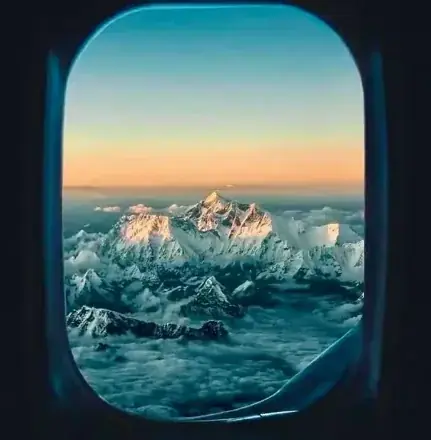
Everest helicopter and scenic-flight operations effectively run February through December, with a month-by-month visibility risk profile that looks like this: February, March, October and November are the gold months, with calm mornings and 80 to 95 percent flight-success rates on clear days. April and May are good but subject to afternoon haze; flights go early to beat it. September climbs from risky in week one to excellent after the 20th. June, July and August are poor: some mornings open beautifully after overnight rain, but cancellation and rebooking rates are at their highest, and operators will often hold flights day by day. December and January can be brilliant but very cold at the landing points, with occasional morning fog in Kathmandu valley.
The practical upshot: if your dates are fixed in a marginal month and the mountains are the point, a helicopter tour or mountain flight is a far better bet in, say, April or December than attempting a marginal-season trek. Browse all options and live schedules on our helicopter tours in Nepal page, see the classic Mount Everest scenic flight from Kathmandu for the budget alternative, or go straight to the flagship Luxury Everest Base Camp helicopter tour with a landing at a view hotel for the full experience. Those combining trekking with a flight back can also review our dedicated Everest Base Camp helicopter tour activity and the mountain flight activity page.
How Late in Each Season Is Too Late?
The shoulder cutoffs matter more than the headline seasons when you are locking flights. Our working rules from years of fixing itineraries for clients:
- Spring: start your trek no later than roughly 10 to 15 May. Later than that and afternoon cloud, humidity and pre-monsoon showers build every week. Summit-window atmosphere at EBC lasts to about 25 May, but trekking comfort drops off after mid-month.
- Autumn: start no later than roughly 25 to 30 November. Early December is still doable and beautiful for the cold-prepared, but lodge closures above Dingboche begin in the second week of December, and a genuine winter storm pattern can arrive any time after 10 December.
- Monsoon shoulder (the contrarian window): enter no earlier than roughly 20 August, and hold three to four buffer days for Lukla. Before that date, rain and landslide risk outweigh the solitude dividend for almost everyone.
- Winter: January is fully viable but the coldest of the year; 15 January to 15 February is the sweet spot of hard cold but stable, dry, clear weather.
Festivals That Add a Seasonal Bonus
Timing a trek around a Sherpa festival turns a great trip into an unforgettable one. The two big dates for the Khumbu:
- Mani Rimdu at Tengboche Monastery (autumn): the region's most important festival, three days of masked cham dances and blessings, usually in late October or early November against the Tibetan lunar calendar. To catch it, plan to sleep in Tengboche or Deboche on the festival nights, which means building your itinerary backwards from the announced dates, typically publicised from August onward.
- Dumji (spring or early summer): a village-level Sherpa festival celebrated in Namche, Khumjung and Thame around May to June, honouring Guru Rinpoche. Dates shift between villages. It is a more intimate, local affair than Mani Rimdu, and a perfect addition to a late-spring trek if your dates line up.
October and November treks can also pass through Kathmandu during Dashain and Tihar, when the whole city celebrates; book domestic arrangements early, because the festival weeks see heavy domestic travel and some office closures. Permit offices stay open, but it is one more reason to have your agency handle the paperwork: the full permit stack for EBC is explained in our guide to Nepal trekking permits and TIMS explained for 2026.
How to Dodge Peak-Season Crowds (Without Dodging Peak Weather)
Five field-tested tactics for having October weather without October's queues:
- Fly to Lukla one or two days before the "official" season pulse. Crowds on the trail follow the international flight arrival rhythm into Kathmandu. Landing mid-week, or arriving in Kathmandu two days earlier than the big tour-group departure waves (which typically leave the city Sunday to Tuesday), puts you half a stage ahead of the pack for the whole trek.
- Walk the shoulder weeks: 20 to 30 September and 18 to 30 November. Same sky, a third of the people.
- Sleep off the famous names where possible. Deboche instead of Tengboche, Pheriche instead of Dingboche, or Dzsonglha instead of Lobuche on the return: every one of these swaps trades a famous address for a quieter, friendlier lodge and an equally good bed.
- Start your walking day at 6:30 to 7 am. The trail between 7 and 9 am is a conveyor belt in peak season; by mid-afternoon it is empty again. Doing Kala Patthar at 3 pm instead of sunrise halves the crowd and often catches the clearest air of the day.
- Accept one village less comfort for booked-in-advance beds. In October, a fixed reservation at Dingboche and Lobuche (arranged by your agency) is worth more than any other single upgrade on the trek.
Real Traveller Scenarios: Three Treks, Three Calendars
Solo female trekker, mid-30s, 25 days off, dates flexible. Recommendation: late September departure, hitting Namche around 30 September and Base Camp in the first week of October. She gets near-peak visibility, lodge availability everywhere, full teahouse camaraderie every evening (solo trekkers are never actually alone on this trail), and a price level just below October's peak. Our roundup of the best treks in Nepal for beginners, families and solo women has more route-level context on why EBC scores highly for solo female travellers.
Family with teenagers, school-holiday window of 12 to 26 October. Recommendation: embrace peak season, but book everything in June. Flights, guides, and confirmed lodge beds at Dingboche and Lobuche all reserved four months out; arrive in Namche mid-week to miss the weekend wave; and keep two Kathmandu buffer nights at the end so a Lukla delay never threatens the flight home. With teenagers, the Base Camp expedition atmosphere and the Mani Rimdu window make October worth the crowd management.
Retired couple, 60s, excellent fitness, hate crowds, cold-tolerant. Recommendation: mid to late November. They trade slightly colder nights for the year's best visibility, half-empty trails, and unhurried evenings with teahouse owners. A slower 16-day itinerary with an extra acclimatisation night at Namche and Pangboche, a porter even though they could carry their own packs, and a guaranteed-bed booking strategy throughout. This is the connoisseur's EBC.
When NOT to Go: Hidden Pitfalls by Month
Some traps do not show up in glossy season summaries:
- Trimid June to 20 August: Lukla cancellations are at their worst of the year, and August backlogs can strand trekkers for two to four days. If you must fly the route that month, hold a buffer week, not a buffer day.
- Week one of September: still effectively monsoon on the trail despite what many calendars claim. Mud, leeches and cloud dominate; wait until the 20th.
- Late-April climbing-window congestion: during the Everest summit-weather windows, helicopter traffic to Base Camp surges for rescues and resupply. It is fascinating to witness, but trekking groups should know the trail and radio chatter get noticeably busier, and LXlodge common rooms fill with expedition crew.
- Afternoons above 4,500 m, any month except autumn: even in good seasons, high-altitude cloud builds by early afternoon. The rule in every season is the same: hike early, arrive by 2 pm, and schedule all viewpoint climbs for dawn.
- March heat waves at lower altitude: an occasional late-March hot spell pushes Lukla-to-Namche daytime temperatures into the high 20s. Dehydration and heat exhaustion, not cold, become the real risks on those days. Carry more water than you think you need.
Booking Lead Time by Season (2026)
| Trek window | Book guide + package by | Lukla flight availability reality | Strategy |
|---|---|---|---|
| April 2026 | December 2025 | Sells out 8 to 12 weeks ahead | Lock everything early; ask about Ramechhap departures |
| October 2026 | June 2026 | Sells out 8 to 10 weeks ahead | The most competitive month; reserve beds at Lobuche and Gorak Shep via agency |
| Late September or November 2026 | July 2026 | Generally OK at 4 to 6 weeks | The value sweet spot: good availability, near-peak conditions |
| February or December 2026 | 6 to 8 weeks ahead | Usually easy, but confirm lodge openings high on the trail | Flexible window; buy good cold-weather gear rather than paying for reservations |
| Late August 2026 (contrarian) | Flexible | Available but unreliable in operation | Buffer everything; consider helicopter backup via helicopter tours in Nepal |
One structural note: during peak season, most airlines move Lukla departures from Kathmandu to Ramechhap (Manthali) Airport, a four-to-five-hour road transfer east of the city. This is normal in April and October, applies to everyone, and should be budgeted into your first and last trekking days. Whatever your season, keep two buffer days at the end of your trip before your international flight home; it is the single most important planning decision in the whole calendar.
Related Guides
- Best Time to Visit Nepal 2026: Weather, Trekking Seasons and Climate Guide
- Everest Region Guide: Lukla to Namche Bazaar Complete Trekking Route Planner 2026
- Altitude Sickness on the Everest and Annapurna Treks: Prevention and Acclimatisation
- Nepal Trekking Permits and TIMS Explained 2026: ACAP, MCAP and Restricted Area Fees
- How to Choose a Trek in Nepal: Difficulty, Permits, Seasons and Budget
- Best Treks in Nepal for Beginners, Families and Solo Women Travellers