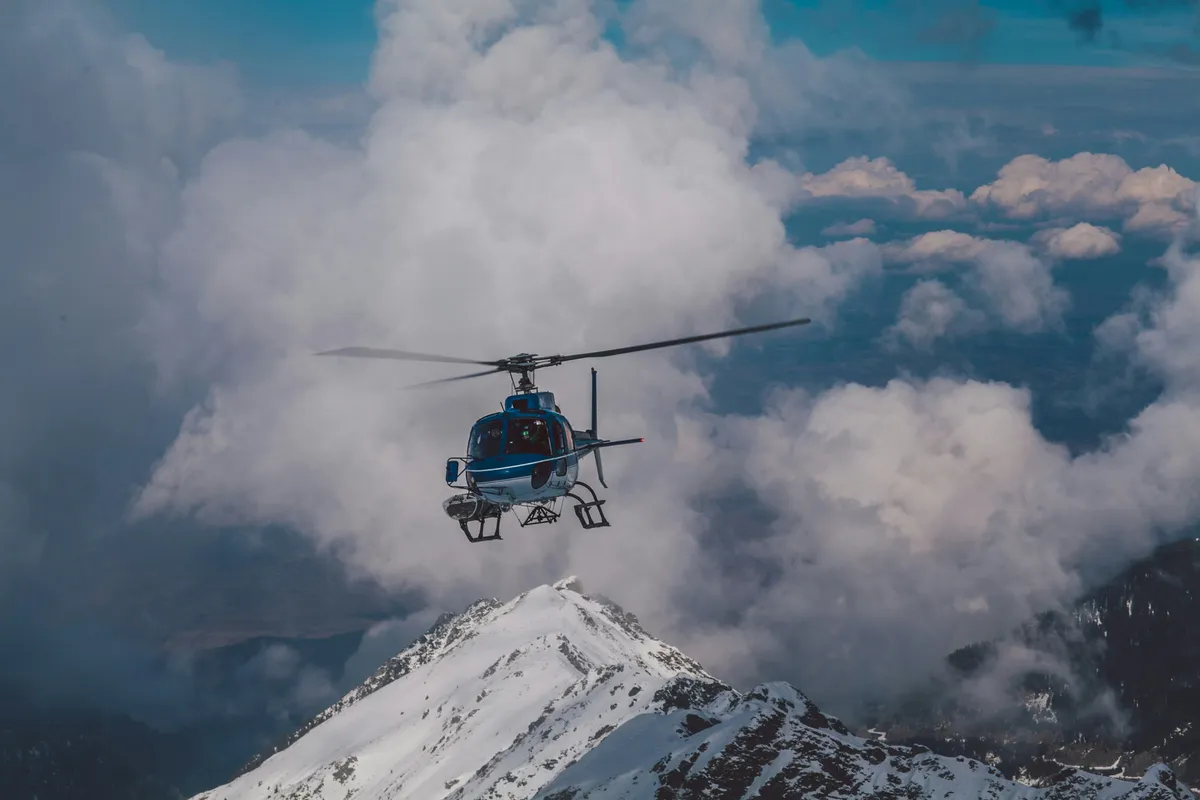
 Timing is everything when you are planning a helicopter tour in Nepal. The difference between a crystal-clear panorama of Everest and a cockpit view of grey cloud can come down to the week you book. Nepal's weather shifts dramatically across its four seasons, and what works for a Kathmandu sightseeing flight in January may be a complete washout for an Annapurna landing in July. This guide breaks down the best time for a helicopter tour in Nepal month by month, covering weather patterns, visibility windows, seasonal pricing, and which routes shine brightest in each season.
Whether you are eyeing the Luxury Everest Base Camp Helicopter Tour with Landing, a romantic Rara Lake helicopter flight, or a spiritual Gosaikunda aerial pilgrimage, the season you choose shapes everything from the quality of your photos to the price you pay. Here is everything you need to know to pick the perfect window.
Understanding Nepal's Four Seasons for Helicopter Tours
Nepal's climate is driven by the monsoon and the Himalayan rain shadow. The country has four distinct seasons, and each one offers a different helicopter tour experience. The key variables are cloud cover, precipitation, visibility range, wind speed at altitude, and temperature at landing sites. Helicopter operators in Nepal fly year-round on many routes, but the quality of the experience varies enormously.
Spring (March to May): The Gold Standard
Spring is widely considered the best time for a helicopter tour in Nepal. From mid-March through late May, the skies over the Himalayas settle into a pattern of clear mornings with moderate afternoon cloud build-up. Temperatures at base camp landing sites like Everest Base Camp (5,364m) and Annapurna Base Camp (4,130m) are manageable, typically ranging from -5C to 5C during landing hours. The rhododendron forests below 3,500m burst into bloom in April, painting the foothills in red and pink, which makes for spectacular aerial photography on the approach to the mountains.
Visibility in spring regularly exceeds 50 kilometres on clear mornings. The air is dry enough that haze is minimal, but not so dry that dust from the Terai plains rises to obscure the foothills. This is the season when you are most likely to get that postcard shot of Everest, Lhotse, and Nuptse lined up in perfect clarity from the helicopter window. Most operators schedule their Everest flights for a 6:00 AM to 8:00 AM departure window to catch the mountains before the afternoon thermals build.
The trade-off in spring is demand. April and May are peak trekking season in Nepal, and helicopter tour bookings fill up weeks in advance. Prices are at their highest, and the busiest landing sites like Kala Patthar and Everest Base Camp can feel crowded with multiple helicopters cycling through. If you want spring conditions without the peak-season premium, target the second half of March or the very end of May, when the weather is nearly as good but the crowds are thinner.
Autumn (September to November): The Close Second
Autumn runs a very close second to spring as the best time for a helicopter tour in Nepal. The monsoon rains wash the dust and pollution out of the atmosphere from June through early September, and when the clouds finally lift in mid-September, the air is the clearest it will be all year. The post-monsoon clarity produces the sharpest long-range visibility of any season, with mountains appearing almost unnaturally crisp against deep blue skies.
October and November are the prime autumn months. Daytime temperatures at landing sites are similar to spring, and the stable high-pressure systems that settle over the Himalayas in October mean multi-day windows of flawless flying weather. This is the ideal season for longer helicopter tours that combine multiple landings, such as an Everest flight with a stop at Hotel Everest View for breakfast, followed by a loop over the Gokyo Lakes.
The main consideration in autumn is the tail end of the monsoon. September can still see residual rain bands, especially in the first two weeks. If you are booking for September, aim for the 15th onward. By October, the monsoon is fully gone and the weather is as reliable as it gets in the high Himalayas. Like spring, autumn is peak season, so book early and expect premium pricing.
Winter (December to February): Clear Skies, Cold Landings
Winter is the sleeper season for helicopter tours in Nepal, and for travellers who can handle the cold, it offers some of the best visibility of the year. The winter months bring stable high-pressure systems that suppress cloud formation, meaning day after day of perfectly blue skies. The mountains are snow-covered and spectacular, and the low sun angle creates dramatic lighting for photography throughout the day.
The catch is temperature. At Everest Base Camp in January, daytime highs may only reach -10C, and the wind chill at the landing zone can make it feel closer to -20C. Helicopter cabins are heated, but the few minutes you spend outside at the landing site will be genuinely cold. For the Annapurna Base Camp helicopter tour, winter landings are slightly milder, with temperatures around -5C to 0C, but you will still want serious layers.
Winter is also the season when high-altitude landing sites can be snowed in. Kala Patthar and Everest Base Camp remain accessible by helicopter year-round because helicopters land on cleared pads, not on snowfields, but some secondary landing sites in the Annapurna and Langtang regions may be temporarily unavailable after heavy snowfall. Always confirm landing site status with your operator a day before the flight.
The big advantage of winter is availability and price. December through February is the low season for tourism in Nepal, and helicopter operators often offer discounted rates. You can book an Everest helicopter tour in January for 15 to 25 percent less than the April price, and you will likely have the landing site to yourself. For photographers chasing pristine snowscapes and empty skies, winter is the hidden gem of the helicopter tour calendar.
Monsoon (June to August): The Risk Season
The monsoon is the most challenging season for helicopter tours in Nepal, but it is not a complete write-off. From mid-June through early September, the Indian Ocean monsoon pushes moisture-laden air against the southern face of the Himalayas, producing heavy cloud cover, frequent rain, and reduced visibility. Most Everest and Annapurna helicopter tours are grounded on the majority of monsoon days, and even when flights do operate, the views are often obscured by cloud.
However, the monsoon has a unique advantage: the rain-shadow regions north of the Himalayan crest. The Mustang and Dolpo regions, lying in the trans-Himalayan rain shadow, receive very little monsoon rainfall. Helicopter tours to Muktinath and Upper Mustang can operate reliably throughout the monsoon because the flight path crosses the Annapurna range into the dry zone beyond. The Muktinath helicopter pilgrimage is one of the few aerial tours in Nepal that runs consistently from June through August.

If you are travelling to Nepal during the monsoon and still want a helicopter experience, target Mustang-region flights or short Kathmandu Valley scenic flights that can operate in the morning window before the clouds build. Be flexible with your dates, and have a backup plan. The monsoon is also the cheapest season for helicopter tours, with some operators offering 30 to 40 percent discounts on standby bookings.
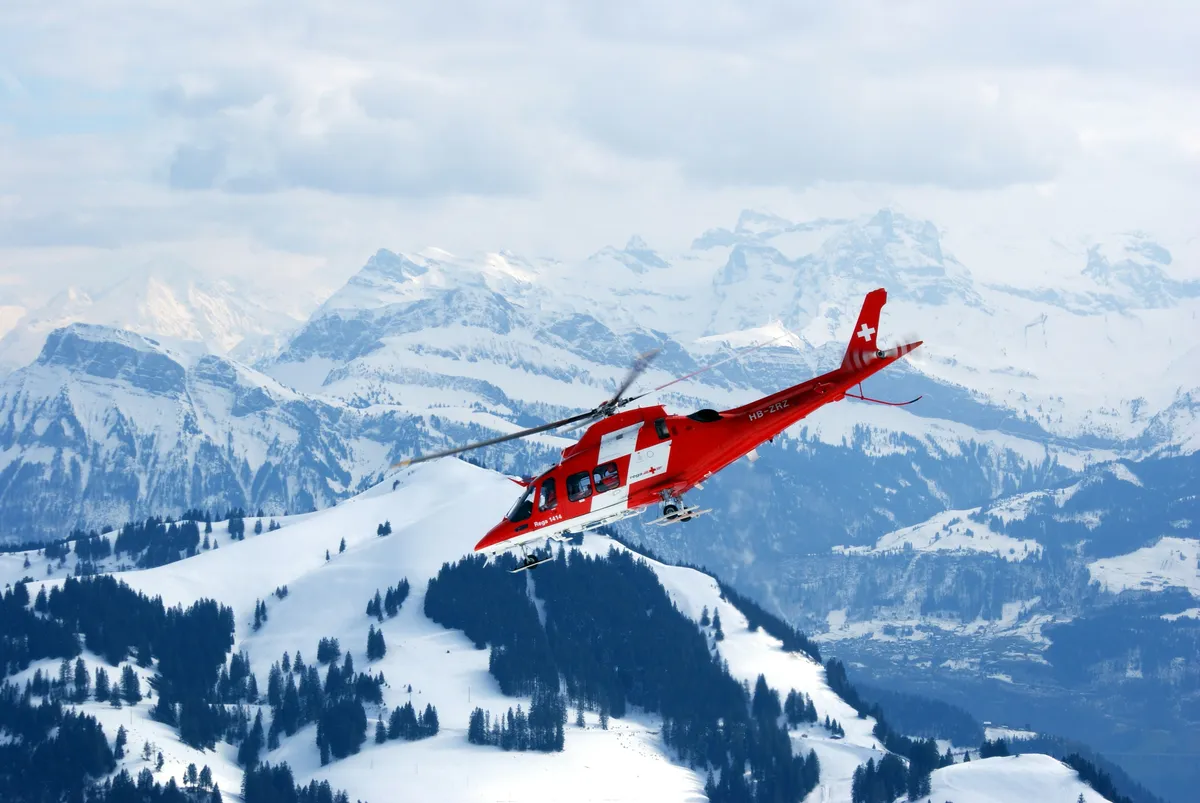
Month-by-Month Breakdown
January
January delivers the clearest skies of the year, with visibility often exceeding 60 kilometres. The mountains are draped in fresh winter snow, and the low sun angle creates golden-hour light that lasts for much of the morning. Temperatures at landing sites are the coldest of the year, typically -10C to -15C at Everest Base Camp. Flights operate reliably, but dress for Arctic conditions. This is the best month for photographers who prioritise clarity over comfort. Prices are at their annual low.
February
February continues the winter pattern of clear skies and cold landings. Temperatures begin to warm slightly by the end of the month, and the days grow noticeably longer. The snowpack is at its deepest, making for dramatic aerial views of the Khumbu Icefall and the Annapurna Sanctuary. Chinese New Year and Losar (Tibetan New Year) sometimes fall in February, bringing a modest uptick in regional tourism. Still a low-season month with excellent availability.
March
March is the transition month. The first two weeks still feel like winter, with cold mornings and clear skies. By the third week, spring arrives in earnest: temperatures rise, rhododendrons begin blooming in the middle hills, and the helicopter tour season shifts into high gear. Visibility remains excellent, and the warming temperatures make landings far more comfortable. Late March is arguably the sweet spot of the entire year: spring conditions without the April crowds or peak pricing.
April
April is the busiest month for helicopter tours in Nepal. The weather is near-perfect: warm enough for comfortable landings, clear enough for stunning photos, and stable enough that cancellations are rare. The rhododendron bloom is at its peak, adding colour to every flight below 3,500 metres. The trade-off is congestion. Everest Base Camp and Kala Patthar can see a dozen helicopter landings on a busy April morning. Book at least three to four weeks in advance, and expect to pay peak-season rates.
May
May is the last month of the spring season, and it is a tale of two halves. The first two weeks are nearly as good as April, with clear mornings and manageable afternoon cloud. By the third week, pre-monsoon humidity begins building, and afternoon thunderstorms become more frequent over the mountains. Flights that depart by 7:00 AM still get excellent conditions; afternoon flights are riskier. Late May offers a window where the weather is still good but the crowds have thinned, making it a smart choice for flexible travellers.
June
June is the onset of the monsoon. The first week or two may still see flyable mornings, especially on Mustang-region routes, but by mid-June the cloud cover over the eastern and central Himalayas becomes persistent. Everest and Annapurna helicopter tours are grounded on most days. The exception is the trans-Himalayan rain shadow: flights to Muktinath, Upper Mustang, and Dolpo can operate throughout June with reasonable reliability. This is the cheapest month for helicopter tours, but only if you target the right routes.
July
July is the heart of the monsoon. Kathmandu sees daily rain, and the mountains are shrouded in cloud for days at a time. Mainstream Everest and Annapurna helicopter tours are largely non-operational. However, the Mustang region remains dry, and the Muktinath helicopter pilgrimage is one of the few aerial tours that runs consistently. The landscape in the rain shadow is stark and beautiful, with deep blue skies contrasting against the arid brown and red cliffs of the Kali Gandaki gorge. If you are in Nepal in July and determined to fly, this is your best option.
August
August is similar to July, with heavy monsoon conditions over most of the country. By the last week of August, the monsoon begins to weaken, and the first clear mornings of the post-monsoon season may appear. Flights to Mustang continue to operate reliably. Late August can offer a brief window where the monsoon is retreating but the autumn crowds have not yet arrived, making it a potential bargain window for flexible travellers who can book on short notice.
September
September is the transition out of the monsoon. The first two weeks are unpredictable: some days are clear, others are still wet. By September 15th, the monsoon has typically withdrawn, and the post-monsoon clarity begins to set in. The air is scrubbed clean by months of rain, and the mountains emerge with extraordinary sharpness. Late September is the start of the autumn helicopter tour season, and it offers some of the best visibility of the entire year. Book from the 20th onward for the most reliable conditions.
October
October is the crown jewel of the autumn season. The skies are deep blue, the air is crystal clear, and the mountains look close enough to touch. This is the busiest month after April, and helicopter tours book out well in advance. The Dashain and Tihar festivals fall in October most years, adding a cultural dimension to your visit. If you can only fly once and want the highest probability of perfect conditions, October is your month. Expect peak pricing and book at least a month ahead.
November
November extends the autumn window with slightly cooler temperatures and equally good visibility. The tourist crowds begin to thin after the first week, but the weather remains excellent through the end of the month. This is a favourite month for experienced travellers who want autumn clarity without the October rush. The low sun angle in late November creates beautiful long-shadow photography conditions. Daytime temperatures at landing sites are still comfortable, typically 0C to 5C.
December
December marks the transition into winter. The first two weeks often retain autumn-like conditions, with clear skies and manageable temperatures. By the third week, winter cold sets in, and landing site temperatures drop below freezing. Visibility remains excellent, and the snow-covered winter landscape is breathtaking. Christmas and New Year bring a modest spike in tourism, but overall December is a low-season month with good availability and discounted rates. An Everest helicopter tour on a clear December morning is one of the most spectacular experiences Nepal has to offer.
Best Time by Route
Different helicopter routes in Nepal have different optimal seasons. Here is a route-by-route breakdown to help you match your destination to the right time of year.
Everest Base Camp Helicopter Tour
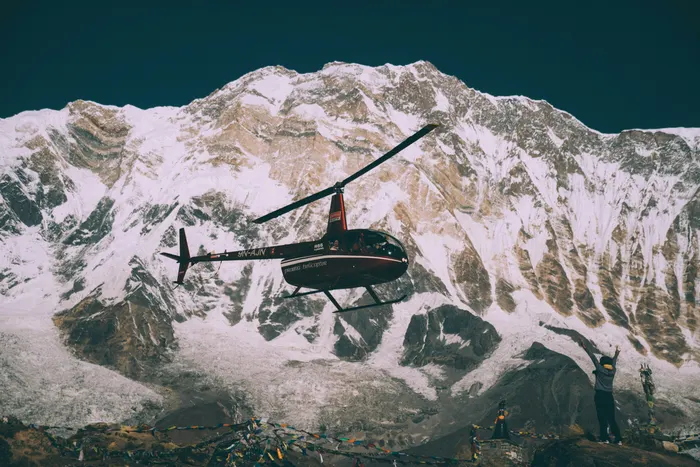
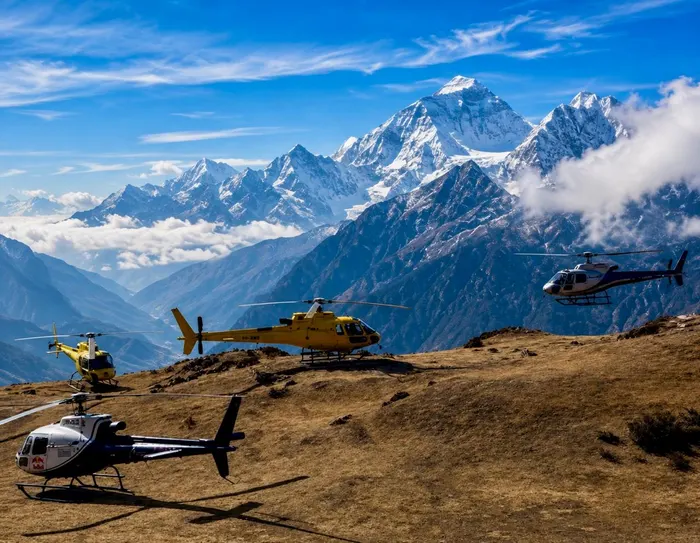
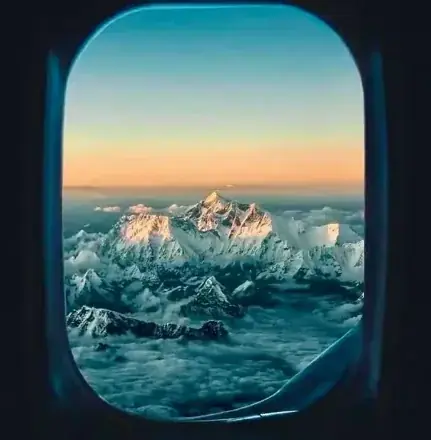
Best months: March to May and October to November. The Everest region is the most weather-sensitive helicopter route in Nepal because the flight crosses high ridges and the landing site at Kala Patthar (5,545m) is exposed. Spring and autumn offer the most reliable flying windows. Winter flights are possible and stunningly clear, but the cold at the landing site is extreme. Monsoon flights are rarely operational. For the definitive guide to this route, read our Everest Base Camp Helicopter Tour guide.
Annapurna Base Camp Helicopter Tour
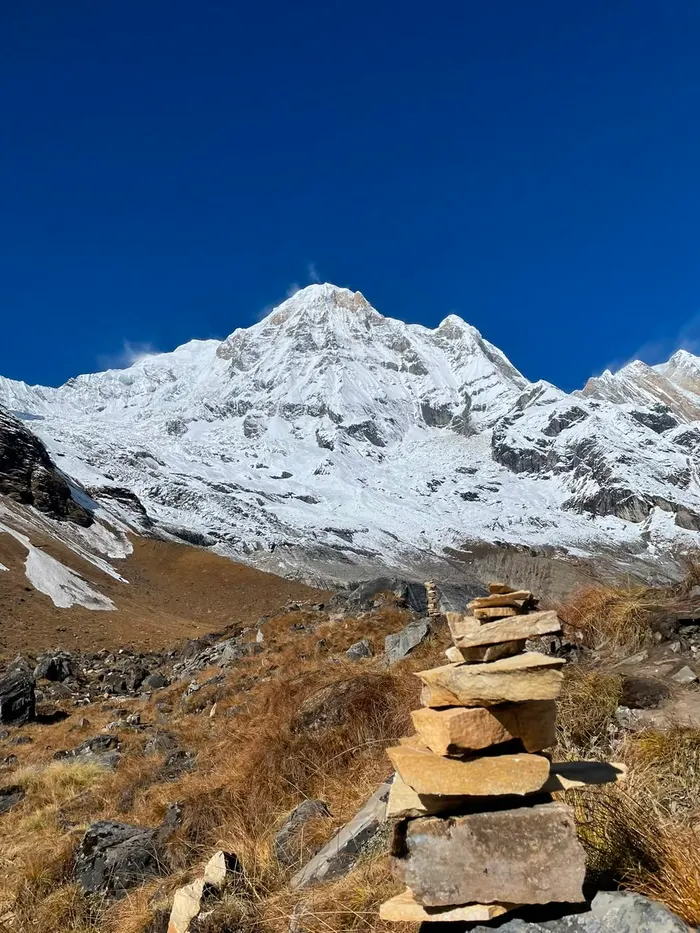
Best months: March to May and October to November. The Annapurna route is slightly more forgiving than Everest because the flight path is shorter and the landing site at 4,130 metres is lower. Spring offers the bonus of rhododendron forests in full bloom below the sanctuary. Winter flights operate reliably, and the Annapurna South face covered in fresh snow is a spectacular sight. The Annapurna Base Camp helicopter tour is also one of the best-value options in the helicopter tour lineup.
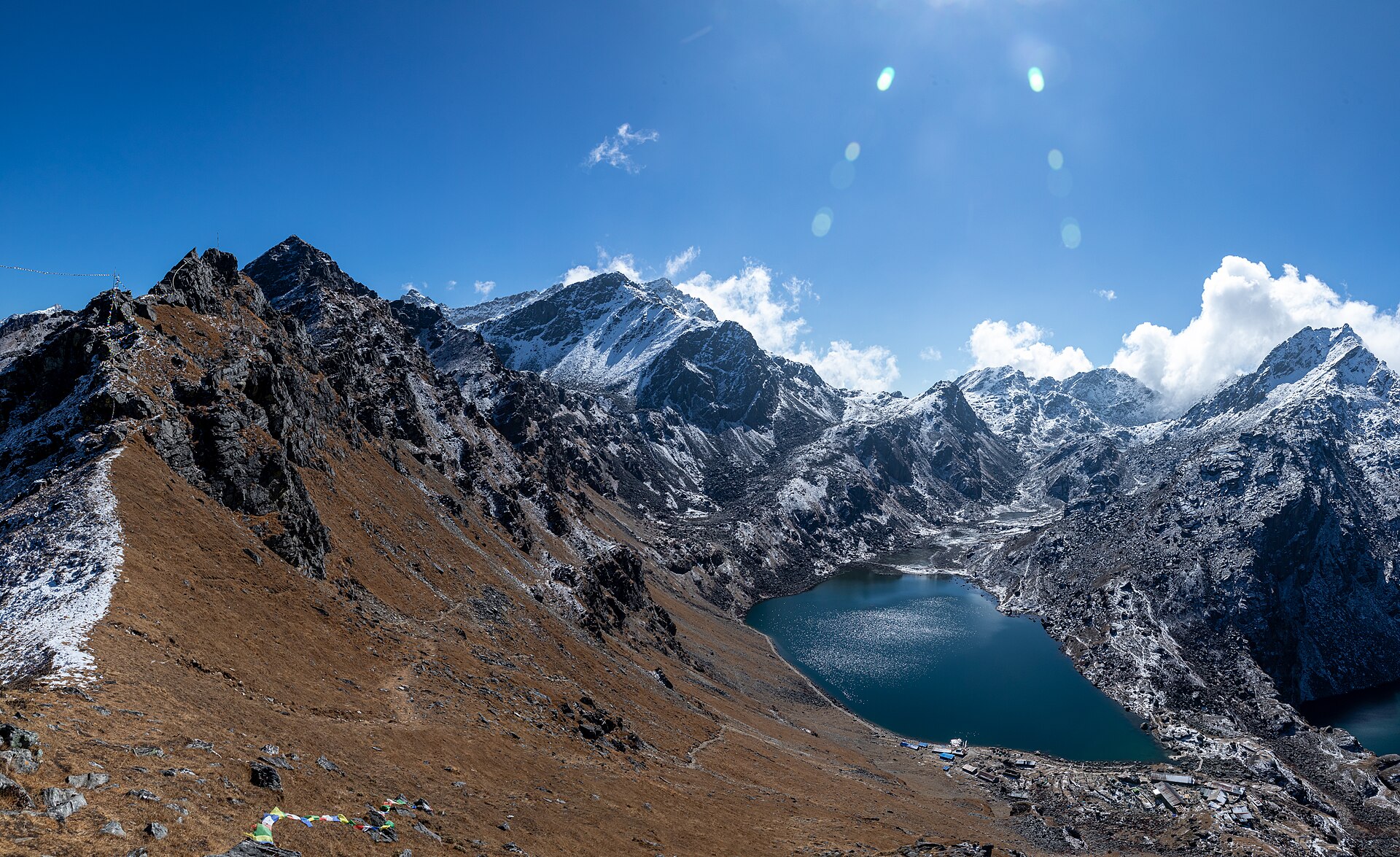
Gosaikunda Helicopter Tour
Best months: March to May and October to November. The sacred Gosaikunda Lake sits at 4,380 metres in the Langtang region. The lake is frozen from December through February, which is visually stunning but means the landing area can be icy. The monsoon months of July and August are particularly significant for Gosaikunda because the Janai Purnima festival draws thousands of Hindu pilgrims to the lake. A Gosaikunda helicopter tour during the festival offers a unique aerial perspective on one of Nepal's most important religious gatherings.
Muktinath Helicopter Pilgrimage
Best months: March to June and September to November. Muktinath is the most versatile helicopter destination in Nepal because it lies in the Mustang rain shadow. The flight can operate reliably even during the monsoon months of June through August, making it the go-to helicopter tour when other routes are grounded. The Muktinath helicopter pilgrimage combines aerial adventure with deep spiritual significance, visiting the sacred 108 water spouts and the eternal flame at 3,710 metres.
Rara Lake Helicopter Tour
Best months: March to May and September to November. Rara Lake, Nepal's largest lake, sits at 2,990 metres in the remote far-western region. The flight from Kathmandu takes about two hours each way, crossing the entire width of Nepal. Spring offers the best conditions, with the lake surrounded by blooming wildflowers and the surrounding forests alive with birdlife. The Rara Lake helicopter tour is one of the most exclusive aerial experiences in Nepal, and it requires stable weather across a long flight path, so stick to the peak seasons for this route.
How Weather Affects Helicopter Tour Pricing
The season you choose has a direct impact on what you will pay for a helicopter tour in Nepal. Peak-season flights in April and October typically cost 15 to 25 percent more than the same route in December or January. Some operators use dynamic pricing that adjusts weekly based on demand, while others publish fixed seasonal rates. Here is a general pricing guide by season for the Everest Base Camp helicopter tour, which is the most popular route:
- Peak season (April, October): USD 1,300 to 1,500 per person for a shared flight
- Shoulder season (March, May, September, November): USD 1,100 to 1,300 per person
- Low season (December to February): USD 900 to 1,100 per person
- Monsoon (June to August): USD 800 to 1,000 per person (Everest route often unavailable; Mustang routes operate)
Private charter pricing follows a similar seasonal pattern but with a higher base. A private Everest helicopter charter that costs USD 4,500 in April may drop to USD 3,500 in January. For a complete breakdown of helicopter tour costs across all routes, see our helicopter tour cost guide.
What to Expect in Each Season: A Quick Reference
| Season | Months | Visibility | Temperature at Landing | Crowds | Price Level |
|---|---|---|---|---|---|
| Spring | Mar - May | Excellent | -5C to 5C | High | Peak |
| Monsoon | Jun - Aug | Poor (except Mustang) | 5C to 15C | Low | Lowest |
| Autumn | Sep - Nov | Outstanding | -5C to 5C | High | Peak |
| Winter | Dec - Feb | Excellent | -15C to -5C | Low | Low |
Planning Your Helicopter Tour Around Nepal's Festivals
Nepal's festival calendar can add an extraordinary cultural dimension to your helicopter tour. Timing your flight to coincide with a major festival can transform a scenic experience into a once-in-a-lifetime cultural immersion. Here are the key festivals to consider:
- Janai Purnima (July/August): Thousands of pilgrims ascend to Gosaikunda Lake. A helicopter tour during this festival offers a breathtaking aerial view of the mass pilgrimage, with devotees bathing in the sacred waters below.
- Dashain (September/October): Nepal's biggest festival. The skies over Kathmandu fill with kites, and the city is decorated with lights and banners. A helicopter tour during Dashain gives you a unique perspective on the celebrations from above.
- Tihar (October/November): The festival of lights. Evening flights over Kathmandu during Tihar reveal a city glittering with oil lamps and fairy lights, a magical sight from the air.
- Losar (February): The Tibetan New Year, celebrated in the mountain regions. Helicopter tours to the Everest region during Losar can include views of monasteries decorated for the festivities.
Festival dates shift each year based on the lunar calendar, so check the exact dates with your tour operator when planning. Festival-season flights often book out earlier than usual, so plan ahead.
How to Maximise Your Chances of a Clear Flight
Even in the best season, mountain weather is unpredictable. Here are practical tips to maximise your chances of a clear, successful helicopter tour in Nepal:
- Book the earliest morning slot available. In every season, the clearest skies are in the early morning, typically between 6:00 AM and 9:00 AM. Afternoon cloud build-up is common even in peak season, especially over the Everest and Annapurna regions.
- Build a buffer day into your itinerary. If your schedule allows, leave at least one extra day in Kathmandu or Pokhara after your planned flight date. If weather grounds your flight, most operators will reschedule you to the next clear day at no extra charge.
- Choose the right route for the season. If you are travelling during the monsoon, do not book an Everest flight and hope for the best. Book a Mustang-region flight that operates reliably in the rain shadow. Match your route to the season.
- Monitor the forecast. In the days leading up to your flight, check mountain weather forecasts. Websites like Mountain-Forecast.com provide summit-level predictions for Everest, Annapurna, and other peaks that give you a good sense of flying conditions.
- Trust your operator's judgement. Experienced helicopter pilots in Nepal have thousands of hours flying in Himalayan conditions. If your pilot decides to delay or cancel for weather, they are making the right call. Safety always comes first.
Why Book Your Helicopter Tour with Enticing Himalayas
Choosing the right operator is as important as choosing the right season. Enticing Himalayas partners exclusively with certified helicopter operators who maintain impeccable safety records and employ pilots with deep experience in Himalayan flying conditions. Our team monitors weather patterns year-round and can advise you on the optimal window for your chosen route. We handle every detail, from permits to ground transport, so you can focus on the experience.
Every helicopter tour we offer is built around the principle that the Himalayas should be accessible to everyone, not just elite mountaineers. Whether you are a senior traveller seeing Everest for the first time, a couple on a honeymoon adventure, or a photographer chasing the perfect light, we match you with the right flight at the right time. Read our complete guide to Nepal helicopter tours for an overview of all available routes, or explore our helicopter pilgrimage and trek combinations for multi-day adventures that blend aerial and ground experiences.
For a broader perspective on planning your entire Nepal journey, consult our cultural and spiritual tours guide and our complete guide to trekking in Nepal. Together, these resources help you build a Nepal itinerary that combines aerial adventure with cultural depth and trekking excellence.