 Everest Region Guide 2026/27: Lukla to Kalapatthar -- Routes, Permits, Seasons and Itineraries
The Everest region, known locally as the Khumbu, is the most iconic trekking destination on Earth. Home to the world's highest peak at 8,848 metres, four of the world's six highest mountains, and the legendary Sherpa culture, the Sagarmatha National Park draws over 35,000 trekkers each year. Whether you are planning the classic Everest Base Camp trek, aiming for the sunrise viewpoint at Kalapatthar, or considering a shorter aerial experience, this guide covers every practical detail you need for the 2026/27 season.
This region guide is part of our complete Nepal trekking planning guide and complements our cultural and spiritual tours overview. If you are comparing regions, also see our Annapurna Region Complete Guide and Langtang Region Guide.



Why Trek the Everest Region?
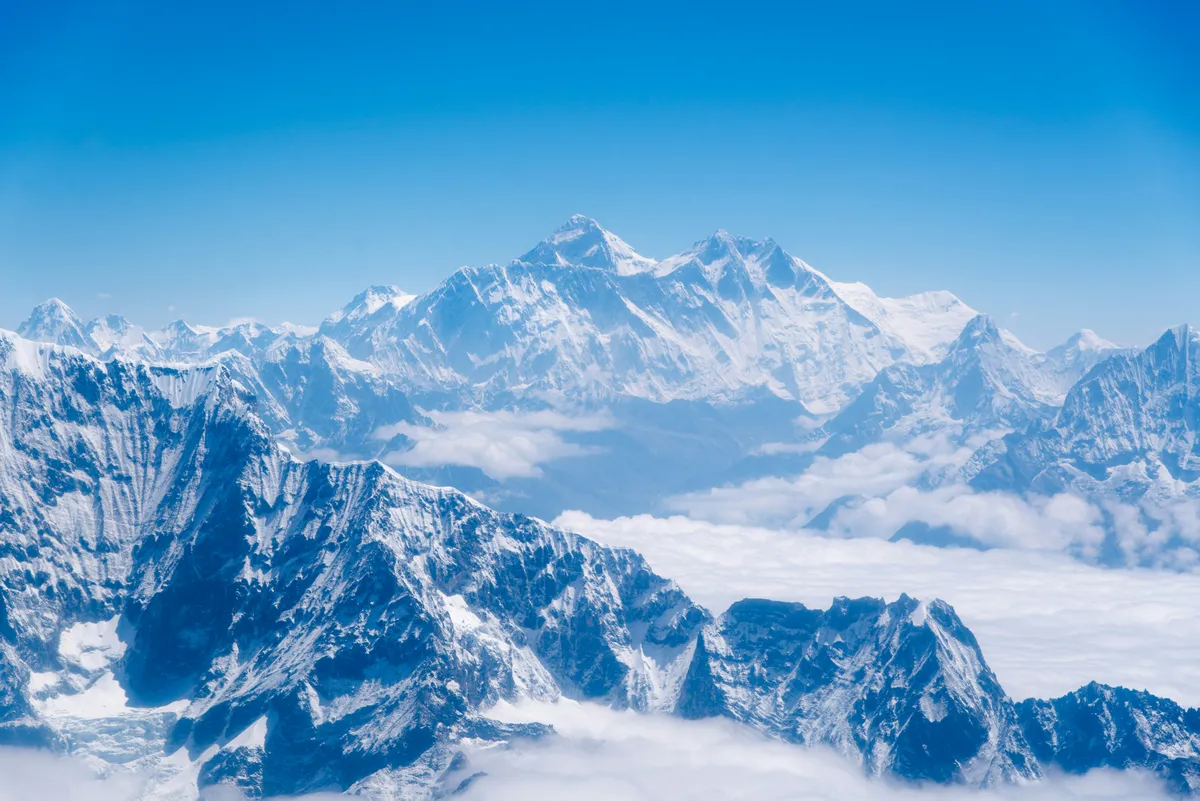
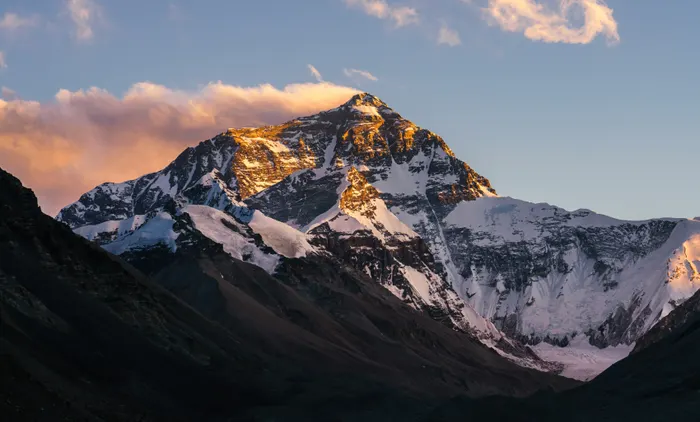
The Khumbu offers an experience that no other trekking region can match. You walk in the footsteps of Tenzing Norgay and Edmund Hillary, cross suspension bridges draped with prayer flags, and sleep in teahouses run by families who have lived at altitude for generations. The views from Kalapatthar at sunrise -- when the first light hits Everest, Lhotse, and Nuptse -- are among the most photographed panoramas in the world.
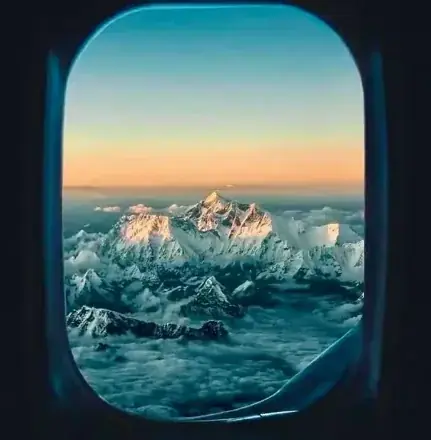
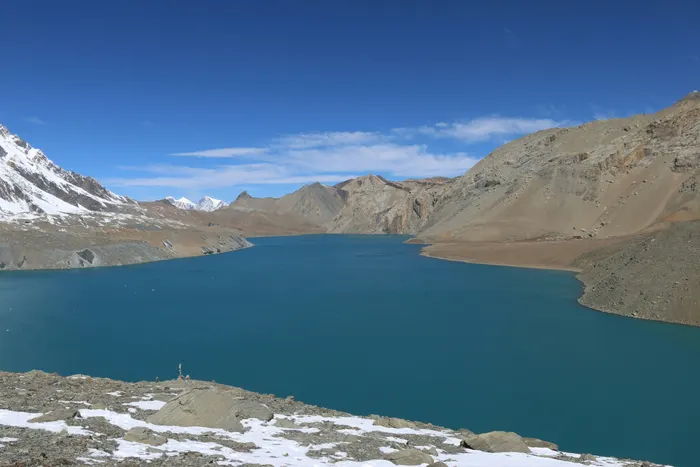
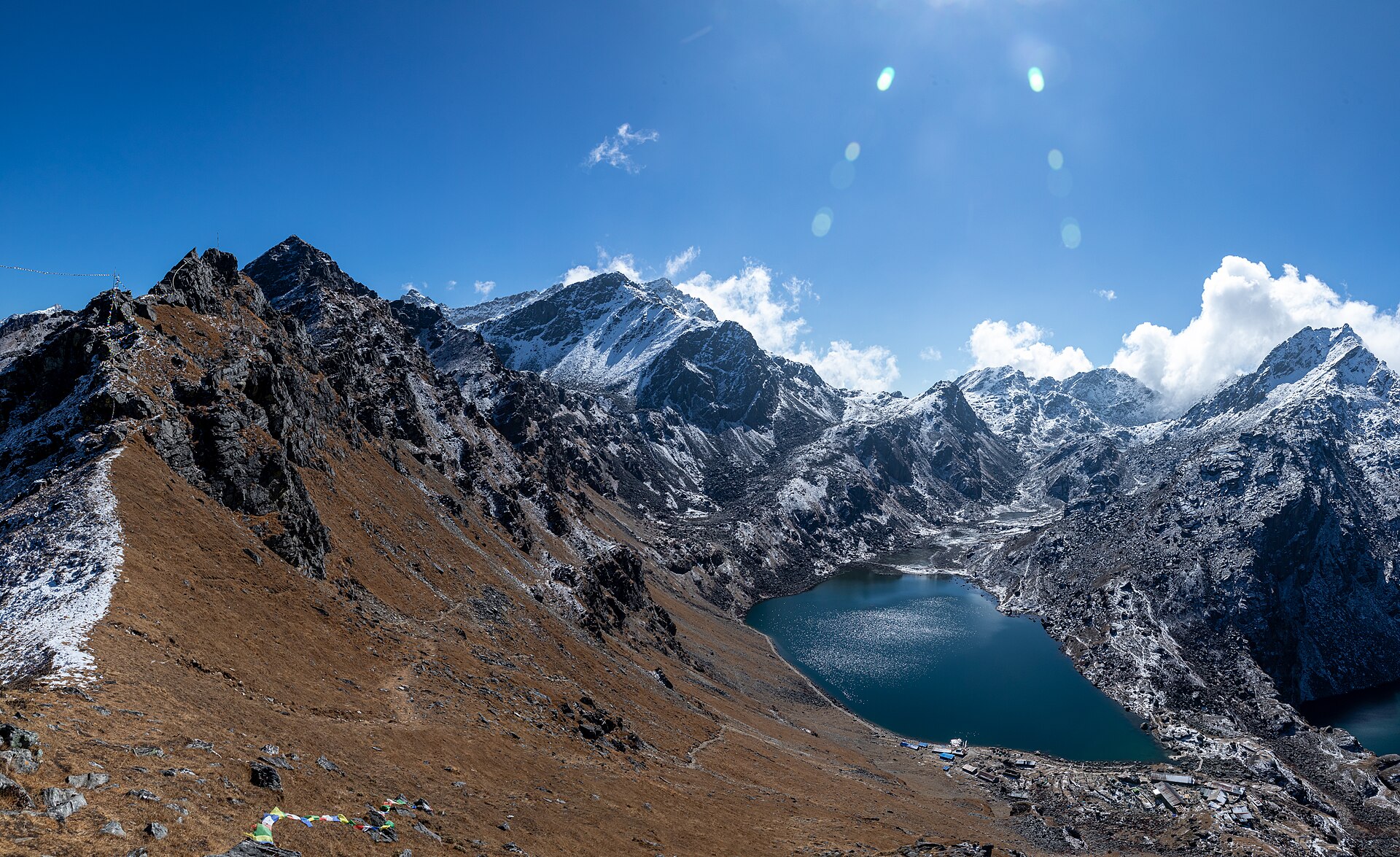
Beyond the classic Base Camp route, the region offers quieter alternatives. The Gokyo Lakes trek takes you to a chain of turquoise glacial lakes beneath Cho Oyu. The Pikey Peak route in the lower Solu region delivers sweeping Everest panoramas with a fraction of the crowds. And for those short on time, the Everest Mountain Flight and Luxury Everest Base Camp Helicopter Tour bring the Himalayas within reach in a single morning.
The Classic Route: Lukla to Kalapatthar
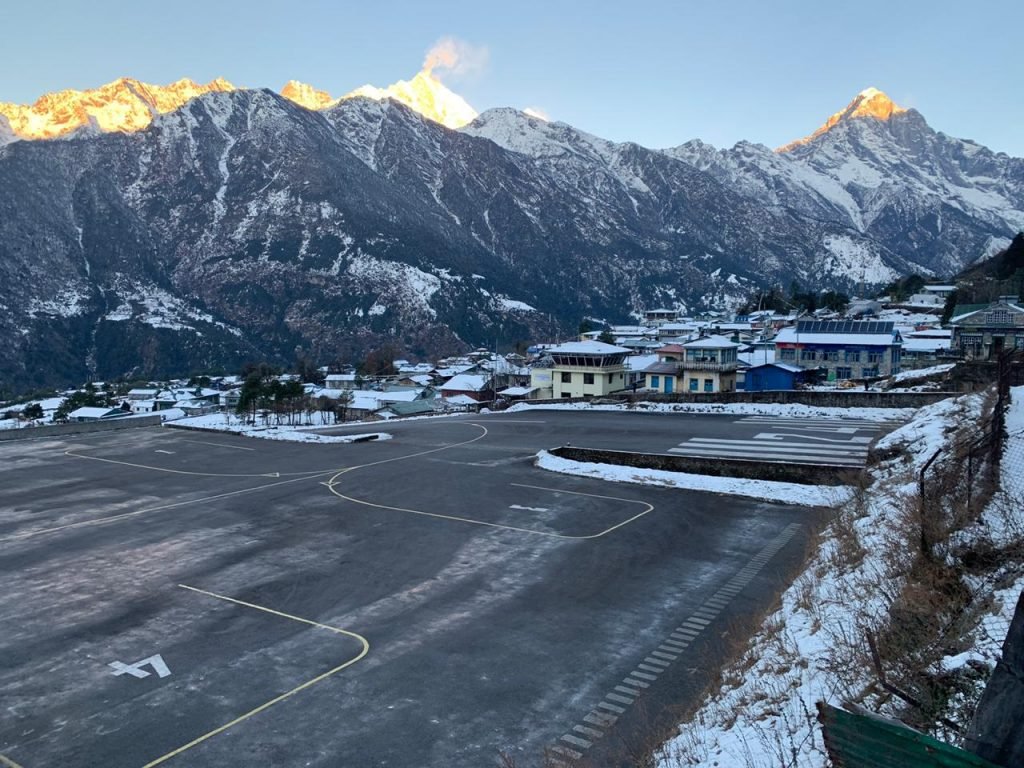
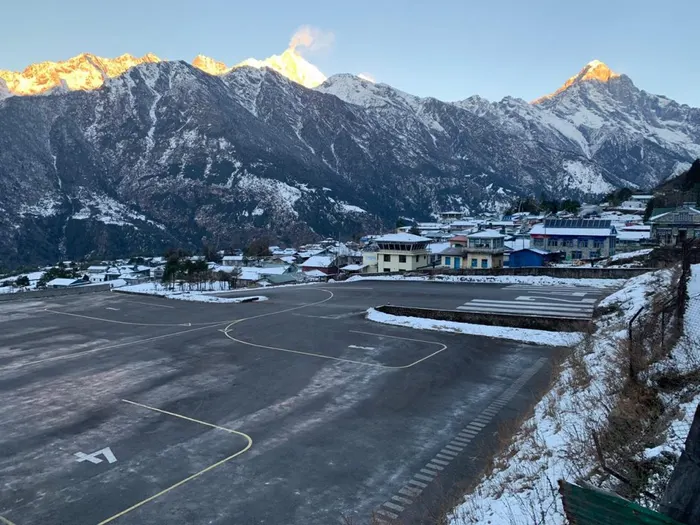
The standard Everest Base Camp trek begins with a flight from Kathmandu to Lukla's Tenzing-Hillary Airport, one of the most dramatic airstrips in the world. From Lukla (2,860 m), the trail follows the Dudh Koshi River valley north through Phakding, Namche Bazaar, Tengboche, Dingboche, and Lobuche before reaching Gorak Shep and finally Everest Base Camp (5,364 m). The optional climb to Kalapatthar (5,545 m) the following morning delivers the definitive Everest sunrise view.
Day-by-Day Itinerary (14 Days)
Day 1: Fly Kathmandu to Lukla (2,860 m), trek to Phakding (2,610 m) -- 3 to 4 hours. The trail descends gently through pine forests and small Sherpa villages. You cross your first suspension bridge over the Dudh Koshi and arrive in Phakding by late afternoon.
Day 2: Phakding to Namche Bazaar (3,440 m) -- 6 to 7 hours. This is the first big day. You cross the Hillary Bridge, enter Sagarmatha National Park at Monjo, and tackle the steep switchback ascent to Namche, the Sherpa capital. Your first glimpse of Everest appears on the final climb.
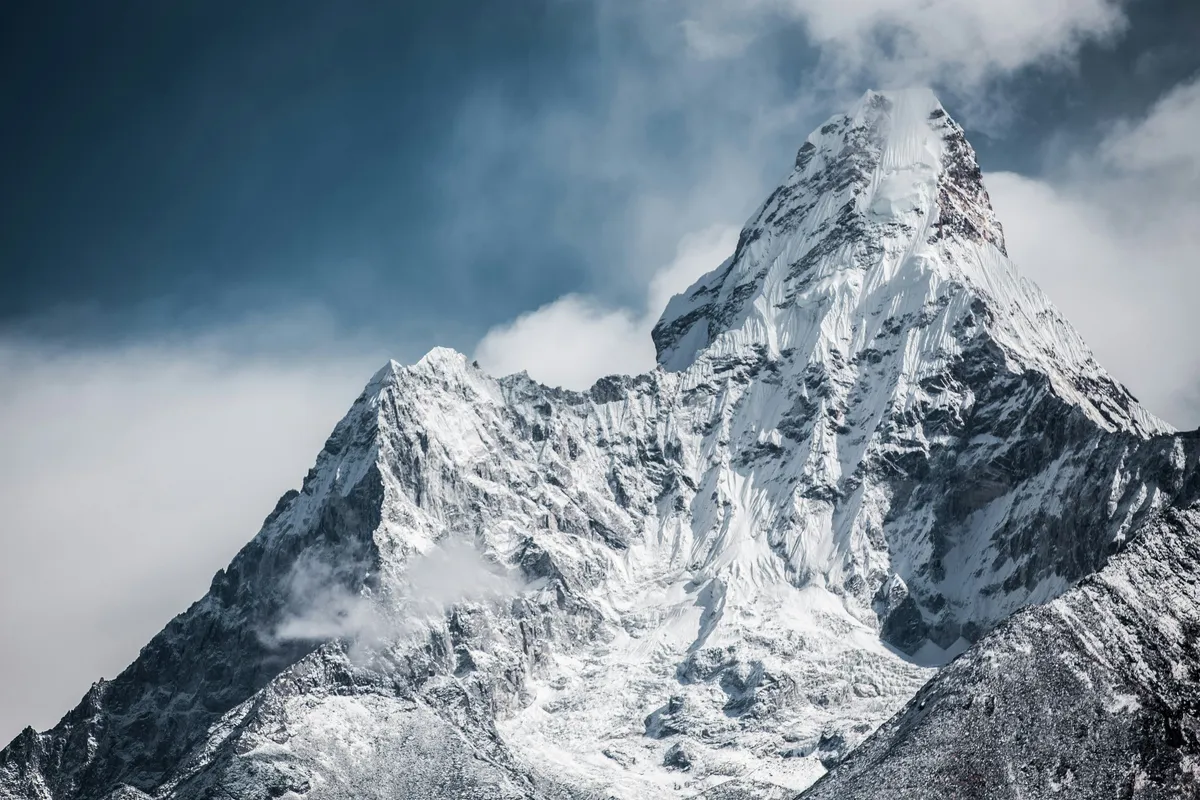
Day 3: Acclimatisation day in Namche Bazaar. Hike to the Everest View Hotel (3,880 m) for panoramic views of Everest, Lhotse, Ama Dablam, and Thamserku. Visit the Sherpa Museum and explore Namche's bakeries, gear shops, and Saturday market.
Day 4: Namche to Tengboche (3,860 m) -- 5 to 6 hours. The trail contours high above the Dudh Koshi with constant views of Ama Dablam. Tengboche Monastery, the spiritual heart of the Khumbu, sits on a ridge with a 360-degree mountain panorama. Time your arrival for the 3 PM puja ceremony.
Day 5: Tengboche to Dingboche (4,410 m) -- 5 to 6 hours. You descend through rhododendron forest to Deboche, cross the Imja Khola, and climb past Pangboche into the Imja Valley. The landscape opens into high-altitude yak pastures with Island Peak and Lhotse dominating the skyline.
Day 6: Acclimatisation day in Dingboche. Climb Nangkartshang Peak (5,083 m) for views of Makalu, the world's fifth-highest mountain. This is a critical altitude-adaptation day -- do not skip it. For more on altitude safety, read our altitude sickness prevention guide.
Day 7: Dingboche to Lobuche (4,940 m) -- 5 to 6 hours. The trail climbs past the memorial chortens at Thukla Pass, a sobering tribute to climbers lost on Everest. The landscape becomes starkly alpine, with the Khumbu Glacier visible ahead.
Day 8: Lobuche to Gorak Shep (5,164 m) to Everest Base Camp (5,364 m) and back -- 7 to 8 hours. The trail crosses the Khumbu Glacier's lateral moraine to Gorak Shep, then continues over shifting glacial rubble to Base Camp itself. In spring, the camp is a colourful tent city of expedition teams. Return to Gorak Shep for the night.
Day 9: Kalapatthar sunrise (5,545 m), descend to Pheriche (4,240 m) -- 6 to 7 hours. Wake at 4 AM for the 2-hour climb to Kalapatthar. The sunrise over Everest, Nuptse, and Lhotse is the trek's defining moment. After descending to Gorak Shep for breakfast, continue down to Pheriche.
Day 10: Pheriche to Namche Bazaar -- 6 to 7 hours. The descent feels fast as oxygen levels rise. Stop at Tengboche for a final monastery visit and arrive in Namche by late afternoon.
Day 11: Namche to Lukla -- 6 to 7 hours. The final day on the trail. Celebrate with your guide and porters at one of Lukla's lively pubs.
Day 12: Fly Lukla to Kathmandu. Buffer day for weather delays -- Lukla flights are frequently cancelled due to cloud cover, especially in the monsoon and winter months.
Alternative Everest Region Routes
Gokyo Lakes and Cho La Pass (18 Days)
The Gokyo Valley offers a quieter, arguably more beautiful alternative to the standard Base Camp route. Instead of turning north at Namche, you branch west up the Dudh Koshi to a chain of five sacred turquoise lakes at 4,700 to 5,000 metres. The view of Cho Oyu (8,188 m) reflected in the third lake is one of the Himalaya's finest. The route can be combined with the classic EBC trek by crossing the Cho La Pass (5,420 m), creating an 18-day circuit that covers both Gokyo and Base Camp.
Pikey Peak Trek (7 to 9 Days)
For trekkers who want Everest views without the altitude and crowds of the main Khumbu trail, the Pikey Peak route in the lower Solu region is ideal. Sir Edmund Hillary himself declared Pikey Peak (4,065 m) his favourite Everest viewpoint. The 7-to-9-day trek passes through rhododendron forests, Buddhist monasteries, and traditional Sherpa villages, with a summit panorama that includes Everest, Kanchenjunga, Makalu, and Dhaulagiri. Read our Pikey Peak guide for the full itinerary.
Three Passes Trek (18 to 21 Days)
The ultimate Khumbu circuit crosses three high passes -- Kongma La (5,535 m), Cho La (5,420 m), and Renjo La (5,360 m) -- linking the classic EBC route, Gokyo Valley, and the remote Thame Valley. This is a demanding trek for experienced high-altitude trekkers only, but it covers every major highlight of the region in a single continuous loop.
Permits and Fees for the Everest Region
Every trekker in the Khumbu needs two permits. The Sagarmatha National Park Entry Permit costs NPR 3,000 (about USD 23) for foreign nationals and NPR 1,500 for SAARC nationals. It is purchased at the park entrance gate in Monjo on Day 2 of the trek. The Khumbu Pasang Lhamu Rural Municipality Permit costs NPR 2,000 (about USD 15) and is purchased in Lukla before starting the trek. Both permits require your passport and two passport-sized photos.
Unlike the Annapurna and Langtang regions, the Everest region does not require a TIMS card for the standard EBC route. However, if you are trekking independently (without a guide), you may still need a TIMS card depending on the specific trail. For a complete breakdown of Nepal's permit system, see our trekking permits and TIMS guide.
Best Seasons for the Everest Region
Spring (March to May): The premier trekking season. Daytime temperatures at Namche range from 10 to 15 degrees Celsius, dropping to minus 5 to minus 10 at Gorak Shep. Rhododendrons bloom in the lower valleys through April. Everest Base Camp is at its most vibrant, with expedition teams preparing for summit attempts. Visibility is generally excellent, though afternoon clouds can build in late May.
Autumn (October to November): The second peak season, with crisp, stable weather and the clearest mountain views of the year. Post-monsoon skies are deep blue, and the trails are dry. Daytime temperatures are slightly cooler than spring. The Mani Rimdu festival at Tengboche Monastery in October or November is a cultural highlight.
Winter (December to February): Cold but spectacular. Daytime highs at Gorak Shep hover around minus 5 degrees Celsius, and nighttime temperatures can drop to minus 20 or lower. Snow may close the high passes. However, the trails are nearly empty, the skies are crystal clear, and teahouse prices are lower. Read our Everest winter trekking guide for detailed preparation tips.
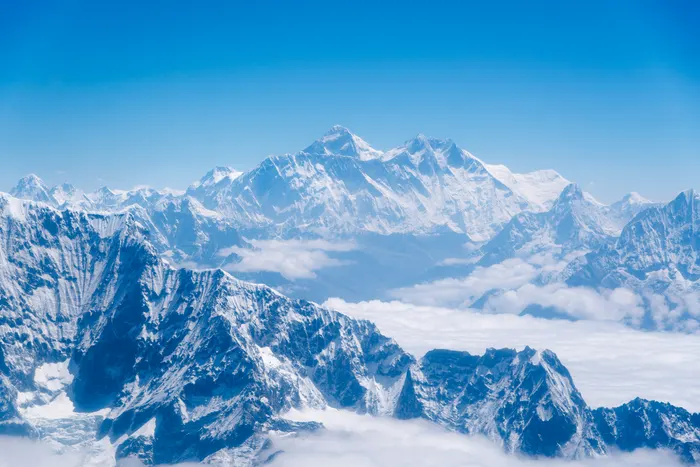
Monsoon (June to September): The least popular season due to rain, leeches in the lower valleys, and obscured mountain views. However, the rain shadow effect means the upper Khumbu above Namche receives less precipitation than the lower valleys. The trails are quiet, and the landscape is lush green. Lukla flights are frequently cancelled, so build in buffer days.
Teahouse Accommodation and Food
The Everest region has the most developed teahouse infrastructure in Nepal. Every village along the main route has lodges offering private rooms (twin beds with shared bathrooms) and communal dining halls heated by yak-dung stoves. At higher altitudes, expect basic plywood-walled rooms with thick blankets. Hot showers are available at most lodges for NPR 300 to 700, though above Dingboche, bucket showers are the norm. Wi-Fi is available at most teahouses for NPR 300 to 600 per day, though reliability drops above 4,500 metres.
Meals follow a standard teahouse menu: dal bhat (lentil soup with rice, the trekker's staple), momos, noodle soup, fried rice, pasta, and potato dishes. A meal costs NPR 500 to 900 at lower altitudes and NPR 800 to 1,500 above 4,000 metres. For a deeper look at teahouse life, read our teahouse vs camping comparison.

Altitude and Acclimatisation
The Everest Base Camp trek reaches 5,545 metres at Kalapatthar, well into the altitude zone where Acute Mountain Sickness (AMS) becomes a serious risk. The standard 14-day itinerary includes two dedicated acclimatisation days (Namche and Dingboche), and the gradual ascent profile follows the "climb high, sleep low" principle. Key rules: ascend no more than 500 metres per day above 3,000 metres, drink 3 to 4 litres of water daily, avoid alcohol, and never ignore AMS symptoms (headache, nausea, dizziness, loss of appetite). Diamox (acetazolamide) is widely used as a preventative; consult your doctor before the trek.
Our altitude sickness prevention guide covers symptoms, treatment, and evacuation protocols in detail. If you are new to high-altitude trekking, also see our guide to choosing the right trek for your fitness level.
Fitness and Training
The Everest Base Camp trek is not technically difficult -- there is no climbing or rope work -- but it is physically demanding. You will walk 5 to 7 hours per day on rocky, uneven trails with 500 to 800 metres of daily ascent. A good training programme should begin 8 to 12 weeks before departure and include: stair climbing with a loaded daypack (build to 1,000 metres of ascent in a single session), long weekend hikes (15 to 20 km), and cardiovascular conditioning (running, cycling, or swimming 3 to 4 times per week). Strength training for legs and core helps with the relentless downhill sections on the return journey.
For trekkers who are less confident about the full 14-day route, the Everest Base Camp Helicopter Tour delivers the Base Camp and Kalapatthar experience in a single day with no trekking required. It is also an excellent option for families and seniors. See our guide to beginner-friendly treks for more accessible options.
Cost Breakdown for the Everest Base Camp Trek (2026/27)
A guided 14-day Everest Base Camp trek with a reputable agency costs USD 1,200 to 2,500 per person, depending on group size, guide quality, and inclusions. Here is a typical breakdown:
- Kathmandu-Lukla round-trip flight: USD 360 to 400 (fixed rate for foreigners)
- Guide and porter: USD 25 to 35 per day for a guide, USD 18 to 25 per day for a porter (carries 15 to 20 kg for two trekkers)
- Permits: NPR 5,000 total (about USD 38)
- Teahouse accommodation: NPR 500 to 1,500 per night (USD 4 to 12)
- Meals: NPR 2,500 to 4,000 per day (USD 20 to 30)
- Hot showers, Wi-Fi, charging: NPR 500 to 1,500 per day (USD 4 to 12)
- Travel insurance: USD 100 to 200 (must cover helicopter evacuation to 6,000 metres)
Budget-conscious independent trekkers can complete the route for USD 800 to 1,200, but this requires carrying your own gear, negotiating teahouse rates, and navigating permits independently. A porter is strongly recommended -- the trail is long, and a 12 to 15 kg pack at altitude is punishing.
Packing List for the Everest Region
A well-packed bag makes the difference between a comfortable trek and a miserable one. Here is the essential kit for the 2026/27 season:
- Footwear: Broken-in trekking boots (waterproof, ankle support), camp shoes or sandals for teahouses, 3 to 4 pairs of merino wool socks
- Clothing layers: Thermal base layers (top and bottom), fleece mid-layer, down jacket (fill power 700+), waterproof and windproof shell jacket and trousers
- Accessories: Warm hat, sun hat, buff or neck gaiter, liner gloves and insulated gloves, UV-protection sunglasses (category 3 or 4)
- Sleeping: Sleeping bag rated to minus 10 to minus 15 degrees Celsius (teahouses provide blankets, but a bag is essential above 4,000 metres), silk or fleece liner
- Gear: Trekking poles (strongly recommended for the descents), headlamp with spare batteries, 30 to 40 litre daypack, water bottles or hydration bladder (3-litre capacity), water purification tablets or filter
- Health: Personal first-aid kit, Diamox, sunscreen (SPF 50+), lip balm with SPF, hand sanitiser, toilet paper
- Documents: Passport, 4 passport-sized photos, travel insurance policy, permit cash (NPR 5,000 in small notes)
Getting There: The Lukla Flight
The flight from Kathmandu to Lukla is an experience in itself. The 30-minute journey in a Twin Otter or Dornier aircraft crosses the Mahabharat Range before threading through a narrow valley to Tenzing-Hillary Airport, a 527-metre runway carved into a mountainside with a 12-percent gradient. Flights operate from 6 AM to early afternoon, weather permitting. Delays of several hours or full-day cancellations are common, especially in the monsoon (June to September) and winter (December to February). Always build at least one buffer day into your itinerary on both ends of the trek.
During peak seasons (April, May, October, November), flights may be rerouted from Ramechhap's Manthali Airport (a 4-to-5-hour drive from Kathmandu) to manage congestion at Kathmandu's domestic terminal. Your trekking agency will confirm the departure airport 24 hours before your flight.
Sherpa Culture and Responsible Trekking
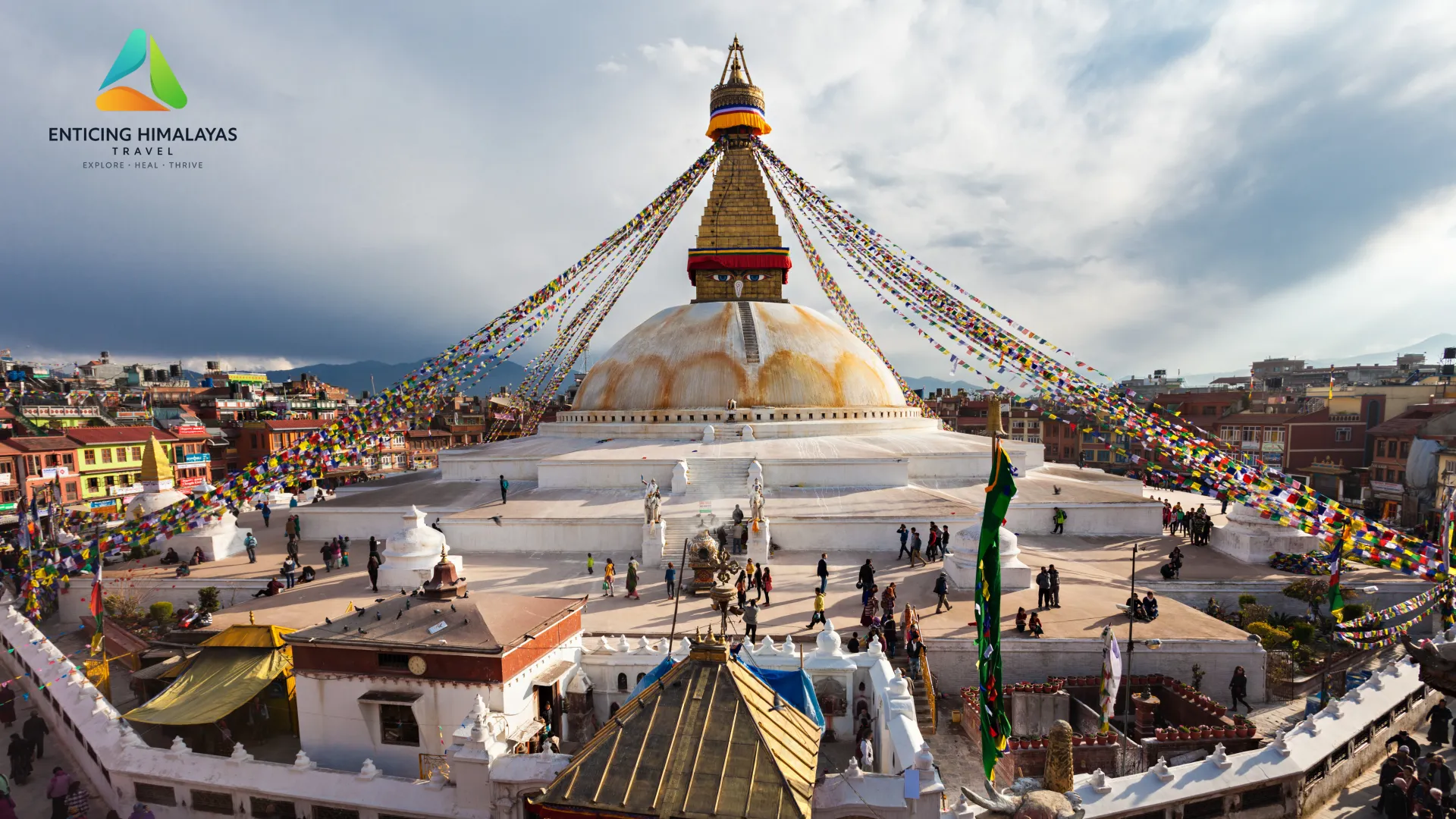
The Khumbu is the homeland of the Sherpa people, an ethnic group of Tibetan origin who migrated to the region over 500 years ago. Sherpa culture is deeply Buddhist, and you will encounter mani walls (stone slabs carved with prayers), chortens (stupas), and prayer flags throughout the trek. Always walk clockwise around mani walls and chortens. Ask permission before photographing people, especially monks and elders. Support the local economy by eating at teahouses, buying snacks from village shops, and hiring local guides and porters.
Environmental responsibility is critical in the fragile high-altitude ecosystem. Carry a reusable water bottle and use purification tablets rather than buying plastic bottles. Pack out all waste, including batteries and sanitary products. The Sagarmatha Pollution Control Committee (SPCC) runs waste management programmes in the park, and many teahouses now participate in "carry me back" schemes where trekkers help transport recyclable waste down to Lukla.
For treks that combine physical challenge with spiritual depth, see our guide to treks with a spiritual side, which covers monastery visits and pilgrimage routes across Nepal's trekking regions.
Frequently Asked Questions
Do I need a guide for the Everest Base Camp trek?
Since April 2023, the Nepal Tourism Board requires all foreign trekkers to hire a licensed guide for trekking in Sagarmatha National Park. Independent trekking is no longer permitted on the main EBC route. Your guide handles permits, teahouse bookings, navigation, and emergency response. Most agencies include a guide and one porter (for two trekkers) in their package price.
How difficult is the Everest Base Camp trek?
The EBC trek is graded moderate to challenging. There is no technical climbing, but you will walk 5 to 7 hours per day on rocky, uneven terrain at altitudes where oxygen levels are 50 to 60 percent of sea level. A good level of cardiovascular fitness and prior multi-day hiking experience is recommended. The two acclimatisation days are built into the itinerary to help your body adapt.
Can I do the Everest Base Camp trek without flying to Lukla?
Yes, but it adds significant time. The alternative is to drive from Kathmandu to Salleri (8 to 10 hours by jeep) and trek for 3 to 4 additional days to reach Lukla. This adds roughly a week to the itinerary but avoids the Lukla flight entirely. The trail from Salleri to Lukla passes through the lower Solu region and is a rewarding trek in its own right.
What is the success rate for reaching Everest Base Camp?
Approximately 90 to 95 percent of trekkers who attempt the standard 14-day itinerary reach Everest Base Camp. The most common reasons for turning back are altitude sickness, respiratory infections, and Lukla flight delays that compress the itinerary. Choosing a reputable agency, training adequately, and building buffer days into your schedule significantly improve your chances.
Is travel insurance mandatory for the Everest region?
Yes. Your insurance must cover trekking to 5,500 metres and include helicopter evacuation. A helicopter rescue from Gorak Shep to Kathmandu costs USD 3,000 to 5,000. Without insurance, you will be required to pay upfront before evacuation. Verify that your policy explicitly covers high-altitude trekking -- many standard travel policies exclude activities above 3,000 metres.
What is the difference between Everest Base Camp and Kalapatthar?
Everest Base Camp (5,364 m) is the seasonal tent city where expedition teams stage their summit attempts. It sits on the Khumbu Glacier and does not have a direct view of Everest's summit -- the mountain is blocked by the West Shoulder and Nuptse. Kalapatthar (5,545 m) is a rocky hill above Gorak Shep that offers the classic unobstructed sunrise view of Everest, Lhotse, and Nuptse. Most trekkers visit both: Base Camp on Day 8 and Kalapatthar at sunrise on Day 9.



Our Services
About the Author
This guide was written by the Enticing Himalayas content team, drawing on decades of combined experience guiding treks in the Khumbu region. Our Sherpa guides have summited Everest multiple times and know every teahouse, trail condition, and weather pattern between Lukla and Kalapatthar.
Why Trust Enticing Himalayas?
We are a licensed trekking and tour operator registered with the Nepal Tourism Board and the Trekking Agencies' Association of Nepal (TAAN). Every itinerary is designed and led by local experts who grew up in the regions they guide. We carry comprehensive liability insurance, maintain a 24/7 emergency response team in Kathmandu, and have a 98% client satisfaction rate across 2,000+ trips since 2015.