
Nepal is a country that defies expectations. It is a land where the highest mountains on earth meet ancient temples, where meditation caves sit above terraced rice fields, and where a centuries-old living goddess still blesses devotees from a wooden window in Kathmandu. For travelers seeking more than the ordinary, Nepal offers a convergence of adventure, spirituality, culture, and natural beauty that few destinations can match. This article explores the breadth of experiences available through Enticing Himalayas, from cultural tours and Himalayan treks to wellness retreats and wildlife safaris. Whether you are planning your first visit or returning for a deeper exploration, Nepal always has a new adventure waiting. Explore, Heal, Thrive.
What Makes Nepal a Unique Adventure Destination?
Nepal's uniqueness as an adventure destination comes from the sheer density and variety of experiences packed into a relatively small country. In a single trip, you can trek to the base of the world's highest peak, meditate in a 2,000-year-old monastery, ride an elephant through jungle grasslands searching for rhinos, and attend a Hindu fire ceremony at sunset on a sacred river. The country's geography creates this diversity: the terrain rises from near sea level in the Terai (100 meters) to the summit of Everest (8,849 meters) within just 200 kilometers of horizontal distance. This creates eight distinct climate zones, each with its own ecosystems, cultures, and activities. The cultural diversity is equally staggering, with over 120 ethnic groups speaking more than 100 languages. Newar artisans in the valley, Sherpa mountaineers in the Khumbu, Tharu farmers in the Terai, and Gurung tea-house owners in the Annapurna foothills each contribute to a tapestry of human experience that makes every region of Nepal feel like a different country.
What Are the Top Trekking Adventures in Nepal?
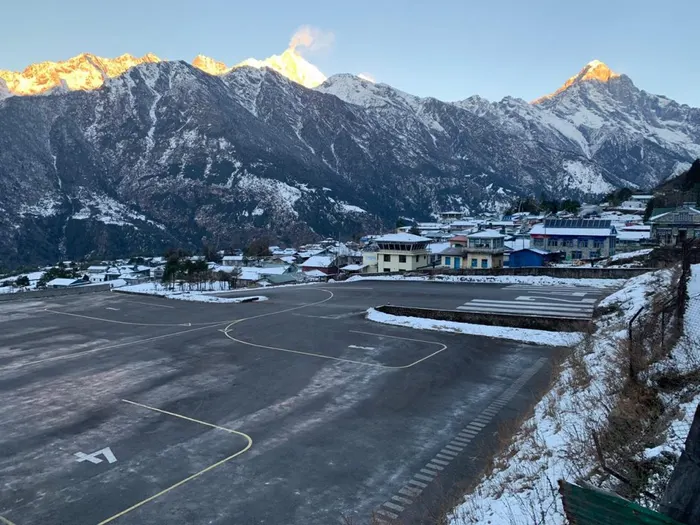
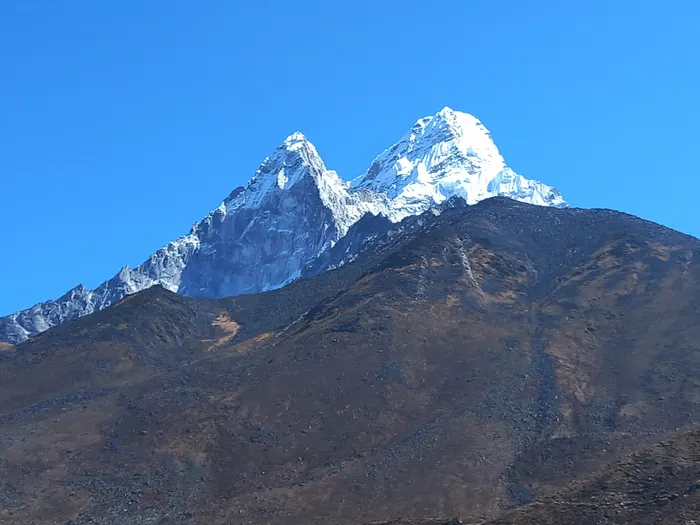
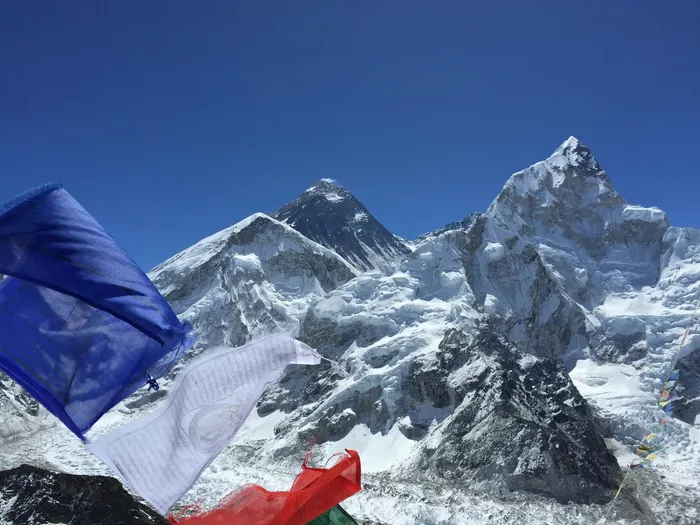
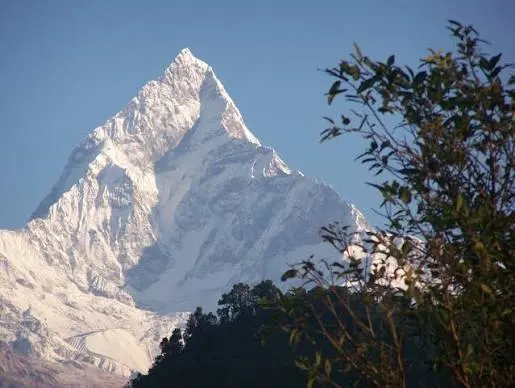
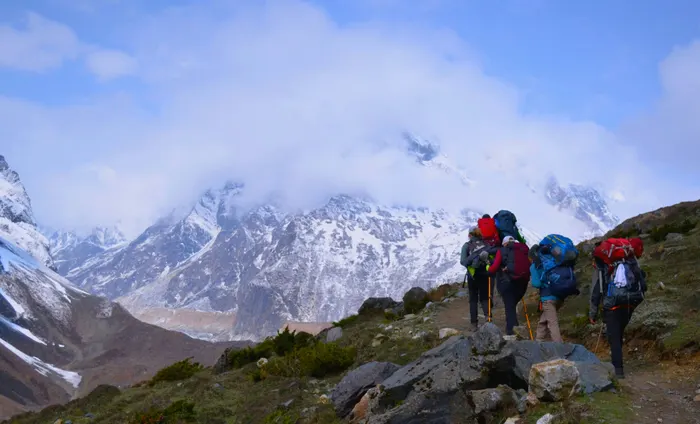
Trekking is Nepal's signature adventure, and the range of options is extraordinary. The Everest Base Camp Trek (14 Days) is the most iconic, taking you to the foot of the world's highest mountain through Sherpa villages and Buddhist monasteries. For a shorter Everest experience, the Everest View Short Trek (5 Days) offers panoramic views without the full commitment. In the Annapurna region, the Annapurna Base Camp Trek (10 Days) takes you into a natural amphitheater of 8,000-meter peaks, while the Ghorepani Poon Hill Trek (7 Days) is a shorter option famous for its sunrise views over the Annapurna range. The Annapurna Circuit with Tilicho Lake (13 Days) combines the classic circuit with a visit to one of the highest lakes in the world. For remote wilderness, the Manaslu region offers the Short Manaslu Trek (8 Days) and the Budget Manaslu Circuit (12 Days), both in a restricted area with pristine Tibetan-influenced culture. The Langtang region offers the Langtang Valley and Gosaikunda Lake Trek (10 Days), combining valley trekking with a sacred pilgrimage lake. Browse the full tour list for more trekking options.
How Does Enticing Himalayas Approach Adventure Travel?
Enticing Himalayas approaches adventure travel with a philosophy that goes beyond simply getting travelers to a destination. The company operates under three guiding principles: Explore, Heal, Thrive. Exploration means authentic cultural immersion, not just ticking off viewpoints. Healing means offering wellness experiences that address physical and mental well-being alongside adventure. Thriving means ensuring that travel benefits local communities, preserves cultural heritage, and creates sustainable economic opportunities. Every package is designed with these principles in mind, from ensuring fair wages for guides and porters to partnering with family-run teahouses rather than international chains. The company offers specialized packages for different traveler profiles, including women-only treks like the Everest Base Camp Trek for Women, family-friendly options like the Annapurna Family Trek (9 Days), senior-focused trips like the Everest Panorama Senior Trek (8 Days), and photography adventures like the Everest Photography Trek (12 Days). This personalization ensures that each journey matches the traveler's abilities, interests, and goals.
What Cultural and Heritage Tours Are Available?
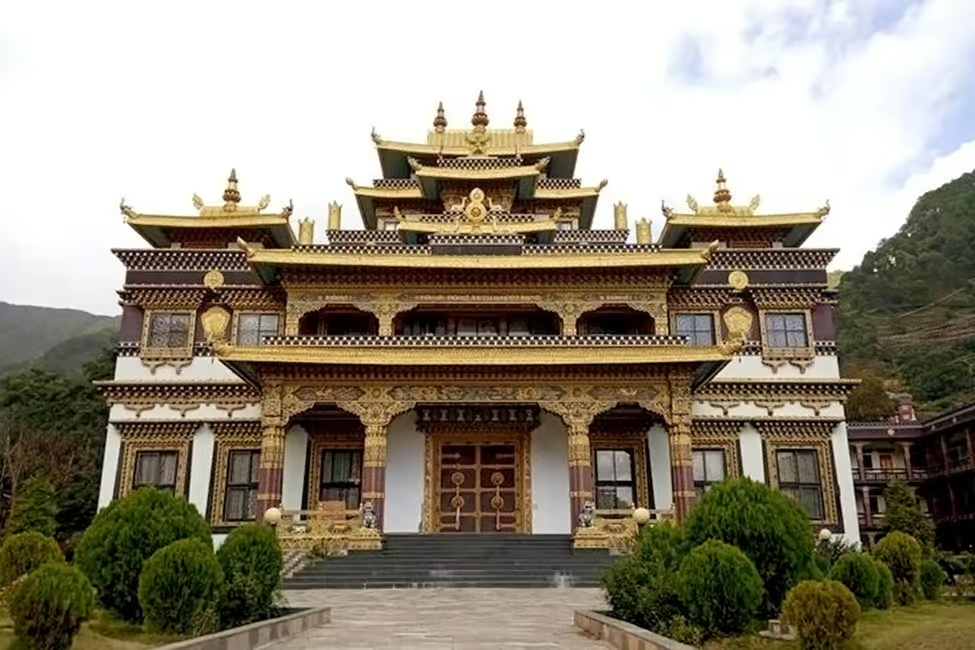
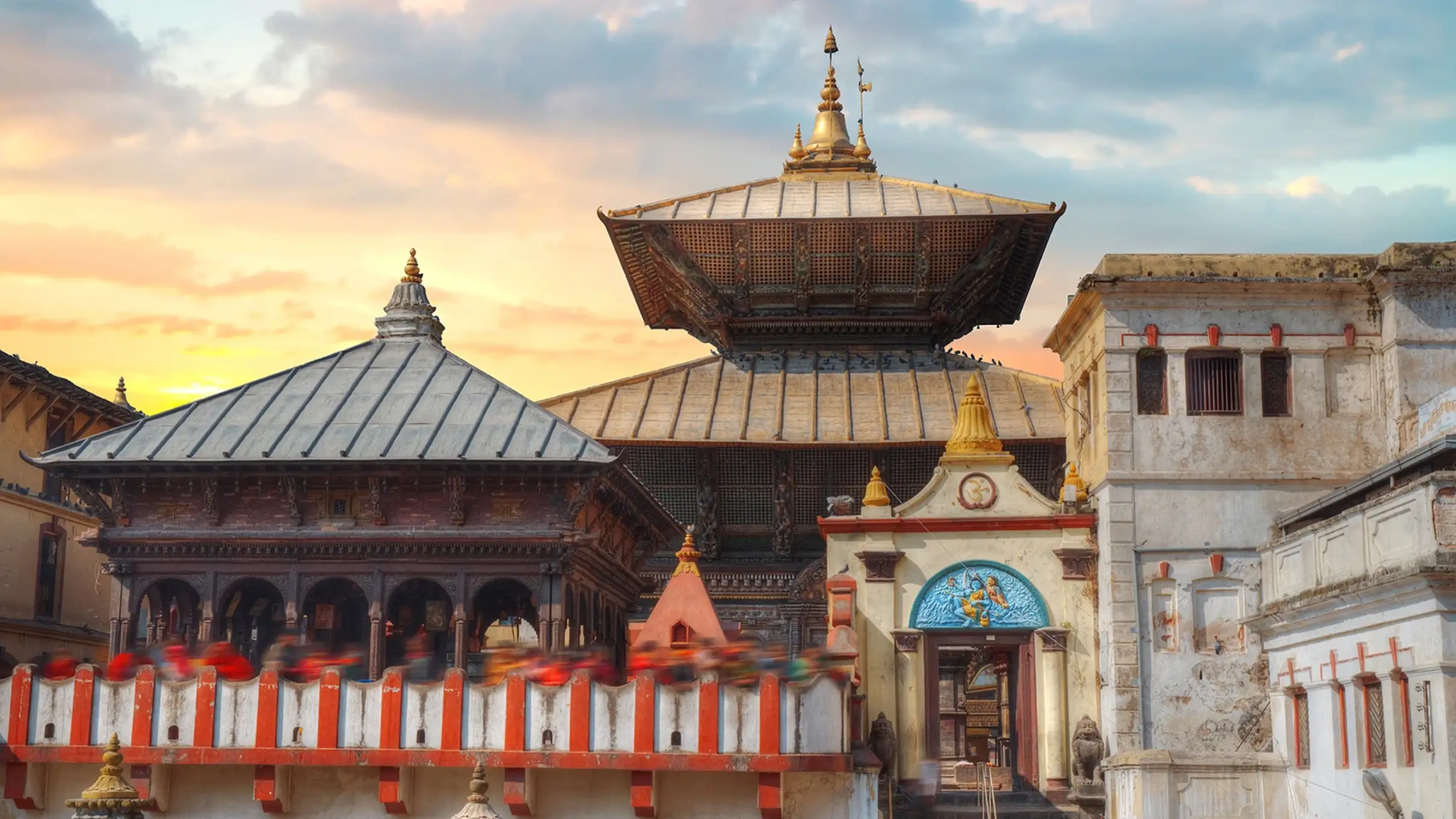
Nepal's cultural richness is best experienced through structured tours that provide historical context and access to sites that might otherwise be difficult to navigate. The Kathmandu Day Tour of Landmarks covers the four essential valley sites in a single day. The 7 UNESCO Wonders of Kathmandu (4 Days) is the definitive cultural itinerary, covering all seven World Heritage Sites. The Golden Triangle Nepal Tour (8 Days) connects Kathmandu's culture with Chitwan's wildlife and Pokhara's mountain views. For spiritual exploration, the Kathmandu Spiritual Circuit (2 Days) covers the valley's most important Hindu and Buddhist sites, while the Lumbini Buddhist Pilgrimage (3 Days) visits the birthplace of Buddha. The Sacred Valleys and Living Goddesses journey offers a deep cultural immersion, and the Nepal Unveiled tour spans the country from ancient streets to Himalayan heights.
What Wellness and Healing Experiences Can You Find in Nepal?
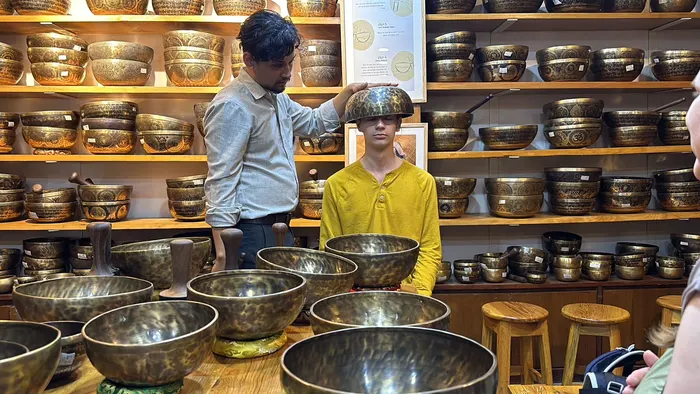
Nepal's wellness offerings go far beyond standard spa treatments, encompassing ancient healing traditions that have been practiced continuously for millennia. Yoga retreats in Kathmandu range from 3-day introductory programs to 9-day luxury escapes. The 3-Day Yoga and Sound Healing Retreat combines asana practice with Himalayan singing bowl therapy. The 4-Day Yoga and Reiki Retreat adds energy healing, and the 5-Day Yoga and Hiking Retreat blends practice with nature walks. Longer options include the 6-Day Stress Management Retreat and the 7-Day Yoga Retreat with Sightseeing. For physical rejuvenation, the Half-Day Wellness Spa Escape and Full-Day Trekkers Spa Retreat offer massage and herbal treatments. The Nuwakot Healing Retreat takes wellness into nature with river bathing, organic food, and meditation in the hills. Sound healing is offered through the Himalayan Sound Therapy Retreat. Explore all healing experiences available across Nepal.

What Wildlife and Nature Adventures Await in Nepal's Lowlands?
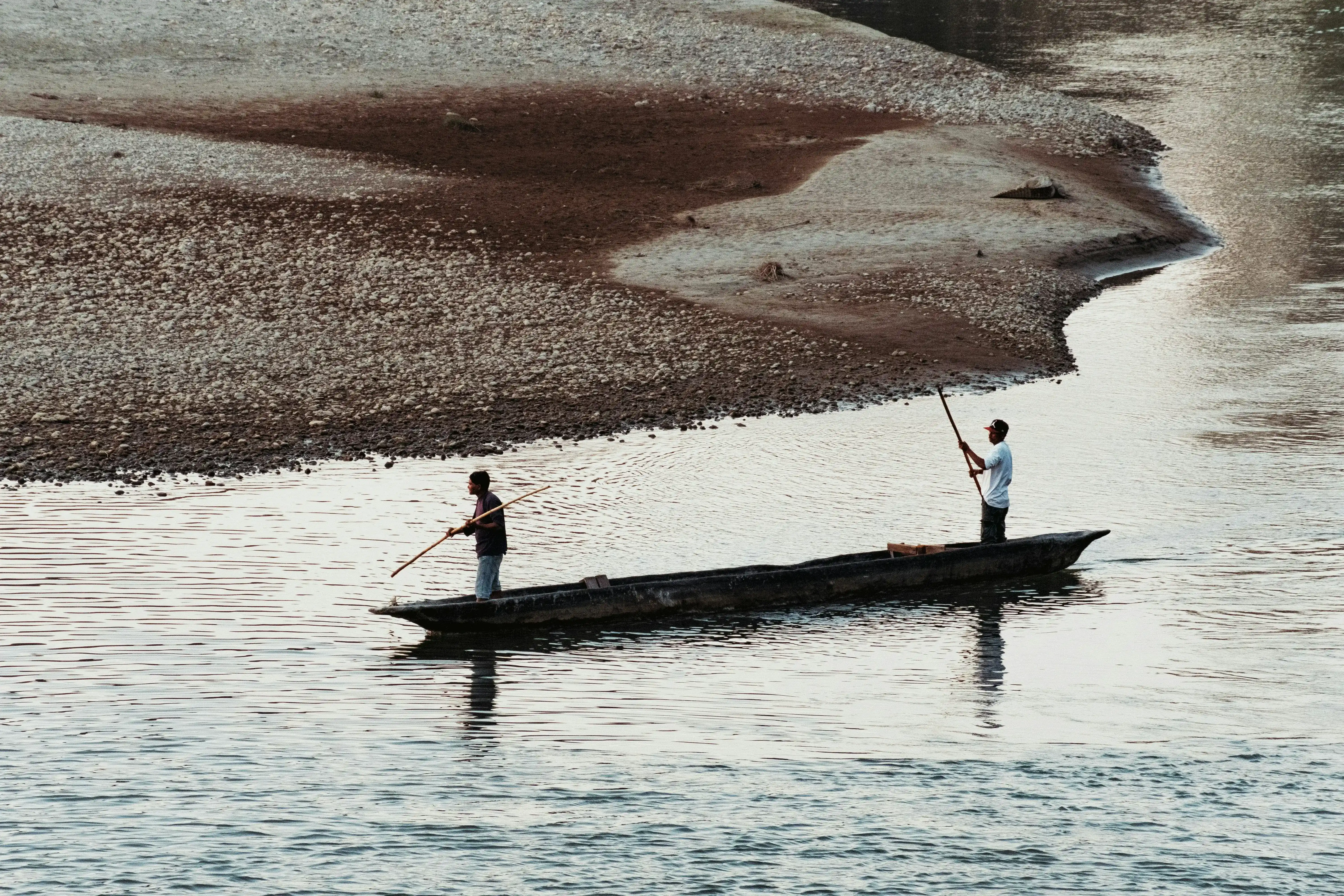
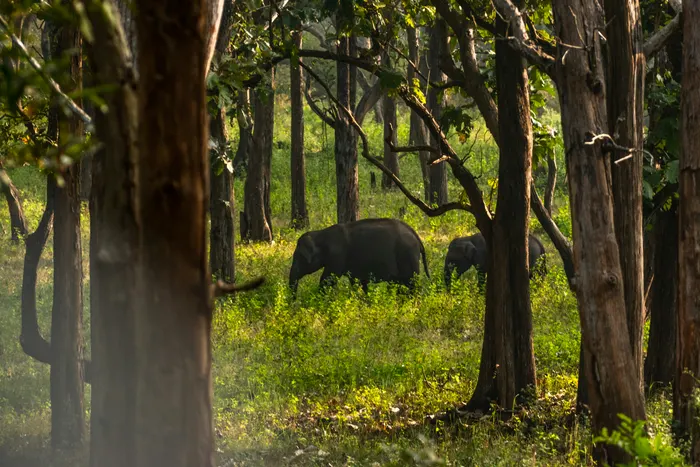
Nepal's southern lowlands (the Terai) are home to some of Asia's best wildlife viewing, an unexpected contrast to the snow peaks of the north. Chitwan National Park, a UNESCO World Heritage Site, is the most accessible wildlife destination, where you can spot one-horned rhinoceros, Bengal tigers, Asian elephants, and over 500 bird species. The 7 Days Nepal Heritage and Wildlife tour combines cultural sites with a Chitwan safari. For serious birders, the Chitwan Bird Watching Expedition offers specialized ornithological tours. The 7 Days Heritage and Wildlife package also visits Annapurna foothills and the cultural heartland. Other natural destinations include Rara Lake, Nepal's largest alpine lake, reached by the Rara Lake Overland Adventure. For an unusual adventure, Upper Dolpa and Shey Gompa offers access to one of Nepal's most remote and culturally distinct regions, and the Waterfall and River Bathing experience brings nature immersion closer to the capital.
What Adventure Activities Beyond Trekking Are Available?
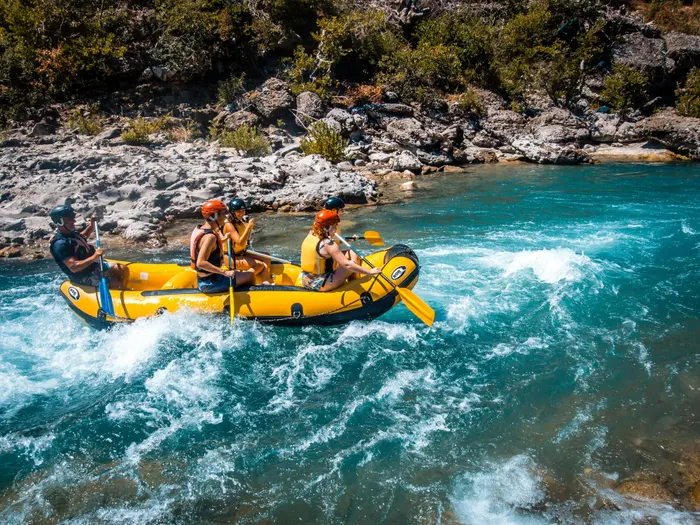
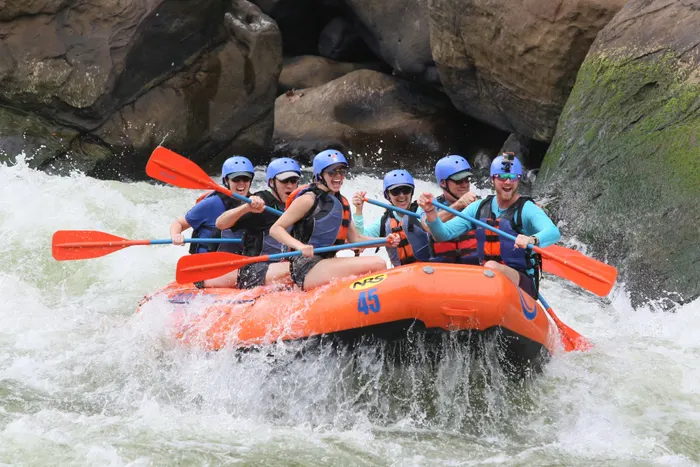
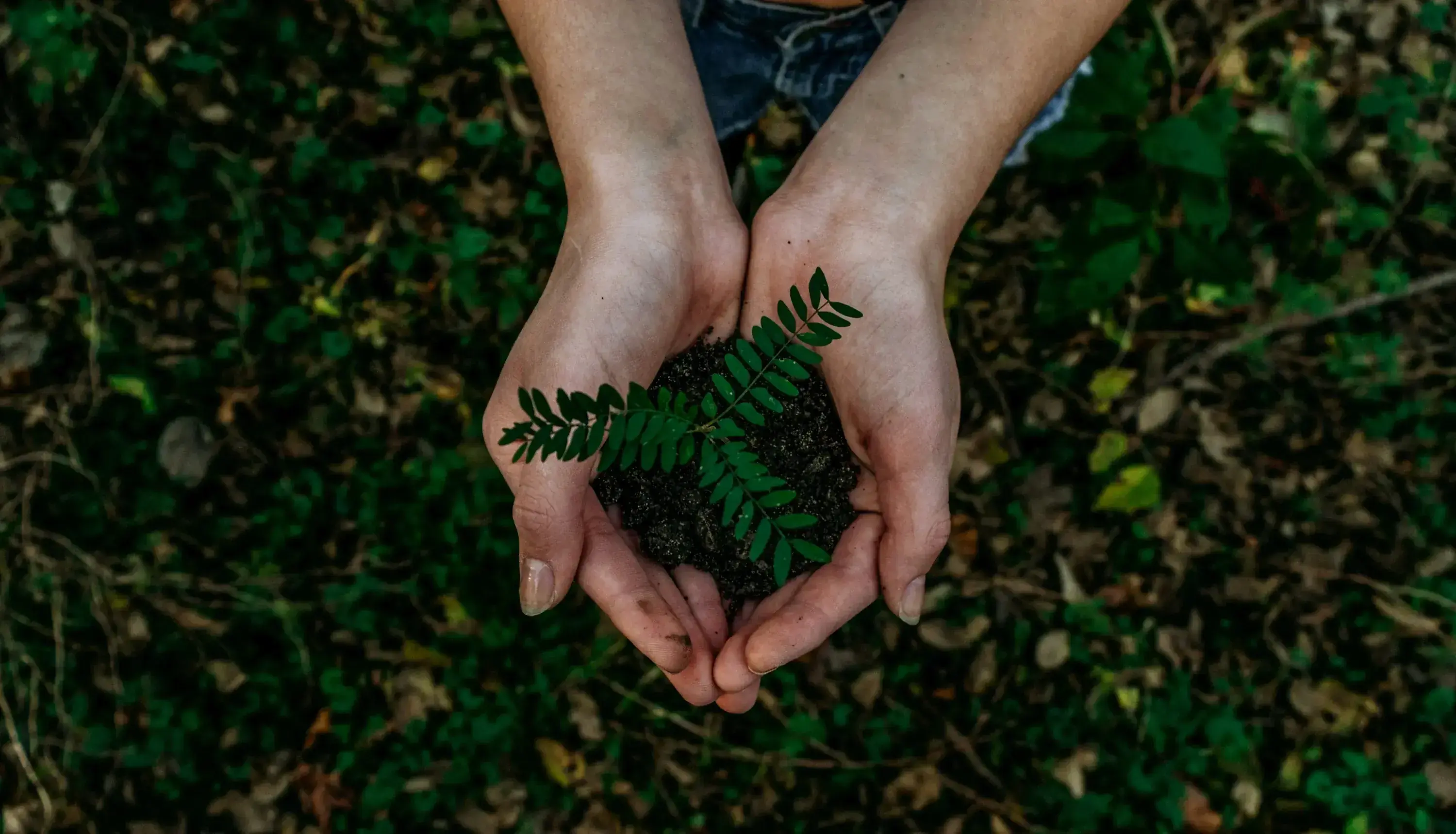
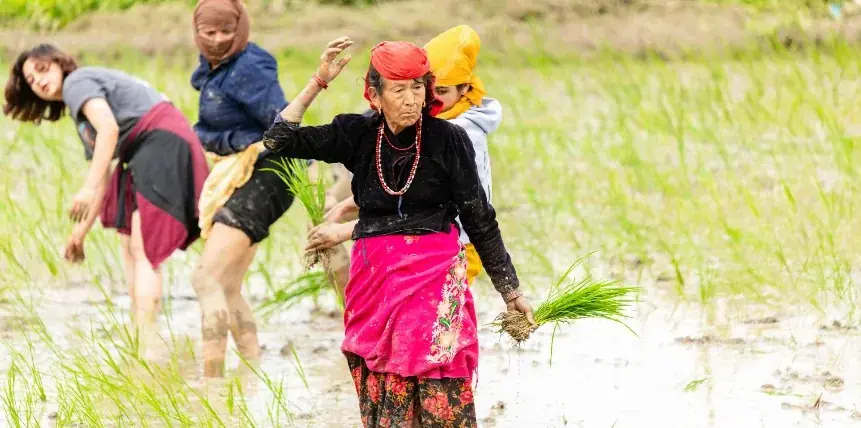
While trekking is Nepal's most famous activity, the country offers a wide range of adventure sports and unique experiences. White water rafting on the Trishuli River is a family-friendly adventure suitable for beginners, while the Bhote Koshi rafting offers world-class rapids for thrill-seekers. For an aerial perspective, the Mount Everest Scenic Flight takes you on a one-hour circuit of the Himalayan range. Helicopter tours include the Everest Base Camp Helicopter Trek (trek up, fly back) and the Muktinath Helicopter Pilgrimage. For a unique cycling adventure, the Swayambhunath Temples and Scenic Hilltops Bike Tour combines mountain biking with temple visits. Cultural immersion activities include the Paddy Planting Festival, the Tree Planting Hike for Carbon Neutral Travel, and the Chitlang Wine Tasting Tour.
How Can You Plan a Responsible and Sustainable Trip to Nepal?
Responsible travel in Nepal means ensuring that your visit contributes positively to local communities and minimizes environmental impact. Choose locally owned teahouses and homestays rather than international hotel chains. Hire local guides and porters through reputable operators who ensure fair wages and proper equipment. The Cultural Bridge: 8-Day Community and Education Exchange Tour is designed around community engagement. The Tree Planting Hike directly offsets carbon emissions from travel. Pack out all waste, especially on treks where disposal infrastructure is limited. Refill water bottles rather than buying single-use plastic, and carry a water purification method. Respect local customs: dress modestly at religious sites, ask before photographing people, and remove shoes when entering temples and homes. Support local artisans by purchasing handicrafts directly from makers rather than mass-produced souvenirs. The Enticing Himalayas explore page lists community-focused experiences that directly benefit local people.
What Are the Best Destinations Beyond the Popular Routes?
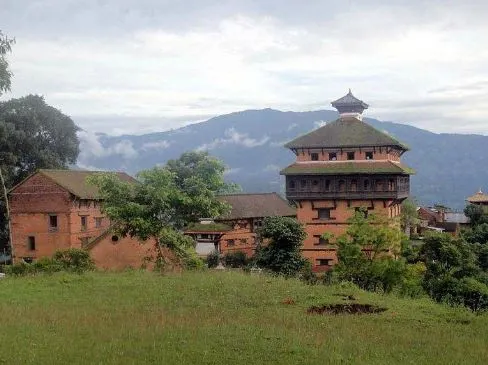
While Everest, Annapurna, and Kathmandu draw the most visitors, Nepal has extraordinary destinations off the main tourist circuit. Upper Mustang is a restricted former kingdom in the rain shadow, offering Tibetan Buddhist culture, cave monasteries, and desert-like landscapes. The Tsum Valley in the Manaslu region is a sacred valley with ancient monasteries and traditional homestays, accessible through the Tsum Valley Family Cultural Trek (12 Days). Janakpur, in the eastern Terai, is a major Hindu pilgrimage site known as the birthplace of the goddess Sita. Ilam in the far east is Nepal's tea-growing region, with rolling green hills and tea estates. Bandipur is a beautifully preserved Newar hill town midway between Kathmandu and Pokhara, offering panoramic mountain views without the crowds. Gorkha is the historical birthplace of the Shah dynasty and the former capital of Nepal. These destinations reward travelers willing to venture beyond the standard itineraries with authentic, uncrowded experiences.
When Is the Best Time to Visit Nepal for Adventure?
The best time for most adventures in Nepal is during autumn (October to November), when post-monsoon skies are clear, temperatures are moderate, and mountain views are at their best. This is peak trekking season, so trails and teahouses are busiest. Spring (March to May) is the second best season, with warming weather, blooming rhododendrons, and good visibility, though afternoon haze can develop in the lower elevations. Winter (December to February) is excellent for lower-altitude treks and cultural tours, with clear skies and few crowds, though high passes may be snowbound. Monsoon (June to September) is suitable for rain-shadow areas like Upper Mustang and Dolpo, and for wellness retreats and cultural tours in the Kathmandu Valley, where the rain creates a lush, introspective atmosphere. The Monsoon Magic tour specifically celebrates this season. Check individual package pages for seasonal recommendations, as some treks are best in specific months.
Frequently Asked Questions About Adventure Travel in Nepal
Do I need previous trekking experience for Nepal treks?
No, many treks in Nepal are suitable for first-time trekkers with reasonable fitness. Shorter options like the Ghorepani Poon Hill Trek (7 days) and the Everest View Trek (5 days) are ideal for beginners. Longer treks like Everest Base Camp (14 days) require good physical condition but not technical climbing skills. Enticing Himalayas offers treks graded by difficulty, and guides pace the journey to match the group's abilities.
What is the cost of an adventure trip to Nepal?
Costs vary widely based on duration, style, and inclusions. A 7-day budget trek costs approximately USD 500 to 800, while a 14-day Everest Base Camp trek ranges from USD 1,200 to 2,500. Cultural tours start from USD 150 for a day tour to USD 1,500 for an 8-day multi-region package. Wellness retreats range from USD 200 for a 3-day program to USD 2,500 for a luxury 9-day escape. All-inclusive packages with accommodation, meals, guides, and permits offer the best value.
Is travel insurance required for trekking in Nepal?
Yes, travel insurance covering high-altitude trekking (up to 6,000 meters for most treks) and emergency helicopter evacuation is mandatory for all treks in Nepal. Standard travel insurance often excludes altitudes above 3,000 meters, so verify your policy covers your specific trek. Insurance costs typically USD 50 to 150 for a two-week trek. Enticing Himalayas requires proof of insurance before departure on all trekking packages.
Can I combine trekking with wellness retreats in one trip?
Absolutely, and this combination is one of Nepal's most rewarding travel styles. A popular approach is to trek first, then recover with a wellness retreat in Kathmandu. The full-day trekkers spa and wellness retreat is designed for exactly this purpose. Alternatively, start with a yoga retreat to prepare your body and mind before trekking. The Annapurna Yoga Trek combines both in a single itinerary.
What permits do I need for trekking in Nepal?
Most trekking areas require a TIMS (Trekkers Information Management System) card and a regional conservation area or national park permit. Restricted areas like Manaslu, Upper Mustang, and Dolpo require a special restricted area permit obtained through a licensed trekking agency. Enticing Himalayas handles all permit arrangements as part of their trekking packages, so you do not need to arrange permits independently.
How do I choose the right adventure package for my fitness level?
Enticing Himalayas grades each package by difficulty and provides detailed itineraries with daily altitude gains and walking hours. For beginners, start with shorter, lower-altitude treks. For experienced trekkers, challenging routes like the Three Passes Trek or Manaslu Circuit offer greater rewards. Contact the team for personalized recommendations based on your fitness, experience, and interests. The full tour list provides filters by difficulty and duration.