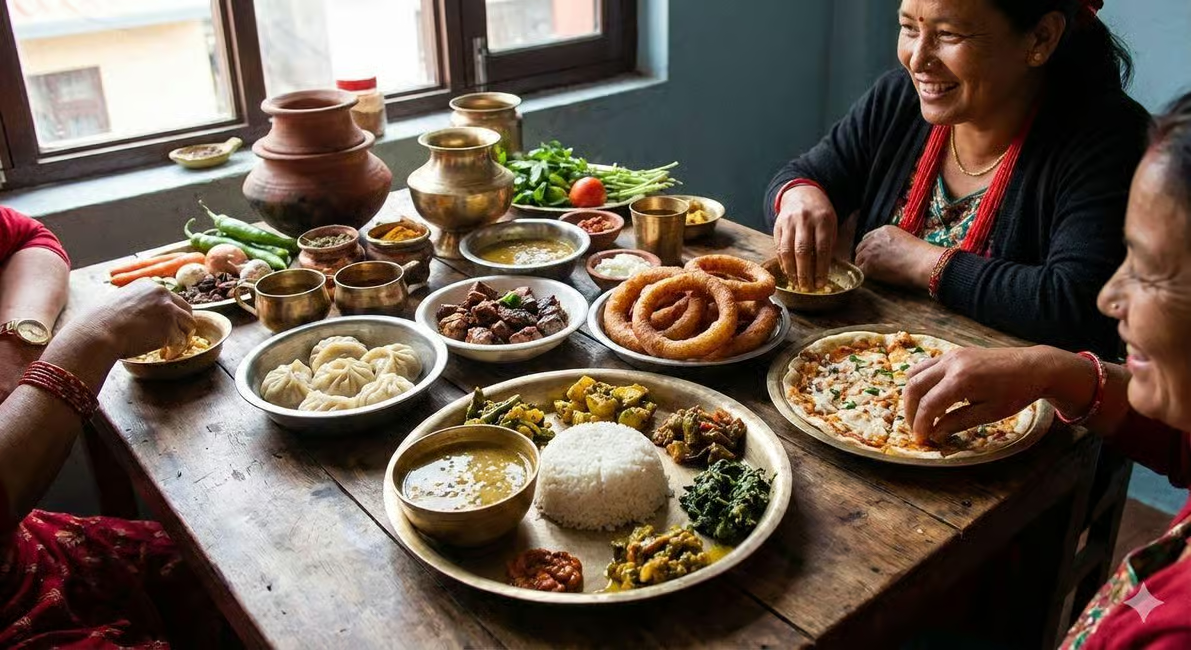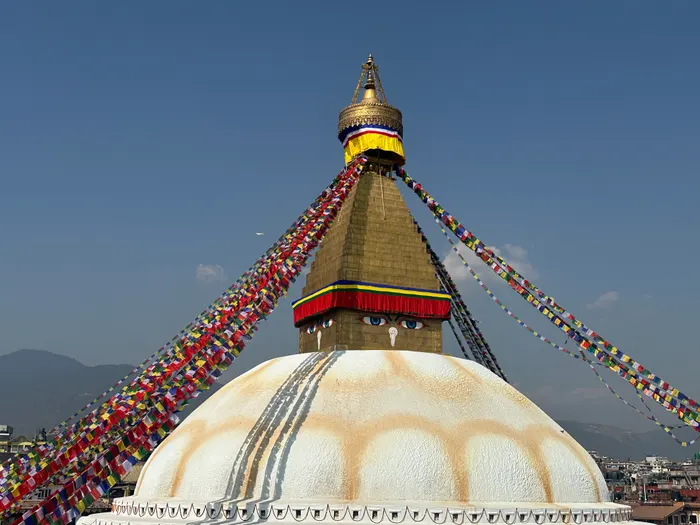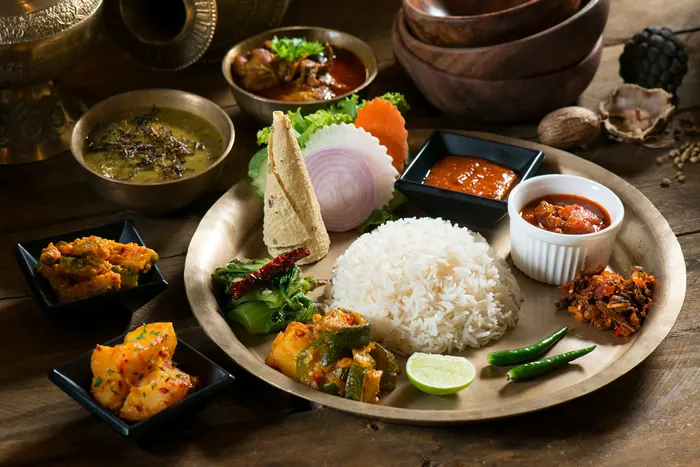
Imagine stepping through a carved wooden doorway into a candlelit courtyard that has stood for over 150 years. The air carries the aroma of slow-cooked mutton curry, spiced dal, and freshly steamed momos. A tabla begins to pulse softly in the corner, and a dancer in a flowing red cholo takes her position under intricately carved rafters. This is not a museum exhibit. This is a living, breathing evening that you can experience in the heart of Thamel, Kathmandu. The Heritage Nepali Dinner with Cultural Show brings together three of the most memorable dimensions of travel in Nepal: extraordinary cuisine, living cultural heritage, and genuine hospitality that makes you feel like an honored guest rather than a paying customer.
Kathmandu is a city that overwhelms the senses in the best possible way. During the day, you explore ancient temples, navigate bustling markets, and trek through centuries of layered history. But when the sun dips behind the hills and the valley lights begin to twinkle, the city reveals a different, more intimate side. A heritage dinner is the perfect way to slow down, savor the flavors of Nepal, and absorb the artistic traditions that have been passed down through generations of Newar, Tamang, Gurung, and Magar communities. Whether you are a solo traveler, a couple celebrating a special evening, or a family looking for a cultural activity that everyone can enjoy together, this experience delivers an unforgettable night in a setting that no modern restaurant can replicate.
What Is a Heritage Nepali Dinner Experience?
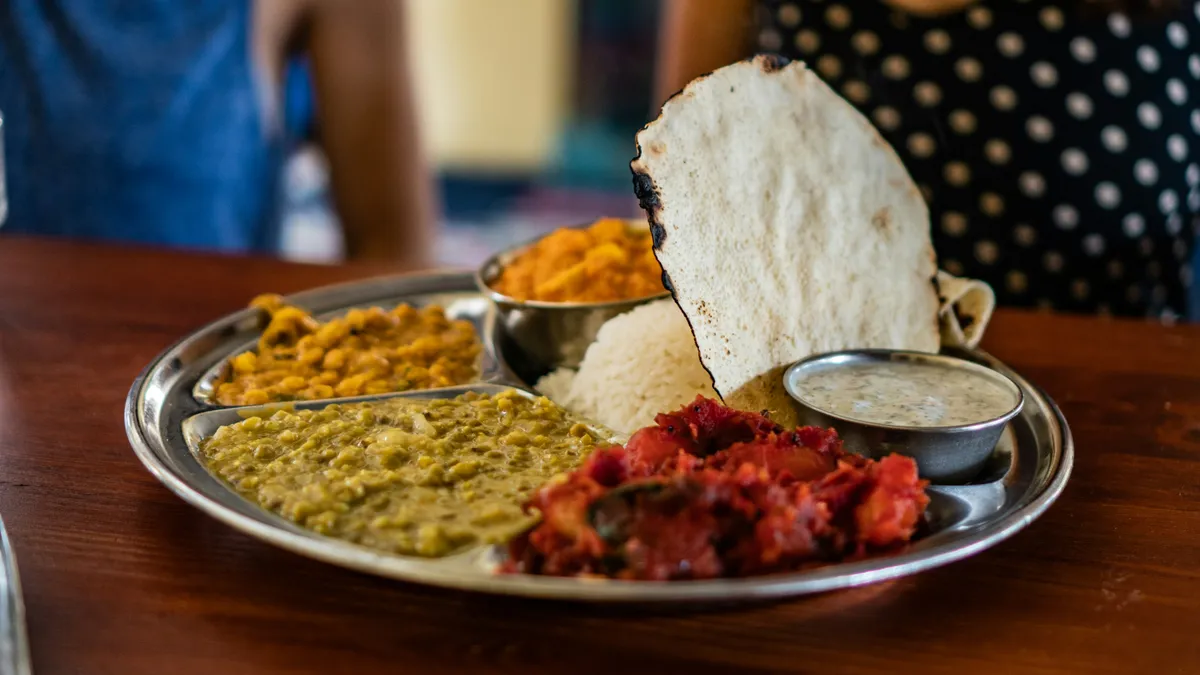 A heritage Nepali dinner is an immersive evening that combines a traditional multi-course Nepali meal with a live cultural performance, all hosted inside a historic building that itself is a piece of Kathmandu's architectural legacy. Unlike a standard restaurant meal, this experience is designed as a journey through the senses: the setting tells a story, the food follows centuries-old recipes, and the performance showcases the folk traditions of Nepal's diverse ethnic groups. You sit on floor cushions at low wooden tables, eat with your hands as locals do, and watch dancers and musicians perform routines that have been refined over hundreds of years. The result is an evening that feels less like dining and more like attending a private cultural celebration in the home of a Nepali noble family.
The concept draws from the Newar tradition of bhoj, the grand feasts that marked religious festivals, weddings, and important social occasions in the Kathmandu Valley for centuries. During a bhoj, guests would sit together on woven mats, be served sequential courses of specially prepared dishes, and enjoy music and dance as part of the celebration. The heritage dinner recreates this communal spirit in a refined setting that is accessible to international visitors while remaining deeply authentic. You are not watching a performance through a glass case. You are participating in a living tradition, and that distinction is what makes the evening so powerful.
For travelers planning a broader cultural itinerary in Nepal, this dinner pairs beautifully with the experiences outlined in our complete 2026 guide to cultural and spiritual tours in Nepal. That guide covers heritage walks, temple visits, and pilgrimage routes across the country, and the heritage dinner is an ideal way to cap off a day of cultural exploration with something sensory, social, and deeply rooted in local tradition.


Why Is the Heritage Building So Significant?
The dinner takes place inside a 150-year-old building that once served as the residence of the Royal Priest, one of the most spiritually important figures in the Kathmandu Valley's Newar society. The Royal Priest, or Raj Guru, was the religious advisor to the Malla and later Rana rulers, responsible for conducting critical rituals, advising on astrological matters, and maintaining the spiritual integrity of the court. Living in this house was not merely a matter of status. It was a sacred duty, and the architecture of the building reflects that spiritual weight. Every carved beam, every window lattice, and every courtyard stone was placed with intention, creating a space that feels both grand and contemplative.
Walking through the entrance, you immediately notice the Rana-era architectural influences that blend Newar craftsmanship with the grandeur of 19th century court aesthetics. The ceilings feature intricately carved wooden beams depicting lotus flowers, peacocks, and scenes from Hindu and Buddhist mythology. The windows are fitted with traditional latticework that filters the evening light into geometric patterns on the floor. The central courtyard, open to the sky, is paved with handmade bricks that have been polished smooth by generations of footsteps. This is not a replica or a themed venue. It is the real thing, preserved and maintained so that visitors can experience the atmosphere of a genuine Kathmandu noble residence.
The building's survival through 150 years of Kathmandu's turbulent history, including the 1934 earthquake and the rapid urbanization of the valley, is itself remarkable. Many similar structures were lost to development, fire, or neglect. This one was carefully restored by a family that understood its cultural value, and today it serves as one of the few places where you can dine inside a living piece of Newar heritage. If you are interested in the deeper architectural and spiritual traditions of the Kathmandu Valley, our article on the ancient traditions of the Newars provides extensive background on the civilization that built and inhabited these extraordinary spaces.
How Is the Traditional Floor Cushion Seating Arranged?
Guests are seated on hand-woven cotton cushions placed around low wooden tables called khalta, which are set in the main dining hall of the heritage building. The cushions are thick and comfortable, backed by bolsters that allow you to recline slightly between courses. The low table is set with brass plates, copper cups, and small bowls for each dish, replicating the traditional Nepali dining setup that is still used in households across the country during festivals and special occasions. Staff are attentive and will guide you on seating posture and dining etiquette if you are unfamiliar with floor dining, so there is no need to feel self-conscious.
This seating arrangement is not just about aesthetics. It is deeply meaningful in Nepali culture. Sitting on the floor at a low table signifies humility and equality, qualities that are central to both Hindu and Buddhist traditions practiced in the valley. When you sit at the same level as your fellow diners, without the hierarchy of high chairs and head tables, the meal becomes a shared experience rather than a formal banquet. The proximity to the ground also connects you to the space in a way that chair seating never quite manages. You feel the warmth of the brick floor, you hear the music more intimately, and you become part of the room rather than a spectator at a table.
What Does the Full Nepali Set Meal Include?
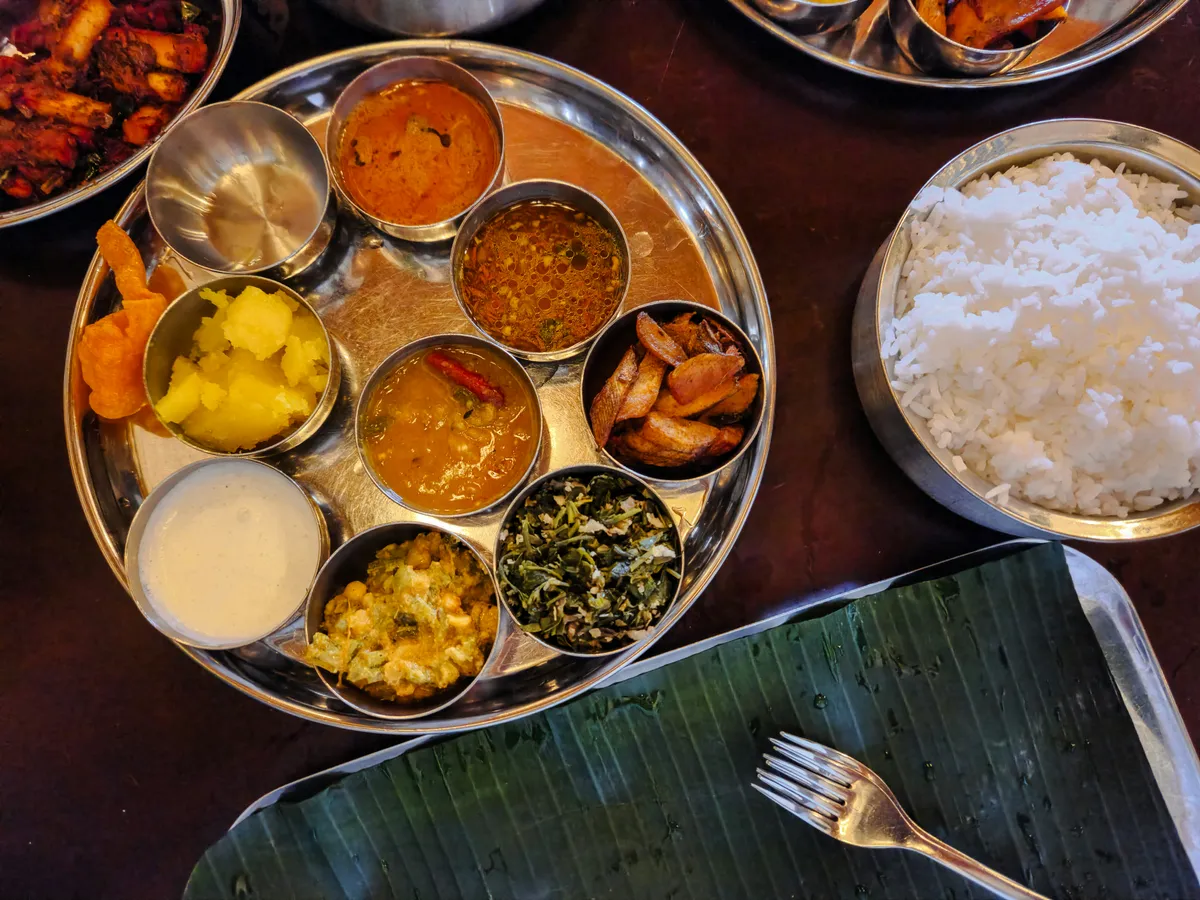
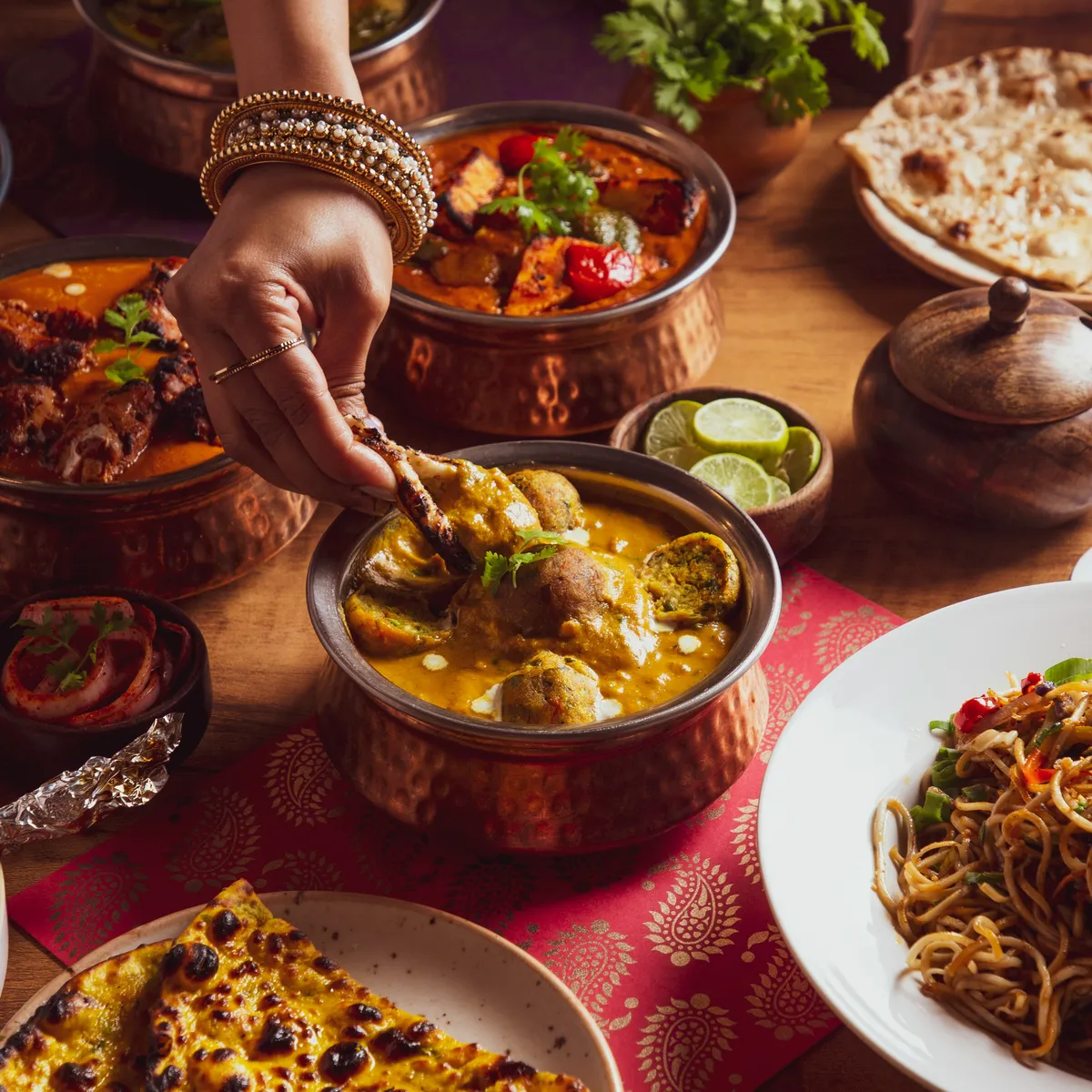
The dinner is served as a complete set meal, meaning every guest receives the full sequence of courses designed to showcase the breadth of Nepali cuisine. The meal begins with a selection of traditional starters that awaken the palate and prepare you for the richer dishes to come. You are first served roasted peanuts and parched corn, two staple snacks that Nepalis enjoy with tea throughout the hills and valleys. These are followed by freshly steamed momo, the beloved Nepali dumplings filled with minced chicken or vegetables and served with a tangy tomato achar dipping sauce. Next comes a bowl of kwati, a hearty soup made from nine different sprouted beans that is both nourishing and deeply flavorful, seasoned with cumin, turmeric, and ginger.
The main course arrives on a large brass platter and represents the heart of the Nepali meal. Steamed white rice forms the center, surrounded by small bowls of accompaniments. The dal, a lentil soup seasoned with ghee, garlic, and tempered spices, is poured over the rice and forms the foundation of every bite. Alongside the dal you will find mutton curry, slow-cooked until the meat falls from the bone in a rich gravy of onions, tomatoes, and a blend of warm spices including cardamom, cinnamon, and bay leaf. Chicken curry offers a second protein option, lighter in spice but equally satisfying, cooked in a style that varies subtly depending on the cook's family origin, whether from the hills, the Terai, or the valley itself.
The vegetable selections change with the season, which is part of what makes the meal feel genuinely local rather than mass-produced. In spring you might find sisnu (stinging nettle) saag, a delicacy prized in the hills for its earthy flavor and health benefits. In autumn the plate features fapar (buckwheat) pancakes and mixed seasonal greens sauteed with garlic and mustard oil. A mixed vegetable curry of potatoes, cauliflower, peas, and carrots adds color and texture. Each dish is prepared in small batches in the heritage kitchen, not assembled from a buffet line, which ensures that the flavors are fresh, the textures are right, and the food arrives at your table at the proper temperature.
The meal concludes with dessert, a course that in Nepali tradition is simple but deeply satisfying. Sikarni is a thick yoghurt dessert flavored with cardamom, sweetened with honey or sugar, and sometimes garnished with dried fruits and nuts. It is cool, creamy, and the perfect counterpoint to the spiced curries that precede it. The evening closes with a cup of Ilam tea, Nepal's homegrown orthodox tea from the eastern hills, which offers a floral, lightly astringent finish that cleanses the palate and leaves you feeling content rather than overstuffed.
What Can You Expect from the Live Cultural Show?
As you settle into the meal, the cultural show begins in the performance area adjacent to the dining hall. The show features a curated selection of traditional Nepali music and dance performed by artists who have trained in their respective folk traditions for years. You are not watching a casual recital. These are professional performers who understand the spiritual and social context behind each piece, and their commitment to authenticity is visible in every gesture and every note. The performance typically runs in segments between courses, so the evening unfolds naturally with food, music, and dance woven together rather than competing for your attention.
The musical portion often begins with a madal performance, the two-headed hand drum that is the heartbeat of folk music across the hills of Nepal. A bansuri, or bamboo flute, may join the rhythm, creating melodies that evoke the terraced fields and mountain streams of rural Nepal. A sarangi, a small stringed instrument played with a bow, adds a haunting, lyrical quality that is particularly associated with the Gandharva musician caste, who historically carried news and stories from village to village through song. The combination of these instruments creates a soundscape that is uniquely Nepali, distinct from the classical traditions of India or Tibet, and deeply connected to the landscapes and lives of the Nepali people.
The dance performances are equally diverse and represent several of Nepal's many ethnic communities. You might see a Ghatu dance from the Gurung community, a slow, graceful performance traditionally associated with the New Year festival. A Tamang Selo may follow, a lively dance from the Tamang people of the hills surrounding the Kathmandu Valley, characterized by rhythmic footwork and the joyful interplay between dancers and musicians. A Lakhe dance, rooted in Newar tradition, features a performer wearing a vivid mask and costume representing the Lakhe demon spirit that is believed to protect the community. The Lakhe dance is dramatic, athletic, and visually arresting, and for many visitors it is the highlight of the evening.
Is Hotel Pick-Up and Drop-Off Really Included?
Yes, hotel pick-up and drop-off are included in the price of the experience, and this is one of the features that makes the evening so stress-free for travelers. A private vehicle will collect you from your hotel in the Kathmandu Valley, typically in the Thamel, Lazimpat, or Boudhanath areas, and transport you to the heritage building. After the dinner and show conclude, the same service returns you to your hotel. This means you do not need to navigate unfamiliar streets at night, negotiate with taxis, or worry about directions. You can simply relax, enjoy the meal and the performance, and let the logistics be handled for you.
This inclusion is particularly valuable for first-time visitors to Kathmandu, where the layout of the old city can be disorienting and the traffic patterns take some getting used to. It also means that if you have been trekking or sightseeing all day and are tired, you can simply walk out of your hotel lobby and into a waiting car without any additional planning. The pick-up and drop-off service reflects the broader ethos of the experience, which is to make Nepali hospitality accessible and effortless for international visitors while maintaining the authenticity of the setting and the food.
How Much Does the Heritage Nepali Dinner Cost?
The heritage Nepali dinner with cultural show is currently priced at USD 30 per person, reduced from the regular price of USD 35 per person. This represents a saving of USD 5 per person, which is significant for a three-hour experience that includes a full multi-course meal, a live cultural performance, and round-trip hotel transfers. There are no hidden fees or mandatory add-ons. The price you see is the price you pay. For families and groups, the savings add up quickly, and the value proposition becomes even more compelling when you consider what is included: a historic venue, a professional cultural show, a complete traditional meal, and door-to-door transportation.
You can book directly through our traditional Nepali culinary food tour activity page, where you will find up-to-date availability, departure times, and a secure booking process. We recommend booking at least 24 to 48 hours in advance, especially during the high seasons of spring (March to May) and autumn (September to November), when demand for cultural experiences in Kathmandu is at its peak. Last-minute bookings are sometimes possible, but availability cannot be guaranteed during these busy periods.
Why Is This a Must-Do Evening Activity in Kathmandu?
Kathmandu offers no shortage of evening activities, from rooftop bars with mountain views to bustling night markets and modern restaurants serving international cuisine. But very few of these options give you something that is uniquely and authentically Nepali. The heritage dinner stands out because it is not a product designed for tourists and stripped of cultural meaning. It is a genuine tradition, presented in a genuine setting, by people who understand and respect what they are sharing with you. When you leave at the end of the evening, you carry with you not just a memory of good food and music, but a deeper understanding of how Nepali people celebrate, gather, and express their identity through cuisine and performance.
For travelers who are combining cultural exploration with trekking, the dinner serves as a perfect bookend. Many of our guests spend weeks on trails like the Annapurna Circuit or the Everest region, living on dal bhat in teahouse kitchens and sleeping in mountain lodges. Returning to Kathmandu and sitting down to a heritage dinner in a historic building offers a powerful contrast: the same cuisine, the same hospitality, but elevated to its most refined and celebratory form. If you are planning a trek, our guide to the best trekking agency in Nepal for 2026 covers everything you need to know about choosing the right operator and route, and the heritage dinner is an ideal way to celebrate the completion of your trek before flying home.
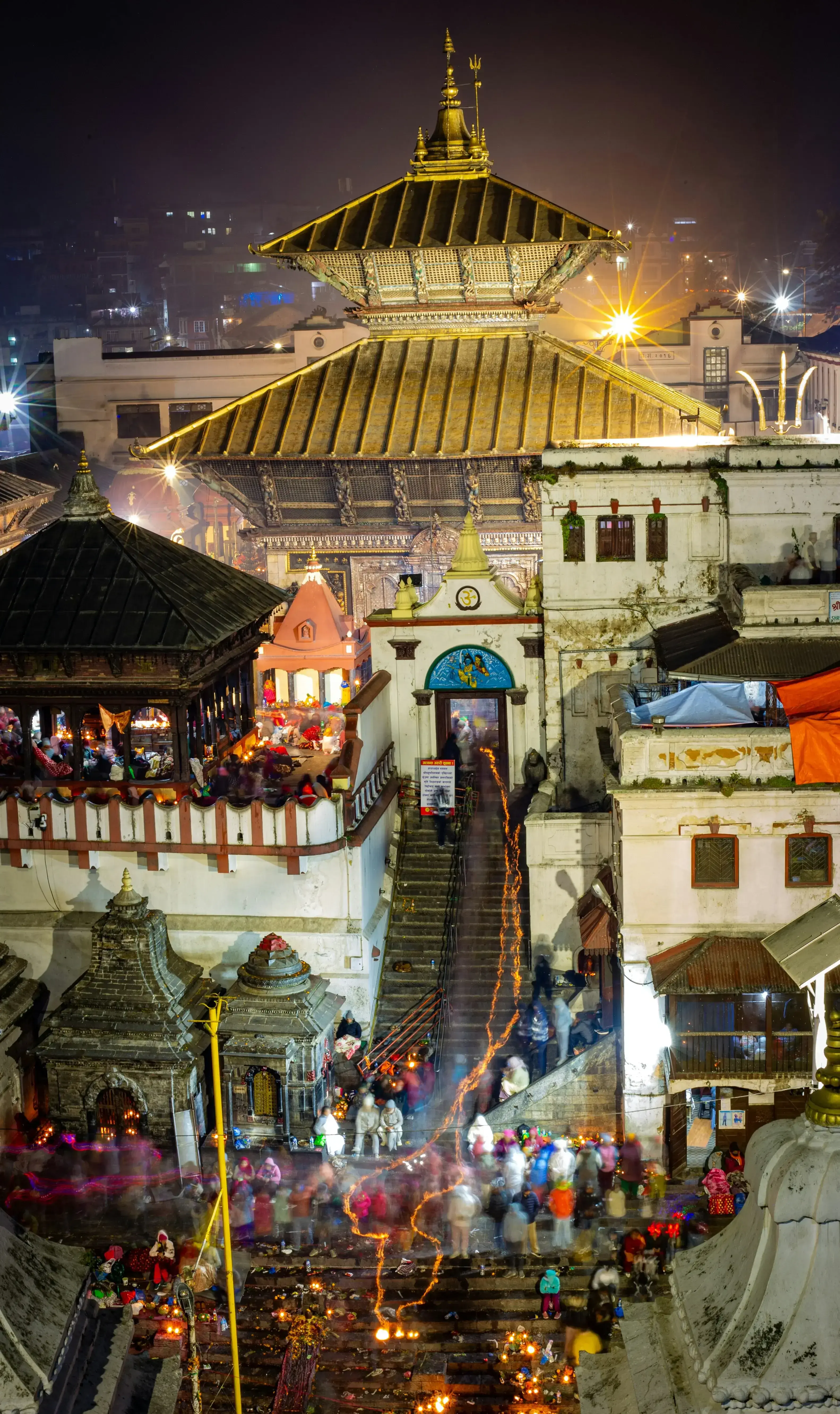
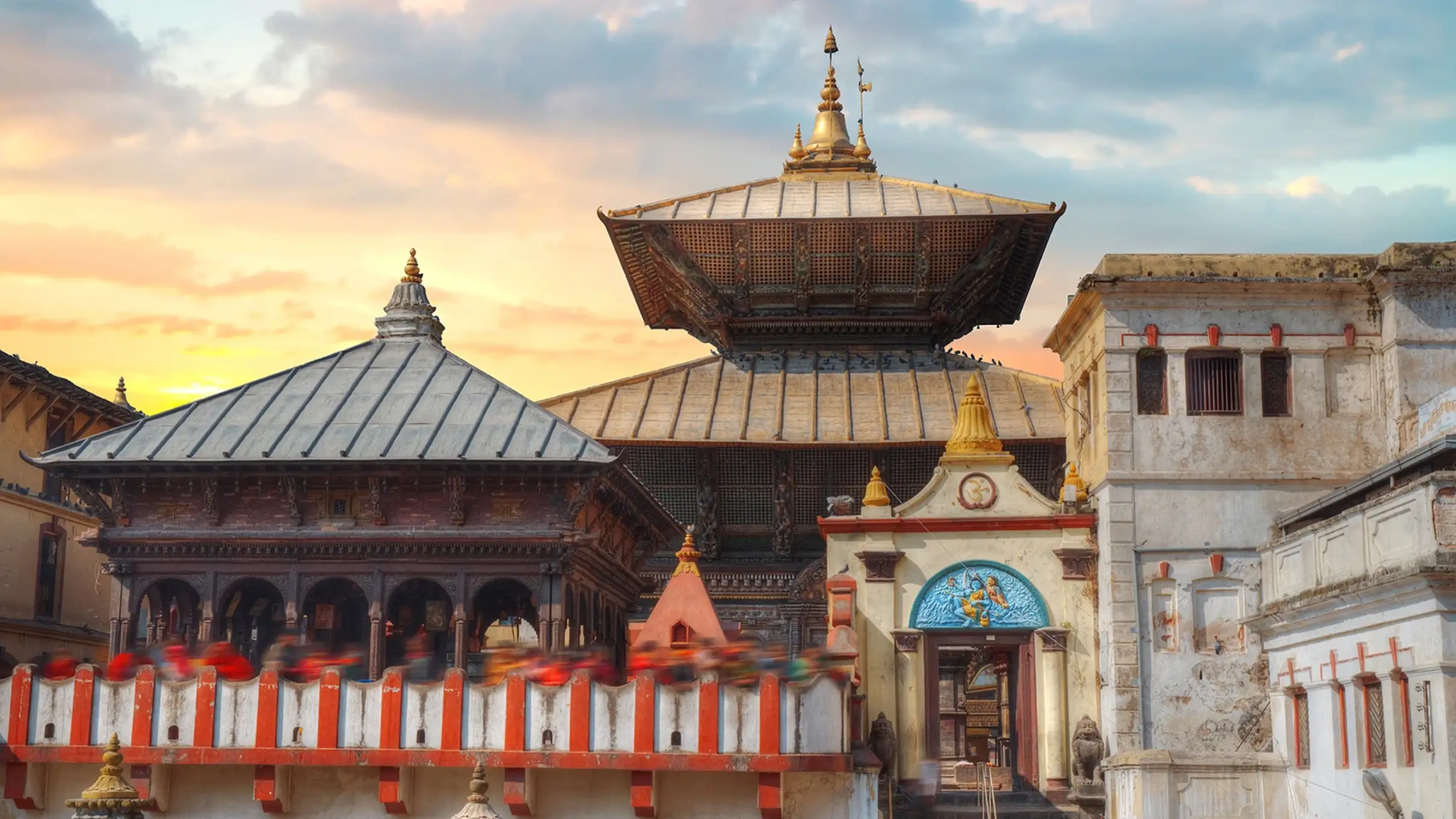
The experience is also an excellent complement to a spiritual evening in Kathmandu. Many visitors attend the evening Aarati ceremony at Pashupatinath, where priests offer light, incense, and chant to the Bagmati River as the sun sets. The Aarati is a deeply moving spiritual experience that concludes around 7:00 PM, which is precisely when the heritage dinner begins. Combining the two creates an evening that moves from sacred ritual to cultural celebration, from the banks of a holy river to the warmth of a heritage dining hall. It is, in our experience, one of the most complete and rewarding ways to spend an evening in Kathmandu.
What Should You Know About Timing, Dress Code, and Photography?
The heritage dinner typically begins in the early evening, with hotel pick-ups starting around 6:00 PM and the dinner and show running from approximately 6:30 PM to 9:30 PM. The entire experience, including transfers, lasts about three and a half hours from the moment you are picked up to the moment you are returned to your hotel. This timing is designed to work whether you have spent the day sightseeing, attending ceremonies, or simply relaxing, and it leaves you back at your hotel with plenty of time to rest before the next day's activities.
There is no formal dress code, but we recommend smart casual attire that is comfortable for floor seating. Long trousers or long skirts are ideal, as they provide flexibility when sitting on cushions and are culturally appropriate for a heritage setting. Avoid very short shorts or revealing clothing, as the building is a historic and culturally significant space. In cooler months, particularly from November to February, bring a light jacket or shawl, as the courtyard areas can be chilly in the evening even though the dining hall itself is warm. Footwear is removed before entering the dining area, as is customary in Nepali homes and traditional spaces, so slip-on shoes are convenient.
Photography is welcome and encouraged during the cultural show and throughout the meal. The performers are accustomed to guests taking photos and are happy to pose briefly after their segments. Flash photography is generally fine, but we recommend asking staff if you are unsure, particularly if other guests seem to prefer a quieter atmosphere. Many of our guests capture stunning images of the carved interiors, the candlelit courtyard, and the vibrant dance costumes, and these photos become some of the most treasured memories of their time in Nepal. Just remember to put the camera down occasionally and simply be present in the moment, because no photograph can fully capture the warmth of the evening or the skill of the performers.
How Do You Book the Heritage Nepali Dinner?
Booking is straightforward and can be completed entirely online. Visit the heritage Nepali dinner activity page on our website, where you will find a booking form with date selection, group size, and hotel pick-up details. Once you submit your booking, our team confirms availability and sends you a confirmation email with all the logistical details, including your pick-up time, the name of your driver, and what to expect upon arrival. Payment can be made online in advance or in some cases upon arrival, depending on the booking option you select. Our team is available to answer any questions before, during, or after the booking process.
If you are planning a longer stay in Nepal and want to build the heritage dinner into a broader cultural itinerary, we offer several packages that include this experience alongside temple visits, heritage walks, and day trips to the surrounding valley. Our Kathmandu Spiritual Circuit covers Pashupatinath, Boudhanath, and Swayambhunath across two days and pairs naturally with an evening heritage dinner. The 7 UNESCO Wonders of Kathmandu 4-day tour is a more comprehensive option that explores all seven World Heritage Sites in the valley, and the Sacred Kathmandu Heritage Tour offers a focused exploration of the valley's most spiritually significant sites. All three packages can be customized to include the heritage dinner as a featured evening activity.
For those who want to dive deeper into Nepali cuisine beyond a single dinner, our traditional Nepali food tour guide for 2026 covers street food, Newar specialties, regional dishes, and the broader culinary landscape of the country. Pairing the heritage dinner with a daytime food tour creates a complete gastronomic journey that takes you from the street stalls of Asan to the refined setting of a 150-year-old noble residence, and together they offer an understanding of Nepali food that few visitors ever achieve.