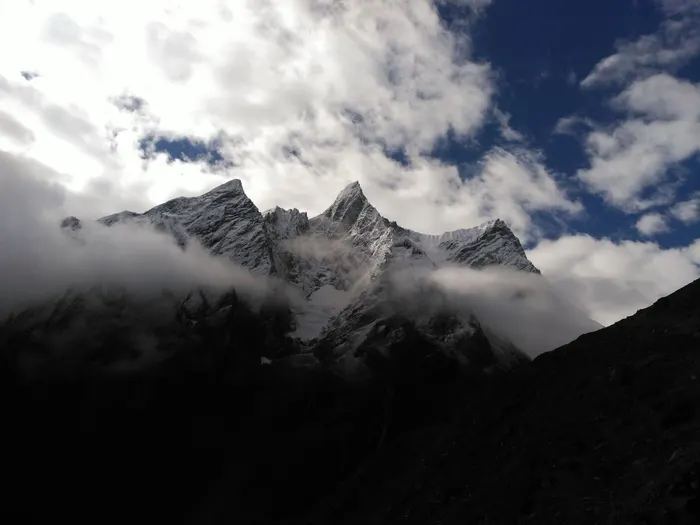
There is a valley in the Annapurna region where the trail has no trekkers on it for hours at a time, where families still store grain in wooden lofts above their animals, and where two medieval villages sit at over 4,000 metres holding a way of life that has barely changed in centuries. It is called Nar Phu, and until 2003 foreigners were not allowed to enter it at all.
The Nar Phu Valley opened to trekkers only two decades ago, and it remains a restricted area to this day. That single administrative fact shapes everything about the trek. Numbers are capped, permits cost more than usual, independent walking is not allowed, and the result is one of the quietest high valleys in Nepal. What you get in return is Phu, a walled Tibetan village with a working monastery, and Nar, a settlement of four gompas set beneath towering rock spires, joined by the Kang La, a 5,320 metre pass that opens onto the Annapurna Circuit.
This guide covers the full twelve-day route, the real cost in 2026, restricted area permit rules, homestay life, altitude planning for the Kang La, and the honest question every trekker faces: is Nar Phu worth the extra permit and the extra effort? If you are building a wider plan, our complete guide to trekking in Nepal sets the context, and the cultural and spiritual tours in Nepal guide explains why valleys like this matter so much.
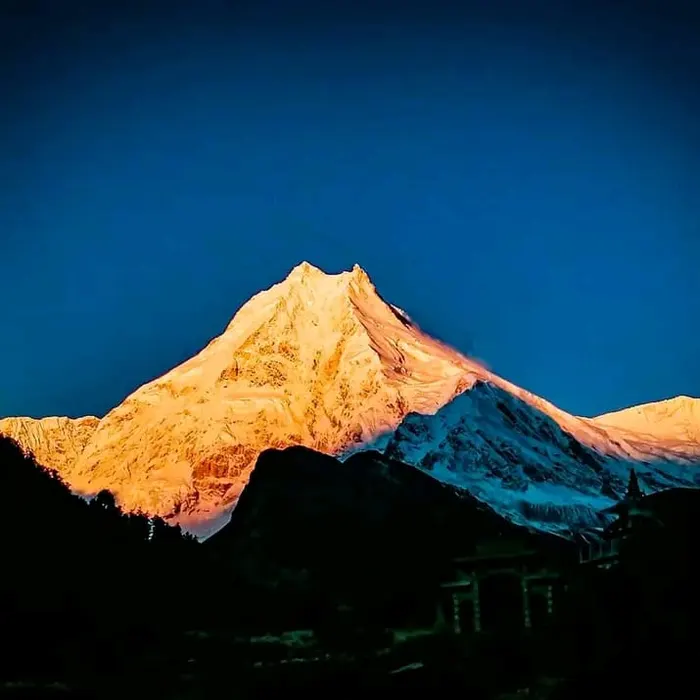


Why the Nar Phu Valley Is Nepal's Most Hidden Trek
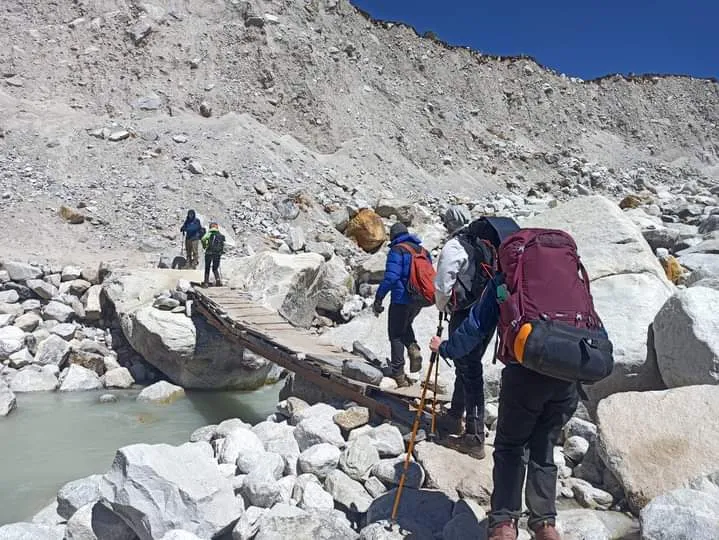
Nar Phu is hidden by design rather than by accident. It sits north of the Annapurna Circuit, behind the ridge that separates the Marsyangdi valley from the old salt trade routes toward Tibet. Trekkers on the main circuit walk past the turn-off at Koto without noticing it, and most of them never learn that a side valley of ancient villages begins a few hundred metres from the trail.
The restricted area status is the reason the valley stayed intact. Because entry is controlled, permits are limited and guides are mandatory, Nar Phu never developed the lodge economy that reshaped Ghorepani, Poon Hill or the Annapurna Sanctuary. Accommodation is homestay based, meaning you sleep in family houses rather than purpose-built trekker lodges, eat what the household eats, and pay the household directly.
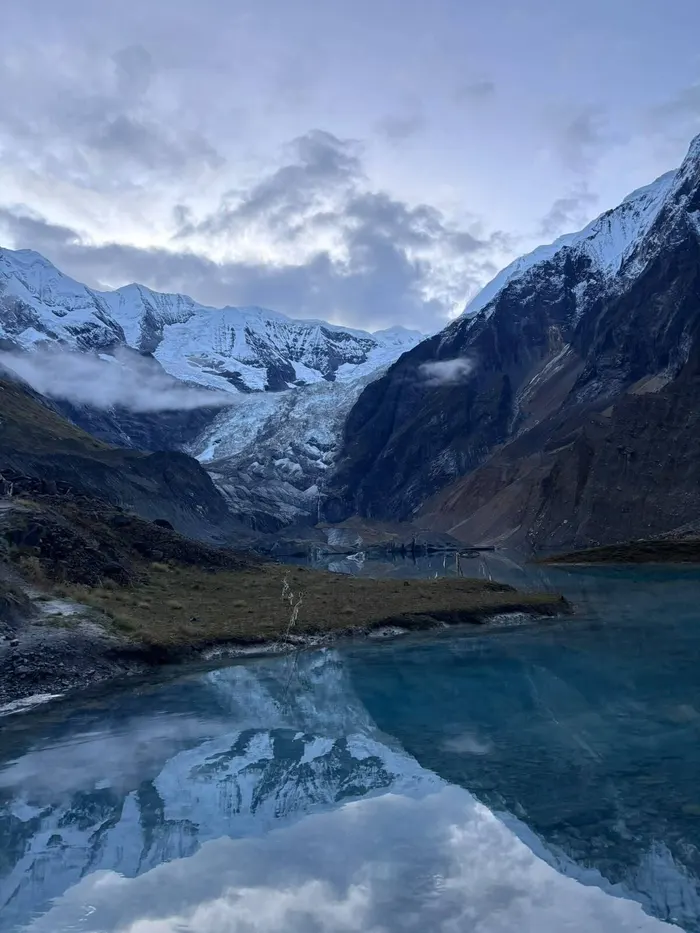
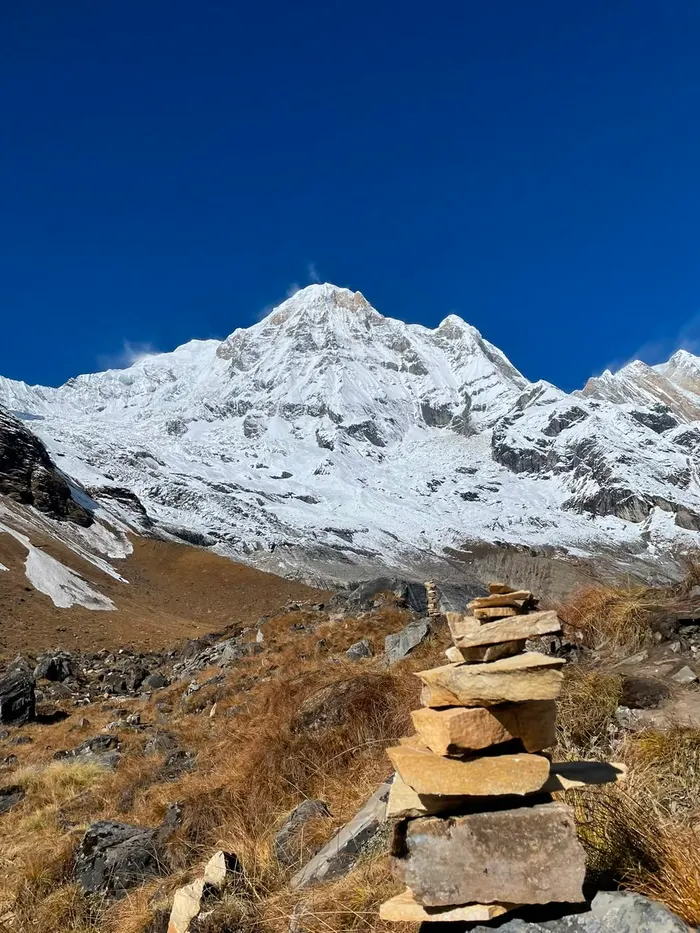
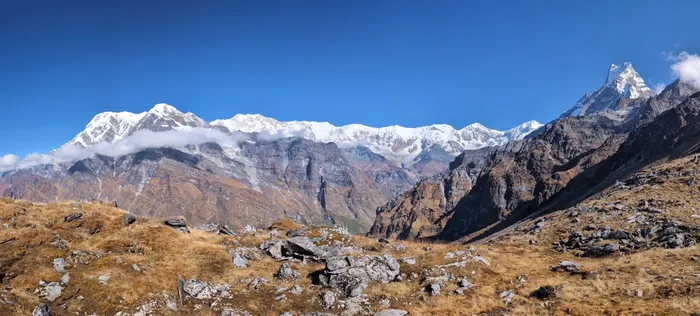
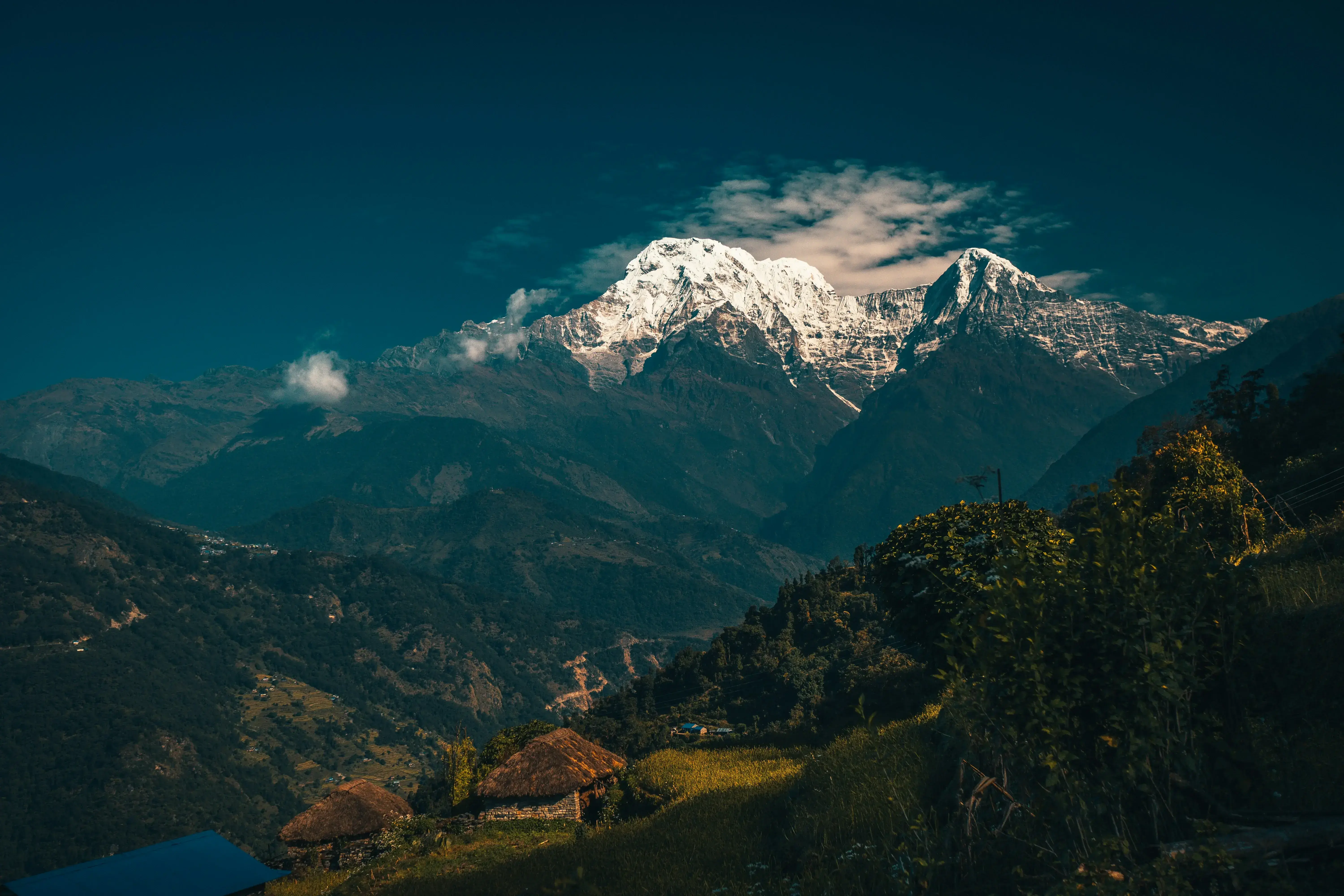
The landscape is equally uncompromising. The Nar Khola drains a high, dry basin of juniper, buckwheat terraces and glacial moraine, with Kang Guru, Himlung Himal and the Pisang Peak massif closing the head of the valley. Snow stays on the upper slopes well into spring. In autumn the light is extraordinary, and on a clear morning from the ridge above Phu you can see from the Annapurna wall across to the Tibetan frontier ranges without a single other walking group in view.
Where Is the Nar Phu Valley and How Do You Reach It?
Nar Phu lies in the Manang district of the Annapurna region, north of the Annapurna Circuit and east of the Upper Mustang boundary. The trailhead is Koto, a village on the Marsyangdi river about two hours by jeep beyond Besisahar, which is itself a six to seven hour drive from Kathmandu. The valley runs north from Koto, then turns east over the Kang La into the Ngawal and Chame section of the Annapurna Circuit.
Because the trek begins and ends on the Annapurna Circuit, Nar Phu is usually walked as a loop rather than an out and back. That means no repeated ground: you enter through Koto, climb through Meta and Phu to Nar, cross the Kang La, and descend to Ngawal and Chame before driving back out through Besisahar. Our Annapurna Region travel guide shows how this side valley sits inside the larger circuit geography.
There is no domestic flight involved, which keeps both cost and logistics simple. Most trekkers spend a night in Kathmandu to complete the permit paperwork, drive to Koto over one long day, and start walking the following morning. The Kathmandu travel guide covers where to stay and what to see during that permit day, including Boudhanath and Patan, both of which make a useful cultural warm-up for a valley built on Tibetan Buddhist culture.
The Nar Phu Valley Trek Itinerary: Twelve Days, Day by Day
Our 12-day Nar Phu Valley trek follows the classic route with homestay accommodation, a restricted area licensed guide, and permits arranged before you leave Kathmandu. The day by day shape looks like this.
Day 1: Arrive Kathmandu and apply for the permit. Airport pickup and hotel check-in, then an afternoon visit to the Immigration office to submit your original passport for the Restricted Area Permit. Nothing else happens today, and that is deliberate. The permit cannot be issued without the physical document.
Day 2: Kathmandu permit collection and trek briefing. Permit collection day, with an optional guided visit to Boudhanath or Patan Durbar Square in the morning and a full trek briefing in the evening. Your guide walks you through homestay etiquette, altitude warning signs and the packing list.
Day 3: Drive Kathmandu to Koto (2,610 m). A long, scenic drive through Besishahar to the gateway of Nar Phu, entering the restricted zone at the Koto checkpoint where your permit is registered. Expect eight to nine hours on the road, and a first proper view of the Annapurna Circuit crowd you are about to leave behind.
Day 4: Koto to Meta (3,560 m). The trek begins with a crossing of the Naar Khola suspension bridge, then a steady climb through pine forest past Dharmasala into the upper Nar valley. Around six hours of walking, with the valley narrowing and the villages thinning out as you gain height.
Day 5: Meta to Phu village (4,080 m). The hidden valley day, with views of Kang Guru and Pisang Peak opening above the trail as you approach ancient Phu. Six hours, arriving in the afternoon, with time to sit above the village as the light goes gold on the cliffs behind it.
Day 6: Rest and monastery day in Phu. A full day at altitude in one of Nepal's most intact Tibetan communities. Visit Tashi Lhakhang monastery, receive a blessing from the resident lama, take butter tea in a family home, and walk gently above the village to help your body adjust to 4,000 metres.
Day 7: Phu to Nar (4,110 m). A short three hour walk to Nar village, set against dramatic rock formations that rise straight out of the settlement. The afternoon is for exploring the four gompas and the medieval lanes of a village that traded with Tibet for centuries.
Day 8: Acclimatisation day at Nar. A deliberately gentle day with an optional hike toward the base of the Kang La for views back across Nar and the valley behind it. Early night, because tomorrow is the hardest day of the trek.
Day 9: Cross Kang La Pass (5,320 m) to Ngawal (3,660 m). A pre-dawn start, four to five hours of steady climbing to the pass cairn, then a long descent into the Annapurna Circuit valley at Ngawal. Seven to nine hours total, and the moment the trek crosses from restricted territory back into the mainstream route.
Day 10: Ngawal to Chame (2,670 m). A pleasant five to six hour day rejoining the main Annapurna Circuit trail through Pisang, with Annapurna II filling the sky ahead and the Marsyangdi roaring below the path.
Day 11: Chame to Besisahar, drive to Kathmandu. A morning jeep to Besisahar and a tourist bus back to Kathmandu, arriving in the evening for a farewell dinner at the hotel. The contrast between yesterday's pass and today's highway is part of the story.
Day 12: Departure. Airport transfer and the end of the trip, with a passport full of permit stamps and a camera roll almost entirely free of other trekkers.
What Is Phu Village Really Like?
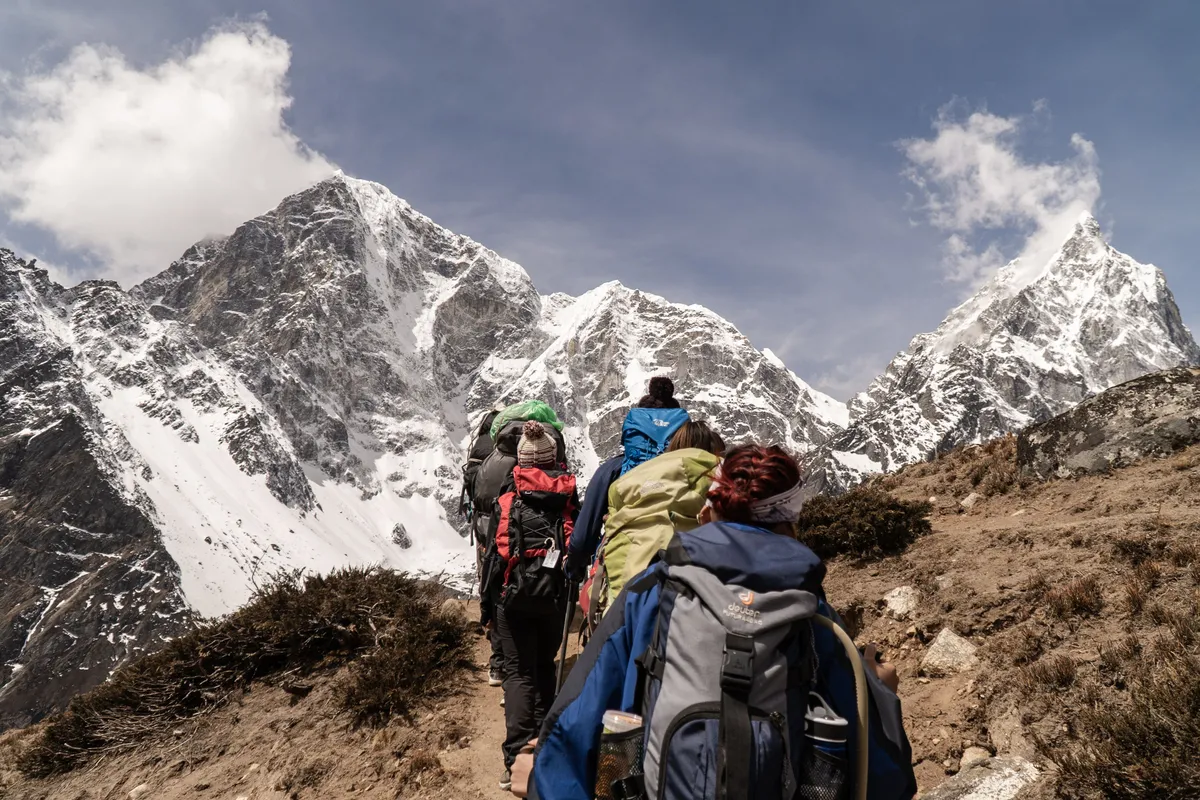
Phu is the reason most trekkers put Nar Phu on their list. It sits at about 4,080 metres on a plateau above the Nar Khola, protected by a stone gateway that once controlled access to the whole valley, and it reads immediately as a place built for isolation rather than tourism. Houses are stacked against each other in tight warrens, the lanes are narrow and unpaved, and grain stores stand on wooden legs beneath the family living space.
Tashi Lhakhang monastery is the spiritual centre of the village, and it remains active. The resident lama receives visiting trekkers, and a blessing here is not a performance laid on for tourists, it is part of the ordinary life of the community. Ask before photographing anyone or anything inside the monastery, remove your shoes before entering, and follow your guide's lead on where you may and may not walk.
Accommodation in Phu is homestay. You sleep in a family house, in a simple twin room with blankets, eat in the family kitchen, and share the household's dal bhat, Tibetan bread, buckwheat pancakes and butter tea. Bathrooms are shared and basic, there is no reliable wifi, and electricity comes from solar panels that may or may not have charge by evening. Trekkers who arrive expecting comfort are usually disappointed for about an hour, and then never think about it again.
What Is Nar Village and the Yartung Festival?
Nar sits at about 4,110 metres in the next valley system, a scatter of closely packed houses set against rock formations so dramatic that it looks more like a fortress than a village. Four gompas remain active, and the lanes between them are genuinely medieval: narrow, unpaved, and organised around the needs of an old caravan settlement rather than through traffic.
Nar is best known in Nepal for Yartung, a summer festival in roughly August that marks the end of the agricultural season with horse racing, archery, dancing and communal feasting. It is one of the few genuinely local celebrations on a trekking route in Nepal, held by the village for the village. If your dates can flex, planning the trek around Yartung is a strong reason to choose late summer, though you should expect the trails to be wet and green rather than crisp and clear.
Because Nar and Phu are so small, both villages feel the loss of young people to Kathmandu and abroad. Homestay income through guided restricted-area trekking is one of the few economic links that keeps families in the valley, which is a good reason to choose an operator who pays households fairly and to keep your spending local once you are there.
How Hard Is the Nar Phu Valley Trek?
Nar Phu is a demanding trek rather than a technical one. The daily walking is moderate, generally four to six hours at a relaxed pace, and the trail itself presents no scrambling, ropes or glacier crossings. What makes it hard is sustained altitude and one genuinely serious pass day. You sleep above 4,000 metres for several nights and cross the Kang La at 5,320 metres, which is higher than Everest Base Camp.
The Kang La is the crux. It requires four to five hours of uphill walking above 4,500 metres with a light pack, starting before dawn to avoid afternoon wind, followed by a long descent to Ngawal. Guides watch every trekker closely on this day and turn groups back when the mountain says so, which is exactly what you want them to do.
Physically, you need to be able to walk uphill for several hours on consecutive days and recover overnight. No prior mountaineering experience is required. If you are coming off a sedentary stretch, give yourself eight to twelve weeks of hill walking, stair climbing and, if you can, a couple of long day hikes in boots to break them in. Group sizes on restricted-area treks stay small by regulation, so pace flexibility is usually real rather than theoretical.
When Is the Best Time to Trek Nar Phu?
Autumn is the best window: late September through November. The monsoon has cleared the air, the views from the Kang La and from the ridge above Phu are at their sharpest, and daytime temperatures in the valley are comfortable while nights at 4,000 metres are cold but manageable. This is also the busiest time in Nepal overall, though Nar Phu's permit cap means it never feels busy in the valley itself.
Spring, from March to mid-May, is the second good window. Days are warmer, rhododendron and wild flowers appear at lower altitudes, and the upper valley is still holding snow on the high slopes. Late spring brings some haze and more afternoon cloud. Winter treks are possible but cold and prone to snow blocking the Kang La, and the monsoon months of June to early September bring leeches, cloud and slippery trails on the approach sections. Yartung in Nar falls in roughly August for trekkers willing to accept wet season conditions in exchange for the festival.
If you are comparing seasonal windows across Nepal more broadly, our 14-day Manaslu Circuit itinerary explains how the Larkya La and its neighbouring restricted area behaves through the same calendar, and the Annapurna versus Everest Base Camp comparison sets out how altitude and season interact across regions.
Do You Need a Restricted Area Permit for Nar Phu?
Yes, and this is the single biggest practical difference between Nar Phu and a standard Annapurna trek. Three documents are required: a Restricted Area Permit for the Nar Phu valley, an ACAP entry permit for the Annapurna Conservation Area, and a TIMS card. You also need a licensed guide and a minimum of two trekkers, since independent permits are not issued for this valley.
The Restricted Area Permit costs roughly USD 100 per person for the first week and about USD 15 per day thereafter, which is the standard structure for Nepal's controlled trekking zones. The ACAP permit is USD 30 for foreign nationals, USD 10 for SAARC nationals and NPR 100 for Nepali citizens, with children under ten free. TIMS is a separate safety and tracking document. Your permit is checked at the Koto checkpoint on entry and again on the trail, so carry originals rather than photocopies.
Booking through a licensed operator removes almost all of the administrative friction. Your guide arranges the restricted area paperwork, the ACAP permit, the TIMS card and the local municipality fees before you leave Kathmandu, and handles the passport submission at Immigration on your behalf. Our explainers on Nepal trekking permits and TIMS and Manaslu restricted area permits and MCAP list every fee table and office, and the Annapurna trek permits guide covers the ACAP side in detail.
What Does the Nar Phu Valley Trek Cost in 2026?
A twelve-day guided Nar Phu Valley trek with homestay accommodation, all meals on the trail, a restricted area licensed guide, porters, permits and ground transport costs from USD 2,242 per person with Enticing Himalayas. That price covers the trek itself, the Restricted Area Permit, the ACAP permit, the TIMS card, the Kathmandu to Koto drive and the Chame to Kathmandu return.
What it does not cover is your international flight, travel insurance that specifically includes trekking to 5,300 metres, meals and accommodation in Kathmandu outside the inclusive nights, personal trekking gear, tips for guide and porters, and spending money in the villages. Most trekkers budget an additional USD 250 to 450 for that bundle, which puts a realistic all in figure between roughly USD 2,500 and 2,700 for the trip.
Nar Phu sits at the higher end of Annapurna-region trekking because of the permit structure rather than because of luxury. Restricted area permits, compulsory guiding, the minimum group size and the homestay model all add fixed costs that a Poon Hill or Mardi Himal trek simply does not carry. If budget is the deciding factor, our Manaslu Circuit cost guide breaks down a comparable restricted-area trek line by line, and it is worth reading both before you choose.
What Should You Pack for Nar Phu?
Pack for a dry, cold, high altitude valley and accept that you will carry more insulation than on a lower Annapurna trek. Bring a moisture-wicking base layer, a fleece and a light down or synthetic mid layer, and a windproof and waterproof shell. Add a warm hat, gloves, a buff and a spare pair of dry gloves for the Kang La day, plus a sun hat, sunglasses and high-factor sunscreen for the exposed upper valley.
Footwear matters more here than on most Nepal treks. Wear well broken in, waterproof boots with good ankle support, and bring a spare pair of socks for each walking day. Take a three-season sleeping bag rated to around minus ten, since homestay bedding is warm but not alpine, plus a headlamp with spare batteries, a water bottle with a filter or purification tablets, a power bank because charging in the villages is limited, and a compact first aid kit including blister care and any personal medication.
Carry Nepali rupees in cash. There are no ATMs above Besisahar, and although your package covers meals and lodging, tea, chocolate, monastery donations and small purchases in the villages are all cash. Keep your passport, permits and a photocopy in a waterproof bag, and pack a small amount of stationery or children's supplies if you would like to leave something useful behind in the villages.
How Should You Prepare for the Kang La Altitude?
Altitude decides how much you enjoy Nar Phu. The valley keeps you above 3,500 metres from day four and above 4,000 metres for several nights, and the Kang La reaches 5,320 metres. The itinerary builds in acclimatisation deliberately, with a full rest day in Phu after the first climb above 4,000 metres and a second acclimatisation day at Nar before the pass.
Support that schedule with the basics. Drink three to four litres of water daily, avoid alcohol above 3,500 metres, keep eating even when appetite dips, and walk at a pace that lets you breathe through your nose. If you develop a persistent headache, nausea, dizziness or breathlessness at rest, stop climbing, tell your guide immediately, and descend if symptoms worsen. Descent remains the only reliable treatment for altitude illness.
Preventive medication such as acetazolamide is worth discussing with a travel doctor before you fly, particularly if you have responded badly to altitude before. If you have never been above 4,000 metres, treat a shorter foothill trek at moderate altitude as useful preparation, and read our Manaslu Circuit itinerary to see how another restricted area trek paces a comparable pass.
Who Is the Nar Phu Valley Trek Best For?
Nar Phu suits trekkers who have already walked one or two Nepal trails and want something genuinely different: culture that has not been reshaped by tourism, trails that are empty for hours, and a pass that asks for real altitude discipline. It is excellent for photographers, for trekkers fascinated by Tibetan Buddhist culture, and for small groups of friends who value a shared challenge over a comfortable view.
It is also one of the better restricted areas for solo travellers who do not want to be alone, because the minimum group size of two is usually met by joining a small fixed departure, and the homestay setting makes evenings naturally sociable. Solo women do well on guided restricted area treks with a licensed local team, since the guide manages all permit formalities and the village context is small and familiar by the second night.
Nar Phu is less suitable as a first Himalayan trek. The altitude is serious, the Kang La is a long day, and the homestays are comfortable but basic. If this would be your first time above 3,000 metres, start with a gentler route and come back to Nar Phu with a little altitude experience behind you. Our guide to treks for beginners, families and solo women covers those routes.
Nar Phu, Manaslu or Upper Mustang: Which Restricted Area?
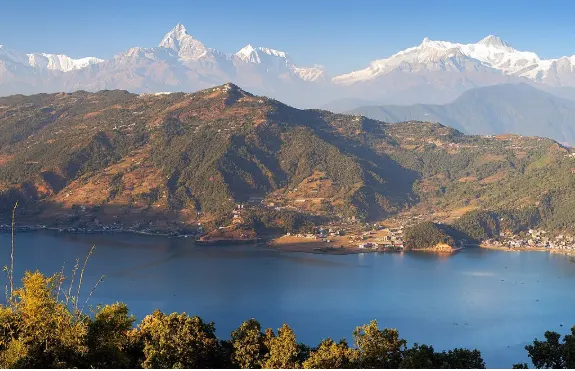
Nepal has three restricted areas that most trekkers consider, and they suit different appetites. Nar Phu is the shortest and quietest, a twelve-day valley trek with two medieval villages and one big pass. The Manaslu Circuit is longer, busier within its own limits, and centred on the Larkya La with a full circumnavigation of an eight-thousand-metre massif. Upper Mustang is drier, more open and more expensive, with eroded canyon landscapes and the walled city of Lo Manthang rather than Tibetan-heritage farming villages.
Choose Nar Phu if you want the greatest cultural immersion per day of walking and do not mind homestay basics. Choose the Manaslu Circuit if you want a longer, self-contained loop with the strongest mountain views, and compare it using our guides to the Manaslu itinerary and Manaslu costs. If you are drawn to the Tibetan Buddhist side of the Himalaya more than the pass itself, our Tsum Valley sacred valley guide covers the neighbouring restricted valley in the Manaslu range, which offers a very similar cultural depth without the 5,320 metre crossing.
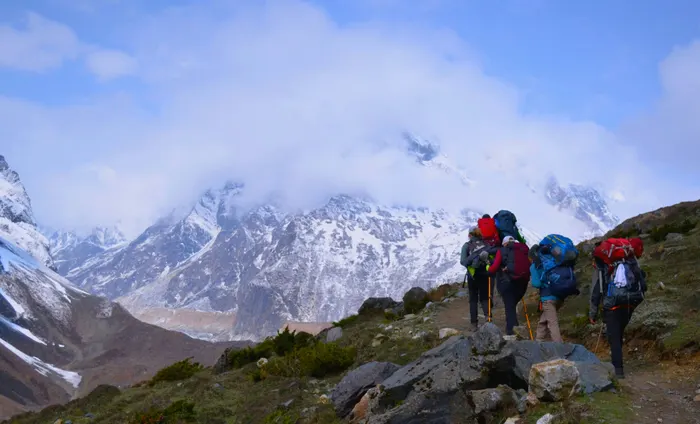
Nar Phu as a Living Tibetan Buddhist Landscape
Nar Phu is a landscape of belief as much as a route on a map. Prayer flags cross the valley mouth, mani walls line the trail, chortens mark the passes, and both Phu and Nar hold active gompas with resident monks. This is not heritage preserved for visitors. It is ordinary daily practice in villages that happen to sit on a trekking route, which is exactly why it rewards a respectful visit.
The etiquette is straightforward and matters. Ask before photographing people, interiors or shrines. Remove your shoes before entering a monastery or a family prayer room. Walk clockwise around stupas, mani walls and chortens. Do not touch or remove offerings. Accept tea when it is offered, and learn a few words of Nepali or Tibetan greeting, which go a long way in a village that sees perhaps a few hundred foreigners a year. Donate to the monastery rather than treating it as a free attraction.
This is also why the valley pairs so naturally with Nepal's wider pilgrimage geography. If the spiritual side of the Himalaya is what draws you, the complete 2026 guide to cultural and spiritual tours in Nepal shows how a trek like this fits into a longer journey through temples, monasteries and sacred lakes, from Boudhanath's dome to Gosaikunda's high tarns. Trekking and pilgrimage in Nepal are not separate holidays. They are the same journey described in different words.
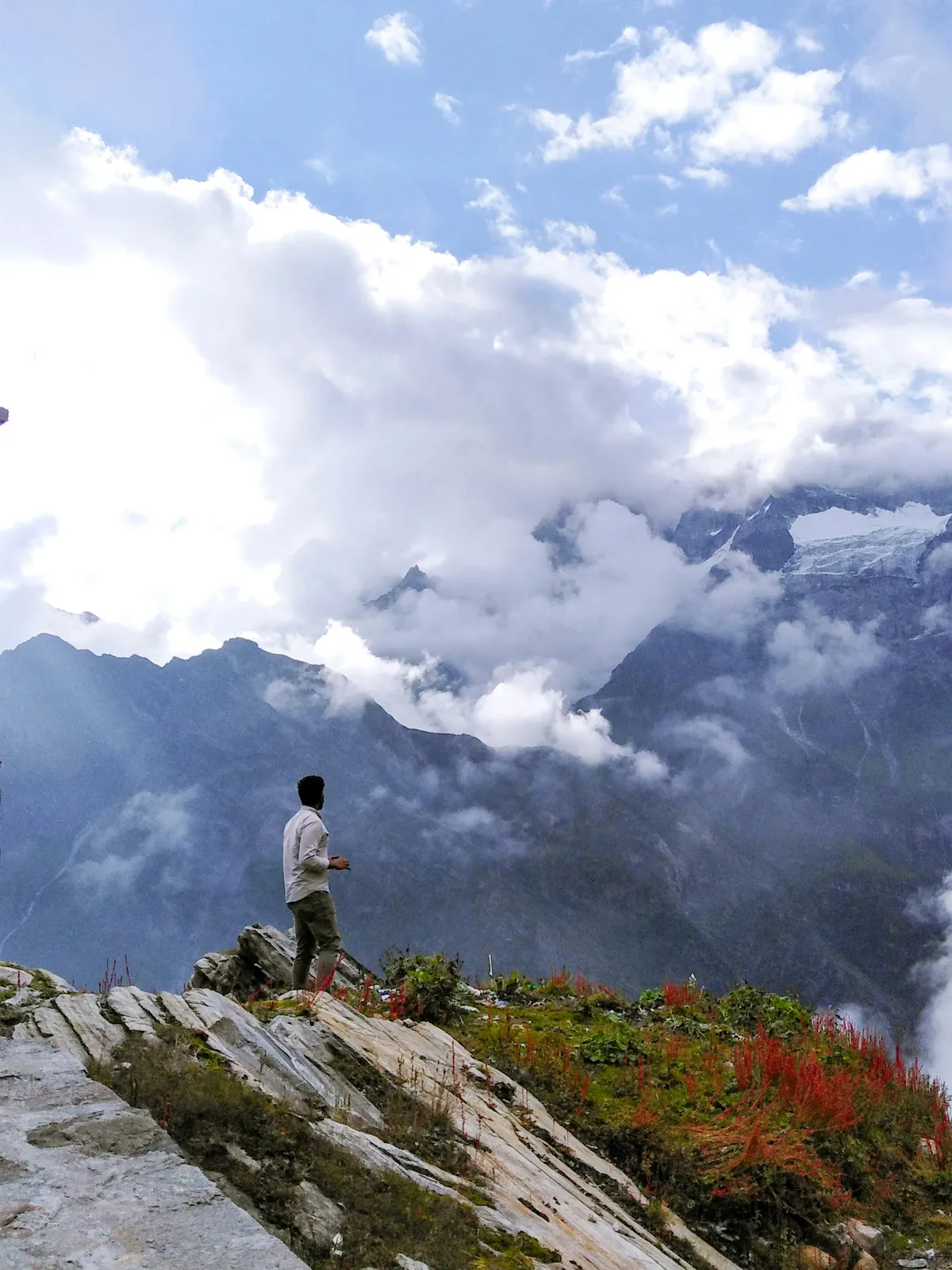
Plan Your Nar Phu Valley Trek with a Local Team
Nar Phu rewards preparation more than almost any trek in Nepal, because the permit process is strict, the homestays are small, and the Kang La does not forgive a casual approach to altitude. Enticing Himalayas is a licensed, Nepal Tourism Board registered operator with guides who hold restricted area experience, and our Nar Phu package includes inclusive meals, homestay accommodation, all permits, ground transport to Koto and back, porters and a guide who knows both villages by name.
Tell us your dates, your experience level and whether you want to aim for the Yartung festival in Nar, and we will shape the itinerary around them. If you would like to compare against other Annapurna options first, browse our Nepal tours, or look at the Mardi Himal ridge adventure and the comparison of conservation areas and national parks in Nepal to understand which protections apply to the valley you are walking through.
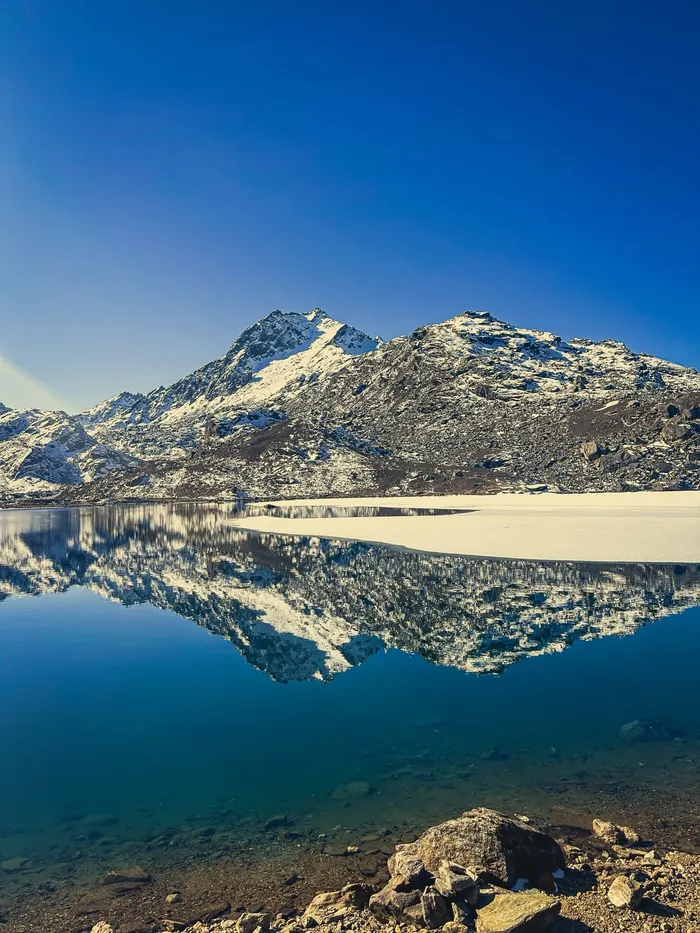
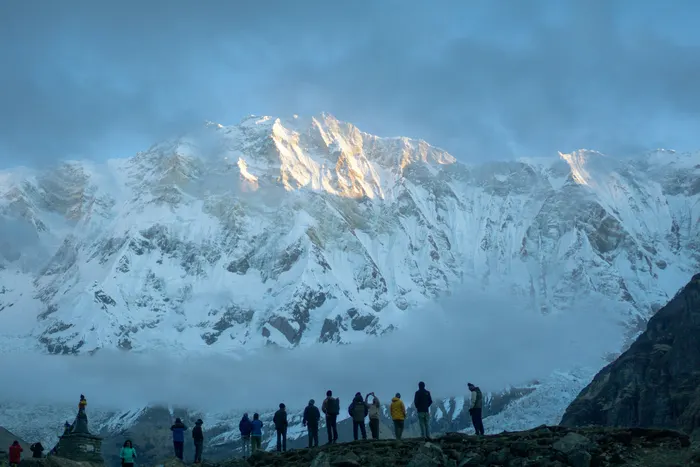
Exploring More of Nepal After Nar Phu
Twelve days is short enough to sit inside a three-week Nepal itinerary without rushing. Trekkers often pair the valley with a few days in the Kathmandu Valley for UNESCO heritage sites, or with a second foothill trek on the way back through Pokhara. Our Khopra Ridge and Khayer Lake guide and the Mardi Himal trek guide cover two very different follow-on routes in the same massif.
If you want to go further afield, the Rara and Chhayanath national parks guide takes you to western Nepal's remote lake country, while the Golden Triangle Nepal tour is the obvious choice if you would rather end the trip with heritage cities and a Chitwan safari than another pass. Culture and trail days combine well in Nepal, and the cultural and spiritual tours guide maps the whole picture.