
What Makes Paragliding in Nepal So Special?
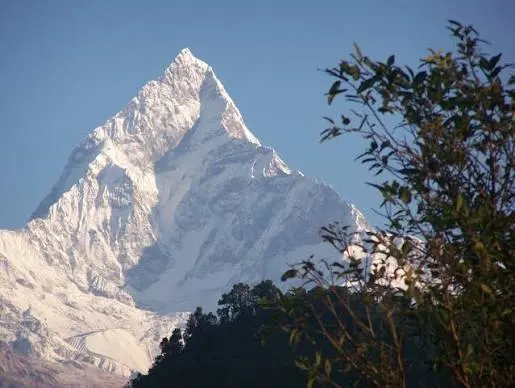
Paragliding in Nepal is, for many visitors, the single most exhilarating hour of their entire trip. From the ridge at Sarangkot above Pokhara, you step off into the air and float above terraced hills, the blue expanse of Phewa Lake, and the entire Annapurna range from Machapuchare's fishtail to the snows beyond. Nepal's combination of tall subtropical hills, reliable thermals, and a backdrop of 8,000 meter peaks is genuinely rare on this planet. Few places let you launch from a ridge at 1,600 meters and look straight across at Annapurna I (8,091 m).
The Pokhara valley acts like a natural bowl that generates stable afternoon uplift, making flights smooth enough for first-timers while still offering serious cross-country potential for licensed pilots. This unique combination of geography, weather, and mountain scenery is why Sarangkot is on every international paragliding bucket list and why Pokhara hosts international paragliding competitions each year. Our paragliding in Nepal activity lets you experience this firsthand.
Where Is the Best Place to Paraglide in Nepal?
Sarangkot is the premier paragliding site in Nepal and one of the most renowned tandem flying sites in the world. The ridge sits at about 1,600 meters, a short drive from Lakeside Pokhara. Operators brief you, strap you to a certified tandem pilot, and run you off the slope into the wind. Flights typically land on the lakeshore or at a designated field below. The view line includes Machapuchare, Annapurna South, Hiunchuli, and Dhaulagiri on clear days, which is the reason this site draws pilots from every continent.
Beyond Sarangkot, Pokhara itself offers training hills for beginners wanting to learn solo flying. Kathmandu has smaller tandem sites on nearby ridges, but the scenery and flying conditions are far superior in Pokhara, which is why most travelers choose to fly there. The Pokhara valley's microclimate creates consistent, flyable conditions for most of the year, making it the reliable choice for your flight.
What Should You Expect on a Tandem Paragliding Flight?
After the briefing at the launch site, you walk to the edge of the ridge. The pilot counts down from three, and you run a few steps before the wing fills and you are airborne. The first minute is pure adrenaline as the ground drops away and the mountain face opens up before you. The rest is silent gliding, with only the sound of wind in your ears and the occasional rustle of the wing overhead. Pilots often spiral gently for a thrill on request, or keep it calm for photographers who want steady shots.
Flights last from a quick 20-minute hop to a 60-minute extended flight that drifts toward the lake and the Seti gorge. A standard flight covers the ridge line, the city, Phewa Lake, and the high range. Extended flights may track north toward the Modi Khola or east along the valley. On clear mornings you see the reflection-free snow line. Afternoons are warmer with more lift but slightly more haze. Either way, the scale of the Annapurna massif from 300 meters up is unforgettable.
What Is the Best Season for Paragliding in Nepal?
The main paragliding season runs from October to May. The post-monsoon months of October and November give the clearest air and the most reliable flying conditions, with stable thermals and excellent visibility. The pre-monsoon months of March through May offer the strongest and smoothest thermals, which is when competitions are typically held. December through February is flyable but cold at the launch site, so dress warmly. June through September is monsoon season, with low cloud, rain, and unstable air that makes flying unsafe, so operators close during this period.
What Time of Day Is Best for a Tandem Flight?
Morning flights, roughly 8 to 11 am, are calm and crystal clear. The air is smoothest in the early hours, which makes morning the preferred slot for nervous first-timers and photographers who want the sharpest mountain views. Afternoon flights, from 11 am to 3 pm, have more lift and better odds of longer duration due to stronger thermals, but distance views can be slightly hazier. Operators schedule around the day's wind conditions. If it is too strong or gusty, flights are delayed or cancelled for safety, which is a normal and expected part of the sport.
How Much Does Paragliding in Nepal Cost?
Tandem flights generally run from about USD 90 for a short hop to USD 140 for an extended flight that includes photos and video. GoPro footage is usually an add-on or included in the premium package. Prices are set per operator and season. Book through a licensed company and confirm what is included before you pay: transport to the launch site, insurance coverage, and media files. We arrange verified operators so you are not bargaining on the hill with uncertain quality or safety standards.
Is Tandem Paragliding Safe for Beginners?
Yes. Tandem paragliding requires no experience, no swimming ability, and only a basic level of mobility to run a few steps at launch and lift your legs on landing. Children and older travelers fly routinely with the right pilot. Choose operators registered with the Nepal Paragliding Association that use certified tandem pilots and maintained wings. A pre-flight safety check, helmet, and harness are standard. Travel insurance that covers adventure sports is strongly recommended. Reputable companies carry third-party liability cover, so ask before you book.
If you hold a paragliding license, Pokhara schools run courses and equipment rentals, and the valley is a known cross-country destination with flights regularly exceeding 50 kilometers. Never attempt to self-launch without local knowledge. The same thermals that lift you can push you into terrain if mishandled, and local wind patterns change rapidly in the afternoon.
What Should You Wear and Bring for Paragliding?
Wear closed shoes with good grip, long trousers, and a windproof layer. It is significantly cooler at the launch site and in the air than on the ground in Pokhara. Sunglasses secured with a strap, a small daypack for your belongings, and a camera with a wrist tether are fine. Leave the selfie stick behind because the pilot films with a mounted GoPro for better footage. Bring cash for the media add-on and a copy of your passport for the operator's logbook registration.
How to Combine Paragliding with a Nepal Trip?
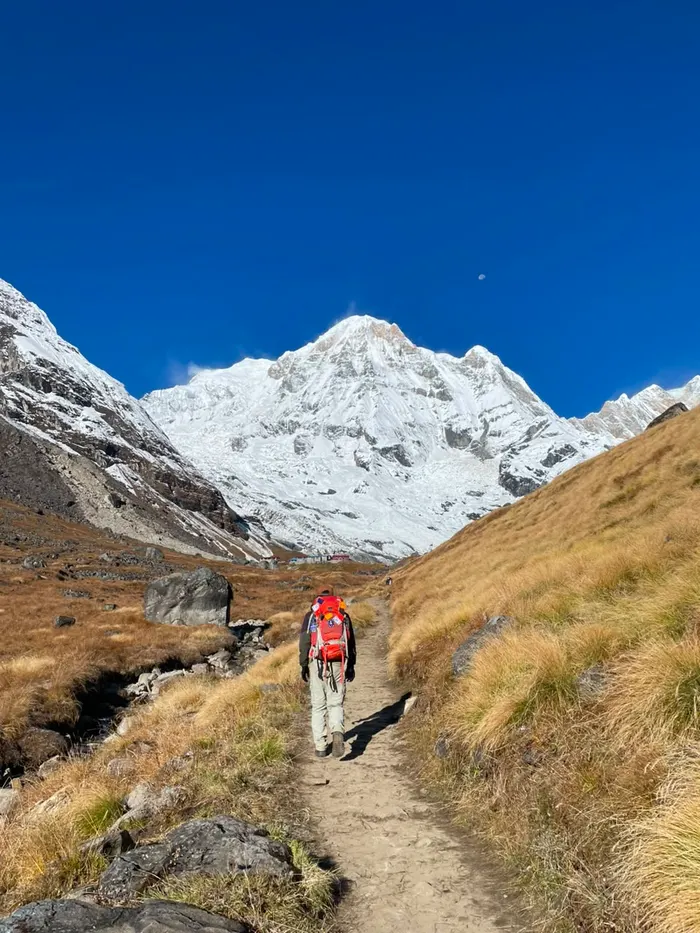
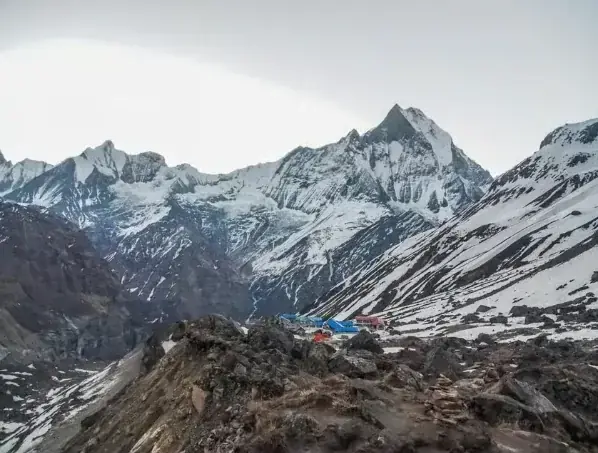
Pokhara is the natural base for paragliding, and it pairs perfectly with a trek in the Annapurna region. The Ghorepani Poon Hill Trek (7 Days) is a classic short trek that starts and ends in Pokhara. The Mardi Himal Trek (5 Days) is another excellent short option. For a longer adventure, the Annapurna Base Camp Short Trek (7 Days) delivers you deep into the Annapurna sanctuary.
Many guests add a paragliding flight as a rest-day highlight between treks. We can slot a flight into almost any tour package. If you are interested in wellness, the Kathmandu Half-Day Wellness Spa Escape makes a great complement before or after your adventure. Read our paragliding in Pokhara destination guide for more detail.
What Happens If the Weather Cancels Your Flight?
Paragliding is entirely weather-dependent. If wind, rain, or low cloud shuts the site, operators cancel and typically rebook or refund. Build flexibility into your itinerary so a missed flying window does not cost you the experience. A buffer day in Pokhara saves disappointment and gives you time for other activities like boating on Phewa Lake, visiting the World Peace Pagoda, or exploring the International Mountain Museum. We flag this when we plan your trip so a weather delay does not derail your schedule.
Photography and Video Tips for Your Flight
The pilot's GoPro gets the best footage because it is stable and wide-angle. If you bring your own camera, a wrist strap is essential. Shoot during the calm first minute and the lake-overflight for the most dramatic frames. Avoid changing lenses in the air. The fishtail peak of Machapuchare with the lake below is the hero shot that every Pokhara flight delivers. The golden hour before sunset produces the warmest, most flattering light on the Annapurna range, though afternoon thermals can make the ride bumpier.
Environmental and Community Considerations at Sarangkot
Sarangkot is a working village as well as a launch site. Respect the launch area, do not litter the ridge, and support local tea houses by buying a meal or a cup of tea while you wait. Responsible operators brief clients on leaving the site clean. A small landing fee often supports the local aviation association's safety work and community projects. By choosing a responsible operator, you ensure that the economic benefit of paragliding reaches the community that hosts it, not just the middleman.
Read our responsible tourism guide for more on traveling ethically in Nepal. For adventure combination ideas, see our helicopter tour from Pokhara guide, and for the complete national overview, read our complete paragliding in Nepal guide.
How Do You Get to Nepal for Paragliding?
Most international travelers fly into Tribhuvan International Airport in Kathmandu. From Kathmandu, you can reach Pokhara by a 25-minute domestic flight (about USD 100 to 120) or by a 6 to 8 hour tourist bus ride (about USD 10 to 20). The domestic flight is strongly recommended for paragliding visitors because it saves a full day of travel and follows the same mountain weather patterns you need to understand for your flight. Book domestic flights in advance during peak season (October to November and March to May).
Once in Pokhara, Lakeside is the main tourist area where paragliding operators have their offices. Most operators provide transport from your Lakeside hotel to the Sarangkot launch site as part of the package. The drive takes about 45 minutes up a winding mountain road. If you are combining paragliding with a trek, you can arrange the flight for your rest day before or after the trek. The Annapurna Family Trek and the Annapurna Winter Trek both start and end in Pokhara, making the logistics seamless.
What Are the Licensing and Certification Standards for Paragliding in Nepal?
Paragliding in Nepal is regulated by the Nepal Paragliding Association (NepGA) and the Civil Aviation Authority of Nepal (CAAN). Licensed tandem pilots must hold a valid tandem rating from an internationally recognized paragliding federation, such as the FAI (Federation Aeronautique Internationale) or equivalent national body. Operators must register annually with NepGA and are subject to equipment inspections. The wings (paragliders) used for tandem flights are inspected regularly and retired after a set number of flight hours.
Despite these standards, the quality of operators varies. Always book through a registered company that can show you their pilot certifications and equipment inspection records. Reputable operators carry third-party liability insurance. Avoid booking through unlicensed street agents or the cheapest operators on the hill, as safety standards may be compromised. The complete paragliding safety guide has more detail on what to look for.
Related Articles
- Paragliding in Pokhara: The Ultimate Destination Guide
- Paragliding in Nepal: The Complete Guide to Tandem Flights, Costs, and Safety
- Paragliding in Kathmandu: Sites, Costs, and What to Expect