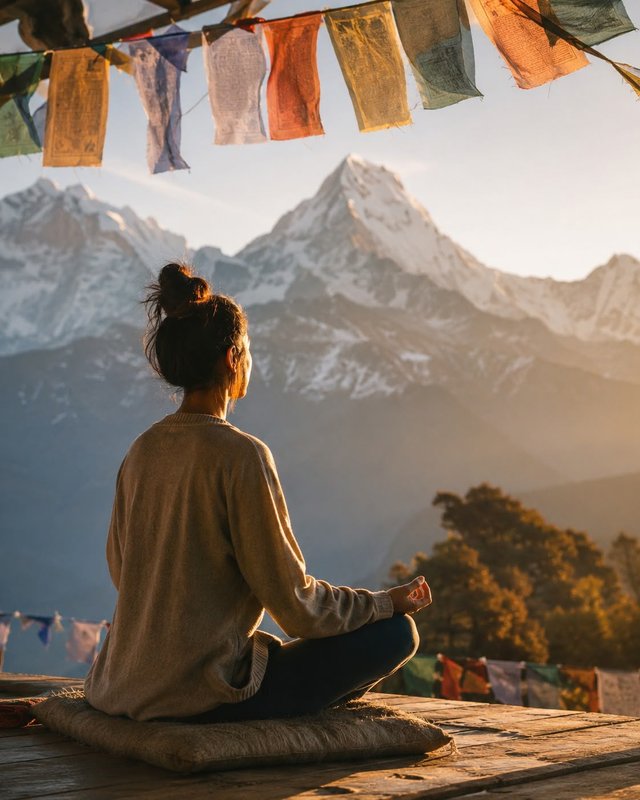
The Allure of Pokhara: A Gateway to Inner Peace
For centuries, the Himalayas have been regarded as the roof of the world, not just for their towering peaks but for the profound spiritual energy they radiate. Among the many jewels of Nepal, Pokhara stands out as a sanctuary of serenity. While Kathmandu offers the intensity of ancient temples and bustling markets, Pokhara provides a gentle embrace. It is a city where the mountains meet the mirror-like waters of Phewa Lake, creating a natural environment that practically demands mindfulness. For those seeking to book a spiritual tour in Nepal, Pokhara is an indispensable stop.
The city is not merely a tourist destination but a living laboratory for spiritual evolution. Here, the air is thinner, the light is clearer, and the pace of life slows down to match the rhythm of a deep yogic breath. Whether you are a seasoned practitioner of the arts of mindfulness or a complete novice looking to escape the chaos of modern urban existence, Pokhara offers a spectrum of healing experiences. From the silent retreats of the foothills to the vibrant yoga shalas along the lakefront, the city is designed for the soul to breathe. The integration of nature, culture, and ancient wisdom makes it one of the most potent locations on Earth for spiritual realignment.
In this comprehensive guide, we explore the intricate layers of yoga and spiritual healing available in Pokhara. We will dive deep into the specific modalities that define the lakeside experience, identify the most reputable centers for growth, and provide a roadmap for those searching for the best pilgrimage packages to rejuvenate the spirit.


The Magic of Lakeside Pokhara: Why it is the Ideal Healing Hub
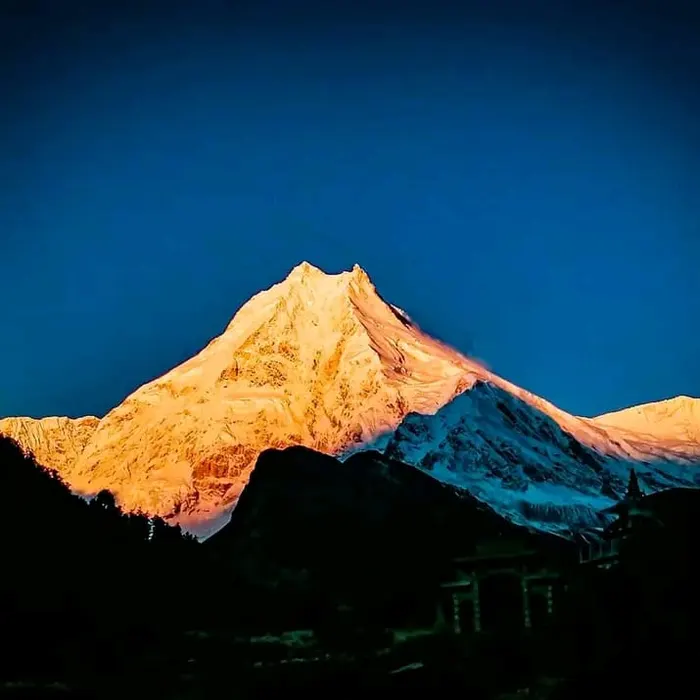
The geography of Pokhara is a masterclass in spiritual architecture. The city is cradled between the Annapurna massif and the Machhapuchhre peak, creating a sheltered valley that feels like a natural sanctuary. The presence of the lake is central to this energy. Water has always been a symbol of purification and flow in spiritual traditions, and Phewa Lake serves as a giant mirror reflecting the majesty of the mountains. This visual symmetry fosters a sense of balance and harmony within the observer, making the process of meditation significantly more accessible.
The "Lakeside" area is the heartbeat of the wellness movement in Pokhara. It is a unique ecosystem where global travelers meet local gurus. Walking along the shores, you will find a concentration of yoga studios, organic cafes, and holistic healing centers that prioritize the well-being of the guest over the profitability of the business. This community-driven atmosphere allows for a genuine exchange of wisdom. It is common to find a world-renowned yoga master teaching a class next to a traveler who has just discovered the joy of a simple stretch, both united by the desire for peace.
Moreover, the environmental factors of Pokhara contribute to the healing process. The proximity to the forest provides a constant supply of fresh, oxygen-rich air, which is essential for deep pranayama (breathing exercises). The sound of the water and the distant chime of temple bells create a sonic landscape that naturally lowers the heart rate and reduces anxiety. When you reside in the Lakeside area, you are not just staying in a hotel; you are immersing yourself in a vibration of tranquility that permeates every street and alleyway.
Exploring Yoga and Healing Modalities in Pokhara
Yoga in Pokhara is not a monolithic practice. It is a rich tapestry of different schools and styles, each offering a different path to wellness. Depending on your goals, whether they are physical flexibility, mental clarity, or spiritual awakening, there is a modality tailored to your needs.
Hatha and Vinyasa Yoga: Balancing Body and Breath
Hatha yoga is the foundation upon which many modern practices are built. In the studios of Pokhara, Hatha is often taught in its purest form, focusing on the balance of sun (Ha) and moon (Tha) energies. These classes emphasize holding postures (asanas) to build strength and stability while focusing on the quality of the breath. It is an ideal starting point for those who want to ground themselves in the physical reality of their bodies before venturing into the more metaphysical aspects of spirituality.
Vinyasa, on the other hand, is the yoga of flow. It is a dynamic practice where movement is synchronized with breath in a continuous stream. In Pokhara, Vinyasa classes are often held at sunrise, with the vista of the Himalayas providing a breathtaking backdrop. The fluid nature of Vinyasa helps in releasing stagnant energy from the joints and muscles, promoting a sense of liberation and agility. For the active seeker, these classes offer a way to move through the physical world while remaining centered in a meditative state.
Kundalini and Breathwork: Awakening the Dormant Energy
For those seeking a more intense spiritual experience, Kundalini yoga is a powerful tool available in several specialized centers in Pokhara. This practice focuses on the energy coiled at the base of the spine, using specific mantras, mudras, and breathing techniques to awaken this energy and move it up through the chakras. It is often described as a "technology of consciousness," designed to break through mental blocks and elevate the practitioner to a higher state of awareness.
Breathwork, or Pranayama, is often integrated into these sessions. From the calming effects of Alternate Nostril Breathing (Nadi Shodhana) to the invigorating power of the Breath of Fire, these techniques allow practitioners to consciously manipulate their life force (Prana). In the high-altitude environment of Nepal, the impact of pranayama is amplified, as the body becomes more sensitive to the intake and expulsion of air, leading to profound shifts in mental state and emotional release.
Tibetan Singing Bowls and Sound Healing: Vibrational Medicine
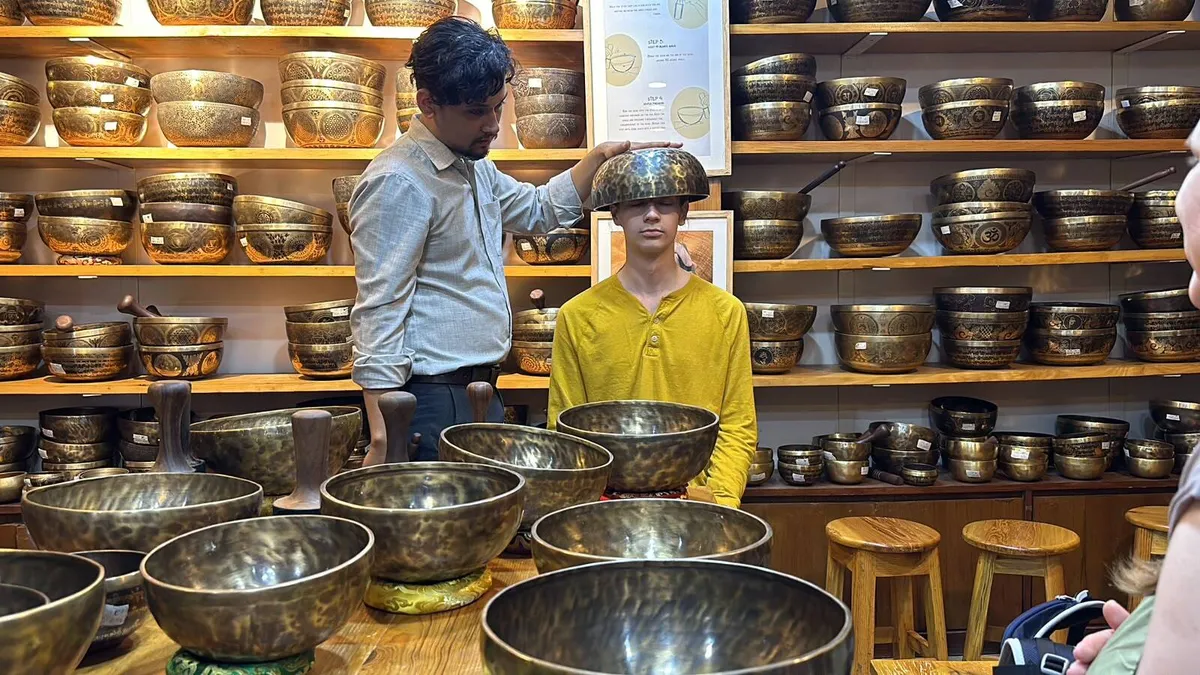
One of the most unique aspects of spiritual healing in Pokhara is the use of Tibetan singing bowls. Sound healing is based on the principle that the universe is made of vibration and that disease or stress is essentially a disharmony in our vibrational frequency. By using hand-crafted bowls made from a blend of metals, practitioners create resonant frequencies that penetrate deep into the body's tissues.
A typical sound bath in Pokhara involves lying down in a relaxed state while a therapist places bowls around and on the body. The resulting vibrations act like a sonic massage, clearing energetic blockages and inducing a state of deep theta-wave relaxation, similar to a lucid dream. Many visitors report that a single session of sound healing in Pokhara provides more mental relief than weeks of traditional meditation, as the sound bypasses the analytical mind and speaks directly to the nervous system.
Reiki and Energy Healing: The Gentle Touch of Light
Reiki, the Japanese art of energy healing, has found a second home in the spiritual corridors of Pokhara. This non-invasive modality involves the practitioner channeling "universal life force energy" through their palms into the recipient. In the serene atmosphere of a lakeside cottage, Reiki sessions focus on removing the energetic debris that accumulates from stress, trauma, and the pollutants of urban living.
The goal of Reiki in Pokhara is to restore the body's natural ability to heal itself. By balancing the energy centers (chakras), Reiki helps in aligning the physical, emotional, and spiritual bodies. It is often paired with aromatherapy using local Himalayan herbs and oils, creating a multisensory experience that grounds the soul and elevates the spirit. It is an excellent choice for those who find intense physical yoga too demanding but still wish to experience a profound energetic shift.
Top-Rated Yoga Centers and Wellness Retreats in Pokhara
Choosing the right center is crucial for your healing journey. Pokhara hosts a variety of establishments, from high-end luxury wellness resorts to authentic ashrams. Here are the most recommended spaces for spiritual growth.
1. The Holistic Lakeside Sanctuary
This center is renowned for its integration of traditional Ayurvedic medicine and modern yoga. Located just a few steps from the water, it offers immersive 7-day detox programs that combine a strict sattvic diet with daily Hatha yoga and meditation. The sanctuary is praised for its commitment to authenticity, employing local masters who have spent decades studying the scriptures. Their "Silence and Sound" retreat is particularly popular, combining days of noble silence with evening Tibetan bowl sessions.
2. Annapurna Wellness Hub
Focusing more on the physical and energetic alignment, the Annapurna Wellness Hub is the place for those interested in Vinyasa and Kundalini. They offer an extensive range of workshops, including "Yoga for Hikers," which is designed to prepare the body for the rigors of the mountains. This center is a social hub for the global yoga community, making it an excellent place to meet like-minded travelers. Their open-air pavilion offers a 360-degree view of the valley, ensuring that your practice is always in conversation with nature.
3. The Zen Garden Meditation Retreat
If your primary goal is mental stillness, The Zen Garden is the gold standard. This retreat focuses less on the physical asana and more on Zazen (seated meditation) and Vipassana techniques. The center is designed as a labyrinth of gardens and quiet corridors, encouraging a slow, mindful walk. The instructors here are experts in mindfulness-based stress reduction (MBSR), helping guests navigate their internal landscapes with compassion and curiosity.
Spiritual Landmarks for Meditation and Reflection
Beyond the walls of the yoga studios, Pokhara is dotted with landmarks that serve as natural cathedrals for the soul. Integrating these visits into your itinerary enhances the healing process by connecting you to the collective spiritual history of the region.
The World Peace Pagoda (Shanti Stupa)
Perched on a hilltop overlooking the city and the lake, the World Peace Pagoda is a beacon of hope and non-violence. The climb to the pagoda is a meditative journey in itself, passing through lush forests and small village settlements. Once at the top, the white dome of the pagoda radiates a sense of purity and calm. Practicing mindfulness here, with the wind whipping across the ridge and the city sprawling below, allows you to put your personal struggles into a larger, more cosmic perspective. It is a place for setting intentions and releasing old grievances.
Phewa Lake and the Tal Barahi Temple
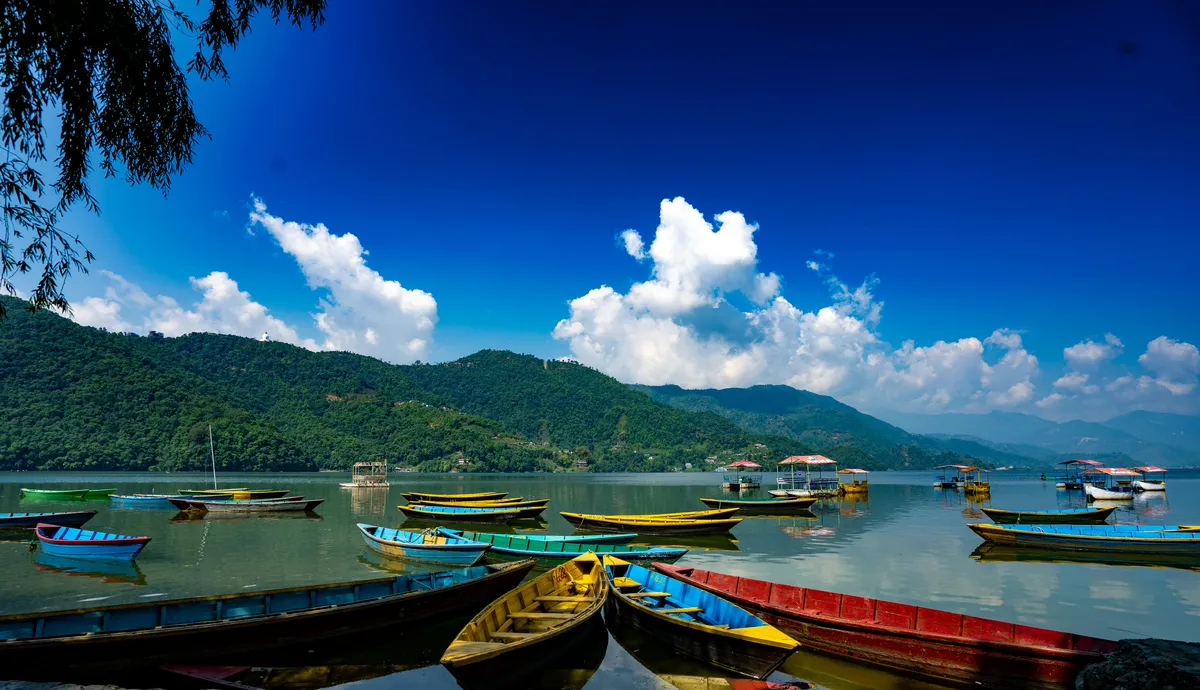
Phewa Lake is more than just a body of water; it is a spiritual entity. Taking a wooden boat to the Tal Barahi Temple, located on a small island in the middle of the lake, is a rite of passage for any spiritual seeker. The temple is dedicated to the goddess Barahi and is a center for prayer and offerings. The act of crossing the water symbolizes the transition from the mundane world to the sacred space. Sitting in the temple courtyard, listening to the rhythmic chanting of priests, one can feel a deep connection to the ancient traditions of the land.
Sarangkot: The Summit of Awareness
While Sarangkot is famous for its sunrise views, it is also a potent site for solar meditation. As the first rays of the sun hit the peak of Machhapuchhre, the energy of the mountain seems to wake up. Many practitioners visit Sarangkot in the early hours to perform Surya Namaskar (Sun Salutations) as the light breaks over the horizon. The sheer scale of the mountains reminds the observer of their smallness, which, paradoxically, provides a profound sense of freedom and release from the ego.
The Synergy of Silence: Combining Yoga with Himalayan Trekking
One of the most transformative ways to experience Nepal is to bridge the gap between the stationary practice of yoga and the active journey of trekking. The mountains are not just a backdrop for yoga; they are the very reason for its existence in the region. By integrating a wellness retreat in Pokhara with a guided trek, you create a holistic experience that challenges both the body and the spirit.
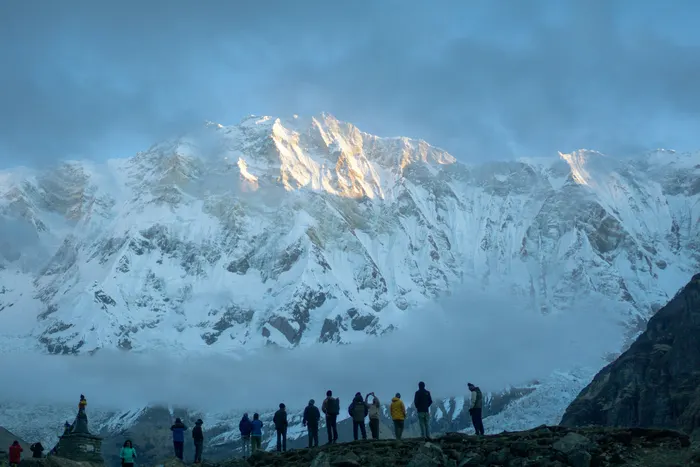
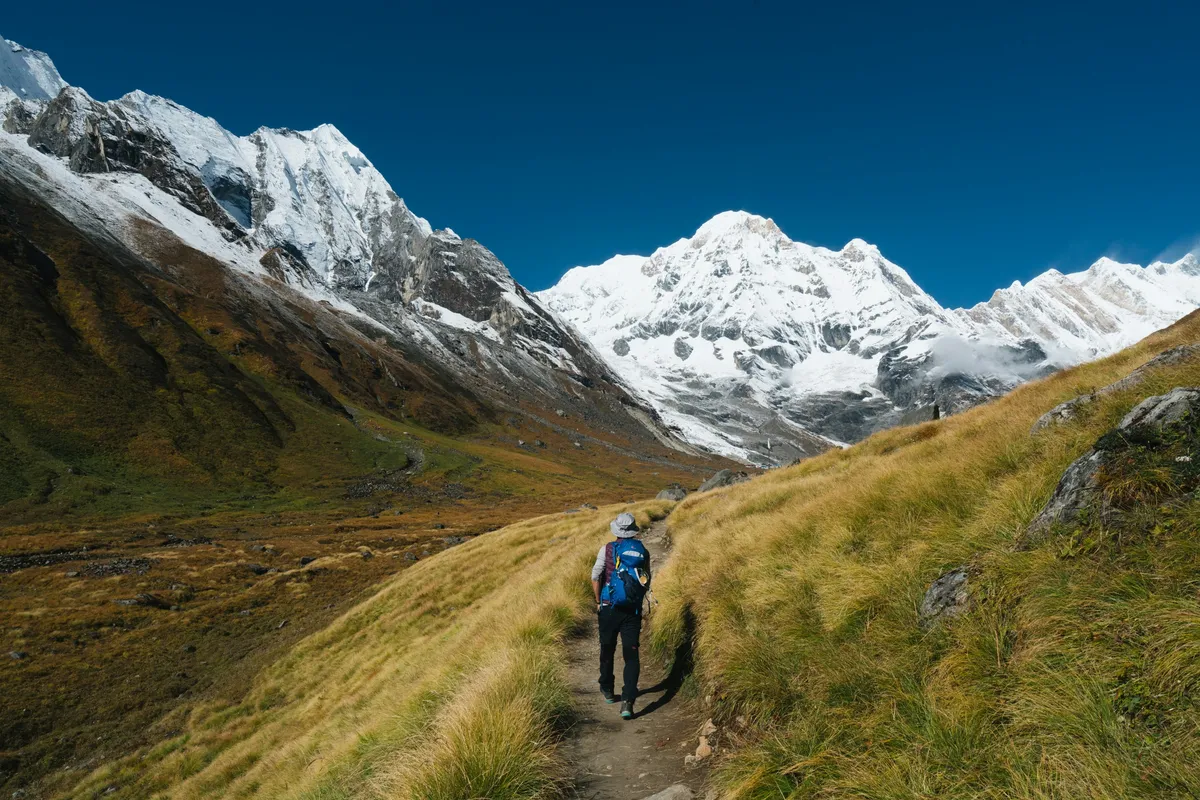
Trekking in the Annapurna region, for example, is a form of moving meditation. The rhythmic pace of walking, the focus on a single step, and the overwhelming beauty of the landscape naturally induce a state of flow. When you start your journey with a few days of spiritual healing in Pokhara, your body is better prepared for the altitude, and your mind is more resilient to the challenges of the trail. Conversely, returning to a yoga sanctuary after a grueling trek allows for the integration of the experience, turning a physical achievement into a spiritual milestone.
For those looking to explore this duality, we recommend partnering with the best trekking agency in Nepal to ensure your journey is safe, sustainable, and spiritually aligned. Imagine spending a week in a Pokhara retreat, followed by a mindful trek to the base camp of Annapurna, punctuated by morning stretches and evening reflections under a canopy of a billion stars. This combination transforms a simple vacation into a pilgrimage of the self.
Designing Your Personalized Spiritual Healing Journey
No two souls are the same, and therefore, no two healing journeys should be identical. The key to a successful spiritual visit to Pokhara is intentionality. Instead of following a rigid tourist itinerary, we suggest a modular approach based on your current emotional and physical state.
The "Deep Reset" Itinerary (For the Burned-Out Professional)
This path is for those escaping the pressures of a high-stress career. It focuses on detoxification and silence.
- Days 1 to 3: Arrival and gentle Hatha yoga at a lakeside sanctuary. Focus on grounding and sleep restoration.
- Days 4 to 6: A digital detox. No phones, no laptops. Intensive meditation and sound healing sessions to clear mental noise.
- Day 7: A mindful visit to the World Peace Pagoda to set intentions for a new way of living.
The "Awakening" Itinerary (For the Spiritual Seekers)
This path is for those who want to push the boundaries of their consciousness.
- Days 1 to 3: Kundalini yoga and advanced pranayama to awaken energy centers.
- Days 4 to 6: A combined trek and yoga experience. Short hikes to secluded meditation spots in the foothills.
- Day 7: A closing ceremony with a Tibetan singing bowl master to seal the energy of the experience.
The "Gentle Bloom" Itinerary (For the Beginner)
This path is for those who are new to yoga and spirituality and want a soft introduction.
- Days 1 to 3: Easy Vinyasa classes and lakeside walks. Focus on the joy of movement.
- Days 4 to 6: Reiki sessions and aromatherapy to relax the nervous system. Visits to the Tal Barahi Temple.
- Day 7: A sunrise visit to Sarangkot to witness the majesty of the Himalayas.
Comparison of Pokhara Wellness Retreats
| Retreat Type | Primary Focus | Intensity Level | Best For... | Typical Duration |
|---|---|---|---|---|
| Holistic Sanctuary | Ayurveda & Hatha | Moderate | Detox & Physical Health | 7 to 14 Days |
| Wellness Hub | Vinyasa & Kundalini | High | Energy Work & Socializing | 3 to 7 Days |
| Zen Garden | Vipassana & Zazen | Moderate (Mental) | Mental Clarity & Peace | 5 to 10 Days |
| Boutique Lake Cottages | Reiki & Sound Healing | Low | Stress Relief & Pampering | 2 to 5 Days |
Practical Guide: Planning Your Healing Visit to Pokhara
To ensure that your spiritual journey is not interrupted by logistical stress, a bit of preparation goes a long way. Pokhara is welcoming, but certain considerations can enhance your experience.
When to Visit
The best times for spiritual healing in Pokhara are during the spring (March to May) and autumn (September to November). During these windows, the weather is stable, the skies are clear, and the mountains are visible, which is crucial for the visual and meditative aspects of the journey. The winter months (December to February) can be quite cold, which is actually ideal for those who prefer "indoor" retreats focusing on deep meditation and warmth.
What to Pack
Comfort is the priority. Pack loose-fitting, breathable clothing made from natural fibers like cotton or linen. A high-quality yoga mat is a good investment, though most centers provide them. Don't forget a warm shawl or a light jacket for early morning sessions by the lake, as the temperature can drop significantly. More importantly, bring a journal to document your insights and emotional releases.
Etiquette and Respect
Remember that you are visiting a land with deep spiritual roots. When visiting temples like Tal Barahi, dress modestly, covering your shoulders and knees. Always remove your shoes before entering a yoga shala or a temple. Approach your practice with humility and openness. The local culture is incredibly hospitable, and a simple "Namaste" with a slight bow is the perfect way to acknowledge the divinity in others.
Conclusion: Embarking on Your Path to Enlightenment
Yoga and spiritual healing in Pokhara are not just about the exercises we do on a mat or the sounds we hear from a bowl. They are about the courageous act of turning inward. In the shadow of the Annapurnas, the noise of the world fades away, leaving only the sound of your own heartbeat and the whisper of the wind. It is here, in the lakeside sanctuary, that you can rediscover the parts of yourself that were lost in the hustle of daily life.
Whether you seek to heal a broken heart, clear a clouded mind, or simply find a moment of stillness, Pokhara offers the tools and the environment to make it happen. By combining the wisdom of ancient yoga with the raw beauty of the Himalayas, you can create a transformation that lasts long after you leave the shores of Phewa Lake. We invite you to stop searching and start arriving. Your sanctuary is waiting.