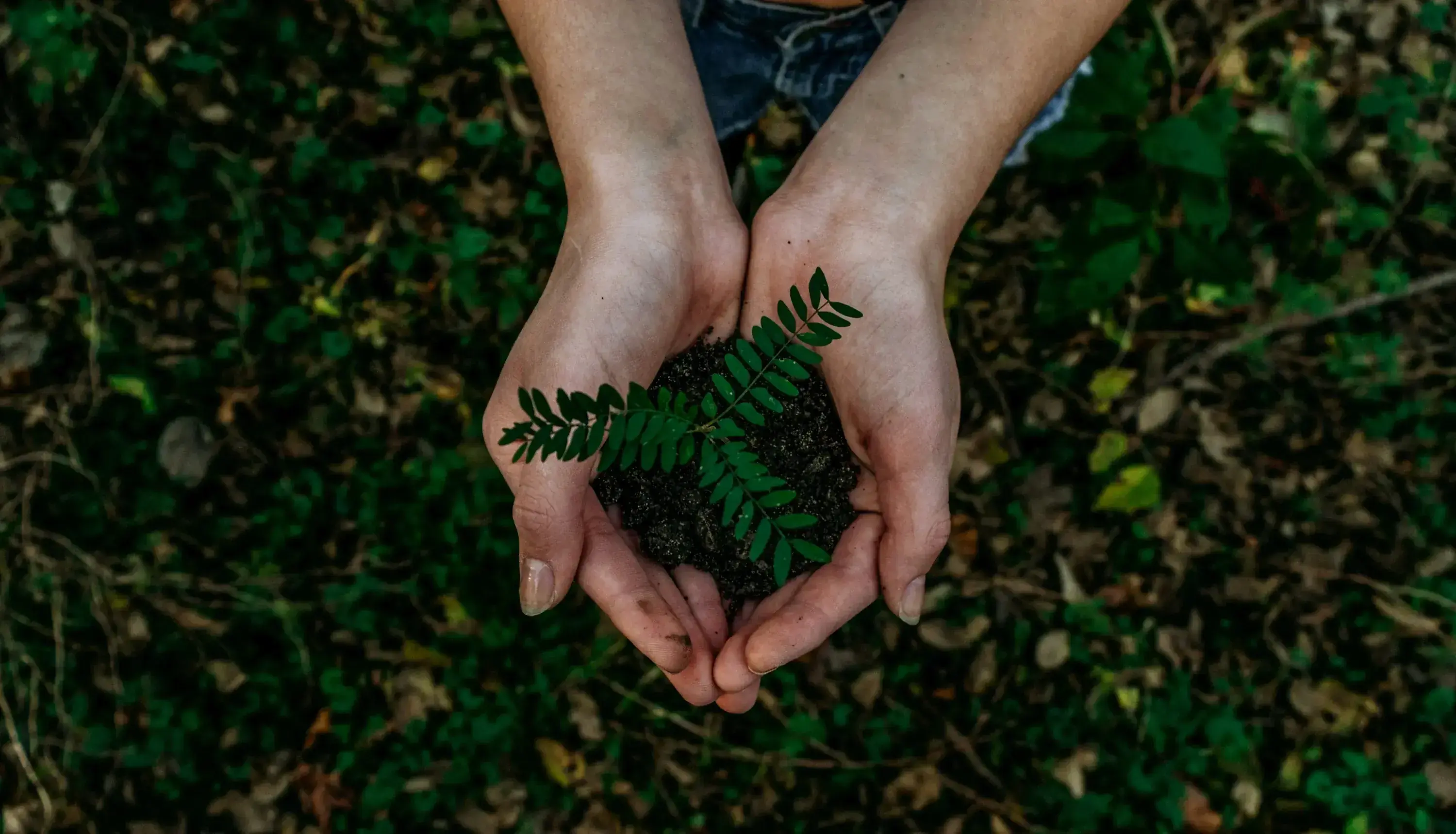
Thirty minutes of electric-vehicle hum from the tea shops of Thamel, the noise of Kathmandu falls away and something older takes its place: the hush of the Nagarjun forest. Broadleaf canopy filters the Himalayan light, langurs crash through the branches overhead, and a wide forest road climbs steadily toward a white-washed stupa on the ridge. This is the Jamacho trail, the greenest day hike in the Kathmandu Valley and, for a growing number of travelers, something more - a chance to give something back to the mountains that give so much. The carbon-neutral Jamacho hike and tree planting tour pairs the climb with a hands-on reforestation session, so you fly home having put roots in Himalayan soil.
This guide walks you through everything the trail involves: the sacred history of the forest, the stupa at the summit, the difficulty of the climb, what the planting session actually looks like, costs, seasons, packing, and how to weave Jamacho into a wider spiritual journey through Nepal. Whether you are a pilgrim at heart, a day-hiker chasing valley views, or a traveler who wants your footprint to be a green one, the Jamacho Peak hike deserves a place on your Kathmandu itinerary.
What Is the Jamacho Peak Hike?
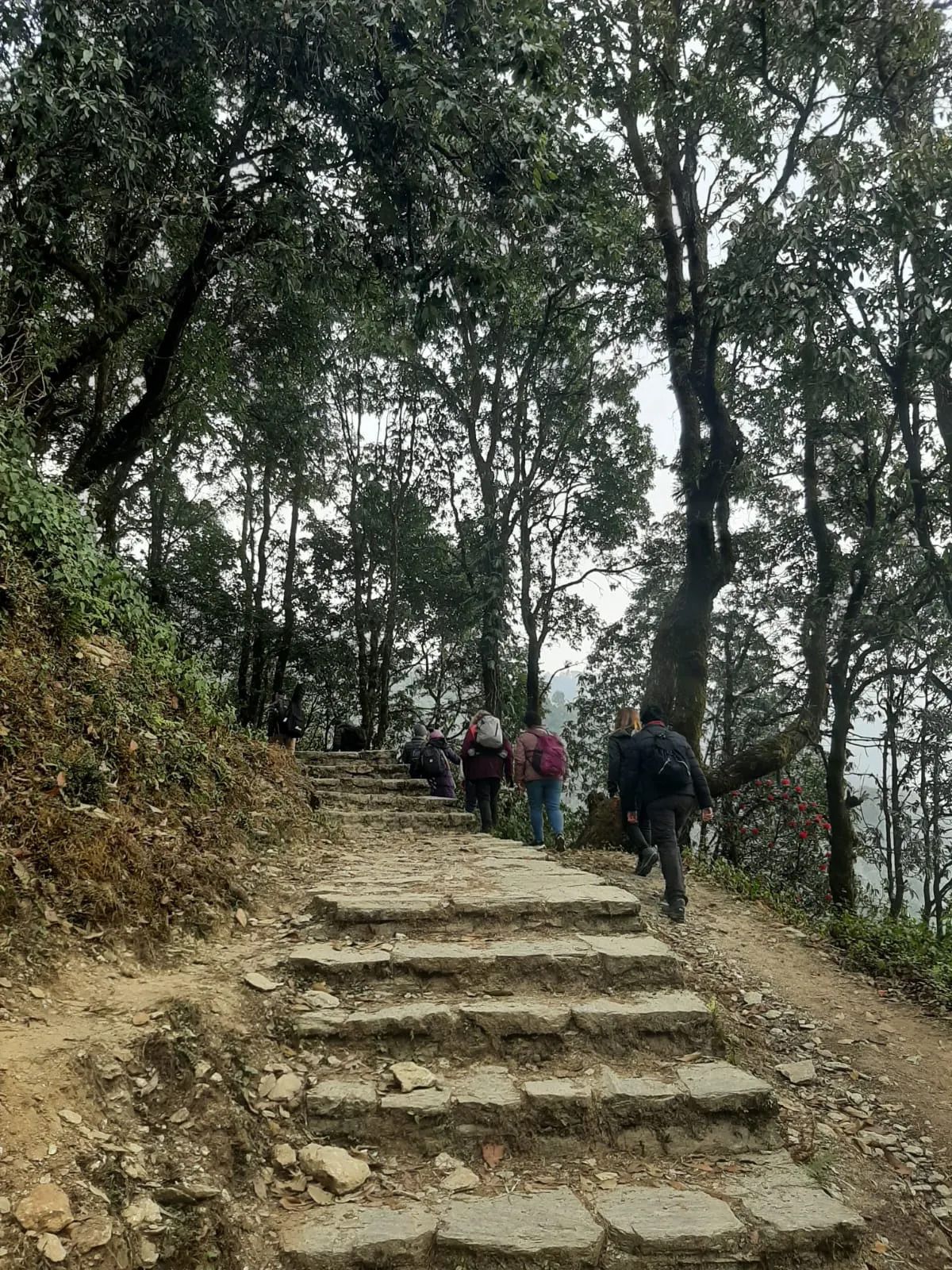
The Jamacho Peak hike is a forest ascent through the Nagarjun sector of Shivapuri Nagarjun National Park, on the northwestern rim of the Kathmandu Valley, ending at a Buddhist stupa roughly 2,100 meters above sea level. The route follows a broad, vehicle-free fire road through protected broadleaf woodland, and the organized day version adds a native-tree planting session after the walk. It is the closest thing the capital has to a genuine wilderness pilgrimage.
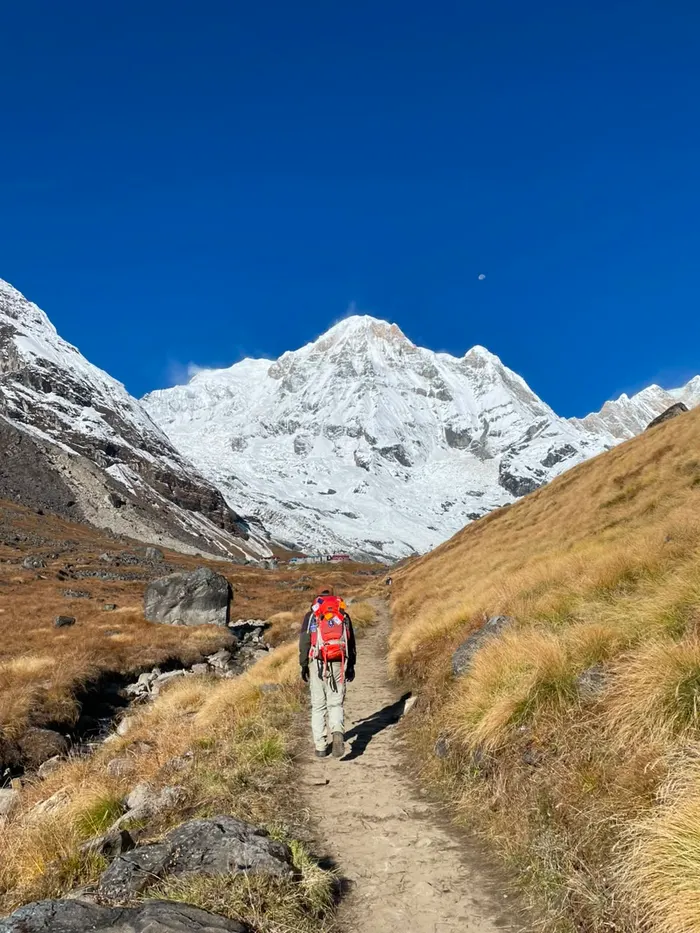
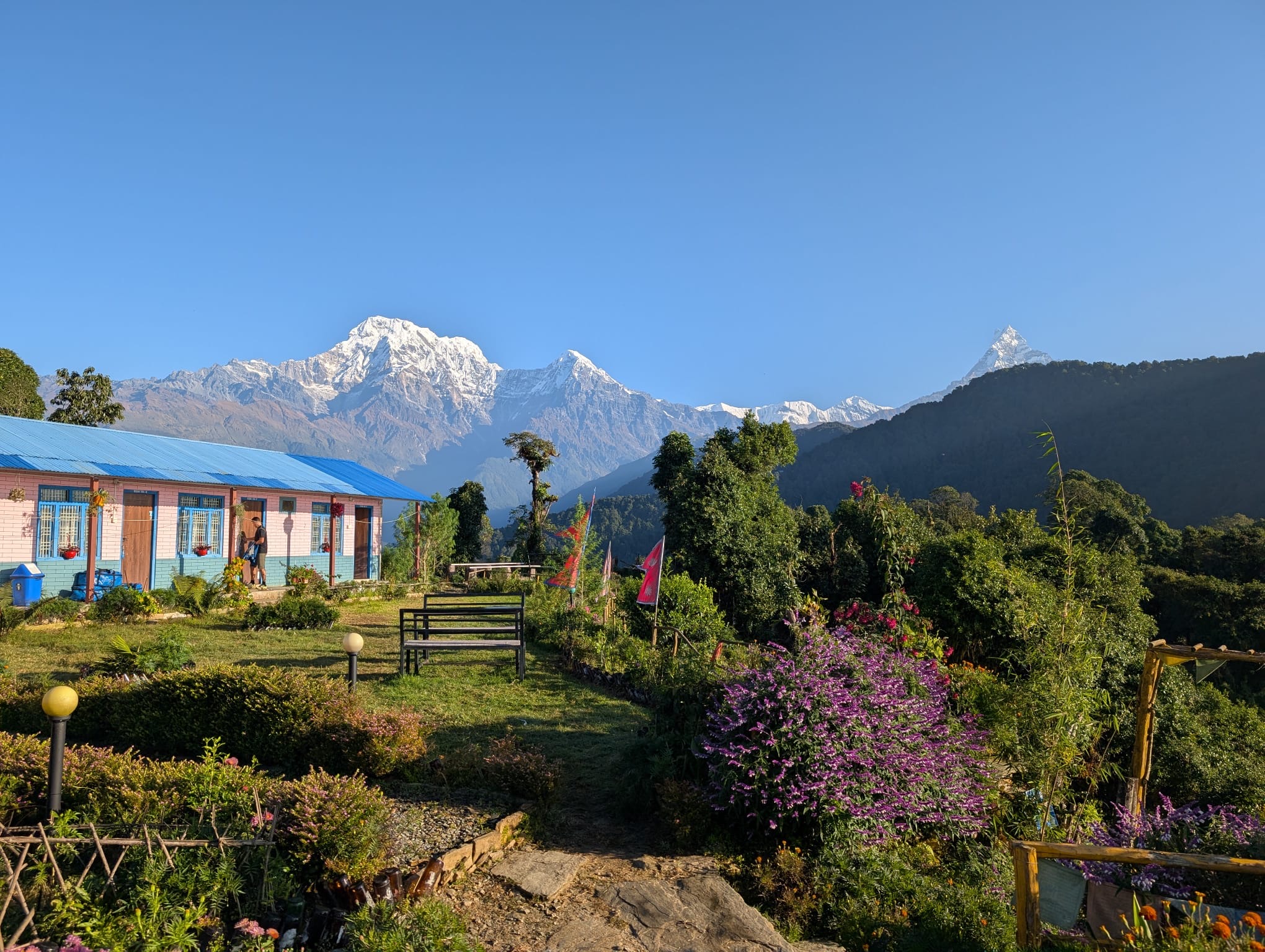
Jamacho is the high point of Nagarjun Hill, the forested massif that rises directly above Balaju on Kathmandu's northwestern edge. The trailhead sits minutes from the city, yet the moment you pass the park gate the atmosphere changes completely: hornbills and babblers replace traffic horns, and the canopy closes overhead. The road climbs through oak, laurel and pine woodland, opening every so often to sudden panoramas across the valley - the towers of Kathmandu on one side, the terraced middle hills rolling toward the Langtang range on the other. On clear winter mornings the snow line of the Ganesh Himal floats above the green.
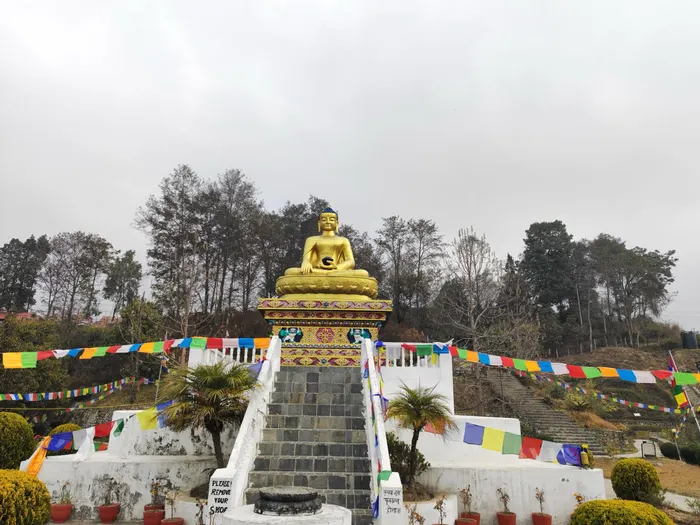
The summit rewards you with the Jamacho stupa, a whitewashed Buddhist shrine wrapped in prayer flags where the wind does the chanting for you. Locals come up for morning puja; trekkers come for the silence; and in recent years a third kind of visitor has started arriving - people who come to plant trees on the lower slopes and walk back down knowing the forest is a little denser because of them.
Why Is the Nagarjun Forest Considered Sacred?
The Nagarjun forest is considered sacred because it takes its name from the sage Nagarjuna, the revered Buddhist philosopher who, according to valley tradition, meditated in a cave on this hill more than 1,800 years ago. The forest was protected for centuries as a royal reserve and today shelters a living stupa, hermitage sites and a monastic community at the summit. That layered history of meditation, monarchy and conservation still shapes how Nepalis treat the hill.
The name carries real weight in the Buddhist world. Acharya Nagarjuna, the great philosopher of the Madhyamaka school, is associated in Newar and Tibetan tradition with several sites around the Kathmandu Valley, and Nagarjun Hill is the one most locals will name first. The story goes that the sage retreated to the hill's caves to practice, and the forest has been regarded as a place of power ever since. You do not need to share the belief to feel its effect: this is a forest that people have deliberately left alone, and it shows.
For centuries the woodland was known as Rani Ban - literally the Queen's Forest - a royal hunting and timber reserve that ordinary people could not enter. That long closure, paradoxically, is why the trees survived. When the royal era ended, the forest was brought under national park protection, and in 2009 it was formally folded into Shivapuri Nagarjun National Park. The result today is one of the best-preserved old forests within sight of any capital city in Asia: a sanctuary of oak and laurel, orchid-lined gullies, barking deer, rhesus and Assamese macaques, more than a hundred bird species, and the occasional leopard that almost nobody ever sees.
There is also a quiet Hindu presence on the hill. Pilgrims link the forest to ascetic practice in both traditions, and the summit stupa receives offerings from Buddhist and Hindu visitors alike - a very Nepali arrangement, and one that echoes the shared sacred geography described in our complete guide to cultural and spiritual tours in Nepal.


The Jamacho Stupa and the Summit Panorama
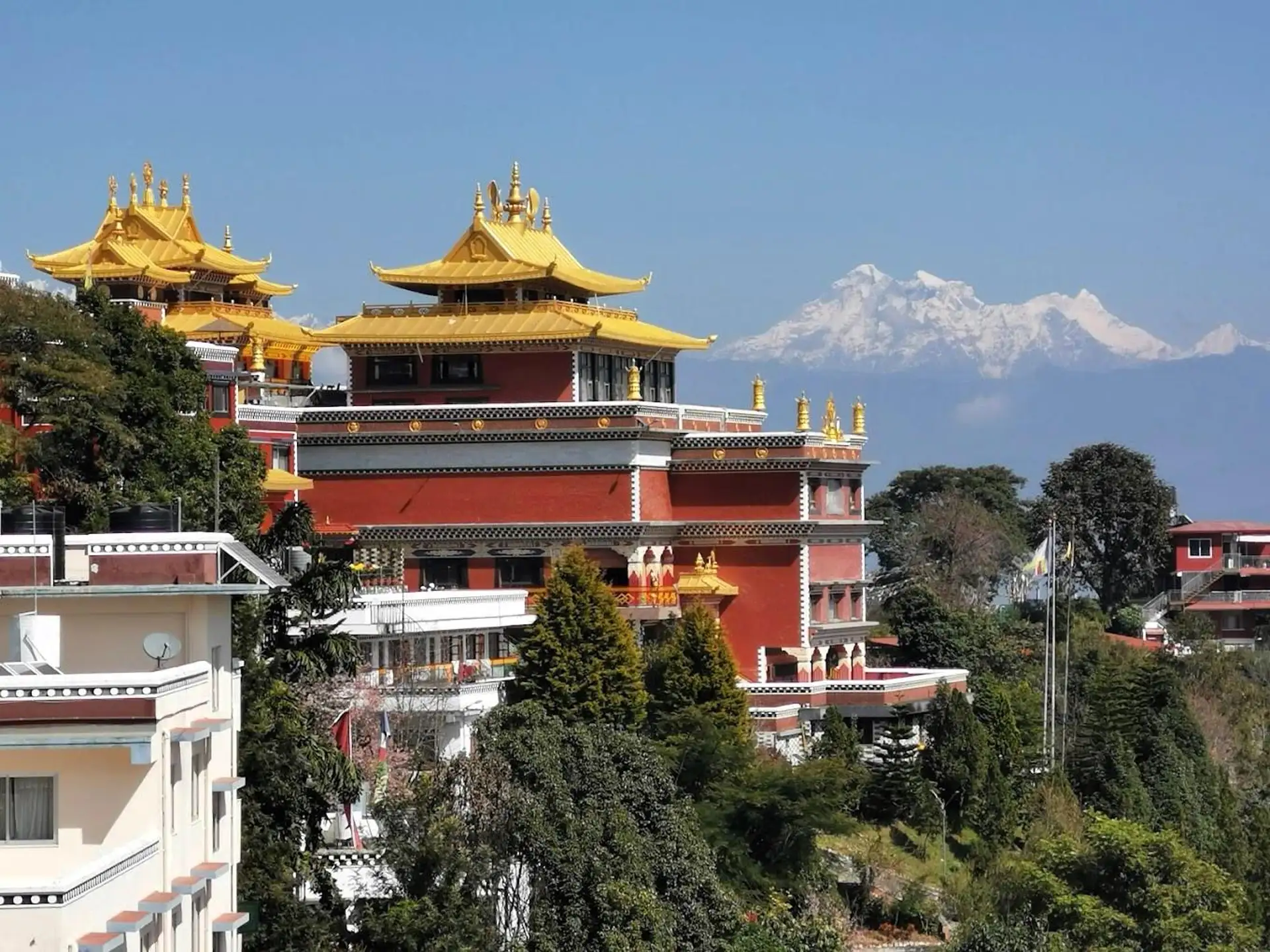
The stupa at Jamacho is a modest structure as stupas go, but its setting is unmatched: a forest crown at the meeting point of sky, valley and snow. Strings of prayer flags stream from its spire toward the Langtang Himal, and a small monastery and hermitage cluster nearby, home to caretaker monks who sometimes receive visitors with tea. The summit clearing is intentionally simple - no shops, no noise, just the flags, the wind and a view that repays every step of the climb.
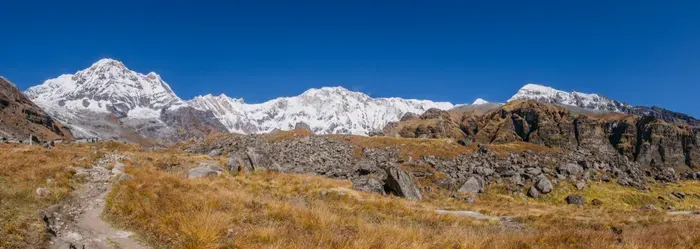
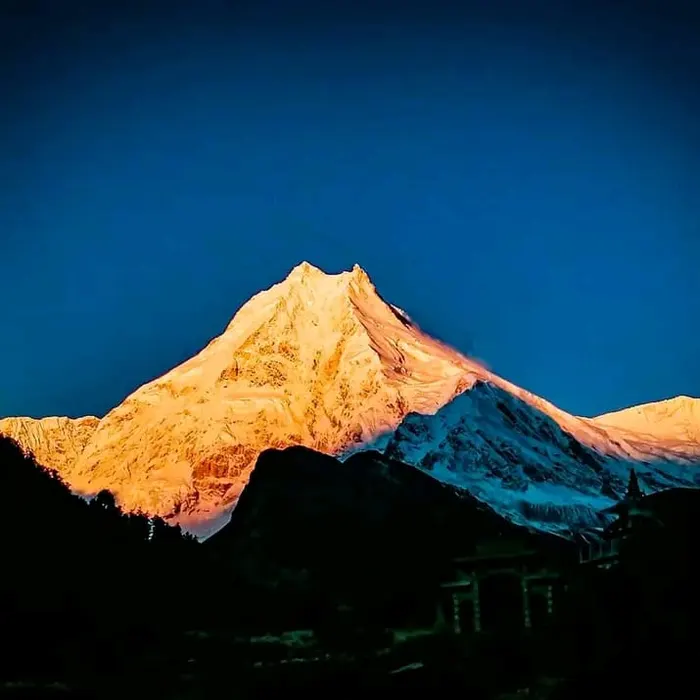
Look east and the entire Kathmandu Valley spreads beneath you, the dense brick-and-concrete sea of the capital framed by green ridgelines. Look north and, when the air is clean, the peaks of the Langtang range stand up over the hills in startling detail - a preview of the higher Himalaya for trekkers heading onward to Langtang or Everest. Dawn and dusk are the magic hours; the sunrise seekers' route across the valley is covered in our sacred dawn and golden hour guide, and Jamacho belongs on that same list of power spots.
Etiquette at the summit mirrors any sacred site in Nepal: walk clockwise around the stupa, keep voices low, ask before photographing monks or shrines, and leave offerings only if your heart genuinely moves you to. If you are planning to visit monasteries elsewhere in the valley, the conduct essentials are gathered in our visitor guide to monastery etiquette in Kathmandu.
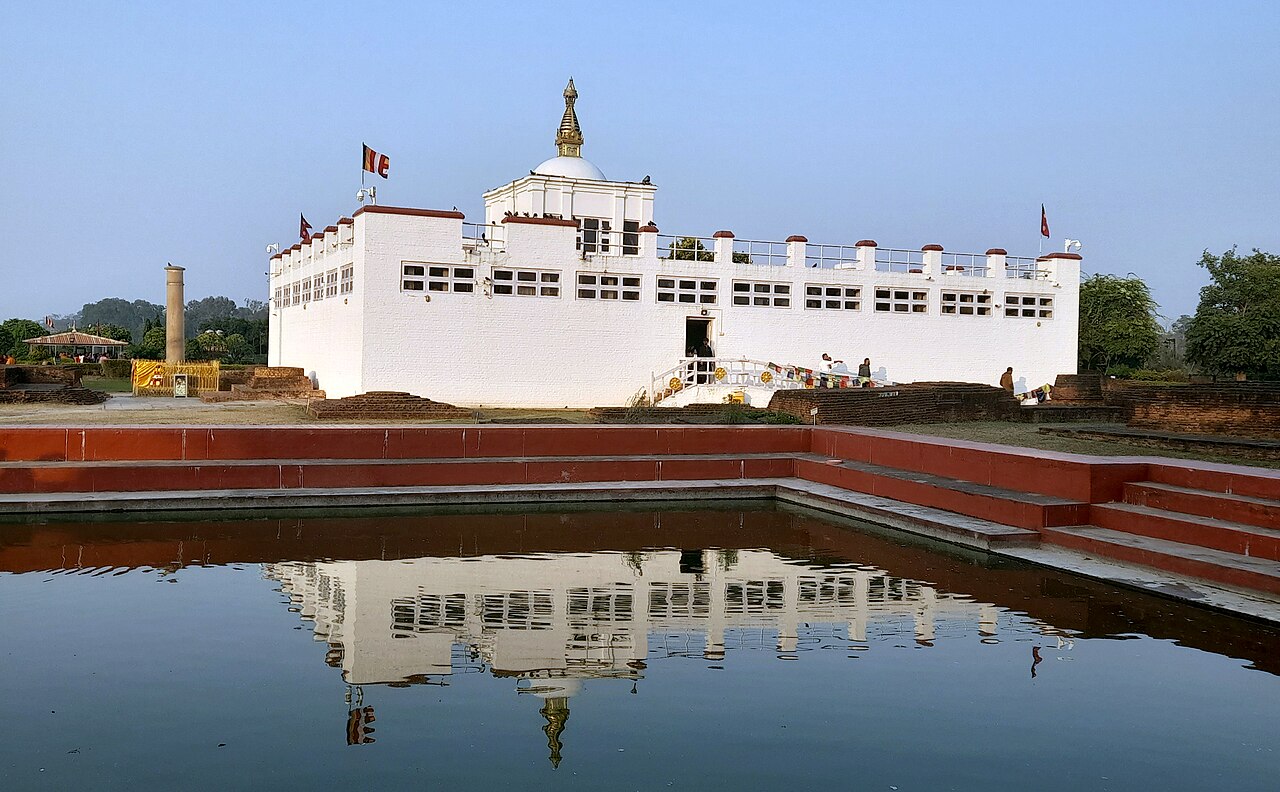
A Living Watershed Above the Valley
The Nagarjun forest is not only a sacred hill; it is working infrastructure. Its slopes are part of the catchment that feeds the streams and springs lower valley communities depend on, and the park's health is measured in the clarity of the water that leaves it. Protecting a forest like this is, in the most literal sense, protecting Kathmandu's water supply. That is why tree planting here is not a tourist gesture - it is maintenance of the city's green lungs, done with community forest groups and park authorities rather than around them.
Ecologically, the hill sits in the transition zone between the subtropical woodland of the valley floor and the temperate oak-rhododendron belt of the higher ridges. It is precisely the kind of diverse, mid-altitude forest that reforestation efforts in Nepal prioritize, and the planting sites used by organized tours are chosen to widen existing canopy, stabilize slopes and restore sections where old pine plantations are being converted back to native broadleaf. Your sapling joins a larger, patient project - the same one profiled in our complete guide to tree planting and community forests in Nepal.
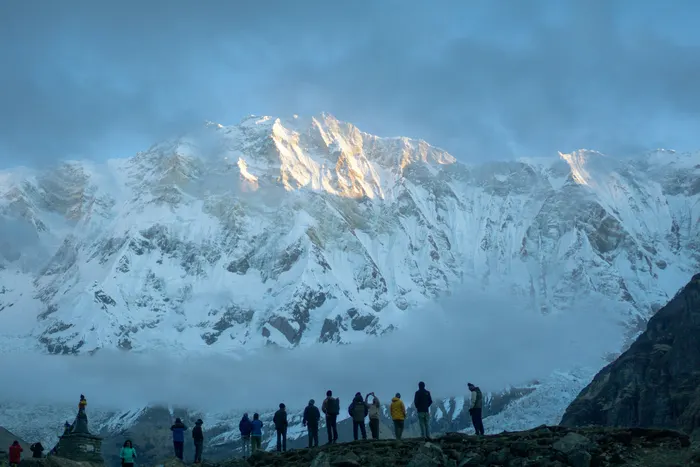
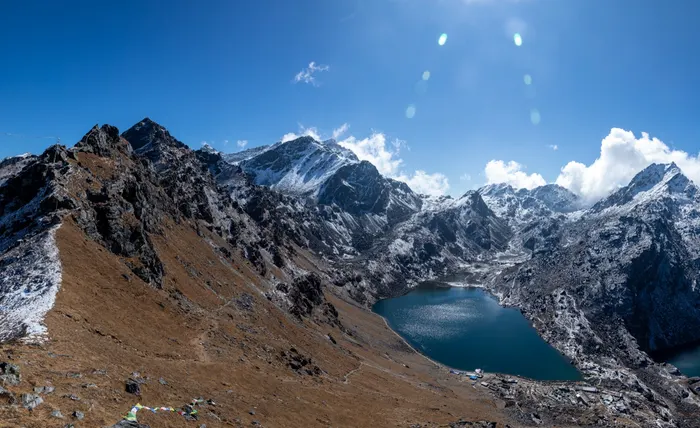
How Hard Is the Jamacho Hike?
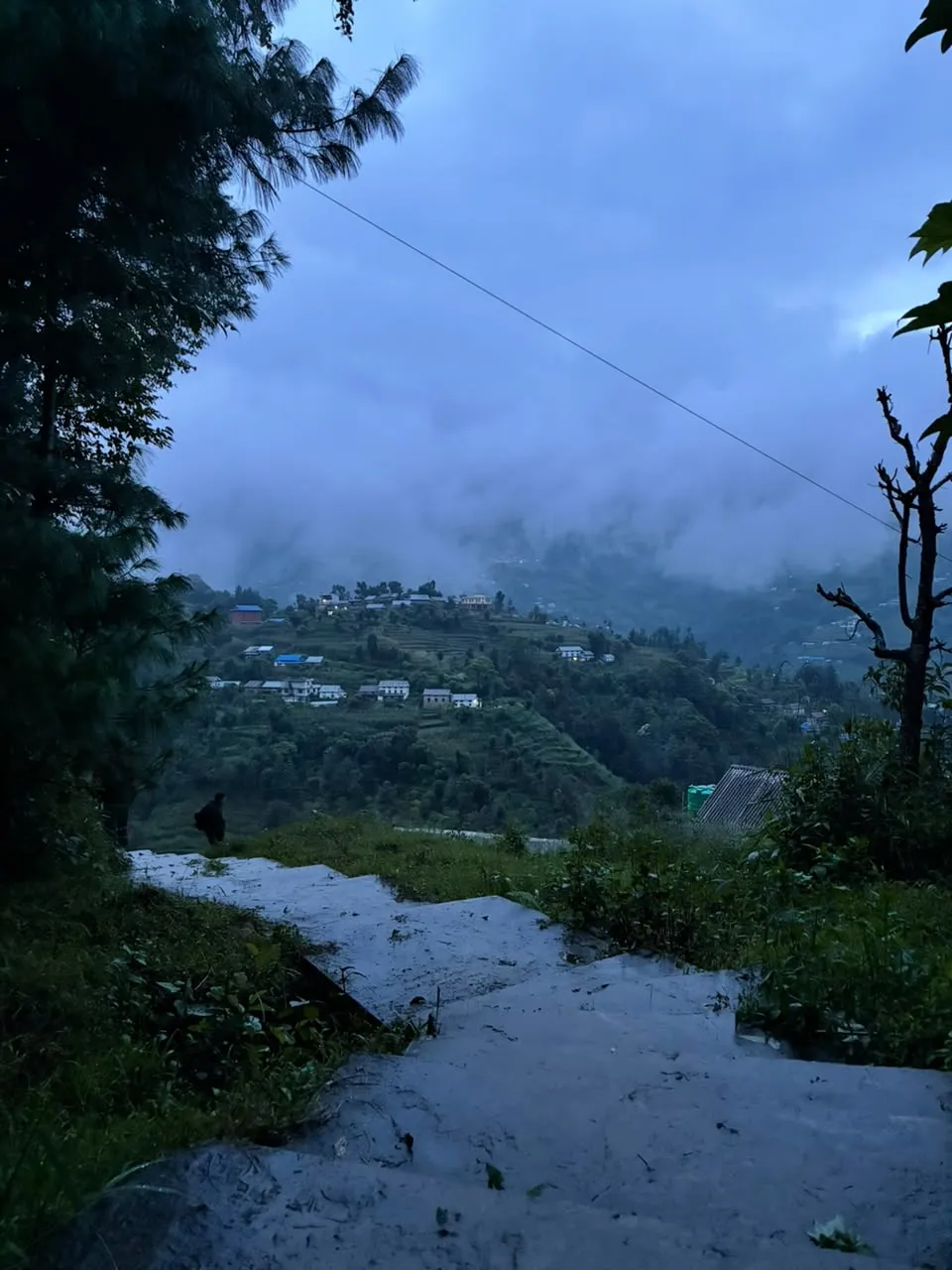 The Jamacho hike is a moderate half-day walk: a steady climb of several hundred meters on a wide, well-graded forest road with no technical sections, achievable for most reasonably fit hikers, including teens and active seniors. The challenge is length and elevation gain rather than terrain - expect three to four hours up to the stupa and around two hours down if walking independently. Go at your own pace and the trail never feels punishing.
The surface is the friendliest kind - a smooth dirt fire road wide enough for two people to walk abreast, with no exposure, no scrambling and no ledge sections. Footing is easy in the dry season and mildly slippery after rain, when the forest floor softens and leeches become active below the upper slopes. The gradient is relentless rather than steep: long sections rise gently, then a switchback series below the ridge delivers most of the real climbing. If you are training for bigger treks, Jamacho is an ideal acclimatization-and-legs day; our complete guide to planning trekking in Nepal explains how a valley warm-up hike fits into a longer Everest or Annapurna program.
The organized carbon-neutral tour keeps the day realistic for mixed groups: guides set a conversational pace, build in rest and interpretive stops where you learn the forest's flora and fauna, and the itinerary does not force the full summit push on anyone who would rather savor the trail. That flexibility is exactly why the tour works for families - a gentler loop with the planting session still delivers the forest's whole point, while stronger walkers continue higher.
What Happens During the Tree Planting Session?
The tree planting session is a hands-on reforestation hour led by your guide at a designated restoration site in the park: you dig a proper pit, set a nursery-raised native sapling, firm the soil, water it and, if it is spring, mulch around the collar. Species are chosen by the site plan - typically fast-growing native pioneers such as utis (Himalayan alder) and broadleaves like chilaune - and each sapling is tagged to the season's planting cohort. You leave knowing exactly which tree is yours.
It is harder work than it sounds, and more satisfying. The digging is real, the hillside is real, and the guide's explanation of why this slope needs alder is real forest science - alders fix nitrogen, stabilize soil and nurse slower hardwoods into the canopy. There is something quietly profound about the sequence: you have spent the morning walking through a forest that centuries of restraint preserved, and the afternoon giving the next century its start. In the Himalayan tradition this is karma yoga in its plainest form - practice expressed through the hands. If the idea of trail-based practice appeals to you, our pieces on combining hiking with meditation in Nepal and forest bathing and mountain silence map the wider ground.
For travelers who want to go deeper than a single hour, the same team runs a fuller reforestation and cleanup community hike near Kathmandu, which pairs the planting with trail restoration work and a longer forest section. Both experiences channel your visit into measurable forest gain - sapling survival counts, hectares restored, community nursery hours funded - which is what separates genuine conservation travel from green theater.
Walking Meditation on a Forest Road
Ask repeat visitors what they remember about Nagarjun and few mention the workout. They describe the light through the leaves, the smell of damp laurel, the way a forest that sees few visitors grants a particular quality of quiet. The Jamacho road, wide and even, is almost engineered for mindful walking: a pace that matches your breath, eyes soft on the canopy, thoughts settling like dust. Meditators will recognize the state at once; everyone else just calls it the happiest hour of their Kathmandu week.
If you want to arrive prepared, simple breath-counting practice travels perfectly to a trail like this, and Kathmandu's teaching centers - covered in our guide to the best places to meditate in Kathmandu - offer short intro sessions that fit neatly before a hike day. First-timers can start with the gentler routines in our meditation for beginners guide. And for travelers whose practice deepens into stillness, the valley's retreat options - from silent programs to luxury wellness escapes - are compared in our guides on high-end Himalayan meditation retreats and meditation for anxiety relief in the mountains.


What Should You Pack for the Jamacho Hike?
Pack for the Jamacho hike as you would for any mid-altitude forest walk in the Kathmandu Valley: broken-in walking shoes or light hikers, a daypack with a liter and a half of water, sun protection, a light shell for afternoon clouds, and modest clothing suitable for a sacred site. In the monsoon months add quick-dry layers, a rain shell and leech socks or a salt pouch; in winter add a warm layer for the shaded road. Gardening gloves are a thoughtful extra for the planting session.
- Footwear: trail shoes with grip. The road is smooth but can be slick after rain.
- Layers: a fleece for winter mornings above 2,000 meters, a shell for any season.
- Water and snacks: at least 1.5 liters per person; the forest road has no shops.
- Sun kit: hat, sunglasses and sunscreen - stretches of the road are fully exposed.
- Monsoon extras: leech socks or a small pouch of salt, quick-dry clothing, a pack cover.
- Planting extras: light gardening gloves and a bandana; tools and saplings are provided.
- Courtesy items: a spare buff or scarf for summit photos, cash for small offerings.
When Is the Best Time to Hike Jamacho?
The best time to hike Jamacho is October to March, when the post-monsoon and winter air delivers the clearest valley and Himalayan views from the ridge; March to April brings rhododendron and orchid bloom with warming days; and the June to September monsoon turns the forest impossibly green at the cost of clouds, mud and leeches. Serious photographers should target the crisp mornings of December to February, while planters get the most from spring soil moisture. Every season works if you dress for it.
Each season on the hill has its argument. Autumn - the great trekking season - is when the Langtang peaks are most reliably stamped against blue sky, and when the trail carries the valley's peak-season energy. Winter mornings can be cold enough for frost on the ferns, but the visibility is the year's best and the forest is at its quietest. Spring is the botanist's season: the hill's rhododendrons, orchids and Daphne begin their performance, and the planting season swings into gear as the pre-monsoon rains soften the ground for saplings. The monsoon is the forest's own favorite time - every leaf new-washed, clouds pouring over the ridge - but it is a season for leech socks and low expectations of views.
Timing your visit against the valley's festival calendar adds another layer entirely: planting a tree in the week before Losar or during the pre-Dashain pulse of pilgrim traffic ties your sapling to a moment in the cultural year. The full celebration map, from Dashain and Tihar to Indra Jatra, is laid out in our guide to Nepal's festivals and the best time to go.
How Much Does the Jamacho Tree Planting Hike Cost?
The organized carbon-neutral Jamacho day costs from USD 120 per person, covering hotel pickup, the electric-vehicle transfer, an expert naturalist guide, the guided forest hike and the full tree planting session with nursery-raised native saplings. Independent hikers pay only park-level costs plus transport to the gate. Compared with other guided Kathmandu day experiences, the tour sits at the accessible end of the scale while delivering conservation outcomes none of them match.
What the fee actually buys is worth unpacking. The electric car transfer is not a gimmick - it is the operational half of the tour's carbon-neutral claim, removing the day's single largest emission source before you even reach the trailhead. The guide is a naturalist who can name what you are looking at, from the orchids at your boots to the eagles over the ridge. And the planting session is resourced properly: enough saplings, tools and crew time for every participant to put real trees in real ground. Budget travelers can compare the free and low-cost alternatives in our guide to affordable retreats and free programs in Nepal, while the mechanics of choosing a responsible operator are covered in the Nepal cultural and heritage tour guide.
To book the day, the tour page carries live dates, group sizes and the full itinerary for the Jamacho hike and tree planting experience. Families and private groups can arrange sole-departure versions through the tailor-made trip desk.
How Does the Carbon-Neutral Tour Day Run?
A typical day runs roughly eight hours door to door. Your guide picks you up at your Kathmandu hotel and an electric car carries you out of the city in about half an hour to the park's edge. After a trail briefing the guided hike begins up the Jamacho route - interpretive stops, bird and plant stories, viewpoint breathers - before descending to the designated planting site for the reforestation session. With soil firmed around your saplings the group returns to the vehicle and back to the valley, tired in the best way.
The structure is deliberately unhurried. The morning's climb is punctuated by the guide's explanations of the forest's ecology - which species colonize a landslide scar, why the macaques travel in ranks, how the watershed feeds the valley below - and the hike doubles as a moving nature lecture. The planting hour that follows is the emotional heart of the day, and the drive home is the quiet decompression, city noise returning gradually as the forest releases you. Travelers consistently report the same thing: it does not feel like a tour, it feels like a day well spent.
Responsible Habits on the Trail
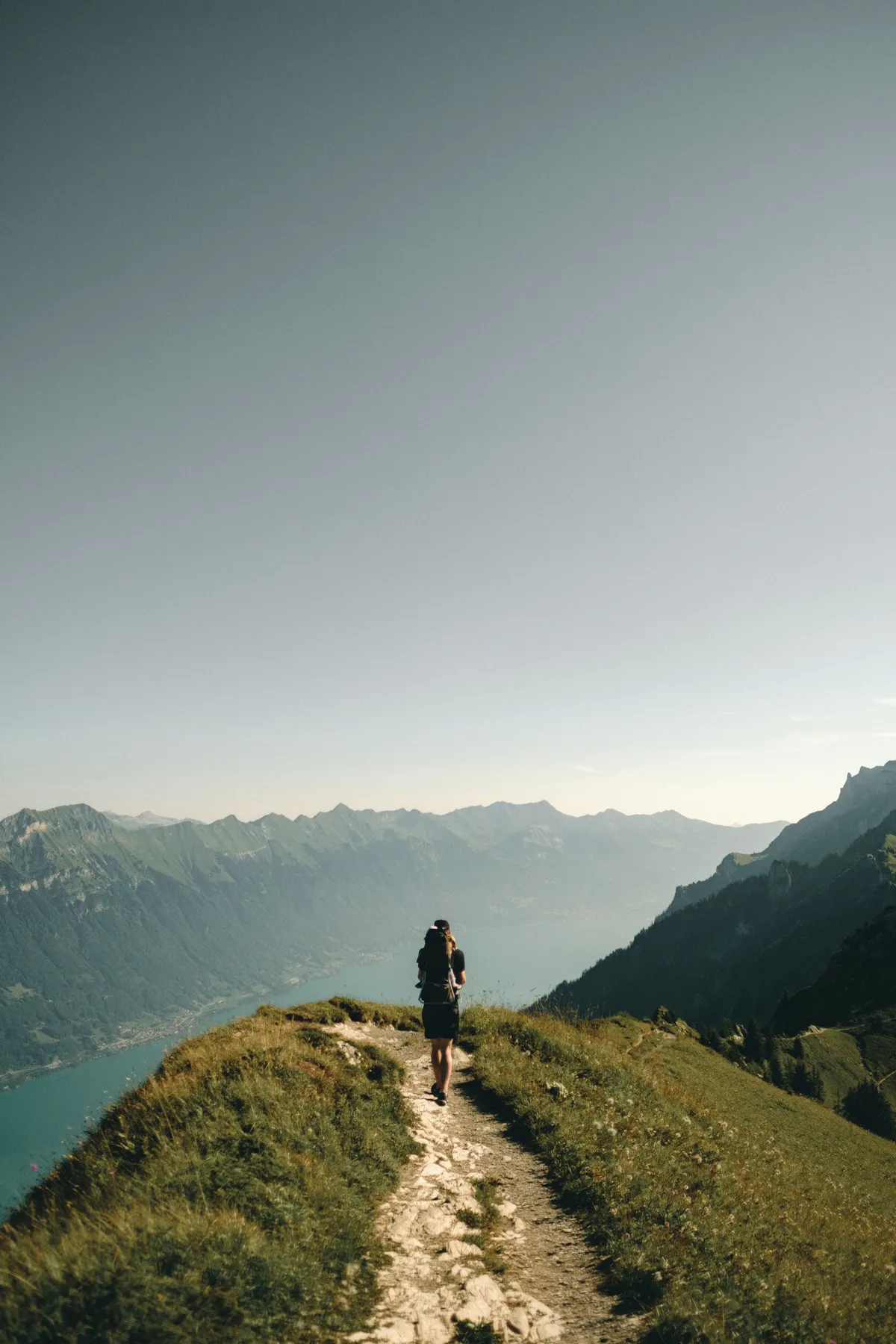
A sacred forest deserves sacred manners. Carry out everything you carry in - the park has no bins and should never need them. Stay on the fire road rather than cutting social paths through regenerating understorey, keep respectful distance from macaques and any livestock, and never remove plants, orchids or forest products; the hill's protected status is precisely why it is still beautiful. Photographs of monks, hermits or pilgrims should always start with a conversation. And if you want your visit to compound beyond the planting hour, the wider etiquette of traveling gently in Nepal is mapped in the reforestation and community forestry guide.
Two habits matter more than the rest. First, silence: the forest's greatest gift is its soundscapes, and a loud group robs every other visitor of them. Second, follow the guide's lead at the planting site - where you dig, how deep, how the sapling sits - because a poorly planted tree is a wasted tree. Conservation is a craft, and on this day you are briefly its apprentice.
How Can You Combine Jamacho With Kathmandu's Sacred Sites?
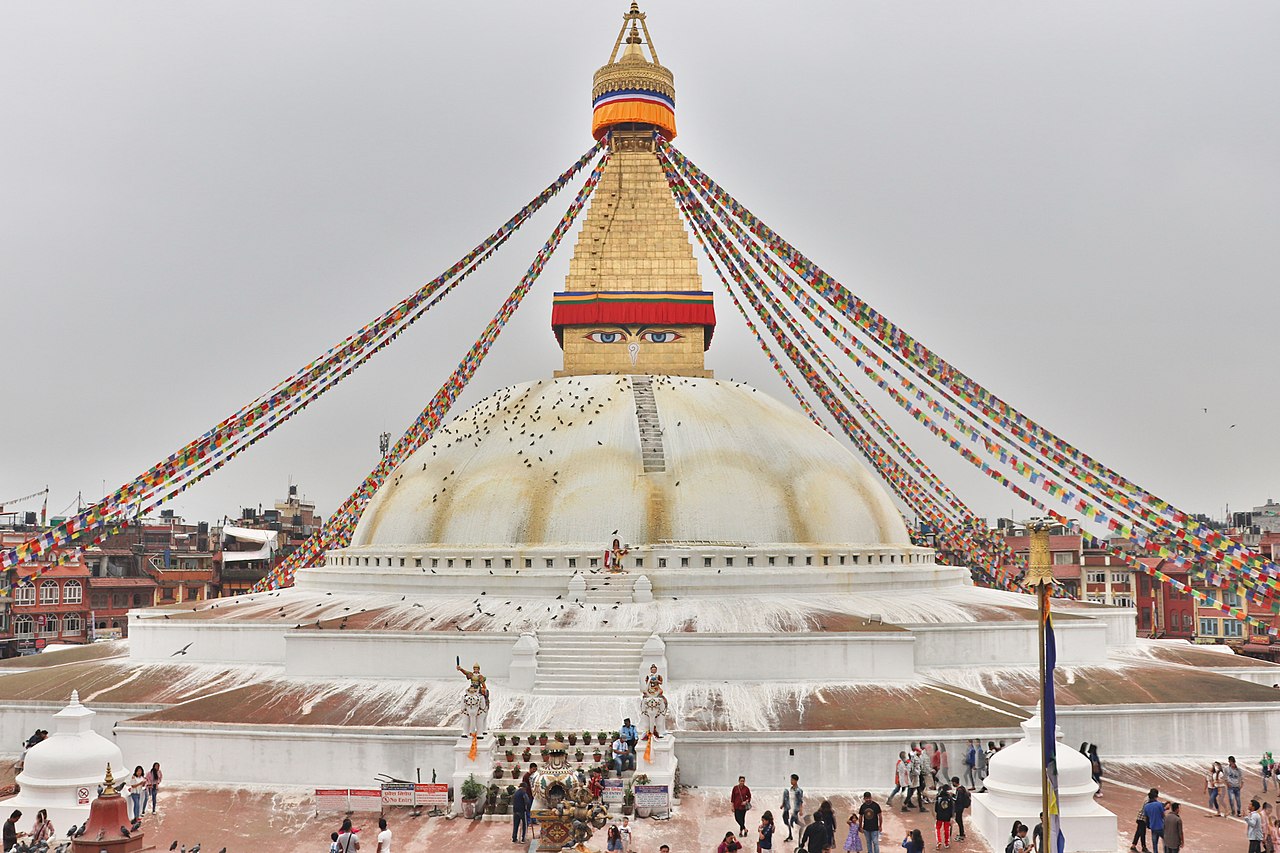
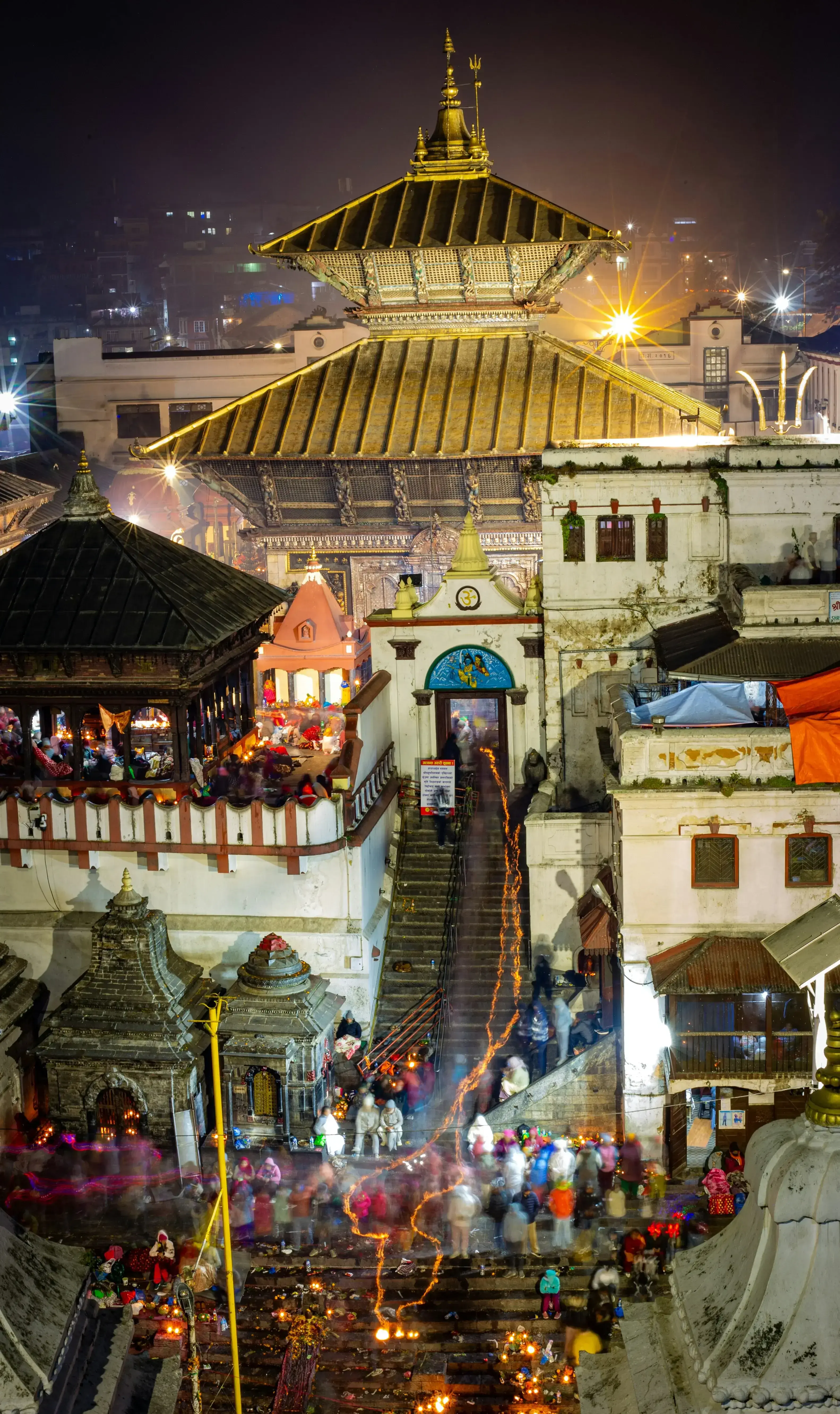
Jamacho slots beautifully into a wider Kathmandu sacred circuit: the hill stands directly above the Baundhan and Balaju pilgrim corridor, placing it a short drive from Swayambhunath, and a single well-planned day can pair a morning forest hike with an afternoon of stupa circumambulation or an evening flame ceremony. Two or three days lets you add Bhaktapur's temple squares, the Newar heritage towns, and Pashupatinath's riverside aarati. The trick is sequencing: hike early, worship late.
A proven three-day shape looks like this. Day one: the Jamacho hike and planting session, ending with a slow evening in Thamel. Day two: the great stupa triangle - Boudhanath, Swayambhunath and the Pashupatinath evening aarati ceremony - which our day-by-day UNESCO World Heritage guide sequences perfectly. Day three: the living Newar traditions of the valley, introduced in our guide to the spiritual heritage of the Newars and the Kirtipur city walk. Longer stays can push outward toward Bhaktapur's squares, described in our Bhaktapur day tour guide, or lift off entirely with the mountain flight experience over Everest - a striking bookend after a week spent with your boots in Himalayan soil.
The green theme continues across the valley, too. Travelers who fall for Nagarjun's forest often continue to the buffer-zone woodlands and community forests described in our heritage and wildlife experiences guide, and food-minded visitors round out the day with the traditions profiled in A Taste of Nepal: dal bhat, Newari feasts and the Thakali thali or the full Nepali culinary journey. A cooking session with a local family, run as a Nepali cooking class in Kathmandu, makes a lovely rainy-day companion to your forest day.
The Jamacho Peak hike is the rare Kathmandu experience that leaves the country physically better for your visit. You walk a forest that kings and sages spared, stand where prayer flags argue with the wind, and put a native tree into Himalayan ground that will keep growing long after your flight home. Few days in Nepal repay you so simply - and few cost the valley so little. Plant something. Then come back in ten years and find it.